
Ergonomic Standards for Assembly Workstations: A Practical Compliance Checklist





Ergonomic compliance in assembly is not achieved by installing an adjustable chair or posting a stretching guide. A workstation is defensible only when its physical design, task sequence, tools, materials, pace, and inspection controls work together to keep force, repetition, posture, vibration, and recovery demands within acceptable limits.
For assembly operations, the central compliance question is practical: can workers complete the required task, at the required quality level and production rate, without sustained awkward posture or avoidable physical load? If the answer depends on an individual worker “getting used to it,” the workstation has not been adequately controlled.
There is no single global ergonomic certificate for every assembly station. Requirements depend on jurisdiction, customer specifications, machinery obligations, and the standards adopted by the employer. However, the core principles are consistent across recognized frameworks such as ISO 6385 on ergonomic principles in work-system design, ISO 11226 on evaluation of static working postures, ISO 11228 on manual handling, ISO 11201 on workplace noise, and ISO 45001 on occupational health and safety management systems. In the United States, OSHA does not prescribe one comprehensive ergonomics standard for general industry, but ergonomic hazards may still be addressed under the General Duty Clause and through applicable safety obligations. In European machinery contexts, EN 1005 series standards are particularly relevant when assessing the physical performance demands associated with machine design.
Start with the work, not the furniture
A common compliance failure is assessing a bench, chair, or tool in isolation. Ergonomic standards assembly assessments must examine the complete work cycle: where parts arrive, how they are grasped, where they are positioned, what force is needed, how tools react, where finished units are placed, and how often the sequence repeats.
A workstation that appears acceptable during a short observation may create excessive exposure over a full shift. The task must therefore be reviewed at actual production conditions, including peak-line speed, product variants, rework activity, replenishment, quality checks, and foreseeable interruptions. The correct question is not whether an operator can reach a bin or apply a fastening tool once. It is whether the task requires repeated reaching, twisting, gripping, or force application at a frequency and duration that creates a foreseeable musculoskeletal risk.
Document the task in a way that can be reviewed later. A useful record includes the workstation identification, product family, operator position, work cycle time, tool type, typical batch size, material weights, operating posture, observed deviations, corrective actions, and the person responsible for verification. Photographs and short task videos can support assessment where permitted by site policy and privacy requirements.
Checklist: work height and body posture
Work height is one of the most consequential design variables because it determines shoulder position, neck angle, wrist alignment, visual distance, and the amount of trunk bending required. A single fixed height rarely suits every task and every worker.
- Match bench height to task demand. Precision assembly and detailed inspection generally require the work to be closer to elbow height or slightly above it, provided the shoulders remain relaxed. Tasks involving higher force or downward pressure generally need a lower surface so that force can be applied without elevated shoulders or excessive wrist extension.
- Provide adjustment where work is shared. Height-adjustable benches, platforms, chairs, footrests, tool balancers, and adjustable fixtures can be more effective than forcing all workers to fit one bench dimension. Adjustment must be usable during normal production, not locked out by line layout or fixed material chutes.
- Keep the head and trunk near neutral. Repeated neck flexion to view fine work, forward trunk bending to access parts, and sideways leaning around fixtures are warning signs. Magnification, task lighting, part presentation, fixture redesign, or raising the workpiece may reduce the need to bend.
- Check seated and standing conditions separately. A sit-stand task is not automatically ergonomic. In seated assembly, thigh clearance, foot support, knee space, and reach to pedals or bins matter. In standing work, floor condition, anti-fatigue measures, foot clearance, and the opportunity to change posture require review.
- Prevent static loading. Even a neutral posture becomes problematic when held for long periods. Continuous standing, sustained leaning, prolonged gripping, and fixed visual focus should be treated as exposure factors, not merely comfort issues.
The assessment should account for the actual worker population rather than an assumed average body size. Where fixed equipment is unavoidable, the design should accommodate the intended range of users through adjustment or by defining a restricted task assignment with appropriate controls. Designing around one person’s preferred setup is not equivalent to ergonomic control.
Reach zones determine whether a station remains compliant at production speed
Frequently used parts, fasteners, controls, and tools should be placed in the primary reach zone: the area accessible with elbows close to the body and without shoulder elevation, trunk rotation, or forward leaning. Items used less often may be positioned farther away, but their location must still avoid awkward reaches and obstructed access.
Part containers deserve particular attention. Deep bins, high front lips, sharp edges, and containers placed behind the main assembly area force workers to extend the shoulder or bend the wrist repeatedly. A bin may hold the correct quantity while presenting the parts poorly. Gravity-fed presentation, angled containers, shallow trays, turntables, or point-of-use replenishment can reduce reach distance and visual searching, but each change should be reviewed for new pinch points, contamination risk, and mix-up risk.
Reach should also be evaluated during abnormal but predictable conditions: a nearly empty container, a jammed feeder, replacement of a reel, retrieval of dropped components, and inspection of a rejected unit. These events may occupy only a small portion of cycle time, yet they can create the most severe postures.
Tools must be assessed as load systems, not just specifications
Assembly tools can create ergonomic risk through weight, handle geometry, trigger force, torque reaction, vibration, hose drag, cable resistance, noise, and the need for visual confirmation. A low tool weight alone does not establish suitability if the worker must hold it at shoulder height, resist torque reaction, or twist the wrist to reach the fastening point.
- Confirm that the handle allows a neutral wrist position in the actual fastening orientation.
- Review trigger placement and activation force, particularly for high-cycle tasks.
- Assess tool weight together with the distance from the body and duration of unsupported holding.
- Use balancers, articulated arms, reaction arms, or fixtures when they reduce sustained load without obstructing the task or creating collision hazards.
- Control torque reaction. Repeated reaction force transferred through the hand, wrist, forearm, or shoulder is a design issue, not an individual tolerance issue.
- Evaluate vibration exposure where powered hand tools are used. Tool condition, consumables, maintenance, and operating technique can alter exposure materially.
- Check hoses and cables for drag, snagging, trip hazards, and forces that pull the tool away from the intended working position.
Tool selection must also support quality requirements. An ergonomic tool that cannot maintain the required torque, angle, traceability, or process capability is not an acceptable solution. Conversely, a quality-controlled fastening system may create ergonomic concerns if its position, reaction mechanism, or cycle sequence has not been designed around the operator. Quality and ergonomics should be reviewed together because poor posture can affect tool alignment, fastening consistency, visual inspection reliability, and defect detection.
Manual handling should be measured against the real load path
Manual handling risk is often understated because the listed component weight seems modest. The relevant demand includes how far the object is held from the body, the vertical lift range, coupling quality, travel distance, asymmetry, frequency, and whether the worker handles the item while walking, rotating, or avoiding obstructions.
ISO 11228 provides a useful framework for examining lifting, carrying, pushing, pulling, and repetitive handling. It should not be reduced to a single maximum-weight rule. A load that is manageable when lifted close to the body from waist height may be unsuitable when taken from floor level, transferred across a conveyor, or positioned with one hand into a fixture.
Check whether loads have stable handholds, whether packaging changes grip quality, and whether gloves make the object harder to hold. Evaluate carts, lift assists, vacuum lifters, scissor tables, turntables, and conveyors as part of the task. Mechanical assistance is beneficial only when it reduces the total physical demand; a poorly located lift control or an assist device that requires repeated pushing can simply move the risk elsewhere.
Lighting, visibility, and inspection access are ergonomic controls
Visual strain is frequently separated from ergonomics, yet poor visibility drives neck flexion, forward leaning, squinting, and excessive inspection time. The necessary lighting level depends on the size, contrast, reflectance, and criticality of the feature being assembled or inspected. Fine-detail work needs sufficient illumination and controlled contrast, but glare from bright task lights, polished metal surfaces, displays, or transparent guards can be equally disruptive.
Verify that the worker can inspect the quality characteristic without adopting a constrained viewing angle. If a critical weld, connector, marking, or fastener is hidden by the fixture, the likely result is not only discomfort but inconsistent inspection. Adjustable lighting, diffuse illumination, magnification, repositionable fixtures, and clear sight lines should be considered together.
Noise and communication conditions also matter. High background noise can increase fatigue, interfere with warning signals, and encourage workers to remain visually focused because verbal confirmation is unreliable. Where pneumatic tools, impact operations, or multiple machines are present, evaluate noise control separately under applicable occupational hygiene requirements.
Repetition and recovery cannot be solved by posture alone
A station may have neutral reach and acceptable work height while still presenting an excessive repetitive-motion exposure. High-frequency grasping, pinching, trigger activation, wrist deviation, and short-cycle inspection can accumulate over the shift, especially where line balancing leaves little recovery time.
Task rotation can be useful, but rotation is not a corrective action if it transfers workers between tasks using the same muscles, posture, or force pattern. Meaningful rotation changes the exposure profile: for example, alternating a high-repetition fastening task with a lower-force material verification task, provided both tasks are otherwise safe and workers are trained for them. Rotation plans should be reviewed against actual cycle demand, not job titles.
Micro-breaks and normal process pauses may provide recovery, but they should not be assumed without observation. If operators use pauses to replenish bins, resolve equipment faults, complete records, or catch up with output, those intervals are not recovery periods.
Use a documented risk-assessment method
Compliance becomes difficult to demonstrate when ergonomic decisions are based only on informal observation. A structured method supports consistent review, prioritization, and corrective-action follow-up. Depending on the task, recognized assessment approaches may include the Rapid Entire Body Assessment (REBA), Rapid Upper Limb Assessment (RULA), the NIOSH Revised Lifting Equation for applicable lifting tasks, the Strain Index for distal upper-limb work, or the Occupational Repetitive Actions (OCRA) approach. These tools are not interchangeable, and none should replace competent task analysis.
The selected method should fit the exposure. A lifting equation does not evaluate a high-cycle screwdriver task; a posture-screening tool does not fully assess torque reaction or hand-arm vibration. When several risk factors coexist, use more than one method or obtain specialist support.
Risk assessment records should distinguish between immediate hazards and longer-term design improvements. Immediate action may be required where there is severe awkward posture, excessive manual handling, a defective tool, uncontrolled vibration, or a setup that forces workers into a foreseeable injury risk. Longer-term actions may include adjustable fixtures, line redesign, automated screw feeding, revised packaging, or equipment procurement specifications.
Verification should include quality evidence and worker feedback
After a workstation change, verify that it works under normal operating conditions. Confirm that adjustments remain available, materials are replenished as intended, tools return to their designed position, and operators do not create informal workarounds. Watch for quality indicators that may reveal an ergonomic flaw: missed fasteners, inconsistent torque, incorrect orientation, rework concentration, inspection escapes, or damage caused by difficult handling.
Worker feedback is valuable when it is converted into observable questions. Reports of shoulder fatigue, hand numbness, neck discomfort, tool pull, poor visibility, or difficulty reaching a container should trigger a review of the task condition, not a conclusion that the individual is unsuitable for the work. Symptoms are not a substitute for measurement, but they are an important signal that the documented workstation and the actual workstation may differ.
A robust assembly ergonomics program therefore treats workstation design as a controlled process. The specification defines acceptable posture, reach, force, visibility, handling, and tool-support conditions; the risk assessment identifies deviations; corrective actions are verified in production; and changes to products, tools, packaging, cycle time, or staffing trigger reassessment. That discipline protects workers while also preserving the process consistency that quality systems are intended to maintain.
Related News
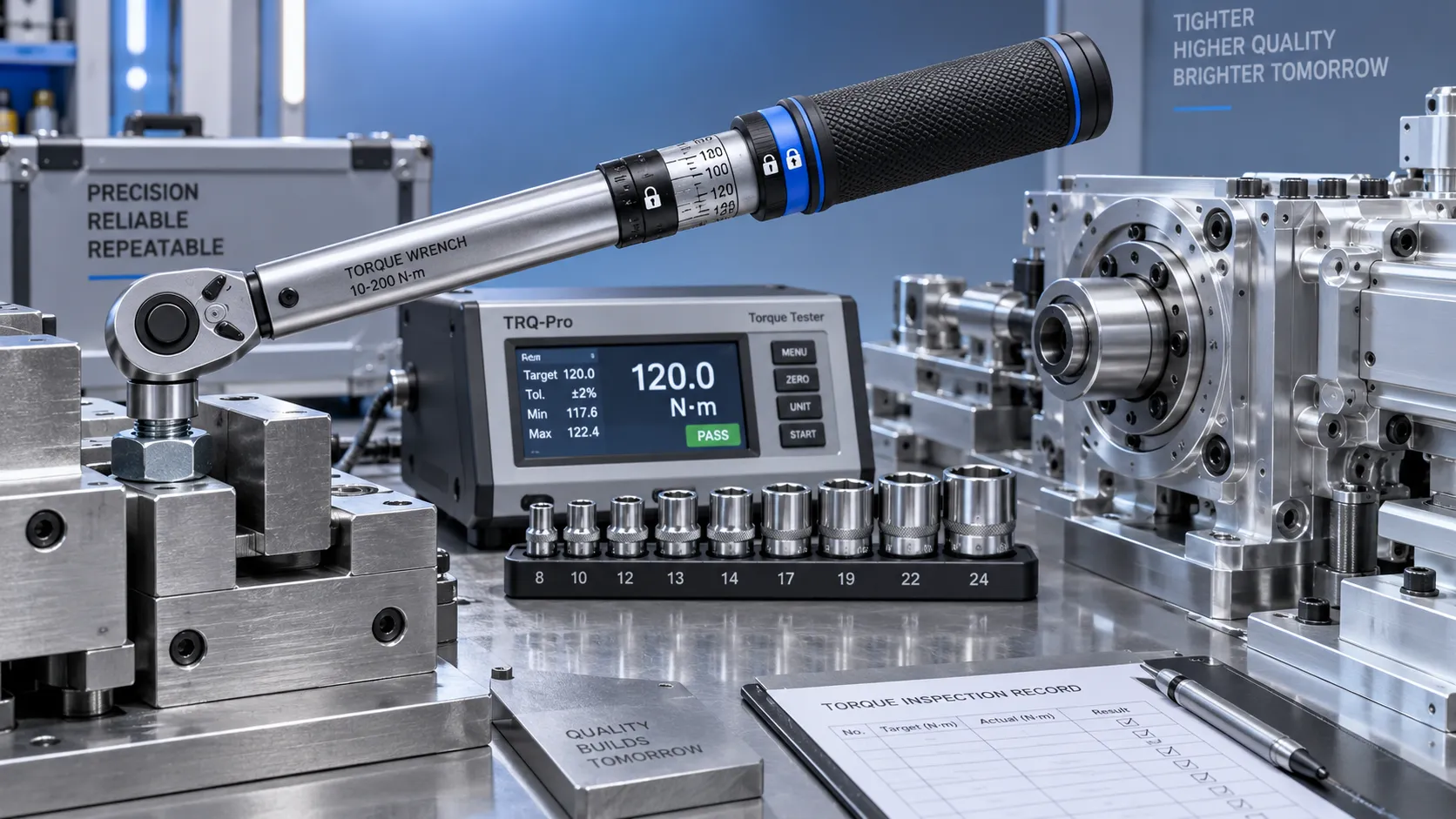
Selecting Adjustable Torque Tools for Repeatable Fastener Assembly
Adjustable torque tools: learn how to match range, accuracy, control methods, calibration, and ergonomics for repeatable, reliable fastener assembly.
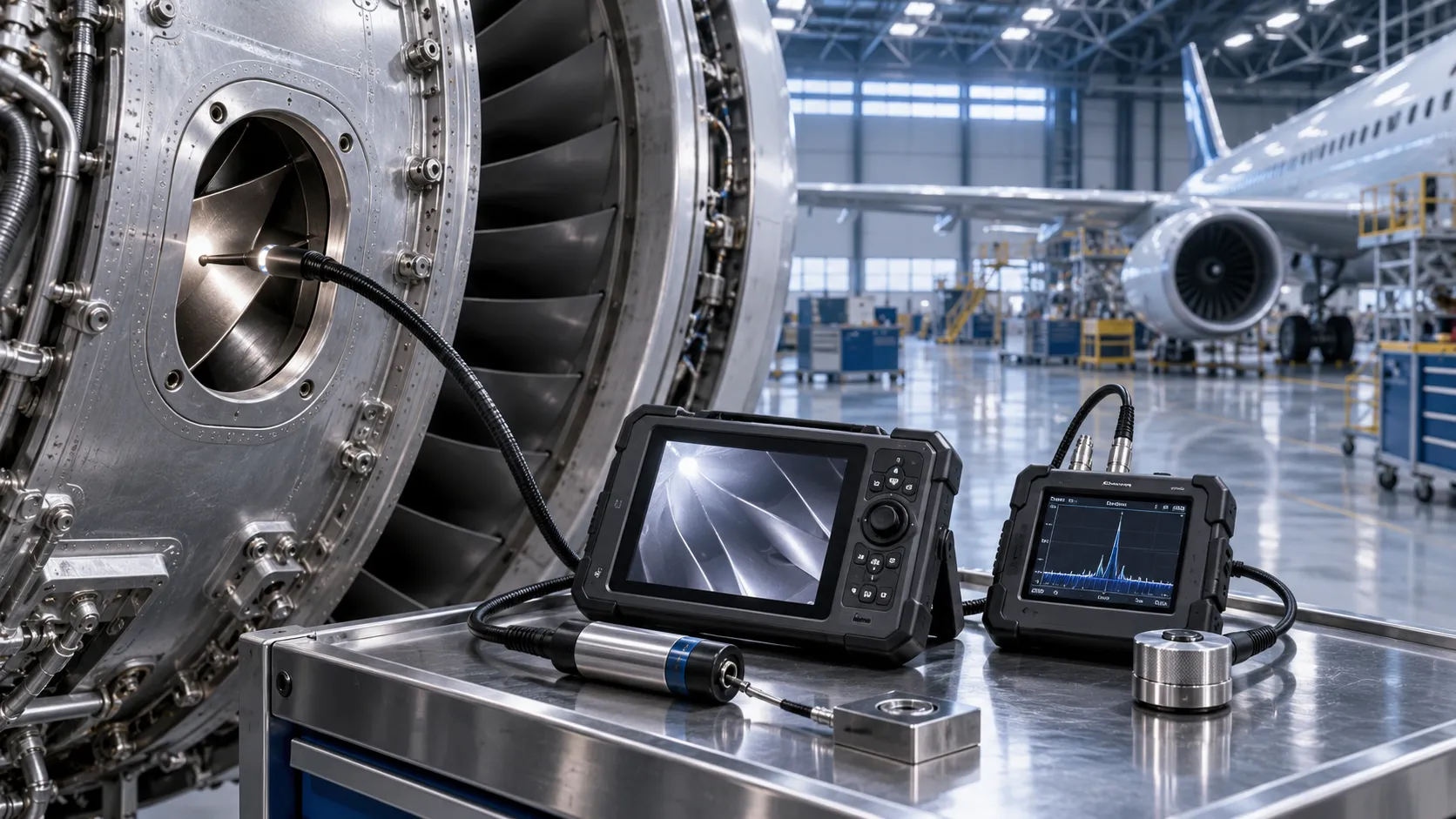
How to Select Aerospace Inspection Tools for Aircraft Maintenance Tasks
Aerospace maintenance inspection tools: learn how to select reliable, traceable equipment for aircraft access, accuracy, calibration, and compliant maintenance decisions.

How to Select Wire Bonding Tools for Fine-Pitch Semiconductor Packaging
Explore semiconductor manufacturing tools for wire bonding and learn how to select precision solutions for fine-pitch packaging, reliable loops, accuracy, and yield.
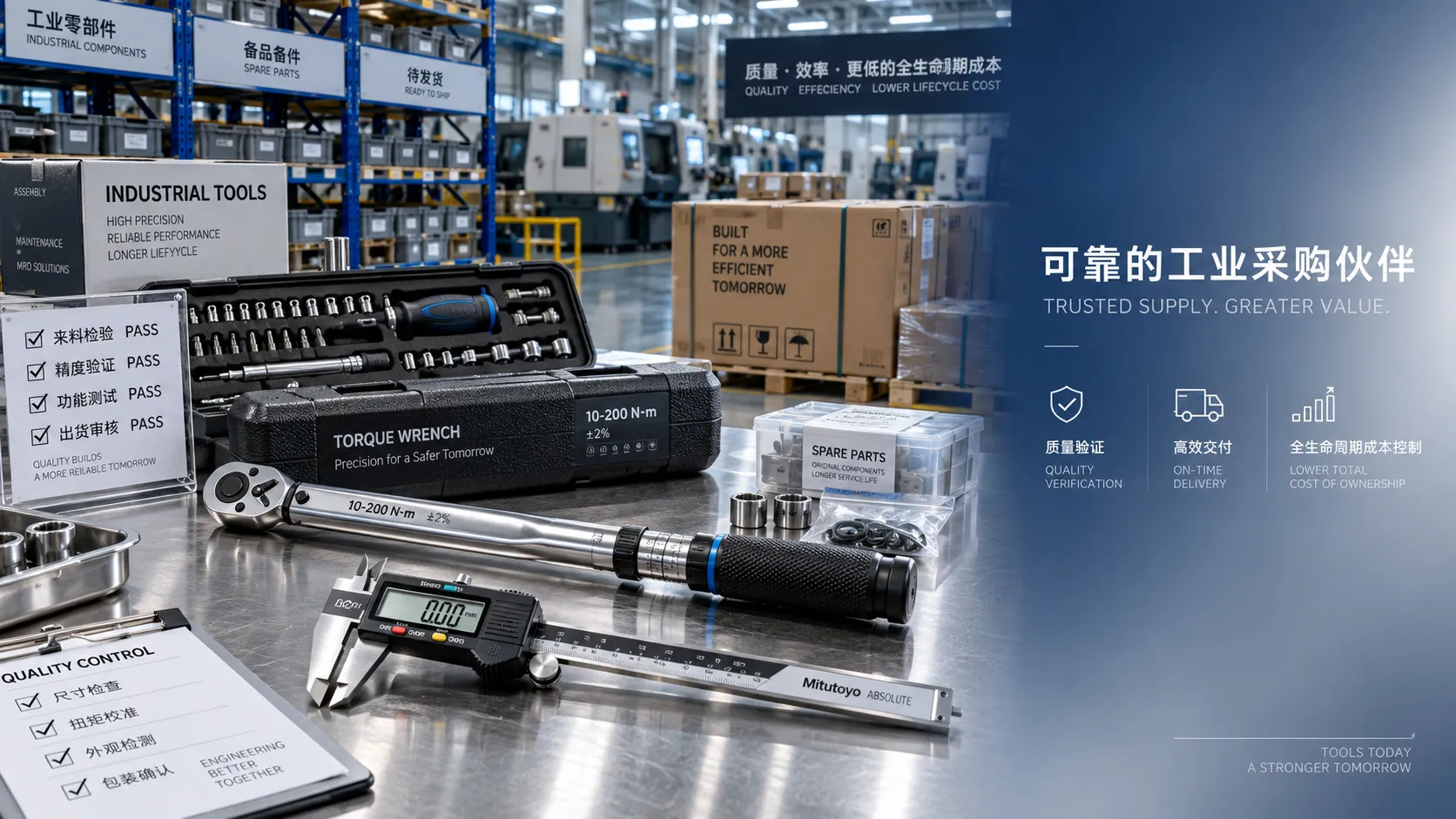
How to Compare Industrial Tool Suppliers for Quality, Lead Time, and Total Cost
Industrial tool selection supplier comparison made simple: evaluate quality, lead times, total cost, service, and supply resilience for confident sourcing decisions.
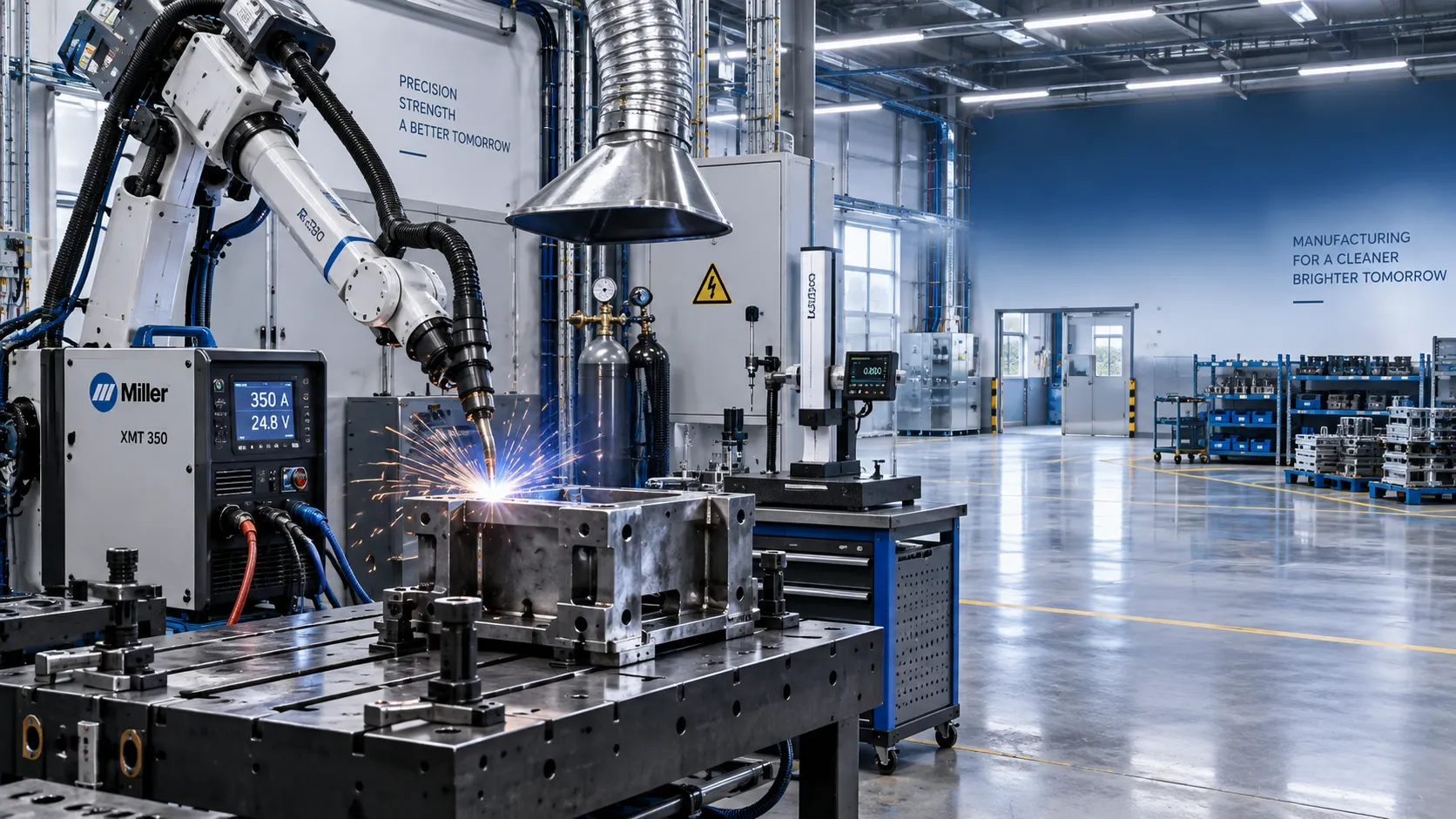
Industrial Equipment Application Guidance: Match Machines to Operating Conditions
Application guidance industrial equipment: match capacity, duty cycle, materials, site conditions, safety, and lifecycle cost to improve reliable output. Read the guide.
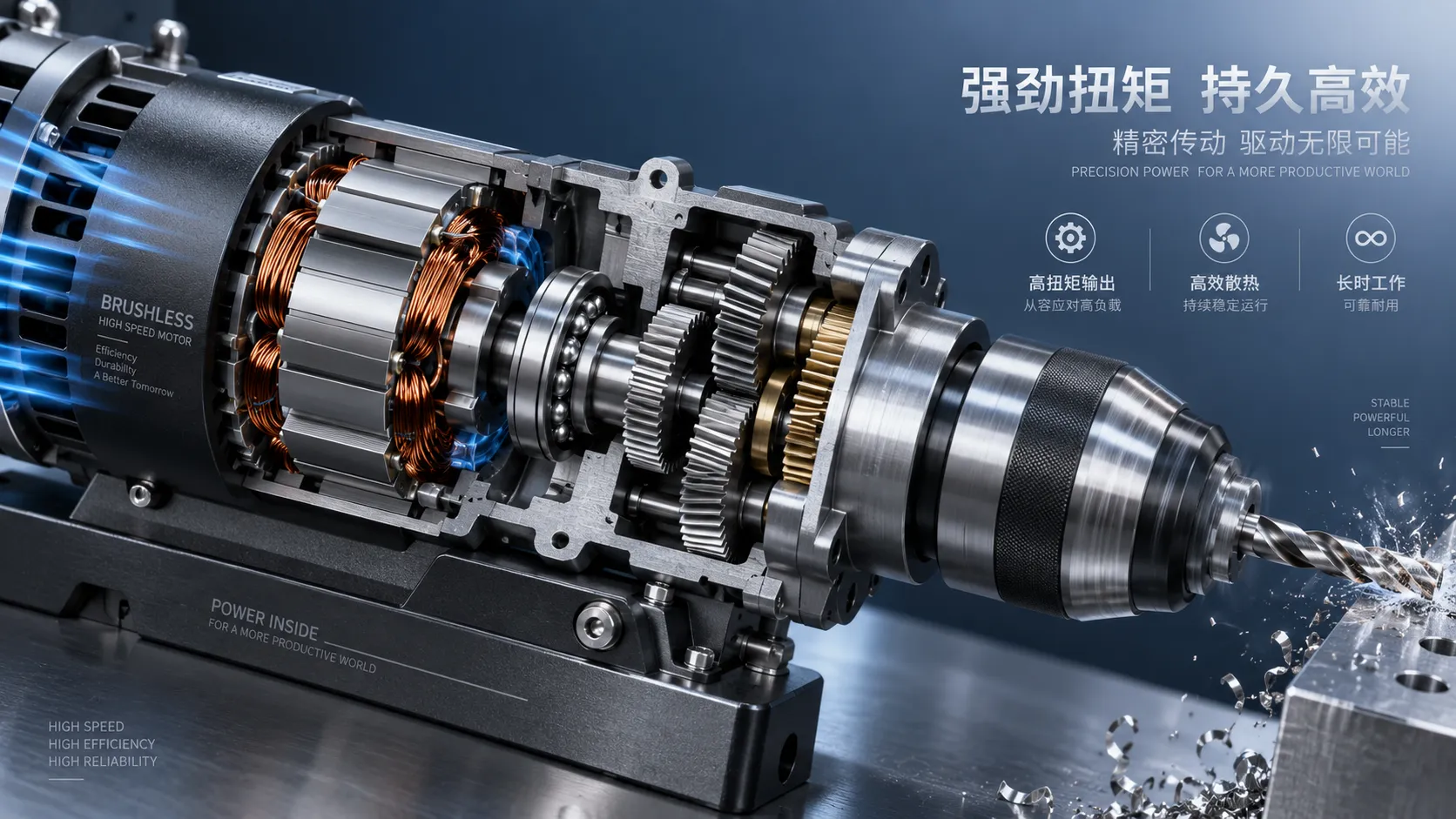
Selecting High-Speed Brushless Tool Motors for Torque, Heat, and Duty Cycle
High speed brushless tool motors: learn how to balance torque, heat, gearing, and duty cycle for reliable industrial tool performance and longer service life.
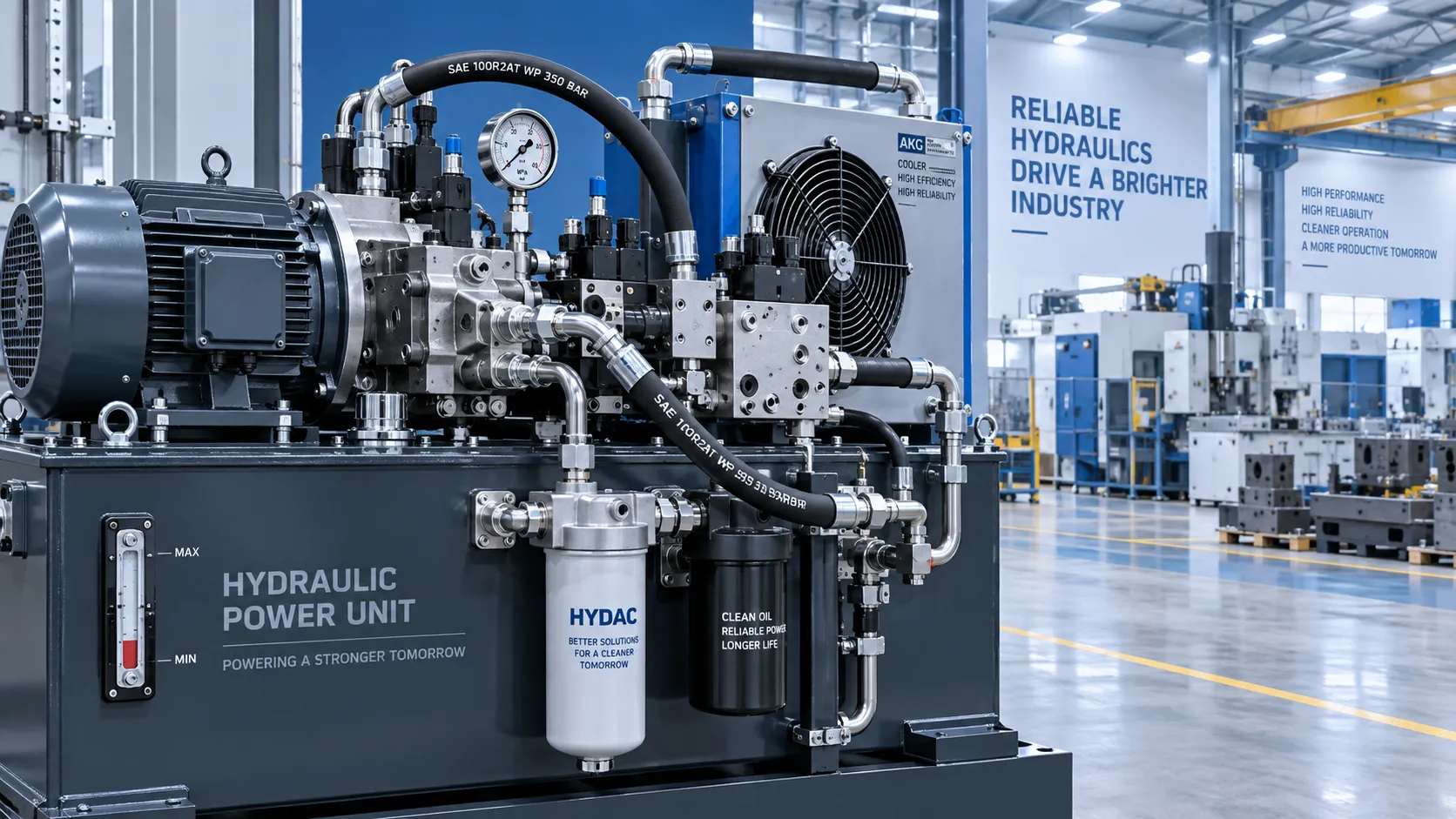
What Determines Industrial Hydraulic System Price for Heavy-Duty Equipment?
Industrial hydraulic system price depends on duty cycle, pressure, components, cooling, and integration. Compare quotes intelligently to secure reliable heavy-duty performance.
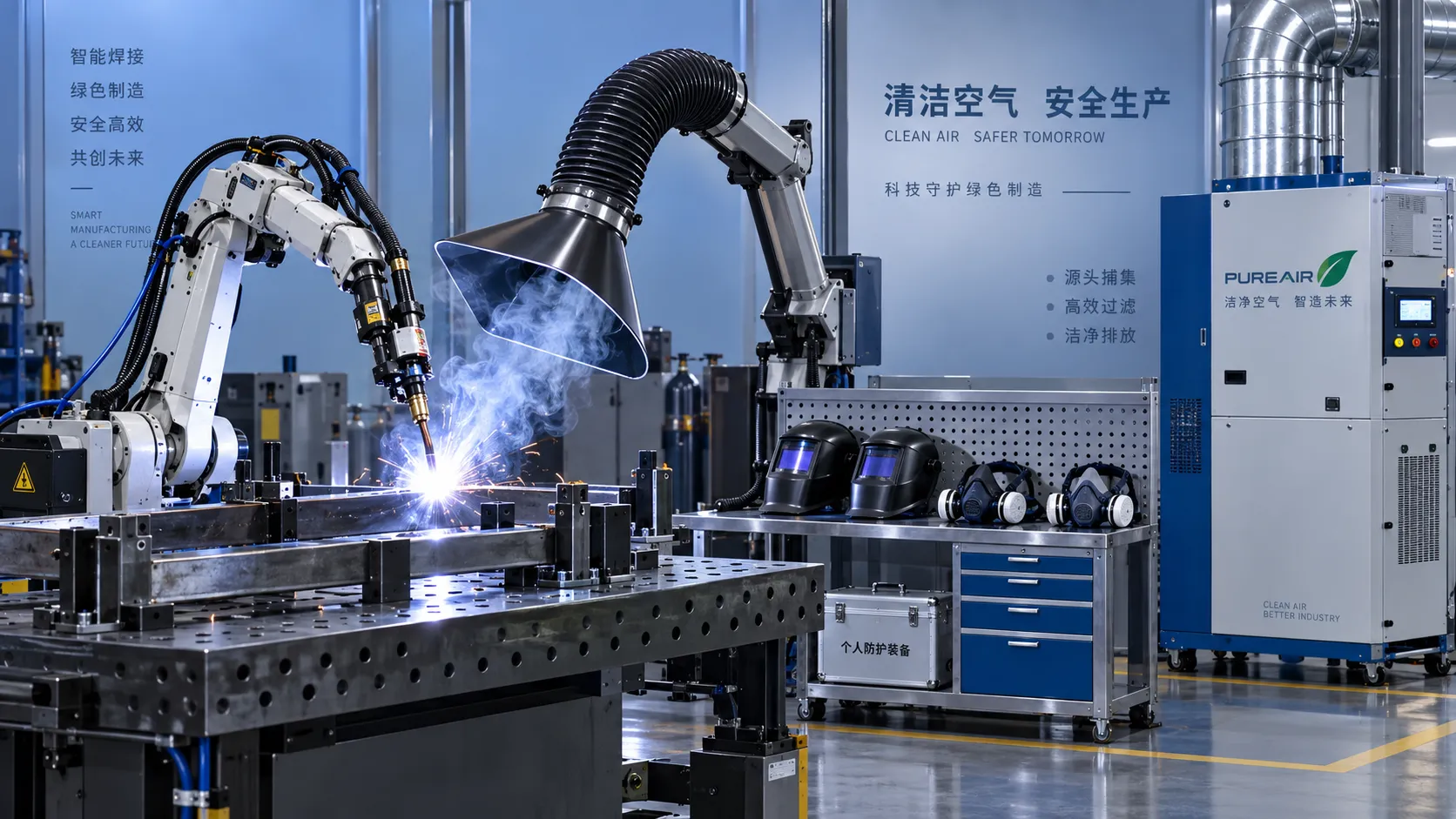
Welding Fume Extraction PPE: When Respirators Are Not Enough for Shop Safety
Welding fume extraction PPE: learn why respirators alone fall short and how source capture, ventilation, and layered controls improve shop safety.
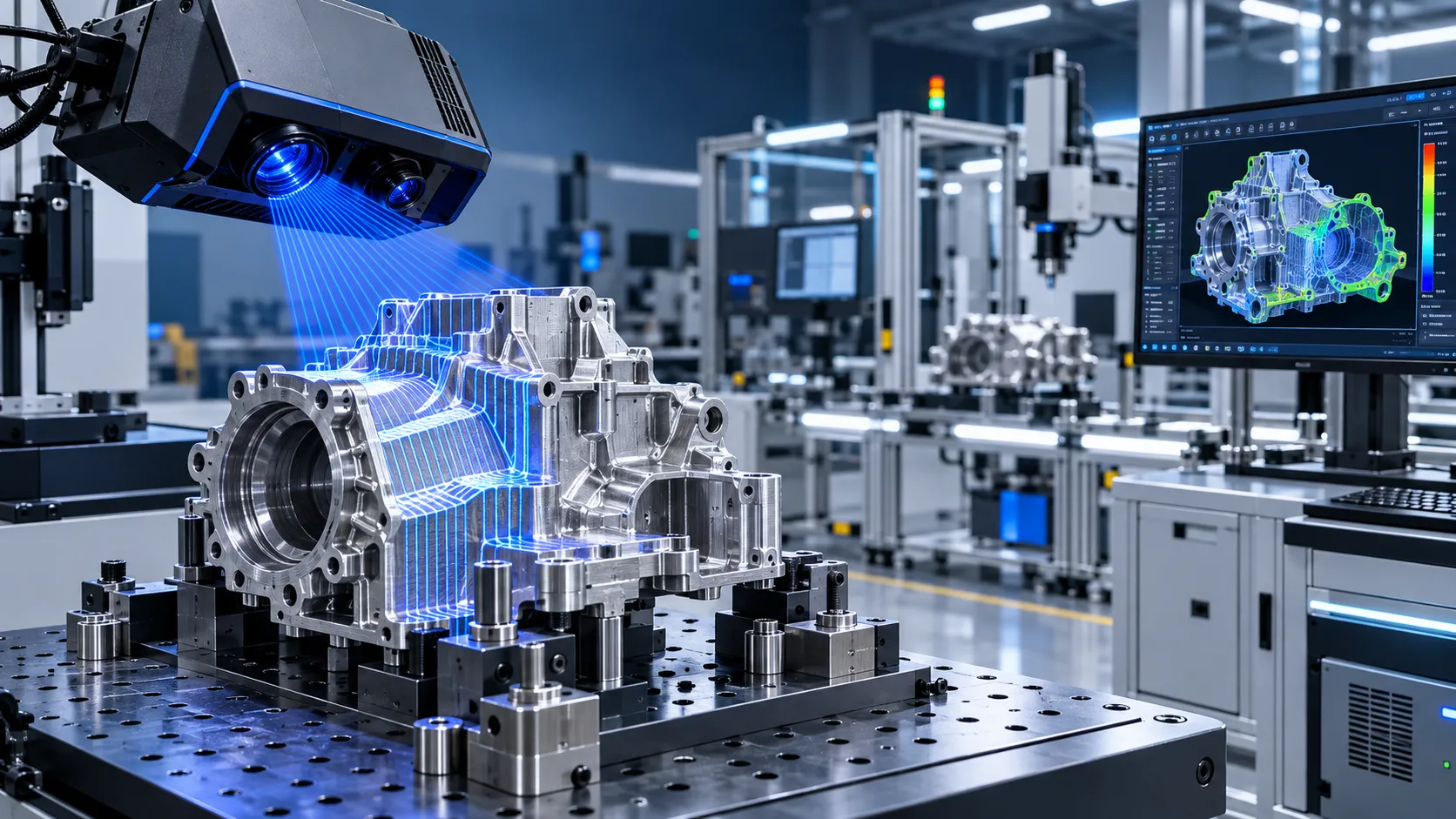
How to Select Optical Metrology Solutions for Tight-Tolerance Manufacturing
Optical industrial metrology solutions for tight-tolerance manufacturing: evaluate accuracy, surface compatibility, workflow, and traceability to select with confidence.
Related News
- 00
0000-00
Selecting Adjustable Torque Tools for Repeatable Fastener Assembly - 00
0000-00
How to Select Aerospace Inspection Tools for Aircraft Maintenance Tasks - 00
0000-00
How to Select Wire Bonding Tools for Fine-Pitch Semiconductor Packaging - 00
0000-00
Industrial Equipment Application Guidance: Match Machines to Operating Conditions - 00
0000-00
Selecting High-Speed Brushless Tool Motors for Torque, Heat, and Duty Cycle
Prof. Marcus Chen
Weekly Insights
Stay ahead with our curated technology reports delivered every Monday.