
Industrial solutions that fix recurring downtime problems





Recurring downtime is no longer seen as a routine maintenance burden.
Across industrial operations, it has become a visibility problem, a cost-control problem, and a reliability problem.
The most effective industrial solutions now combine repair accuracy, data interpretation, and failure prevention.
For facilities handling assembly, welding, metrology, fluid power, and powered tools, repeat stoppages often signal deeper system misalignment.
Quick interventions may restart equipment, but they rarely remove the source of disruption.
That is why high-value industrial solutions increasingly focus on pattern recognition, component behavior, and service intelligence.
Downtime patterns are changing faster than traditional maintenance habits
Industrial environments are becoming more connected, more precise, and less tolerant of unstable performance.
A stoppage in one tool, station, or measurement point can now disrupt entire production sequences.
This shift is especially visible in mixed industrial settings using manual tools, automated fixtures, welding systems, and inspection devices together.
In these environments, recurring downtime often appears in smaller, more frequent events rather than one dramatic breakdown.
That trend changes how industrial solutions should be selected and evaluated.
Instead of asking what failed, teams increasingly ask why the same symptom returns after service.
This is where intelligence-led industrial solutions create a measurable advantage.
Several trend signals explain why recurring failures are becoming harder to eliminate
Persistent downtime usually reflects a mix of technical, operational, and supply-side pressures.
The table below summarizes the strongest drivers behind this shift.
The root cause is often not the failed part, but the failed interaction
Many recurring stoppages are blamed on consumables, motors, switches, hoses, bearings, or control modules.
However, repeated faults often result from interaction failures between components, settings, and use conditions.
A welding gun may overheat because cable routing increases resistance.
A torque tool may drift because calibration intervals ignore actual load cycles.
A measuring instrument may trigger false alarms because contamination affects contact surfaces.
These examples show why industrial solutions should move beyond part replacement alone.
They should connect usage behavior, environmental load, and service history into one decision path.
What a stronger diagnostic approach usually includes
- Failure frequency tracking by station, model, and application cycle
- Cross-checking mechanical wear against electrical response and control behavior
- Reviewing calibration, alignment, and fastening integrity after each intervention
- Comparing operator conditions, shift differences, and environmental exposure
- Evaluating whether previous industrial solutions removed symptoms but preserved causes
The impact spreads across assembly, welding, inspection, and service continuity
Recurring downtime affects more than output volume.
It changes quality stability, maintenance credibility, spare part consumption, and delivery confidence.
In assembly operations, repeated stoppages often disturb fastening consistency and cycle balancing.
In welding applications, unstable uptime can compromise bead quality, thermal control, and operator safety discipline.
In metrology and inspection, downtime delays release decisions and increases the risk of hidden deviation.
Because of this, industrial solutions must be judged by operational ripple effects, not only repair completion time.
Key business effects that usually follow repeat stoppages
- Higher unplanned labor demand for troubleshooting and rework
- Premature replacement of usable parts due to uncertain diagnosis
- Reduced confidence in tool fleets, fixtures, and test equipment
- Growing hidden cost from delays, scrap, retesting, and interrupted scheduling
Industrial solutions are shifting from reactive repair to reliability intelligence
The most valuable industrial solutions now support prediction, standardization, and service learning.
This does not always require full digital transformation.
It often starts with disciplined maintenance records, better failure coding, and measurable inspection routines.
For precision tools and welding systems, even simple intelligence layers can sharply reduce repeated incidents.
Examples include trend checks on brushless motor behavior, torque output drift, thermal overload patterns, and connector wear.
When these signals are captured early, industrial solutions become preventive instead of repetitive.
Priority areas worth monitoring
- Temperature rise in motors, cables, torches, and control boxes
- Torque variation, speed fluctuation, and current draw irregularity
- Leakage, pressure decay, and vibration in hydraulic or pneumatic systems
- Calibration drift in gauges, calipers, sensors, and inspection fixtures
- Consumable life versus actual process conditions rather than nominal schedules
The best response strategy combines fast containment with structured prevention
Not every recurring issue needs a complex redesign.
But every recurring issue should trigger a more structured decision sequence.
The table below outlines a practical response model for selecting industrial solutions.
What deserves closer attention in the next operating cycle
Several priorities stand out for anyone reviewing downtime reduction plans.
- Separate single-event failures from repeated-pattern failures in service records.
- Link downtime events to process quality indicators, not only maintenance tickets.
- Standardize inspection points for welding, fastening, measuring, and fluid systems.
- Use industrial solutions that support traceable diagnostics instead of guess-based replacement.
- Review whether current parts, tools, or settings match actual duty cycles.
- Build a feedback loop between service findings and future equipment selection.
A practical next step is to treat downtime as intelligence, not interruption
The strongest industrial solutions do more than return equipment to operation.
They reveal where reliability is being lost and how that loss can be prevented.
For industrial assembly, metal joining, and precision measurement environments, this approach is now essential.
Each repeated stoppage contains evidence about load, design fit, maintenance timing, and process discipline.
When that evidence is organized well, industrial solutions become sharper, faster, and more economical.
A useful next move is to review the last ten recurring incidents, group them by symptom pattern, and compare them against service actions taken.
That simple exercise often exposes where existing industrial solutions are solving events, but not solving recurrence.
In a market shaped by precision, safety, and uptime pressure, reliability intelligence is no longer optional.
It is the foundation for industrial solutions that truly fix recurring downtime problems.
Related News
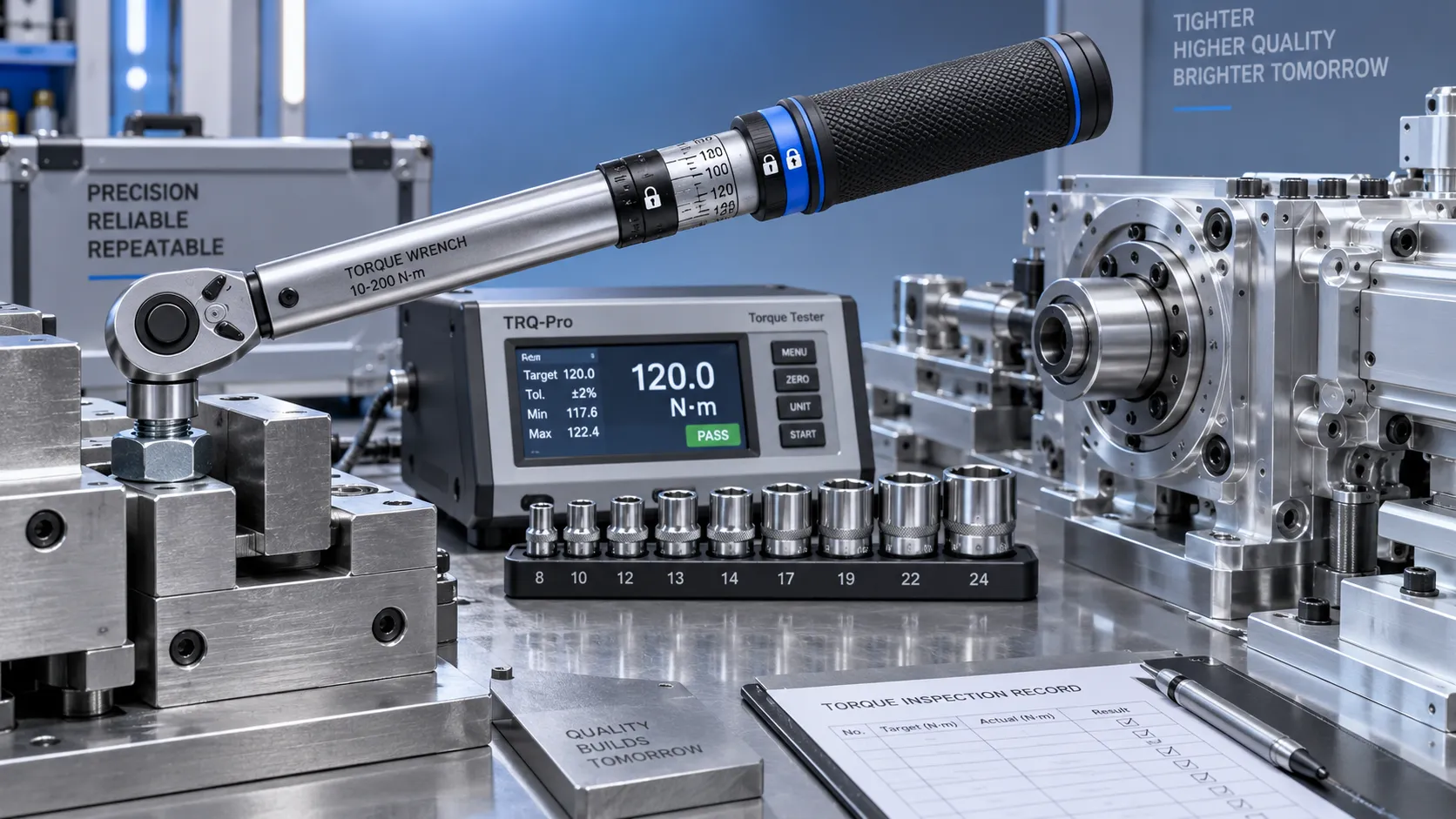
Selecting Adjustable Torque Tools for Repeatable Fastener Assembly
Adjustable torque tools: learn how to match range, accuracy, control methods, calibration, and ergonomics for repeatable, reliable fastener assembly.

How to Select Aerospace Inspection Tools for Aircraft Maintenance Tasks
Aerospace maintenance inspection tools: learn how to select reliable, traceable equipment for aircraft access, accuracy, calibration, and compliant maintenance decisions.

How to Select Wire Bonding Tools for Fine-Pitch Semiconductor Packaging
Explore semiconductor manufacturing tools for wire bonding and learn how to select precision solutions for fine-pitch packaging, reliable loops, accuracy, and yield.
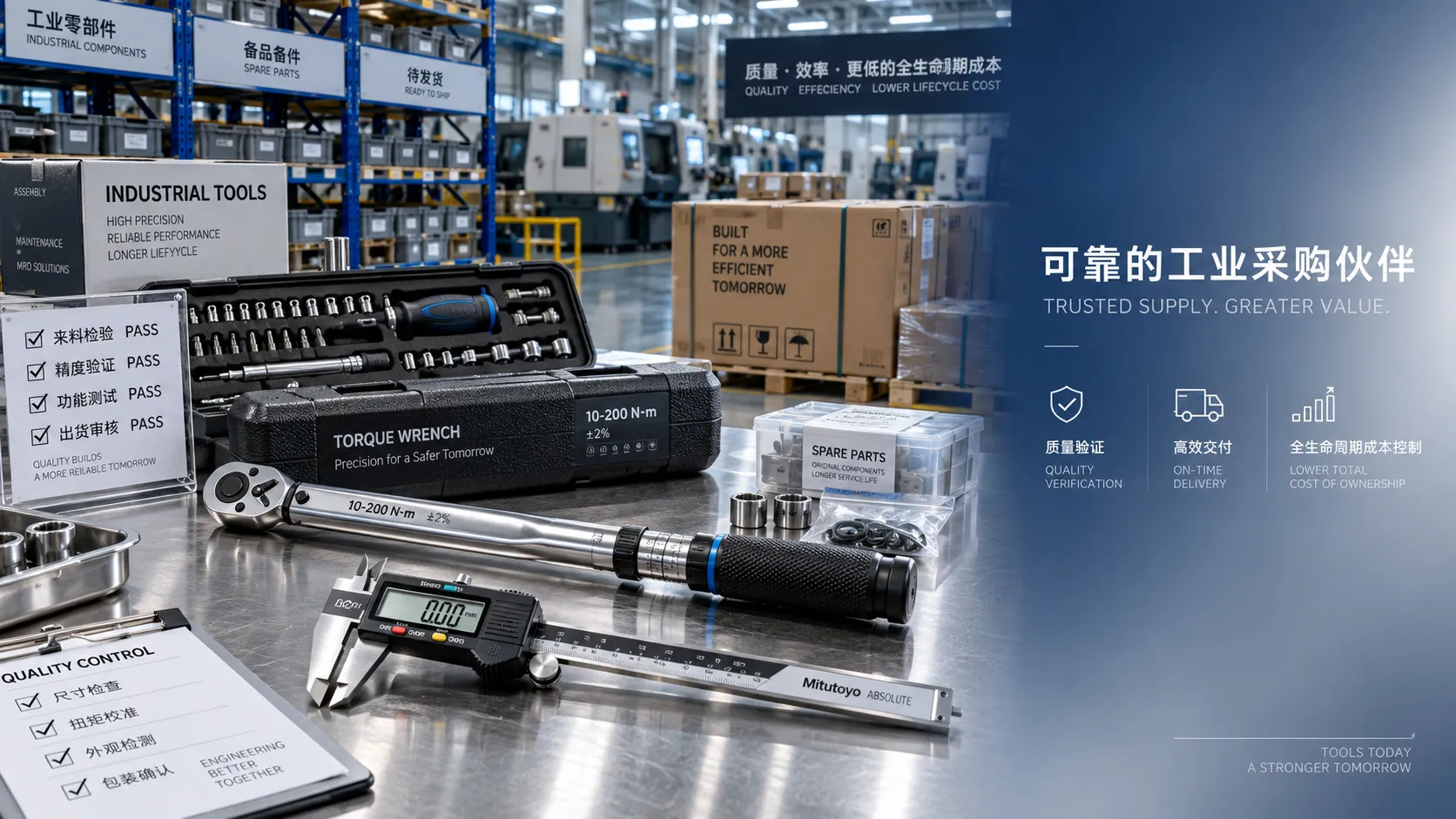
How to Compare Industrial Tool Suppliers for Quality, Lead Time, and Total Cost
Industrial tool selection supplier comparison made simple: evaluate quality, lead times, total cost, service, and supply resilience for confident sourcing decisions.
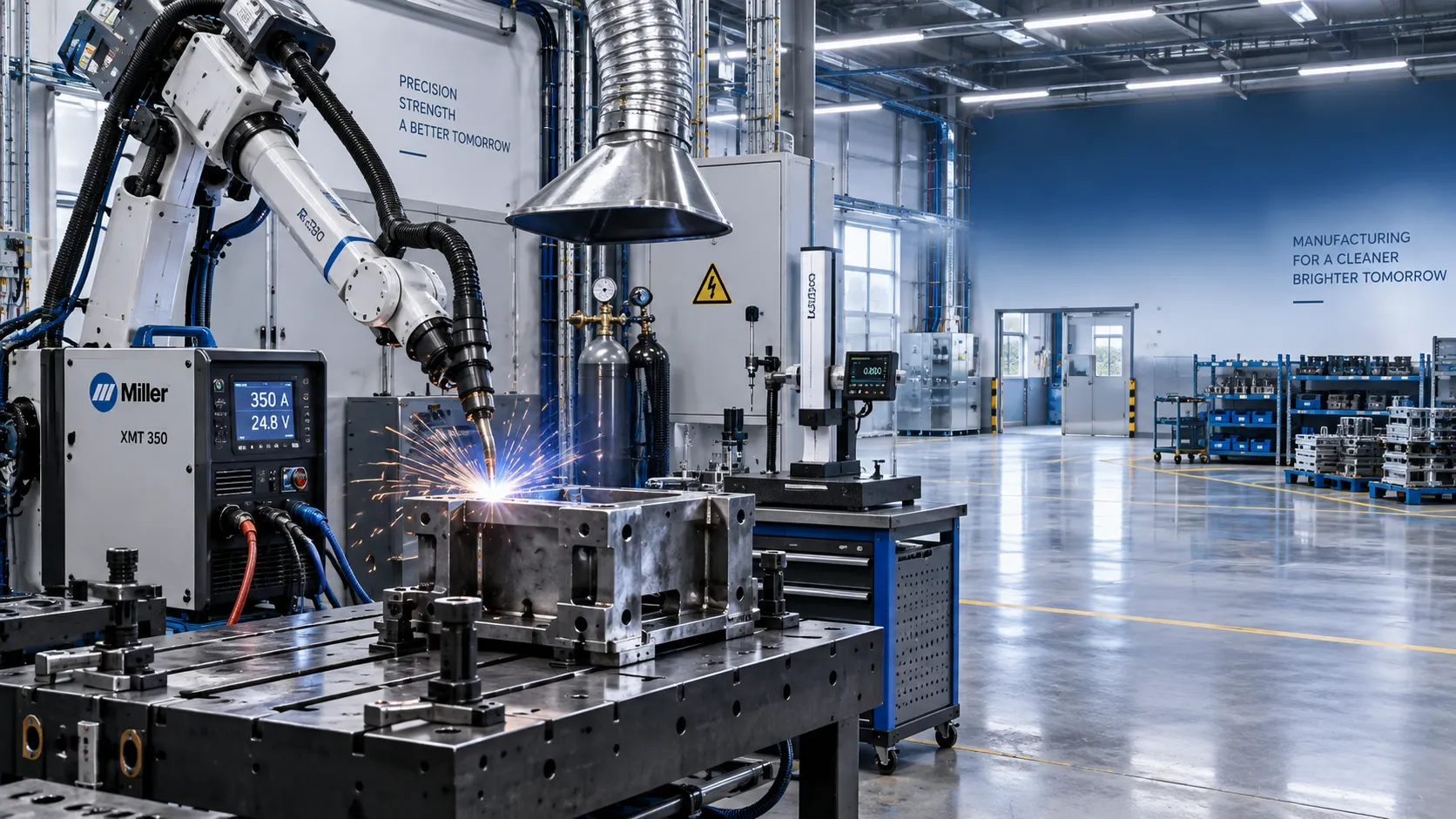
Industrial Equipment Application Guidance: Match Machines to Operating Conditions
Application guidance industrial equipment: match capacity, duty cycle, materials, site conditions, safety, and lifecycle cost to improve reliable output. Read the guide.
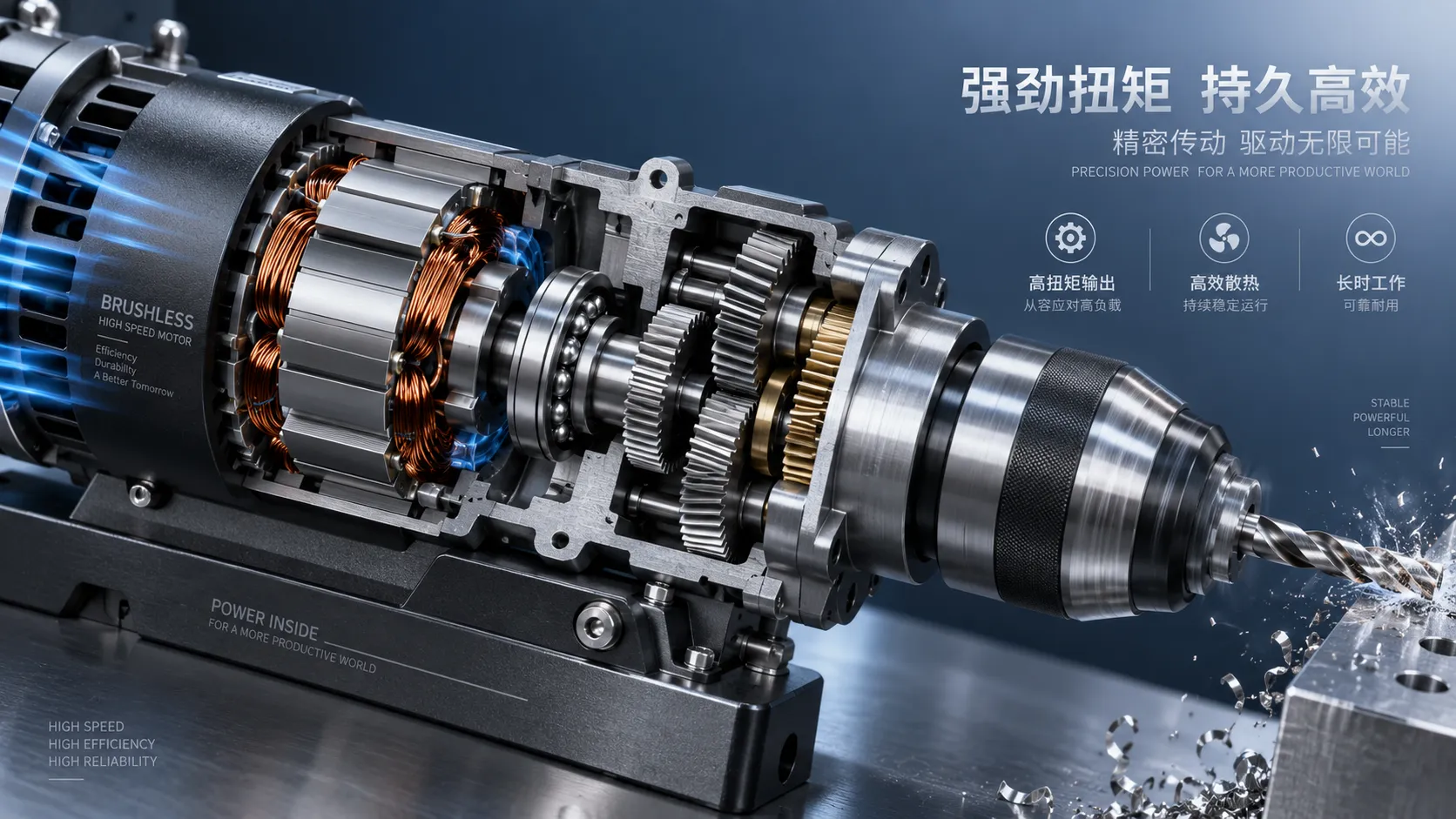
Selecting High-Speed Brushless Tool Motors for Torque, Heat, and Duty Cycle
High speed brushless tool motors: learn how to balance torque, heat, gearing, and duty cycle for reliable industrial tool performance and longer service life.
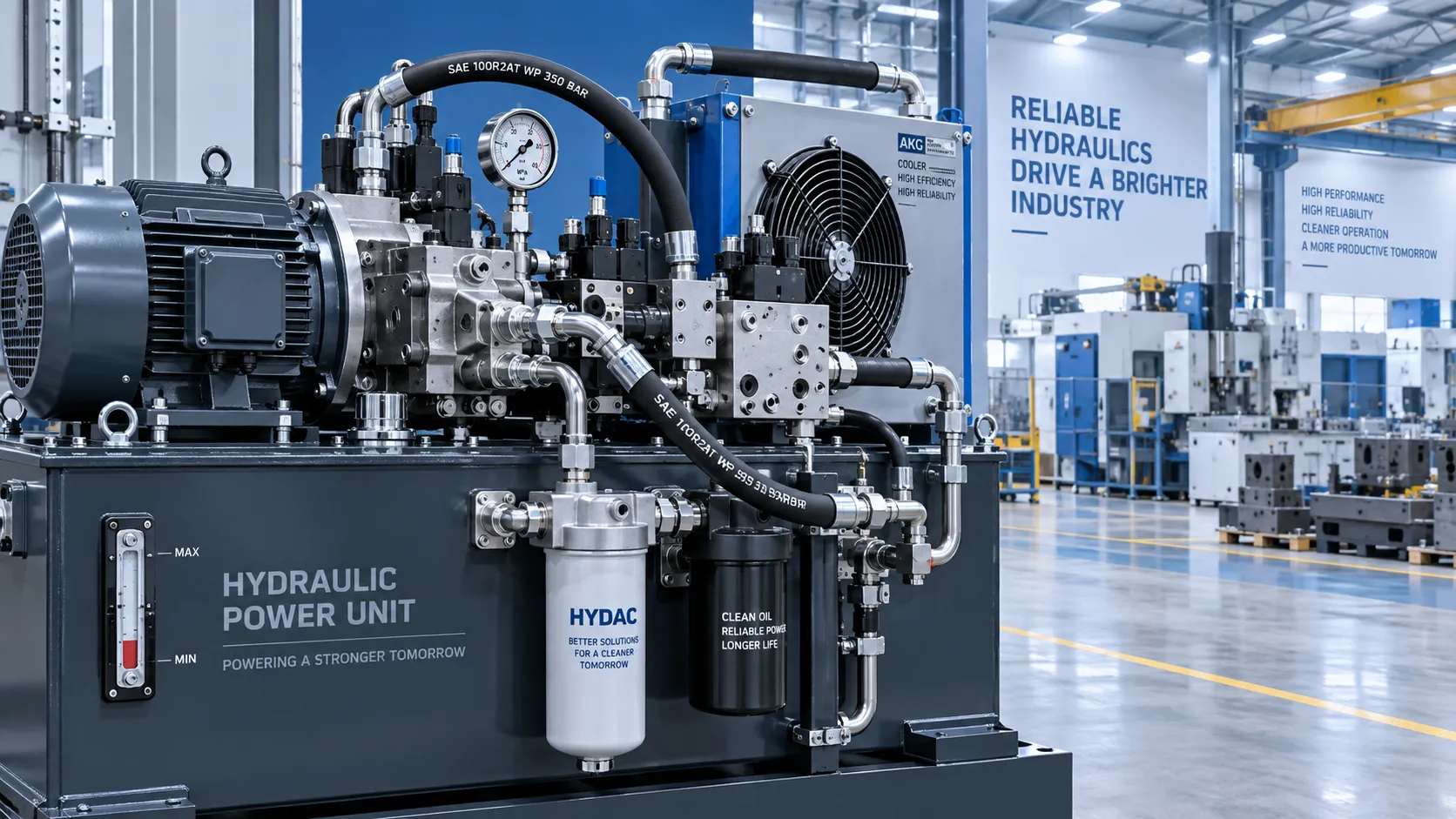
What Determines Industrial Hydraulic System Price for Heavy-Duty Equipment?
Industrial hydraulic system price depends on duty cycle, pressure, components, cooling, and integration. Compare quotes intelligently to secure reliable heavy-duty performance.
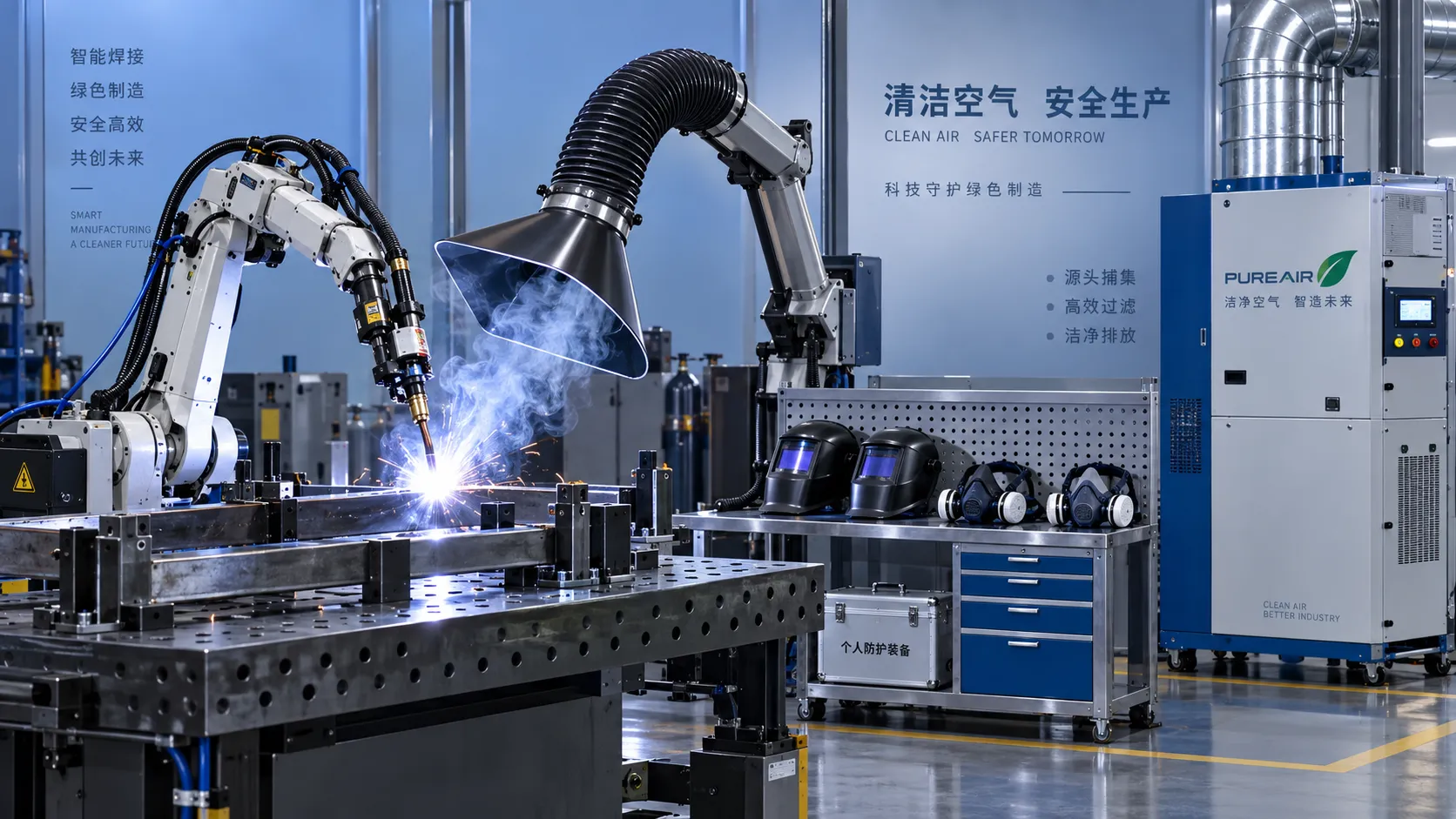
Welding Fume Extraction PPE: When Respirators Are Not Enough for Shop Safety
Welding fume extraction PPE: learn why respirators alone fall short and how source capture, ventilation, and layered controls improve shop safety.
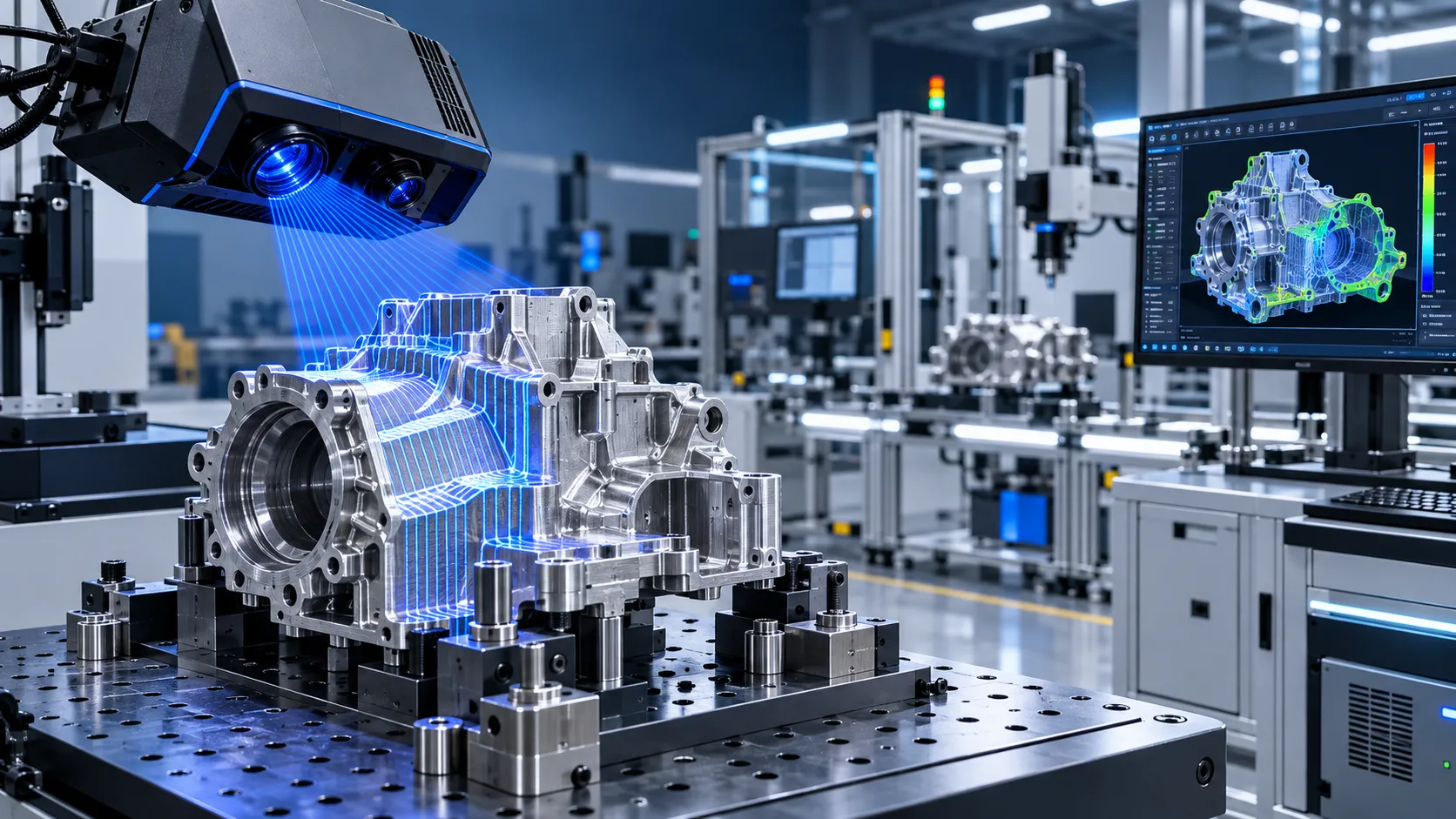
How to Select Optical Metrology Solutions for Tight-Tolerance Manufacturing
Optical industrial metrology solutions for tight-tolerance manufacturing: evaluate accuracy, surface compatibility, workflow, and traceability to select with confidence.
Related News
- 00
0000-00
Selecting Adjustable Torque Tools for Repeatable Fastener Assembly - 00
0000-00
How to Select Aerospace Inspection Tools for Aircraft Maintenance Tasks - 00
0000-00
How to Select Wire Bonding Tools for Fine-Pitch Semiconductor Packaging - 00
0000-00
Industrial Equipment Application Guidance: Match Machines to Operating Conditions - 00
0000-00
Selecting High-Speed Brushless Tool Motors for Torque, Heat, and Duty Cycle
Prof. Marcus Chen
Weekly Insights
Stay ahead with our curated technology reports delivered every Monday.