
Precision engineering mistakes that raise rework rates





In precision engineering, small oversights can trigger costly rework, missed deadlines, and unstable quality outcomes across complex industrial workflows.
When tolerance control, process planning, and inspection discipline weaken, errors multiply from design desks to final assembly.
For operations tied to tooling, welding, metrology, and industrial assembly, reducing rework starts with understanding common failure points.
This article explains the most frequent precision engineering mistakes that raise rework rates and outlines practical prevention methods.
Precision engineering and why rework escalates quickly
Precision engineering is the disciplined control of dimensions, fit, surface condition, alignment, and process repeatability in manufactured parts and assemblies.
It matters across the general industrial sector, especially where parts must join, move, seal, weld, or measure with predictable performance.
Rework rises when one small deviation forces correction in later steps, often after labor, machine time, and material value have already increased.
In precision engineering, mistakes rarely remain isolated because every operation depends on the accuracy of the previous one.
A misplaced datum, loose fixture, or incomplete inspection plan can affect machining, welding, coating, assembly, and field reliability at once.
How rework spreads through production
- Design error creates wrong dimensions or unsuitable tolerances.
- Process variation hides the error during early operations.
- Inspection misses the issue or checks the wrong feature.
- Assembly reveals the mismatch after additional value is added.
- Delivery delays and cost recovery efforts follow.
Current industry signals around precision engineering quality control
Across industrial assembly and metal joining, quality teams face tighter tolerances, shorter lead times, and greater documentation pressure.
These pressures make precision engineering discipline more important, not less, because compressed schedules often hide root causes.
Common precision engineering mistakes that raise rework rates
1. Poor tolerance allocation
One of the most common precision engineering mistakes is applying tight tolerances everywhere instead of only where function demands them.
This creates expensive machining paths, unstable capability, and frequent nonconformities without improving product performance.
The opposite error also appears when critical fits receive loose tolerance bands and fail during assembly.
2. Weak datum and referencing strategy
If design datums differ from machining or inspection references, measured compliance may not reflect actual assembly behavior.
Precision engineering depends on a shared geometric logic from drawing release to final verification.
3. Inadequate process planning before production release
Some rework starts before the first part is cut because routing, tool sequence, clamping, and thermal effects were not reviewed deeply enough.
In precision engineering, process order often determines dimensional stability more than machine specification alone.
4. Ignoring material behavior
Different alloys react differently to heat input, cutting forces, stress relief, and environmental change.
Rework increases when plans assume all materials respond the same way during machining, welding, or finishing.
5. Unstable fixturing and tool condition
A capable machine cannot compensate for a part that moves, distorts, or vibrates during processing.
Worn tools, weak clamping, and poor locating surfaces are classic precision engineering failures behind repeat rework.
6. Late or incomplete inspection
Checking only final dimensions is risky because hidden upstream variation may already be locked into the product.
Precision engineering needs in-process verification at features most likely to drift or influence later operations.
7. Poor control of welding distortion and heat effects
In metal joining environments, thermal input can move critical dimensions after accurate machining is complete.
Without distortion planning, precision engineering targets are lost and rework shifts to straightening, refitting, or remachining.
8. Weak feedback loops between teams
Repeated defects often continue because design, production, and inspection data stay disconnected.
Precision engineering improves when measurement results drive immediate process correction, not delayed reporting.
Business impact of precision engineering mistakes
Rework is not only a shop-floor problem. It changes cost structure, delivery reliability, and confidence in technical execution.
For industrial operations, repeated precision engineering failures often produce hidden losses before scrap appears on reports.
- Extra labor for sorting, remachining, and retesting
- Machine downtime and schedule disruption
- Higher tooling consumption and energy use
- Delayed shipments and reduced planning stability
- Weaker traceability during audits or claims
- Reduced margin on otherwise profitable orders
Strong precision engineering protects more than dimensions. It supports delivery accuracy, resource efficiency, and long-term brand credibility.
Typical scenarios where precision engineering rework appears
Practical methods to reduce precision engineering rework
Build tolerance strategy around function
Define which dimensions control fit, motion, sealing, or safety, then tighten only those features.
This makes precision engineering both achievable and economical.
Align design, manufacturing, and inspection references
Use the same datum intent across drawings, fixtures, CNC programs, and measurement plans whenever possible.
Consistency reduces interpretation errors that drive unnecessary rework.
Control first articles aggressively
A disciplined first-article process catches offset, toolpath, and fixture errors before they affect full batches.
This is one of the most effective precision engineering safeguards.
Use in-process metrology where variation starts
Measure after critical operations, not only at completion.
Early detection limits the spread of precision engineering errors into downstream assembly or welding stages.
Review thermal and stress effects
For welded or thin-wall parts, plan sequence, restraint, cooling, and post-process measurement carefully.
Precision engineering cannot ignore distortion mechanics.
Turn inspection data into process action
Trend data by feature, machine, tool, and setup condition.
When precision engineering data becomes actionable, recurring rework drops faster than with sorting alone.
Implementation priorities for more stable outcomes
- Map the top three rework causes by operation and defect type.
- Check whether tolerance, datum, and fixture logic match actual assembly needs.
- Insert in-process measurement at the earliest meaningful control point.
- Review welding or thermal steps for dimensional movement risk.
- Create a fast feedback loop linking metrology results to process updates.
Precision engineering performance improves when prevention replaces correction as the main quality strategy.
A structured review of tolerance logic, process flow, fixturing, and measurement discipline can quickly reduce avoidable rework.
For organizations tracking industrial assembly, welding, and metrology developments, GPTWM offers intelligence that supports smarter technical decisions and more stable execution.
Use these precision engineering checkpoints to audit current workflows, identify repeat failure points, and strengthen quality before defects travel downstream.
Related News
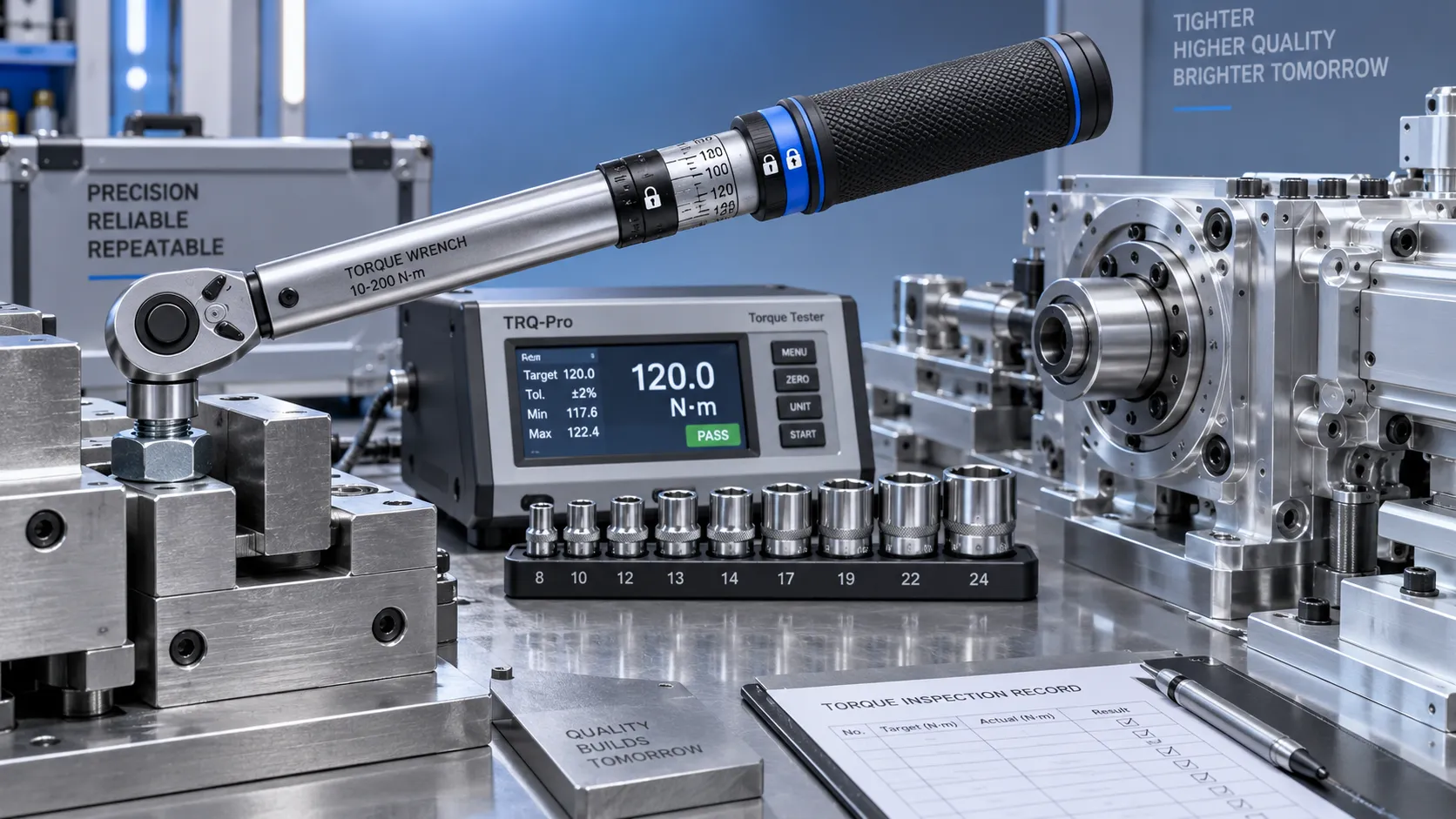
Selecting Adjustable Torque Tools for Repeatable Fastener Assembly
Adjustable torque tools: learn how to match range, accuracy, control methods, calibration, and ergonomics for repeatable, reliable fastener assembly.

How to Select Aerospace Inspection Tools for Aircraft Maintenance Tasks
Aerospace maintenance inspection tools: learn how to select reliable, traceable equipment for aircraft access, accuracy, calibration, and compliant maintenance decisions.

How to Select Wire Bonding Tools for Fine-Pitch Semiconductor Packaging
Explore semiconductor manufacturing tools for wire bonding and learn how to select precision solutions for fine-pitch packaging, reliable loops, accuracy, and yield.

How to Compare Industrial Tool Suppliers for Quality, Lead Time, and Total Cost
Industrial tool selection supplier comparison made simple: evaluate quality, lead times, total cost, service, and supply resilience for confident sourcing decisions.
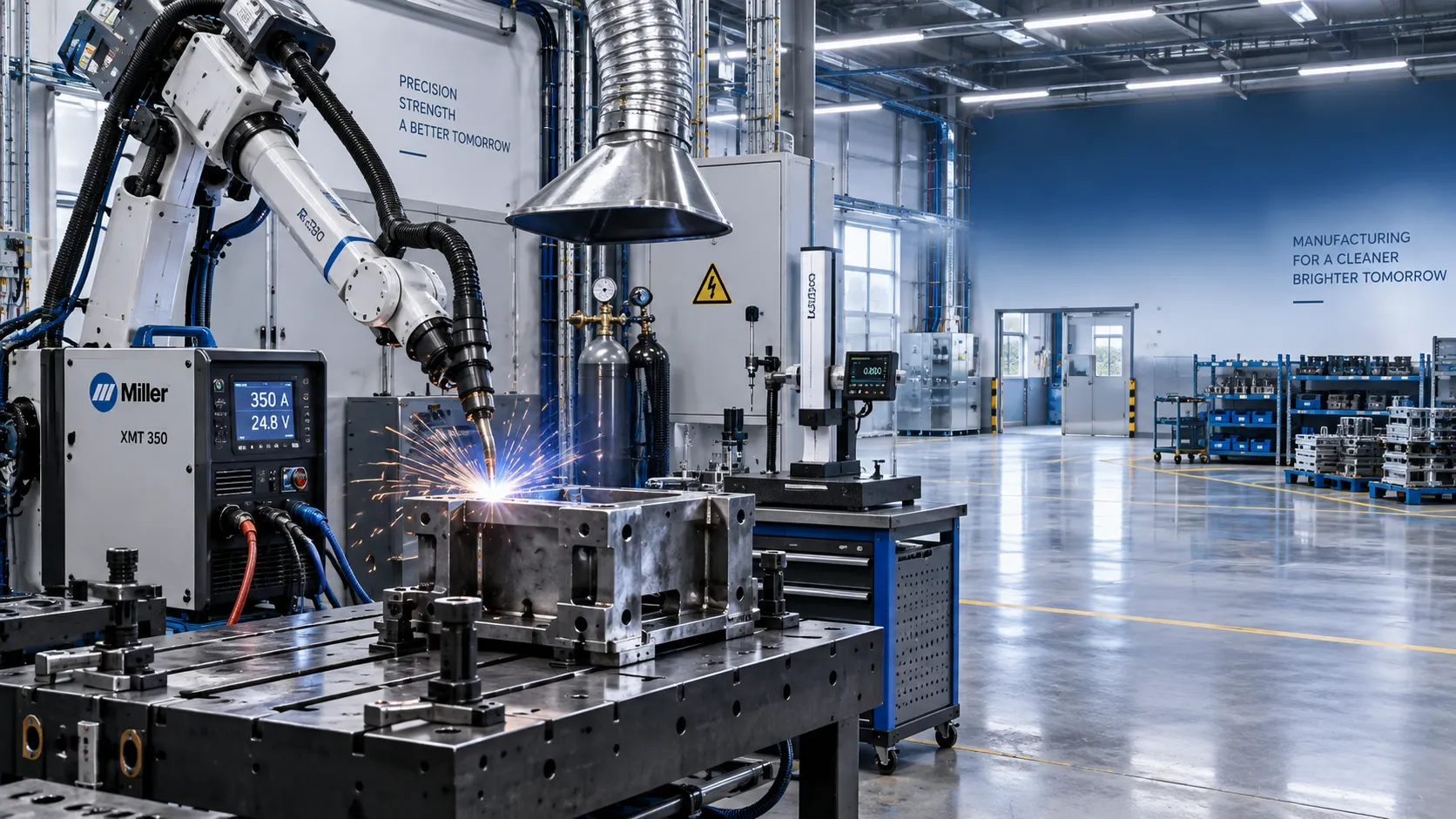
Industrial Equipment Application Guidance: Match Machines to Operating Conditions
Application guidance industrial equipment: match capacity, duty cycle, materials, site conditions, safety, and lifecycle cost to improve reliable output. Read the guide.
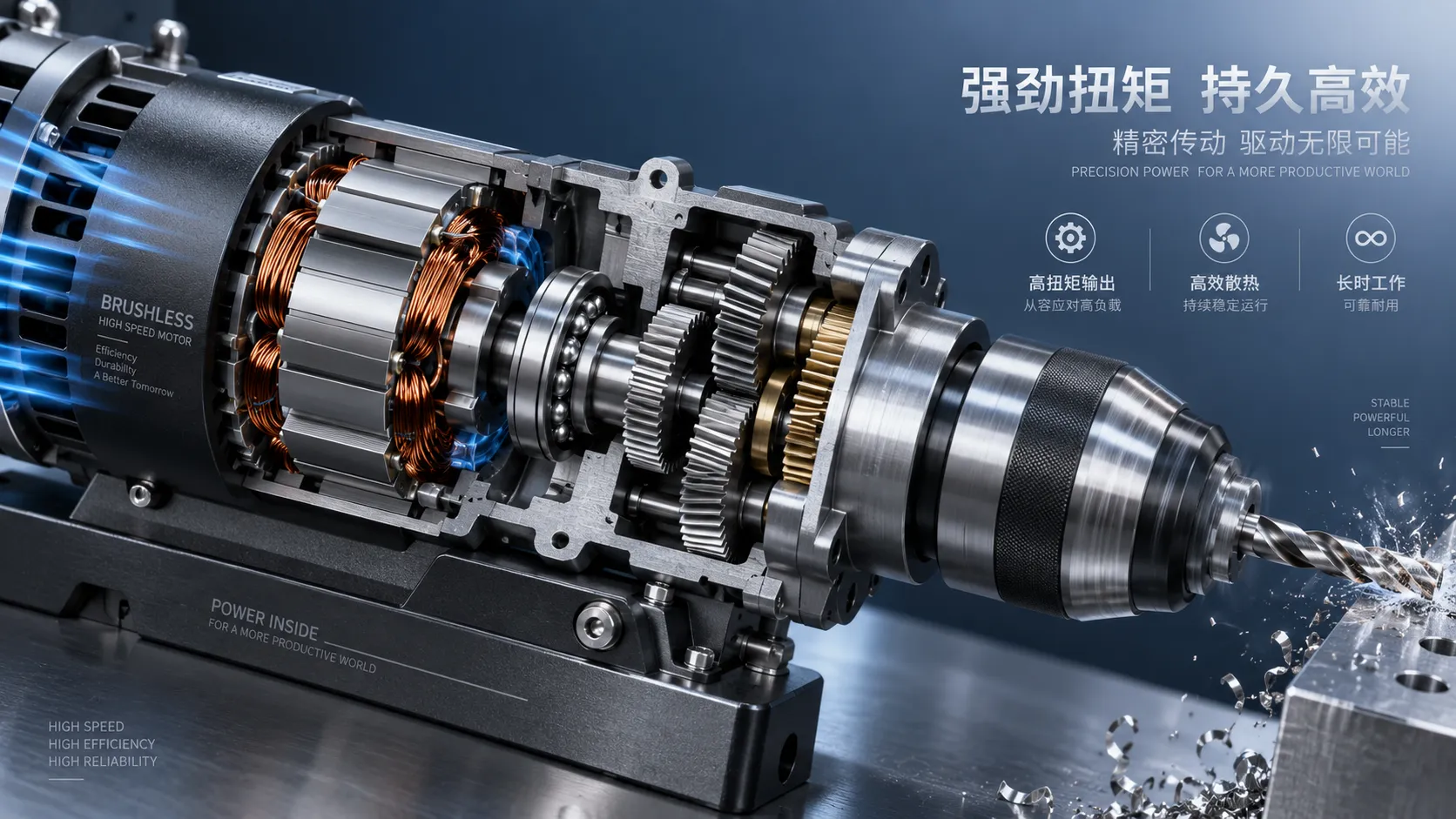
Selecting High-Speed Brushless Tool Motors for Torque, Heat, and Duty Cycle
High speed brushless tool motors: learn how to balance torque, heat, gearing, and duty cycle for reliable industrial tool performance and longer service life.

What Determines Industrial Hydraulic System Price for Heavy-Duty Equipment?
Industrial hydraulic system price depends on duty cycle, pressure, components, cooling, and integration. Compare quotes intelligently to secure reliable heavy-duty performance.
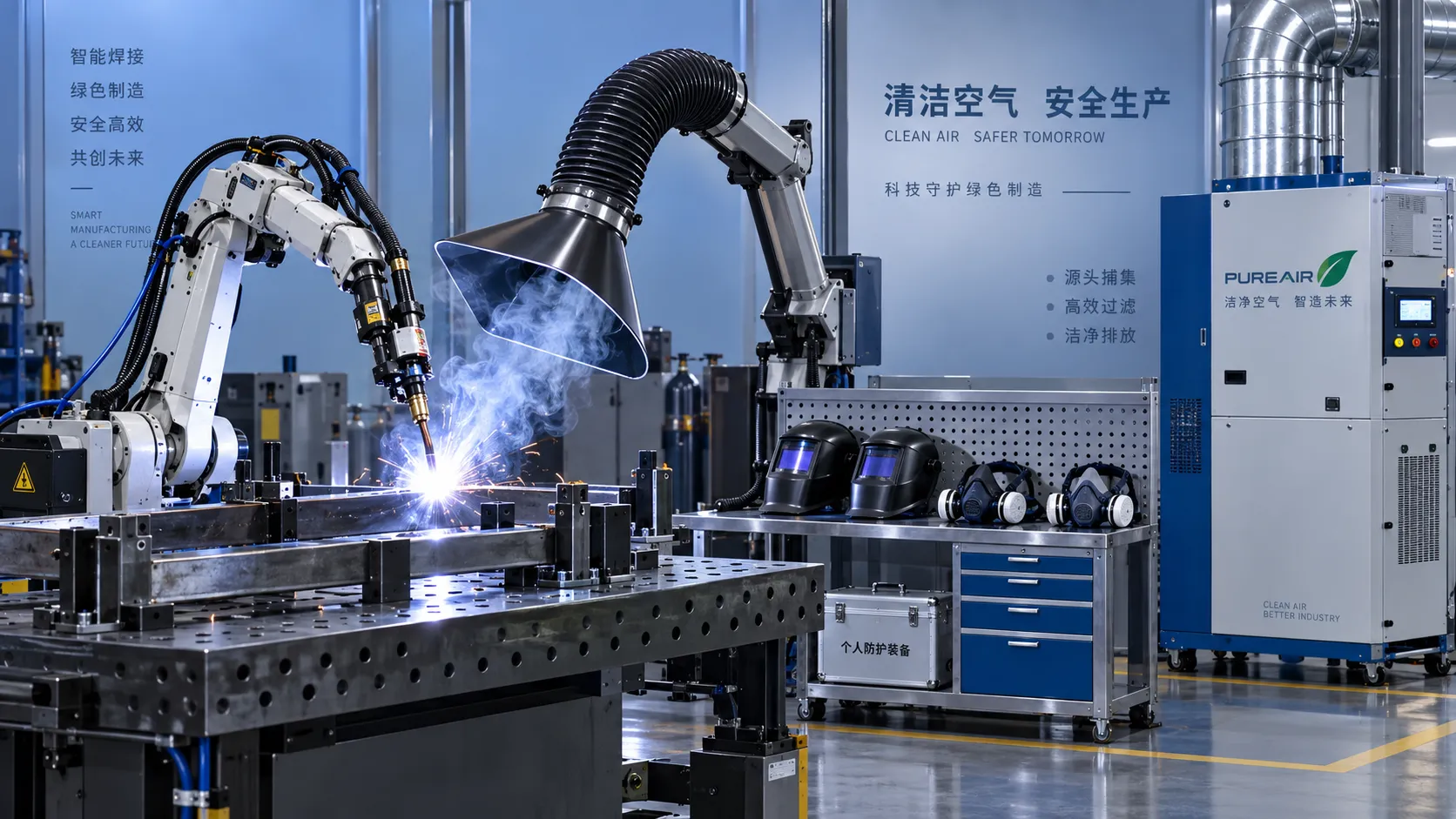
Welding Fume Extraction PPE: When Respirators Are Not Enough for Shop Safety
Welding fume extraction PPE: learn why respirators alone fall short and how source capture, ventilation, and layered controls improve shop safety.

How to Select Optical Metrology Solutions for Tight-Tolerance Manufacturing
Optical industrial metrology solutions for tight-tolerance manufacturing: evaluate accuracy, surface compatibility, workflow, and traceability to select with confidence.
Related News
- 00
0000-00
Selecting Adjustable Torque Tools for Repeatable Fastener Assembly - 00
0000-00
How to Select Aerospace Inspection Tools for Aircraft Maintenance Tasks - 00
0000-00
How to Select Wire Bonding Tools for Fine-Pitch Semiconductor Packaging - 00
0000-00
Industrial Equipment Application Guidance: Match Machines to Operating Conditions - 00
0000-00
Selecting High-Speed Brushless Tool Motors for Torque, Heat, and Duty Cycle
Prof. Marcus Chen
Weekly Insights
Stay ahead with our curated technology reports delivered every Monday.