
Smart manufacturing gaps that still slow production lines





Smart manufacturing gaps often appear after digital projects go live
Smart manufacturing promises faster output, better traceability, and tighter quality control across complex production environments.
Yet many lines still slow down because machines, data, people, and decisions do not connect in practical daily operations.
The most expensive losses rarely come from one major breakdown.
They come from small smart manufacturing gaps that reduce flow, extend cycle time, and weaken confidence in automation investments.
Across industrial assembly, metal joining, and precision metrology, these hidden gaps affect output quality, maintenance planning, and response speed.
For operations strategy, the key question is not whether smart manufacturing matters.
The real question is which production scenarios still suffer from poor integration, weak measurement discipline, or delayed operational decisions.
That is where measurable improvement begins.
Different production scenarios reveal different smart manufacturing weaknesses
Not every factory faces the same barriers.
A high-mix assembly cell, a welding-intensive line, and a precision inspection workflow each expose different smart manufacturing bottlenecks.
Scenario-based analysis matters because delays often come from local constraints rather than enterprise-wide software limits.
When the wrong problem is targeted, digital spending increases while throughput stays flat.
A useful review should examine five linked dimensions.
- Machine readiness and actual utilization
- Data quality from sensors, gauges, and operators
- Workflow design between stations
- Workforce capability for digital tools
- Decision speed when variance appears
This approach turns smart manufacturing from a broad ambition into a specific operational diagnosis.
In high-mix assembly, data visibility often fails at the handoff points
Why flexible lines still experience slow execution
High-mix production depends on frequent model changes, short runs, and rapid setup verification.
In this scenario, smart manufacturing often breaks down between planning systems and shop-floor execution.
Digital work instructions may update slowly.
Torque settings may not sync with the latest job file.
Barcode scanning may confirm parts, yet not confirm process readiness.
The result is a line that looks digitized but still depends on manual checking.
Core judgment points in this scenario
- Are changeover instructions version-controlled at station level?
- Do connected tools block incorrect parameter use?
- Can quality deviations be traced to a specific setup event?
- Does production scheduling reflect real station constraints?
Where these controls are weak, smart manufacturing systems report activity but fail to protect flow.
In welding-heavy operations, automation slows when process control lacks measurement discipline
Why connected welding cells still produce unstable output
Welding lines often invest in robotics, power source monitoring, and digital parameter libraries.
Still, smart manufacturing value falls when process variation is not measured consistently.
Joint fit-up, consumable condition, fixturing wear, and operator intervention create hidden instability.
A dashboard may show arc time and uptime.
It may not show why rework rises on one shift or one part family.
Without disciplined metrology and clear feedback loops, smart manufacturing becomes descriptive rather than corrective.
Core judgment points in this scenario
- Are dimensional checks linked to weld process records?
- Is fixture condition monitored before defects increase?
- Are safety practices integrated with productivity targets?
- Can root causes be isolated by station, program, or lot?
In metal joining, smart manufacturing succeeds only when measurement truth is as strong as automation logic.
In precision inspection workflows, delays come from disconnected quality data
Why inspection often becomes the hidden queue
Many production lines now capture machine data in real time.
However, inspection data often remains isolated in separate software, spreadsheets, or local devices.
That separation creates a major smart manufacturing gap.
A line may continue running while measurement drift already signals future nonconformance.
When gauge calibration history, part genealogy, and process alarms do not align, decisions slow down.
Inspection then becomes a reactive checkpoint instead of a real-time control input.
Core judgment points in this scenario
- Do inspection tools feed usable data into production decisions?
- Can out-of-tolerance patterns trigger immediate process review?
- Is calibration status visible where production decisions occur?
- Are measurement methods standardized across shifts and sites?
Scenario differences show why one smart manufacturing roadmap rarely fits all lines
The table below highlights how smart manufacturing needs vary by operating context.
This comparison shows why smart manufacturing must be built around line behavior, not only around platform features.
Practical adaptation steps can close smart manufacturing gaps faster
Improvement usually starts with focused operational adjustments rather than full system replacement.
The most effective actions connect data quality, process discipline, and human response.
- Map actual handoffs between planning, tooling, inspection, and maintenance.
- Identify where smart manufacturing data exists but does not influence action.
- Standardize critical measurements tied to throughput and defect prevention.
- Create alerts that trigger response ownership, not only reporting visibility.
- Train teams on exception handling, not just software navigation.
- Review whether connected tools enforce the latest approved process parameters.
In many facilities, these steps unlock more smart manufacturing value than adding another dashboard.
Common misjudgments keep smart manufacturing from delivering line speed
Several repeated assumptions slow improvement efforts.
- Assuming connectivity equals control
- Treating output data as reliable without checking measurement consistency
- Focusing on machine uptime while ignoring quality-induced stoppages
- Digitizing instructions without validating station compliance
- Underestimating manual workarounds during shift pressure
These misjudgments are common because smart manufacturing programs often emphasize installation milestones over operational evidence.
A connected plant can still run slowly if trust in data is weak or response rules are unclear.
The next move is to evaluate smart manufacturing by decision quality
Future-ready production lines need more than digital infrastructure.
They need accurate measurements, reliable process enforcement, and fast decisions at the right operational moment.
That is especially true in assembly, welding, and metrology-driven environments where small deviations quickly multiply downstream.
A practical next step is to review one line by scenario.
Track where smart manufacturing data is collected, where it is ignored, and where it should trigger action.
This focused audit often reveals the real causes behind slow changeovers, unstable quality, and delayed containment.
For industrial strategy, the strongest advantage comes from closing the last-mile gap between intelligence and execution.
That is where smart manufacturing stops being a concept and starts accelerating production lines.
Related News
How to Select Aerospace Inspection Tools for Aircraft Maintenance Tasks
Aerospace maintenance inspection tools: learn how to select reliable, traceable equipment for aircraft access, accuracy, calibration, and compliant maintenance decisions.
How to Select Wire Bonding Tools for Fine-Pitch Semiconductor Packaging
Explore semiconductor manufacturing tools for wire bonding and learn how to select precision solutions for fine-pitch packaging, reliable loops, accuracy, and yield.
How to Compare Industrial Tool Suppliers for Quality, Lead Time, and Total Cost
Industrial tool selection supplier comparison made simple: evaluate quality, lead times, total cost, service, and supply resilience for confident sourcing decisions.
Industrial Equipment Application Guidance: Match Machines to Operating Conditions
Application guidance industrial equipment: match capacity, duty cycle, materials, site conditions, safety, and lifecycle cost to improve reliable output. Read the guide.
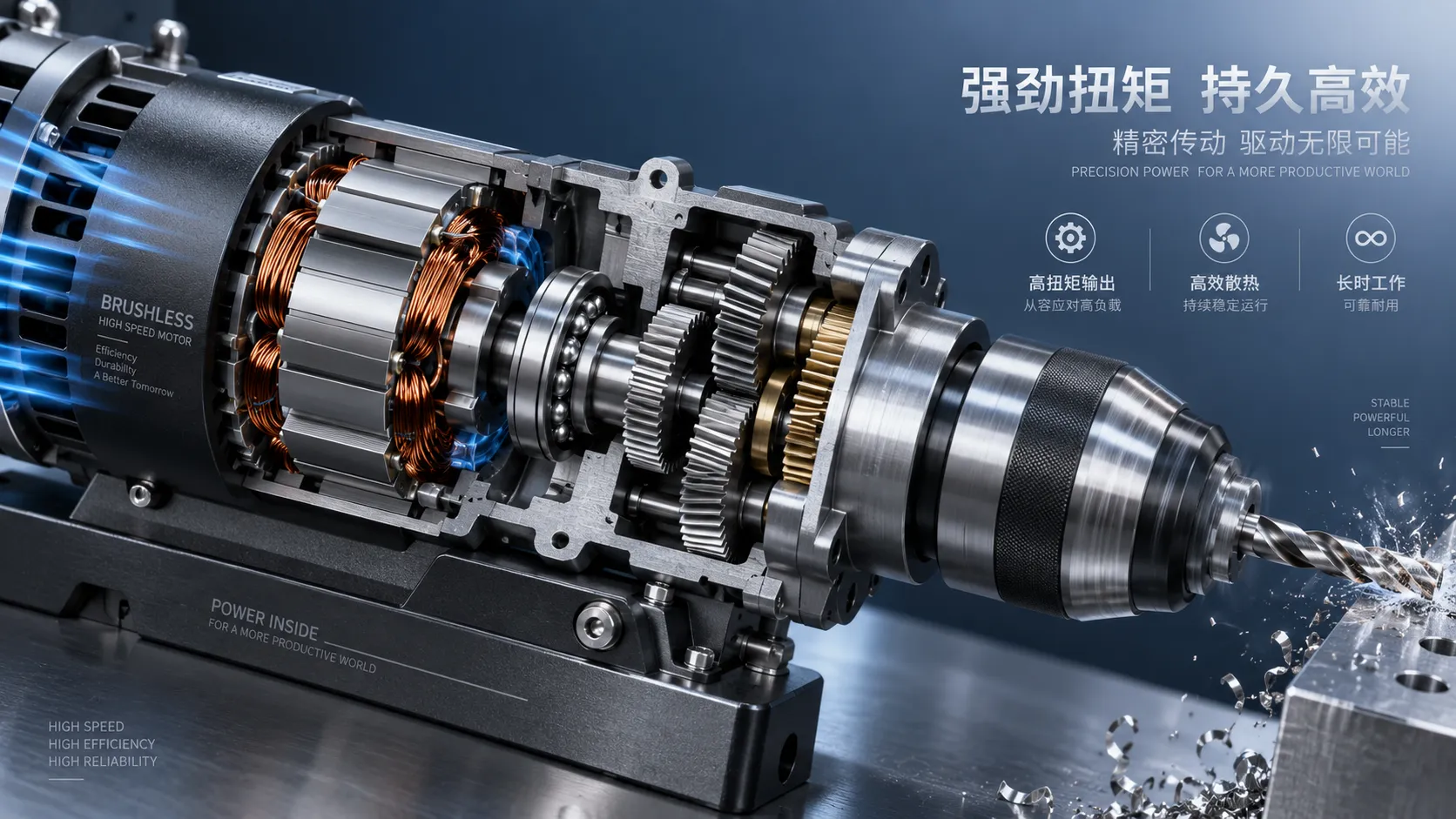
Selecting High-Speed Brushless Tool Motors for Torque, Heat, and Duty Cycle
High speed brushless tool motors: learn how to balance torque, heat, gearing, and duty cycle for reliable industrial tool performance and longer service life.
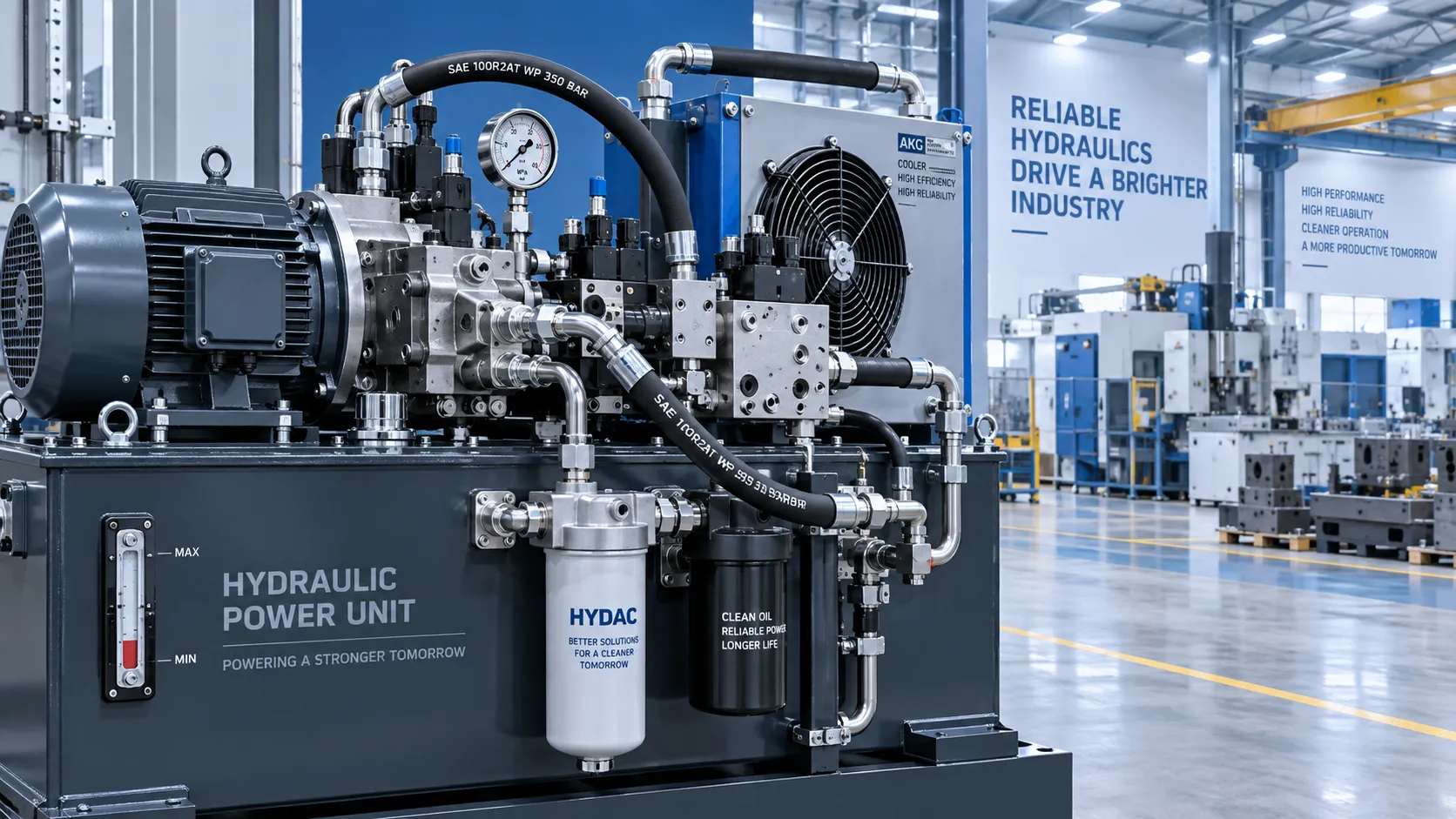
What Determines Industrial Hydraulic System Price for Heavy-Duty Equipment?
Industrial hydraulic system price depends on duty cycle, pressure, components, cooling, and integration. Compare quotes intelligently to secure reliable heavy-duty performance.
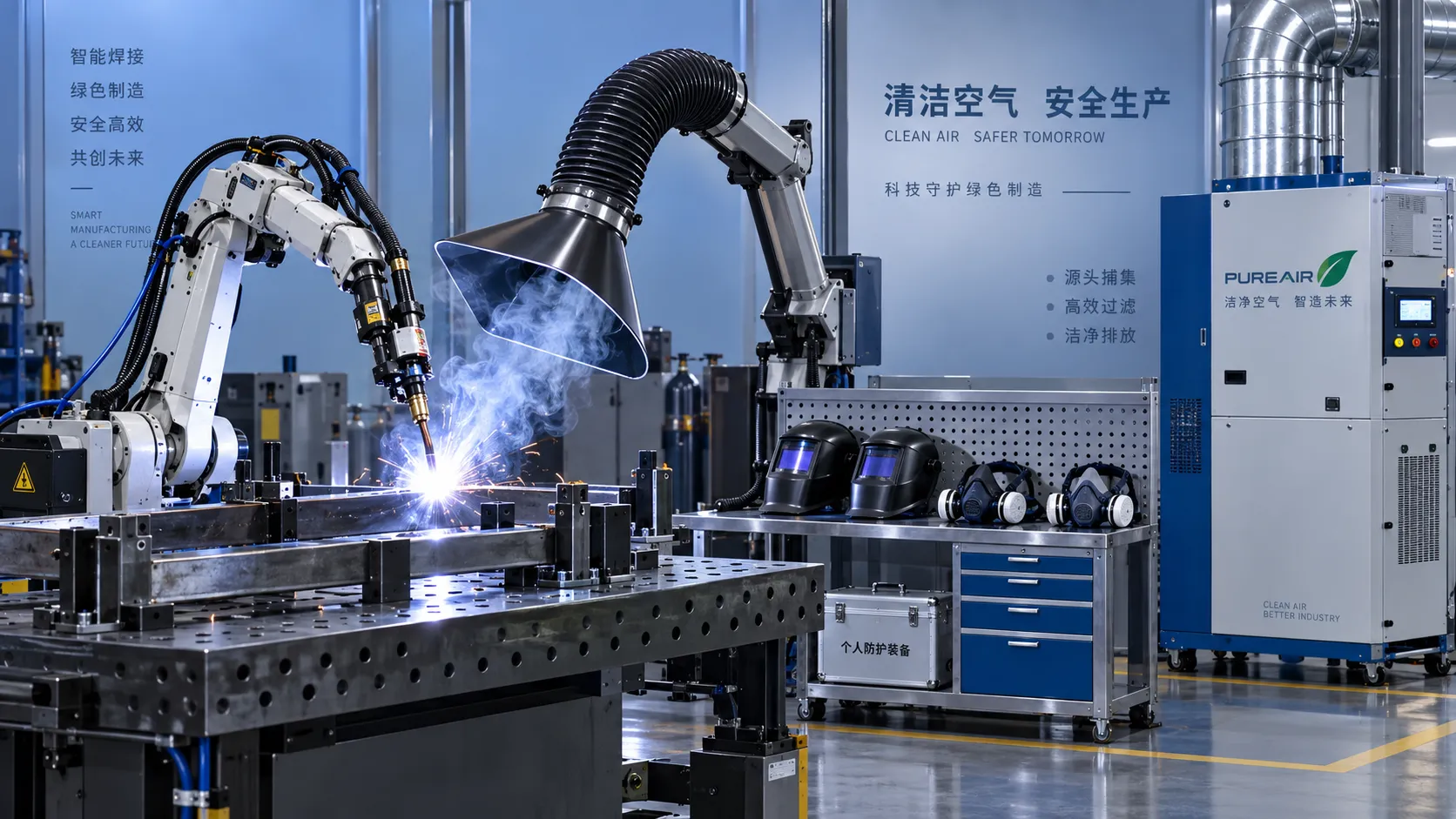
Welding Fume Extraction PPE: When Respirators Are Not Enough for Shop Safety
Welding fume extraction PPE: learn why respirators alone fall short and how source capture, ventilation, and layered controls improve shop safety.
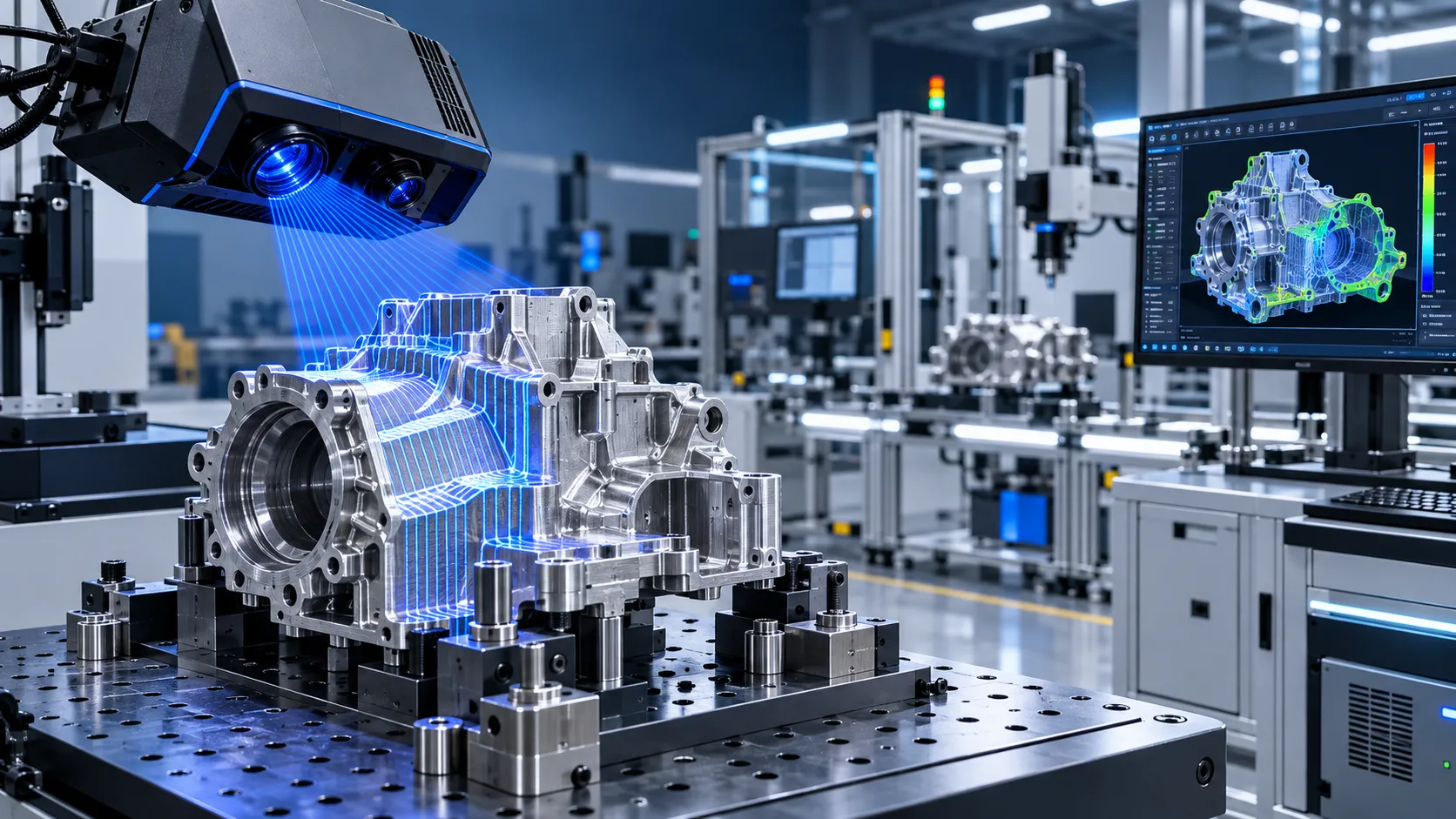
How to Select Optical Metrology Solutions for Tight-Tolerance Manufacturing
Optical industrial metrology solutions for tight-tolerance manufacturing: evaluate accuracy, surface compatibility, workflow, and traceability to select with confidence.
Ergonomic Standards for Assembly Workstations: A Practical Compliance Checklist
Ergonomic standards assembly checklist for safer, compliant workstations—optimize posture, reach, tools, manual handling, lighting, and repetition while supporting quality and productivity.
Related News
- 00
0000-00
How to Select Aerospace Inspection Tools for Aircraft Maintenance Tasks - 00
0000-00
How to Select Wire Bonding Tools for Fine-Pitch Semiconductor Packaging - 00
0000-00
Industrial Equipment Application Guidance: Match Machines to Operating Conditions - 00
0000-00
Selecting High-Speed Brushless Tool Motors for Torque, Heat, and Duty Cycle - 00
0000-00
How to Select Optical Metrology Solutions for Tight-Tolerance Manufacturing
Prof. Marcus Chen
Weekly Insights
Stay ahead with our curated technology reports delivered every Monday.