
Metalworking tools comparison points that affect finish quality





Finish quality in fabrication depends on more than operator skill alone. Choosing among metalworking tools requires comparing rigidity, cutting geometry, speed control, vibration, heat handling, and measurement precision.
When these points are judged by application scenario, cleaner edges, tighter tolerances, and steadier surface results become easier to achieve. That also means less rework, lower scrap, and stronger process reliability.
For an intelligence platform like GPTWM, this topic matters because finish quality sits at the last mile of industrial value. Small tool differences often decide whether assembly, welding, inspection, or repair proceeds smoothly.
Why scenario-based comparison matters for metalworking tools
Not every finishing problem comes from the same source. Sheet metal trimming, tube preparation, weld cleanup, and precision fitting each place different demands on metalworking tools.
A grinder that removes stock quickly may still leave thermal tint, chatter marks, or uneven edges. A highly accurate cutter may underperform if spindle stability or feed control is poor.
That is why comparison should begin with use conditions. Material thickness, alloy hardness, geometry complexity, tolerance level, and downstream inspection standards all influence the right tool choice.
Core comparison points that affect finish quality
- Structural rigidity and tool balance
- Cutting edge geometry and abrasive grade
- Speed range, torque stability, and feed control
- Vibration damping and runout behavior
- Heat management, coolant access, and thermal distortion risk
- Measurement accuracy during setup and inspection
Scenario 1: Thin sheet fabrication needs clean edges without distortion
Thin sheet applications reward low-force cutting and stable support. In this case, metalworking tools should be compared for bite smoothness, burr formation, and heat concentration.
Excessive speed with weak support often causes edge waviness. Heavy tools may also deform light-gauge parts during trimming, deburring, or hole finishing.
What to check first
- Low vibration under partial contact
- Fine-tooth geometry or controlled abrasive action
- Moderate speed with consistent torque delivery
- Minimal heat buildup near coated surfaces
Better finish quality in sheet work usually comes from control, not force. Tools that cut cooler and track straighter reduce post-processing time significantly.
Scenario 2: Structural steel work needs stock removal with acceptable surface finish
In structural fabrication, speed matters, but finish still affects weld fit-up, coating adhesion, and fatigue behavior. Here, metalworking tools must balance removal rate with surface consistency.
An aggressive tool can save time on scale or weld cleanup. However, deep scratches and overheating may create extra grinding passes or inspection concerns later.
Best comparison points for this scene
- Motor durability under sustained load
- Disc or insert wear rate across long cycles
- Vibration control during edge blending
- Surface profile left before primer or welding
This is where finish quality should be defined practically. The goal is often a uniform, repeatable surface rather than a cosmetic polish.
Scenario 3: Precision fitting and metrology demand tighter tolerance control
For fixtures, instrument parts, and close-tolerance assemblies, finish quality depends heavily on setup accuracy. In these cases, metalworking tools are only as good as the measurement chain supporting them.
A fine cutter with poor runout cannot hold a clean dimension. Likewise, inaccurate calipers, indicators, or torque control can hide small errors until final assembly.
Critical judgment factors
- Spindle or holder concentricity
- Predictable feed and depth adjustment
- Reliable measurement repeatability
- Thermal stability during extended runs
In precision scenes, finish quality and dimensional accuracy are linked. A smoother cut often reflects stronger machine stability and better process discipline.
Scenario 4: Weld preparation and post-weld cleanup need heat-aware tool choices
Weld zones are sensitive. Surface finish affects penetration quality before joining and coating performance after cleanup. That makes heat control a top comparison point for metalworking tools.
If a tool smears metal, burns the edge, or leaves uncontrolled gouges, the weld area may require rework. That adds delay and can weaken consistency across repeated joints.
Look for these finish-related advantages
- Low heat input during beveling and cleaning
- Stable removal around toe transitions
- Controlled surface roughness for coating
- Good access in confined joint geometry
How finish priorities change across common applications
Practical selection advice for matching metalworking tools to finish goals
When comparing metalworking tools, begin with the finish standard required by the next process. Coating, welding, measurement, and final assembly each define acceptable surface quality differently.
- Define the actual defect to avoid: burr, waviness, burn, gouge, or dimensional error.
- Match tool geometry to material thickness and alloy behavior.
- Check speed control under real load, not only rated speed.
- Review vibration behavior during edge contact and transitions.
- Verify inspection tools alongside cutting or grinding equipment.
- Compare wear consistency across a full production cycle.
This process creates a more reliable buying or process decision. It also supports data-driven evaluation, which aligns with GPTWM’s focus on precision, intelligence, and industrial efficiency.
Common misjudgments that reduce finish quality
One common mistake is choosing metalworking tools mainly by power rating. High power helps only when stiffness, balance, and control are already adequate.
Another mistake is ignoring heat in short tasks. Even brief contact can discolor stainless steel, affect coatings, or alter local geometry on thin material.
A third oversight is separating finishing from measurement. Surface quality and dimensional quality often fail together, especially in precision assembly and repair work.
- Do not compare tools without the actual workpiece material.
- Do not judge finish from first-pass appearance alone.
- Do not overlook tool wear near the end of a cycle.
- Do not treat inspection devices as separate from process quality.
Next steps for better finish outcomes
A better finish starts with better comparison criteria. Review your most common fabrication scenes and score current metalworking tools by rigidity, heat behavior, vibration, and measurement compatibility.
Then test one application at a time using a clear finish benchmark. Record edge quality, roughness, tolerance stability, and rework frequency across repeated cycles.
For deeper industrial insight, GPTWM connects tool performance questions with wider signals in welding safety, brushless power efficiency, and precision metrology trends. Better decisions on metalworking tools begin with scenario-focused intelligence.
Related News
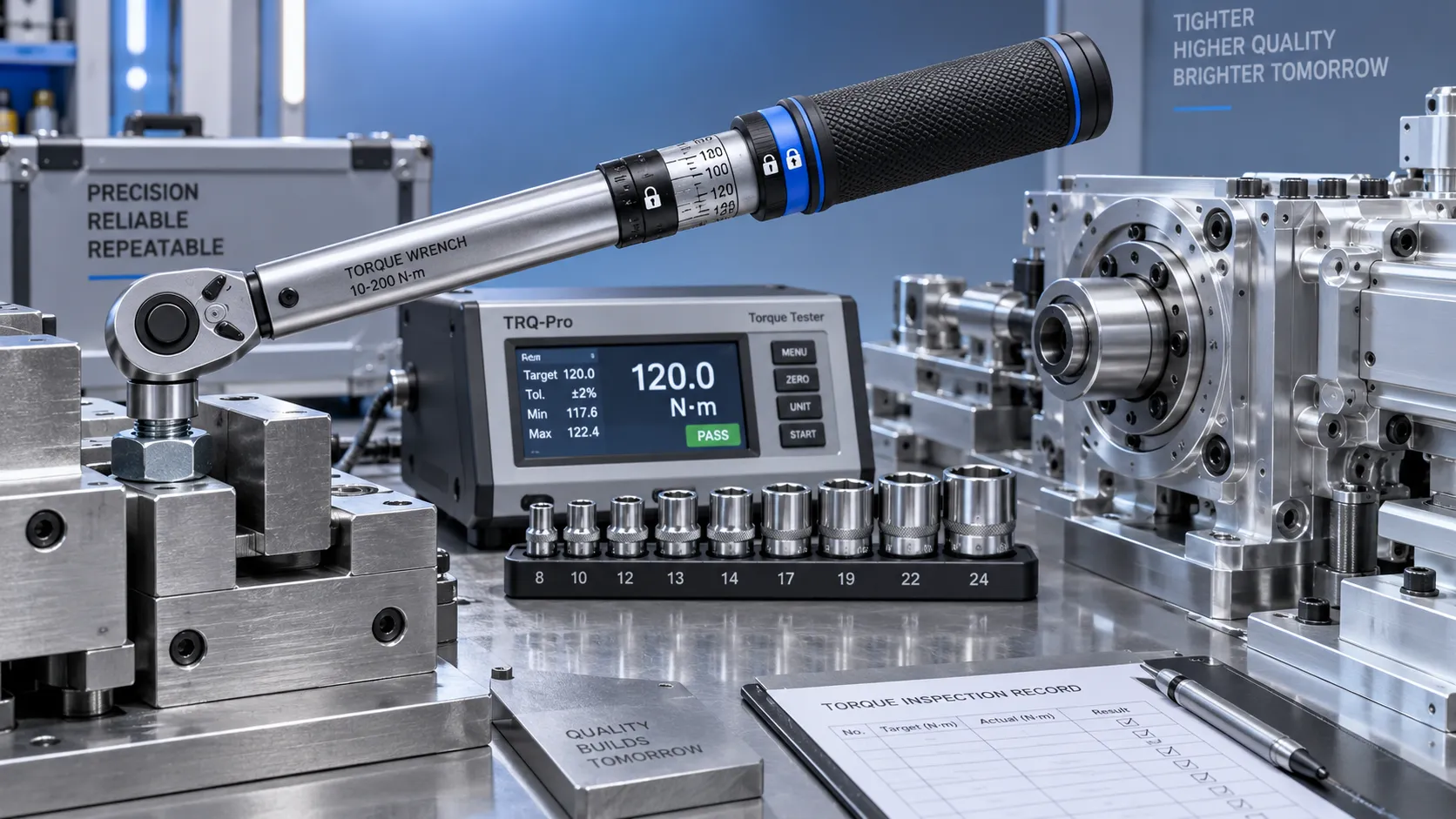
Selecting Adjustable Torque Tools for Repeatable Fastener Assembly
Adjustable torque tools: learn how to match range, accuracy, control methods, calibration, and ergonomics for repeatable, reliable fastener assembly.

How to Select Aerospace Inspection Tools for Aircraft Maintenance Tasks
Aerospace maintenance inspection tools: learn how to select reliable, traceable equipment for aircraft access, accuracy, calibration, and compliant maintenance decisions.
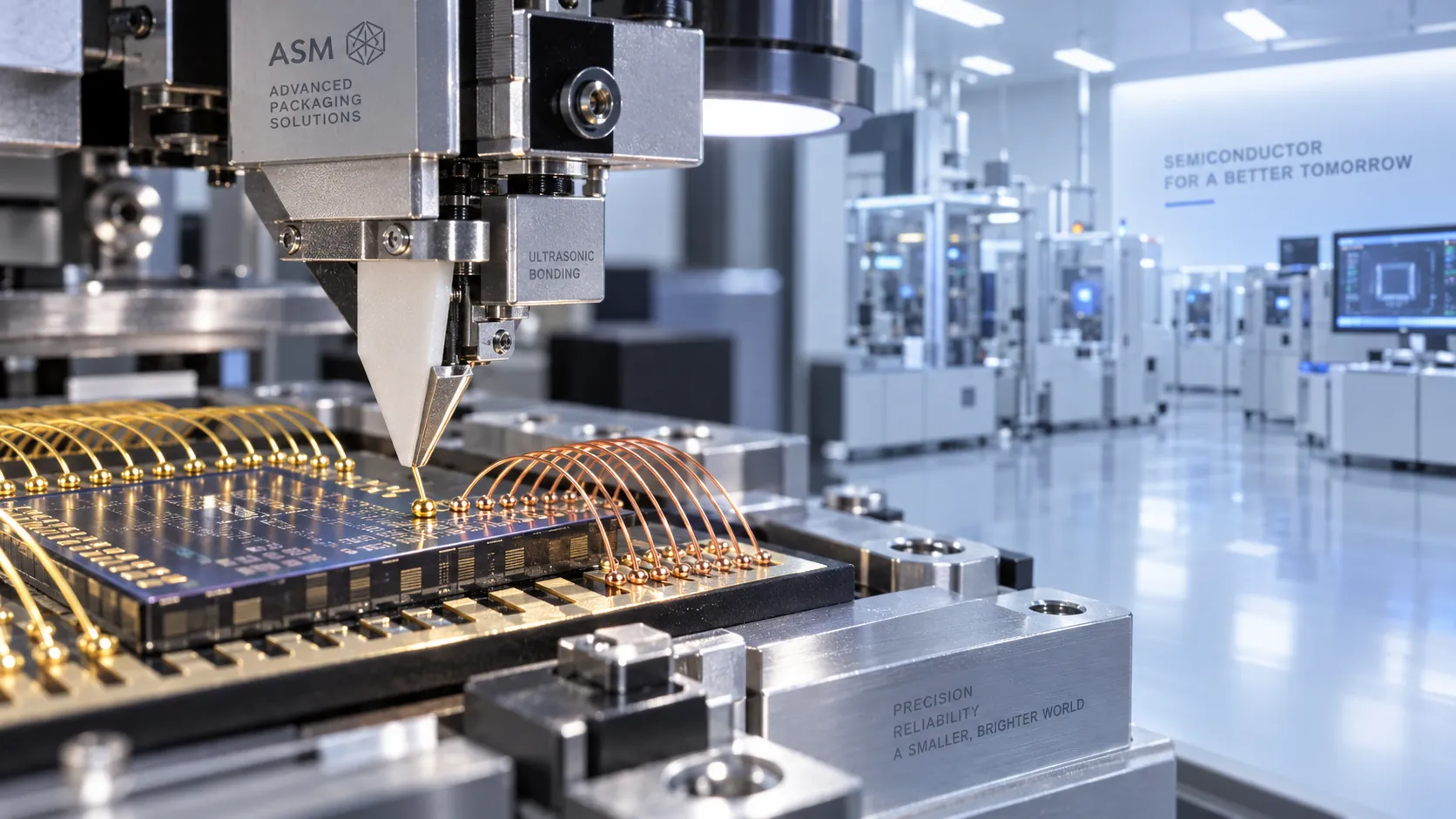
How to Select Wire Bonding Tools for Fine-Pitch Semiconductor Packaging
Explore semiconductor manufacturing tools for wire bonding and learn how to select precision solutions for fine-pitch packaging, reliable loops, accuracy, and yield.
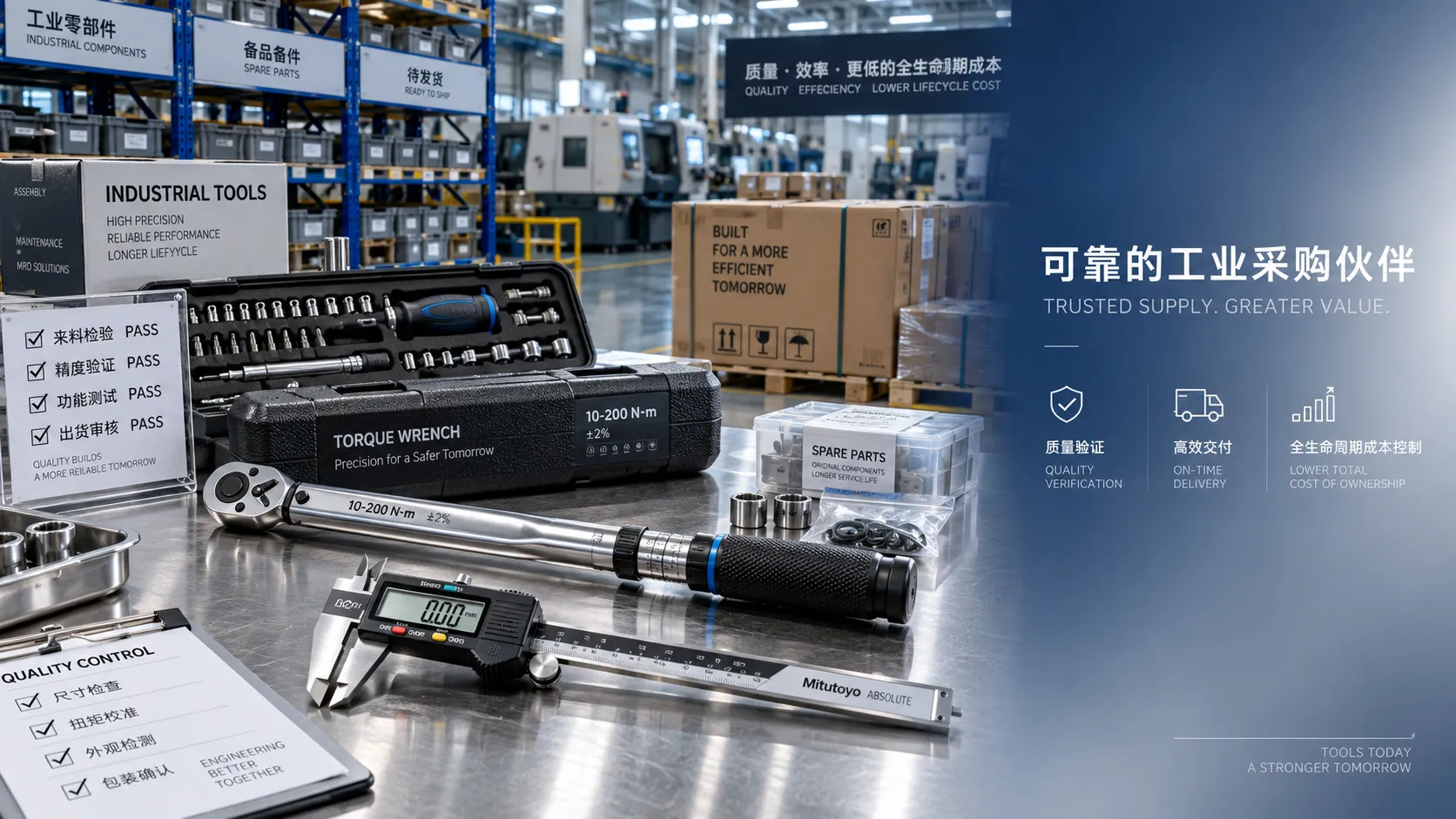
How to Compare Industrial Tool Suppliers for Quality, Lead Time, and Total Cost
Industrial tool selection supplier comparison made simple: evaluate quality, lead times, total cost, service, and supply resilience for confident sourcing decisions.
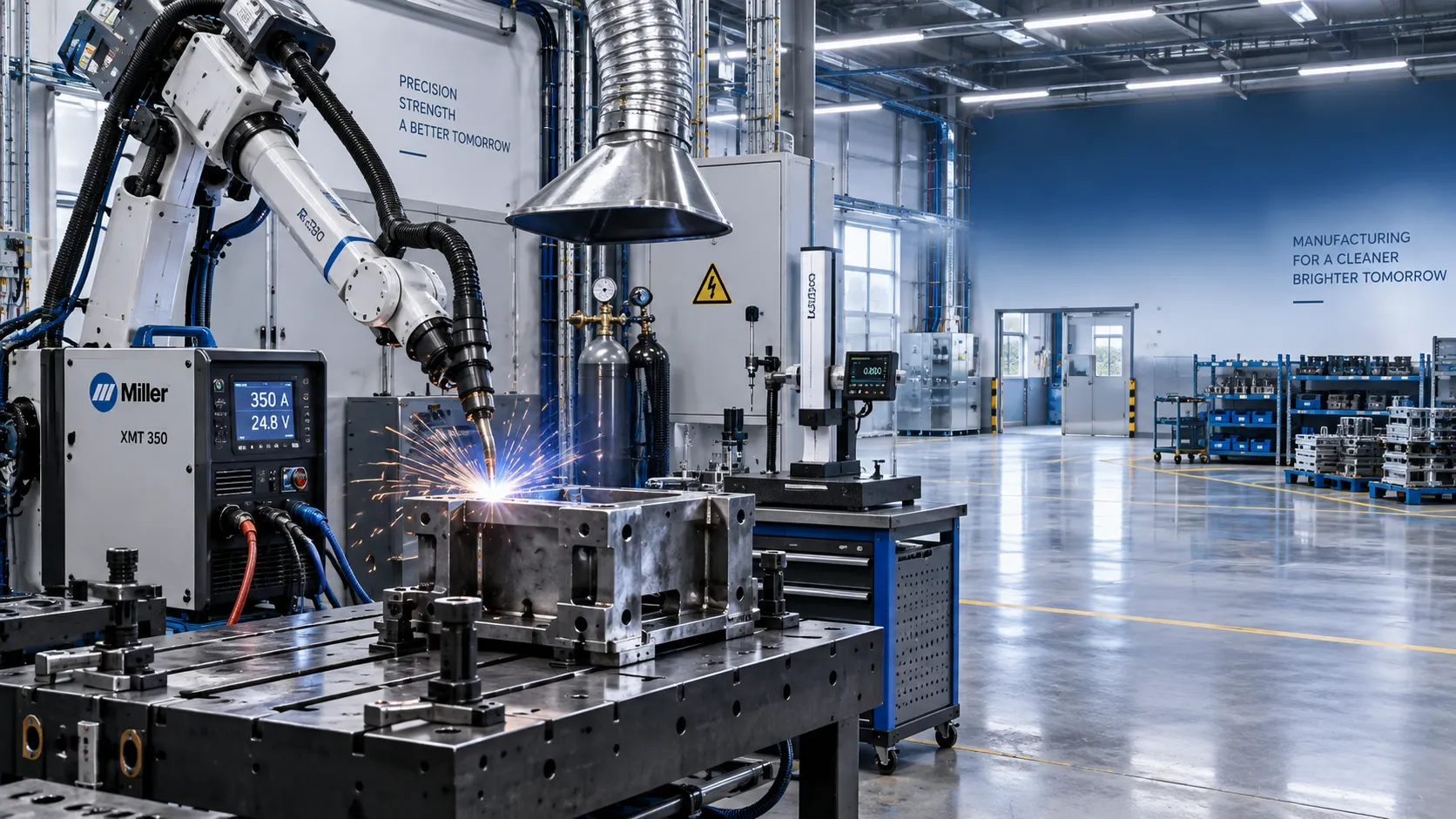
Industrial Equipment Application Guidance: Match Machines to Operating Conditions
Application guidance industrial equipment: match capacity, duty cycle, materials, site conditions, safety, and lifecycle cost to improve reliable output. Read the guide.
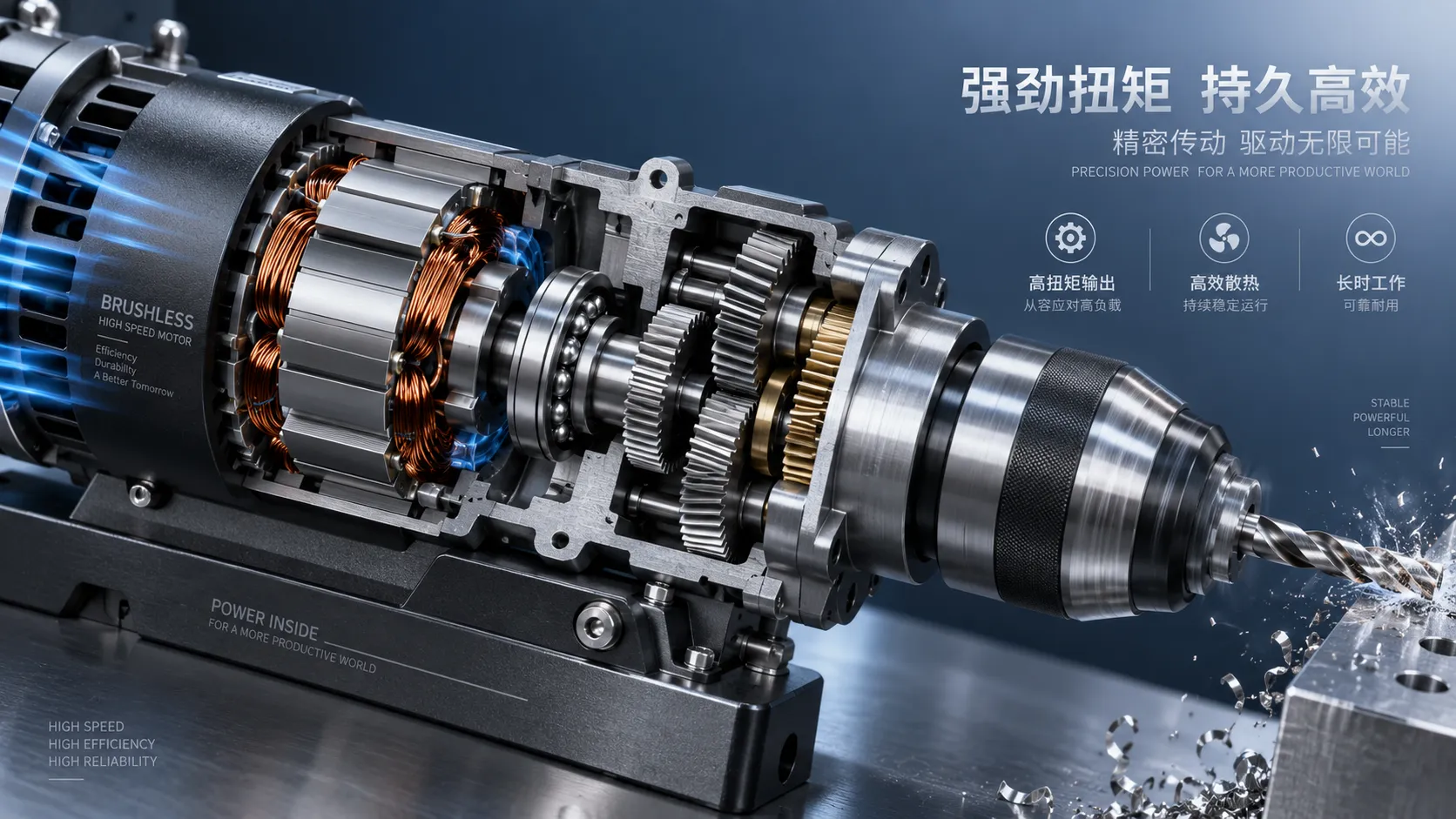
Selecting High-Speed Brushless Tool Motors for Torque, Heat, and Duty Cycle
High speed brushless tool motors: learn how to balance torque, heat, gearing, and duty cycle for reliable industrial tool performance and longer service life.
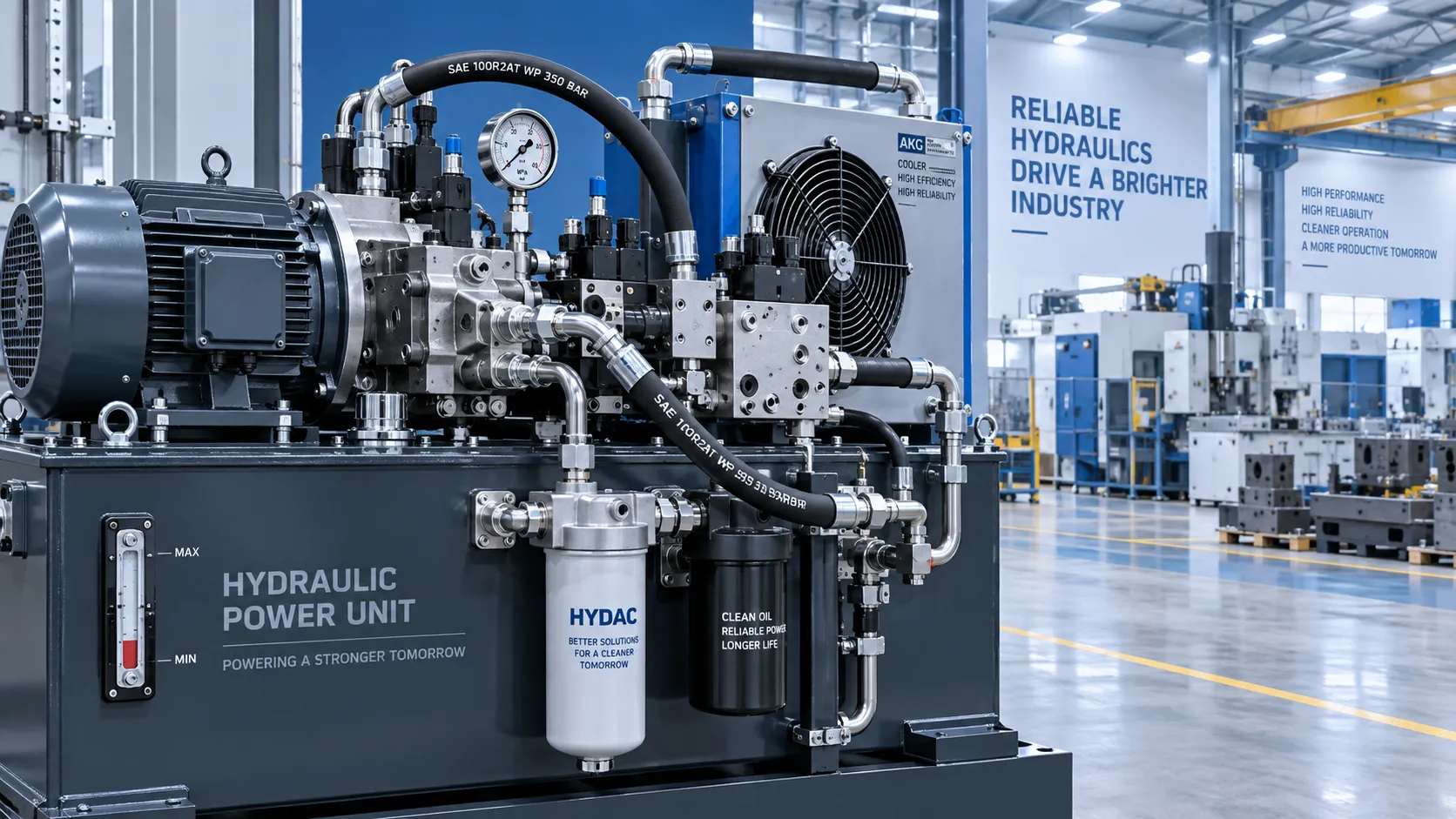
What Determines Industrial Hydraulic System Price for Heavy-Duty Equipment?
Industrial hydraulic system price depends on duty cycle, pressure, components, cooling, and integration. Compare quotes intelligently to secure reliable heavy-duty performance.
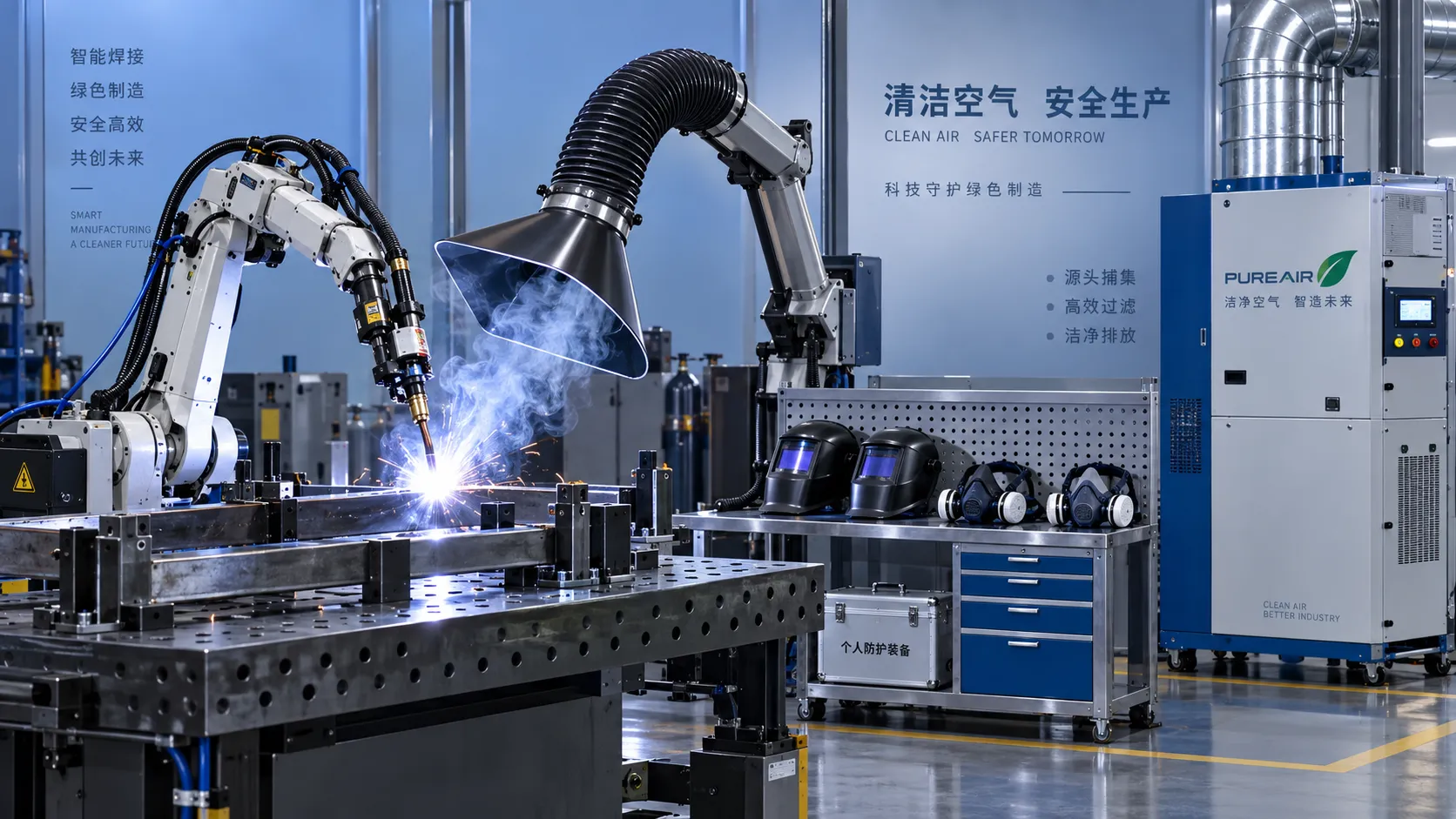
Welding Fume Extraction PPE: When Respirators Are Not Enough for Shop Safety
Welding fume extraction PPE: learn why respirators alone fall short and how source capture, ventilation, and layered controls improve shop safety.
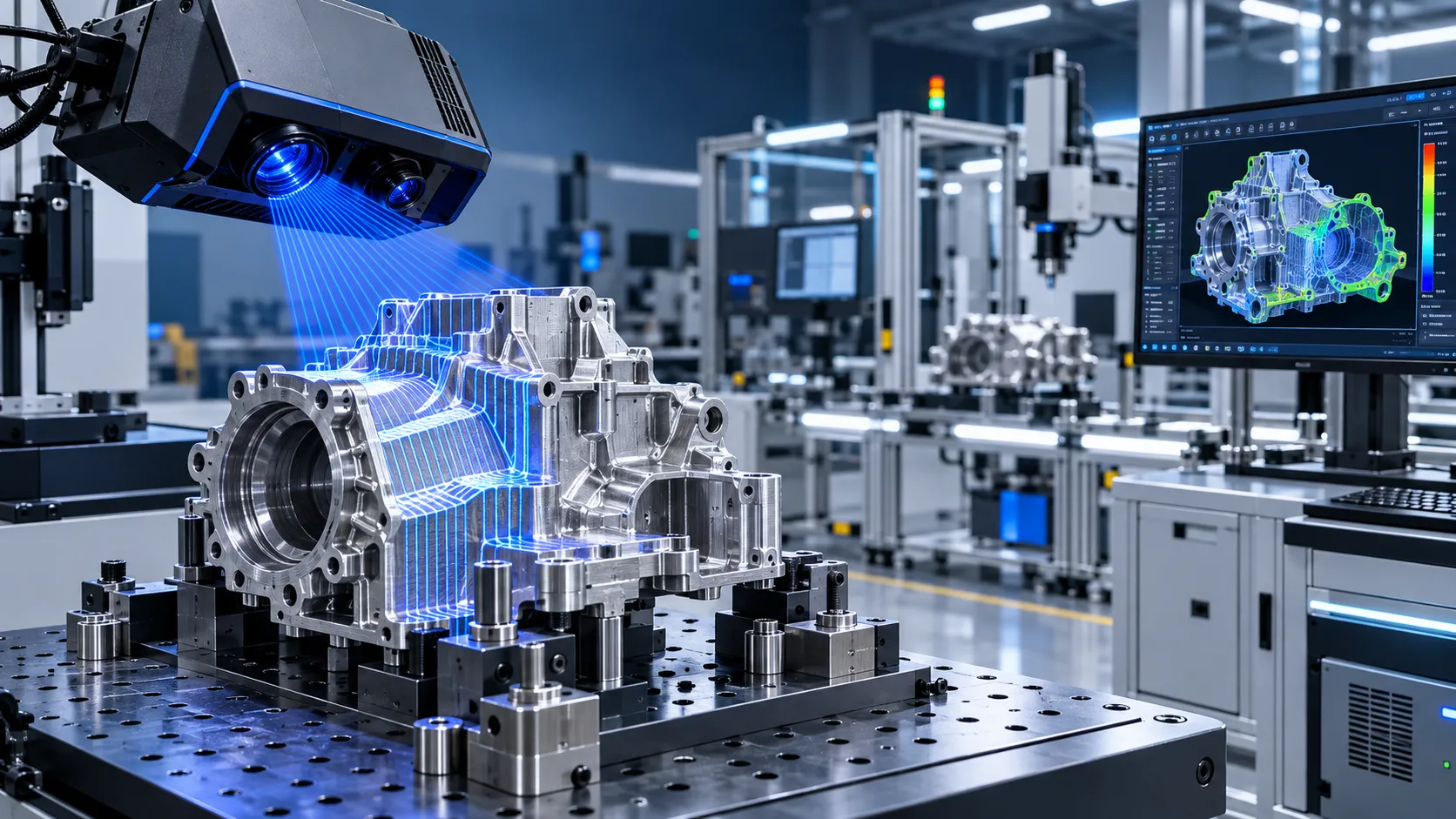
How to Select Optical Metrology Solutions for Tight-Tolerance Manufacturing
Optical industrial metrology solutions for tight-tolerance manufacturing: evaluate accuracy, surface compatibility, workflow, and traceability to select with confidence.
Related News
- 00
0000-00
How to Select Battery Assembly Tools for Torque Control and High-Volume Production - 00
0000-00
How Battery, Torque, and Duty Cycle Affect Cordless Power Tool Efficiency - 00
0000-00
How to Size High-Torque Tool Motors for Continuous-Duty Assembly Lines - 00
0000-00
How to Choose 24V Brushless Tool Motors for Torque, Runtime, and Duty Cycle? - 00
0000-00
Automotive Repair Tools List: What Every Workshop Needs for Daily Service Jobs
Electro-Mech Tool Designer
Weekly Insights
Stay ahead with our curated technology reports delivered every Monday.