
Industrial research trends shaping factory upgrades in 2026





In 2026, industrial research is becoming the key force behind smarter factory upgrades, helping manufacturers balance efficiency, safety, and long-term competitiveness. From intelligent torque control and handheld laser welding safety to precision metrology demand and evolving export standards, decision-makers need clear signals, not noise. This article explores the trends shaping modern production strategies and why insight-driven transformation matters more than ever.
Why industrial research now drives factory upgrade decisions
For information researchers, the challenge is no longer access to data. It is filtering fragmented signals into decisions that support capital expenditure, process redesign, compliance planning, and supplier evaluation. Industrial research has moved from a background function to a practical decision tool because upgrade risks are rising across multiple fronts at the same time.
Factories entering 2026 face tighter export controls, faster equipment cycles, higher operator safety expectations, and stronger pressure to reduce waste without weakening throughput. In this environment, industrial research helps identify what should be upgraded first, what can wait, and what creates hidden downstream costs.
GPTWM focuses on the last mile of industrial manufacturing, where tools, joining processes, and measurement accuracy directly affect finished quality. That perspective matters because many upgrade programs fail not at the strategy level, but at the point where a welding torch, torque tool, gauge, or handheld device must perform reliably under real production conditions.
- Raw material price shifts can change the economics of repair, replacement, or process substitution within a single budget cycle.
- Safety adoption in handheld laser welding can affect training cost, workplace layout, shielding protocols, and procurement criteria.
- Intelligent torque control changes not only fastening quality, but also traceability requirements for regulated or export-facing production.
- Precision metrology demand is rising because dimensional confidence now influences both productivity and claims risk.
What information researchers should look for first
A useful industrial research framework starts with operating pain, not abstract trends. Researchers should map where bottlenecks occur: rework in welding, fastening inconsistency, inspection delays, operator fatigue, certification uncertainty, or spare-part instability. Once that map is clear, technology signals become easier to rank by urgency and return.
Which 2026 industrial research trends are shaping upgrades most?
The most valuable industrial research in 2026 does not simply announce new technologies. It explains adoption timing, practical limits, and cross-functional impact. For factory upgrades, several trends are emerging as decision anchors across assembly, welding, inspection, and maintenance planning.
1. Intelligent torque control becomes a traceability tool
IoT-based torque systems are no longer seen only as productivity enhancers. They are increasingly used to reduce fastening variation, document execution records, and support quality audits. In sectors connected to automotive, construction machinery, and aerospace maintenance, torque traceability can influence warranty exposure and market access.
2. Handheld laser welding safety moves from optional to operational
As handheld laser welding adoption expands, industrial research now pays more attention to enclosure logic, operator training, reflective material risks, ventilation practices, and personal protective equipment alignment. Equipment speed alone is no longer a sufficient procurement criterion. Safety architecture now shapes total ownership cost.
3. Brushless motor efficiency reaches a decision threshold
For industrial power tools, efficiency discussions are becoming more specific. Buyers want to know where brushless gains meaningfully improve run time, thermal stability, maintenance intervals, and ergonomic performance, and where the premium may not justify itself. Industrial research helps separate use cases with measurable gains from marketing-led claims.
4. Precision metrology demand becomes structural
Inspection is no longer a support function at the edge of production. It is becoming central to throughput control, supplier verification, and export consistency. High-precision measuring instruments are seeing stronger structural demand because factories need faster validation, tighter process feedback, and better confidence in mixed-batch or globalized supply conditions.
5. Export standard monitoring affects upgrade timing
A line upgrade that ignores destination market restrictions can become a sunk cost. Industrial research now has to include export standard restrictions, documentation expectations, and regional compliance changes. This is especially relevant for distributors and manufacturers supporting multiple countries through one production base.
How to compare upgrade priorities with limited budget and time
Information researchers are often asked a difficult question: what should the factory upgrade first? The answer depends on the relationship between quality risk, labor intensity, safety exposure, and payback speed. The comparison below shows how industrial research can help rank upgrade areas more objectively.
This comparison shows why industrial research should be tied to operational evidence. A plant with stable welding quality but weak fastening traceability may gain more from connected torque tools than from a headline-grabbing laser purchase. The right sequence is rarely the most fashionable sequence.
A practical ranking method for researchers
- Measure where defects or delays are created, not only where they are detected.
- Check whether the upgrade solves a recurring cost driver such as scrap, overtime inspection, or field returns.
- Review compliance and export implications before issuing technical recommendations.
- Estimate training and integration effort, because operational disruption can erase expected gains.
What procurement teams should verify before acting on industrial research
Industrial research becomes valuable only when procurement can convert it into a disciplined selection process. Many upgrade projects underperform because teams compare headline specifications while ignoring calibration burden, operator adoption, data compatibility, or service response expectations.
The following table can be used as a screening guide when discussing tools, welding systems, measurement equipment, or supporting solutions with internal stakeholders and external suppliers.
This procurement checklist helps information researchers translate industrial research into a business case. It also supports better internal alignment between operations, quality, safety, and finance teams, which is essential when budget approval depends on clear cross-functional justification.
Where GPTWM adds value for industrial research in complex upgrade planning
GPTWM is not positioned as a generic news feed. Its strength lies in connecting sector signals to practical factory consequences. That matters for researchers who need more than market headlines. They need structured interpretation across tools, metal joining, metrology, and commercial demand patterns.
Its Strategic Intelligence Center tracks raw material fluctuations, export standard restrictions, and evolutionary technology shifts that directly affect upgrade planning. This supports a more disciplined view of timing: when to invest, what to pilot, and which process area may create the strongest operational leverage.
Examples of insight areas that matter to researchers
- How handheld laser welding safety requirements may alter deployment cost beyond the machine price.
- Where brushless motor efficiency limits appear in heavy-duty or long-shift industrial tool applications.
- Why intelligent torque control is gaining relevance in factories that need stronger fastening traceability.
- Which regional sectors are showing structural demand for precision measuring instruments and hydraulic equipment.
For distributors and manufacturers alike, this type of industrial research reduces decision noise. It helps teams avoid overbuying, under-specifying, or investing in equipment that looks advanced on paper but misaligns with daily production realities.
Standards, compliance, and risk points many factories still underestimate
A recurring gap in factory upgrade planning is the assumption that technical performance alone determines suitability. In reality, standards, operator instructions, maintenance records, and traceability practices often shape acceptance more than nominal output figures do.
Common compliance-sensitive areas
- Calibration discipline for measurement tools used in supplier qualification, incoming inspection, or final release.
- Documented operating procedures for powered tools and joining systems, especially where operator variability is high.
- Protective controls and training logic for laser-related applications in shared production environments.
- Export documentation alignment when finished products move across regions with different technical expectations.
Industrial research should therefore include a compliance lens from the start. Waiting until purchase order stage often forces redesign, retraining, or delayed installation. For information researchers, early compliance screening is one of the fastest ways to improve decision quality without increasing equipment spend.
FAQ: practical questions researchers ask about industrial research and upgrades
How should a factory prioritize upgrades when every department claims urgency?
Start with measurable business loss. Compare scrap, rework hours, inspection delay, downtime frequency, safety incidents, and warranty exposure. Industrial research is most useful when paired with plant-level evidence. The first upgrade should usually address the process causing the highest recurring operational drag, not the area with the loudest internal demand.
Is handheld laser welding always the right modernization step?
No. It can be a strong option for certain materials, geometries, and productivity goals, but it also introduces safety, training, and deployment considerations. Industrial research should assess reflective materials, ventilation needs, duty cycle, operator skill, and post-process quality requirements before making a recommendation.
What do buyers often miss when evaluating torque tools or connected fastening systems?
They often focus on torque range and overlook data structure, calibration practice, software usability, and line integration. In 2026, the value of intelligent torque control increasingly depends on whether records can support audits, troubleshooting, and process improvement rather than simply confirming a tightening event.
Why is precision metrology getting more attention in industrial research?
Because modern factories need faster feedback loops. Tighter tolerances, mixed sourcing, and global shipment pressure make weak inspection capability expensive. Better metrology supports earlier correction, more credible supplier control, and lower risk of passing hidden variation into final assembly.
Why insight-led upgrades will outperform trend-led spending in 2026
The factories that upgrade well in 2026 will not be the ones chasing every new device. They will be the ones using industrial research to connect market signals, process risks, safety expectations, and procurement logic into a coherent plan. That is especially true in sectors where assembly quality, metal joining consistency, and measurement accuracy shape commercial credibility.
Industrial research is no longer just about staying informed. It is about improving the sequence, confidence, and timing of factory decisions. For information researchers, the real value lies in turning complex industry movement into practical recommendations that production, quality, procurement, and leadership can all act on.
Why choose us for industrial research and upgrade intelligence
GPTWM helps information researchers move from fragmented observation to actionable upgrade planning across industrial assembly, metal joining, and precision metrology. Our perspective is built around the last mile of manufacturing, where tool choice, safety logic, measurement discipline, and export awareness directly affect factory performance.
You can consult us for targeted industrial research support on parameter confirmation, product and process selection, delivery cycle considerations, custom upgrade paths, certification-related concerns, sample evaluation logic, and quotation communication priorities. We also help teams compare technology directions when budget is limited or adoption risk is high.
If your team is evaluating intelligent torque systems, handheld laser welding deployment, precision metrology demand, or export-sensitive tool sourcing, GPTWM can help you identify what matters first, what to verify before procurement, and where a phased upgrade strategy will reduce risk while protecting long-term competitiveness.
Related News
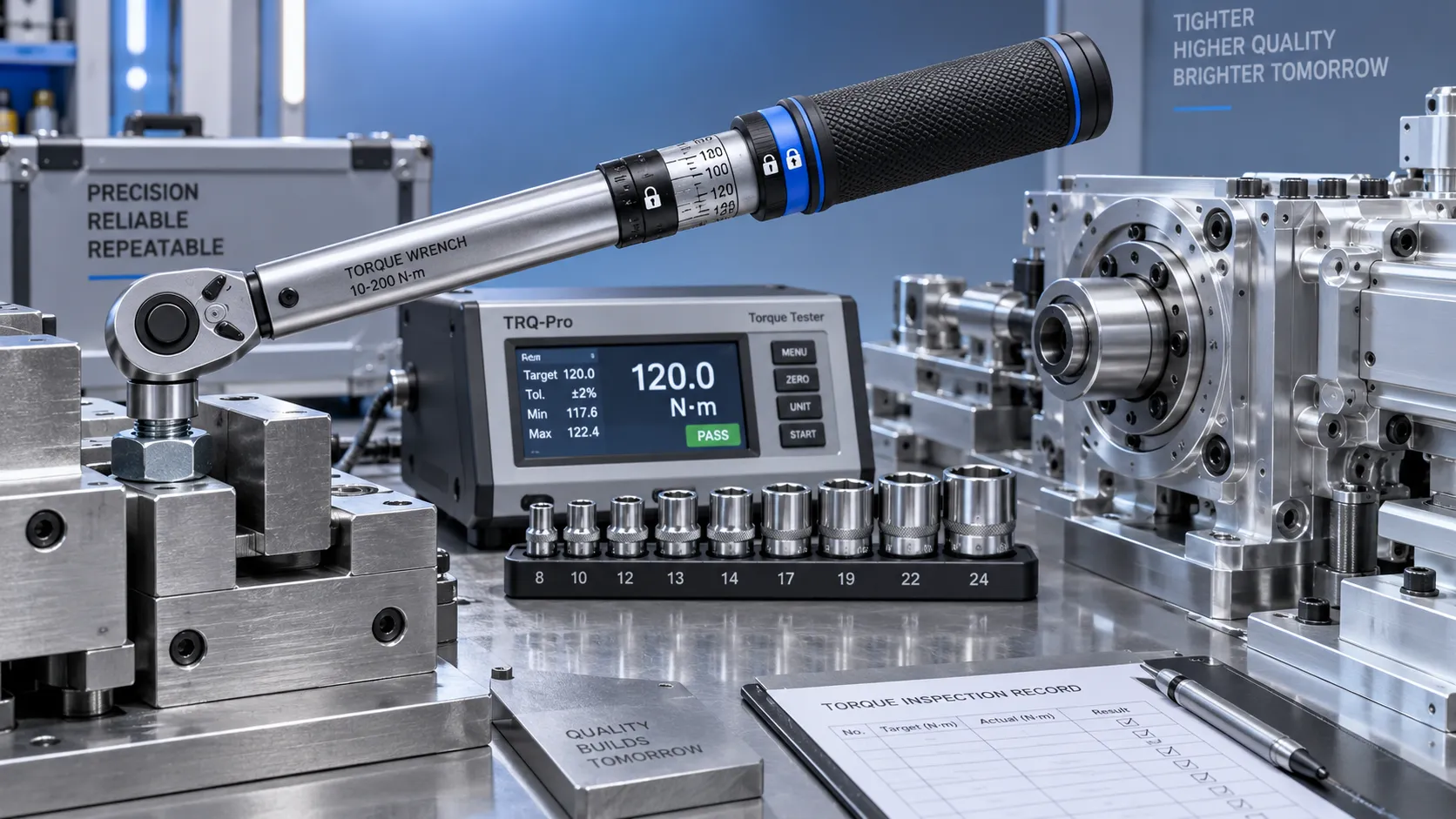
Selecting Adjustable Torque Tools for Repeatable Fastener Assembly
Adjustable torque tools: learn how to match range, accuracy, control methods, calibration, and ergonomics for repeatable, reliable fastener assembly.

How to Select Aerospace Inspection Tools for Aircraft Maintenance Tasks
Aerospace maintenance inspection tools: learn how to select reliable, traceable equipment for aircraft access, accuracy, calibration, and compliant maintenance decisions.

How to Select Wire Bonding Tools for Fine-Pitch Semiconductor Packaging
Explore semiconductor manufacturing tools for wire bonding and learn how to select precision solutions for fine-pitch packaging, reliable loops, accuracy, and yield.
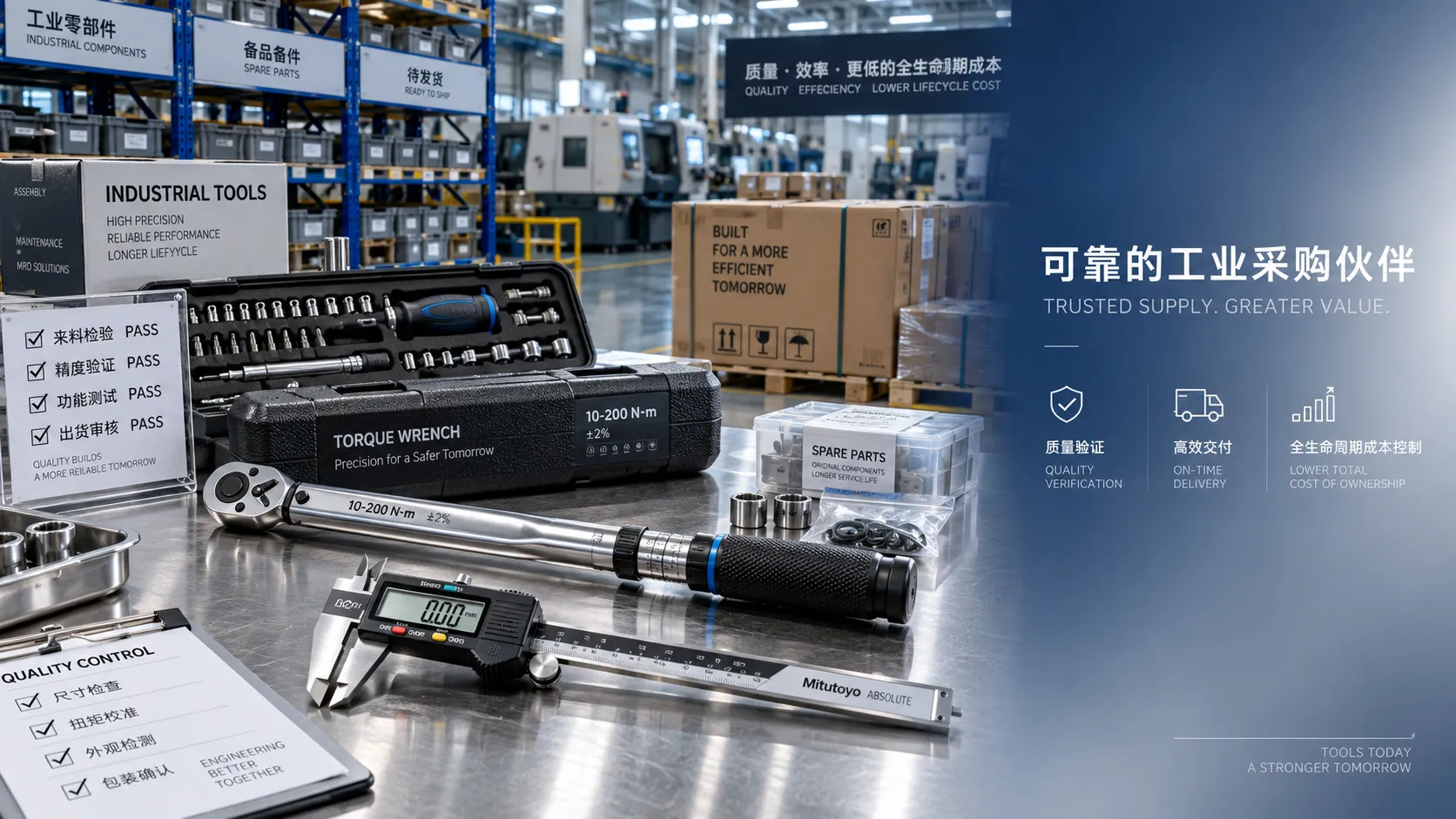
How to Compare Industrial Tool Suppliers for Quality, Lead Time, and Total Cost
Industrial tool selection supplier comparison made simple: evaluate quality, lead times, total cost, service, and supply resilience for confident sourcing decisions.
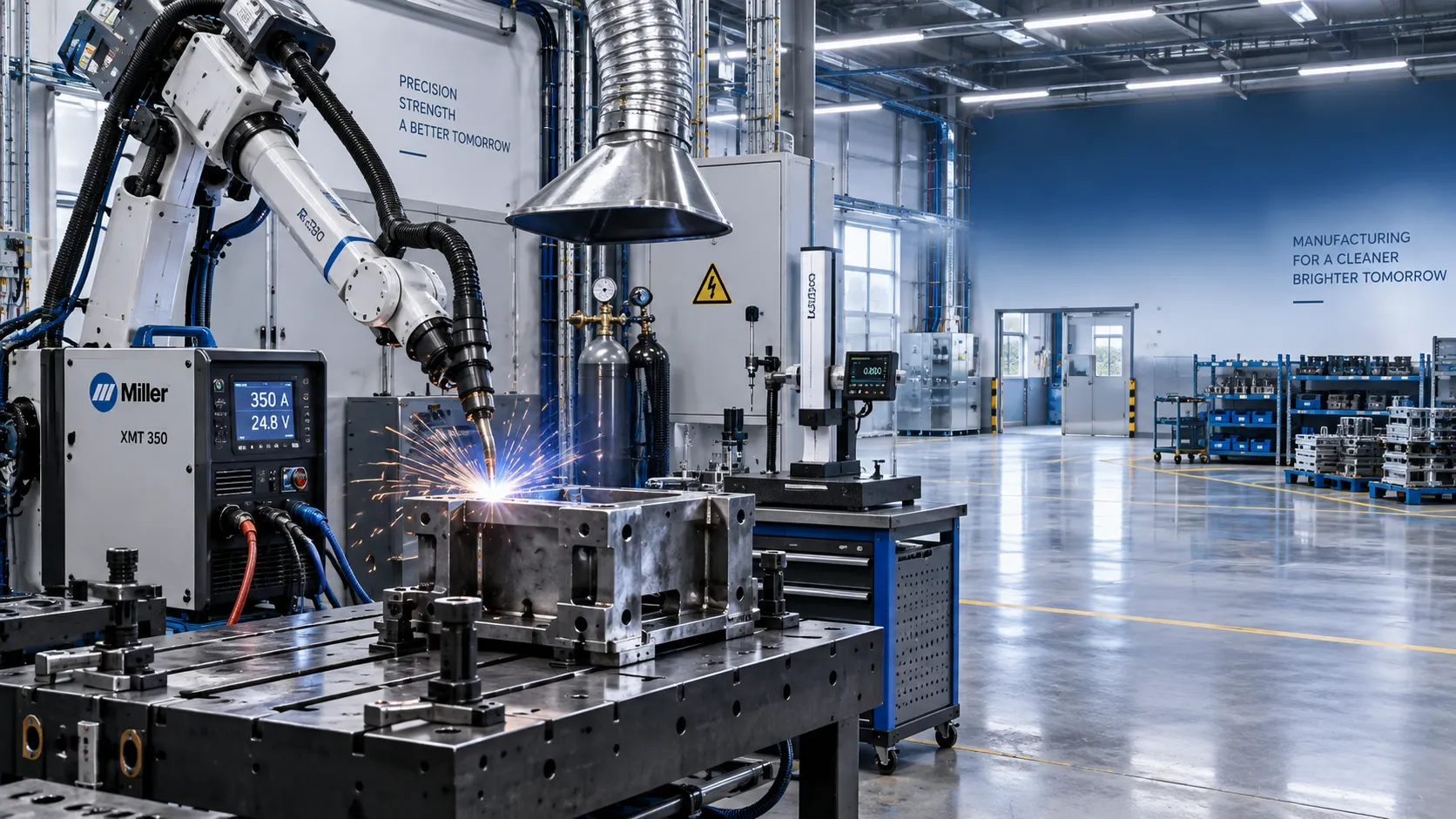
Industrial Equipment Application Guidance: Match Machines to Operating Conditions
Application guidance industrial equipment: match capacity, duty cycle, materials, site conditions, safety, and lifecycle cost to improve reliable output. Read the guide.
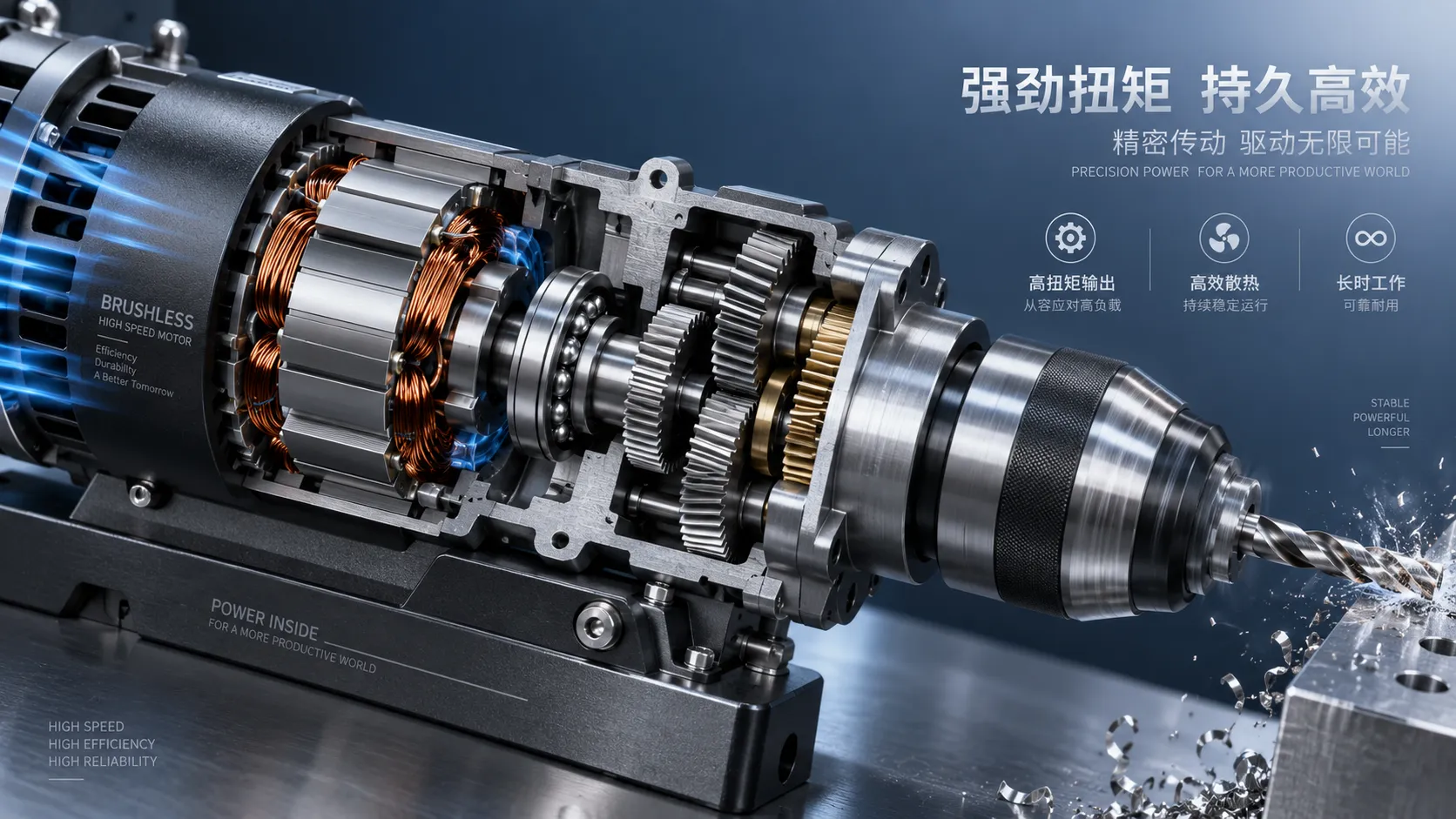
Selecting High-Speed Brushless Tool Motors for Torque, Heat, and Duty Cycle
High speed brushless tool motors: learn how to balance torque, heat, gearing, and duty cycle for reliable industrial tool performance and longer service life.
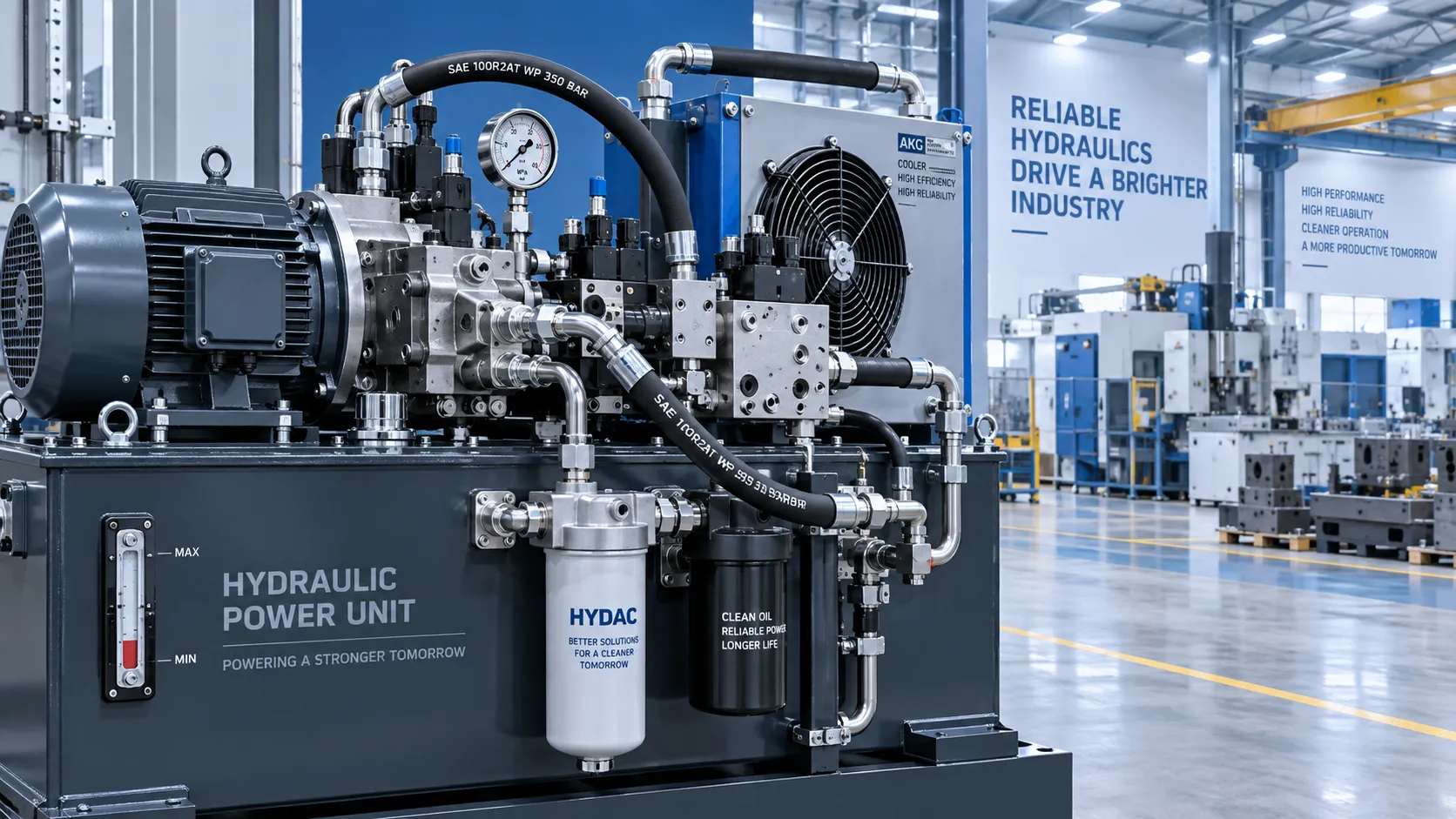
What Determines Industrial Hydraulic System Price for Heavy-Duty Equipment?
Industrial hydraulic system price depends on duty cycle, pressure, components, cooling, and integration. Compare quotes intelligently to secure reliable heavy-duty performance.
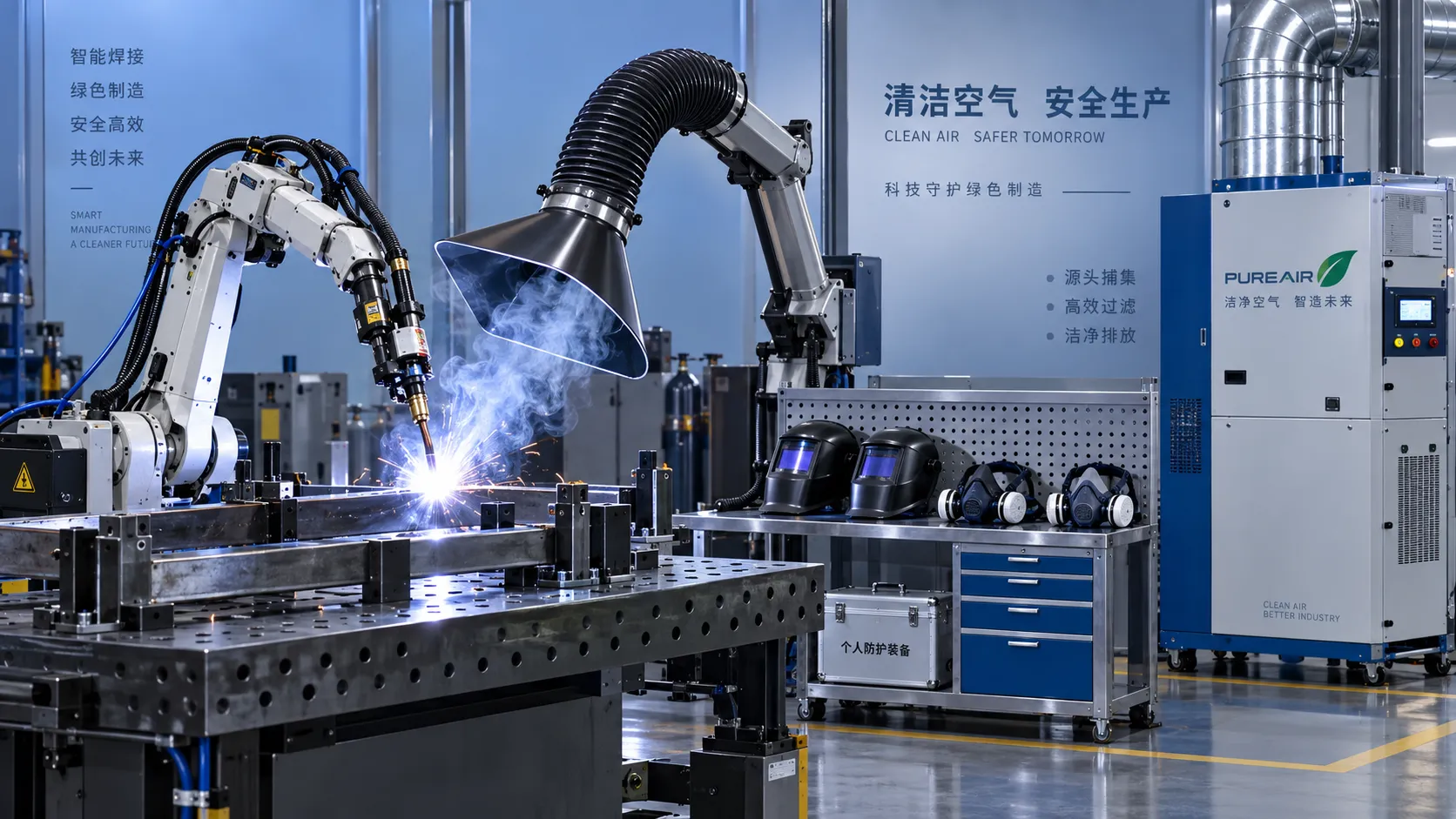
Welding Fume Extraction PPE: When Respirators Are Not Enough for Shop Safety
Welding fume extraction PPE: learn why respirators alone fall short and how source capture, ventilation, and layered controls improve shop safety.
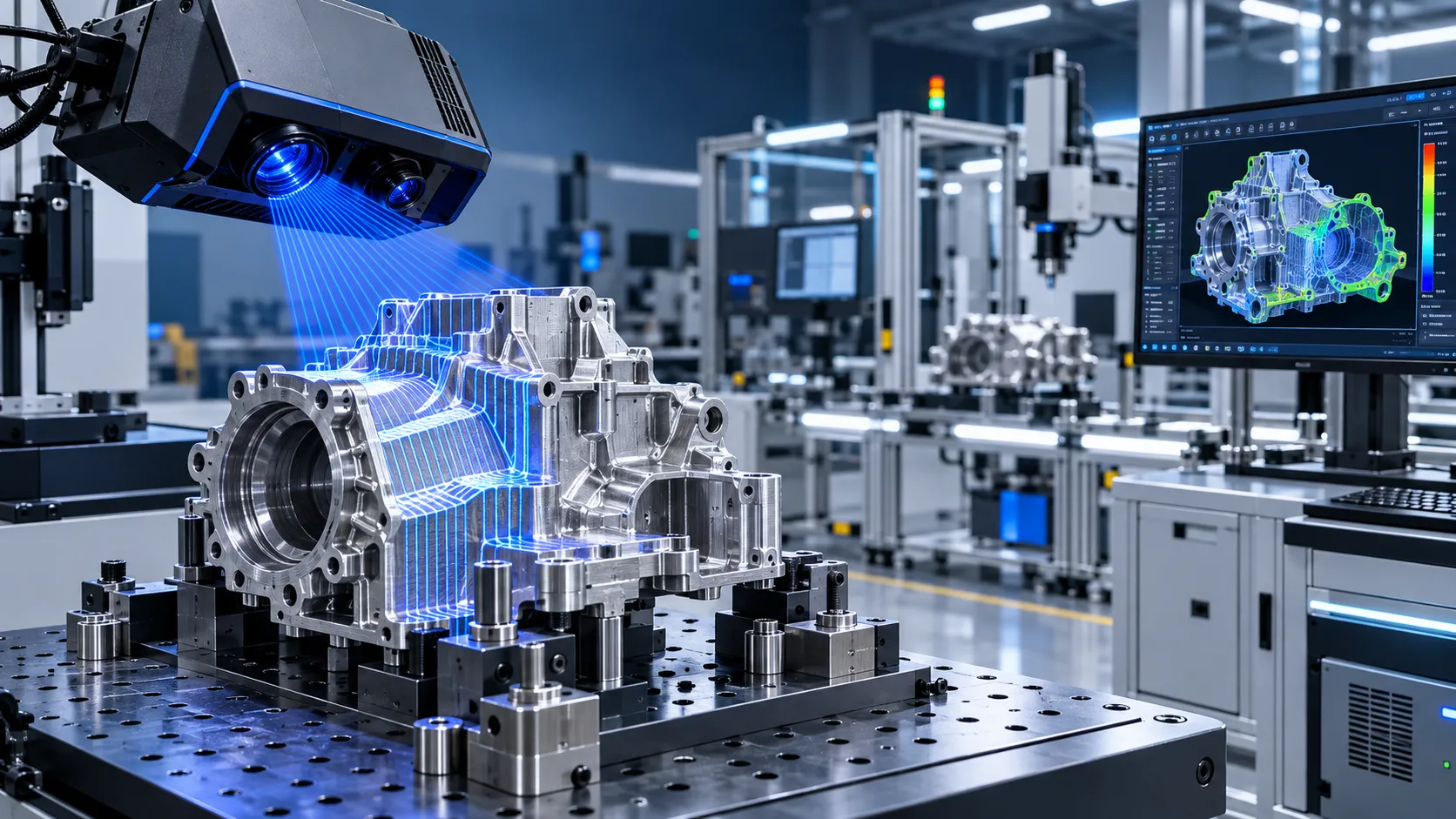
How to Select Optical Metrology Solutions for Tight-Tolerance Manufacturing
Optical industrial metrology solutions for tight-tolerance manufacturing: evaluate accuracy, surface compatibility, workflow, and traceability to select with confidence.
Related News
- 00
0000-00
How Middle East Manufacturers Can Improve Production Efficiency Under Heat and Labor Constraints - 00
0000-00
Why Are Specification-Oriented Articles Gaining Traction in Europe’s B2B Markets? - 00
0000-00
Industrial Solutions in Latin America: Key Growth Sectors and Market Entry Risks - 00
0000-00
What Is Driving Manufacturing Efficiency in Europe’s Industrial Sectors? - 00
0000-00
Industrial Market Trends in 2025: What Buyers Should Watch Across Supply and Demand
Dr. Alistair Vaughn
Weekly Insights
Stay ahead with our curated technology reports delivered every Monday.