
Ergonomic standards updates changing tool design priorities





As ergonomic standards continue to evolve, they are reshaping tool design priorities across industrial assembly, welding, and precision measurement. For technical evaluators, these updates are no longer a compliance detail but a strategic factor influencing safety, operator fatigue, lifecycle cost, and adoption performance. Understanding how ergonomic standards drive material choices, control layouts, and intelligent features is now essential to assessing tool competitiveness in modern manufacturing.
Why are ergonomic standards becoming a core evaluation factor?
In many industrial environments, tool selection used to focus on torque, speed, accuracy, and price. Those metrics still matter, but ergonomic standards now shape whether those specifications can be sustained in real operating conditions.
Technical evaluators increasingly face mixed pressures: labor fatigue, tighter safety requirements, operator turnover, and demand for higher throughput. A tool that performs well in a lab but causes strain during long shifts creates hidden production losses.
This is why ergonomic standards are changing design priorities. Manufacturers are revisiting grip geometry, balance points, trigger force, vibration damping, thermal isolation, and interface visibility. Evaluation teams now need to read these design changes as business signals, not cosmetic upgrades.
- Reduced musculoskeletal strain can improve repeatability in assembly and inspection tasks.
- Better human-machine interaction lowers training burden for multi-shift teams.
- Improved usability supports compliance, especially where welding safety and repetitive precision work intersect.
- Longer acceptable usage windows can reduce downtime caused by operator discomfort or task rotation constraints.
What changed in the evaluation mindset?
The shift is practical. Buyers are no longer asking only, “Can this tool meet output?” They are also asking, “Can this tool meet output without increasing strain, training errors, or adoption resistance?” That change directly elevates ergonomic standards in procurement scoring.
How ergonomic standards are changing tool design priorities by category
Different tool categories respond to ergonomic standards in different ways. The table below helps technical evaluators compare which design priorities are moving fastest across common industrial applications.
For evaluators, the key point is that ergonomic standards are no longer interpreted as one generic comfort layer. They now affect each tool family through specific performance-risk relationships.
Assembly tools: torque is no longer enough
In electric and pneumatic fastening tools, ergonomic standards are pushing designs toward lower reaction force, smarter shutoff, and lighter housings. Brushless motors help, but the real design question is how the motor package changes center of gravity and wrist loading.
If the balance point sits too far forward, operator correction effort rises. Over a full shift, that can reduce fastening consistency more than a small difference in nominal torque output.
Welding tools: safety and posture now converge
Handheld welding, especially in mobile repair and confined work zones, shows how ergonomic standards and safety standards increasingly overlap. Handle orientation, cable drag, trigger accessibility, and thermal shielding all affect actual posture control.
A technically advanced welding torch may still be difficult to sustain if handle thickness is wrong for gloved operation or if heat transfer limits duty comfort. Technical evaluation must therefore include human factors under realistic PPE conditions.
Precision metrology: ergonomics affects data integrity
For calipers, micrometers, gauges, and digital handheld metrology tools, ergonomic standards influence not only comfort but also reading repeatability. Fine adjustment force, tactile feedback, and display angle can change measurement error risk in repetitive inspection lines.
Which evaluation criteria should technical teams prioritize now?
A common problem in procurement reviews is that ergonomic standards are acknowledged, but not translated into measurable checkpoints. The result is subjective discussion and slow decision-making. A structured matrix solves that problem.
The following table can be used as a practical screening framework when comparing industrial tools affected by updated ergonomic standards.
This type of matrix helps evaluators turn ergonomic standards into scoreable attributes. It also improves communication with design engineers, sourcing teams, and end users who often describe the same issue in different terms.
A practical shortlist for busy evaluation teams
- Start with the task posture, not the tool brochure. Bench work, overhead work, and field maintenance create different ergonomic risks.
- Check use duration and repetition count. The same tool may pass for occasional service but fail for continuous line work.
- Evaluate with gloves, PPE, and actual cable or hose routing whenever possible.
- Ask whether smart features reduce strain or only add interface complexity.
What standards and compliance signals should evaluators watch?
Ergonomic standards do not sit alone. In industrial tools, they often intersect with machinery safety, vibration exposure, electrical safety, thermal protection, and human factors design guidance. Evaluators should treat compliance as a layered requirement.
- General ergonomic design guidance can support body posture, force limits, and reach considerations.
- Hand-arm vibration considerations are especially relevant for powered tools used in repetitive or high-load tasks.
- Electrical and thermal safety requirements remain important where tool housings and handles are redesigned for lighter weight.
- For digital tools, interface usability should be reviewed alongside data integrity and operational error prevention.
The challenge is not simply checking whether a supplier mentions ergonomic standards. The real question is whether those standards are reflected in test methods, design drawings, use-case validation, and maintenance documentation.
How GPTWM supports standards interpretation
GPTWM’s Strategic Intelligence Center helps technical evaluators read ergonomic standards in the context of real manufacturing decisions. That matters when material prices shift, export restrictions change, or new safety expectations affect product configuration.
Instead of treating compliance as isolated paperwork, GPTWM connects standards developments with tool architecture trends, from brushless power systems to intelligent torque control and handheld welding safety adoption. This broader view helps evaluators avoid narrow spec decisions.
How do updated ergonomic standards affect cost, risk, and replacement strategy?
Many buying teams assume ergonomically improved tools always cost more. The purchase price may rise in some cases, but technical evaluators should compare total operational cost, not entry cost alone.
Updated ergonomic standards can change replacement strategy in three ways: longer usable shift duration, lower error-related rework, and better operator retention in hard-to-staff tasks. These benefits are often more visible in assembly and inspection than in one-time capital calculations.
Cost questions worth asking before approval
- Will a lighter design reduce accessory durability, or has material engineering compensated for the weight reduction?
- Does the new handle or housing design require retraining, fixture changes, or updated maintenance procedures?
- Can a higher-cost ergonomic design reduce consumable waste, rejects, or operator rotation complexity?
- Is the design future-ready for regional compliance expectations and export market requirements?
For global distributors and OEM-linked buyers, these questions are especially important. A low-cost tool that misses the ergonomic standards expected in target markets can create requalification delays and weak brand positioning.
Common mistakes technical evaluators still make
Mistake 1: Treating ergonomics as a user preference issue
When ergonomic standards are reduced to comfort language, they lose procurement weight. In reality, they influence throughput stability, error probability, and safety exposure. That makes them an engineering and commercial issue.
Mistake 2: Reviewing tools without real-use context
Bench demos can hide balance and access problems. Evaluators should review tools in representative postures, with realistic duty cycles and PPE constraints. This is particularly important in maintenance, aerospace access points, and confined welding zones.
Mistake 3: Focusing on weight only
A lighter tool is not automatically better. If balance, grip diameter, or vibration path are poor, the user may still experience higher fatigue. Ergonomic standards are about interaction quality, not only mass reduction.
Mistake 4: Ignoring digital ergonomics
As tools become smarter, user interface design matters more. Alert overload, poor screen contrast, or complex menu paths can cancel out physical improvements. Intelligent torque control and digital metrology both require human-centered interface assessment.
FAQ: what do buyers and evaluators ask most about ergonomic standards?
How can we compare two tools that both claim compliance with ergonomic standards?
Do not stop at the claim. Compare use-case validation, operator posture fit, actuation force, balance under load, and interface clarity. Ask for evidence of application testing, not just design intent or marketing language.
Which scenarios make ergonomic standards most critical?
They are especially critical in repetitive fastening, handheld welding, overhead maintenance, confined-space service, and high-frequency inspection work. In these settings, small ergonomic gaps quickly become measurable productivity and safety issues.
Should we prioritize ergonomic upgrades when budgets are tight?
Yes, but selectively. Prioritize stations with high repetition, operator complaints, inconsistent quality, or difficult training ramp-up. The best return often comes from solving strain-related bottlenecks rather than replacing every tool at once.
What documentation should we request from suppliers?
Request ergonomic design rationale, relevant compliance references, testing conditions, recommended duty profile, maintenance instructions, and any restrictions tied to gloves, temperature, vibration, or work angle. These details reduce selection risk.
What will change next in tool design and evaluation?
The next phase of ergonomic standards will likely move beyond static shape considerations. Expect more emphasis on adaptive interfaces, intelligent feedback, lighter but stronger composite structures, and application-specific human factors validation.
For industrial assembly, this may mean tools that dynamically manage torque reaction and user feedback. For welding, it may mean better thermal separation and posture-aware layouts. For precision metrology, it may mean interfaces designed for faster, lower-error data capture.
Technical evaluators who track these shifts early will make better long-cycle decisions. They will also be better prepared to align sourcing, operations, and compliance teams around one shared evaluation language.
Why choose us for ergonomic standards intelligence and sourcing support?
GPTWM supports technical evaluators who need more than product descriptions. Our platform connects ergonomic standards updates with industrial assembly realities, metal joining workflows, precision metrology demands, and market-side changes that affect sourcing decisions.
Through our Strategic Intelligence Center, we help you assess whether a tool change is driven by true application value, compliance pressure, export conditions, or component-level design evolution. That perspective is useful when deadlines are tight and evaluation resources are limited.
- Ask us to help confirm ergonomic parameters relevant to your target task, duty cycle, and operator environment.
- Discuss product selection for assembly tools, handheld welding equipment, metrology devices, or hydraulic service tools.
- Request support on delivery timing, regional compliance expectations, and standard-sensitive configuration questions.
- Explore customized intelligence for certification review, sample evaluation planning, and quotation comparisons across application scenarios.
If your team is reviewing tool upgrades influenced by ergonomic standards, GPTWM can help structure the decision: what to compare, what to verify, where the hidden risks are, and which design signals matter most before final approval.
Related News
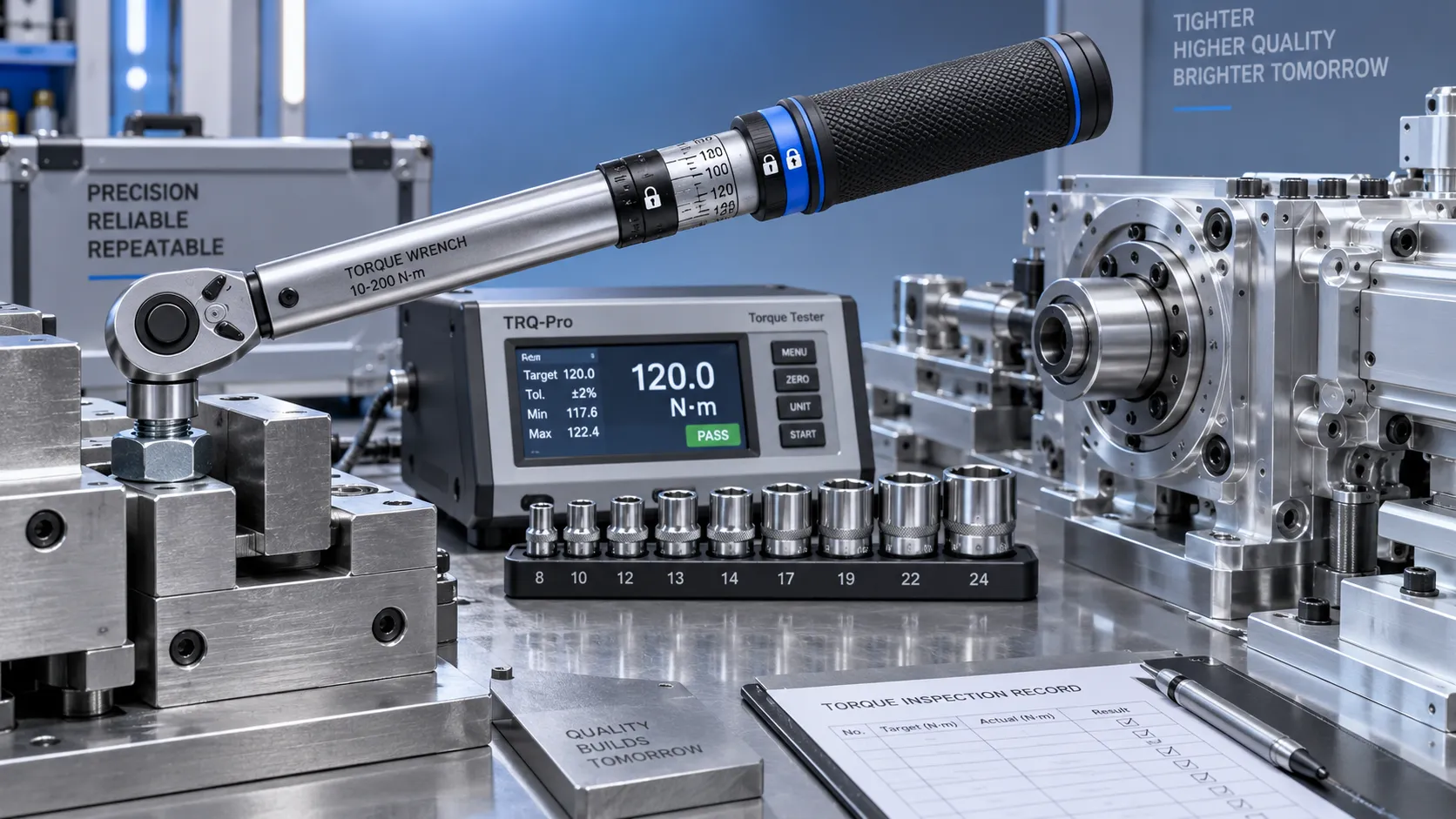
Selecting Adjustable Torque Tools for Repeatable Fastener Assembly
Adjustable torque tools: learn how to match range, accuracy, control methods, calibration, and ergonomics for repeatable, reliable fastener assembly.
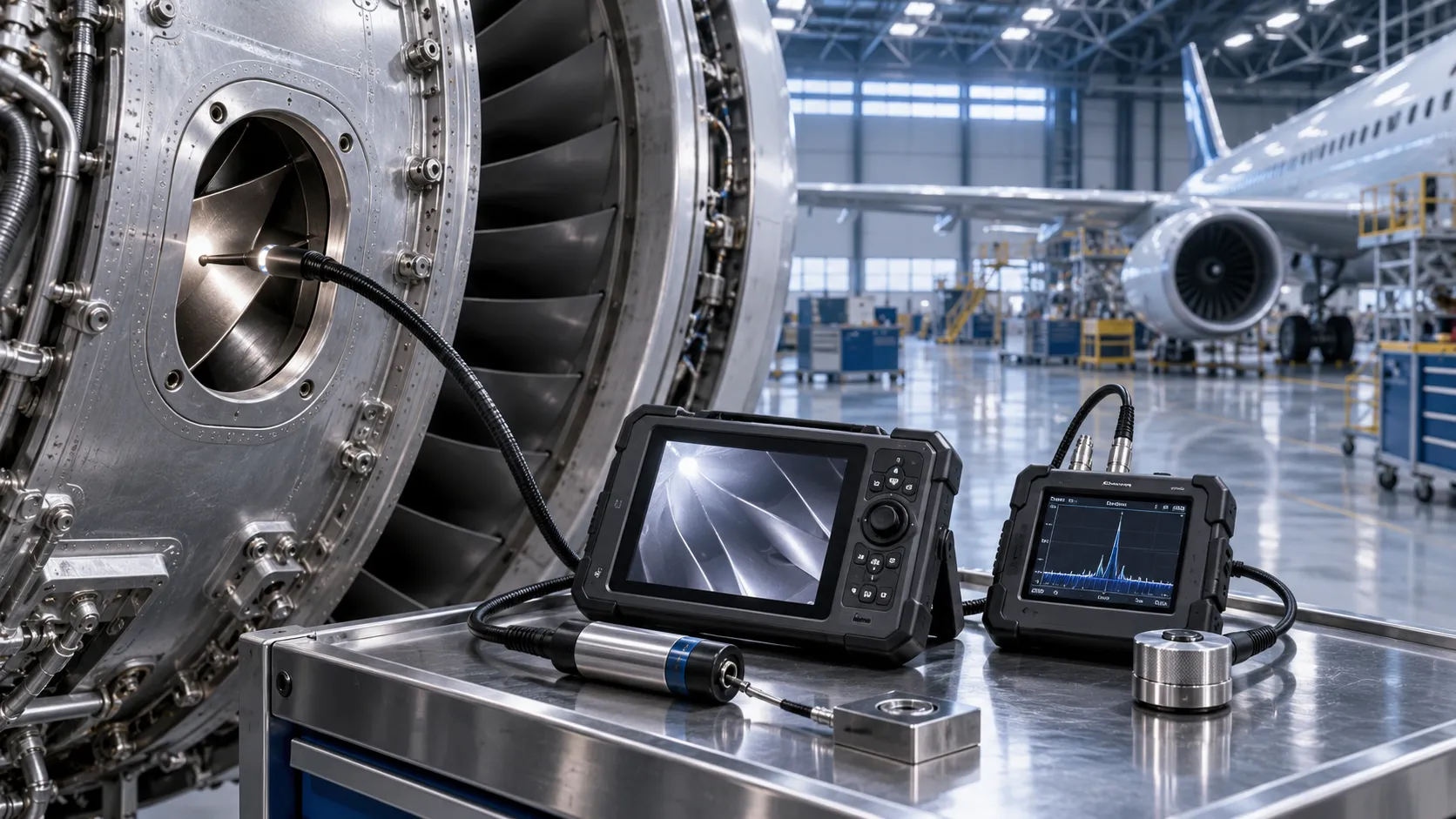
How to Select Aerospace Inspection Tools for Aircraft Maintenance Tasks
Aerospace maintenance inspection tools: learn how to select reliable, traceable equipment for aircraft access, accuracy, calibration, and compliant maintenance decisions.

How to Select Wire Bonding Tools for Fine-Pitch Semiconductor Packaging
Explore semiconductor manufacturing tools for wire bonding and learn how to select precision solutions for fine-pitch packaging, reliable loops, accuracy, and yield.
How to Compare Industrial Tool Suppliers for Quality, Lead Time, and Total Cost
Industrial tool selection supplier comparison made simple: evaluate quality, lead times, total cost, service, and supply resilience for confident sourcing decisions.
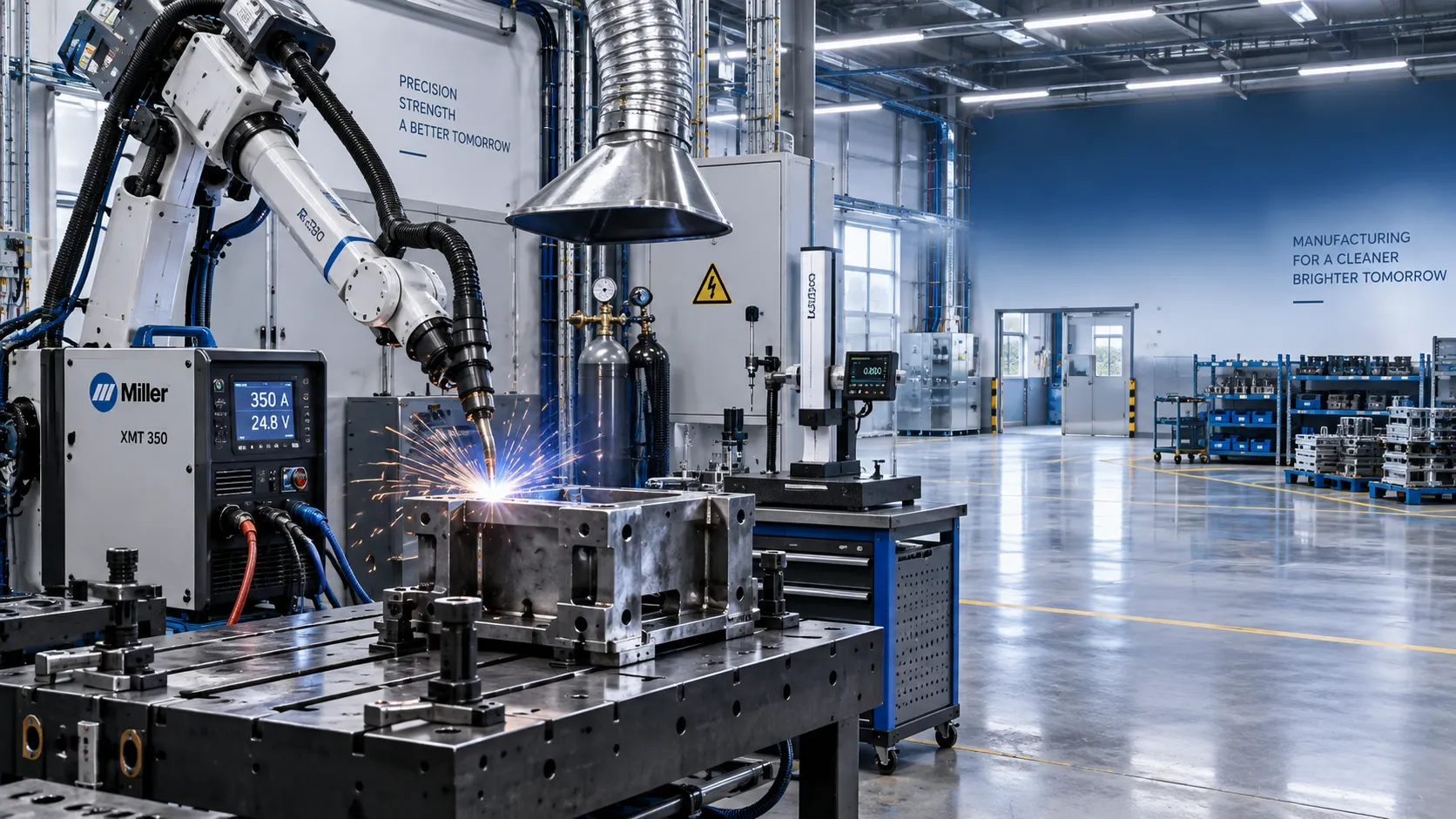
Industrial Equipment Application Guidance: Match Machines to Operating Conditions
Application guidance industrial equipment: match capacity, duty cycle, materials, site conditions, safety, and lifecycle cost to improve reliable output. Read the guide.
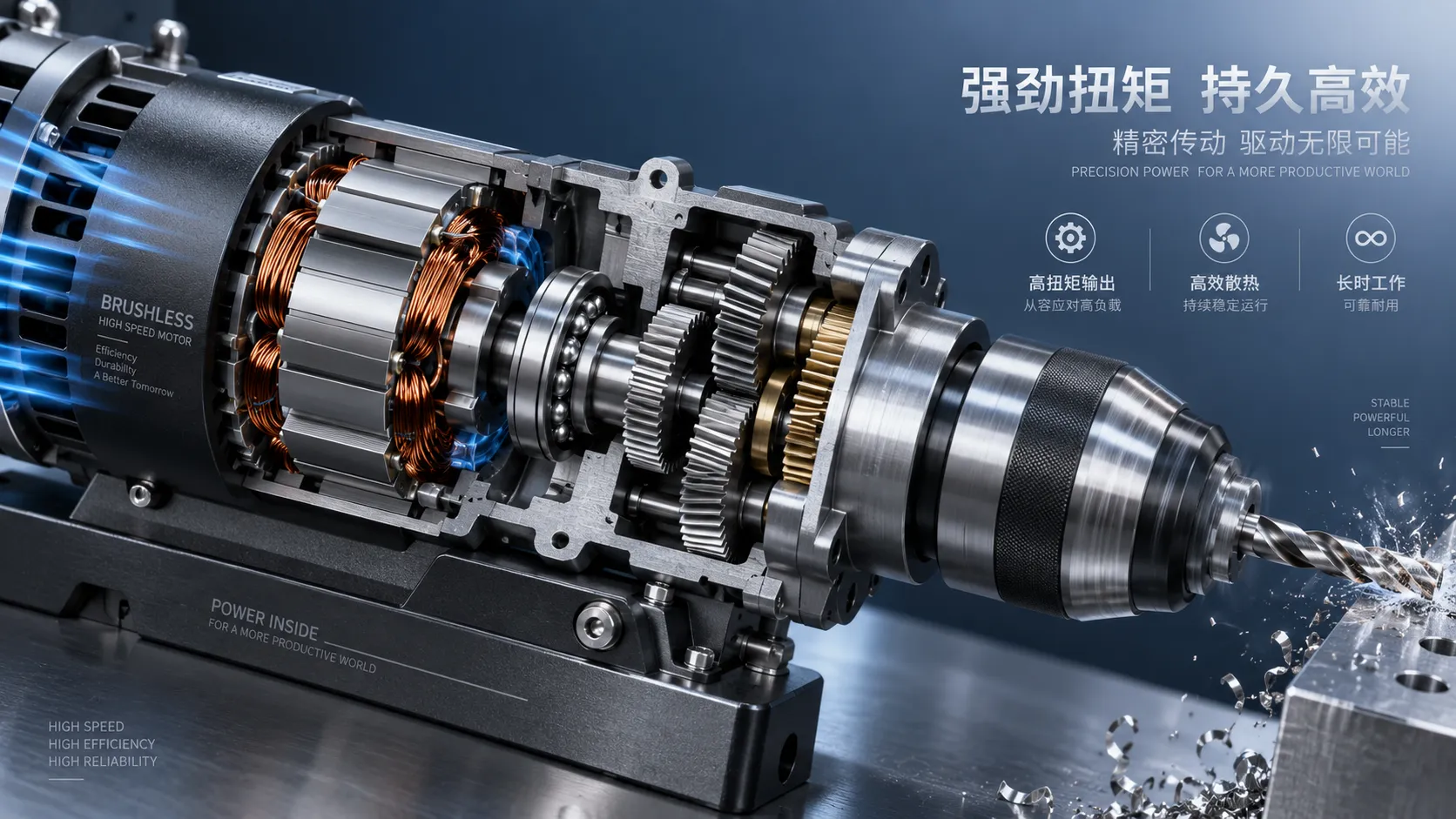
Selecting High-Speed Brushless Tool Motors for Torque, Heat, and Duty Cycle
High speed brushless tool motors: learn how to balance torque, heat, gearing, and duty cycle for reliable industrial tool performance and longer service life.
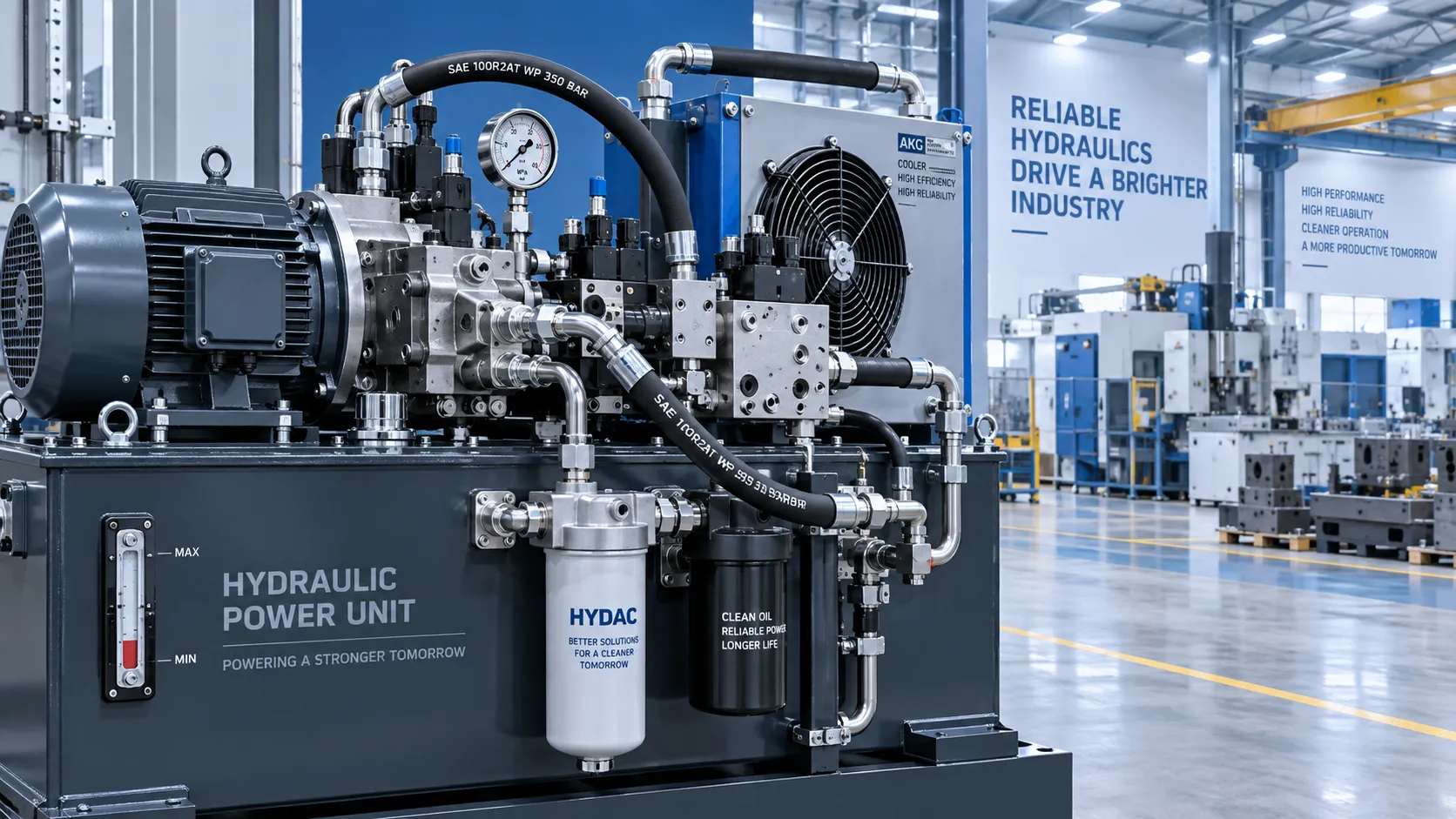
What Determines Industrial Hydraulic System Price for Heavy-Duty Equipment?
Industrial hydraulic system price depends on duty cycle, pressure, components, cooling, and integration. Compare quotes intelligently to secure reliable heavy-duty performance.
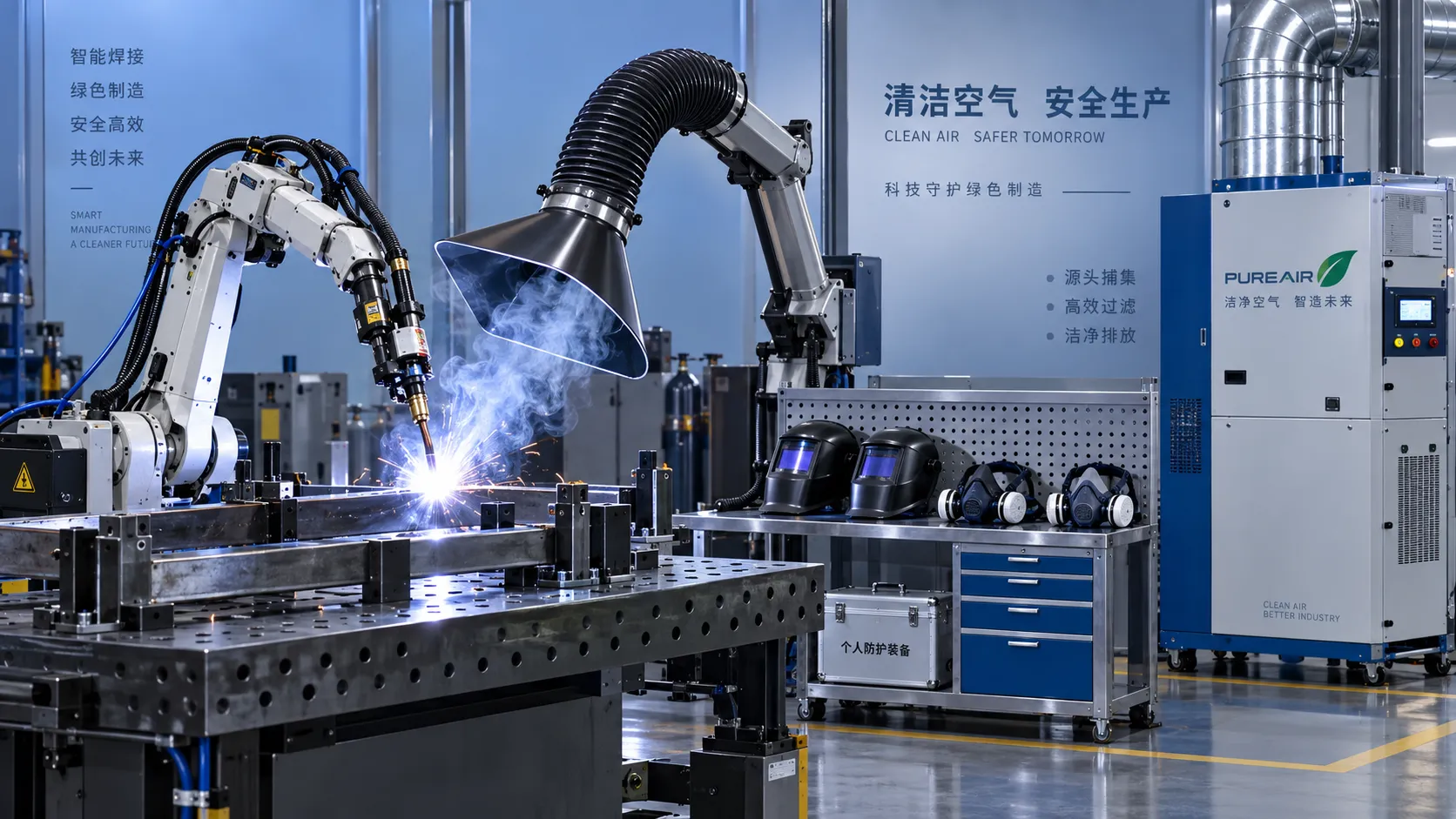
Welding Fume Extraction PPE: When Respirators Are Not Enough for Shop Safety
Welding fume extraction PPE: learn why respirators alone fall short and how source capture, ventilation, and layered controls improve shop safety.
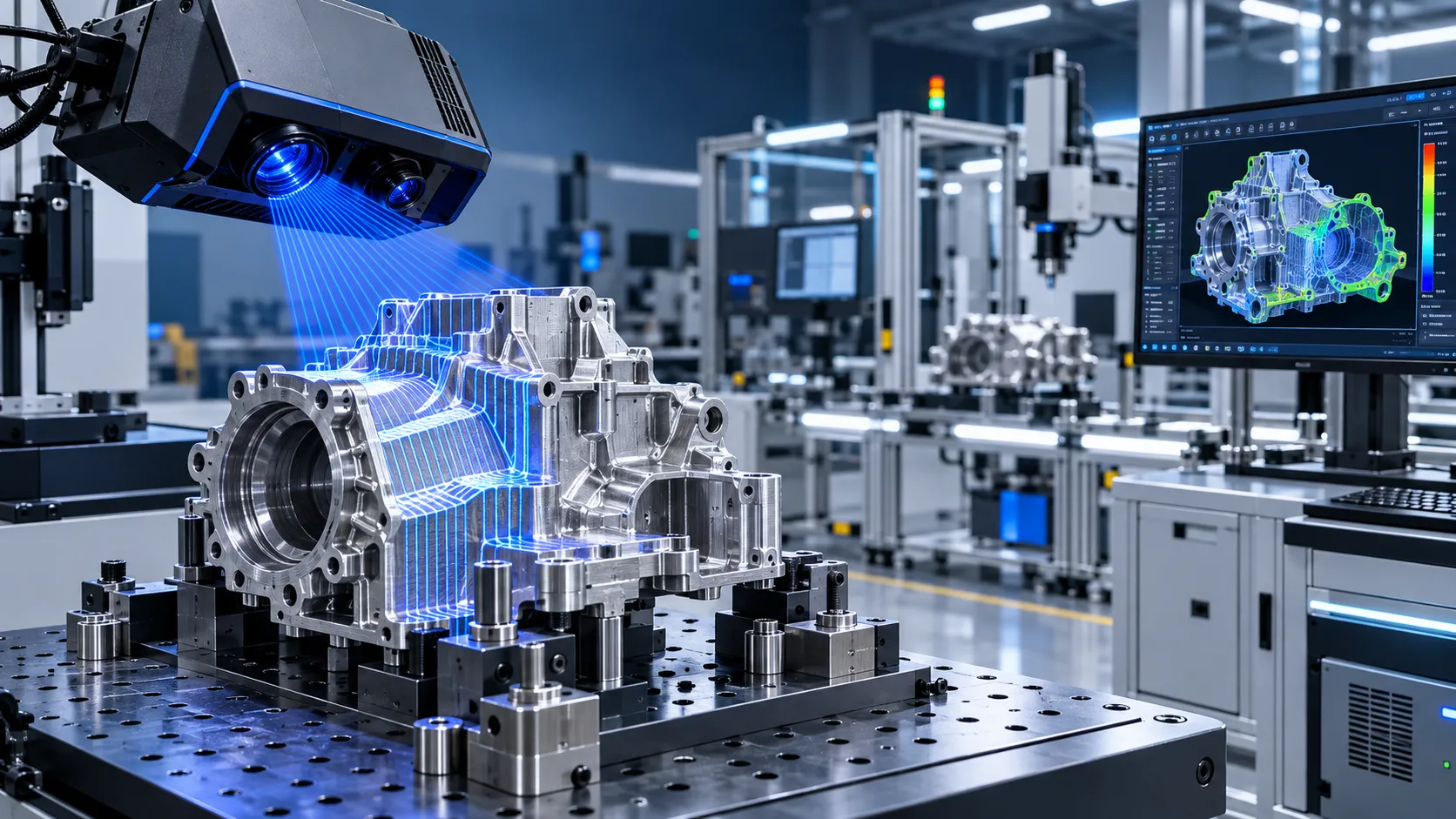
How to Select Optical Metrology Solutions for Tight-Tolerance Manufacturing
Optical industrial metrology solutions for tight-tolerance manufacturing: evaluate accuracy, surface compatibility, workflow, and traceability to select with confidence.
Related News
- 00
0000-00
Automotive Tools: How to Build a Reliable Toolkit for Routine Vehicle Service - 00
0000-00
How to Build an Automotive Hand Tool Set for Routine Vehicle Service - 00
0000-00
Construction Maintenance Tools for Site Repair: What to Pack for Concrete, Steel, and Pipe Fixes - 00
0000-00
Product Information Resources for Assembly Tools: What Specs Matter Before You Compare Models? - 00
0000-00
Industrial Applications of Torque Control Wrenches in Assembly Lines and Field Maintenance
Industrial Craft Curator
Weekly Insights
Stay ahead with our curated technology reports delivered every Monday.