
Which welding innovations are improving joint quality?





Which welding innovations are improving joint quality?
For quality-control and safety professionals, welding innovations are changing how strong, clean, and repeatable joints are produced across industrial assembly.
New processes now combine precise heat input, live monitoring, digital traceability, and safer working conditions to reduce defects before they spread.
That matters in construction, transport, energy equipment, automotive repair, aerospace maintenance, and metal fabrication, where one weak joint can trigger rework, downtime, or compliance risk.
At the same time, not every new tool improves results equally. The best welding innovations are the ones that directly strengthen joint quality, process stability, and inspection confidence.
This guide explains which welding innovations deserve attention, how to evaluate them, and what checkpoints help separate marketing claims from measurable quality gains.
Why a structured review matters
Joint quality depends on more than the welding arc. It is shaped by fit-up, heat control, filler behavior, shielding, operator consistency, and post-weld verification.
Because of that complexity, welding innovations should be reviewed with a clear checklist instead of isolated feature comparisons.
A structured approach helps identify technologies that lower porosity, cracking, distortion, undercut, lack of fusion, and dimensional variation.
It also supports better decisions on training, safety controls, equipment investment, and inspection strategy.
Core points to check when judging welding innovations
- Confirm whether the innovation stabilizes heat input, penetration depth, and bead geometry across material thickness changes and realistic production variations.
- Check if sensors or software can detect arc instability, wire-feed issues, shielding gas loss, or temperature drift before defects become permanent.
- Verify that the process reduces common defects such as porosity, lack of fusion, spatter, undercut, burn-through, and excessive distortion.
- Review how well the system supports repeatability through programmable parameters, digital job recipes, and locked process windows.
- Measure whether the innovation improves traceability with weld data logs, operator records, inspection links, and parameter history.
- Examine compatibility with existing materials, joint designs, fixtures, and quality standards instead of assuming universal process suitability.
- Assess safety gains, including fume reduction, glare control, thermal exposure limits, and integrated interlocks for high-energy systems.
- Compare total quality impact, not only speed, by including rework rates, consumable use, post-processing time, and inspection outcomes.
The welding innovations making the biggest difference
1. Laser and hybrid laser-arc welding
Among major welding innovations, laser-based joining stands out for narrow heat-affected zones and highly controlled energy delivery.
That can improve joint quality by reducing distortion, keeping penetration consistent, and supporting clean weld profiles on thin or precision components.
Hybrid laser-arc systems add gap-bridging ability and deposition support, making them useful where pure laser welding may be less forgiving.
The quality advantage is strongest when joint preparation, alignment, shielding, and safety barriers are tightly controlled.
2. Real-time weld monitoring and closed-loop control
Modern welding innovations increasingly use voltage, current, temperature, vision, and acoustic signals to track weld behavior in real time.
Closed-loop systems adjust travel speed, wire feed, pulse settings, or heat input automatically when the process begins to drift.
This improves joint quality by preventing small deviations from becoming hidden internal defects.
It also strengthens documentation, which helps support root-cause analysis and conformance reviews.
3. Advanced pulse and waveform-controlled power sources
Intelligent inverter platforms are important welding innovations because they shape arc behavior with far greater precision than older machines.
Controlled waveforms can reduce spatter, improve droplet transfer, and maintain a steadier weld pool.
For joint quality, that means better fusion consistency, cleaner toes, and less post-weld finishing.
They are especially useful when switching between dissimilar thicknesses or position welding conditions.
4. Collaborative automation and robotic seam tracking
Robotic welding is not new, but today’s welding innovations add smarter seam finding, adaptive torch positioning, and easier programming.
Vision-guided or tactile tracking helps maintain arc placement when parts shift or fixture tolerances vary.
Joint quality improves because bead placement stays closer to design intent, even during long production runs.
Collaborative systems can also support repeatable work on medium-volume jobs without full automation complexity.
5. Digital weld procedure management
Some of the most practical welding innovations are software-based rather than hardware-heavy.
Digital procedure systems store approved parameter sets, restrict unauthorized changes, and link each weld to a traceable record.
This reduces variability between shifts, sites, and operators, which directly supports more consistent joint quality.
It is particularly valuable in multi-standard environments where documentation accuracy matters as much as arc performance.
6. Smarter non-destructive testing and in-process inspection
Inspection technology is a major part of welding innovations because better detection improves quality control loops.
Digital radiography, phased array ultrasonic testing, machine vision, and AI-assisted image analysis can find irregularities faster and more consistently.
These tools do not create a better weld by themselves, but they expose weak process patterns earlier.
That shortens feedback time and supports preventive correction before defect rates rise.
7. Fume-control and operator-assist technologies
Safer environments also influence joint quality. New welding innovations include better extraction torches, filtered helmets, and guided setup interfaces.
When visibility improves and fatigue drops, weld placement and parameter control usually improve as well.
This connection is often underestimated, yet consistent human performance remains critical in many joining applications.
How the priorities change by application
Sheet metal and lightweight assemblies
For thin materials, the best welding innovations are those that minimize heat input and distortion.
Laser welding, pulse control, and precise fixturing usually matter more than high deposition rate alone.
Heavy fabrication and structural joints
In thicker sections, penetration assurance, defect detection, and procedure compliance become the main quality priorities.
Real-time monitoring, seam tracking, and advanced NDT often deliver the biggest value.
Repair, maintenance, and field work
Portable welding innovations should be judged by setup simplicity, parameter guidance, and performance under variable environmental conditions.
Data logging and operator prompts can help maintain joint quality where ideal shop controls are unavailable.
Precision and regulated sectors
Where tolerances and traceability are strict, digital procedure control and full inspection integration are essential welding innovations.
The goal is not only a good weld, but a defensible quality record.
Commonly missed issues that weaken results
One frequent mistake is focusing on welding innovations that promise speed while ignoring joint preparation and part consistency.
Another is installing monitoring tools without defining alarm limits, corrective actions, or review responsibility.
It is also risky to expect advanced equipment to compensate for poor shielding gas practice, worn consumables, or unstable fit-up.
Finally, quality can suffer when training only covers machine operation and not the underlying metallurgy, defect mechanisms, and inspection implications.
Practical steps for implementation
- Map the top recurring joint defects and connect each one to possible process, equipment, or inspection causes.
- Pilot the most relevant welding innovations on representative materials, joint types, and production conditions.
- Use measurable criteria such as defect rate, rework hours, bead consistency, distortion, and inspection acceptance.
- Document new parameter windows, maintenance routines, and response rules before wider deployment.
- Integrate safety verification, especially for laser systems, fumes, electrical exposure, and automated movement zones.
Conclusion and next actions
The welding innovations with the strongest impact on joint quality usually share one trait: they reduce variation.
Laser and hybrid processes, waveform control, real-time monitoring, seam tracking, digital procedure management, and smarter inspection all support that goal.
The best choice depends on material, geometry, compliance demands, and defect history, not on novelty alone.
A disciplined review of welding innovations helps turn technology upgrades into stronger joints, safer work, and more reliable manufacturing outcomes.
For ongoing intelligence on industrial assembly, metal joining, metrology, and process evolution, GPTWM provides a useful lens for tracking what truly improves performance.
Related News
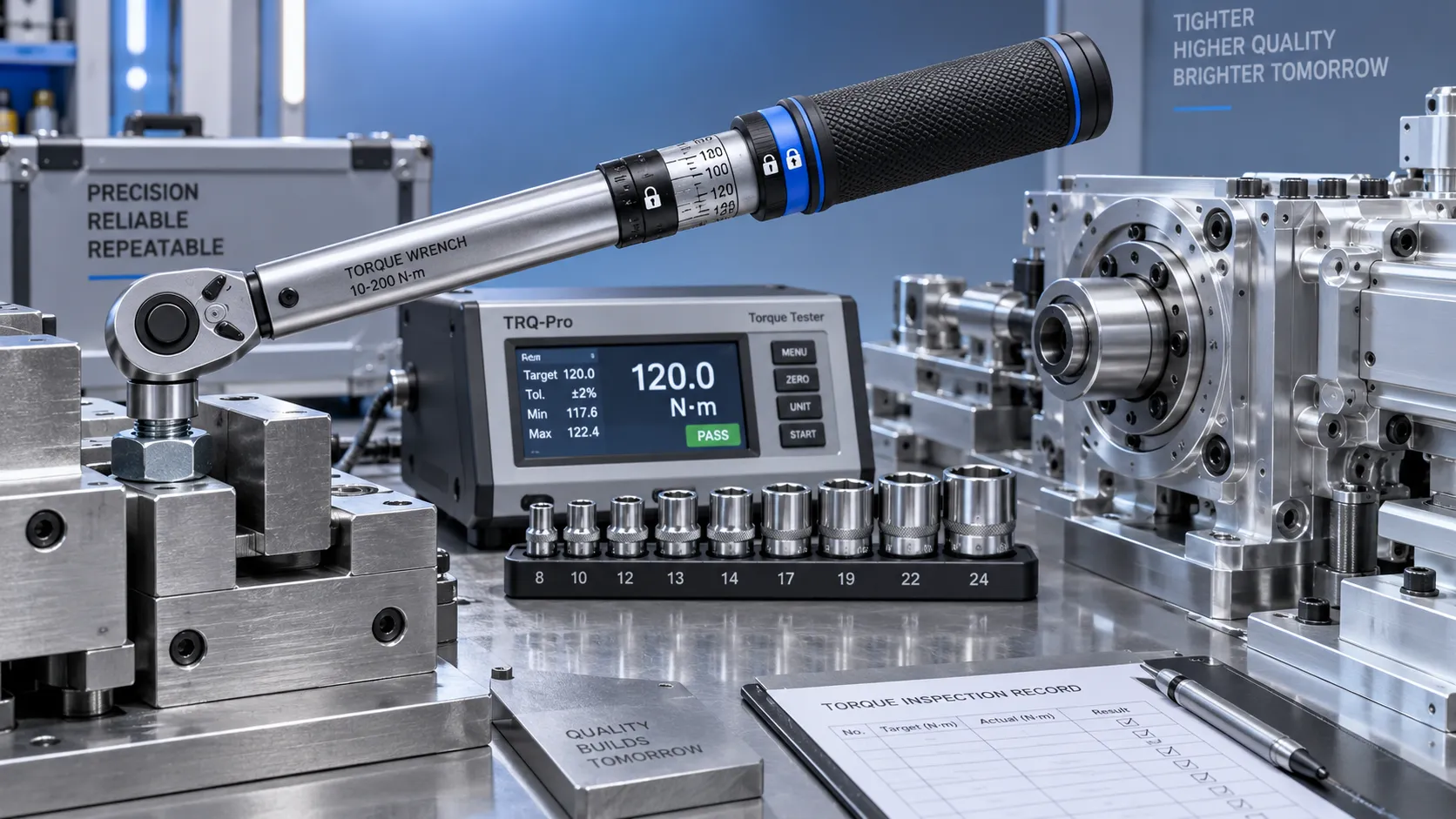
Selecting Adjustable Torque Tools for Repeatable Fastener Assembly
Adjustable torque tools: learn how to match range, accuracy, control methods, calibration, and ergonomics for repeatable, reliable fastener assembly.
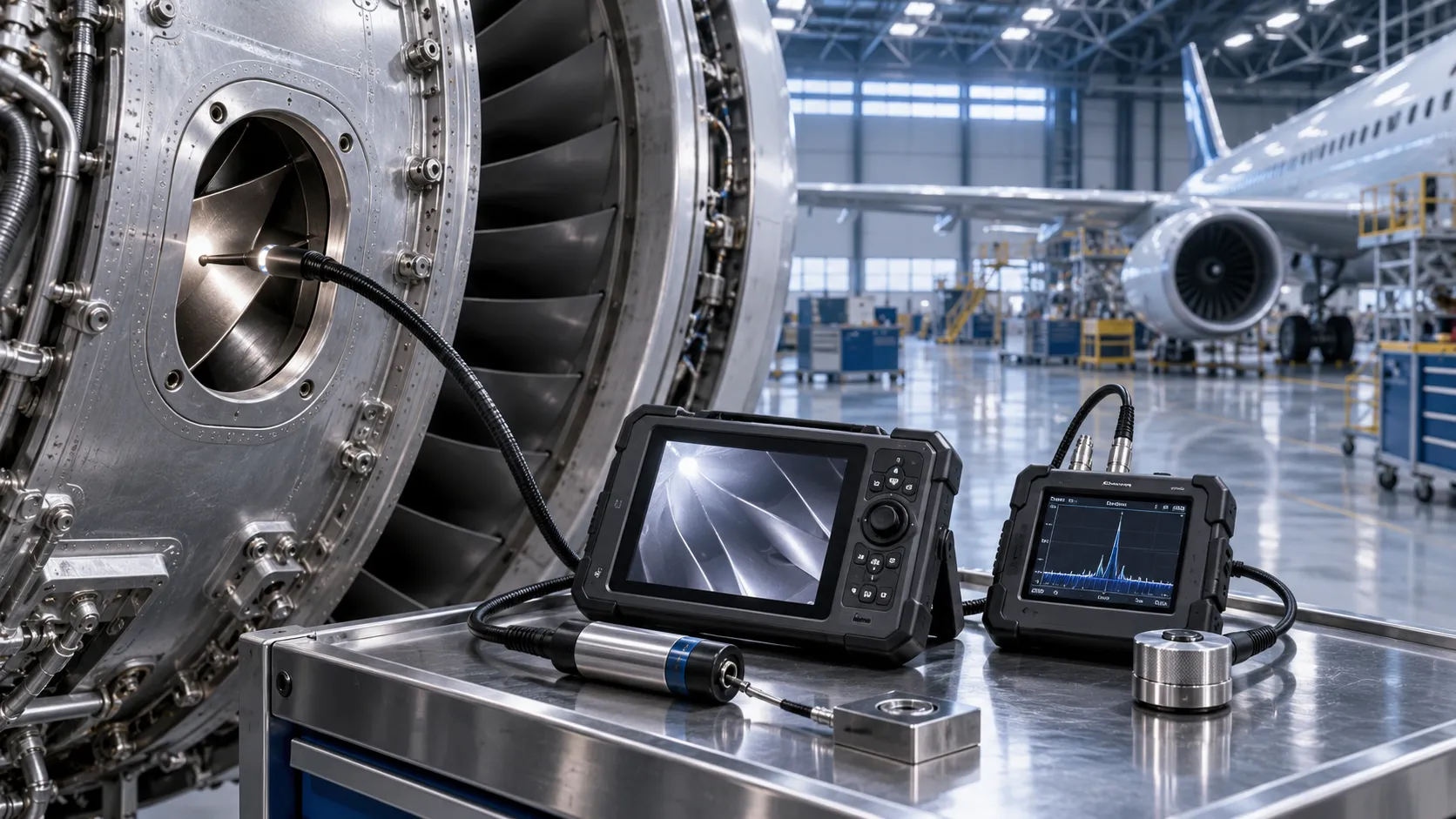
How to Select Aerospace Inspection Tools for Aircraft Maintenance Tasks
Aerospace maintenance inspection tools: learn how to select reliable, traceable equipment for aircraft access, accuracy, calibration, and compliant maintenance decisions.
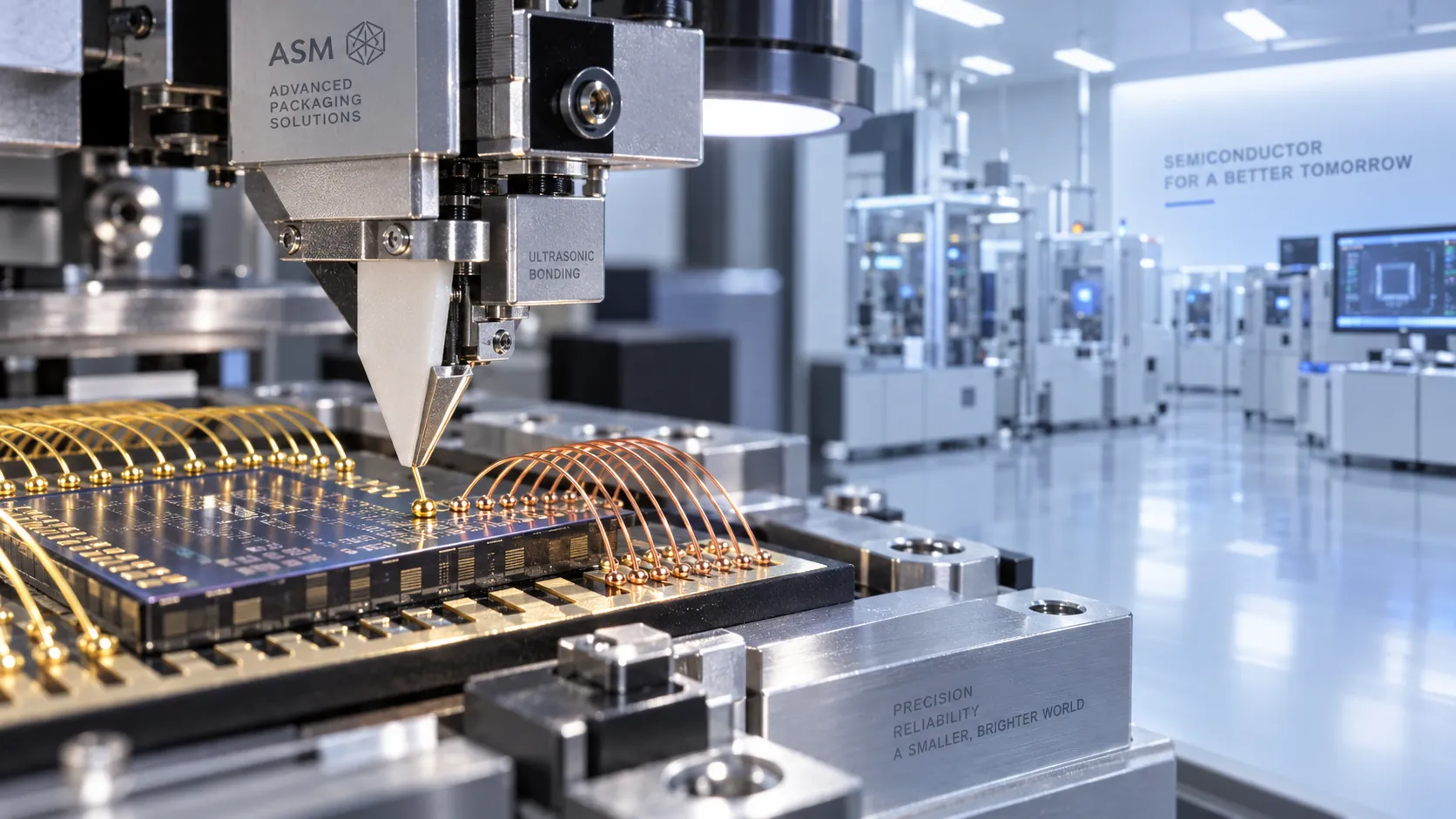
How to Select Wire Bonding Tools for Fine-Pitch Semiconductor Packaging
Explore semiconductor manufacturing tools for wire bonding and learn how to select precision solutions for fine-pitch packaging, reliable loops, accuracy, and yield.
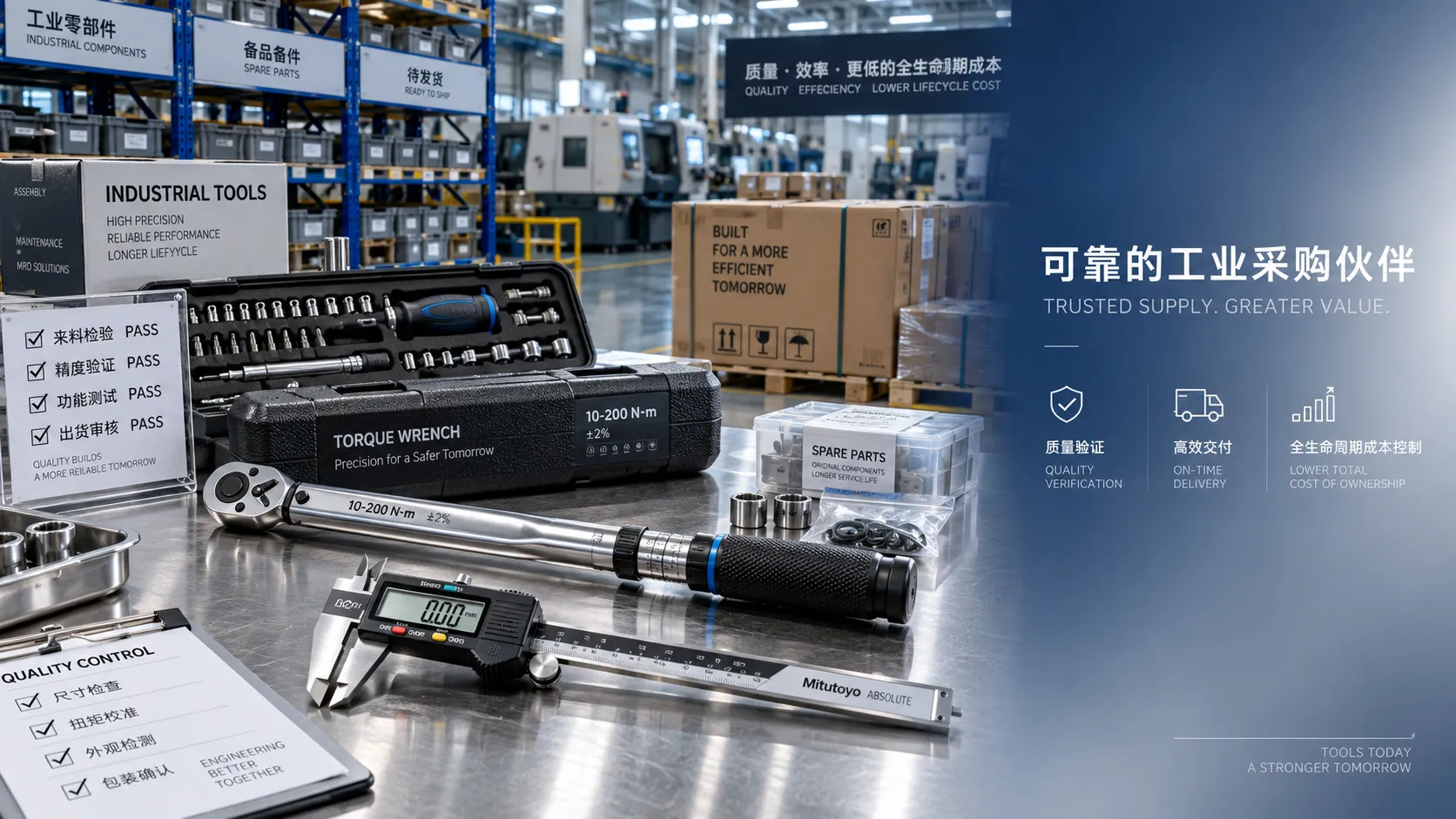
How to Compare Industrial Tool Suppliers for Quality, Lead Time, and Total Cost
Industrial tool selection supplier comparison made simple: evaluate quality, lead times, total cost, service, and supply resilience for confident sourcing decisions.
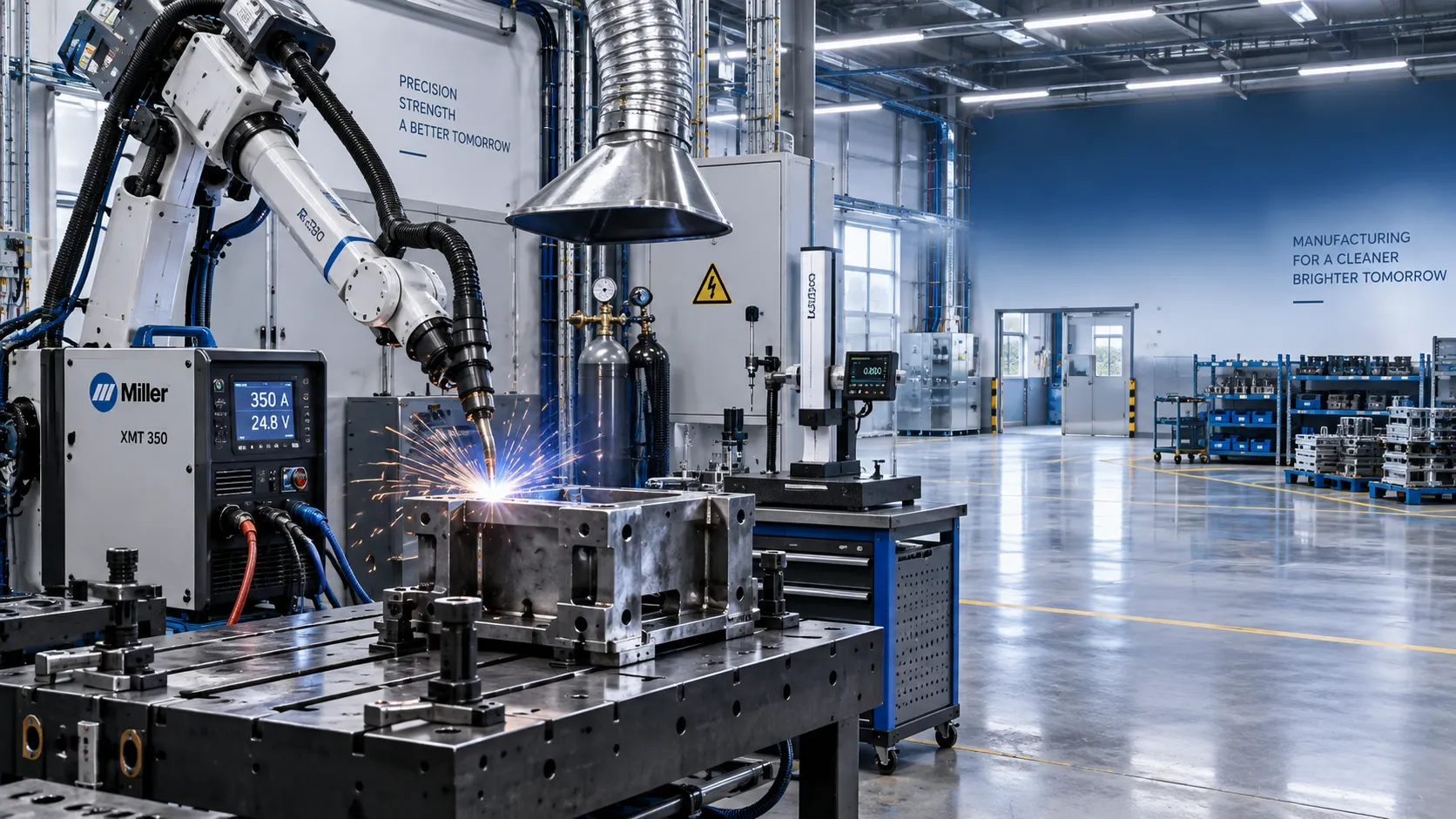
Industrial Equipment Application Guidance: Match Machines to Operating Conditions
Application guidance industrial equipment: match capacity, duty cycle, materials, site conditions, safety, and lifecycle cost to improve reliable output. Read the guide.
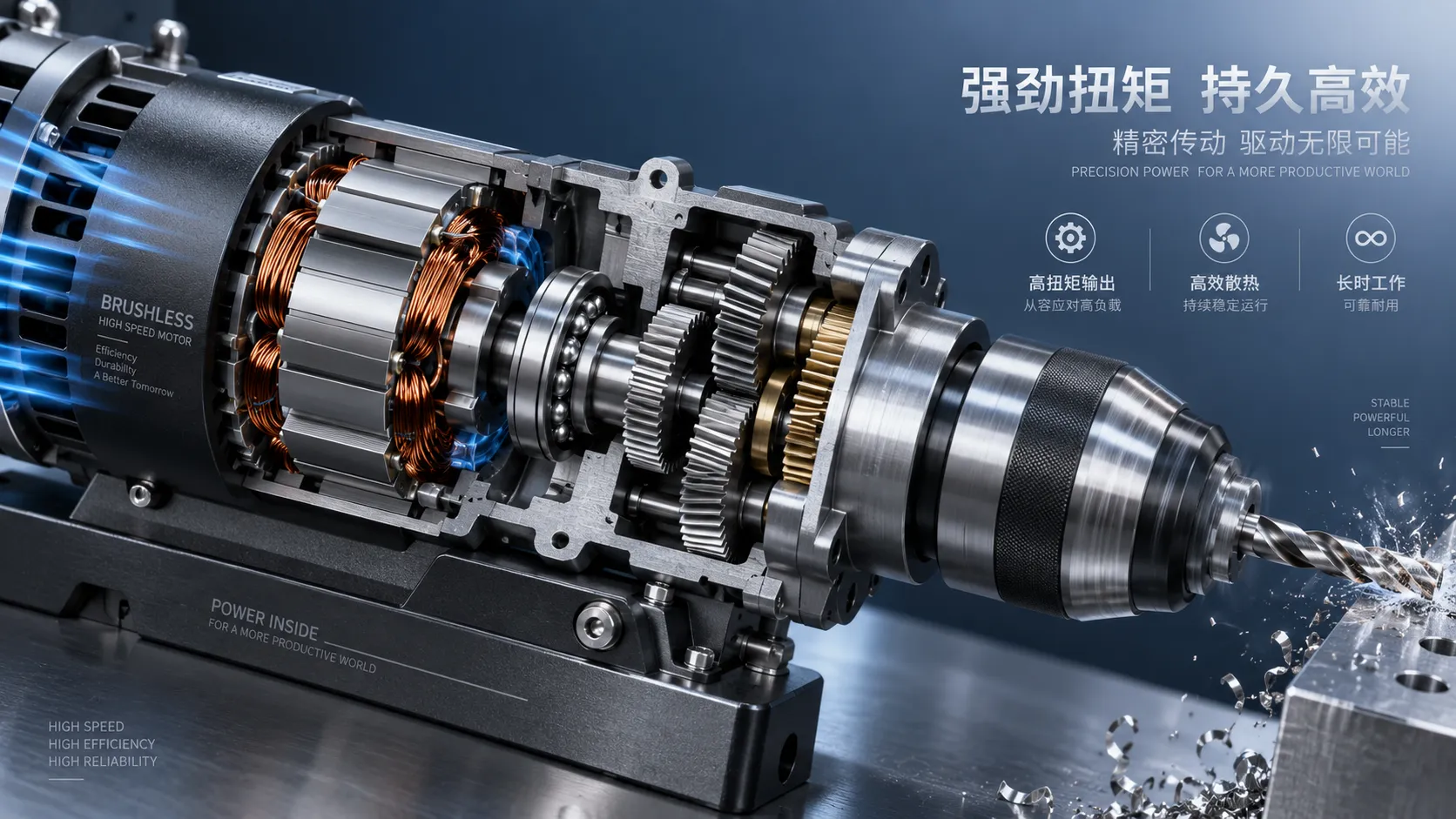
Selecting High-Speed Brushless Tool Motors for Torque, Heat, and Duty Cycle
High speed brushless tool motors: learn how to balance torque, heat, gearing, and duty cycle for reliable industrial tool performance and longer service life.
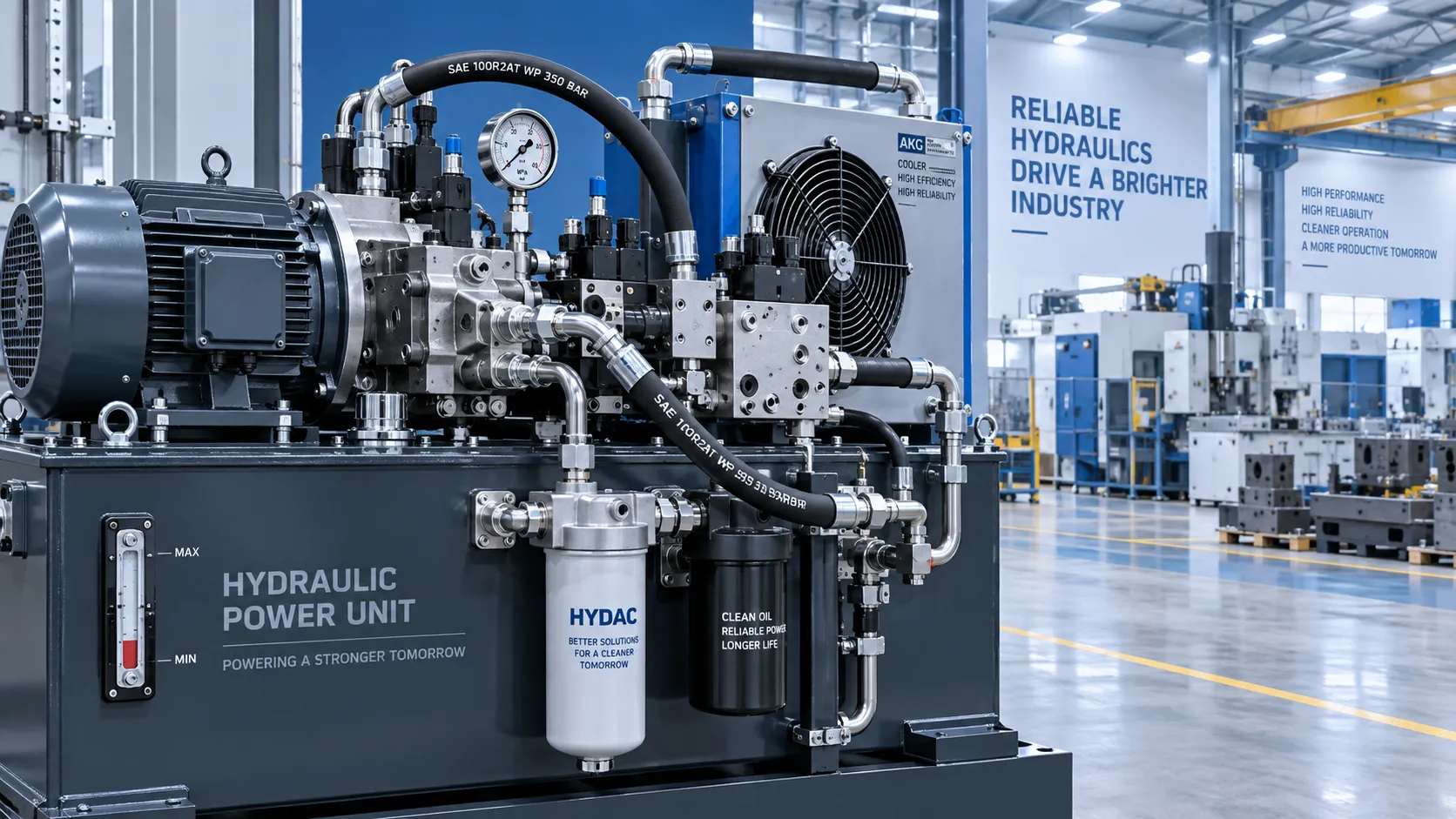
What Determines Industrial Hydraulic System Price for Heavy-Duty Equipment?
Industrial hydraulic system price depends on duty cycle, pressure, components, cooling, and integration. Compare quotes intelligently to secure reliable heavy-duty performance.
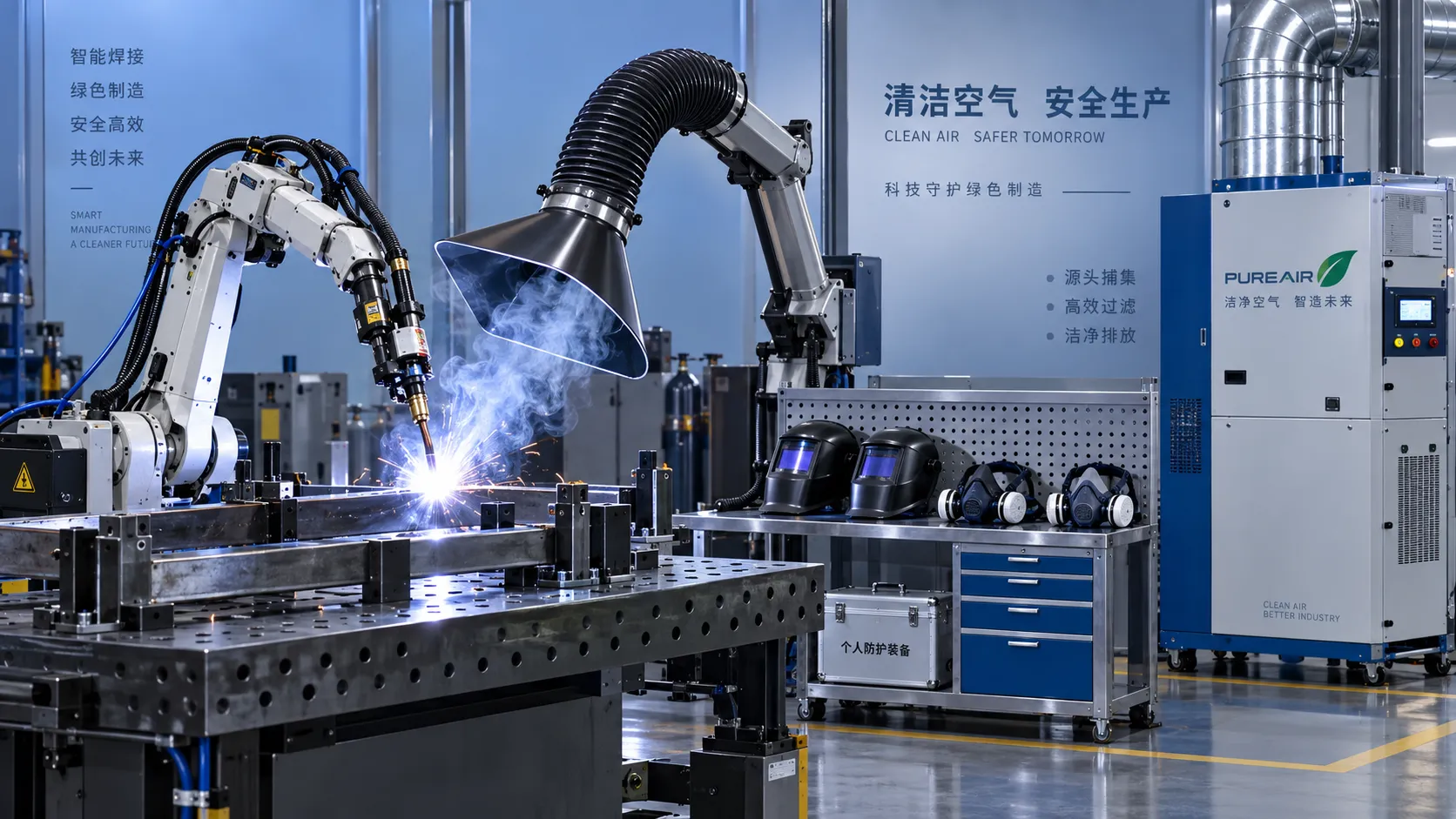
Welding Fume Extraction PPE: When Respirators Are Not Enough for Shop Safety
Welding fume extraction PPE: learn why respirators alone fall short and how source capture, ventilation, and layered controls improve shop safety.
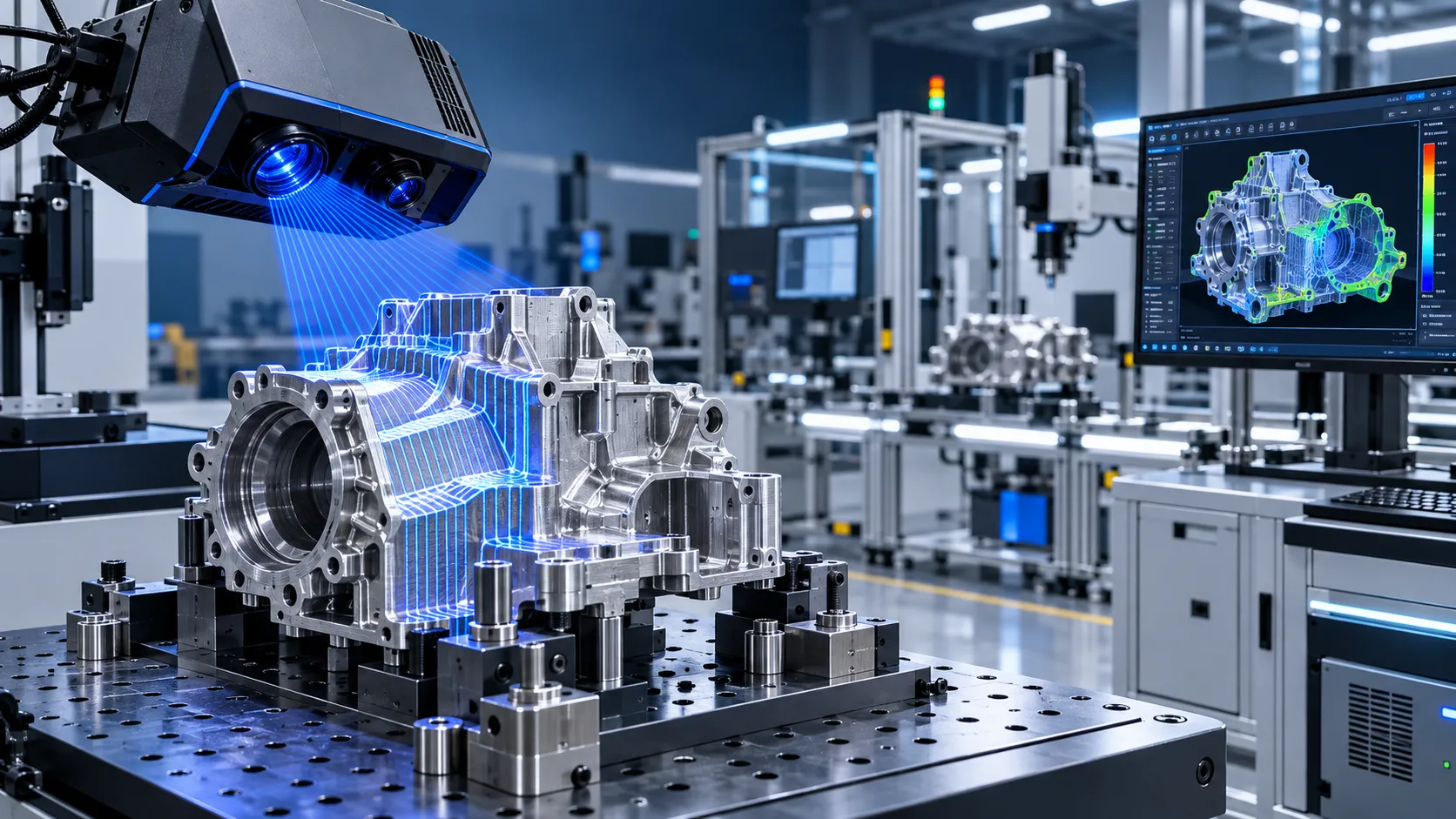
How to Select Optical Metrology Solutions for Tight-Tolerance Manufacturing
Optical industrial metrology solutions for tight-tolerance manufacturing: evaluate accuracy, surface compatibility, workflow, and traceability to select with confidence.
Related News
- 00
0000-00
Welding Fume Extraction PPE: When Respirators Are Not Enough for Shop Safety - 00
0000-00
Which ANSI Standards Apply to Welding Equipment in Industrial Fabrication? - 00
0000-00
How Energy-Efficient Welding Equipment Cuts Power Use in High-Volume Fabrication - 00
0000-00
Which ISO Standards Govern Welding Technology Quality Control and Qualification? - 00
0000-00
North American Welding Innovations Reshaping Automation, Quality, and Labor Productivity
Welding Metallurgy Expert
Weekly Insights
Stay ahead with our curated technology reports delivered every Monday.