
Where industrial innovation is creating supplier advantages





Where industrial innovation accelerates, supplier advantages are no longer built on price alone but on insight, speed, and technical relevance. For distributors, agents, and channel partners, the key question is practical: which innovations create real sales, stronger margins, and lower channel risk? In precision tools, welding, and metrology, the answer increasingly lies in the ability to identify adoption signals early, align inventory with application trends, and support customers with credible technical guidance rather than generic product claims.
For channel businesses, industrial innovation matters because it reshapes buying criteria across construction, automotive service, aerospace maintenance, fabrication, and factory operations. End users are not only comparing tools and equipment on upfront cost. They are evaluating safety, repeatability, energy efficiency, data visibility, ergonomics, compliance, and ease of training. Suppliers that understand these shifts can position better products, shorten decision cycles, and protect themselves from commoditization.
That is where GPTWM becomes especially relevant. As an intelligence platform focused on industrial assembly, metal joining, and precision metrology, GPTWM helps distributors and agents interpret fast-moving changes in demand, technology, and standards. Instead of reacting late to market movement, channel partners can use industrial innovation as a framework for smarter sourcing, sharper differentiation, and more durable competitive value.
What buyers really mean when they search for supplier advantages in industrial innovation
The core search intent behind this topic is not academic curiosity. Most readers want to know where industrial innovation is actually producing commercial leverage for suppliers and distributors. They are asking which product categories are changing, why customers are changing their purchasing behavior, and how channel businesses can turn those shifts into market share, loyalty, and healthier profitability.
For distributors, agents, and regional partners, the most pressing concerns are usually direct and measurable. Which innovations are moving from niche to mainstream? Which products deserve inventory investment? Which trends increase technical service expectations? Which categories can command a premium? And which developments carry hidden risks, such as compliance exposure, overstock, weak training support, or uncertain end-user adoption?
That means an effective article on industrial innovation should focus less on broad future-of-industry language and more on decision-making signals. Readers need a way to separate real demand drivers from marketing noise. They need to understand not only what is new, but what is becoming commercially relevant in channel markets now.
Why price is no longer enough to protect supplier position
In many industrial categories, price remains important, but it no longer secures long-term advantage on its own. When multiple suppliers can access similar manufacturing capacity, low-price competition quickly compresses margin and weakens channel loyalty. Customers may still buy, but they are less likely to stay. The result is unstable revenue and limited power to build a premium market identity.
Industrial innovation changes that equation because it shifts the basis of selection. When customers face more demanding requirements for accuracy, safety, documentation, uptime, and operator productivity, they begin to value suppliers that can reduce uncertainty. A distributor who understands application fit, certification expectations, equipment limitations, and workflow impact becomes more than a seller. That supplier becomes part of the customer’s operational decision process.
In practical terms, this means channel advantage is increasingly built through technical relevance. A welding distributor who can explain handheld laser welding safety implications, shielding requirements, and user training pathways will outperform one who only quotes equipment cost. A metrology supplier who can connect measurement precision to rework reduction and quality assurance will often win against lower-priced offers with weaker support.
Speed is the other major factor. Industrial buyers often work under maintenance deadlines, production interruptions, project milestones, or tender constraints. Suppliers that can rapidly interpret requirements, recommend the right tool class, and deliver dependable after-sales support gain trust quickly. Innovation matters because it allows speed with confidence rather than speed with guesswork.
Where industrial innovation is creating the strongest supplier advantages today
Not every innovation creates equal value for the channel. The strongest supplier advantages usually emerge where technology changes end-user workflow in a visible, measurable way. In GPTWM’s areas of focus, several zones stand out: advanced welding systems, precision measurement technologies, smart torque control, efficient power tool platforms, and selected hydraulic and maintenance-support equipment.
Handheld laser welding is one important example. Interest has grown because users see potential gains in weld quality, reduced post-processing, and improved speed for certain applications. But adoption does not depend on the machine alone. It depends on safety protocols, operator training, material suitability, local regulation, and realistic customer expectations. For distributors, the advantage lies in becoming a trusted interpreter of suitability, not simply a reseller of an emerging technology.
Precision metrology is another high-value area. As more manufacturers and maintenance teams push for tighter tolerances, traceability, and reduced scrap, demand rises for reliable measuring instruments that support consistent inspection. Here, industrial innovation creates supplier advantage when distributors can match products to application environments, calibration expectations, and user skill levels. The sale is stronger when the customer sees reduced error risk and better process control, not just a tool specification sheet.
Brushless motor platforms in power tools also deserve attention. Their relevance goes beyond marketing claims about modern design. Buyers increasingly care about runtime, maintenance reduction, durability, thermal performance, and total cost over the product lifecycle. Suppliers who understand which user segments truly benefit from brushless technology can protect margins and avoid overselling features that do not produce enough value in lower-demand use cases.
IoT-enabled torque control systems represent a further step toward value-added supply. In assembly, maintenance, and quality-critical operations, digital torque monitoring can improve traceability and reduce rework. However, these systems often require deeper technical consultation and integration support. For capable distributors, that creates a barrier to entry for less specialized competitors. Innovation becomes a defensible service layer around the product itself.
How distributors and agents should judge whether an innovation is commercially worth backing
One of the biggest mistakes in channel strategy is treating novelty as proof of demand. A new technology can generate attention long before it generates stable purchasing behavior. To evaluate industrial innovation properly, distributors need a disciplined commercial filter. That filter should begin with the customer problem: what process issue, cost pressure, safety gap, or quality challenge does this innovation solve better than existing alternatives?
The second test is adoption readiness. Even when the value proposition is strong, some markets are not ready. End users may lack trained operators, budget flexibility, regulatory clarity, or confidence in new workflows. In these cases, the right channel strategy may be selective promotion rather than broad inventory commitment. Supplier advantage often comes from timing, not just early enthusiasm.
The third test is support intensity. Some innovations create attractive margins but require significant pre-sale education, commissioning support, or after-sales troubleshooting. That is not necessarily a problem. In fact, it can strengthen differentiation. But distributors should be realistic about whether they have the technical team, training capacity, and documentation needed to support the category well.
Fourth, channel partners should evaluate replacement frequency and lifetime value. A product with slower replacement cycles may still be attractive if it leads to recurring sales in consumables, accessories, calibration services, maintenance, or fleet standardization. Looking only at one-time transaction value can lead to underinvestment in strategically important segments.
Finally, market intelligence matters. Innovations become commercially meaningful when they align with sector demand patterns. Construction, automotive service, and aerospace maintenance do not adopt new tools and equipment at the same pace or for the same reasons. GPTWM’s value lies in helping channel partners connect product evolution with sector-level demand structure, making investment decisions less speculative and more evidence-based.
What end users expect from suppliers when innovation enters the buying process
As industrial innovation reshapes product categories, end users expect more from their suppliers. They still want price competitiveness and reliable delivery, but those are now basic requirements. The stronger expectation is guidance. Buyers want to know whether a new tool, welding method, or measuring device fits their actual operating conditions, workforce capabilities, and compliance responsibilities.
That means suppliers need to speak the language of application outcomes. Instead of promoting innovation in abstract terms, channel partners should explain what changes in cycle time, rework, operator fatigue, safety exposure, measurement consistency, or documentation quality the customer can expect. The more specific and operational the conversation, the easier it becomes to justify a higher-value offer.
Customers also care about transition risk. A buyer may be interested in an advanced welding solution or a smart torque platform, yet still hesitate because implementation feels uncertain. Suppliers gain advantage when they reduce that uncertainty through demonstrations, comparison frameworks, onboarding plans, and realistic explanations of both benefits and limitations. Trust grows when the supplier is honest about fit.
In this sense, industrial innovation strengthens the position of distributors that act like editors of complexity. They help customers filter options, understand trade-offs, and move toward a purchase with greater confidence. That role is especially valuable in technical categories where poor selection has direct consequences for quality, safety, and production continuity.
How GPTWM supports stronger channel decisions in precision tools, welding, and metrology
GPTWM is built around a practical need in industrial markets: turning fragmented signals into usable commercial intelligence. For distributors and agents, the challenge is rarely lack of information. The challenge is sorting meaningful changes from noise across product development, raw material shifts, export restrictions, safety requirements, and sector-specific demand movement.
Its Strategic Intelligence Center addresses this by combining the perspectives of metrology specialists, electro-mechanical tool designers, and industrial economists. This combination matters because supplier advantage is never purely technical or purely commercial. A new product may be impressive in engineering terms but weak in channel readiness. Another may appear incremental but align perfectly with growing demand in maintenance-heavy industries.
The value of GPTWM’s Latest Sector News lies in speed and context. Raw material fluctuations can alter sourcing logic. Export standard restrictions can affect product access and compliance. Fast-moving policy or trade shifts can change the attractiveness of one supplier relationship over another. For channel businesses, these changes influence inventory planning, pricing stability, and customer communication.
Its Evolutionary Trends coverage is equally important. Topics such as handheld laser welding safety, brushless motor efficiency limits, and IoT-based torque control are not merely technical curiosities. They are early indicators of where customer evaluation criteria are changing. Distributors who understand these shifts sooner can prepare sales narratives, training materials, and category strategies before the wider market catches up.
The Commercial Insights module adds the final layer by showing where structural demand is building. When global construction, automotive, or aerospace maintenance activity increases demand for high-precision measuring instruments or hydraulic equipment, distributors can align inventory and outreach more precisely. That is how intelligence becomes supplier advantage: not by generating more data, but by enabling better timing, better positioning, and better commercial focus.
Practical ways channel partners can turn industrial innovation into market advantage
First, build a category map based on relevance, not novelty. Separate high-potential innovations into three groups: ready for immediate sales expansion, suitable for selective pilot promotion, and worth monitoring but not yet prioritizing. This avoids overcommitting resources while still preserving first-mover opportunities where the evidence is strong.
Second, train sales teams around use cases rather than specifications alone. A distributor gains more credibility by explaining why a metrology upgrade reduces quality escapes or why a smart torque system improves traceability than by repeating product features. In technical markets, application fluency increases conversion and supports premium positioning.
Third, strengthen supplier evaluation criteria. When selecting brands or manufacturers, look beyond catalog breadth and base pricing. Assess training support, documentation quality, safety resources, certification clarity, spare parts access, and responsiveness to local market needs. Industrial innovation creates value only when the upstream supplier can support downstream execution.
Fourth, design service layers that reinforce stickiness. Calibration coordination, setup guidance, operator training, preventive maintenance planning, and compliance assistance all make it harder for customers to switch based on price alone. These services are especially effective in categories where innovation increases complexity and raises the cost of incorrect use.
Fifth, use intelligence to segment customers more accurately. Not every buyer needs the most advanced solution. Some are highly price-sensitive and operationally stable. Others are under pressure to modernize and will pay for improvements in quality, efficiency, and data visibility. The supplier advantage comes from matching innovation intensity to customer readiness, rather than pushing the same message to every account.
Conclusion: supplier advantage now belongs to the best-informed channel players
Where industrial innovation is creating supplier advantages, the pattern is clear. Winning distributors and agents are not simply chasing every new product release, nor are they relying on price to defend market position. They are using intelligence to identify real adoption trends, prioritize commercially meaningful technologies, and support customers with relevant technical guidance.
In precision tools, welding, and metrology, that approach is increasingly decisive. Buyers want suppliers who understand operational reality, reduce implementation risk, and connect innovation to measurable business outcomes. For channel partners, this creates a clear strategic path: combine market awareness, application knowledge, and disciplined product selection to move beyond commodity competition.
GPTWM supports that path by turning complex industrial change into actionable insight. For distributors, agents, and regional suppliers, that means better sourcing decisions, stronger differentiation, and a more resilient position in evolving markets. In today’s environment, industrial innovation does not reward the loudest claim. It rewards the clearest judgment.
- industrial assembly
- metal joining
- precision metrology
- handheld laser welding
- high-precision measuring instruments
- hydraulic equipment
- precision tools
- sector news
- raw material fluctuations
- export standard restrictions
- evolutionary trends
- commercial insights
- global construction
- aerospace maintenance
- laser welding
- tool design
- industrial innovation
Related News
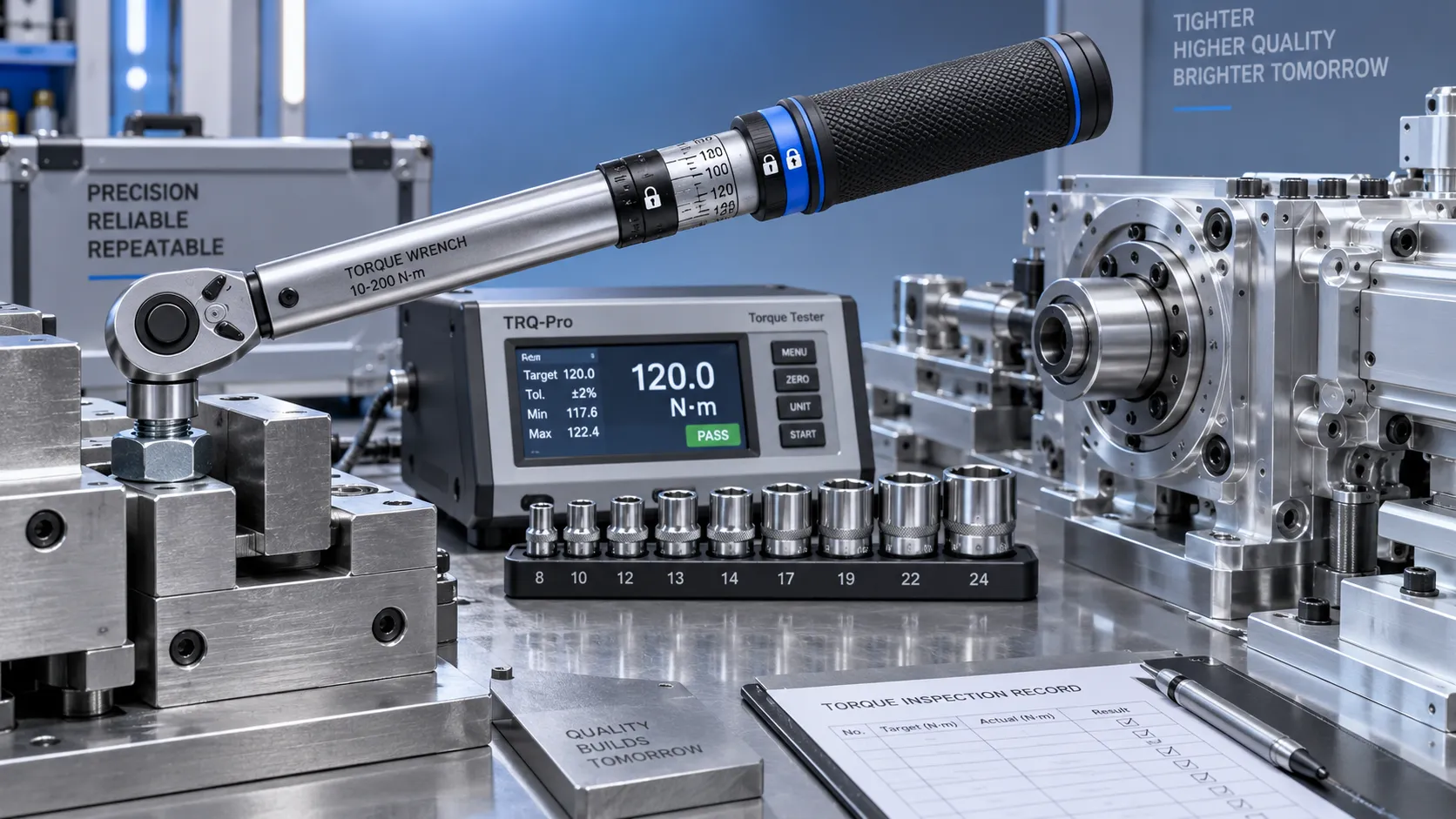
Selecting Adjustable Torque Tools for Repeatable Fastener Assembly
Adjustable torque tools: learn how to match range, accuracy, control methods, calibration, and ergonomics for repeatable, reliable fastener assembly.

How to Select Aerospace Inspection Tools for Aircraft Maintenance Tasks
Aerospace maintenance inspection tools: learn how to select reliable, traceable equipment for aircraft access, accuracy, calibration, and compliant maintenance decisions.

How to Select Wire Bonding Tools for Fine-Pitch Semiconductor Packaging
Explore semiconductor manufacturing tools for wire bonding and learn how to select precision solutions for fine-pitch packaging, reliable loops, accuracy, and yield.
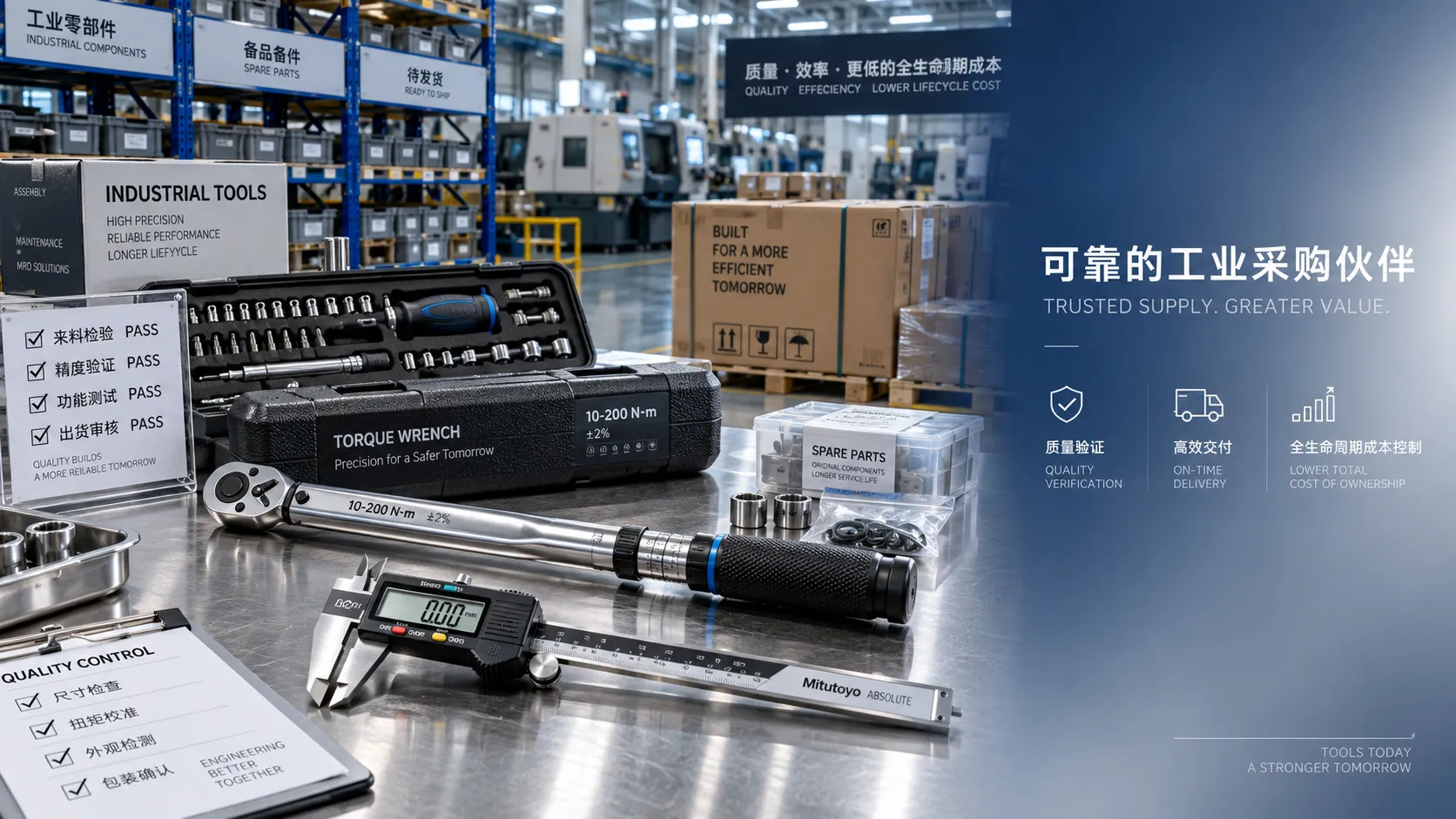
How to Compare Industrial Tool Suppliers for Quality, Lead Time, and Total Cost
Industrial tool selection supplier comparison made simple: evaluate quality, lead times, total cost, service, and supply resilience for confident sourcing decisions.

Industrial Equipment Application Guidance: Match Machines to Operating Conditions
Application guidance industrial equipment: match capacity, duty cycle, materials, site conditions, safety, and lifecycle cost to improve reliable output. Read the guide.
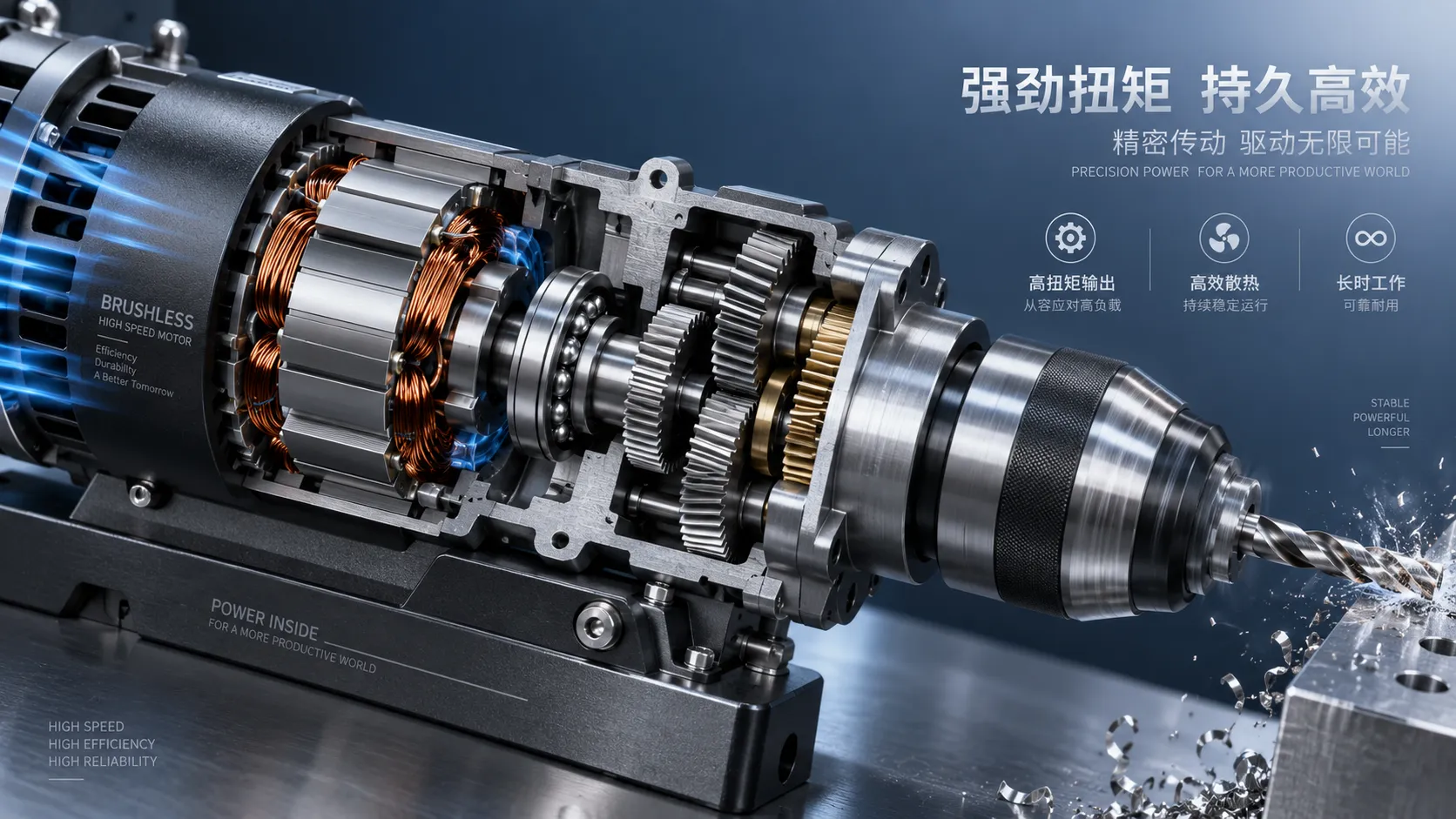
Selecting High-Speed Brushless Tool Motors for Torque, Heat, and Duty Cycle
High speed brushless tool motors: learn how to balance torque, heat, gearing, and duty cycle for reliable industrial tool performance and longer service life.

What Determines Industrial Hydraulic System Price for Heavy-Duty Equipment?
Industrial hydraulic system price depends on duty cycle, pressure, components, cooling, and integration. Compare quotes intelligently to secure reliable heavy-duty performance.
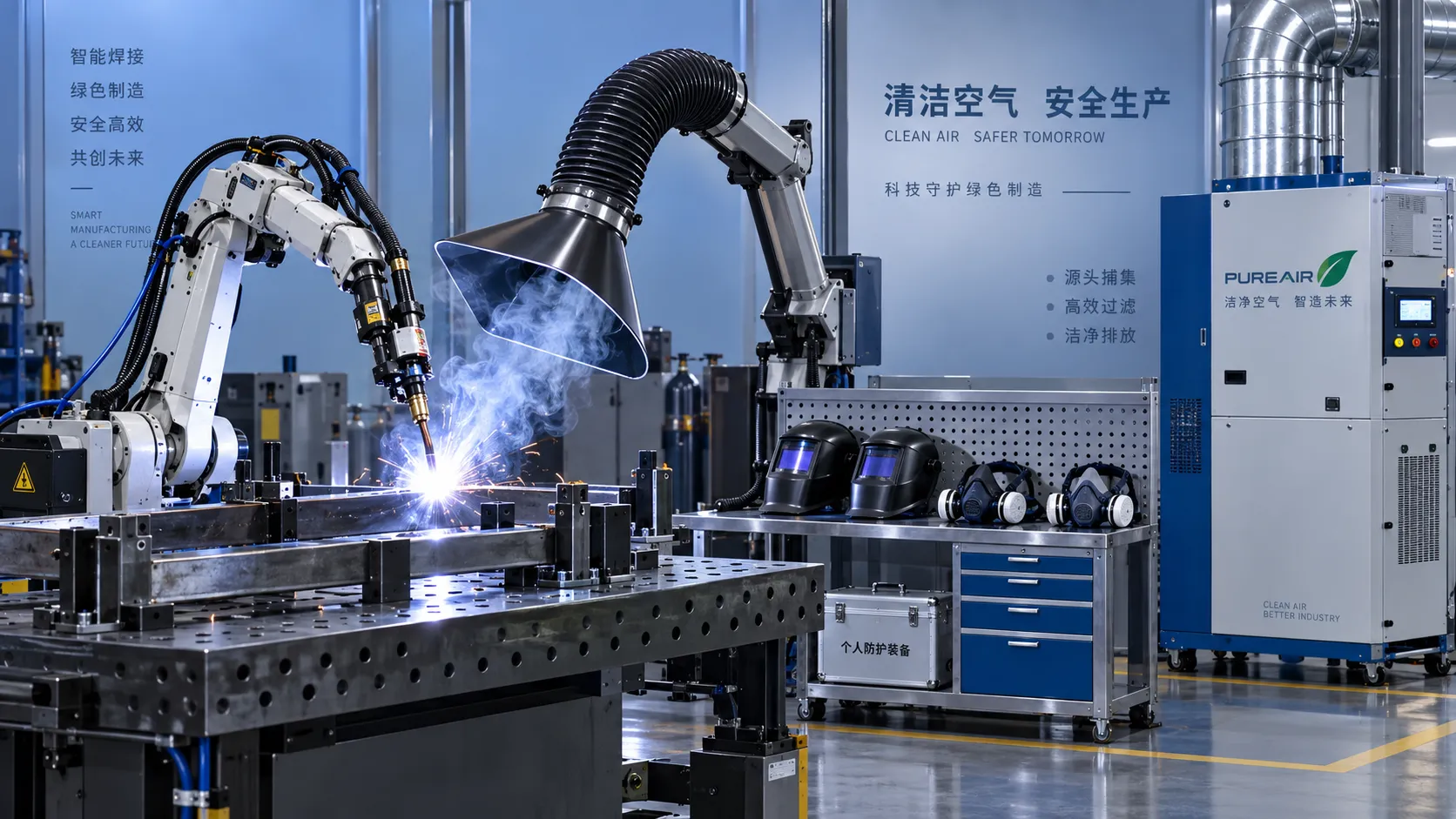
Welding Fume Extraction PPE: When Respirators Are Not Enough for Shop Safety
Welding fume extraction PPE: learn why respirators alone fall short and how source capture, ventilation, and layered controls improve shop safety.

How to Select Optical Metrology Solutions for Tight-Tolerance Manufacturing
Optical industrial metrology solutions for tight-tolerance manufacturing: evaluate accuracy, surface compatibility, workflow, and traceability to select with confidence.
Related News
- 00
0000-00
How to Compare Industrial Tool Suppliers for Quality, Lead Time, and Total Cost - 00
0000-00
How to Evaluate a Technology Integration Service Provider for Complex Projects - 00
0000-00
Product Comparison Resources in Europe: How Buyers Can Verify Specs and Suppliers - 00
0000-00
How to Evaluate an Industrial Metrology Solution Manufacturer for Production Use - 00
0000-00
How to Evaluate a Metal Joining Solutions Factory for Quality, Capacity, and Delivery Risk
Dr. Alistair Vaughn
Weekly Insights
Stay ahead with our curated technology reports delivered every Monday.