
Is IoT torque control worth the added setup cost?





For many industrial operations, IoT torque control is no longer a futuristic add-on. It is becoming a practical response to tighter quality demands, digital traceability, and rising assembly complexity.
The central issue is cost versus measurable return. Added setup expense can be justified when IoT torque control reduces defects, supports compliance, and improves process visibility across mixed production environments.
In sectors linked to automotive service, aerospace maintenance, electronics assembly, heavy equipment, and metal fabrication, torque data is becoming operational evidence, not just a production record.
Why IoT torque control is moving from optional to strategic
Several market signals explain this shift. Product designs are getting lighter, tolerances are getting tighter, and end users expect repeatable performance across global assembly sites.
At the same time, warranty pressure is rising. A single fastening error can trigger rework, field failure, shipment delays, or expensive root-cause investigations.
That is where IoT torque control changes the economics. Instead of relying only on manual verification, connected tools capture torque events, flag deviations, and support real-time intervention.
This trend matters across the broader industrial value chain. Precision tools, welding systems, metrology equipment, and digital manufacturing platforms are increasingly expected to share actionable production data.
The current change is not about tools alone, but about connected accountability
Traditional torque tools can still perform well in stable processes. However, they often create data gaps when quality teams need proof of correct fastening by station, operator, batch, or timestamp.
IoT torque control closes that gap. It links fastening performance with software, dashboards, alerts, and quality records, turning each torque event into a traceable manufacturing input.
This matters most where compliance, service documentation, or export standards demand evidence. In those environments, the cost of missing data may exceed the cost of implementation.
Key signals behind broader adoption
- More assemblies require digital proof of torque consistency.
- Cross-site production needs standardized fastening logic.
- Remote monitoring helps reduce supervisory blind spots.
- Integrated quality systems favor connected tool ecosystems.
- After-sales disputes increasingly rely on traceable process data.
What drives the business case for IoT torque control
The setup cost is real. Hardware, software integration, calibration alignment, network configuration, training, and cybersecurity controls all add expense before value appears.
Yet the return often comes from avoided losses rather than headline productivity. That distinction is important when assessing IoT torque control in real operating conditions.
Where the added setup cost pays off fastest
Not every operation needs the same level of connectivity. IoT torque control usually delivers the strongest ROI where fastening quality directly affects safety, certification, uptime, or brand risk.
High-value use cases
- Assemblies with strict torque windows and limited tolerance for variation.
- Products requiring full digital traceability for customers or regulators.
- Operations with frequent rework caused by inconsistent manual fastening.
- Multi-station lines where sequence control affects final performance.
- Global sites needing common quality logic and remote oversight.
In contrast, low-volume jobs with modest risk and simple assemblies may struggle to recover the setup cost quickly. In those settings, selective deployment often works better than full rollout.
The hidden costs that can weaken IoT torque control ROI
The biggest mistake is treating IoT torque control as a plug-and-play purchase. Poor integration planning can consume budget and delay benefits long after installation is complete.
Common hidden costs
- Software compatibility issues with MES, ERP, or quality platforms.
- Weak Wi-Fi or industrial network coverage near workstations.
- Calibration management complexity across connected tool fleets.
- Operator learning curves that reduce early productivity.
- Cybersecurity controls for data access, devices, and updates.
- Overbuying features that exceed actual process needs.
A disciplined scope prevents this. The best implementations start with a quality problem, a traceability requirement, or a specific cost of failure that connected torque can address.
How IoT torque control changes different business functions
The value of IoT torque control extends beyond the assembly station. It affects quality assurance, engineering, maintenance, field service, and commercial decision-making.
What deserves the closest attention before adoption
- Define the failure cost of poor torque control before pricing solutions.
- Check whether existing systems can absorb torque data cleanly.
- Separate must-have functions from attractive but low-value features.
- Verify calibration, validation, and audit requirements early.
- Estimate training time, not just equipment cost.
- Plan pilot success metrics before scaling IoT torque control.
A careful pilot often reveals whether benefits come from defect reduction, compliance readiness, cycle stability, or documentation efficiency. Those gains should be measured in financial terms.
A practical way to judge whether IoT torque control is worth it
The answer is yes when fastening mistakes are expensive, traceability is critical, and process variation creates real downstream risk. The answer is less clear in simple, low-risk applications.
Use this decision framework
- Identify the most costly torque-related failure modes.
- Quantify rework, downtime, claims, and audit exposure.
- Compare those costs with setup, integration, and support expense.
- Run a limited pilot in a high-impact station.
- Scale only after the pilot proves repeatable value.
In today’s industrial environment, IoT torque control is best viewed as a selective strategic investment. It pays most where precision, accountability, and digital quality evidence directly shape competitiveness.
The next step is straightforward: map one assembly process, calculate the cost of fastening failure, and test IoT torque control where the data can change decisions fastest.
Related News
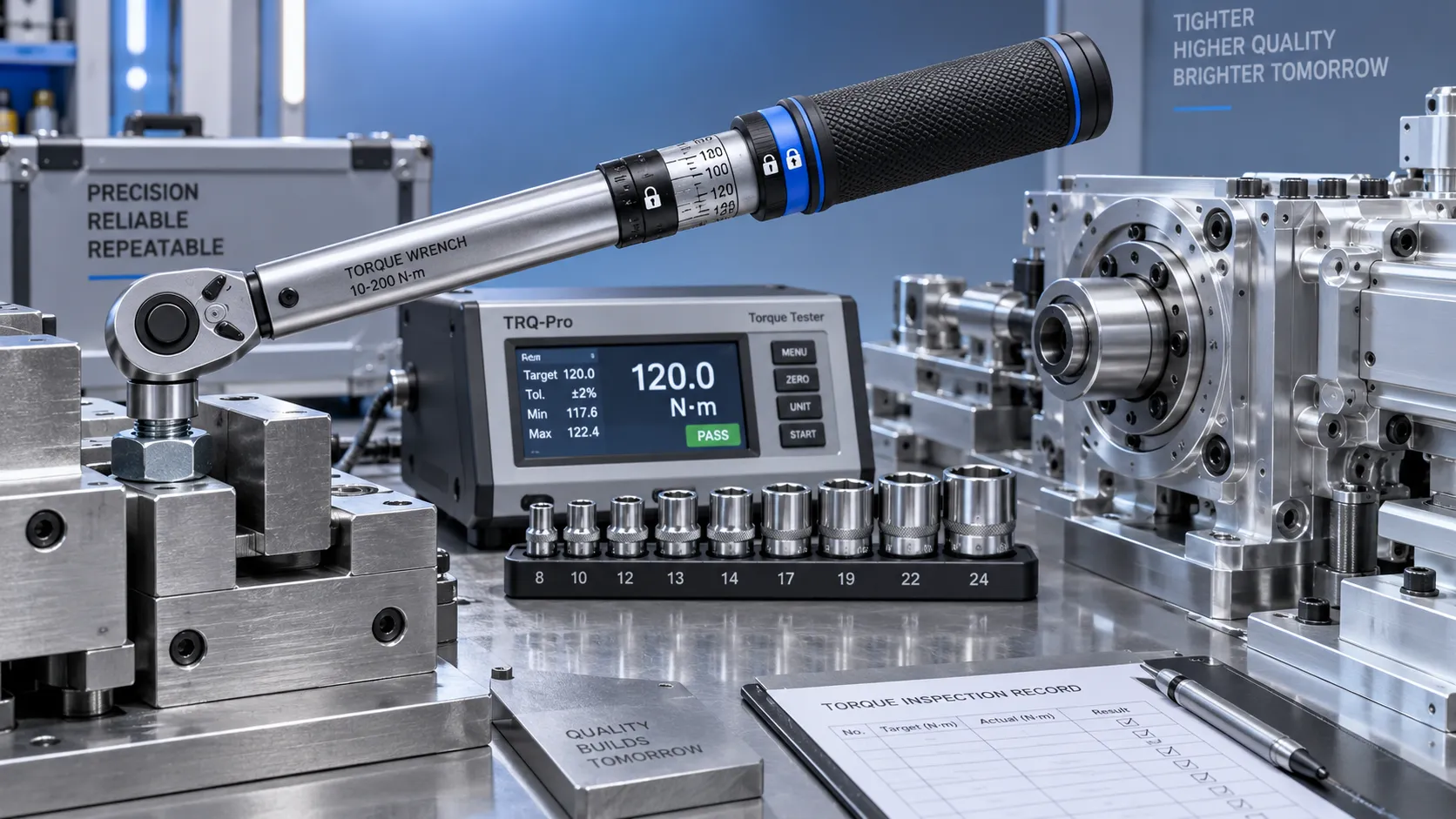
Selecting Adjustable Torque Tools for Repeatable Fastener Assembly
Adjustable torque tools: learn how to match range, accuracy, control methods, calibration, and ergonomics for repeatable, reliable fastener assembly.

How to Select Aerospace Inspection Tools for Aircraft Maintenance Tasks
Aerospace maintenance inspection tools: learn how to select reliable, traceable equipment for aircraft access, accuracy, calibration, and compliant maintenance decisions.

How to Select Wire Bonding Tools for Fine-Pitch Semiconductor Packaging
Explore semiconductor manufacturing tools for wire bonding and learn how to select precision solutions for fine-pitch packaging, reliable loops, accuracy, and yield.
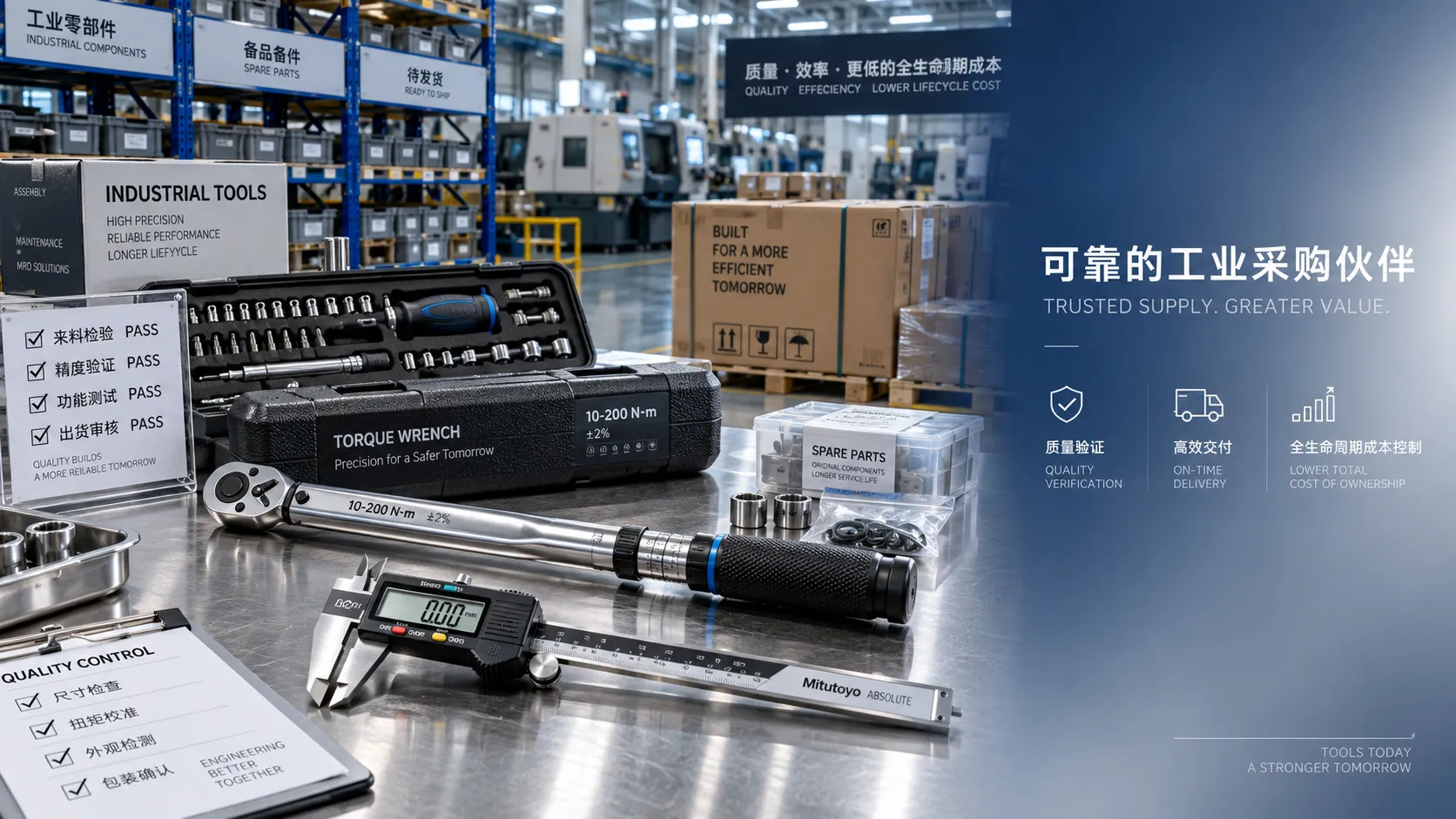
How to Compare Industrial Tool Suppliers for Quality, Lead Time, and Total Cost
Industrial tool selection supplier comparison made simple: evaluate quality, lead times, total cost, service, and supply resilience for confident sourcing decisions.
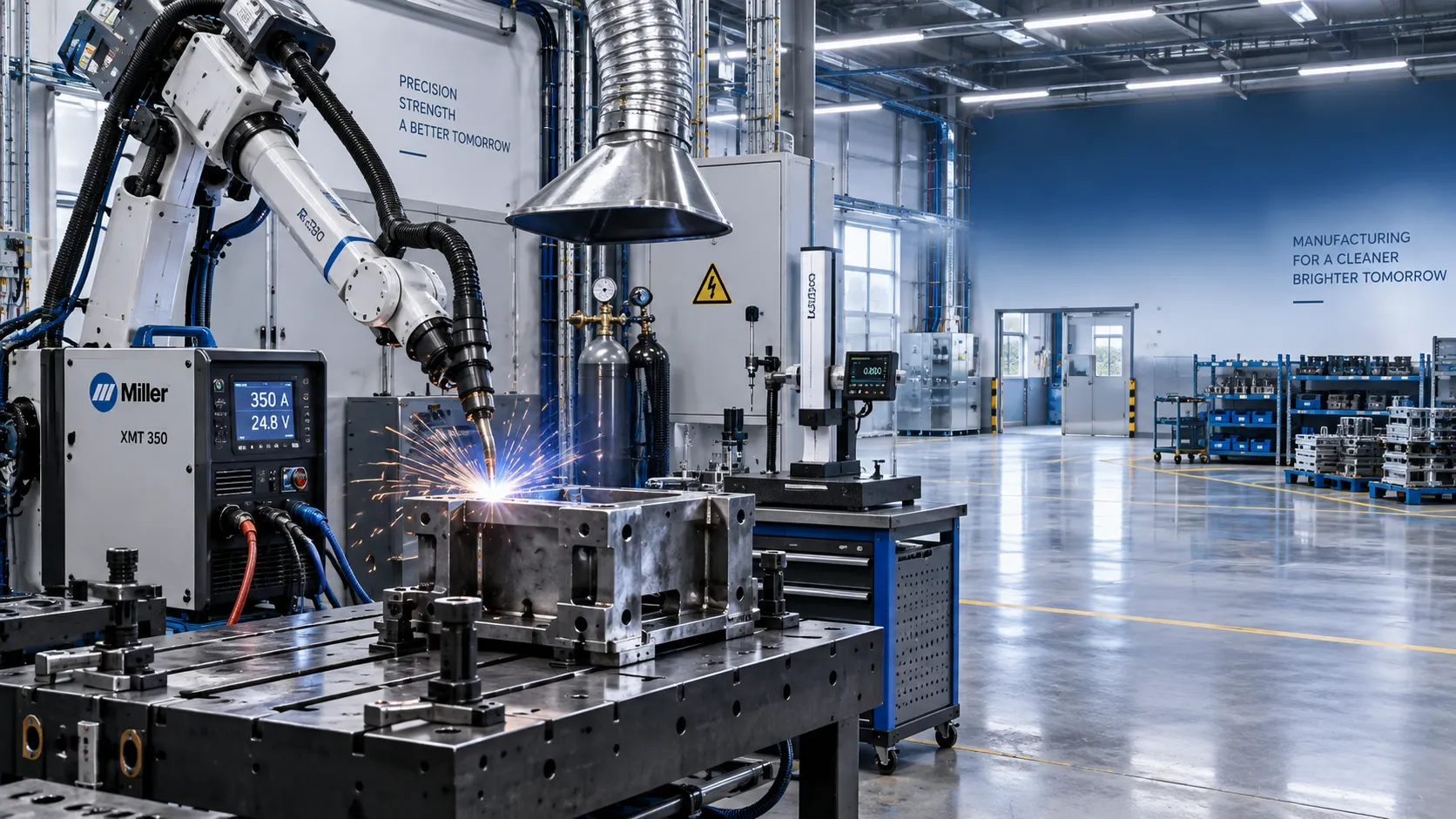
Industrial Equipment Application Guidance: Match Machines to Operating Conditions
Application guidance industrial equipment: match capacity, duty cycle, materials, site conditions, safety, and lifecycle cost to improve reliable output. Read the guide.
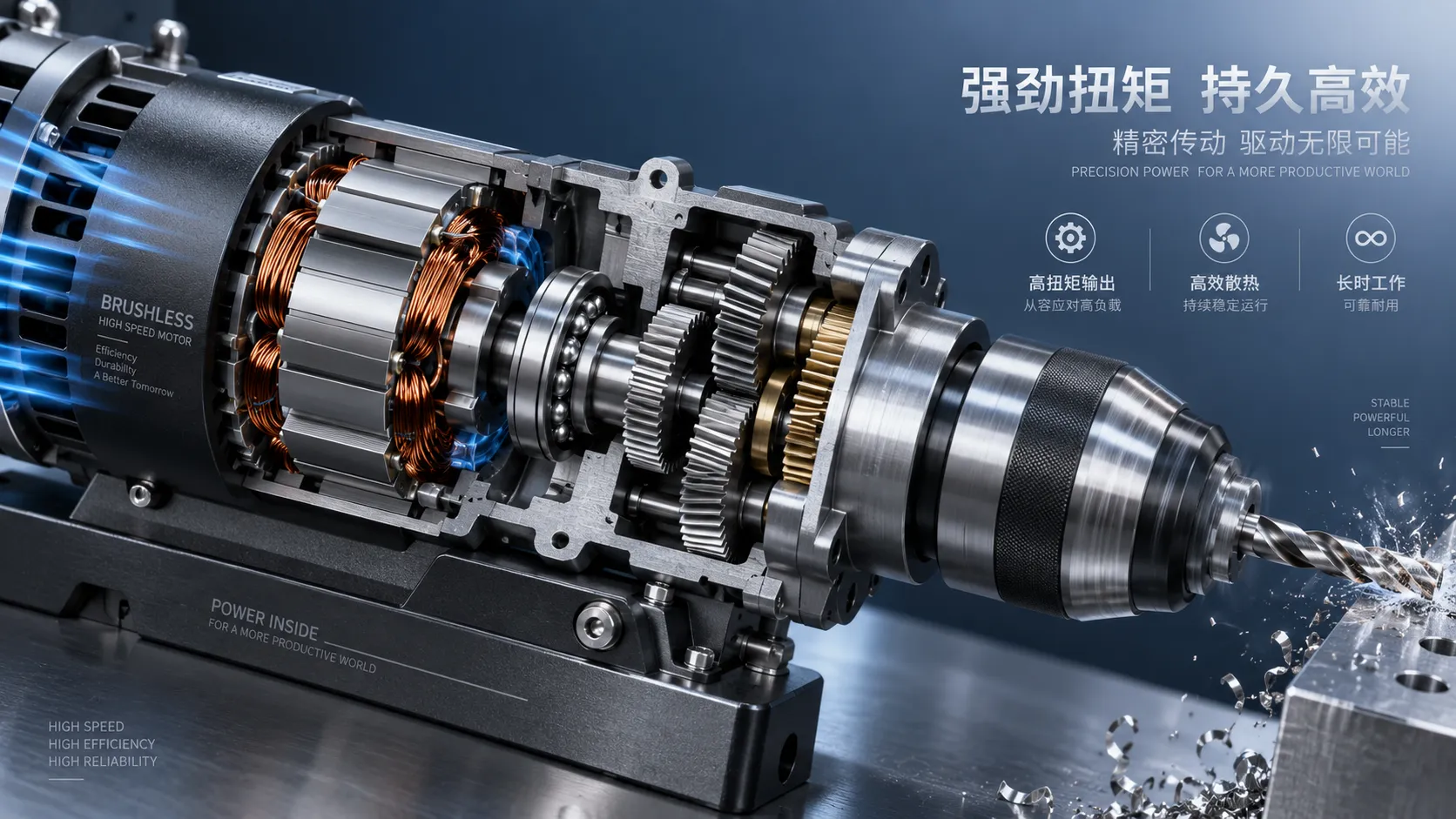
Selecting High-Speed Brushless Tool Motors for Torque, Heat, and Duty Cycle
High speed brushless tool motors: learn how to balance torque, heat, gearing, and duty cycle for reliable industrial tool performance and longer service life.
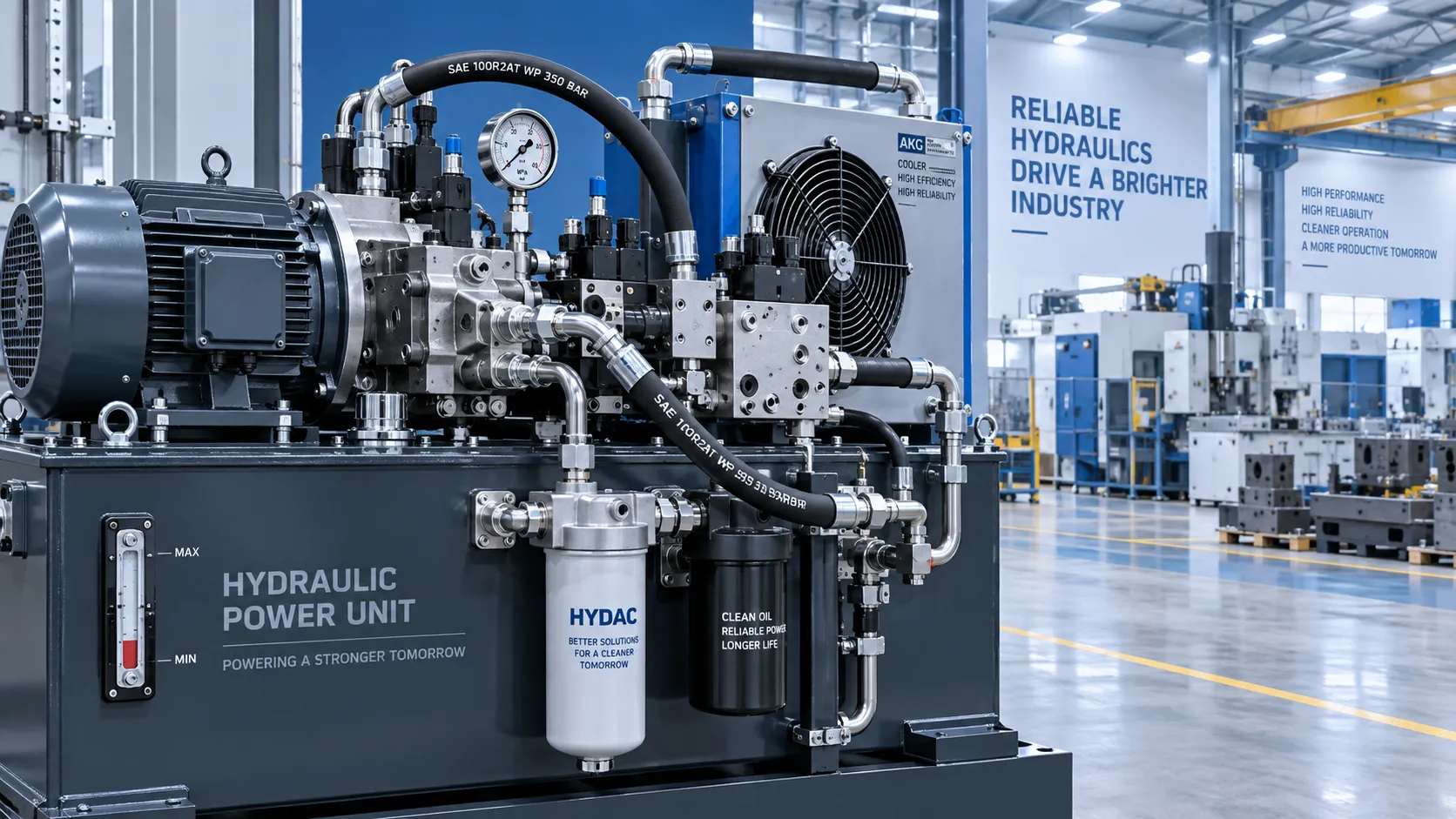
What Determines Industrial Hydraulic System Price for Heavy-Duty Equipment?
Industrial hydraulic system price depends on duty cycle, pressure, components, cooling, and integration. Compare quotes intelligently to secure reliable heavy-duty performance.
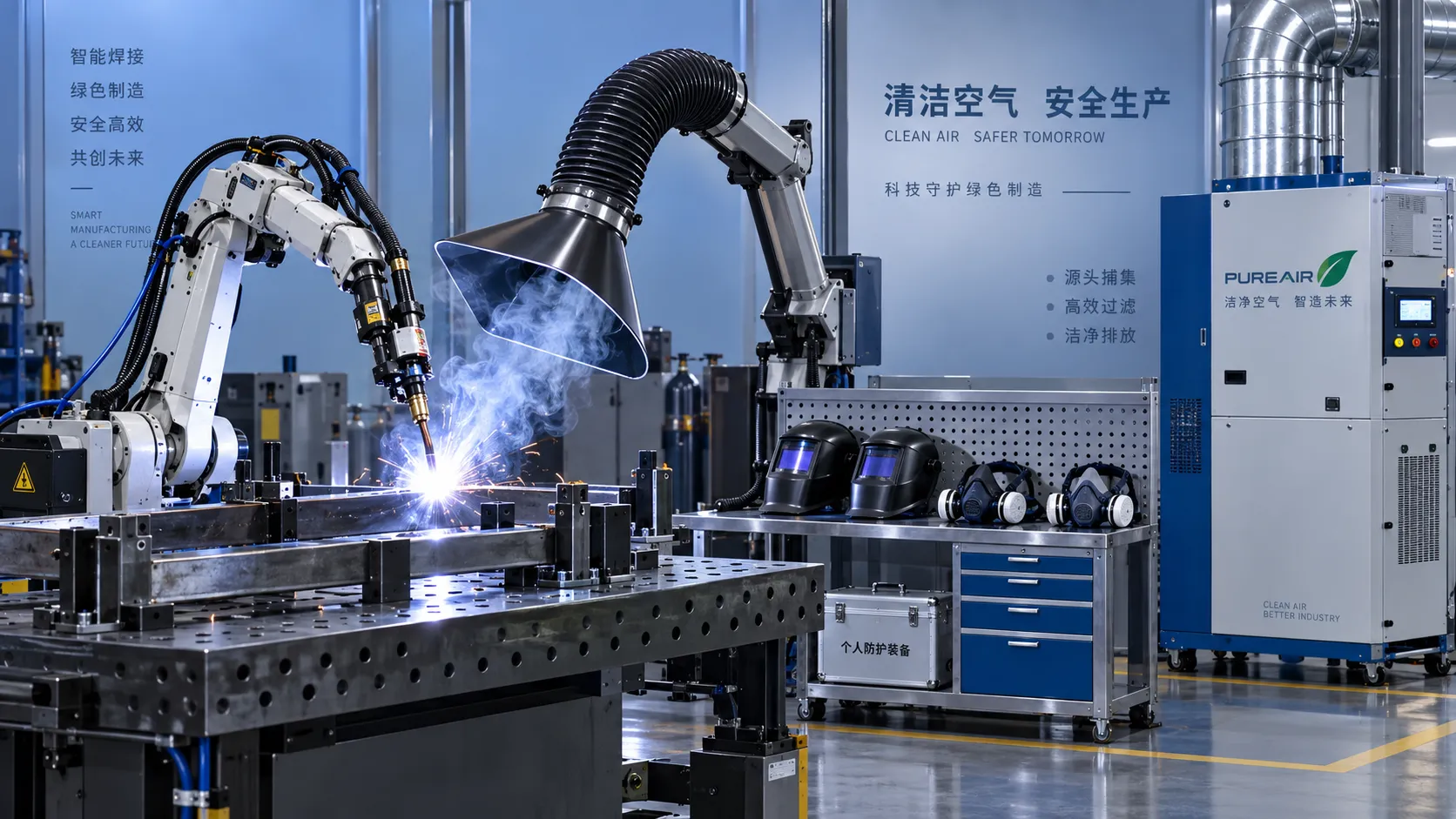
Welding Fume Extraction PPE: When Respirators Are Not Enough for Shop Safety
Welding fume extraction PPE: learn why respirators alone fall short and how source capture, ventilation, and layered controls improve shop safety.

How to Select Optical Metrology Solutions for Tight-Tolerance Manufacturing
Optical industrial metrology solutions for tight-tolerance manufacturing: evaluate accuracy, surface compatibility, workflow, and traceability to select with confidence.
Related News
- 00
0000-00
Selecting Adjustable Torque Tools for Repeatable Fastener Assembly - 00
0000-00
How to Select Aerospace Inspection Tools for Aircraft Maintenance Tasks - 00
0000-00
How to Select Wire Bonding Tools for Fine-Pitch Semiconductor Packaging - 00
0000-00
Industrial Equipment Application Guidance: Match Machines to Operating Conditions - 00
0000-00
Selecting High-Speed Brushless Tool Motors for Torque, Heat, and Duty Cycle
Prof. Marcus Chen
Weekly Insights
Stay ahead with our curated technology reports delivered every Monday.