
When advanced manufacturing cuts costs and when it does not





For finance approvers, the promise of advanced manufacturing is compelling—but the savings are not automatic. While automation, precision tools, and intelligent process control can reduce labor waste, rework, and downtime, the return depends on production scale, product complexity, and implementation discipline. Understanding when advanced manufacturing truly cuts costs—and when capital spending outpaces measurable gains—is essential for making sound investment decisions.
When does advanced manufacturing reduce cost in real financial terms?
For a finance approver, advanced manufacturing should be judged as a capital allocation question, not a technology trend. The central issue is whether equipment, tooling, metrology, welding upgrades, and digital controls convert fixed investment into lower unit cost, lower quality loss, and stronger delivery reliability.
In broad industrial settings, advanced manufacturing usually cuts costs when production is repeatable, scrap is measurable, and process drift causes expensive downstream losses. It is less convincing when output is irregular, product design changes frequently, or labor content is already low.
GPTWM follows the last mile of industrial manufacturing where assembly precision, metal joining consistency, and measurement discipline directly affect financial performance. That perspective matters because many investments fail not at the concept stage, but at the shop-floor execution stage where variation, poor tool matching, and weak process visibility destroy expected savings.
- Labor-intensive operations with stable takt time often benefit first from automation and assisted tooling.
- High rework environments gain from precision metrology, torque control, and repeatable welding parameters.
- Downtime-prone lines improve when sensors and connected tools expose root causes instead of masking them.
- Multi-site operations gain extra value when standards, ergonomic methods, and digital work instructions are unified.
The savings that matter most to finance teams
Cost reduction from advanced manufacturing rarely comes from one line item. It comes from a combination of lower direct labor per unit, fewer defects, reduced consumable waste, lower warranty exposure, improved throughput, and more predictable scheduling. Finance teams should model all of these, not just headcount reduction.
In welding and assembly, for example, a more precise process may reduce spatter, filler waste, heat distortion, inspection failures, and secondary finishing. In metrology-heavy environments, better measurement systems can reduce false rejects and prevent defective parts from moving into expensive final assembly.
Which situations justify advanced manufacturing investment fastest?
The table below helps finance approvers evaluate where advanced manufacturing is most likely to produce a defensible payback. It focuses on practical operating conditions rather than generic innovation claims.
A strong investment case often combines at least two of these conditions. If a process has both high volume and high quality loss, advanced manufacturing can move from optional improvement to financially urgent action.
Scenarios with especially strong cost leverage
Industrial assembly with frequent torque-related defects, welded fabrications with high post-processing cost, and inspection-intensive products with recurring dimensional drift are all good candidates. In each case, process consistency creates savings beyond labor alone.
- Repeat assembly: smart torque systems reduce under-tightening, over-tightening, and field failures.
- Metal joining: more stable welding methods reduce distortion, regrinding, and inspection delays.
- Dimensional control: better gauges and calibrated systems prevent defect accumulation across stages.
When does advanced manufacturing fail to cut costs?
Not every upgrade improves the income statement. Advanced manufacturing can disappoint when management underestimates integration cost, training time, tooling compatibility, maintenance needs, or the production instability caused by poor rollout discipline.
Finance teams should be cautious when a proposal depends on optimistic assumptions such as full utilization from day one, zero learning curve losses, or immediate labor elimination. In practice, benefits phase in. Early months may include debugging, operator retraining, and output fluctuation.
Common reasons the business case breaks down
- Volume is too low. The process does not run enough hours for capital intensity to pay off.
- Product mix changes too often. Frequent reprogramming, fixturing changes, or engineering revisions erode efficiency gains.
- Root causes are misdiagnosed. A company automates a symptom when the true problem is unstable materials, poor design tolerance, or weak supplier quality.
- Support systems are missing. Calibration, spare parts, preventive maintenance, and operator competency are not budgeted properly.
- Compliance or safety requirements add hidden cost. For example, new welding technologies may require revised safety practices, ventilation review, or documentation updates.
GPTWM’s industry tracking is useful here because cost failure often begins outside the machine itself. Raw material volatility, export restrictions, safety expectations, and evolving process standards can materially change the economics of an investment after approval.
Advanced manufacturing versus conventional methods: what should finance compare?
A capital request should compare full operating models, not isolated purchase prices. The table below highlights the decision lenses that matter when reviewing advanced manufacturing against conventional production methods.
This comparison shows why advanced manufacturing is not automatically superior. For low-volume, high-mix production, conventional methods may remain more economical. The right answer depends on throughput pattern, tolerance criticality, and cost-of-failure exposure.
How should finance approvers test the investment case before approval?
The best approvals are tied to measurable operating assumptions. Finance should ask engineering, operations, quality, and sourcing to align on the same baseline. If each team uses different scrap numbers, labor rates, or uptime assumptions, the model will not survive implementation.
A practical approval checklist
- Confirm current-state losses by category: labor inefficiency, consumables, defect cost, downtime, warranty, and late-delivery penalties.
- Separate one-time cost from recurring cost: installation, training, validation, maintenance, calibration, software, and spare parts.
- Define ramp-up timing realistically. Advanced manufacturing savings usually phase in over quarters, not days.
- Test sensitivity to utilization, product mix shifts, and engineering changes.
- Check whether the proposal depends on removing labor, redeploying labor, or simply avoiding future hires. These are not financially equivalent.
This is where GPTWM’s intelligence model adds value. By combining sector news, evolutionary trends, and commercial insights, the platform helps decision-makers stress-test assumptions against real market conditions, such as shifts in tool demand, raw material cost pressure, and emerging process constraints.
Metrics that deserve board-level attention
A narrow ROI figure is not enough. In advanced manufacturing, finance should also track first-pass yield, overall equipment effectiveness, process capability, traceability coverage, and maintenance burden. These reveal whether a project is creating durable cost advantage or merely shifting cost into another department.
What role do precision tools, welding control, and metrology play in cost reduction?
Many investment reviews focus on robots and software, but last-mile tools often deliver faster and lower-risk gains. Precision assembly tools, measurement discipline, and controlled welding workflows can improve output quality without requiring a full factory redesign.
For finance approvers, this matters because smaller advanced manufacturing upgrades may produce cleaner payback than a large, disruptive automation project. In some cases, a calibrated torque system, upgraded handheld joining method, or better in-process inspection framework can eliminate enough scrap and rework to justify itself quickly.
Where targeted upgrades often outperform large-scale overhauls
- Torque-critical assembly stations where field failure costs exceed direct labor savings.
- Manual welding steps with high finishing cost and inconsistent bead quality.
- Inspection gates where poor gauge control causes false scrap or delayed release.
- Distributed plants that need standardized ergonomic tools and data-ready work practices.
Because GPTWM specializes in industrial assembly, metal joining, and precision metrology, it is positioned to help buyers compare whether the next dollar should go into full automation, process-specific tooling, digital torque control, inspection capability, or a hybrid path.
What standards, safety, and compliance costs should not be ignored?
Advanced manufacturing decisions should include compliance cost from the beginning. In industrial environments, relevant issues may include machine safety, operator training, calibration traceability, electrical compliance, documented process control, and specific joining or inspection procedures required by customers.
The exact standards depend on product, destination market, and industry segment, but finance should still ask whether the proposal requires validation protocols, calibration records, revised safety controls, or customer approval before full deployment. These costs are rarely optional once implementation begins.
- Calibration plans for measurement devices affect both quality cost and audit readiness.
- Joining process changes may require updated work instructions, training records, and safety measures.
- Connected manufacturing systems may create data retention and documentation responsibilities.
FAQ: the questions finance approvers ask most about advanced manufacturing
How do I know if advanced manufacturing is too early for our operation?
If production volume is inconsistent, engineering changes are frequent, and existing losses are not measured accurately, the investment may be premature. First stabilize the process, confirm defect sources, and build a trustworthy baseline. Advanced manufacturing works best when it scales control, not confusion.
Should finance prioritize labor savings or quality savings?
In many industrial businesses, quality savings are more reliable than labor savings. Labor may be redeployed rather than removed, while scrap, rework, downtime, and warranty costs often decline more directly when process control improves. A balanced model should include both, but quality effects are often underestimated.
Can smaller tooling and metrology upgrades count as advanced manufacturing?
Yes. Advanced manufacturing is not limited to large automation cells. Smart torque tools, connected measurement systems, better fixturing, ergonomic process redesign, and safer, more controlled joining methods can all qualify if they improve repeatability, data visibility, and cost performance.
What is the most common approval mistake?
Approving technology before confirming the loss mechanism is the most common mistake. If scrap is caused by incoming material variation, design tolerance conflict, or unstable scheduling, advanced manufacturing equipment alone will not solve the problem. The proposal must match the real bottleneck.
Why many companies use GPTWM before making an advanced manufacturing decision
Finance approvers need more than supplier claims. They need cross-functional intelligence that links market shifts, process technology, metrology discipline, welding safety, and commercial demand patterns. GPTWM is built around that need, with a Strategic Intelligence Center that examines manufacturing efficiency through technical and economic lenses together.
For industrial buyers reviewing advanced manufacturing investments, GPTWM helps clarify where precision tools, intelligent torque systems, metrology capability, and metal joining upgrades are likely to produce measurable results. It also helps identify where capital spending may outpace operational readiness.
Contact us for decision support that finance can actually use
If you are evaluating advanced manufacturing for assembly, welding, inspection, or tool-driven process improvement, GPTWM can support a more disciplined decision path. You can consult us on parameter confirmation, solution comparison, product selection logic, expected delivery timing, certification implications, sample support options, and quotation communication priorities.
This is especially useful when the challenge is not whether technology is impressive, but whether it will reduce cost under your actual production mix, compliance needs, and payback targets. A strong approval starts with the right questions. We help you ask them before capital is committed.
Related News
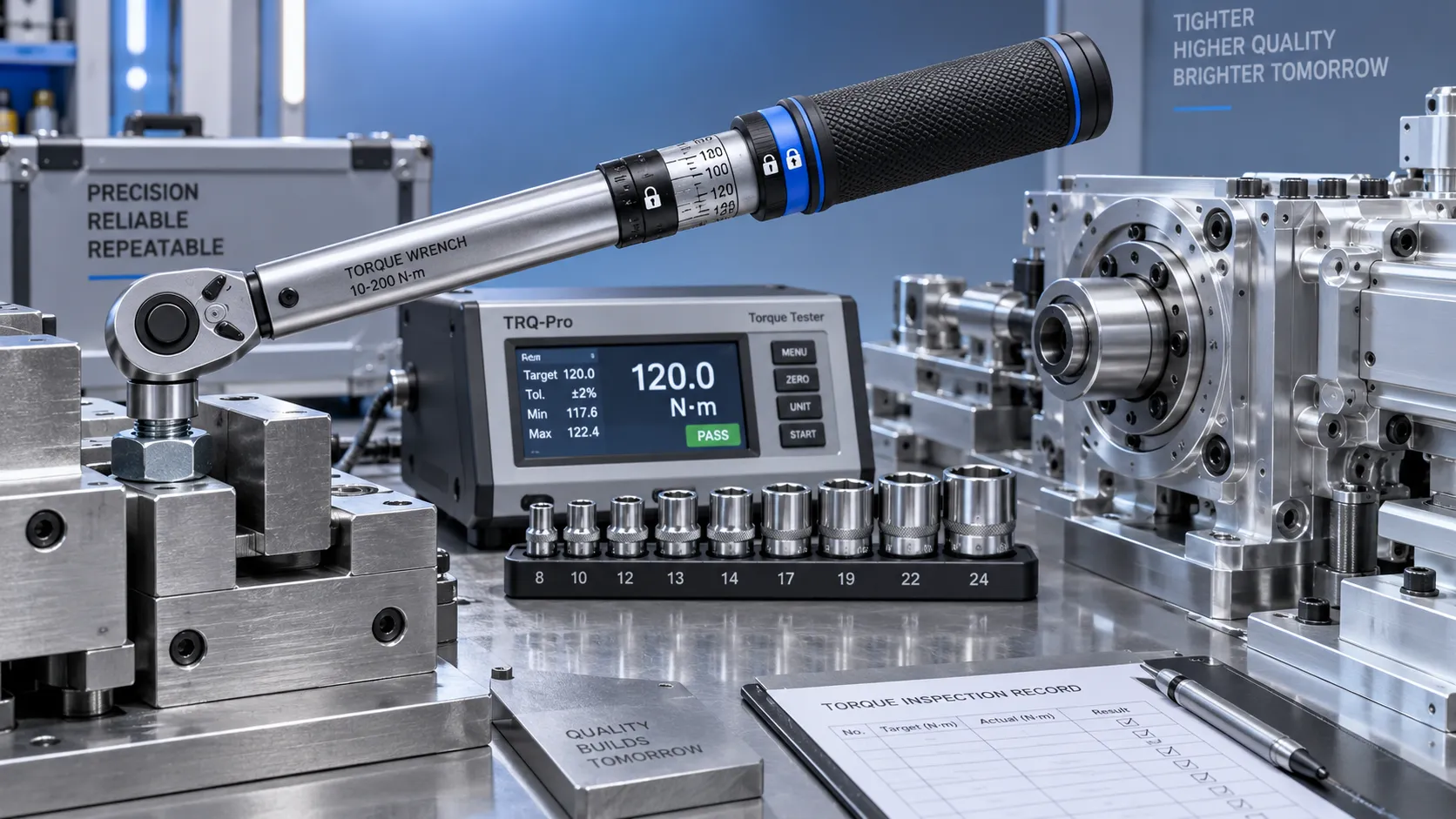
Selecting Adjustable Torque Tools for Repeatable Fastener Assembly
Adjustable torque tools: learn how to match range, accuracy, control methods, calibration, and ergonomics for repeatable, reliable fastener assembly.

How to Select Aerospace Inspection Tools for Aircraft Maintenance Tasks
Aerospace maintenance inspection tools: learn how to select reliable, traceable equipment for aircraft access, accuracy, calibration, and compliant maintenance decisions.

How to Select Wire Bonding Tools for Fine-Pitch Semiconductor Packaging
Explore semiconductor manufacturing tools for wire bonding and learn how to select precision solutions for fine-pitch packaging, reliable loops, accuracy, and yield.
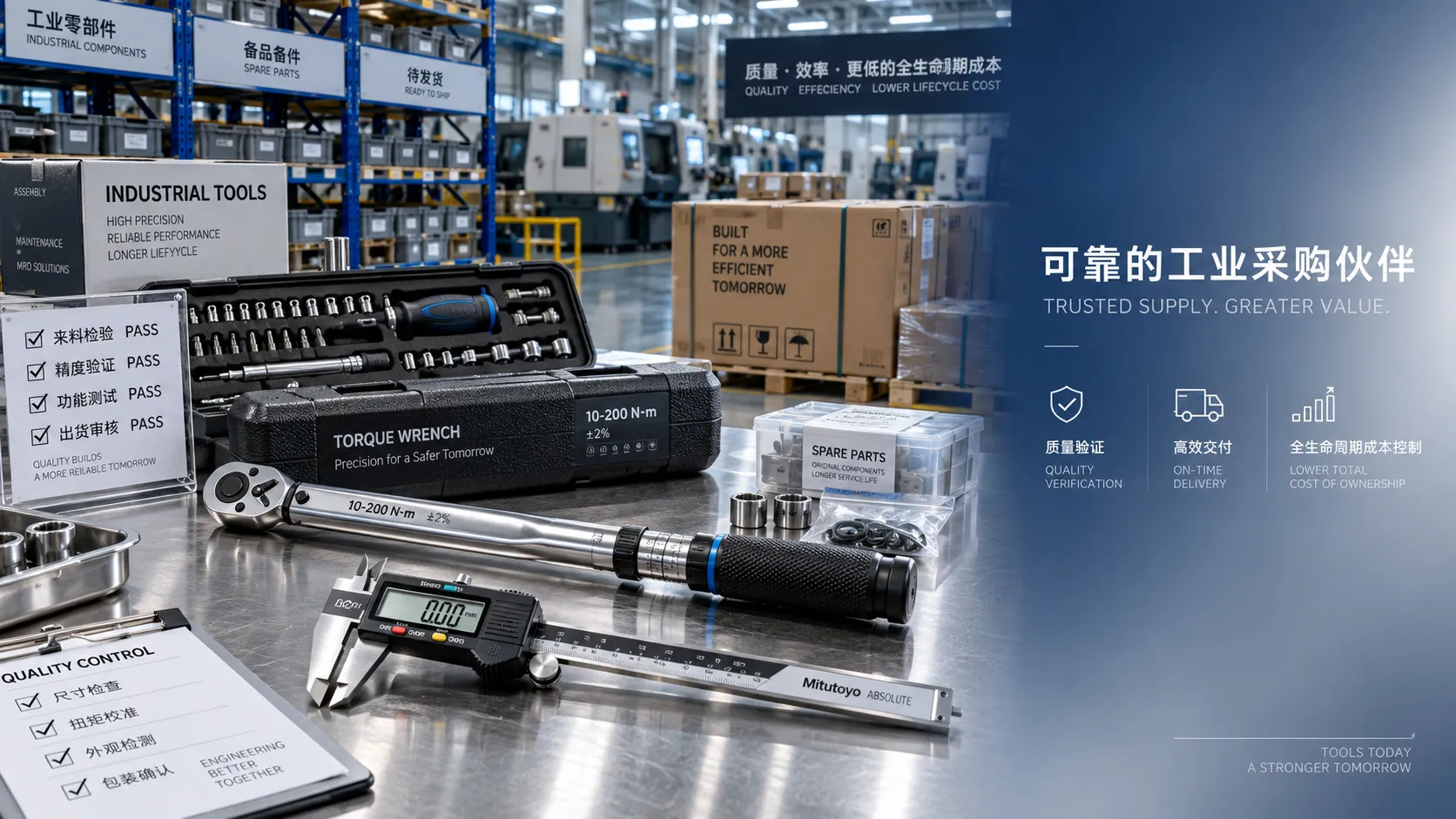
How to Compare Industrial Tool Suppliers for Quality, Lead Time, and Total Cost
Industrial tool selection supplier comparison made simple: evaluate quality, lead times, total cost, service, and supply resilience for confident sourcing decisions.
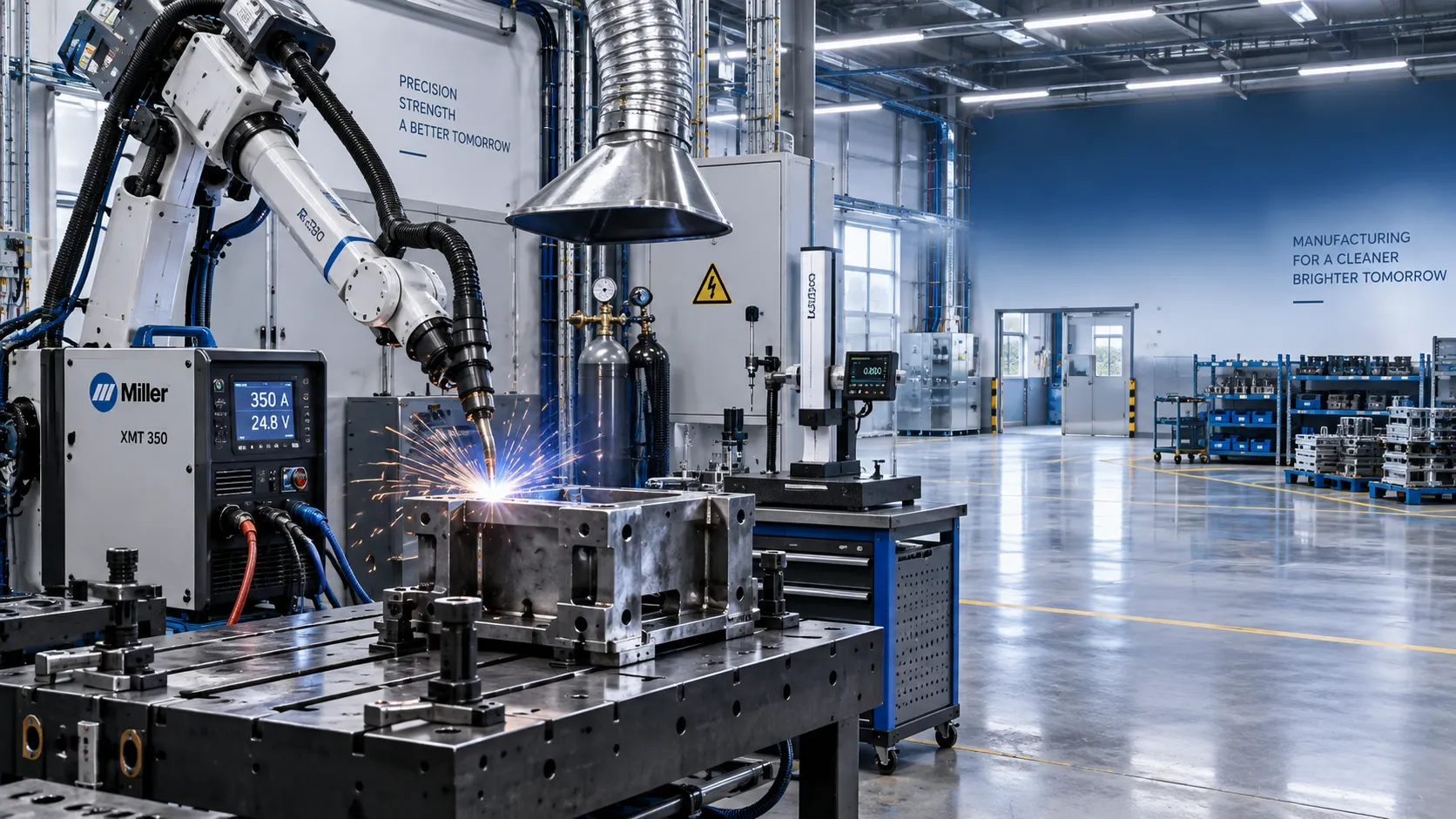
Industrial Equipment Application Guidance: Match Machines to Operating Conditions
Application guidance industrial equipment: match capacity, duty cycle, materials, site conditions, safety, and lifecycle cost to improve reliable output. Read the guide.
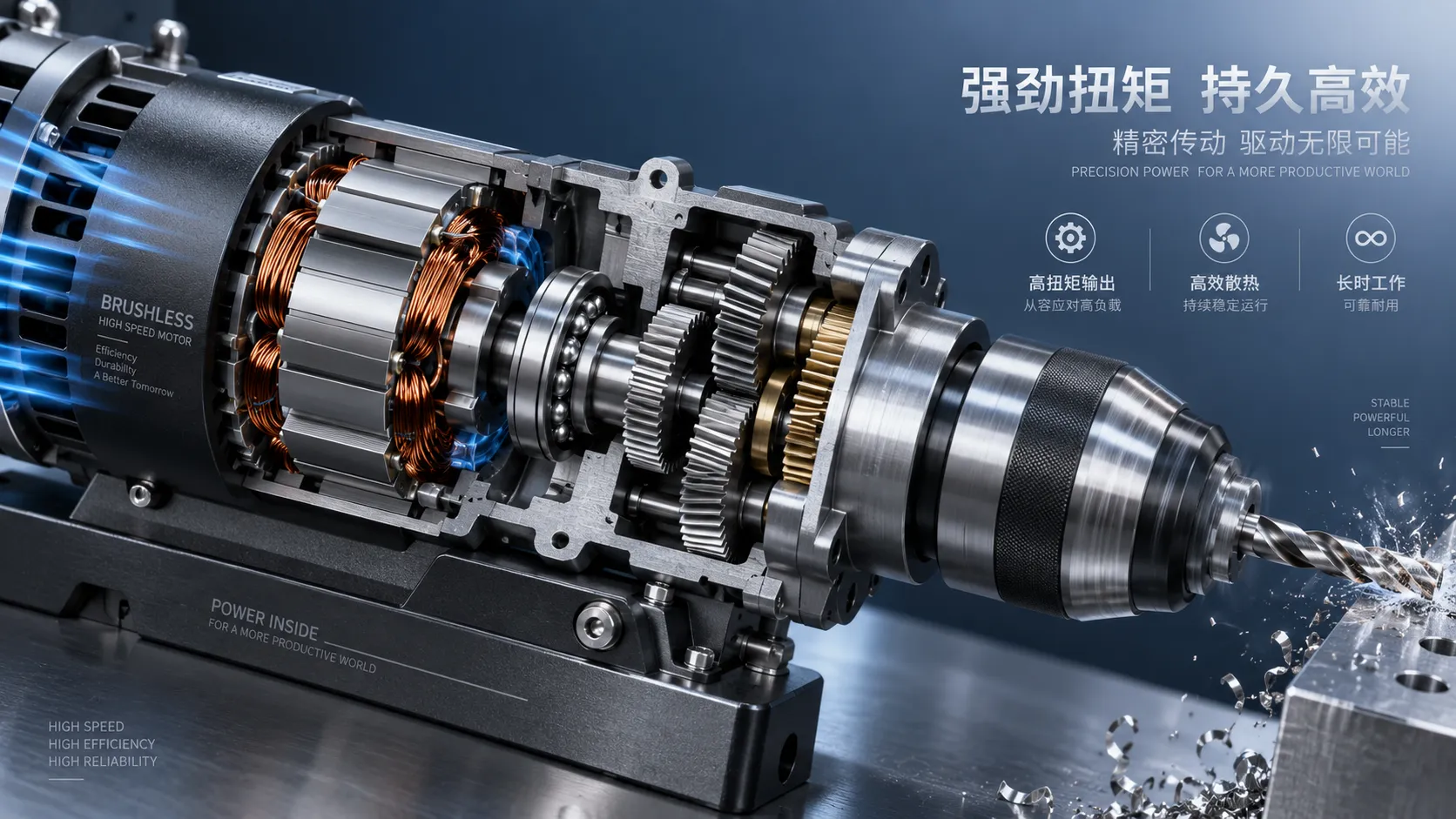
Selecting High-Speed Brushless Tool Motors for Torque, Heat, and Duty Cycle
High speed brushless tool motors: learn how to balance torque, heat, gearing, and duty cycle for reliable industrial tool performance and longer service life.
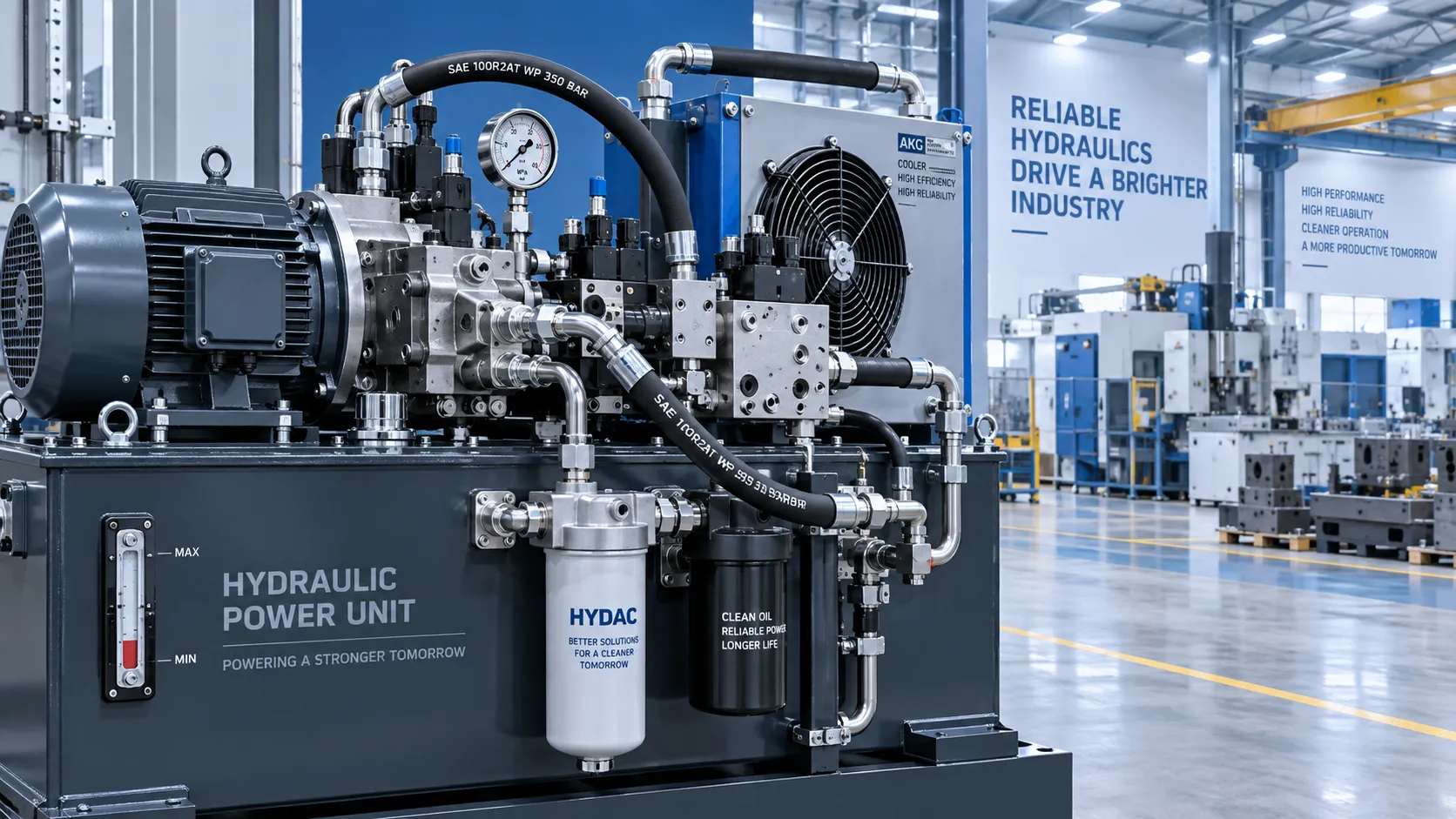
What Determines Industrial Hydraulic System Price for Heavy-Duty Equipment?
Industrial hydraulic system price depends on duty cycle, pressure, components, cooling, and integration. Compare quotes intelligently to secure reliable heavy-duty performance.
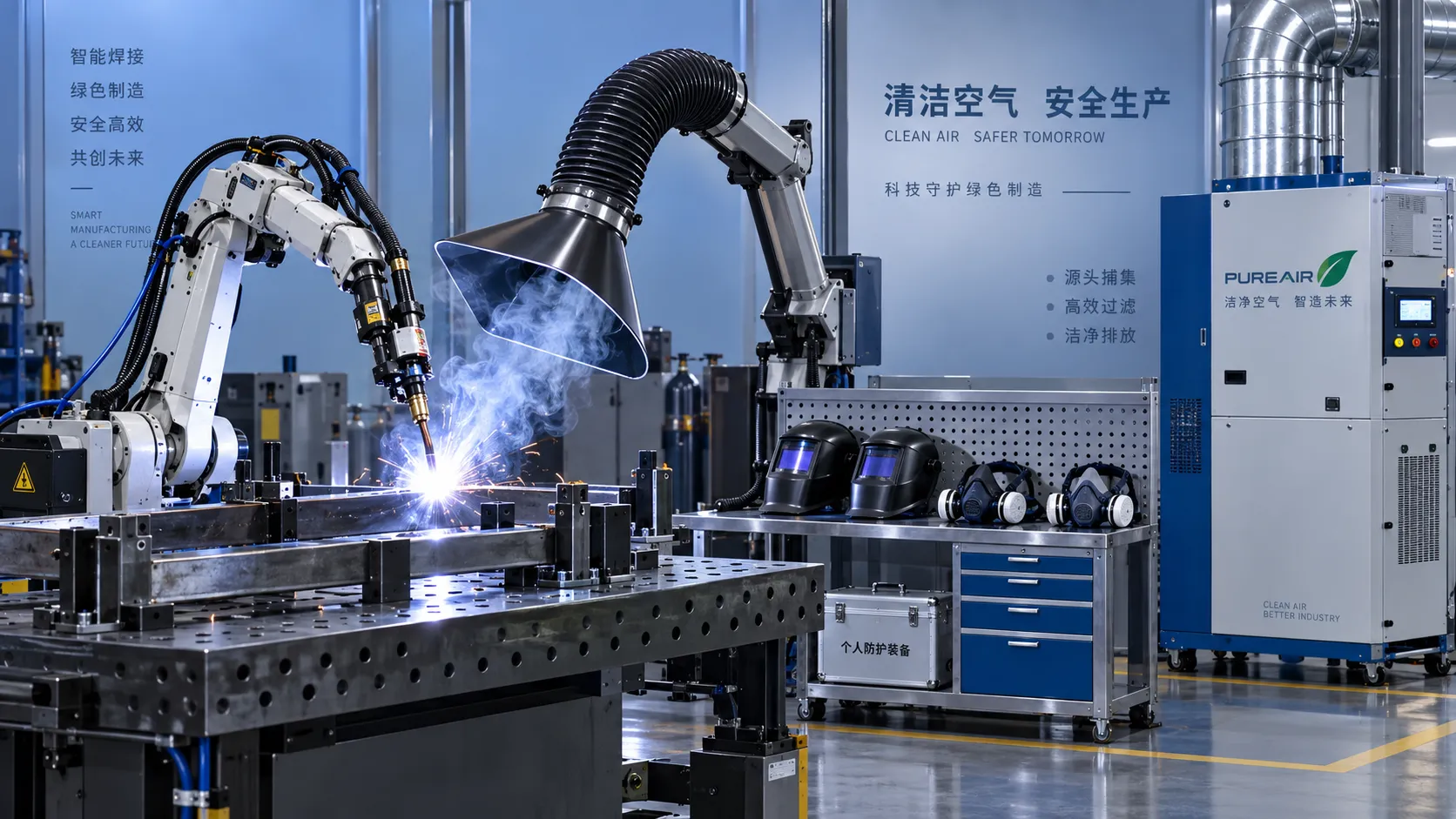
Welding Fume Extraction PPE: When Respirators Are Not Enough for Shop Safety
Welding fume extraction PPE: learn why respirators alone fall short and how source capture, ventilation, and layered controls improve shop safety.
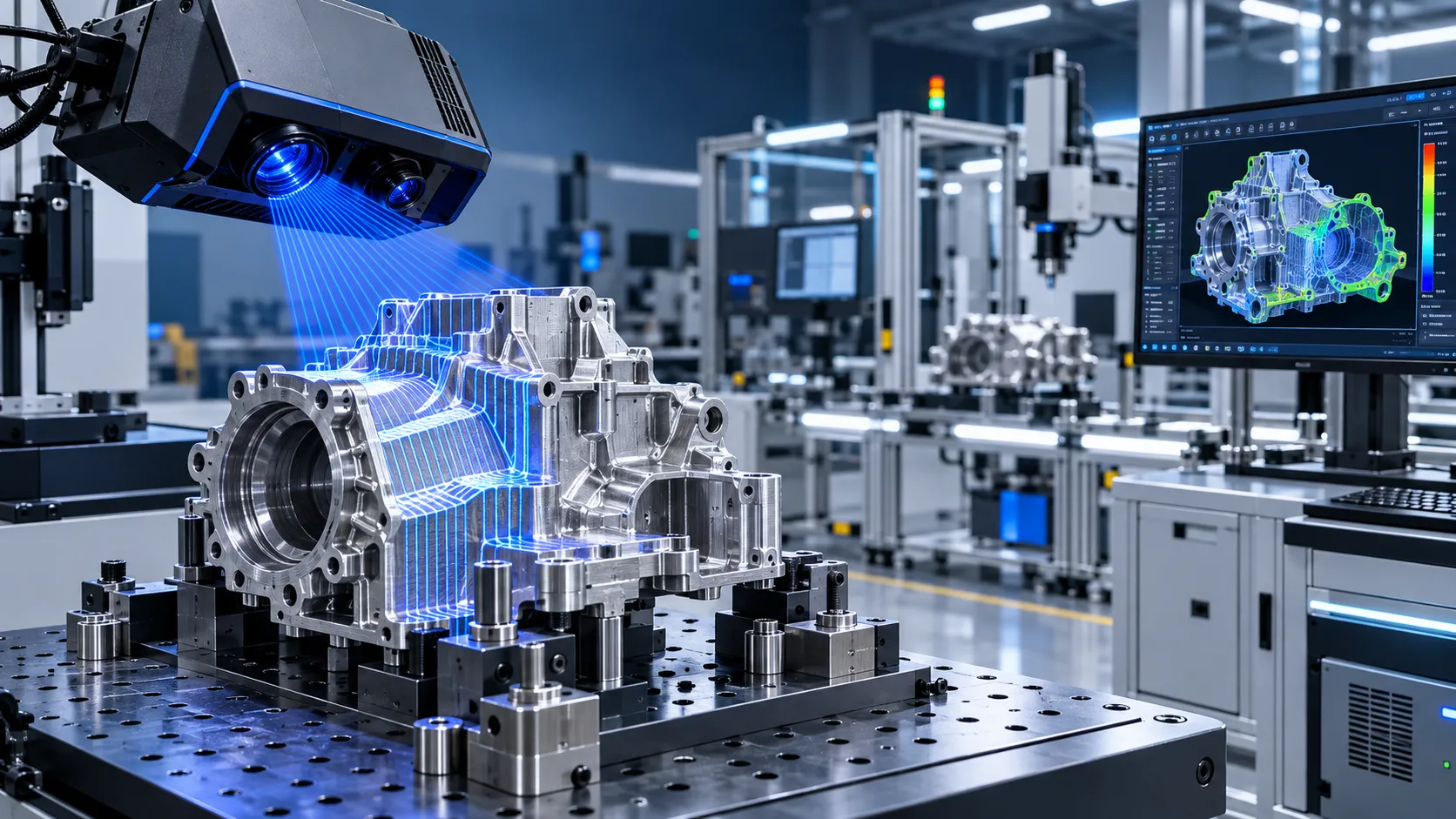
How to Select Optical Metrology Solutions for Tight-Tolerance Manufacturing
Optical industrial metrology solutions for tight-tolerance manufacturing: evaluate accuracy, surface compatibility, workflow, and traceability to select with confidence.
Related News
- 00
0000-00
Selecting Adjustable Torque Tools for Repeatable Fastener Assembly - 00
0000-00
How to Select Aerospace Inspection Tools for Aircraft Maintenance Tasks - 00
0000-00
How to Select Wire Bonding Tools for Fine-Pitch Semiconductor Packaging - 00
0000-00
Industrial Equipment Application Guidance: Match Machines to Operating Conditions - 00
0000-00
Selecting High-Speed Brushless Tool Motors for Torque, Heat, and Duty Cycle
Prof. Marcus Chen
Weekly Insights
Stay ahead with our curated technology reports delivered every Monday.