
Industrial Automation CE Marking Explained: Key Directives, Documents, and Common Gaps





Industrial automation CE: why does it become a project risk so quickly?
Industrial automation CE is often treated as a label check. In practice, it is a control system for legal access, machine safety, and traceable engineering decisions.
That matters across assembly lines, welding cells, measurement stations, packaging modules, and retrofit projects. A missing assessment can stop shipment even when the equipment works perfectly.
A more realistic way to see CE marking is this: it connects design intent, electrical safety, safeguarding, software behavior, and the technical file into one auditable chain.
This is also why industrial intelligence platforms such as GPTWM keep tracking export restrictions, ergonomic standards, tool electrification, and connected control trends. Compliance pressure now moves with technology, not after it.
Which EU directives usually apply to industrial automation CE?
The short answer is: rarely just one. Most industrial automation CE reviews involve a directive package, not a single document.
For complete machines and integrated automation cells, the Machinery Directive is usually the starting point. It frames essential health and safety requirements.
Electrical cabinets, drives, sensors, and control panels often trigger the Low Voltage Directive and EMC Directive. If the system communicates wirelessly, radio rules may also enter the picture.
Pressure equipment, ATEX environments, and specific process hazards can add further obligations. The difficult part is not naming a directive. It is defining the product boundary correctly.
That boundary question appears often in automation retrofits. Is the work a simple modification, a partly completed machine, or a substantially changed machine requiring a fresh conformity route?
A quick reference helps separate the common cases:
In other words, industrial automation CE starts with legal mapping, but it succeeds only when the equipment definition is technically defensible.
What documents are actually required, beyond the CE mark itself?
A visible CE mark is the end of the process, not the process. The real evidence sits in the declaration, risk file, drawings, test records, and instructions.
For most industrial automation CE projects, the technical file should show how safety requirements were identified, how risks were reduced, and how compliance was verified.
Typical file content includes:
- General description of the machine or automation system
- Scope definition, assembly boundaries, and intended use
- Risk assessment with residual risk logic
- Electrical schematics, control architecture, and safety functions
- Applied standards list and rationale for use
- EMC, electrical, and where relevant mechanical or environmental test evidence
- Operating instructions, warnings, maintenance guidance, and labeling records
- EU Declaration of Conformity or Declaration of Incorporation where applicable
The weak point is usually not missing paper. It is broken traceability between documents. A risk item appears in one file, but the control measure is absent in drawings, code notes, or manuals.
That gap becomes visible during audits, customer reviews, and incident investigations. Documentation integrity is therefore a practical safety issue, not just an administrative requirement.
Where do industrial automation CE projects most often go wrong?
The common failures are surprisingly consistent. They usually come from assumptions carried over from component compliance or from older machine builds.
“All components are certified, so the machine is covered”
This is one of the most expensive misunderstandings. Certified parts do not automatically make the assembled system compliant.
Industrial automation CE is assessed at system level. Cable routing, control logic, emergency stop behavior, access points, and maintenance conditions can create new hazards.
Risk assessment exists, but it is too generic
Many files reuse old templates. They mention pinch points and shock hazards, yet ignore mode selection, restart prevention, manual intervention, or abnormal production recovery.
In real automation cells, those are often the moments when exposure increases.
Software and functional safety are documented too late
When logic changes during commissioning, the compliance file often lags behind. Safety PLC settings, interlock timing, and bypass conditions may be valid in practice but undocumented.
Retrofits are treated like maintenance
A line extension, robot replacement, or torque-control upgrade can materially change risk. If that change affects function or safeguarding, industrial automation CE may need reassessment.
A simple judgment table is useful before release:
How should you judge standards, testing, and evidence without overbuilding the file?
A common concern is whether every possible test must be performed. Usually, the better question is whether the selected evidence proves conformity for the actual configuration.
Harmonized standards remain the most efficient route because they create a structured presumption of conformity. Still, listing standards is not enough. Their application must be visible in design choices.
For example, EMC evidence should reflect the installed system arrangement. Functional safety evidence should reflect the final architecture, not an earlier concept drawing.
In sectors followed closely by GPTWM, such as welding automation, precision measurement, and intelligent torque systems, this matters even more. Connected features and mixed electromechanical interfaces create wider evidence demands.
A practical review path looks like this:
- Confirm intended use, misuse, and operator interaction points
- Map applicable directives before testing starts
- Select standards that match the final machine architecture
- Link each major risk to a design or verification record
- Freeze document versions before declaration issue
This keeps the industrial automation CE file lean enough to manage, but strong enough to defend.
What is the smartest next step before shipment, audit, or line handover?
Do not begin with the mark on the nameplate. Begin with the weakest link in the conformity chain.
For some projects, that weak link is directive scoping. For others, it is outdated manuals, missing safety validation, or undocumented retrofit ownership.
Industrial automation CE works best when reviewed as a release gate. The question is simple: can the system’s safety claims, legal route, and technical records withstand external scrutiny?
A sensible next move is to run a focused pre-audit on four items: product boundary, risk assessment depth, evidence traceability, and declaration accuracy.
Where complex joining tools, metrology devices, or smart assembly modules are involved, it also helps to track sector intelligence. Regulatory pressure often shows up first in standards updates, export signals, and safety trend data.
That is the practical value behind industrial automation CE: fewer surprises at the border, fewer arguments during acceptance, and fewer blind spots when the machine enters real production.
Related News
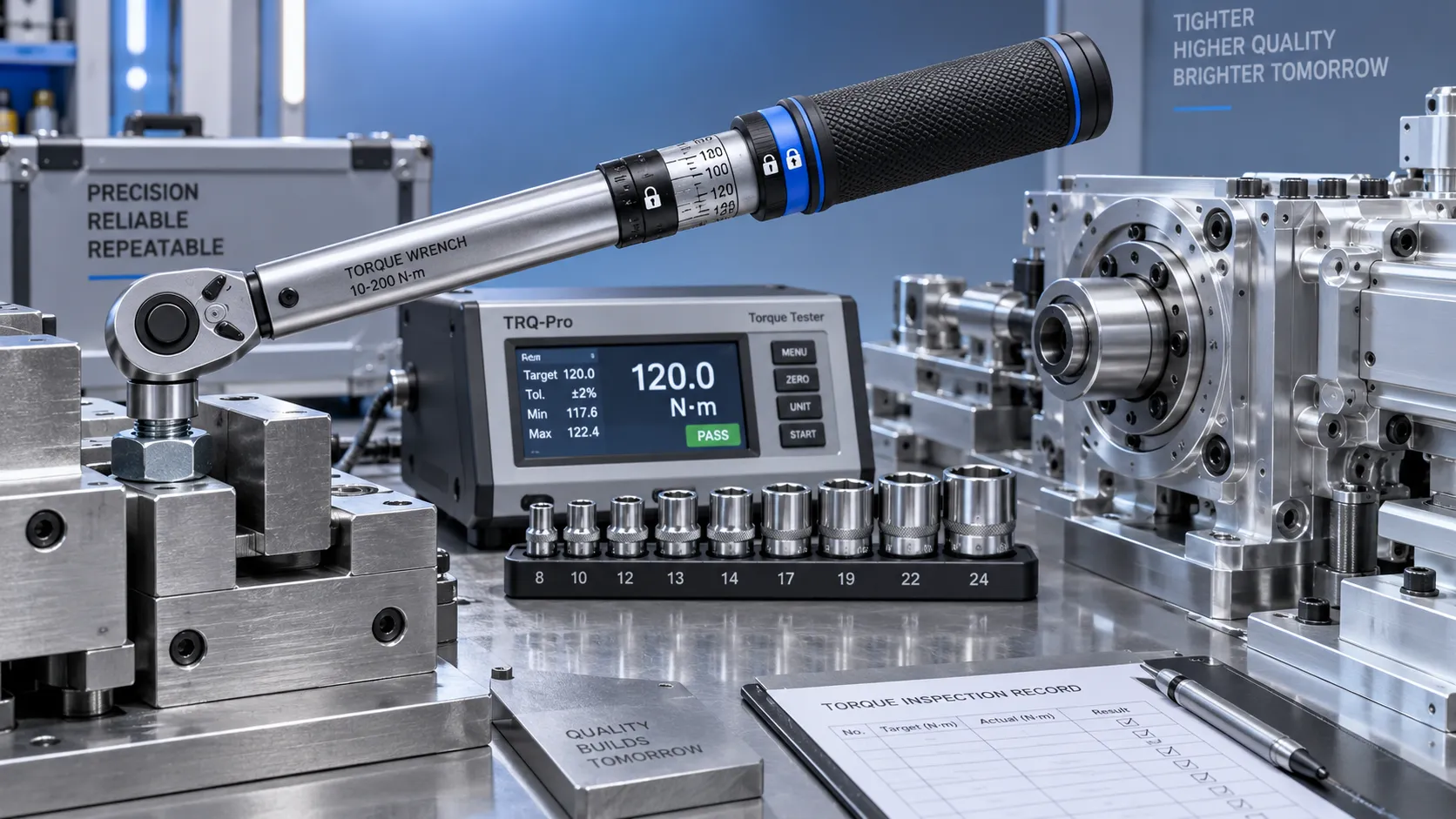
Selecting Adjustable Torque Tools for Repeatable Fastener Assembly
Adjustable torque tools: learn how to match range, accuracy, control methods, calibration, and ergonomics for repeatable, reliable fastener assembly.

How to Select Aerospace Inspection Tools for Aircraft Maintenance Tasks
Aerospace maintenance inspection tools: learn how to select reliable, traceable equipment for aircraft access, accuracy, calibration, and compliant maintenance decisions.

How to Select Wire Bonding Tools for Fine-Pitch Semiconductor Packaging
Explore semiconductor manufacturing tools for wire bonding and learn how to select precision solutions for fine-pitch packaging, reliable loops, accuracy, and yield.
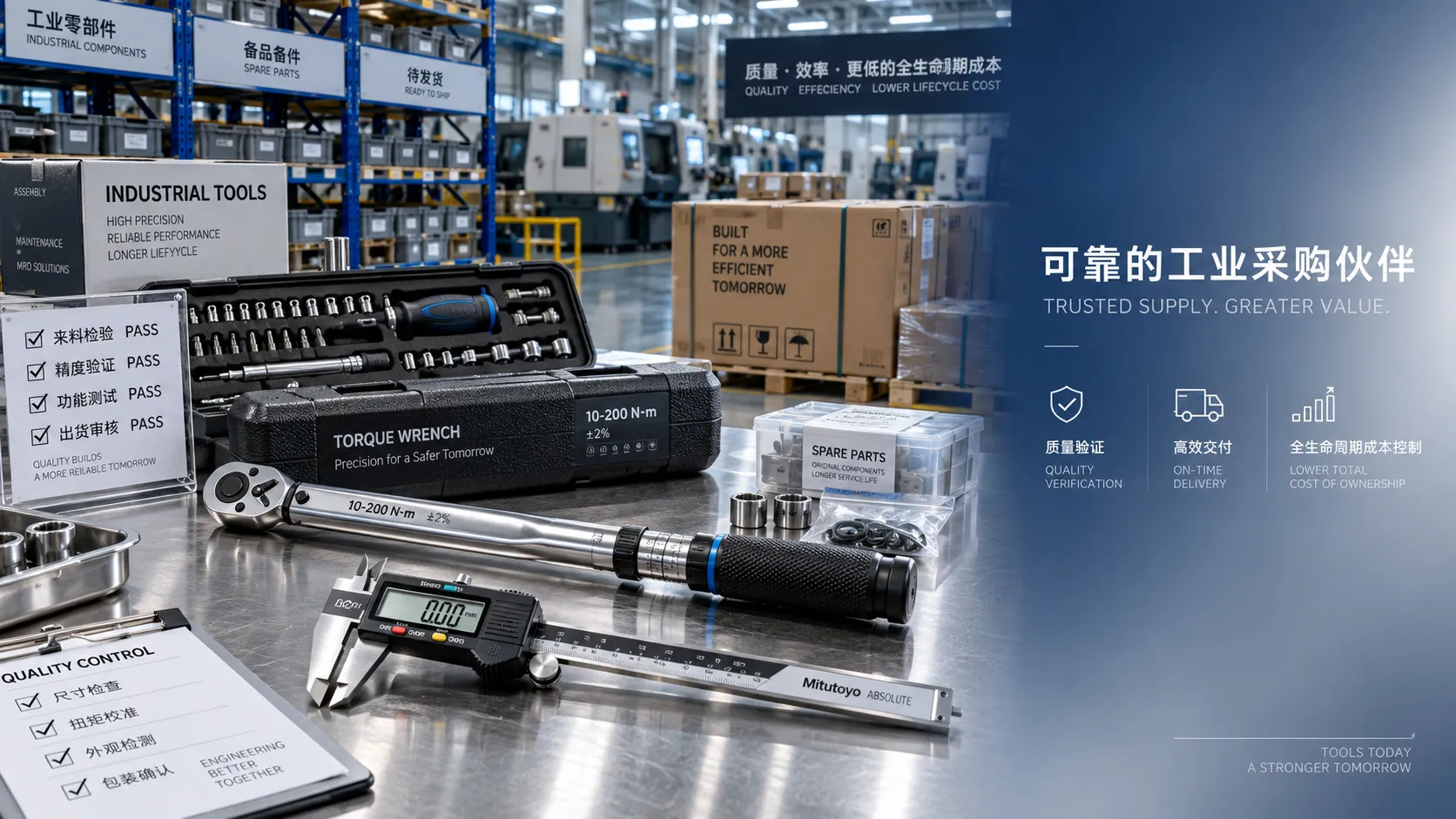
How to Compare Industrial Tool Suppliers for Quality, Lead Time, and Total Cost
Industrial tool selection supplier comparison made simple: evaluate quality, lead times, total cost, service, and supply resilience for confident sourcing decisions.
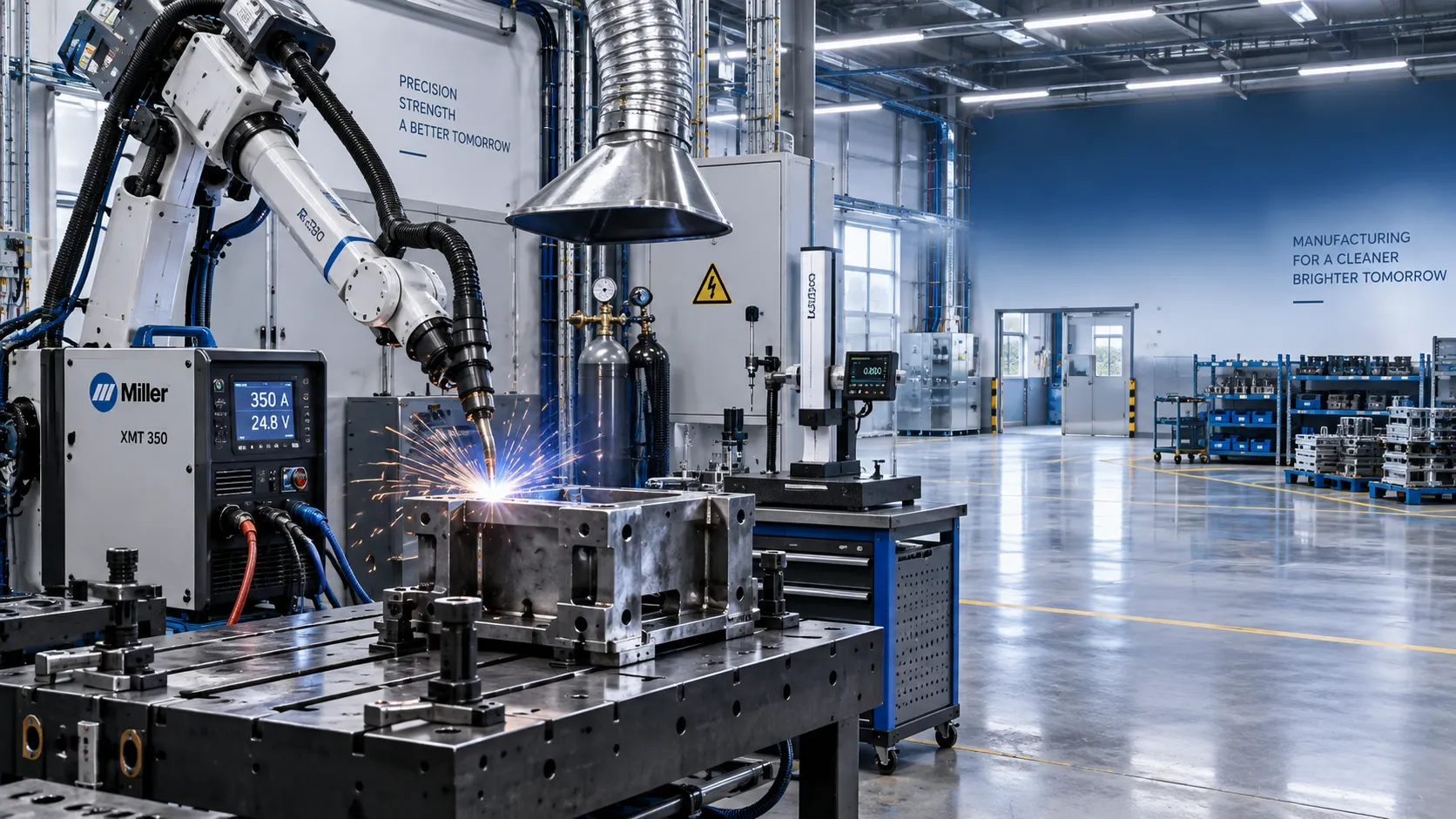
Industrial Equipment Application Guidance: Match Machines to Operating Conditions
Application guidance industrial equipment: match capacity, duty cycle, materials, site conditions, safety, and lifecycle cost to improve reliable output. Read the guide.
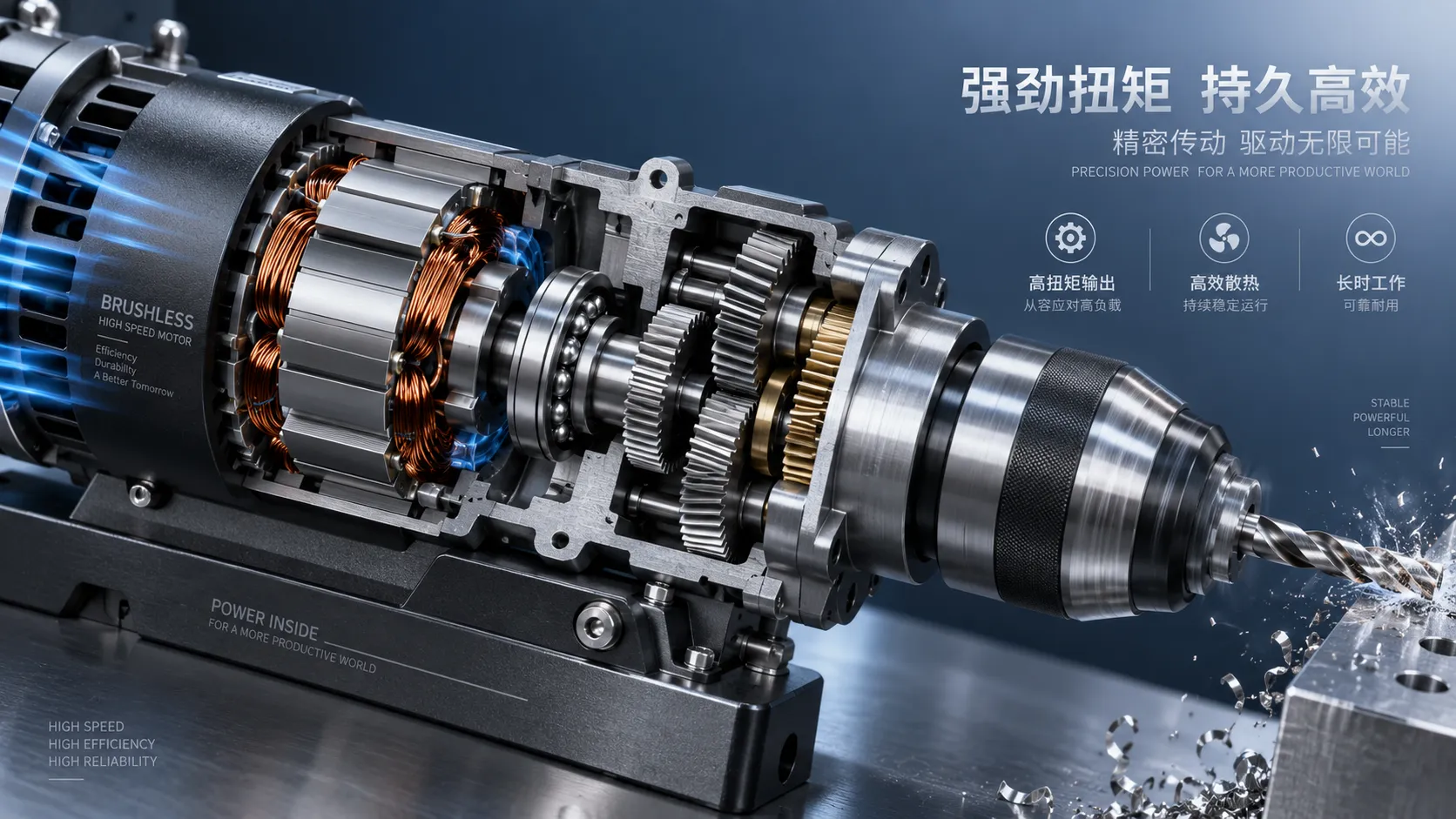
Selecting High-Speed Brushless Tool Motors for Torque, Heat, and Duty Cycle
High speed brushless tool motors: learn how to balance torque, heat, gearing, and duty cycle for reliable industrial tool performance and longer service life.
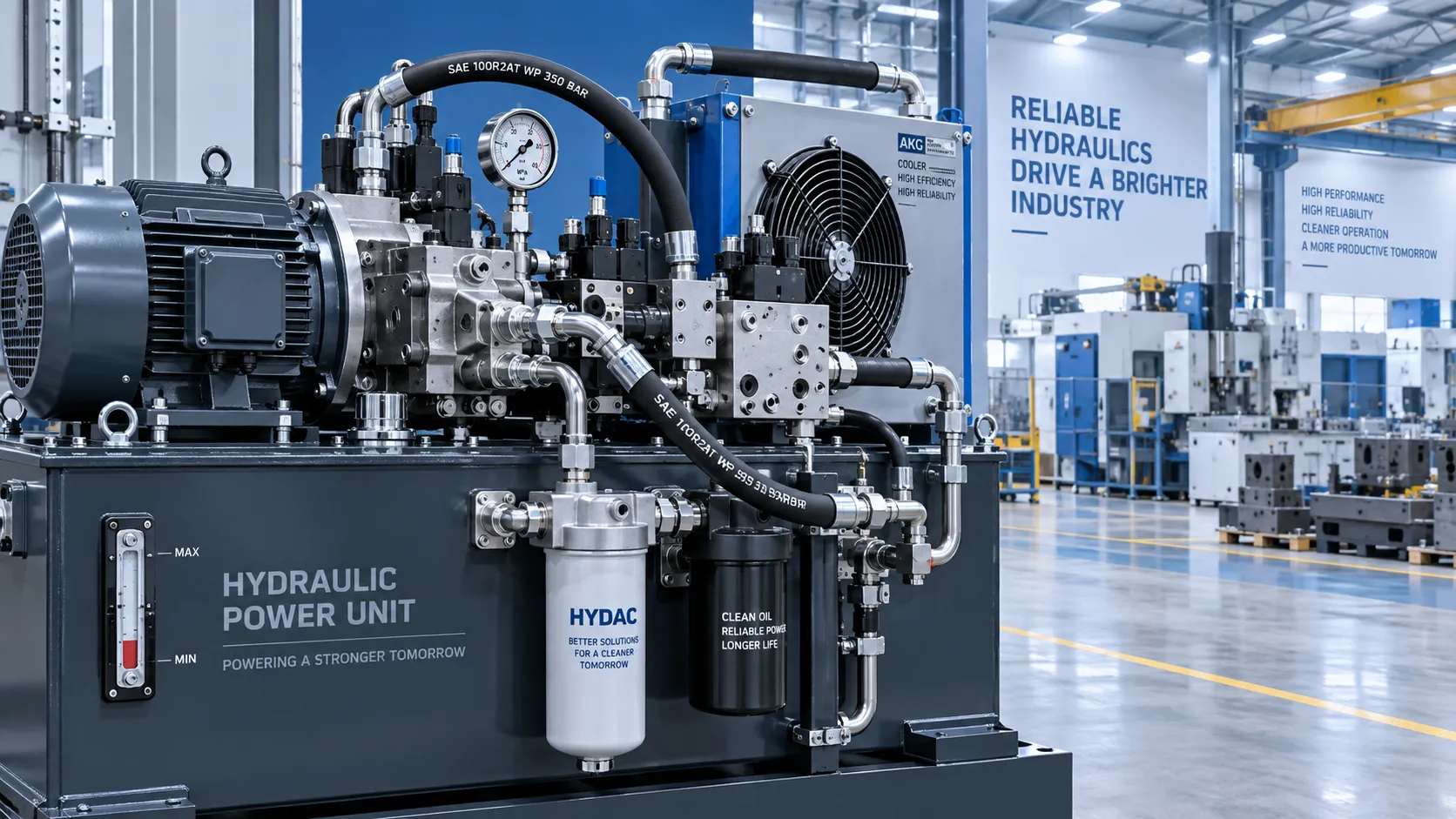
What Determines Industrial Hydraulic System Price for Heavy-Duty Equipment?
Industrial hydraulic system price depends on duty cycle, pressure, components, cooling, and integration. Compare quotes intelligently to secure reliable heavy-duty performance.

Welding Fume Extraction PPE: When Respirators Are Not Enough for Shop Safety
Welding fume extraction PPE: learn why respirators alone fall short and how source capture, ventilation, and layered controls improve shop safety.
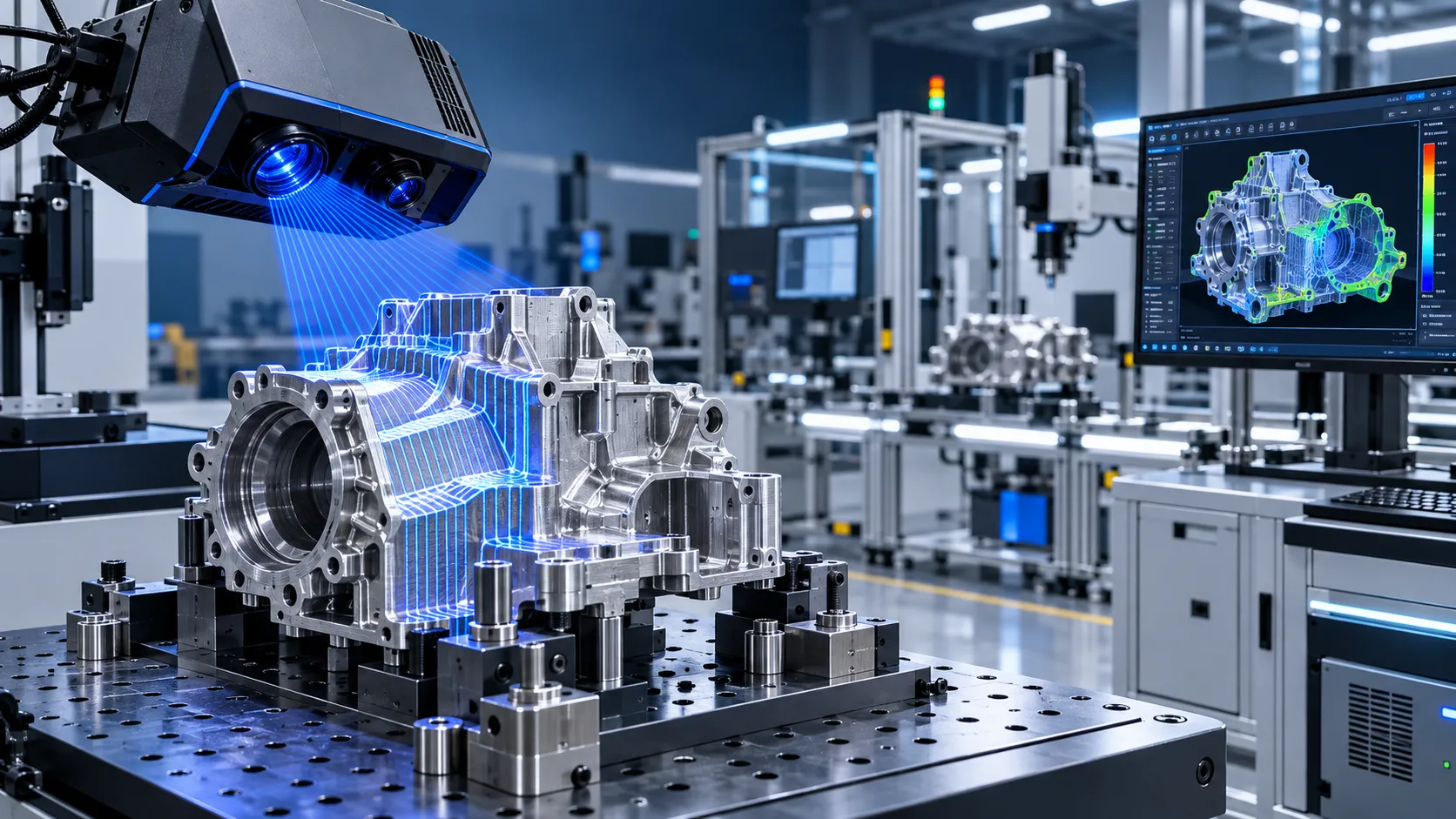
How to Select Optical Metrology Solutions for Tight-Tolerance Manufacturing
Optical industrial metrology solutions for tight-tolerance manufacturing: evaluate accuracy, surface compatibility, workflow, and traceability to select with confidence.
Related News
- 00
0000-00
Selecting Adjustable Torque Tools for Repeatable Fastener Assembly - 00
0000-00
How to Select Aerospace Inspection Tools for Aircraft Maintenance Tasks - 00
0000-00
How to Select Wire Bonding Tools for Fine-Pitch Semiconductor Packaging - 00
0000-00
Industrial Equipment Application Guidance: Match Machines to Operating Conditions - 00
0000-00
Selecting High-Speed Brushless Tool Motors for Torque, Heat, and Duty Cycle
Prof. Marcus Chen
Weekly Insights
Stay ahead with our curated technology reports delivered every Monday.