
Precision Instruments Giving Unstable Readings? 7 Causes to Check Before Recalibration





Precision instruments rarely fail in the same way twice
When precision instruments begin drifting, the instinct is often to schedule recalibration immediately. In real service work, that is not always the smartest first move.
Unstable readings can come from the environment, the operator, the fixture, the power source, or the instrument itself. The same symptom may point to very different causes.
That distinction matters across industrial assembly, welding support, construction verification, automotive repair, and aerospace maintenance. Each setting puts different stress on precision instruments.
At GPTWM, field intelligence often shows a practical pattern. Teams lose time when they treat all measurement instability as a calibration problem, even when the root issue is operational.
Before shipping a gauge, caliper, torque tester, digital indicator, or metrology device for recalibration, it is worth checking seven common causes that change measurement behavior first.
Why one workshop sees drift and another does not
Precision instruments behave differently because their surroundings are different. A climate-controlled inspection room does not challenge equipment the way a mobile repair bay or welding line does.
In construction maintenance, rapid movement between indoor and outdoor zones often creates thermal shock. In aerospace work, cleanliness and traceability matter more than speed alone.
Automotive service adds vibration, repeated handling, and mixed part temperatures. Fabrication sites often introduce metal dust, oil mist, and magnetic debris that affect precision instruments quietly.
The better judgment is to read the scene before reading the device. That usually reveals whether instability is random, cyclical, or linked to a certain workflow step.
Start with temperature before touching the calibration record
Temperature shift is one of the most overlooked causes of unstable readings. Precision instruments respond to expansion, contraction, and sensor drift far faster than many operators expect.
This becomes obvious when tools move from storage, transport vehicles, or air-conditioned rooms into hot production areas. The instrument may be stable later, but unstable during the transition period.
A similar problem appears when the measured part is much warmer than the instrument. The reading variation then reflects temperature mismatch rather than true dimensional change.
A simple hold period often prevents unnecessary recalibration. Let both instrument and workpiece reach working temperature before checking repeatability, especially for tight-tolerance applications.
In high-contact work, wear builds up before failure becomes visible
Mechanical wear rarely announces itself clearly. Jaws, spindles, hinges, contact points, and guide surfaces can degrade slowly while still looking serviceable.
In assembly lines and repair stations, repeated opening, closing, clamping, and repositioning create play. That play appears as inconsistent zero return or changing pressure during the same measurement task.
For precision instruments used near welding fixtures or heavy tooling, impact damage may be small but still enough to shift alignment. The reading looks unstable, yet the deeper issue is worn geometry.
A quick check of backlash, contact smoothness, and zero repeatability often gives more insight than reviewing old certificates. Recalibration cannot fully compensate for worn mechanical surfaces.
Contamination is common where metal, coolant, and dust share the same bench
Many unstable readings are contamination problems in disguise. Fine particles, oil film, dried coolant, and grinding residue can change contact conditions by small but meaningful amounts.
This is especially common in mixed-use areas where precision instruments sit near fabrication, cutting, deburring, or weld preparation. The instrument is not broken, but its measuring surface is no longer clean.
Digital devices are not exempt. Contamination around buttons, sliders, probes, or connectors may create intermittent response that looks like electronic instability.
The practical test is simple: clean the instrument, clean the part, repeat the same measurement, and compare the spread. If stability returns, recalibration was never the primary issue.
Handling differences matter more than many teams admit
Two people can use the same precision instruments and produce different results. That does not always mean one is wrong; it often means the method is not controlled tightly enough.
Hand pressure, measuring angle, support position, contact speed, and surface approach all affect repeatability. Portable measurement tools are especially sensitive to this.
In field maintenance, unstable readings often appear only during hurried checks. The instrument passes bench verification later, which creates the false impression of intermittent technical failure.
Where repeatability is critical, the better approach is to standardize measurement sequence, force, and fixturing. Precision instruments perform better when the method is repeatable, not merely when the tool is accurate.
Power and signal issues are easy to miss in digital precision instruments
Digital precision instruments can drift because of unstable power, low battery voltage, loose connectors, or signal noise. These faults often create erratic values that mimic calibration drift.
Portable devices used around motors, welders, chargers, and variable-frequency drives face a harsher electrical environment. In those areas, signal integrity matters as much as mechanical condition.
An instrument that works well on a clean bench but fluctuates near operating equipment is giving a useful clue. The root issue may be interference, grounding, or unstable external power.
Before escalating, replace the battery, inspect cables, isolate the device from high-noise equipment, and repeat the check. That sequence solves more field cases than expected.
Fixtures, workpieces, and reference standards can be the hidden variable
Sometimes the instrument is stable, but the setup is not. Loose fixtures, shifting workpieces, worn reference blocks, or poorly supported parts can all produce unstable readings.
This is common in long or thin components, where deflection changes with support points. It also appears in repair environments using older masters or mixed reference sets.
For precision instruments checking welded assemblies, residual heat and distortion can add another layer. The number on the display moves because the part is still moving.
A reliable diagnosis needs the instrument, the part, and the reference standard to be checked together. Looking at only one of them often leads to the wrong conclusion.
Some environments overload precision instruments long before their service interval
Scheduled calibration intervals assume a certain usage pattern. Real industrial conditions are rarely that tidy. High shock, heavy cycling, contamination, and transport can accelerate drift between intervals.
That is why the same model of precision instruments may stay stable for months in one site and become unreliable quickly in another. Usage severity changes the maintenance logic.
GPTWM often tracks this kind of last-mile gap across global maintenance settings. The lesson is practical: service intervals should follow exposure conditions, not paperwork habits alone.
Where the judgment points usually differ
What gets misread before recalibration is approved
A common mistake is to trust the symptom more than the context. An unstable number does not automatically mean the calibration state has changed.
- Assuming similar work areas create identical demands on precision instruments.
- Checking certificate dates while ignoring battery condition or contamination.
- Using a reference block that has not been verified recently.
- Comparing readings taken at different temperatures without noting the difference.
- Treating operator variability as instrument failure.
These errors raise service cost and downtime because instruments are removed from use before the real cause has been tested properly.
A better next step is a short diagnostic routine
Before sending precision instruments for recalibration, run a short structured check in the actual use environment. That is usually faster than debating the cause abstractly.
- Stabilize temperature for both the instrument and the part.
- Clean contact surfaces, guides, probes, and connectors.
- Check zero return, repeatability, and visible mechanical play.
- Verify battery, cable condition, and nearby electrical interference.
- Recheck with a trusted reference standard and a controlled method.
- Document whether instability follows location, operator, or part type.
If the variation remains after those checks, recalibration becomes a stronger and more defensible decision. If it disappears, the site has identified a correctable field condition.
For organizations managing mixed industrial environments, the most useful habit is to build a simple scene-based verification standard. That makes future instability easier to classify, compare, and resolve.
Related News
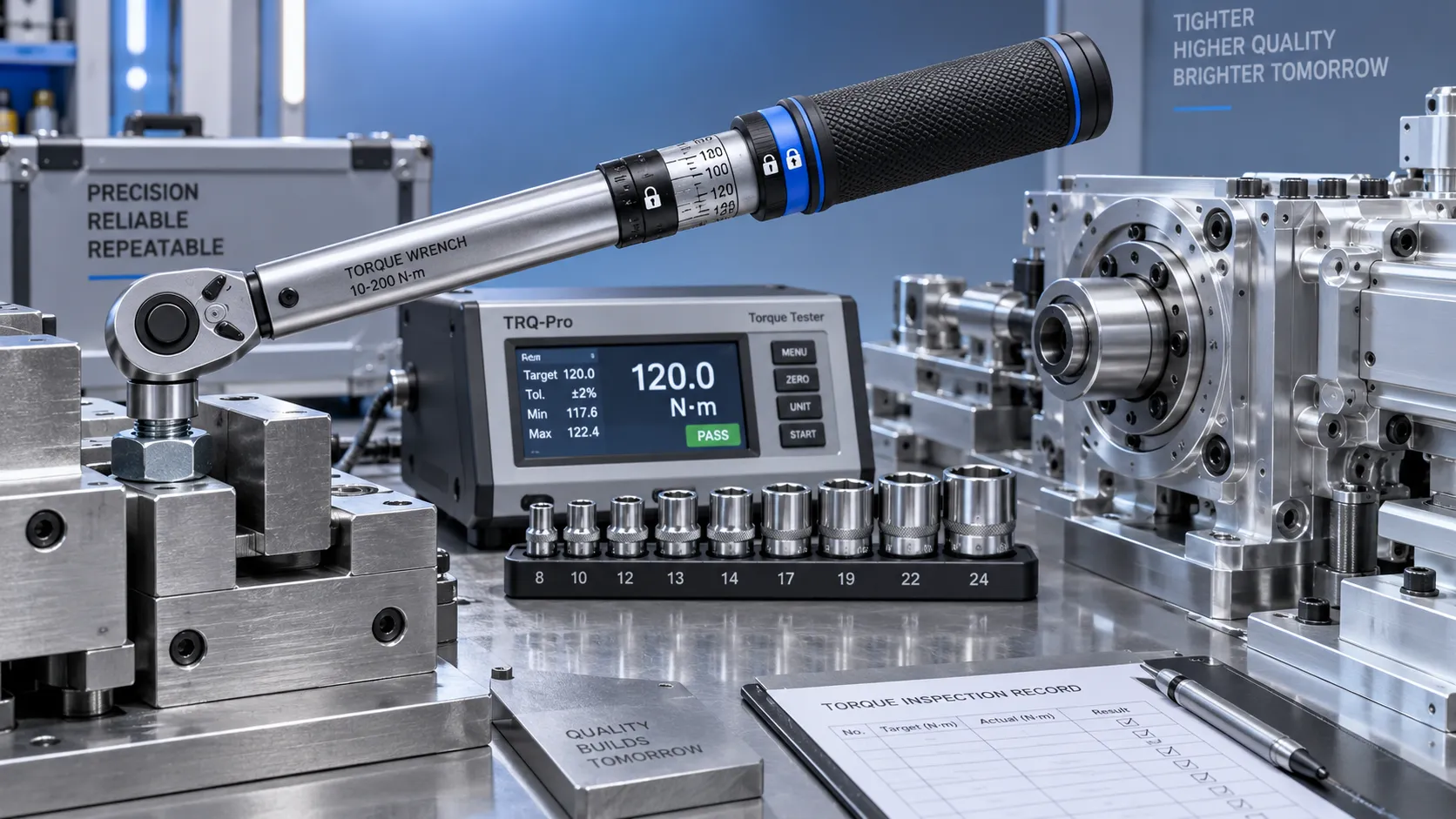
Selecting Adjustable Torque Tools for Repeatable Fastener Assembly
Adjustable torque tools: learn how to match range, accuracy, control methods, calibration, and ergonomics for repeatable, reliable fastener assembly.

How to Select Aerospace Inspection Tools for Aircraft Maintenance Tasks
Aerospace maintenance inspection tools: learn how to select reliable, traceable equipment for aircraft access, accuracy, calibration, and compliant maintenance decisions.
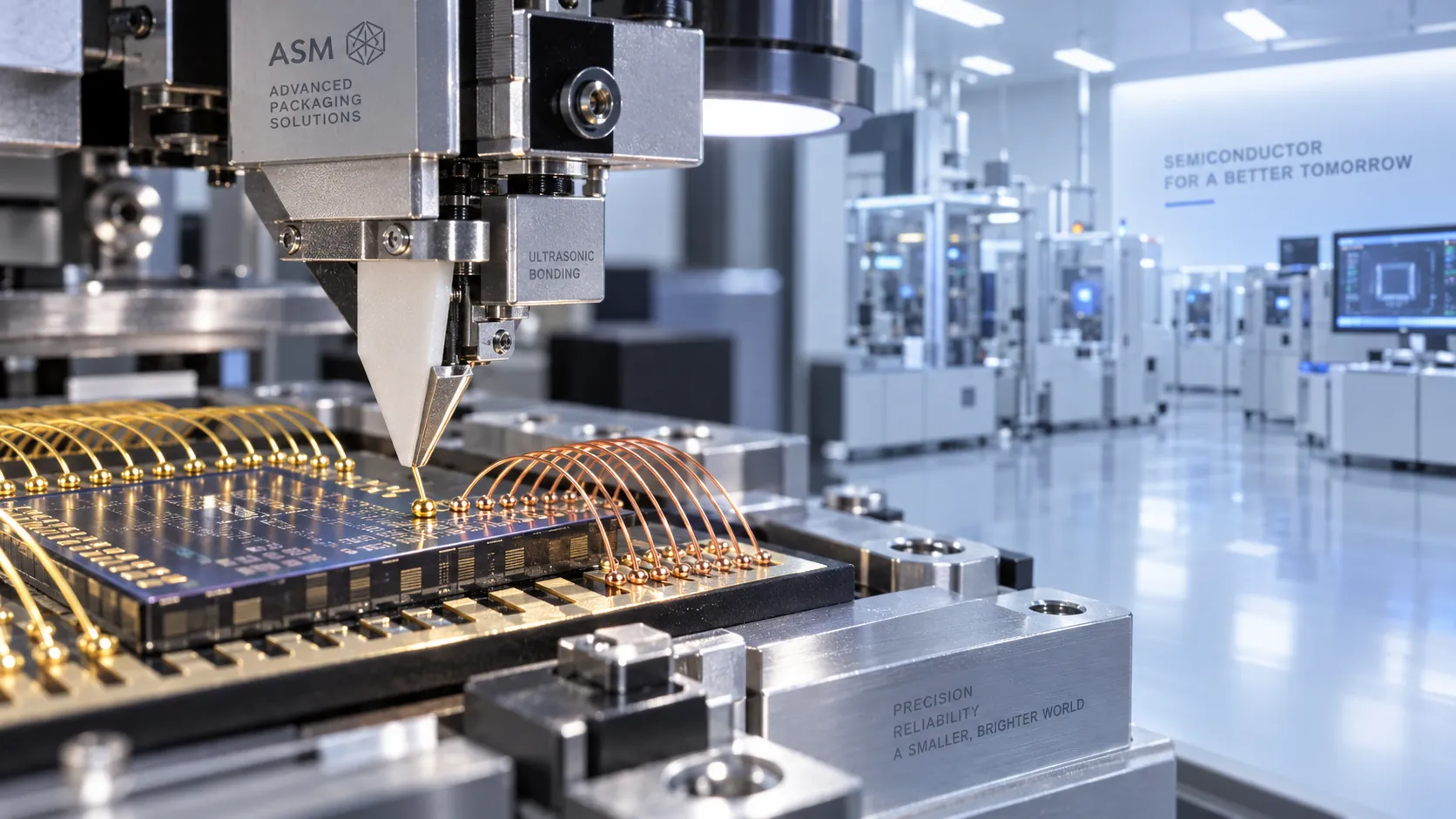
How to Select Wire Bonding Tools for Fine-Pitch Semiconductor Packaging
Explore semiconductor manufacturing tools for wire bonding and learn how to select precision solutions for fine-pitch packaging, reliable loops, accuracy, and yield.
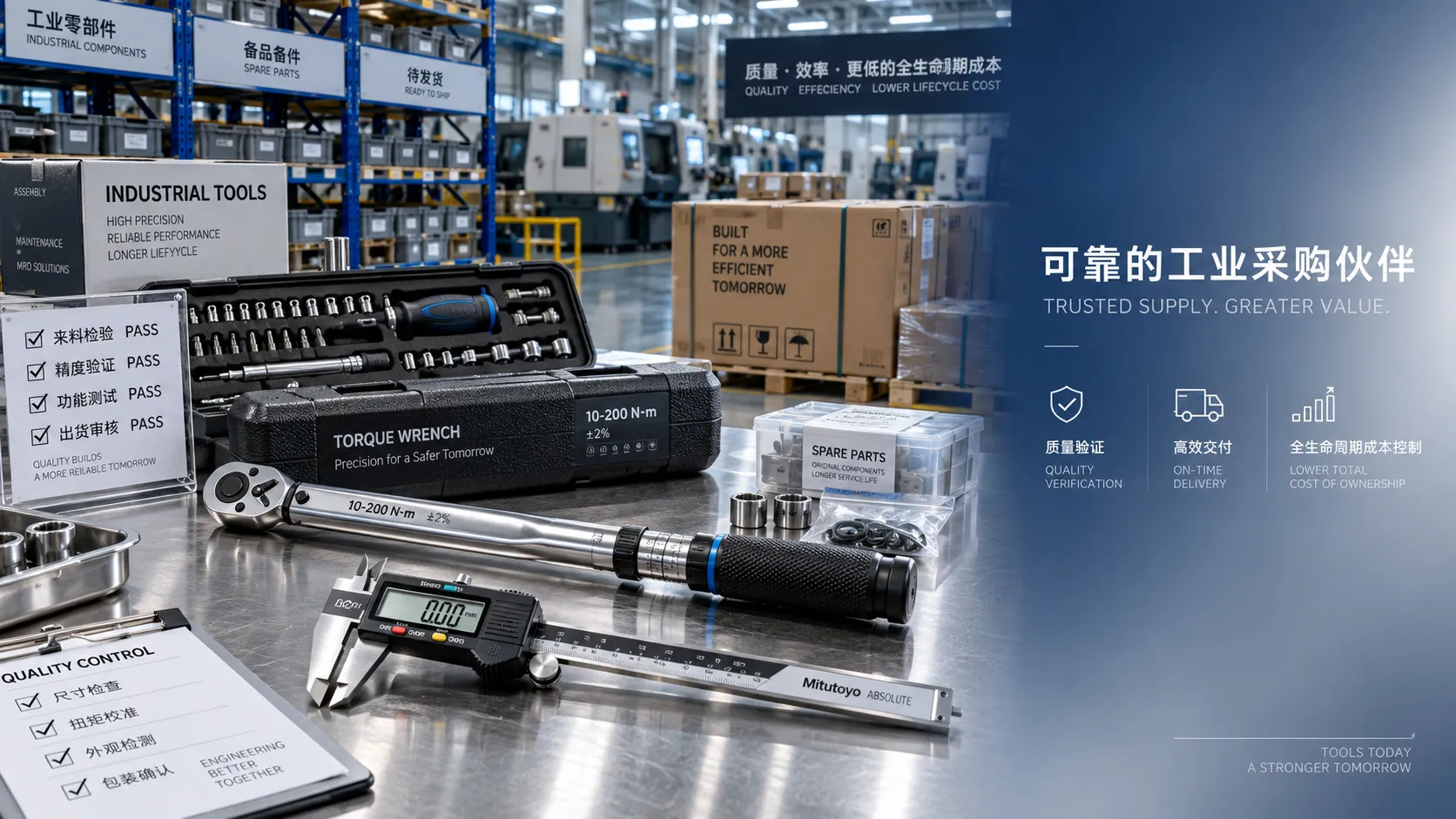
How to Compare Industrial Tool Suppliers for Quality, Lead Time, and Total Cost
Industrial tool selection supplier comparison made simple: evaluate quality, lead times, total cost, service, and supply resilience for confident sourcing decisions.
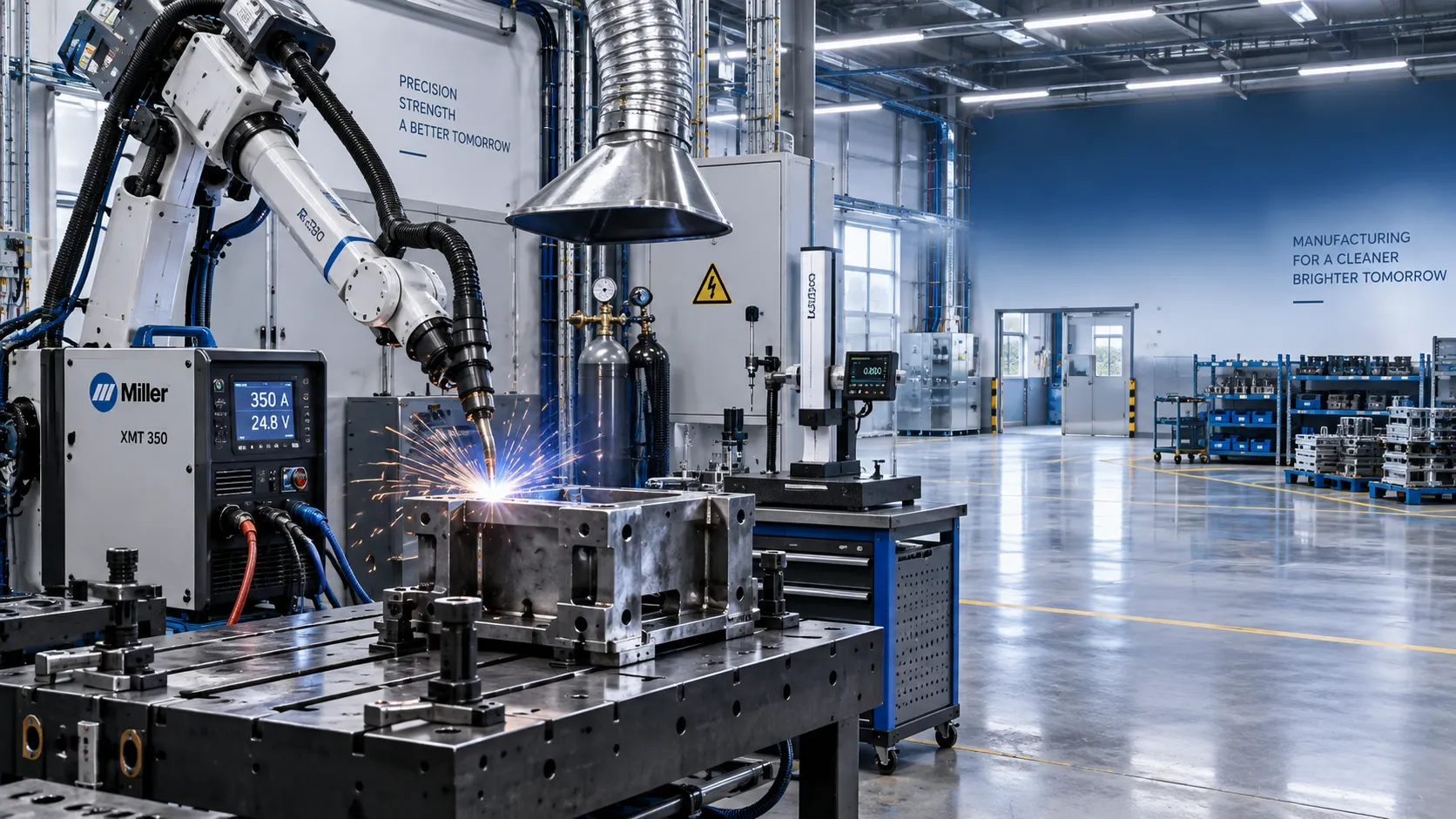
Industrial Equipment Application Guidance: Match Machines to Operating Conditions
Application guidance industrial equipment: match capacity, duty cycle, materials, site conditions, safety, and lifecycle cost to improve reliable output. Read the guide.
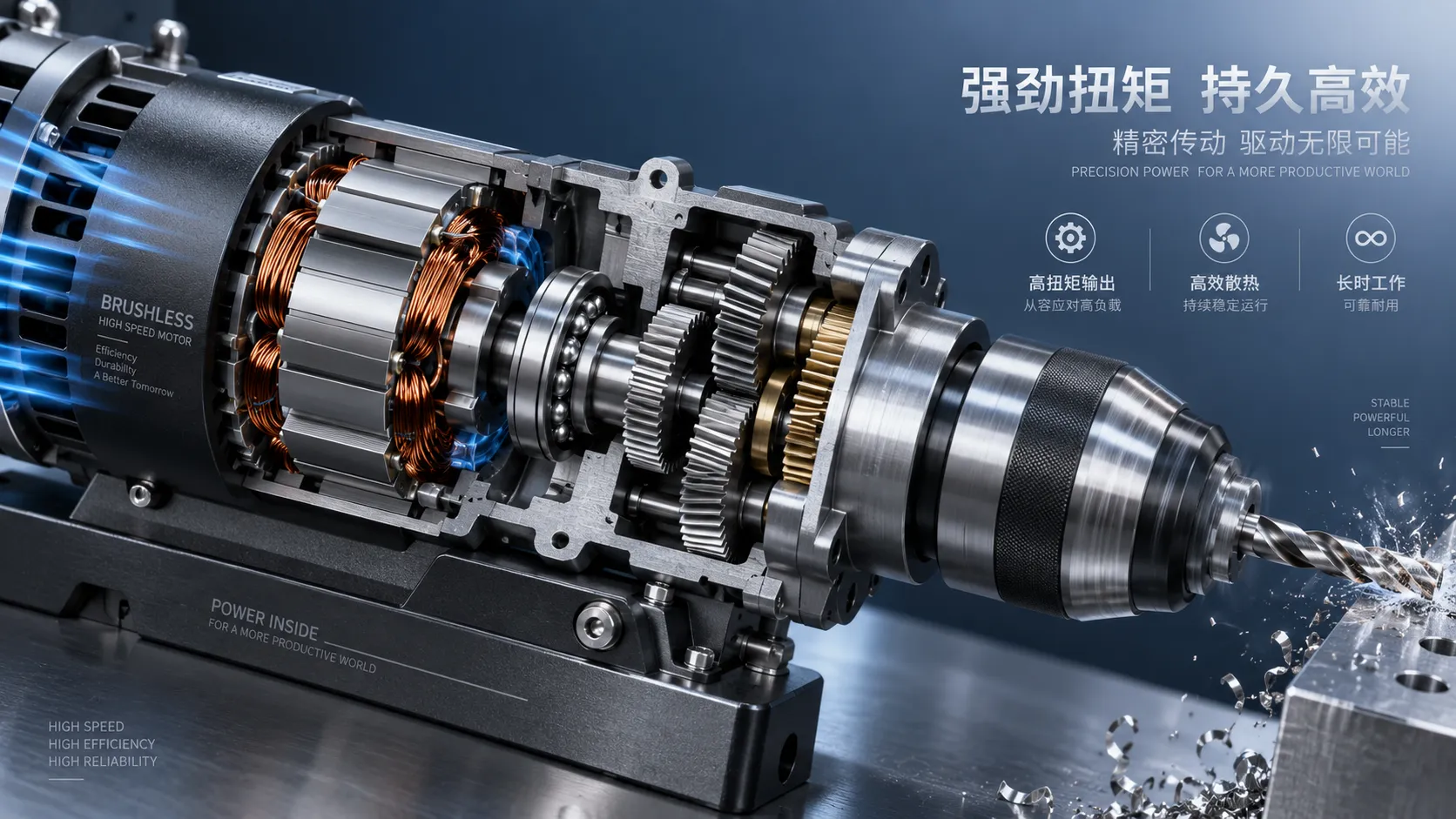
Selecting High-Speed Brushless Tool Motors for Torque, Heat, and Duty Cycle
High speed brushless tool motors: learn how to balance torque, heat, gearing, and duty cycle for reliable industrial tool performance and longer service life.
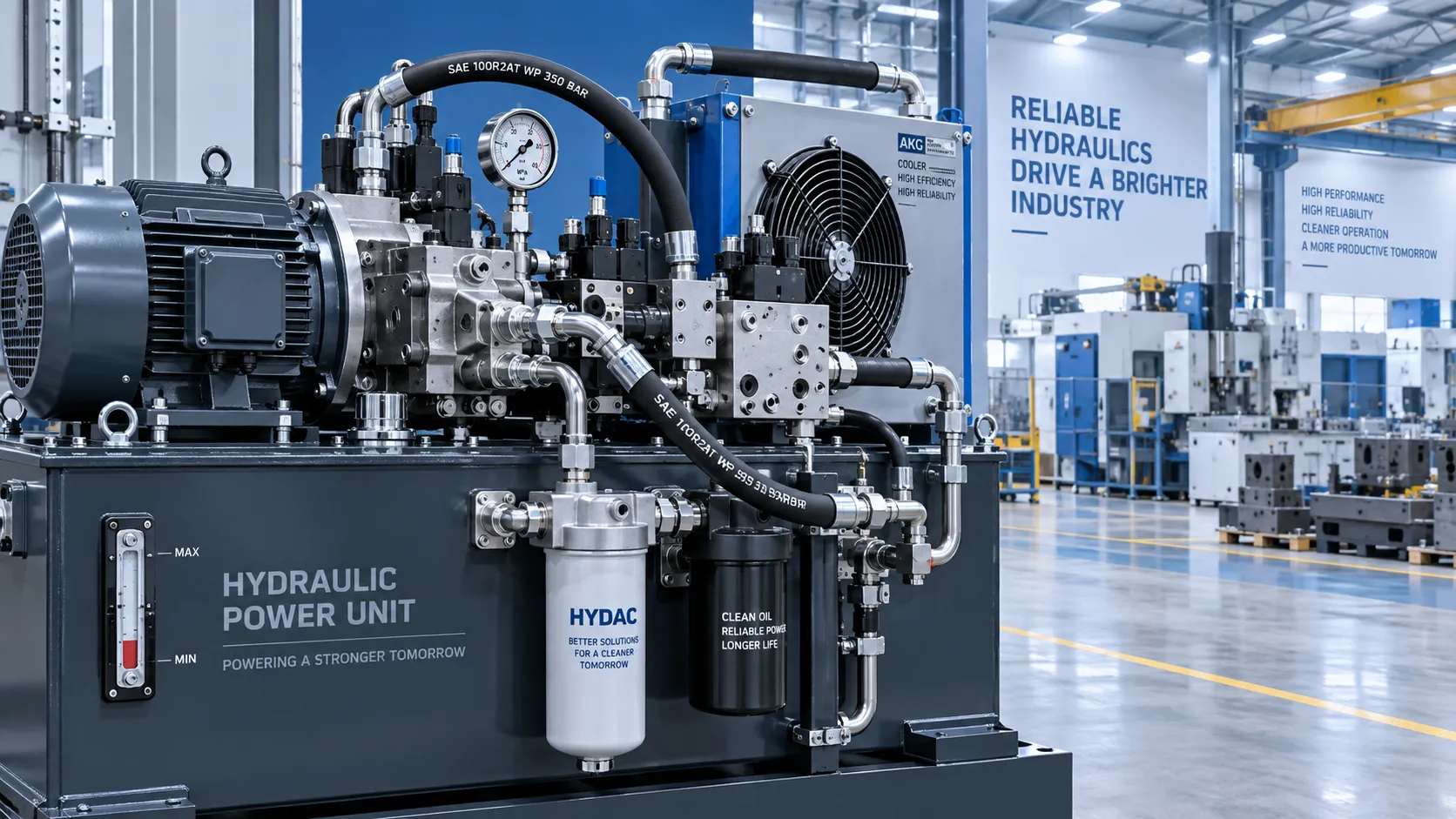
What Determines Industrial Hydraulic System Price for Heavy-Duty Equipment?
Industrial hydraulic system price depends on duty cycle, pressure, components, cooling, and integration. Compare quotes intelligently to secure reliable heavy-duty performance.
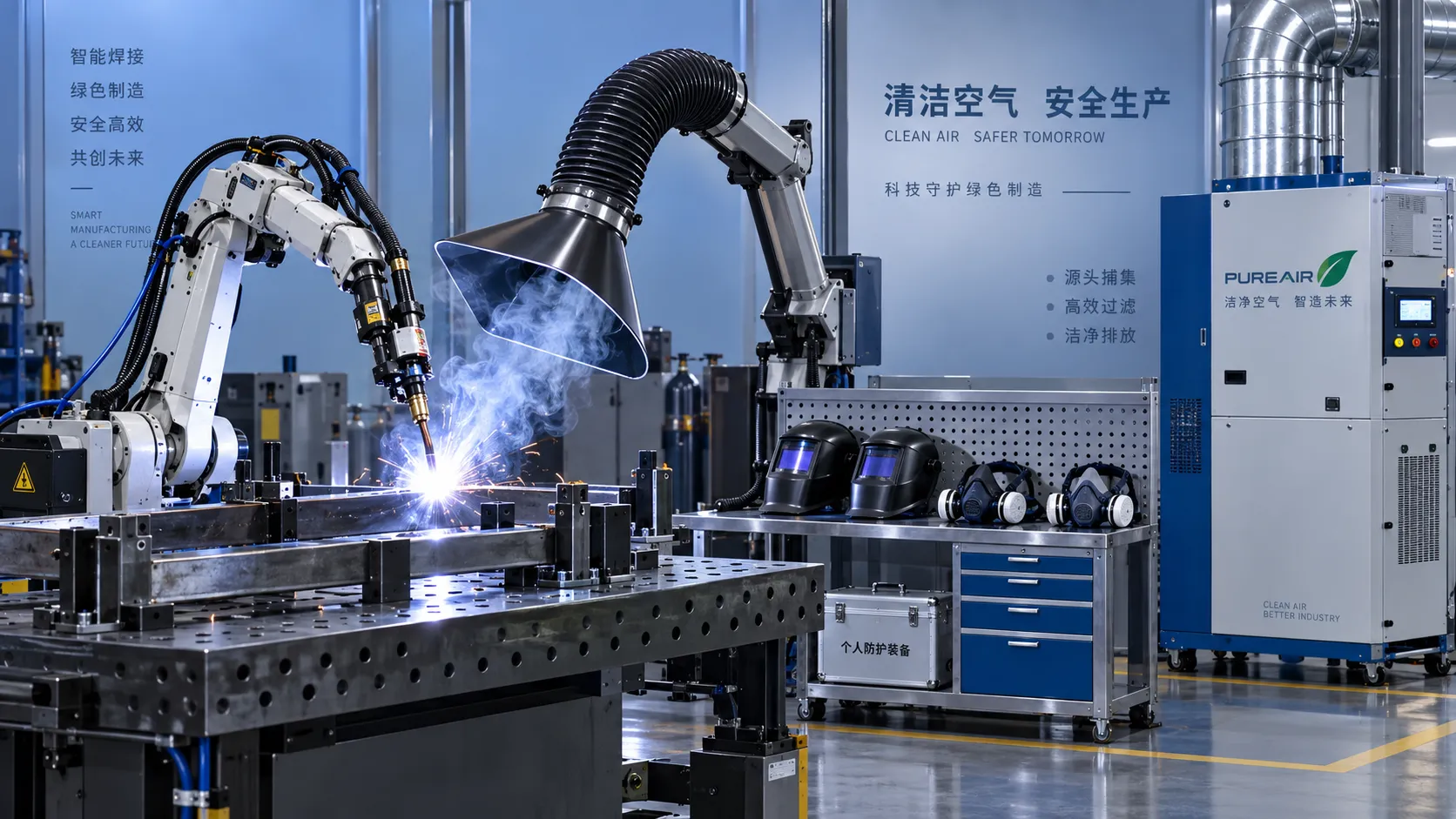
Welding Fume Extraction PPE: When Respirators Are Not Enough for Shop Safety
Welding fume extraction PPE: learn why respirators alone fall short and how source capture, ventilation, and layered controls improve shop safety.

How to Select Optical Metrology Solutions for Tight-Tolerance Manufacturing
Optical industrial metrology solutions for tight-tolerance manufacturing: evaluate accuracy, surface compatibility, workflow, and traceability to select with confidence.
Related News
- 00
0000-00
Selecting Adjustable Torque Tools for Repeatable Fastener Assembly - 00
0000-00
How to Select Aerospace Inspection Tools for Aircraft Maintenance Tasks - 00
0000-00
How to Select Wire Bonding Tools for Fine-Pitch Semiconductor Packaging - 00
0000-00
Industrial Equipment Application Guidance: Match Machines to Operating Conditions - 00
0000-00
Selecting High-Speed Brushless Tool Motors for Torque, Heat, and Duty Cycle
Prof. Marcus Chen
Weekly Insights
Stay ahead with our curated technology reports delivered every Monday.