
Industrial Product Comparison: How to Evaluate Suppliers for Quality, Cost, and Lead Time





When procurement teams compare industrial products, the real question is rarely “which supplier is cheapest?” It is usually: which supplier can hold quality, keep total cost under control, and still ship on time without creating hidden risk later. That is where a disciplined industrial product comparison supplier review matters. If you skip the review and only chase unit price, you often pay for it in rejects, delays, rework, or a supplier that cannot support volume when demand changes.
The right way to compare suppliers is not to treat quality, cost, and lead time as separate boxes. They interact. A lower quote may mean looser tolerances, weaker documentation, slower response, or longer recovery time if something goes wrong. A slightly higher quote can be the better buy if it reduces inspection load, stabilizes delivery, and protects uptime. Procurement decisions work best when the supplier review is built around the full sourcing picture, not a single line item.
What a useful supplier review should actually cover
Start with the basics that affect performance in the real world: process capability, consistency, and communication. A supplier can look strong on paper and still be a poor fit if they cannot repeat the same result across batches, revise drawings quickly, or explain deviations clearly. For industrial products, that matters more than polished brochures.
Quality is not just a certificate on the wall. Ask how the supplier controls incoming material, in-process checks, final inspection, and traceability. If you are buying precision tools, welding-related components, metrology equipment, or other industrial parts where fit and repeatability matter, you want evidence of how they manage variation, not just a promise that they do.
Cost also needs a wider view. Compare tooling charges, packaging, freight terms, import duties, inspection effort, warranty exposure, and the cost of failure. In many sourcing projects, the expensive part is not the purchase order; it is the disruption after the order lands. This is where a serious industrial product comparison supplier review saves money in a way a simple quote comparison never can.
Lead time should be treated as a commitment plus a recovery test. A supplier that can quote a short lead time is useful only if they can keep it under pressure. Ask what happens when material availability shifts, when a design revision comes in, or when demand spikes. A reliable supplier does not need to be perfect, but they should be able to explain how they protect schedule when conditions change.
How procurement teams should compare suppliers
The most practical method is to score suppliers against the same set of questions. Keep the scoring simple enough to use, but strict enough to expose weak spots. For example: can they meet the required specification consistently, are their commercial terms transparent, how stable is their delivery history, and how fast do they respond when you ask for technical clarification?
Do not let a good sales conversation stand in for a strong supplier review. Many buyers get comfortable because the sample looked good and the first price was attractive. Then the second order slips, the documents are incomplete, or the production batch behaves differently from the sample. Procurement should always check whether the supplier can scale the same result, not just sell one successful order.
This is also where GPTWM’s kind of industrial intelligence can be useful in practice. A portal focused on assembly, metal joining, and precision metrology helps buyers connect product decisions with broader market signals: raw material movement, export standard changes, safety requirements, and tool-performance trends. That sort of context is useful when you are deciding whether a supplier issue is temporary noise or a real structural risk. It should support judgment, not replace it.
If your sourcing category includes high-precision measuring instruments, hydraulic equipment, or advanced tools used in automotive, aerospace, or maintenance work, the supplier review should go deeper than price and lead time alone. Technical documentation, calibration discipline, after-sales support, and responsiveness to specification changes often separate a workable supplier from a costly one.
Common mistakes that distort industrial product comparison
One common mistake is overvaluing the sample. A sample proves that the supplier can make one acceptable unit under controlled conditions. It does not prove batch stability, repeatability, or production discipline. Another mistake is ignoring communication quality. If a supplier struggles to answer basic questions before the order, that usually gets worse after the order is placed.
Buyers also underestimate the cost of unclear responsibility. If a defect shows up, who pays for return freight, replacement, downtime, or line stoppage? If lead time slips, what is the recovery path? These are not side issues. They are part of the real sourcing cost.
There is also a tendency to compare suppliers only within the category and forget the business goal. A component used in a critical assembly line needs a different level of scrutiny than a non-critical consumable. That sounds obvious, but in practice many teams use the same review method everywhere and miss the differences that matter most.
A simple way to decide without overcomplicating it
If you need a practical shortcut, use this rule: choose the supplier that gives you the best total outcome, not the lowest quoted price. The best outcome usually comes from a supplier that can prove stable quality, give transparent cost structure, and hold delivery dates with minimal supervision. If two suppliers look close, favor the one that reduces internal workload and risk.
That is the part procurement teams sometimes forget. A good supplier is not only one that ships parts. It is one that lets your team spend less time chasing exceptions. When the review is done well, industrial product comparison becomes a business decision, not a guessing game.
For buyers working in industrial assembly, metal joining, or precision measurement, the same principle applies: combine commercial terms with technical evidence and delivery discipline. That is the most reliable way to run an industrial product comparison supplier review and avoid buying problems disguised as savings.
FAQ
Should I choose the supplier with the lowest unit price?
Not by default. Lowest unit price only matters if quality, delivery, and support are stable enough that the total cost stays low.
What is the most overlooked supplier risk?
Inconsistent lead time. Many teams focus on sample quality and forget to check whether the supplier can recover when material or capacity changes.
How many suppliers should I compare?
Usually three is enough for a serious comparison. More than that can slow the decision without adding useful signal.
What documents should I ask for first?
Specification sheets, quality control records, traceability details, lead-time commitment, and commercial terms. If the answers are vague, that is useful information too.
When is a higher-priced supplier worth it?
When they reduce defect risk, shorten approval cycles, or protect uptime in a critical application. In procurement, that often creates more value than a small upfront discount.
Related News
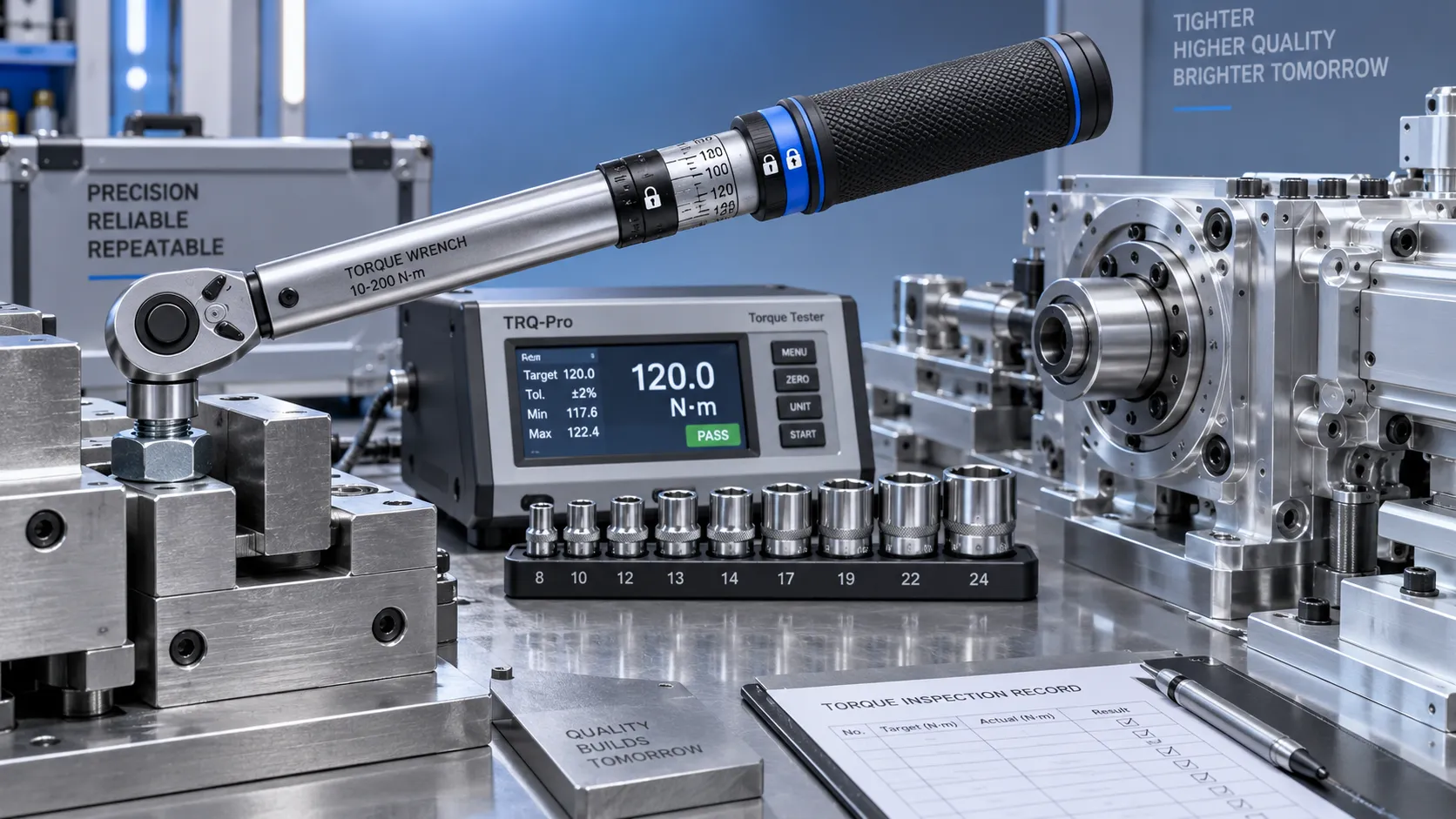
Selecting Adjustable Torque Tools for Repeatable Fastener Assembly
Adjustable torque tools: learn how to match range, accuracy, control methods, calibration, and ergonomics for repeatable, reliable fastener assembly.

How to Select Aerospace Inspection Tools for Aircraft Maintenance Tasks
Aerospace maintenance inspection tools: learn how to select reliable, traceable equipment for aircraft access, accuracy, calibration, and compliant maintenance decisions.

How to Select Wire Bonding Tools for Fine-Pitch Semiconductor Packaging
Explore semiconductor manufacturing tools for wire bonding and learn how to select precision solutions for fine-pitch packaging, reliable loops, accuracy, and yield.
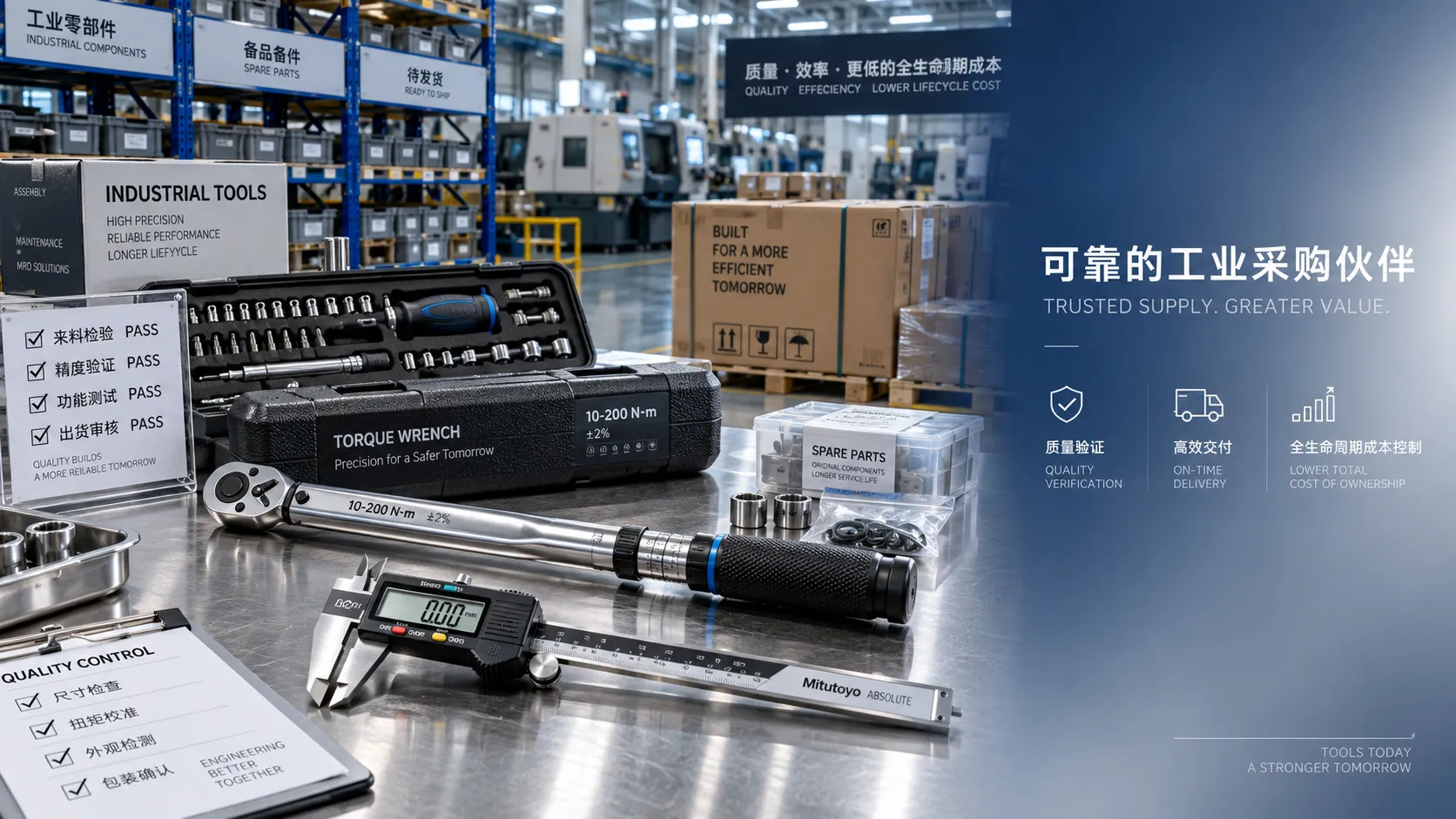
How to Compare Industrial Tool Suppliers for Quality, Lead Time, and Total Cost
Industrial tool selection supplier comparison made simple: evaluate quality, lead times, total cost, service, and supply resilience for confident sourcing decisions.

Industrial Equipment Application Guidance: Match Machines to Operating Conditions
Application guidance industrial equipment: match capacity, duty cycle, materials, site conditions, safety, and lifecycle cost to improve reliable output. Read the guide.
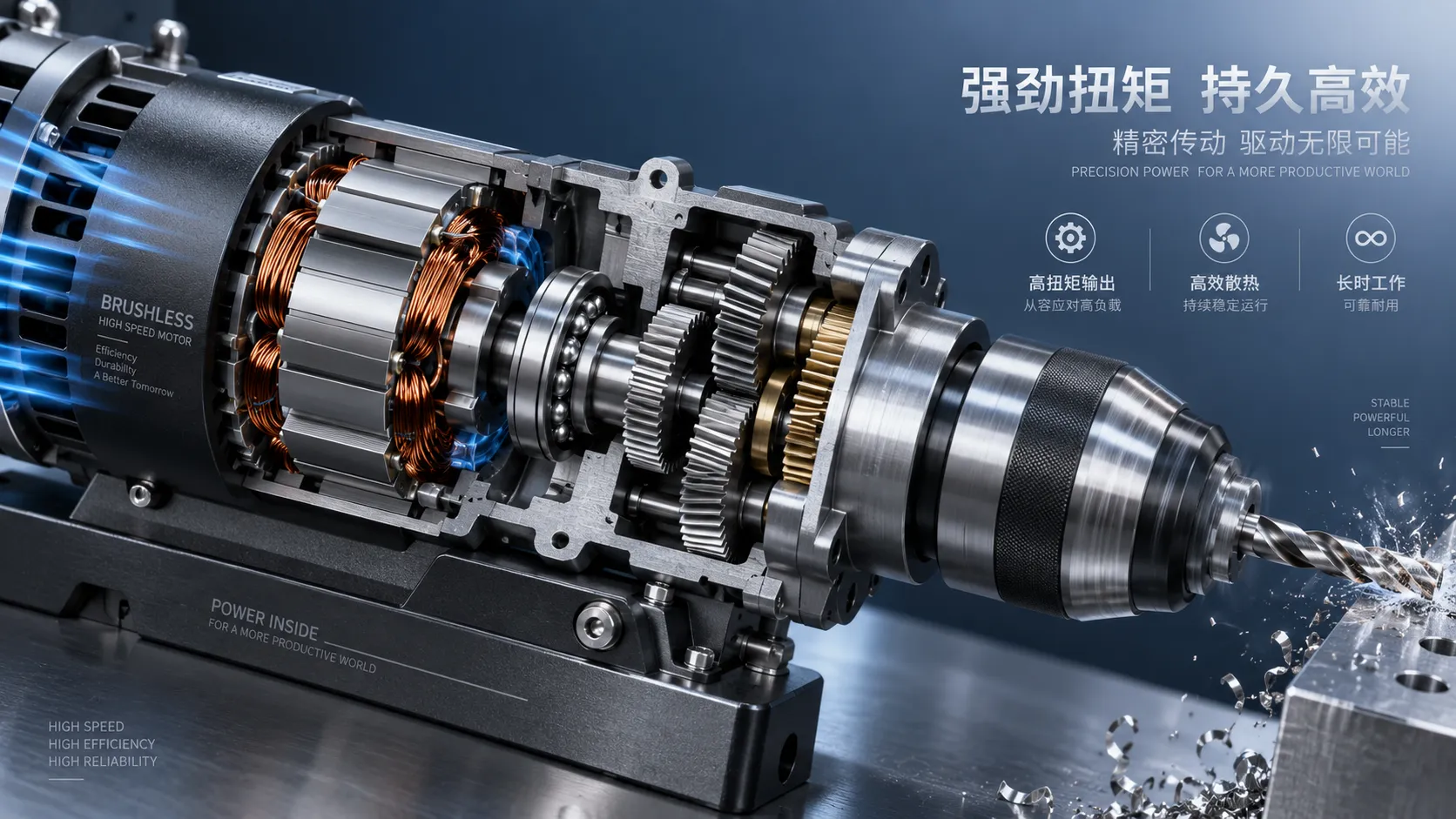
Selecting High-Speed Brushless Tool Motors for Torque, Heat, and Duty Cycle
High speed brushless tool motors: learn how to balance torque, heat, gearing, and duty cycle for reliable industrial tool performance and longer service life.
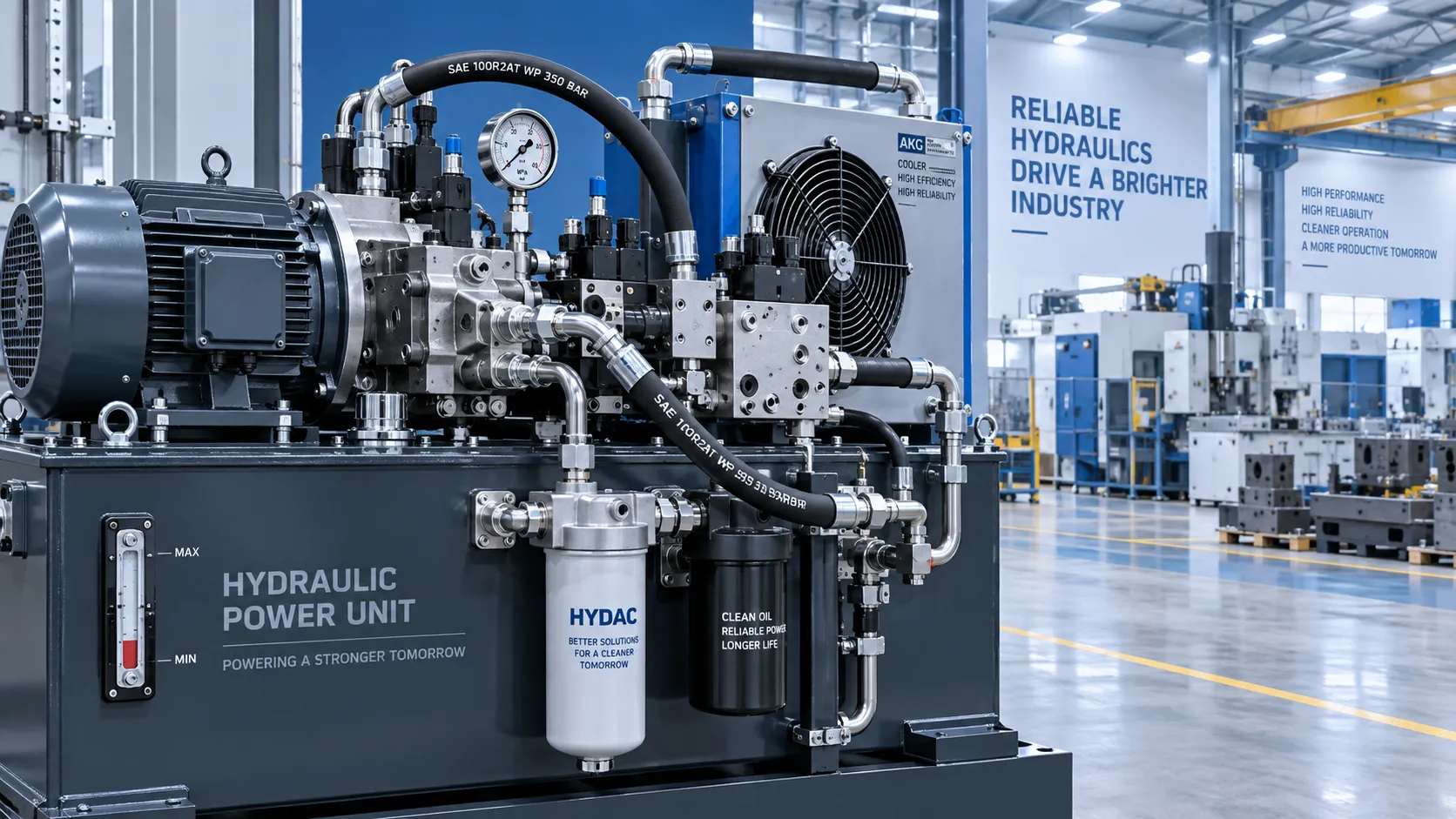
What Determines Industrial Hydraulic System Price for Heavy-Duty Equipment?
Industrial hydraulic system price depends on duty cycle, pressure, components, cooling, and integration. Compare quotes intelligently to secure reliable heavy-duty performance.

Welding Fume Extraction PPE: When Respirators Are Not Enough for Shop Safety
Welding fume extraction PPE: learn why respirators alone fall short and how source capture, ventilation, and layered controls improve shop safety.

How to Select Optical Metrology Solutions for Tight-Tolerance Manufacturing
Optical industrial metrology solutions for tight-tolerance manufacturing: evaluate accuracy, surface compatibility, workflow, and traceability to select with confidence.
Related News
- 00
0000-00
How to Compare Industrial Tool Suppliers for Quality, Lead Time, and Total Cost - 00
0000-00
How to Evaluate a Technology Integration Service Provider for Complex Projects - 00
0000-00
Product Comparison Resources in Europe: How Buyers Can Verify Specs and Suppliers - 00
0000-00
How to Evaluate an Industrial Metrology Solution Manufacturer for Production Use - 00
0000-00
How to Evaluate a Metal Joining Solutions Factory for Quality, Capacity, and Delivery Risk
Dr. Alistair Vaughn
Weekly Insights
Stay ahead with our curated technology reports delivered every Monday.