
Ergonomic Standards in Tool Design: Which Requirements Affect Safety and Compliance?





Why does ergonomic standards tool design matter beyond comfort?
In industrial work, comfort is only the visible part of the issue. Ergonomic standards tool design also affects injury rates, process stability, and whether a tool can pass internal or external compliance review.
A poorly balanced grinder, a high-force crimping tool, or a handle with the wrong diameter can change posture, increase grip effort, and reduce control. That creates more than fatigue. It can also create repeat defects.
This is why ergonomic requirements now sit closer to safety engineering than to styling. In assembly, welding, inspection, and maintenance, tool design influences exposure to vibration, contact pressure, pinch risk, and repetitive strain.
Across global manufacturing, the conversation has become sharper. Intelligence platforms such as GPTWM increasingly connect tool trends with practical risk signals, including handheld welding safety, torque control, and lightweight precision instruments.
So when people search for ergonomic standards tool design, they are usually asking a larger question: which design requirements actually affect safety and compliance in real operations?
Which ergonomic requirements usually trigger safety or compliance concerns?
The answer is rarely one rule. More often, compliance risk appears where several physical demands combine: force, repetition, awkward posture, vibration, heat, tool weight, and task duration.
In practical review, these design points deserve early attention:
- Handle geometry, including diameter, texture, contour, and slip resistance.
- Activation force for triggers, switches, levers, and locking devices.
- Tool mass, center of gravity, and one-handed versus two-handed use.
- Exposure to hand-arm vibration and shock during repeated operation.
- Required wrist deviation, reach distance, and sustained overhead use.
- Surface temperature, insulation, and contact points near hot zones.
- Glove compatibility, especially for welding, maintenance, and outdoor work.
Need to note one thing. A tool may perform perfectly in a bench test and still fail an ergonomic review if the operator must compensate with awkward body mechanics.
That is why ergonomic standards tool design often intersects with ISO, EN, OSHA guidance, vibration limits, and machine safety requirements, even when the standard name does not use the word “ergonomics.”
Which standards should be checked first when reviewing industrial tools?
There is no single universal checklist. The correct path depends on tool type, market, and exposure profile. Still, several standard families appear again and again in tool review.
A useful starting point is this comparison table.
For power tools, pneumatic tools, welding torches, torque tools, and metrology devices, the best review method is usually layered. Start with product-specific safety standards, then add ergonomic standards tool design checks around force, posture, and repeat use.
This matters even more when export restrictions or market-entry requirements shift. GPTWM often tracks these changes because they alter not only certification strategy, but also design tolerances and documentation needs.
How do grip, force, and posture translate into measurable compliance risk?
This is where ergonomic standards tool design becomes concrete. Reviewers usually look for measurable mismatch between task demand and human capability, not vague statements about user preference.
Grip risk appears when the handle is too small, too large, too smooth, or badly positioned. That forces higher muscle effort and reduces precision, especially with oily gloves or hot environments.
Force risk appears when activation pressure is high or inconsistent. Operators then compensate with shoulder tension, wrist bending, or extra contact pressure. The defect may show up later as unstable torque, uneven weld travel, or skipped inspection points.
Posture risk often hides in fixture layout. A well-designed tool can still cause strain if cable routing, access angle, or part position forces extension, ulnar deviation, or overhead reach.
A practical judgment table helps during audits and trials:
In actual application, measured values matter, but observation matters too. Video review, glove-on trials, and cycle-based evaluation often reveal issues that lab sheets miss.
Are the requirements different for welding, assembly, and precision inspection tools?
Yes, and that difference is important. The core principle stays the same, but the dominant ergonomic risk changes by process.
For welding tools, heat, glove bulk, cable drag, and visual alignment are major factors. Handheld laser welding adds another layer because control stability and safe standoff distance influence both safety and bead quality.
For assembly tools, repetition is usually the main issue. A torque driver used thousands of times per shift needs low reaction force, stable grip orientation, and trigger consistency. Here, ergonomic standards tool design strongly affects process capability.
For metrology tools, precision and posture are closely linked. A caliper, gauge, or portable measuring device may seem low risk, yet poor finger support or screen placement can reduce reading accuracy over long use periods.
- Welding: check heat shielding, cable management, glove-space clearance, and hand stability.
- Assembly: check vibration, torque reaction, trigger force, and cycle repetition.
- Inspection: check fine-control grip, visibility, support points, and one-hand balance.
This is why broad ergonomic claims are not enough. The review must match the task, the duration, and the operational environment.
What mistakes usually delay approval or create hidden exposure later?
One common mistake is treating ergonomic standards tool design as a late-stage paperwork exercise. By that point, handle geometry, internal layout, and weight distribution are already expensive to change.
Another mistake is reviewing tools without real accessories. Gloves, hoses, cables, battery packs, and fixtures often change posture more than the base tool itself.
A third problem is relying on average users. Compliance risk often appears at the edges: smaller hands, longer cycles, cold conditions, overhead tasks, or cross-shift variation.
The most practical prevention steps are usually these:
- Test with actual PPE and actual workpiece access conditions.
- Measure actuation force, vibration, and cycle duration early.
- Review complaints, near misses, and defect trends together.
- Check export-market requirements before design freeze.
- Document why each ergonomic decision was accepted.
That documentation point is often underestimated. When standards evolve, a clear decision trail reduces revalidation time and helps explain why a tool was considered compliant at release.
What is the smartest next step when evaluating ergonomic compliance?
Start by mapping the task, not the catalog description. Ask how the tool is held, how long it is used, what force is required, and what errors appear when fatigue builds.
Then build a short review matrix. Include posture, grip, trigger force, vibration, temperature, visibility, and glove use. Compare those factors against the relevant market standards and site conditions.
If several tools seem similar, choose the one with stronger measured evidence, better operator stability, and cleaner documentation. That approach is usually more reliable than choosing by weight or price alone.
The broader industry direction is clear. Ergonomic standards tool design is becoming part of quality logic, safety proof, and international access strategy at the same time.
A sensible follow-up is to review current high-cycle tools, identify where force and posture risks concentrate, and align those findings with the latest intelligence on standards, export rules, and process technology. That is where informed decisions usually begin.
Related News
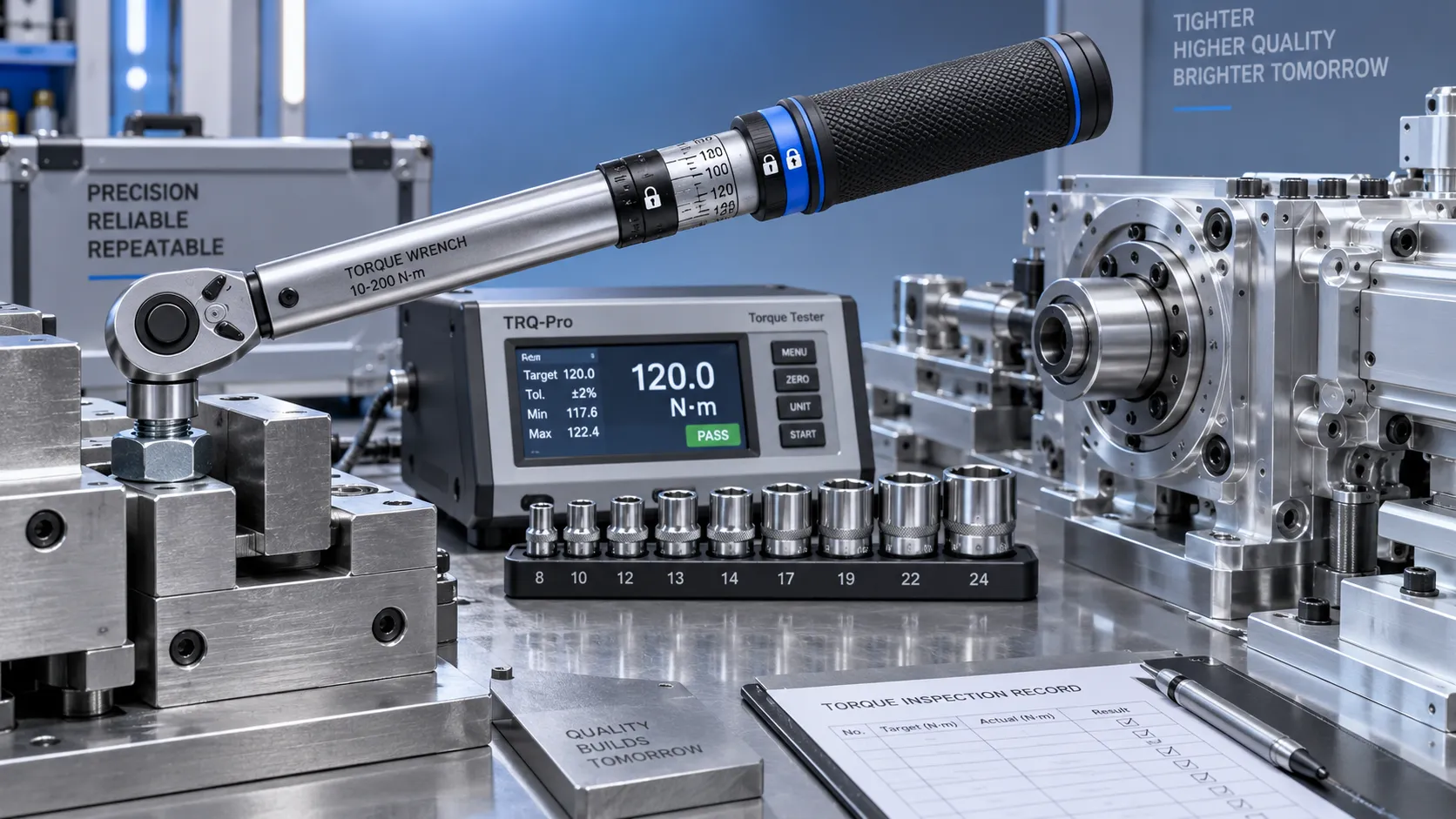
Selecting Adjustable Torque Tools for Repeatable Fastener Assembly
Adjustable torque tools: learn how to match range, accuracy, control methods, calibration, and ergonomics for repeatable, reliable fastener assembly.
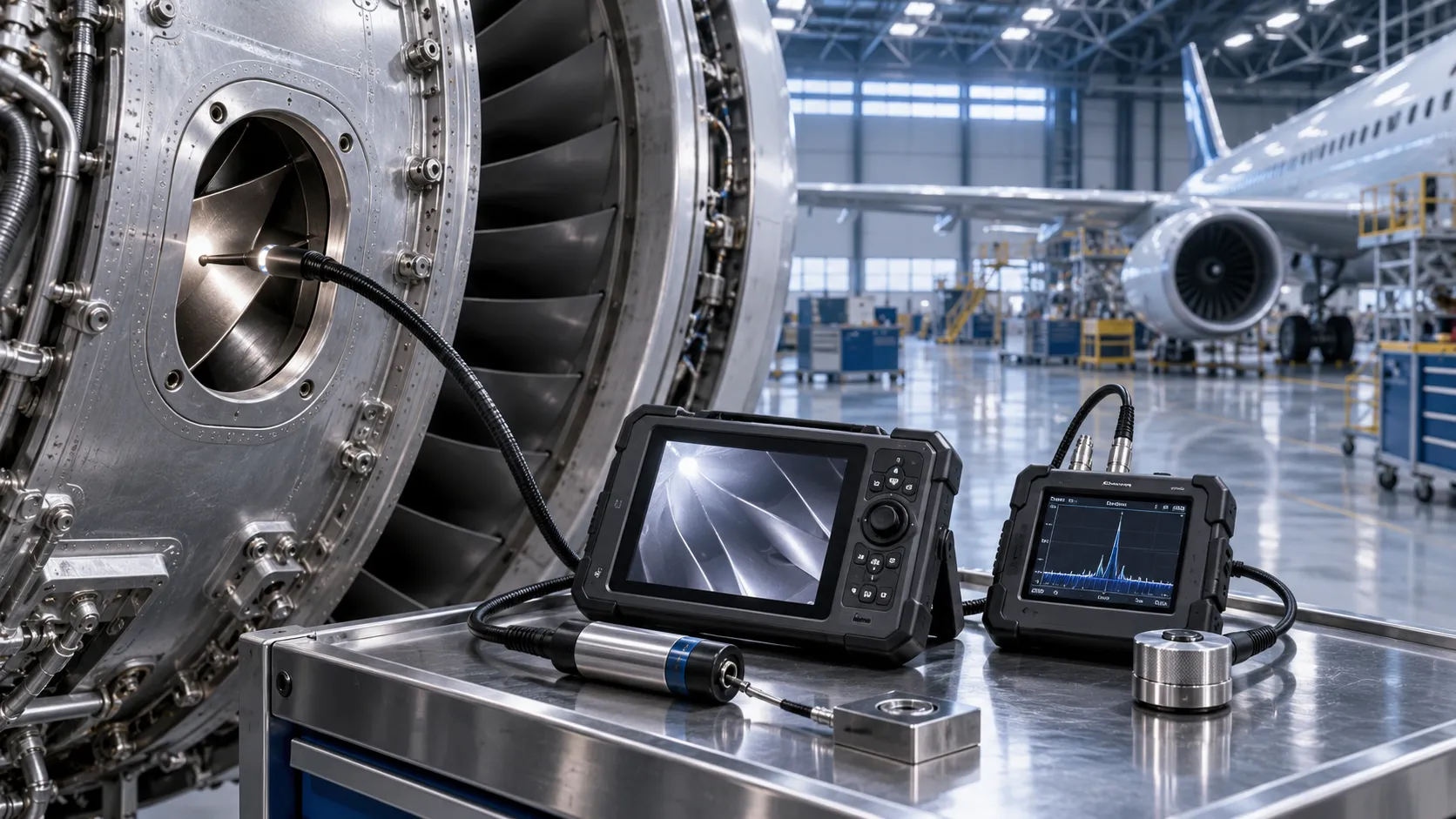
How to Select Aerospace Inspection Tools for Aircraft Maintenance Tasks
Aerospace maintenance inspection tools: learn how to select reliable, traceable equipment for aircraft access, accuracy, calibration, and compliant maintenance decisions.

How to Select Wire Bonding Tools for Fine-Pitch Semiconductor Packaging
Explore semiconductor manufacturing tools for wire bonding and learn how to select precision solutions for fine-pitch packaging, reliable loops, accuracy, and yield.
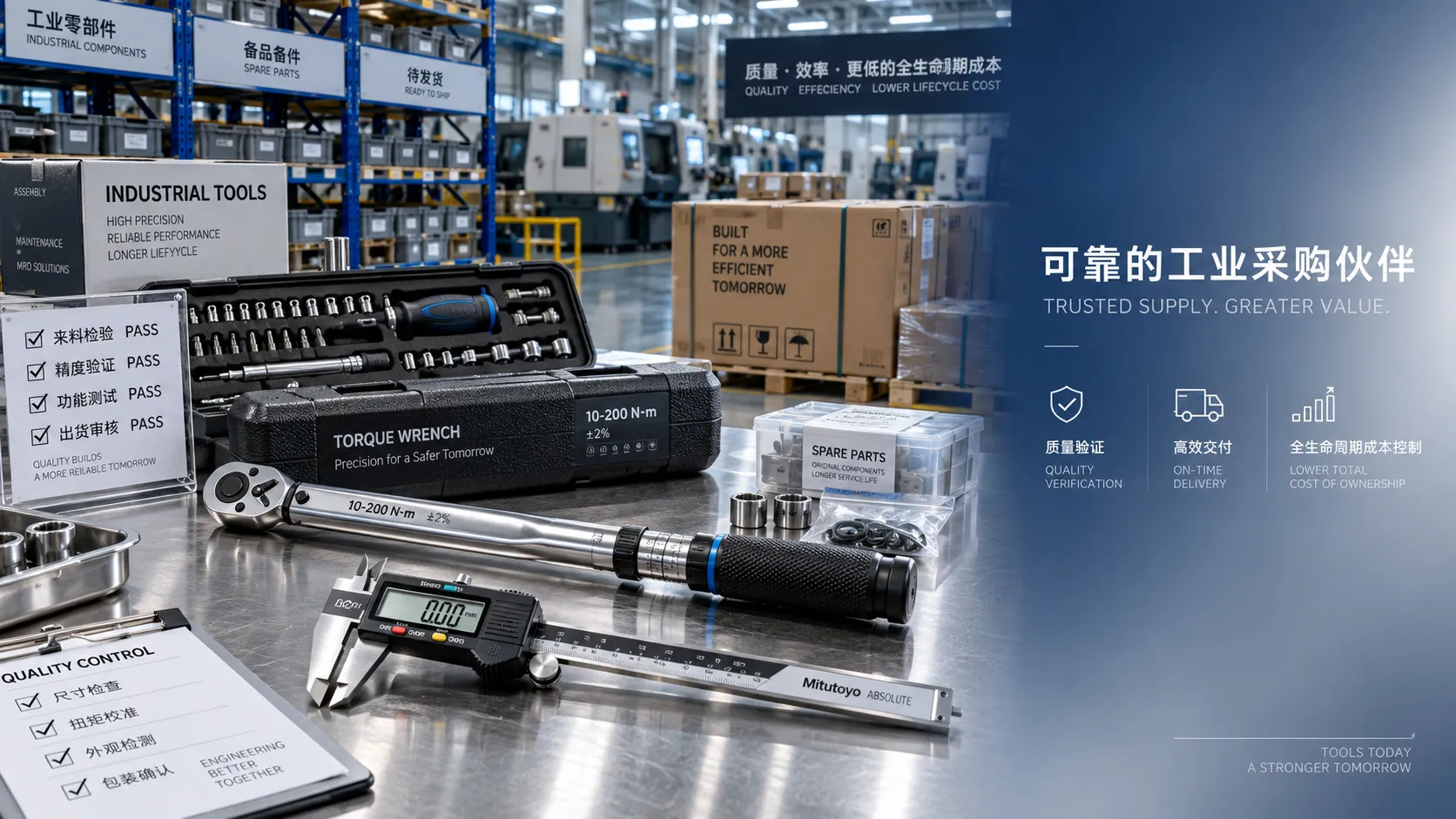
How to Compare Industrial Tool Suppliers for Quality, Lead Time, and Total Cost
Industrial tool selection supplier comparison made simple: evaluate quality, lead times, total cost, service, and supply resilience for confident sourcing decisions.
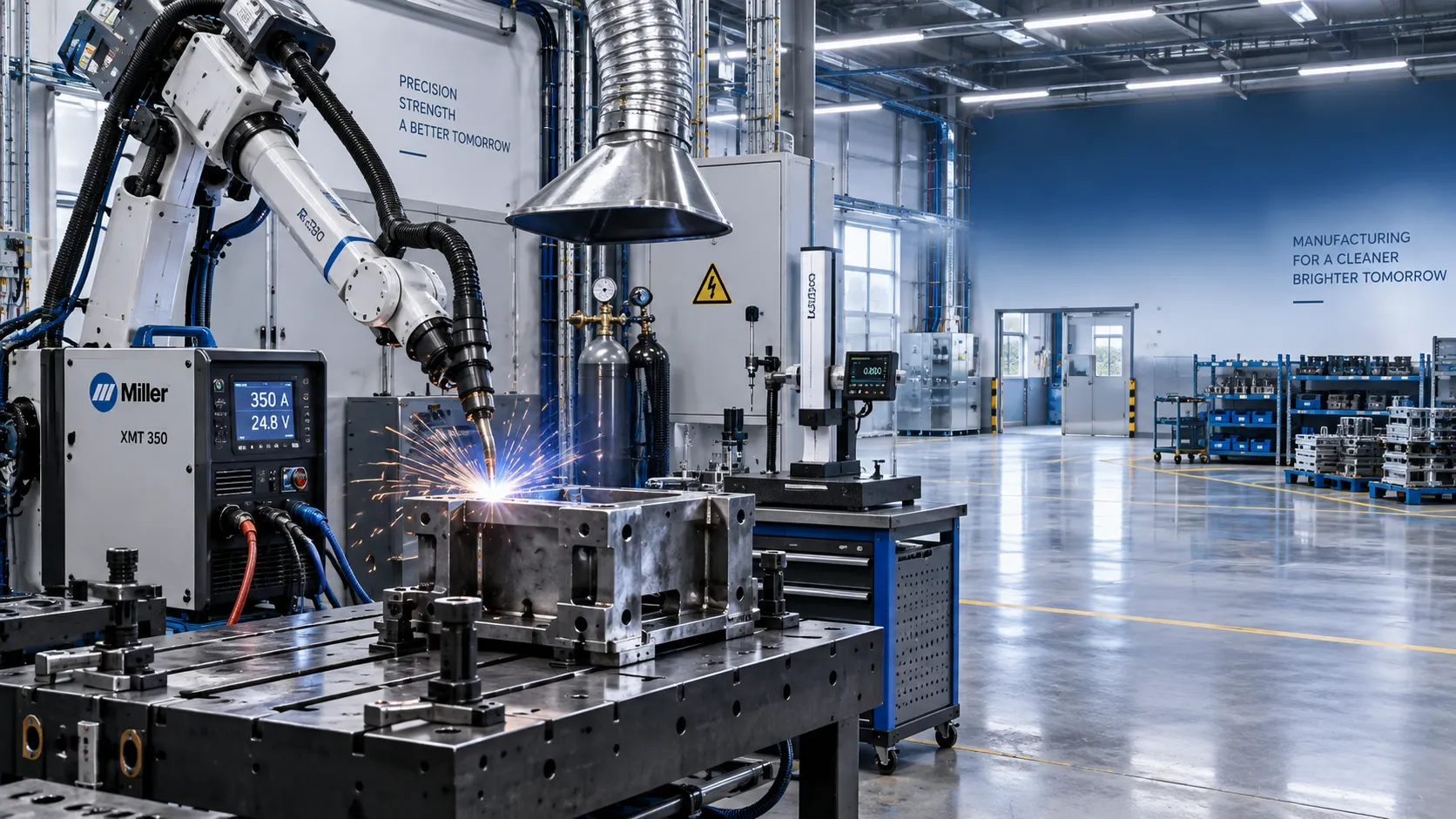
Industrial Equipment Application Guidance: Match Machines to Operating Conditions
Application guidance industrial equipment: match capacity, duty cycle, materials, site conditions, safety, and lifecycle cost to improve reliable output. Read the guide.
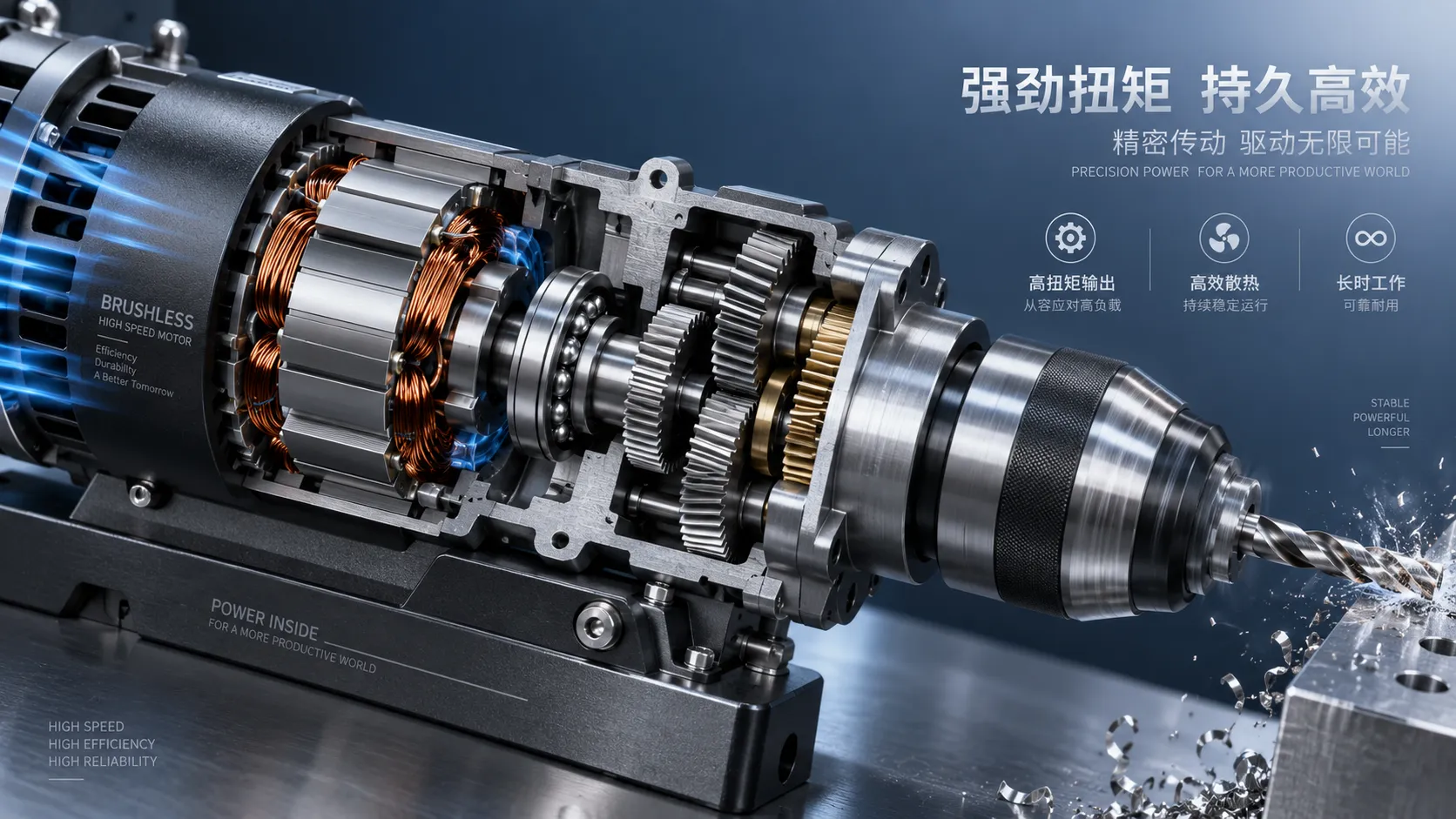
Selecting High-Speed Brushless Tool Motors for Torque, Heat, and Duty Cycle
High speed brushless tool motors: learn how to balance torque, heat, gearing, and duty cycle for reliable industrial tool performance and longer service life.
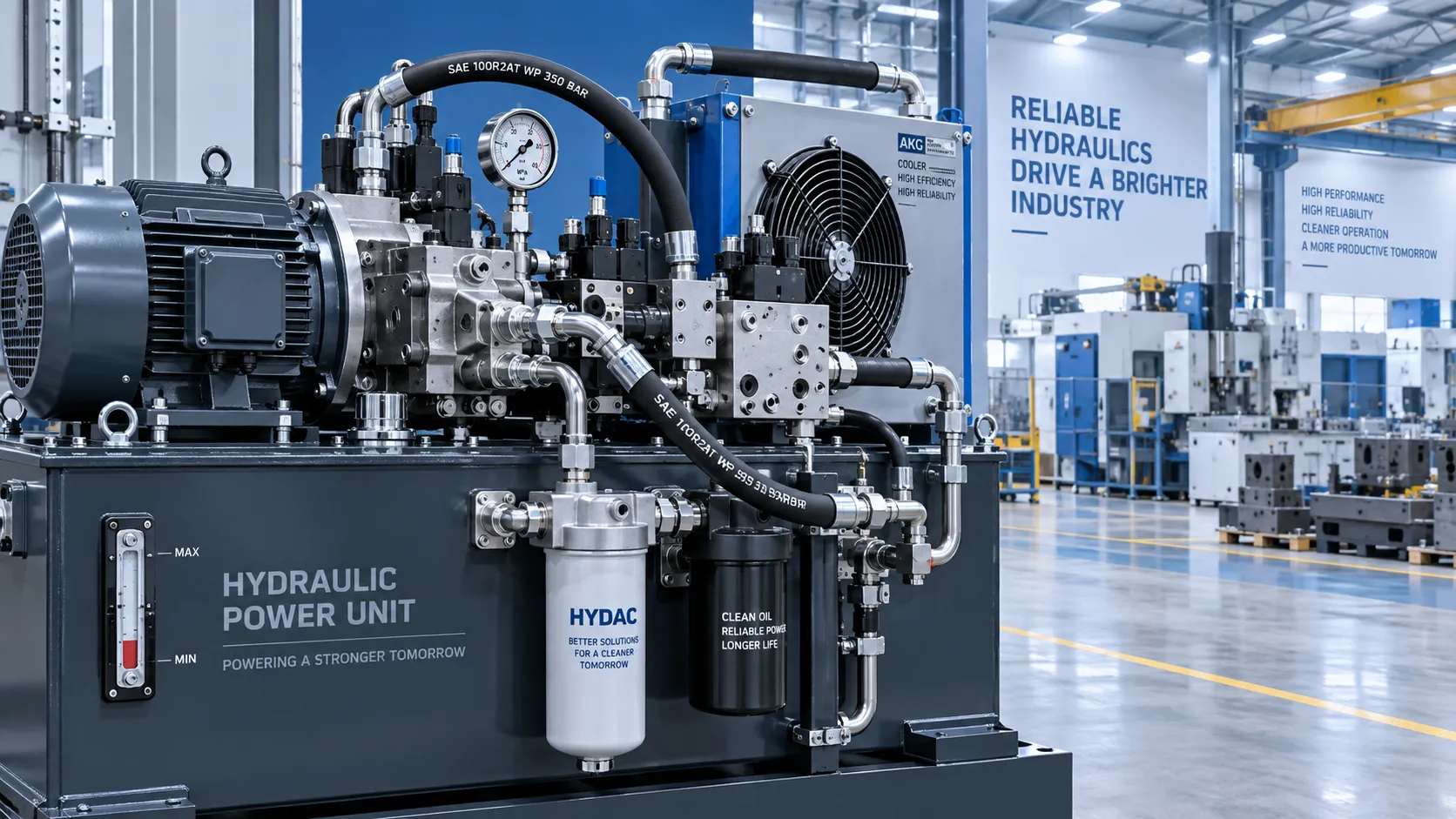
What Determines Industrial Hydraulic System Price for Heavy-Duty Equipment?
Industrial hydraulic system price depends on duty cycle, pressure, components, cooling, and integration. Compare quotes intelligently to secure reliable heavy-duty performance.
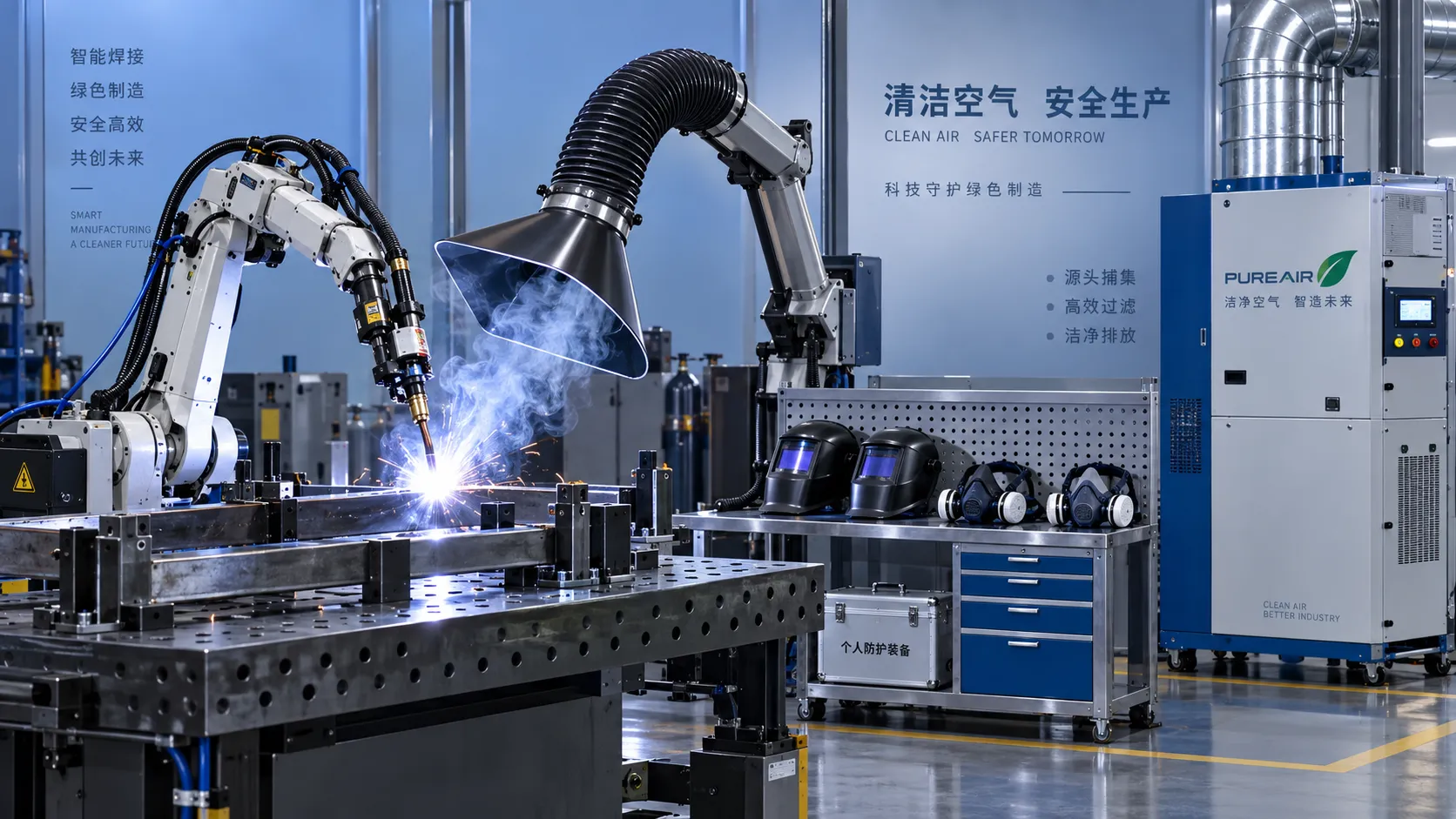
Welding Fume Extraction PPE: When Respirators Are Not Enough for Shop Safety
Welding fume extraction PPE: learn why respirators alone fall short and how source capture, ventilation, and layered controls improve shop safety.
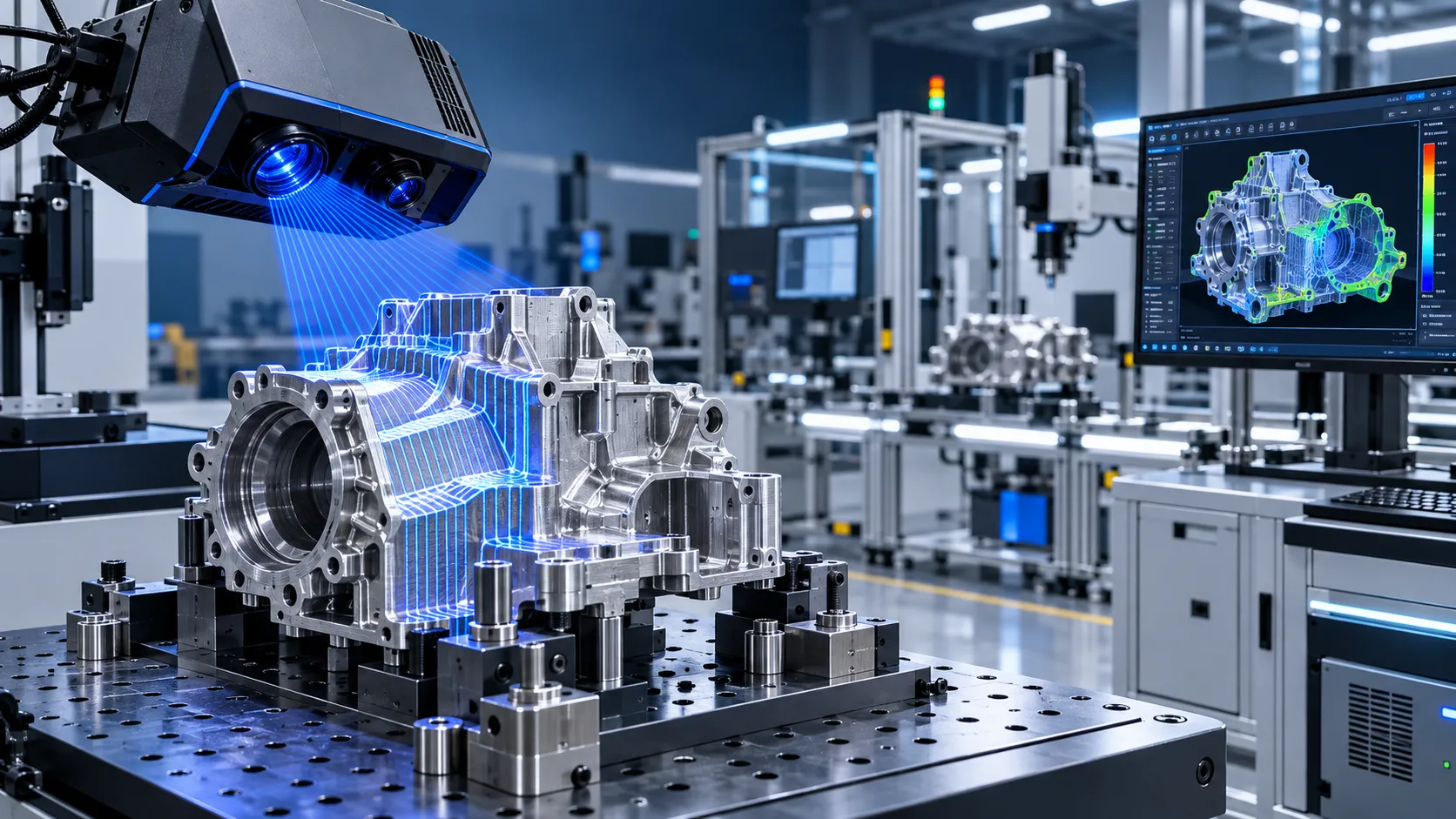
How to Select Optical Metrology Solutions for Tight-Tolerance Manufacturing
Optical industrial metrology solutions for tight-tolerance manufacturing: evaluate accuracy, surface compatibility, workflow, and traceability to select with confidence.
Related News
- 00
0000-00
Selecting Adjustable Torque Tools for Repeatable Fastener Assembly - 00
0000-00
How to Select Aerospace Inspection Tools for Aircraft Maintenance Tasks - 00
0000-00
How to Select Wire Bonding Tools for Fine-Pitch Semiconductor Packaging - 00
0000-00
Industrial Equipment Application Guidance: Match Machines to Operating Conditions - 00
0000-00
Selecting High-Speed Brushless Tool Motors for Torque, Heat, and Duty Cycle
Prof. Marcus Chen
Weekly Insights
Stay ahead with our curated technology reports delivered every Monday.