
Why digital factories still struggle to scale in 2026





In 2026, digital factories remain a boardroom priority, yet many manufacturers still struggle to move beyond pilots into scalable, measurable transformation.
The challenge is no longer whether to adopt smart tools, connected metrology, IoT torque control, or automated welding systems.
The harder question is how digital factories integrate people, processes, data, and legacy assets without eroding productivity or margins.
Why digital factories still stall after successful pilots
Many pilots prove that sensors, machine vision, connected tools, and automation can improve isolated production outcomes.
However, scaling digital factories exposes weaknesses that controlled pilot environments often hide.
A smart welding cell may reduce rework, but enterprise value depends on scheduling, inspection, traceability, maintenance, and workforce adoption.
Digital factories fail to scale when transformation remains trapped inside equipment upgrades instead of becoming an operating model.
In industrial assembly, the “last mile” is especially complex. Torque accuracy, joint quality, ergonomic handling, and calibration discipline all interact.
A single disconnected workstation can break the data chain needed for reliable digital factories.
The 2026 trend signals reshaping digital factories
Several signals show why digital factories are entering a more demanding phase in 2026.
First, capital discipline is tighter. Investment committees now expect measurable payback, not broad promises around smart manufacturing.
Second, export controls, safety expectations, and material volatility are increasing operational uncertainty across global production networks.
Third, connected inspection and precision metrology are becoming central to quality assurance, especially in automotive, aerospace, construction equipment, and energy.
These pressures push digital factories from experimental innovation toward accountable industrial infrastructure.
The winning systems are not the most futuristic. They are the most interoperable, maintainable, and auditable.
Core reasons digital factories remain difficult to scale
These constraints are rarely solved by buying more platforms. They require disciplined architecture and operational governance.
The hidden integration gap between tools and decisions
Digital factories depend on intelligent tools, but tools alone do not create intelligence.
A connected torque wrench can capture tightening data. Yet value appears only when that data triggers corrective action.
A laser welding system can record parameters. However, traceability matters only when inspection, training, and maintenance use the evidence.
Precision metrology can reveal process drift. Still, digital factories need escalation rules before drift becomes scrap.
This is where many programs underperform. They collect signals faster than they redesign decision pathways.
Scalable digital factories must connect sensing, interpretation, accountability, and response into one continuous loop.
Why standardization now matters more than experimentation
In the early phase, experimentation helps uncover use cases. In the scaling phase, variation becomes expensive.
Digital factories need common definitions for downtime, defect categories, calibration status, tool identity, and process approval.
Without shared definitions, multi-site reporting becomes cosmetic. Different plants may celebrate improvements that cannot be compared.
Standardization does not mean rigid uniformity. It means designing a common language for reliable local execution.
- Define mandatory data fields for critical tools and machines.
- Align calibration intervals, inspection thresholds, and deviation handling.
- Create reusable integration patterns for legacy equipment.
- Use common performance metrics across plants and suppliers.
- Link analytics outputs to named operational responsibilities.
When this foundation is missing, digital factories expand complexity instead of reducing it.
Impacts across production, quality, maintenance, and supply networks
The scaling problem affects every operational layer, not only automation teams.
On the production line, operators may face new screens, alerts, and procedures without enough contextual training.
For quality teams, digital factories can improve traceability, but only if inspection data is complete, trusted, and timely.
Maintenance teams face a different challenge. Predictive models are useful only when spare parts, schedules, and technicians are aligned.
Supply networks also feel the pressure. Data transparency raises expectations for material certificates, process history, and compliance evidence.
Digital factories can strengthen supplier collaboration, but weak governance can create disputes over data ownership and responsibility.
The financial challenge behind smart manufacturing scale
Many business cases overestimate direct labor savings and underestimate integration, cybersecurity, training, and change-management costs.
Digital factories often require new middleware, edge devices, metrology upgrades, network resilience, and documentation discipline.
The strongest returns usually come from reduced rework, faster root-cause analysis, higher uptime, and improved process capability.
These gains are real, but they need baselines. Without baselines, transformation becomes difficult to defend during budget reviews.
A mature investment model separates three categories: productivity gains, risk reduction, and strategic flexibility.
What leaders should prioritize before expanding digital factories
Scaling should begin with operational clarity, not a technology catalogue.
The priority is to identify where digital factories can remove persistent constraints in flow, quality, safety, or responsiveness.
- Map value streams before selecting additional software or hardware.
- Rank use cases by financial value, feasibility, and replication potential.
- Build a data model for tools, assets, materials, and inspection points.
- Set governance for cybersecurity, access rights, and supplier data exchange.
- Train cross-functional teams in both process knowledge and data interpretation.
- Use metrology and calibration data as a trust anchor for digital decisions.
These priorities make digital factories more resilient because they align technology with the way work actually happens.
A practical scaling model for the next phase
A repeatable model can reduce confusion and improve execution discipline.
This staged approach prevents digital factories from becoming isolated showcases with limited enterprise relevance.
How precision intelligence changes the scaling conversation
Industrial transformation becomes stronger when decision systems include the realities of assembly, joining, measurement, and tool performance.
Precision intelligence helps digital factories understand where tolerances drift, where torque variation emerges, and where welding stability weakens.
It also helps compare technology options with economic consequences, not only technical specifications.
For example, handheld laser welding adoption requires safety maturity, operator training, fume control, and inspection alignment.
Brushless motor efficiency in power tools matters when energy use, heat, duty cycle, and maintenance intervals affect throughput.
IoT torque control becomes valuable when fastening history supports traceability, warranty defense, and process learning.
This is why digital factories need intelligence that stitches shop-floor craftsmanship with modern connected systems.
Judgment points for 2026 and beyond
The next winners will not be defined by the number of connected assets alone.
They will be defined by how quickly digital factories convert signals into better industrial decisions.
- Treat data quality as an operational discipline, not an IT afterthought.
- Protect the “last mile” where manual skill, tools, and tolerances meet.
- Avoid scaling pilots before process ownership is clear.
- Measure transformation through capability gains, not platform deployment counts.
- Build supplier-ready traceability for audits, recalls, and product variation.
Digital factories should therefore be judged by resilience, repeatability, and economic contribution.
Turning digital ambition into operational advantage
The route forward is practical. Start with the constraint that most limits quality, flow, safety, or delivery reliability.
Then connect the tools, inspection points, data models, and decision rules needed to control that constraint.
After proving impact, replicate the pattern with documented standards, trained teams, and clear financial evidence.
Digital factories will keep struggling when strategy stays abstract and implementation stays fragmented.
They will scale when precision tools, connected intelligence, and accountable operations work as one system.
For industrial organizations planning the next phase, the immediate step is a disciplined readiness review.
Assess process standardization, metrology reliability, tool connectivity, cybersecurity, workforce capability, and measurable business value.
That review can turn digital factories from promising pilots into durable engines of manufacturing efficiency.
Related News

In-House vs. Outsourced Aircraft Maintenance: Comparing Total Costs
Compare aerospace maintenance cost for in-house vs. outsourced aircraft upkeep. Discover hidden expenses, downtime impacts, and break-even factors to find the best fit for your fleet.
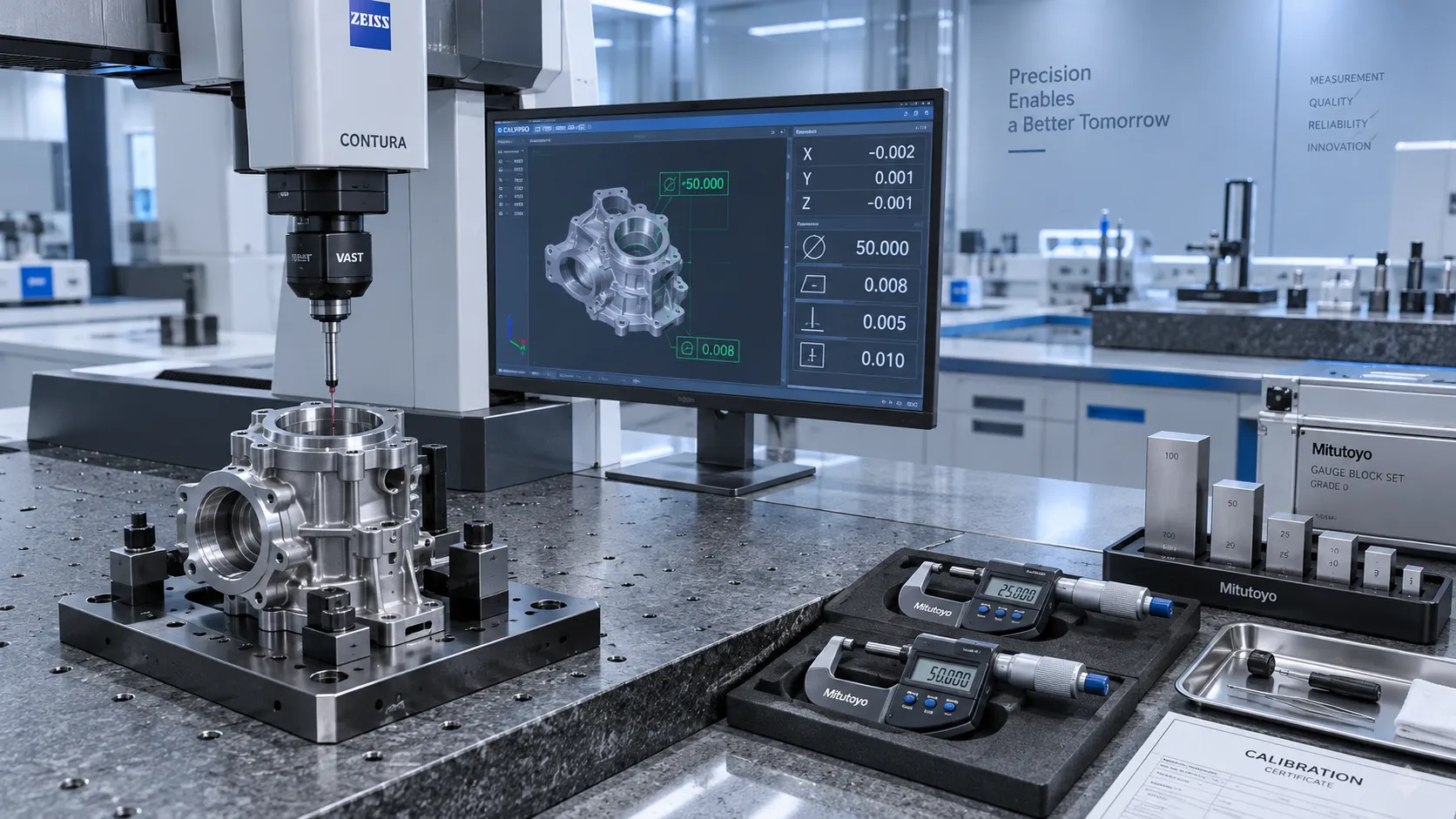
How to Select High-Precision Measuring Instruments for Tight-Tolerance Production?
High-precision measuring instruments are essential for tight-tolerance production. Learn how to evaluate accuracy, repeatability, environment, calibration, and data integration.
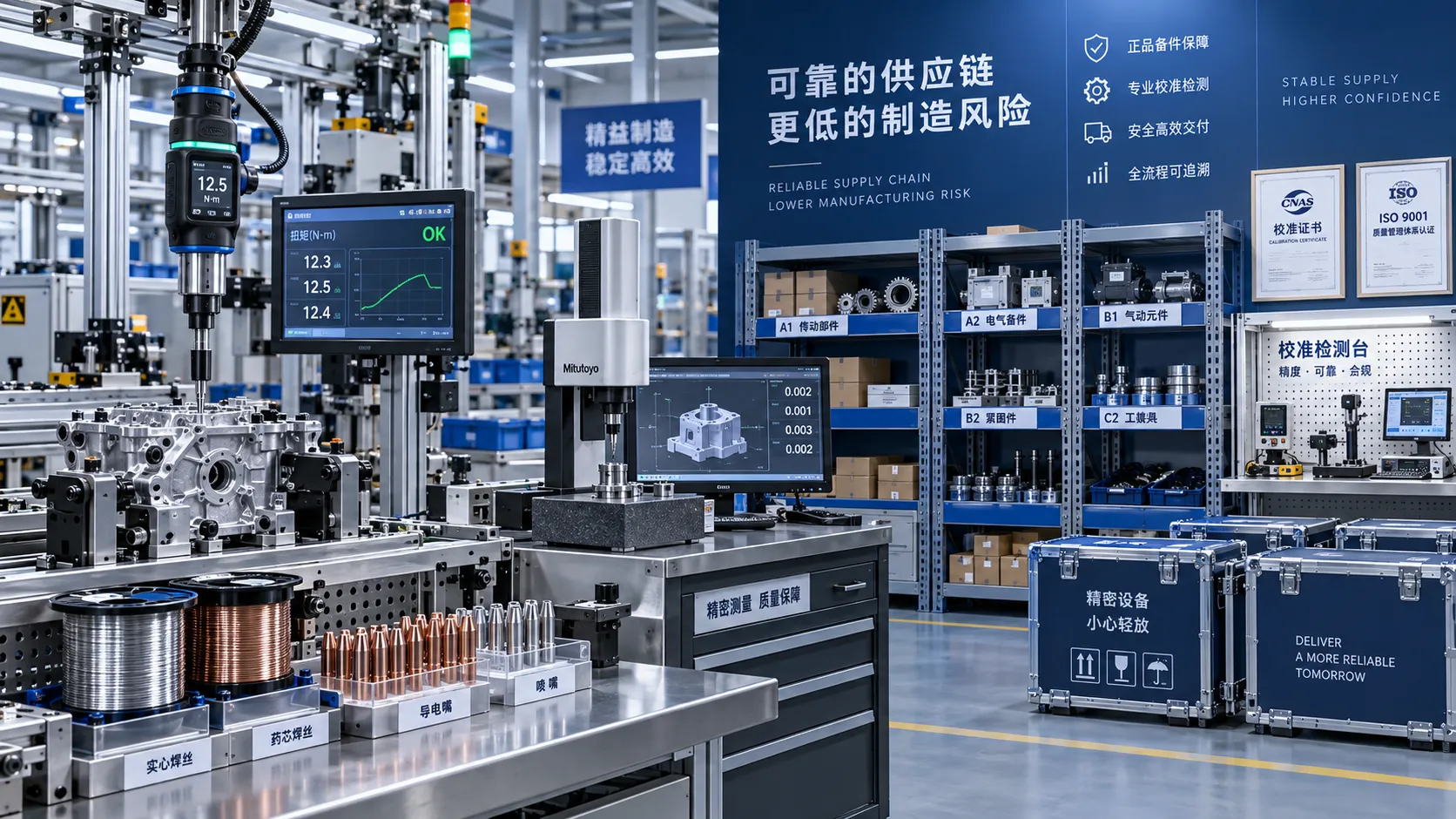
How Industrial Innovation Supplier Networks Reduce Sourcing Risk for Manufacturers
industrial innovation supplier network insights help manufacturers reduce sourcing risk, control lifecycle costs, and choose reliable tools, services, and suppliers with confidence.
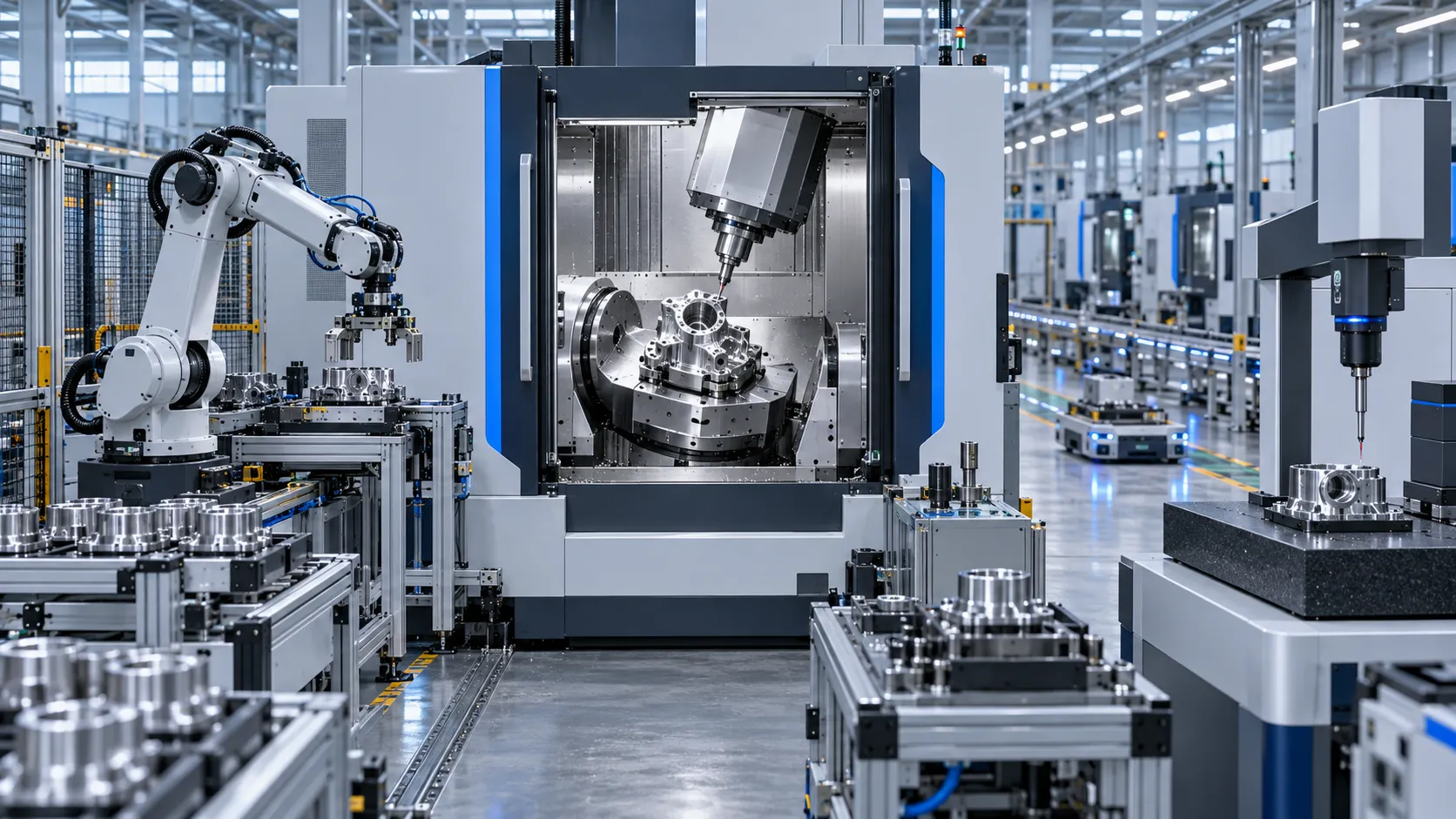
South East Asia Machine Tools Market: Demand Outlook by Manufacturing Industry
South East Asia machine tools market outlook: explore demand from automotive, electronics, fabrication, and infrastructure, plus smart sourcing priorities for manufacturers.
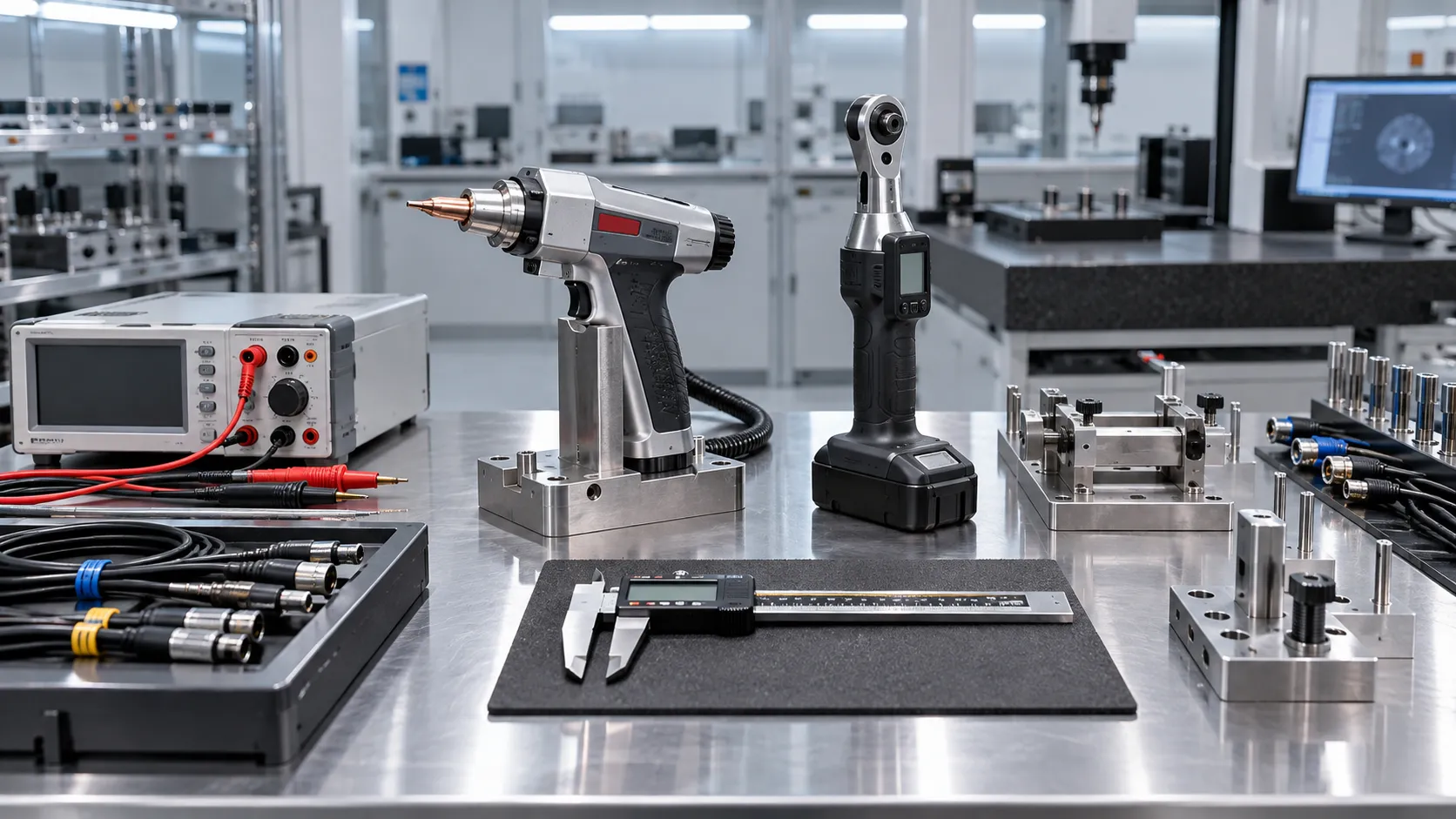
Which Industrial Standards Should Be Checked Before Export?
Which industrial standards should be checked before export? Discover essential compliance steps for industrial tools, welding equipment, laser systems, and metrology products.
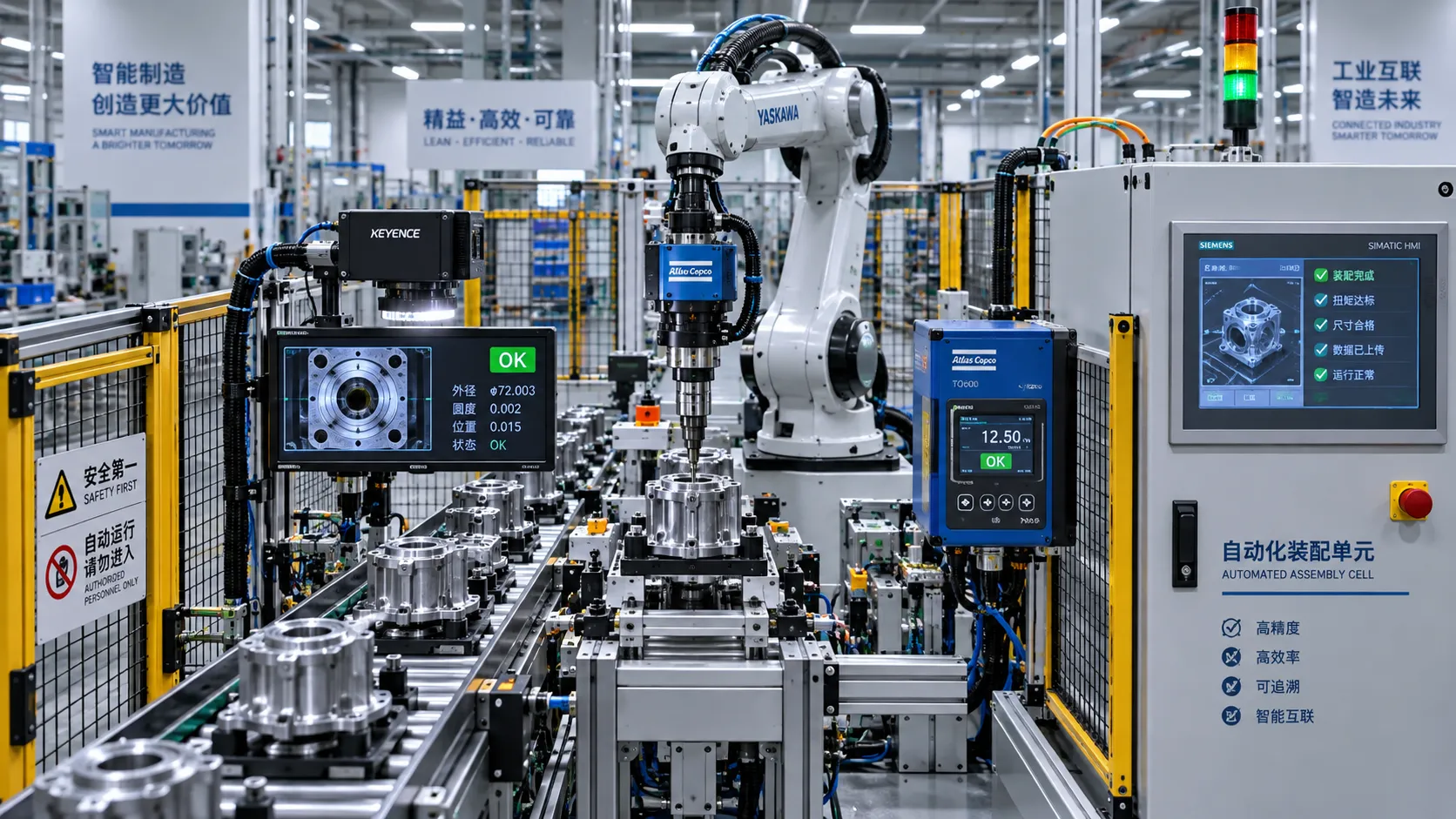
What Industrial Automation Exporters Need to Know Before Entering ASEAN Markets
Industrial automation exporter to ASEAN: learn how to navigate compliance, local service, digital readiness, pricing, and market entry for scalable growth.
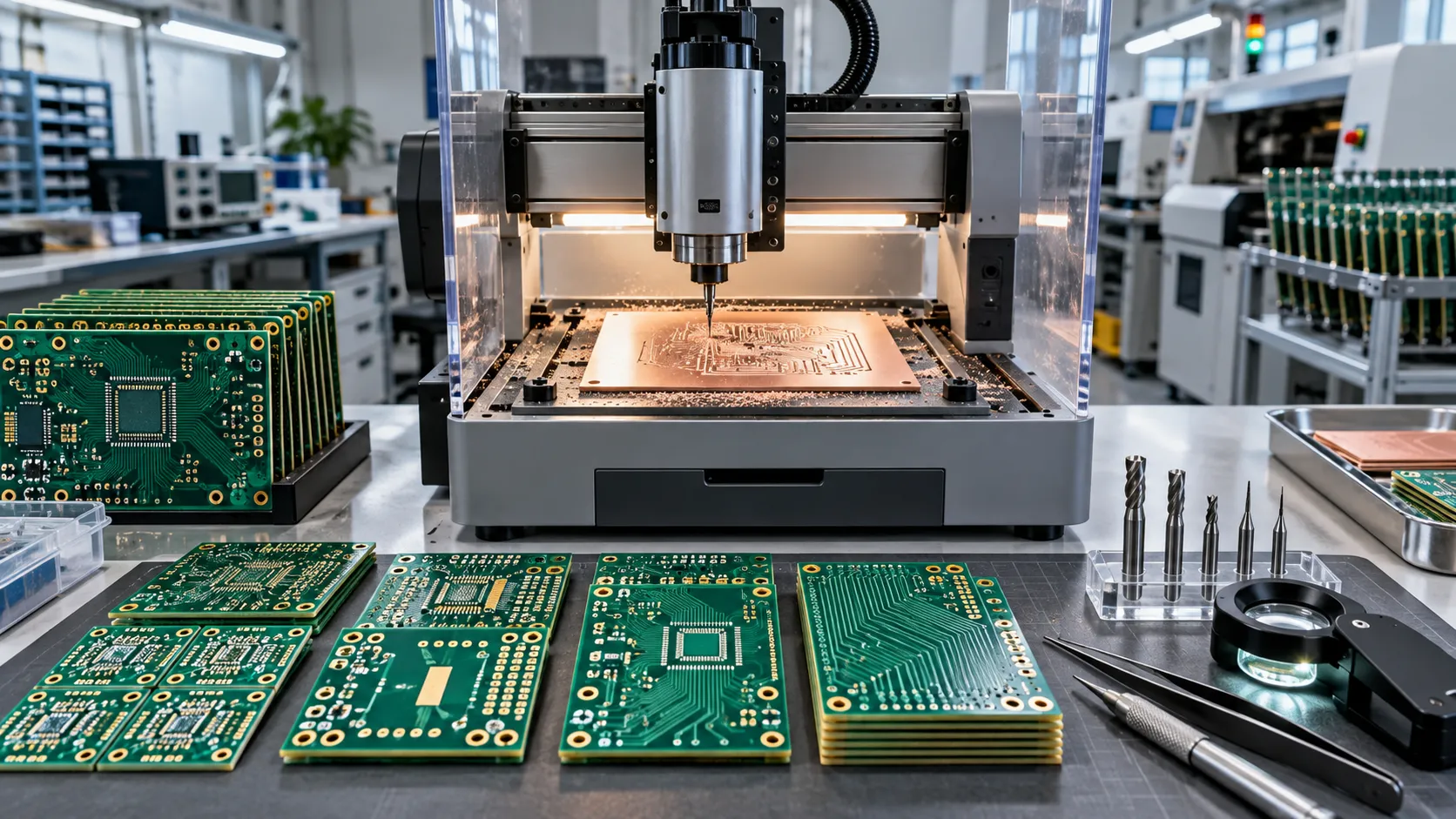
PCB Prototyping Equipment Costs: Comparing In-House Machines and Outsourced Builds
PCB prototyping equipment costs compared: discover when in-house machines speed iterations and when outsourced builds deliver better value, quality, and scalability.
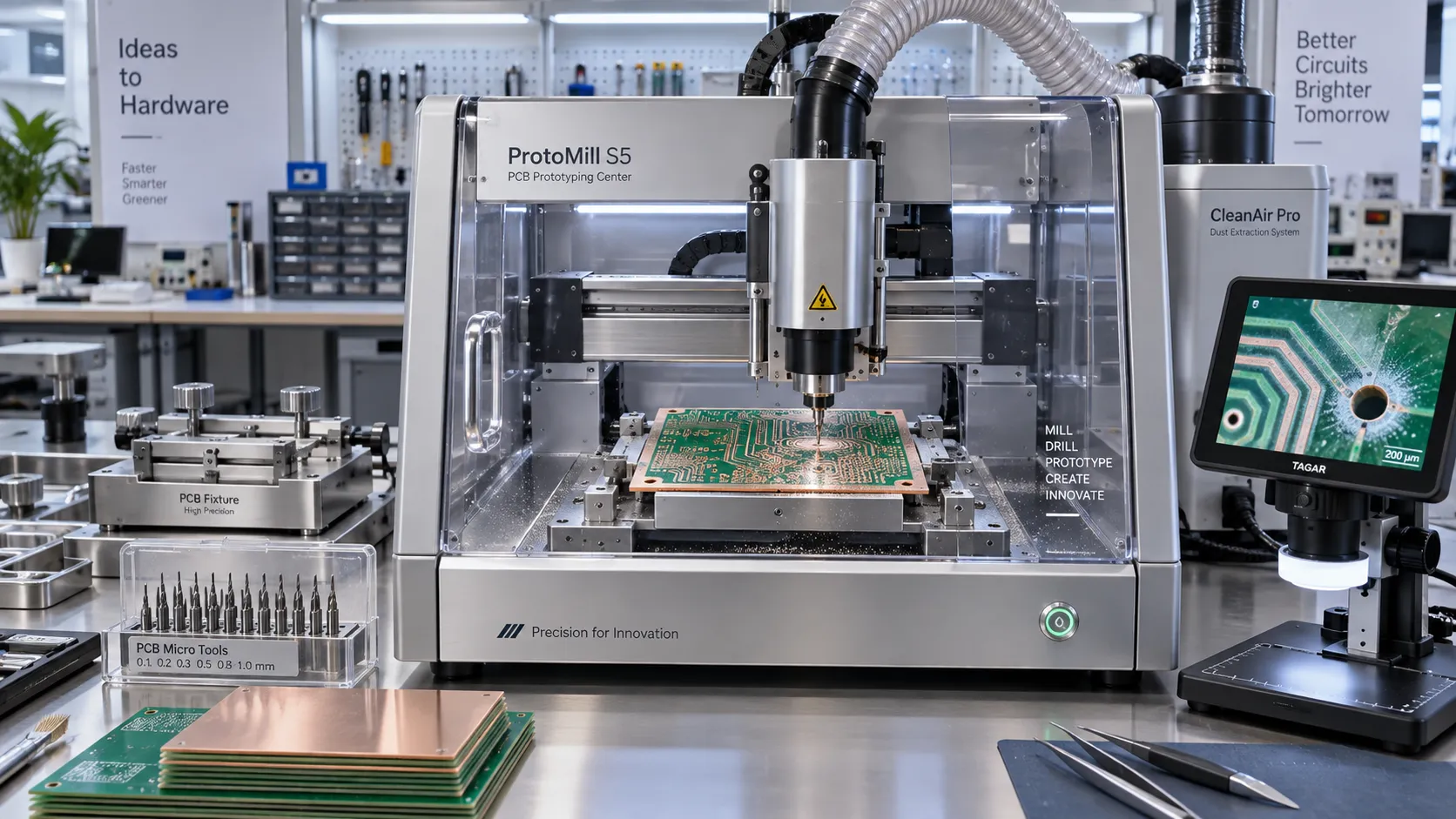
Prototype PCB Manufacturing Equipment: What Engineers Should Evaluate Before Purchase
Prototype PCB manufacturing equipment: discover the key factors engineers should evaluate—from accuracy and materials to software, safety, and ROI—before buying.
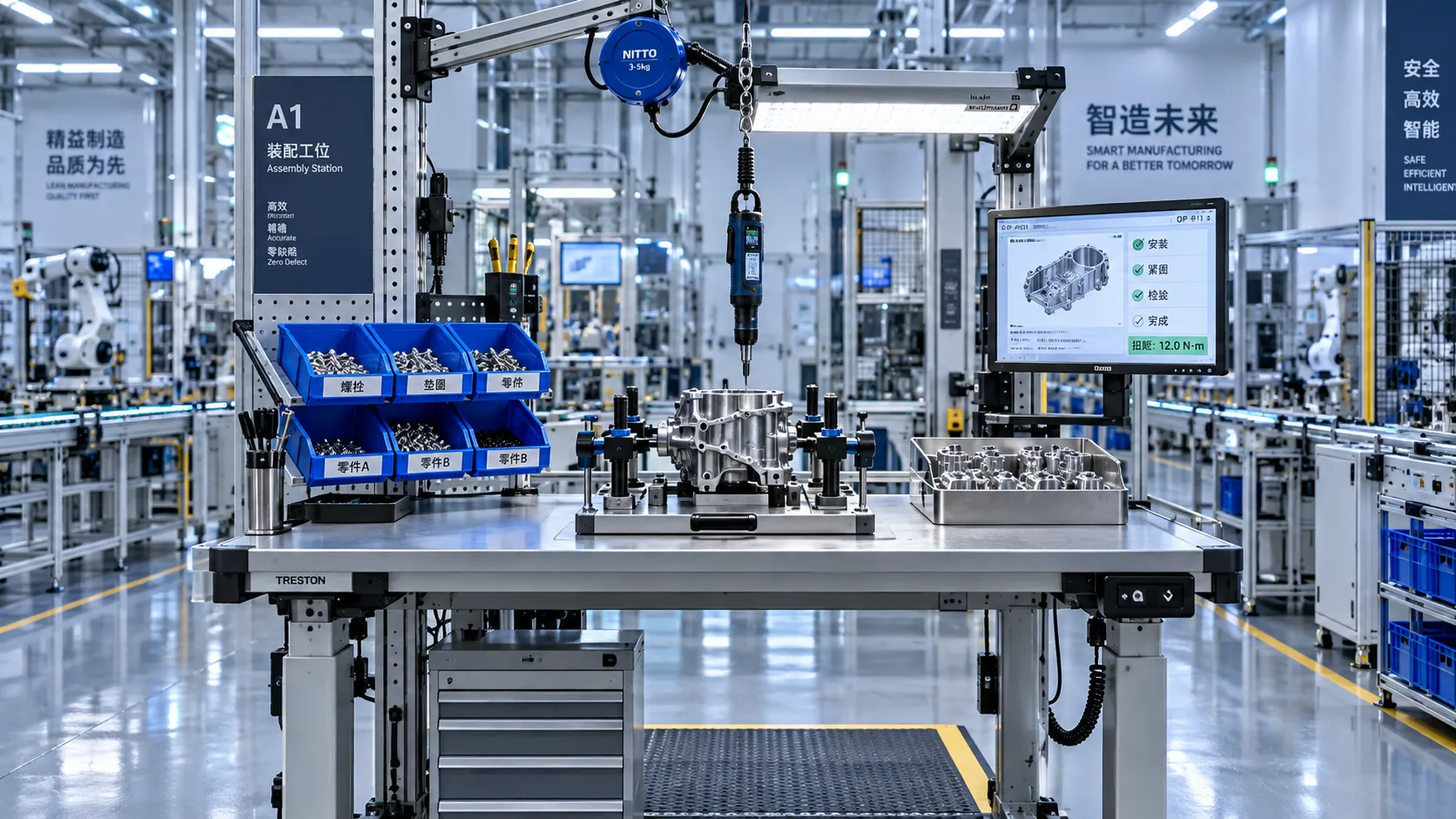
Workplace Ergonomics for Manufacturing: Reducing Repetitive-Strain Risks on Assembly Lines
Workplace ergonomics for manufacturing helps reduce repetitive-strain risks on assembly lines through smarter workstation design, tool selection, task analysis, and quality-focused improvements.
Related News
- 00
0000-00
How to Select High-Precision Measuring Instruments for Tight-Tolerance Production? - 00
0000-00
Prototype PCB Manufacturing Equipment: What Engineers Should Evaluate Before Purchase - 00
0000-00
Workplace Ergonomics for Manufacturing: Reducing Repetitive-Strain Risks on Assembly Lines - 00
0000-00
Selecting Adjustable Torque Tools for Repeatable Fastener Assembly - 00
0000-00
How to Select Aerospace Inspection Tools for Aircraft Maintenance Tasks
Prof. Marcus Chen
Weekly Insights
Stay ahead with our curated technology reports delivered every Monday.