
How is metrology technology changing quality control?




Metrology technology is redefining quality control by turning measurement from a final inspection step into a continuous, data-driven safeguard across production. For quality control and safety managers, this shift means earlier defect detection, tighter process stability, better traceability, and stronger compliance in high-risk industrial environments. As smart sensors, precision instruments, IoT connectivity, and automated analytics become more accessible, manufacturers can move beyond reactive checks and build proactive quality systems that protect both product performance and workforce safety.
Across assembly lines, welding bays, tool rooms, maintenance workshops, and inspection laboratories, measurement is no longer isolated from operations. It is becoming part of every critical decision.
For GPTWM’s audience, the question is practical: how can metrology technology reduce scrap, prevent unsafe rework, and support stable production without slowing throughput?
From End-Point Inspection to Continuous Process Control
Traditional quality control often depended on sampling after machining, welding, assembly, or packaging. Defects were found late, sometimes after 8 hours of accumulated production.
Modern metrology technology changes that timing. Measurement data can now be captured at the fixture, inside the tool, near the weld, or beside the conveyor.
Why Earlier Measurement Matters
Quality control teams gain value when measurement moves upstream. A deviation of 0.05 mm detected early may prevent dozens of nonconforming parts.
Safety managers also benefit. Excessive heat input, poor torque control, or fixture misalignment can create hazards before products ever reach final inspection.
- Inline dimensional checks reduce dependence on delayed sampling and manual reinspection.
- Connected gauges support traceability by linking readings to batches, operators, tools, and timestamps.
- Automated alerts help supervisors respond within minutes instead of waiting for end-shift reports.
- Stable measurement routines support compliance with ISO 9001, IATF 16949, and internal process standards.
Common Measurement Points in Industrial Operations
The best inspection point depends on risk. A critical weld, aerospace bracket, hydraulic fitting, or precision shaft may require multiple checkpoints.
The key conclusion is simple: metrology technology delivers the highest value when inspection is distributed across the process, not concentrated at the exit gate.
Digital Metrology Data Is Becoming a Quality Control Asset
Digital measurement records are now as important as the measurement itself. A reading without context has limited value during audits, claims, or root-cause analysis.
Connected metrology technology links measurement values to process conditions. This includes machine ID, tool life, operator shift, calibration status, and environmental conditions.
Traceability Beyond the Inspection Report
A modern quality record may include 5 to 10 data fields for every critical dimension. This improves recall control and customer communication.
For safety-sensitive components, traceability reduces uncertainty. Managers can isolate affected batches by date, work cell, measurement device, or tooling condition.
Typical Data Elements Worth Capturing
- Measured value, nominal target, tolerance band, and pass or fail decision.
- Measurement device serial number and calibration due date.
- Part number, batch number, fixture number, and production line.
- Operator ID, timestamp, temperature, humidity, and inspection method.
- Corrective action reference when readings exceed warning or control limits.
When this information is searchable, quality teams can compare shifts, machines, suppliers, and product families within hours rather than days.
Analytics Turn Measurement Into Prevention
Analytics can detect drift before failure. For example, 6 consecutive measurements moving toward a tolerance edge may trigger preventive adjustment.
This is where metrology technology supports decision discipline. Supervisors are not relying only on experience; they are responding to visible process behavior.
- Control charts identify slow dimensional drift caused by tool wear or thermal expansion.
- Alarm thresholds help prevent out-of-tolerance production after a setup change.
- Trend comparison supports supplier evaluation across 3 or more incoming material batches.
- Automated reports reduce manual transcription errors, especially during high-volume inspection.
Key Technologies Changing Measurement Practice
No single instrument solves every quality problem. The right metrology technology depends on tolerance, surface condition, cycle time, operator skill, and audit requirements.
For general industrial environments, selection usually balances 4 factors: accuracy, repeatability, speed, and integration with existing quality systems.
Comparing Major Measurement Options
Quality and safety managers should compare technologies by practical use case, not only catalog accuracy. Environmental stability and operator influence matter greatly.
The table shows why procurement decisions should involve quality, safety, production, maintenance, and IT teams before final specification approval.
Where Welding and Assembly Benefit Most
In metal joining, measurement protects both structure and operators. Weld gap, seam geometry, temperature, and distortion often influence downstream safety.
For assembly operations, intelligent torque control can record tightening curves, detect cross-threading, and prevent missed fasteners in critical stations.
High-Impact Use Cases
- Laser weld seam inspection for automotive, agricultural equipment, and structural fabrication.
- Torque verification for battery modules, hydraulic assemblies, construction machinery, and aerospace maintenance.
- Portable dimensional checks for field repair teams working outside controlled inspection rooms.
- Surface and hardness inspection for components exposed to fatigue, pressure, or abrasive wear.
Implementation: Building a Practical Metrology Roadmap
Adopting metrology technology should not start with a shopping list. It should start with process risk, customer requirements, and failure consequences.
A focused roadmap can be completed in 5 stages, often beginning with one pilot line before expanding across multiple plants or workshops.
A 5-Stage Deployment Model
- Map critical-to-quality characteristics, including dimensions, torque values, weld attributes, and functional safety points.
- Review current inspection frequency, defect history, calibration records, and operator variation.
- Select measurement tools based on tolerance range, cycle time, data output, and shop-floor durability.
- Pilot the system for 2 to 4 weeks, then compare scrap, rework, alarm frequency, and inspection time.
- Standardize work instructions, training, maintenance intervals, and escalation rules before scaling.
This sequence prevents a common failure: buying advanced instruments while leaving unclear ownership, weak calibration control, or inconsistent data rules.
Calibration, Training, and Change Control
Even advanced metrology technology can produce poor decisions if calibration is overdue or operators apply different measurement methods.
Many facilities use calibration intervals of 6 to 12 months, adjusted by usage intensity, environmental exposure, and customer requirements.
Practical Control Points
- Define acceptable measurement uncertainty relative to tolerance, especially for tight limits below ±0.10 mm.
- Use gauge R&R studies where operator technique may affect repeatability or reproducibility.
- Separate reference masters from daily working gauges to reduce wear and accidental damage.
- Create escalation rules for warning limits before readings reach nonconformance limits.
Training should also include safety. Inspectors working near welding cells, rotating machinery, or robotic stations need clear access and lockout procedures.
Procurement Criteria for Quality and Safety Managers
A procurement team may compare price first, but quality managers should examine lifecycle value. Measurement reliability affects scrap, downtime, claims, and compliance workload.
The strongest business case usually includes 6 dimensions: technical fit, usability, integration, service support, calibration strategy, and supplier knowledge.
Questions to Ask Before Purchase
- What tolerance range must the instrument support under real production conditions?
- Can the system export data to existing MES, QMS, or spreadsheet-based reporting?
- How long does operator training take: 2 hours, 1 day, or several weeks?
- What is the expected calibration cycle, service response time, and spare parts availability?
- Does the supplier understand welding, assembly, machining, and field maintenance realities?
Avoiding Common Buying Mistakes
One frequent mistake is choosing the highest resolution instrument without considering temperature, vibration, dust, coolant, or operator workload.
Another mistake is ignoring data ownership. If measurement files cannot be searched, exported, or linked to batches, traceability remains incomplete.
Risk-Based Purchasing Guidance
For critical safety components, prioritize repeatability, controlled workflows, and audit evidence. For routine checks, speed and operator simplicity may matter more.
For harsh production areas, ruggedized devices, protective storage, and clear maintenance routines can be more valuable than unnecessary software complexity.
How GPTWM Supports Smarter Quality Decisions
The Global Precision Tools & Welding Matrix focuses on the last mile of industrial manufacturing, where measurement, tooling, welding, and safety intersect.
Through its Strategic Intelligence Center, GPTWM connects metrology fellows, electro-mechanical tool designers, and industrial economists to interpret technology change for real operations.
Intelligence That Connects Tools, Standards, and Markets
For distributors and industrial buyers, metrology technology is not only a technical subject. It also influences product positioning, service models, and brand trust.
GPTWM tracks sector news, export standard shifts, intelligent torque control, handheld laser welding safety, and demand for high-precision measuring instruments.
This perspective helps quality and safety managers evaluate whether a solution fits global construction, automotive repair, aerospace maintenance, or heavy equipment assembly.
From Information to Action
The most effective quality programs combine craftsmanship with digital discipline. Skilled inspectors still matter, but their judgment is strengthened by consistent measurement evidence.
When metrology technology is selected and deployed carefully, it helps reduce rework, improve compliance, stabilize processes, and protect workers in demanding environments.
For organizations planning a new inspection system, upgrading calibration routines, or evaluating connected tools, expert intelligence can shorten the decision cycle.
To explore practical metrology technology strategies for your quality control environment, contact GPTWM to learn more solutions or request a customized consultation.
Related News
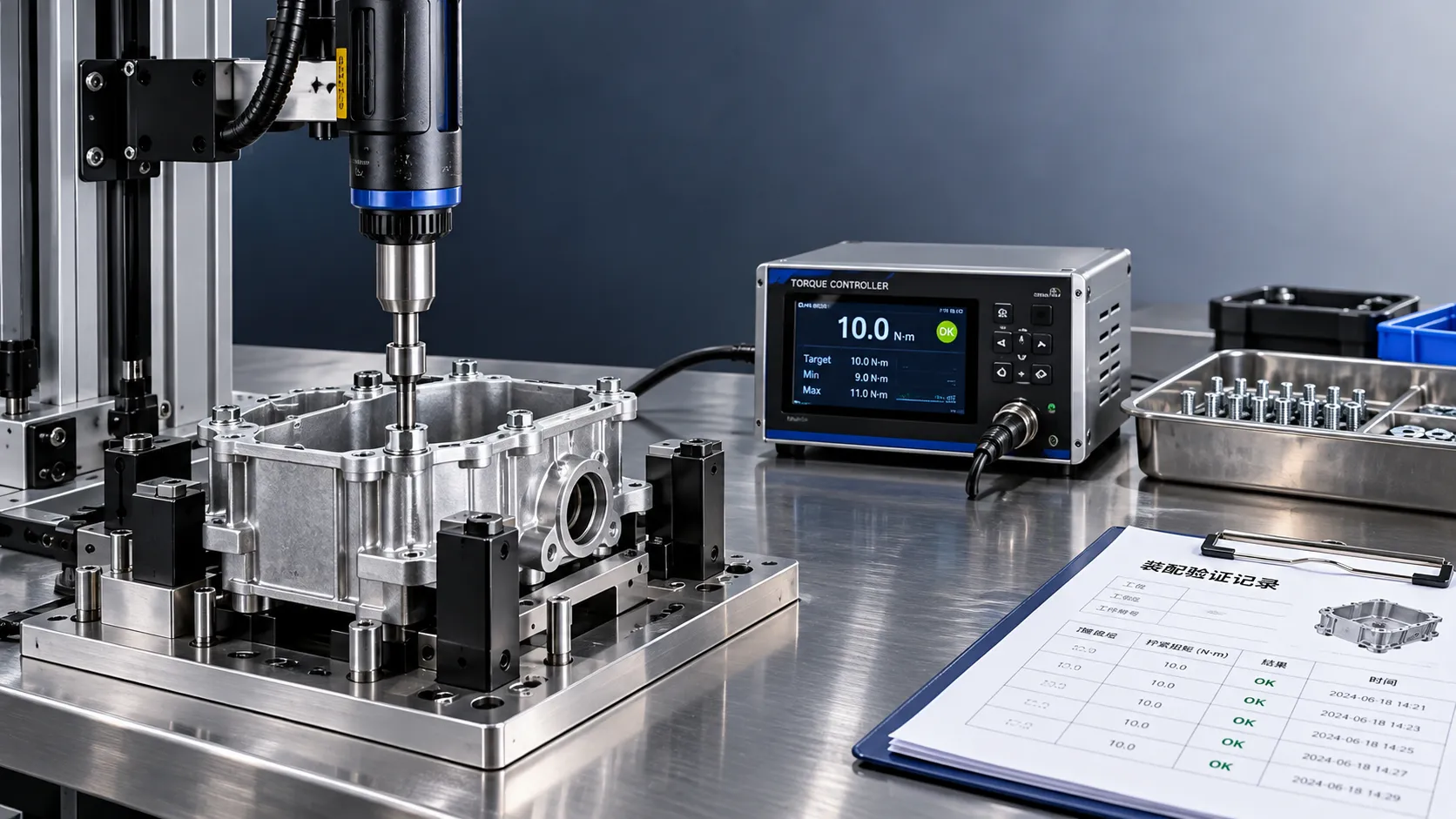
Torque System Suppliers: How to Assess References for Assembly Projects
Explore supplier and solution references torque systems buyers should verify. Assess assembly fit, traceability, and support to reduce risk and choose with confidence.
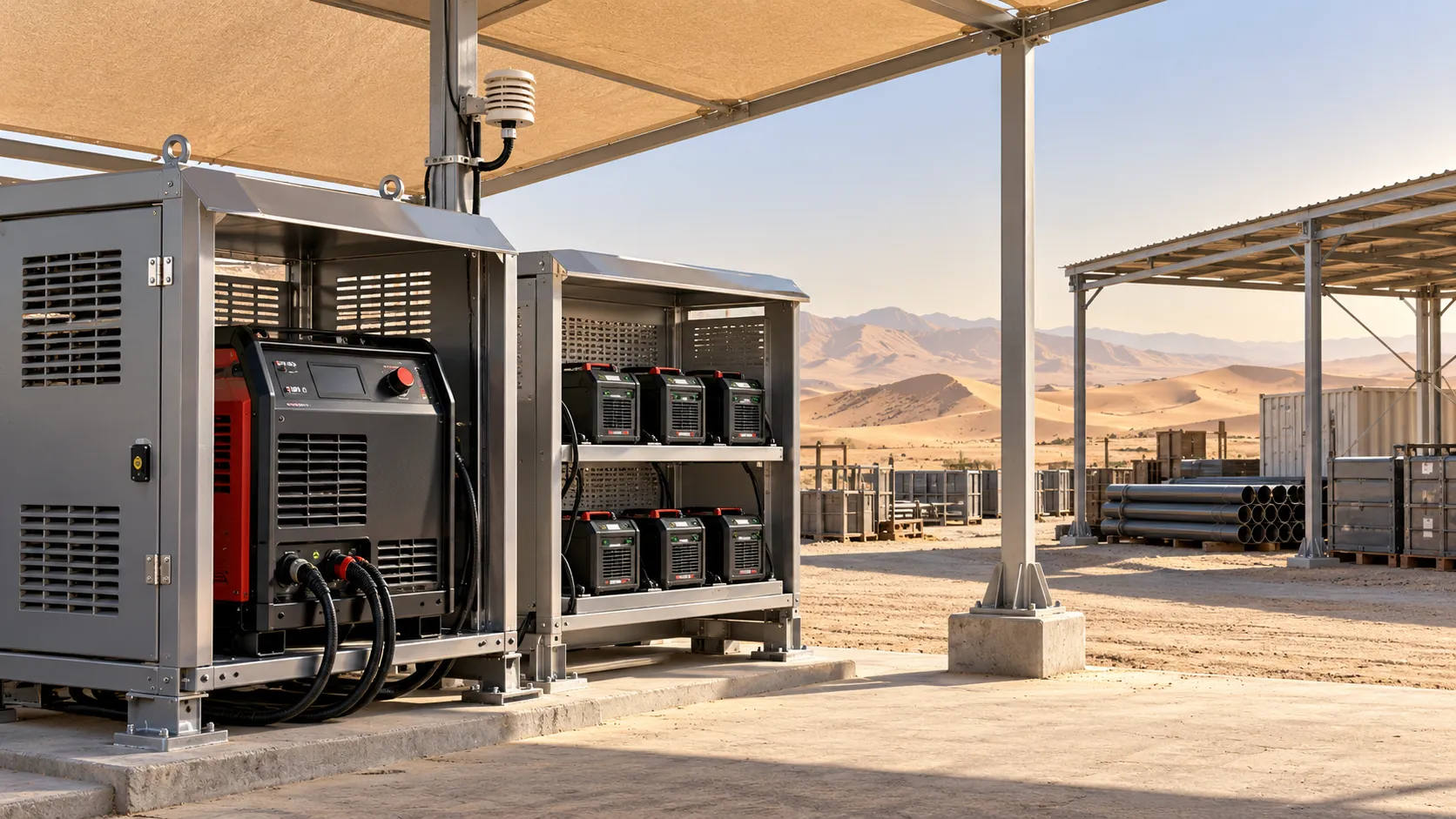
Equipment Application Guidance for the Middle East: Managing Heat and Dust
Explore application guidance Middle East teams can use to manage heat and dust, protect welding equipment, batteries and precision tools, and reduce downtime. Get practical tips.
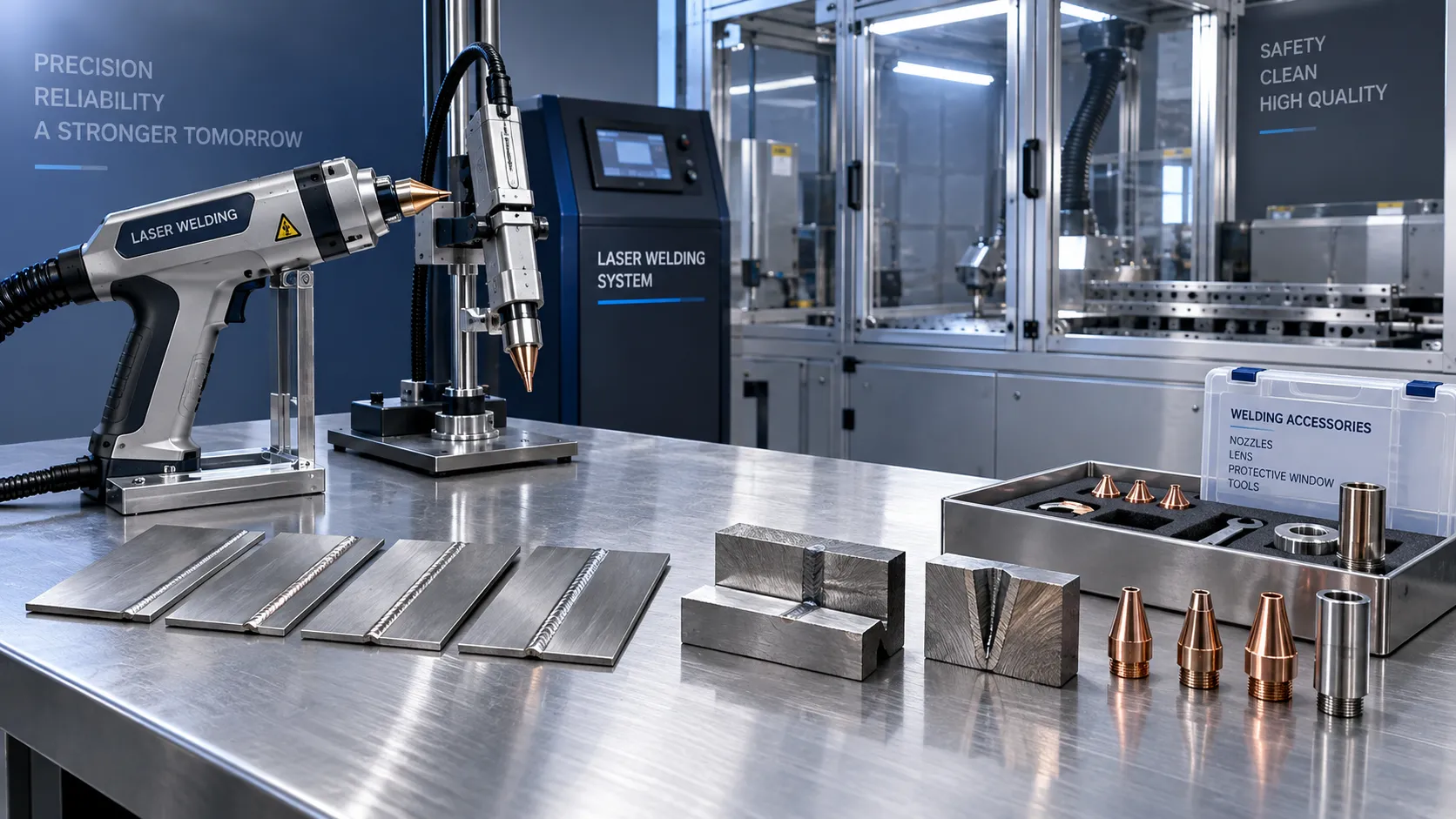
Choosing a Handheld Laser Welding Supplier: Weld Trials, Training, and Service
Choose a handheld laser welding supplier with proven weld trials, safety training, and reliable service. Learn what to verify before buying to reduce downtime and protect your investment.
Choosing an Industrial IoT Platform: Key Criteria for Legacy Equipment
Choose an industrial IoT platform for legacy equipment with confidence. Discover key checks for connectivity, data integrity, security, and lifecycle costs before investing.

In-House vs. Outsourced Aircraft Maintenance: Comparing Total Costs
Compare aerospace maintenance cost for in-house vs. outsourced aircraft upkeep. Discover hidden expenses, downtime impacts, and break-even factors to find the best fit for your fleet.
How to Select High-Precision Measuring Instruments for Tight-Tolerance Production?
High-precision measuring instruments are essential for tight-tolerance production. Learn how to evaluate accuracy, repeatability, environment, calibration, and data integration.
How Industrial Innovation Supplier Networks Reduce Sourcing Risk for Manufacturers
industrial innovation supplier network insights help manufacturers reduce sourcing risk, control lifecycle costs, and choose reliable tools, services, and suppliers with confidence.
Which Precision Measuring Tools Are Best for Incoming Inspection?
Which precision measuring tools are best for incoming inspection? Explore calipers, micrometers, gauges, CMMs, and smarter strategies to prevent costly defects.
Are Lower-Cost Metalworking Tools More Likely to Fail Early?
Are cheaper metalworking tools more likely to fail early? Explore duty cycle, build quality, and total ownership costs to make smarter buying decisions.
Related News
- 00
0000-00
Equipment Application Guidance for the Middle East: Managing Heat and Dust - 00
0000-00
Choosing an Industrial IoT Platform: Key Criteria for Legacy Equipment - 00
0000-00
How to Select High-Precision Measuring Instruments for Tight-Tolerance Production? - 00
0000-00
How Do Advanced Manufacturing Methods Improve Batch Consistency? - 00
0000-00
Precision Positioning in Electronics Manufacturing: A Practical Route to Higher Yield
Prof. Marcus Chen
Weekly Insights
Stay ahead with our curated technology reports delivered every Monday.