
Workplace Ergonomics for Manufacturing: Reducing Repetitive-Strain Risks on Assembly Lines





Workplace Ergonomics for Manufacturing: Reducing Repetitive-Strain Risks on Assembly Lines
Workplace ergonomics for manufacturing is no longer a secondary safety concern. On an assembly line, the way an operator reaches, grips, positions a component, reacts to tool torque, or repeats a short cycle can affect more than physical comfort. It can influence fastening consistency, inspection accuracy, rework rates, absence patterns, and the ability to retain experienced people in demanding roles.
For quality-control and safety managers, repetitive-strain risk cannot be reduced by adding a chair, posting a lifting reminder, or rotating people without examining the work itself. The relevant question is more practical: where does the task require unnecessary force, awkward joint position, sustained muscle loading, vibration exposure, or recovery time that the line does not actually provide?
The answer usually sits at the intersection of workstation design, material flow, tool selection, cycle time, product geometry, and production discipline. Ergonomics is therefore not separate from process engineering. It is part of how the “last mile” of manufacturing is controlled.
Why repetitive strain develops on otherwise well-run lines
Repetitive-strain problems rarely come from one dramatic movement. More often, they build through modest but persistent exposures: wrist deviation while using a driver, a shoulder held elevated to reach a fixture, repeated pinch gripping of small parts, neck flexion during visual inspection, or a tool suspended badly enough that the operator still carries part of its weight.
A short cycle can hide the problem. A movement that seems acceptable once may become difficult when repeated throughout a shift, especially when the worker has limited control over pace. Production pressure can also lead people to compensate for poorly located bins, slow-release fixtures, poorly balanced tools, or components that do not present themselves consistently. The operator adapts; the process remains unchanged; fatigue becomes normalized.
Quality teams often see the downstream symptoms before ergonomics is formally discussed. They may notice inconsistent torque application late in a shift, cosmetic damage from rushed handling, measurement variation during close inspection, or missed assembly steps where the task sequence forces awkward repositioning. These are not proof of an ergonomic cause, but they are worth investigating alongside operator feedback and safety observations.
Start with the task, not the furniture
An effective assessment begins at the actual station during normal production. Reviewing a layout drawing is useful, but it does not show the small adjustments an experienced operator makes to keep the line moving. Observe several people, across different shifts where possible, and look at the full task cycle: retrieving material, positioning it, assembling or joining it, verifying the result, placing it into the next flow position, and clearing rejects or packaging.
The most valuable findings are often simple. Is a frequently used container outside the near-reach zone? Does the operator turn to a secondary rack hundreds of times per shift? Is the display mounted where a person must twist their head away from the work? Does a fixture require one hand to stabilize a part while the other hand operates a tool? Is an inspection gauge held at an angle that makes visual judgment less reliable?
A useful review should capture more than posture. It should examine force, repetition, duration, contact pressure, vibration, visual demand, and recovery. The evaluation method chosen may vary by region, company procedure, and task complexity, but the purpose is consistent: identify which exposures are meaningful enough to redesign rather than merely manage.
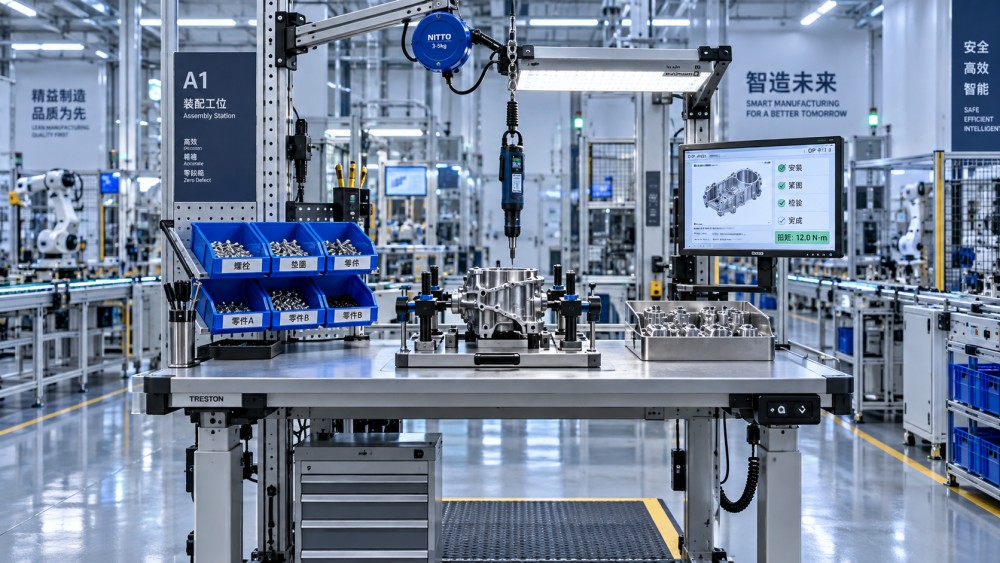
Video can help when used carefully and with appropriate workforce communication. A short recording of a representative cycle makes it easier for safety, quality, engineering, and maintenance teams to discuss the same movement. It also prevents decisions from being driven only by impressions. The goal is not to judge an individual’s technique; it is to reveal what the station asks a person to do.
Where workstation design makes the biggest difference
Work height should follow the task, not a generic bench dimension. Fine assembly, precision metrology, and close visual inspection often need a different working height than forceful pressing, packing, or torque-controlled fastening. A fixed station may serve only a narrow range of body sizes well. Where the operation permits it, height-adjustable work surfaces, adjustable foot platforms, or adaptable fixture mounts can reduce the need for workers to compensate with their shoulders, back, or wrists.
Part presentation deserves the same attention as the work surface. Frequently used items should be located close to the operator, at a height and orientation that avoids deep bending, high reaching, or repeated forearm rotation. Gravity-fed bins, angled presentation trays, turntables, and well-designed kitting can help, but only if replenishment does not introduce a new manual-handling problem.
Fixtures are frequently underestimated. A fixture that holds the component securely, presents the work at a practical angle, and allows quick release can remove both force and awkward posture from the cycle. By contrast, a low-cost fixture that requires hand stabilization may create quality and safety exposure at once. The worker is asked to resist tool reaction, control the part, and maintain visual attention in the same moment.
Lighting also belongs in the discussion. Poor illumination can cause people to lean closer, flex the neck for extended periods, or repeat inspections because edge conditions and markings are difficult to see. More light is not automatically better; glare on polished metal, digital displays, coated surfaces, or measurement instruments can be equally disruptive. The correct approach depends on the component finish, the inspection criterion, and the angle of viewing.
Tool choice is an ergonomic and quality decision
Handheld tools concentrate several risk factors: mass, handle diameter, trigger position, torque reaction, vibration, cable drag, heat, and balance. A tool may meet the required process specification while still being a poor fit for the task. When selecting or reviewing a tool, safety and quality managers should look beyond nominal output and ask how it behaves in the operator’s hand at the actual working angle.
For powered fastening, a reaction arm, balancer, or articulated support can be valuable when torque reaction or tool weight is significant. Yet these aids require commissioning and maintenance. A poorly positioned balancer can pull the tool away from the work; a reaction system with limited travel may cause workers to fight the equipment or bypass it during high-volume periods. Tool support should follow the path of the job, not force the job to fit the support.
Brushless motors, electronic shutoff tools, and connected torque systems can improve process control when correctly specified, but digital capability does not eliminate ergonomic exposure. The body still experiences the tool’s mass and geometry. A connected tool can, however, provide useful process signals: repeat fastening attempts, unusually long run time, angle variation, or frequent overrides may indicate a joint issue, a tool issue, or a workstation problem worth reviewing.
The same principle applies to welding and precision measurement. A welding torch that is difficult to maneuver can drive awkward wrist and shoulder positions. A caliper, gauge, or optical inspection device used repeatedly may create hand and neck strain if the component is not properly supported. Precision depends on stable, repeatable human interaction with the work—not only on instrument resolution.
Do not use job rotation as a substitute for redesign
Rotation can be useful when it changes the physical demand in a meaningful way. Moving an operator from high-frequency hand assembly to another station that repeats the same pinch grip, reach distance, or shoulder posture may change the product but not the exposure. In some lines, rotation also introduces extra training demands and increases the chance of process variation if work instructions are not clear.
A stronger hierarchy is to remove the exposure where possible, redesign the workstation or task, add appropriate mechanical assistance, and then use administrative controls such as rotation, micro-breaks, and work pacing to support the improved process. Rotation should be designed from a task-demand map, not from a staffing spreadsheet alone.
Micro-breaks can be practical on some operations, particularly when they are built into replenishment, verification, or natural line transitions. They are less credible when the takt time leaves no room to recover and the operator must make up production immediately afterward. Any schedule adjustment should be assessed with line leadership so that it works under real output conditions.
Connect ergonomics to quality evidence and operator voice
The best improvement discussions involve the people closest to the station. Operators can explain where a component catches, which fastener is difficult to start, when a tool cable interferes, or why a nominally standard sequence becomes awkward during a certain product variant. Their input is especially valuable during pilot builds, changeovers, and periods when defect patterns shift.
Quality records can make those conversations more focused. Compare ergonomic observations with rework categories, defect locations, tool alarms, first-pass yield patterns, and inspection findings. The relationship may not be direct, and it should not be overstated. Still, a station that becomes harder to perform accurately as fatigue develops is a legitimate quality risk.
Before and after changes, document the task conditions rather than relying on a general statement that the station is “more ergonomic.” Record the component orientation, reach distances where relevant, tool configuration, fixture position, task sequence, training needs, and operator comments. Confirm that the modification has not made maintenance, cleaning, access, emergency response, or inspection more difficult.
A practical review path for assembly-line managers
When resources are limited, prioritize stations where physical demand and quality sensitivity overlap. High-volume fastening, repetitive inspection, manual insertion, handheld welding, packaging, and rework cells are common starting points. Focus on tasks involving force, sustained awkward posture, frequent reaches, vibration, precision visual work, or known operator discomfort.
- Observe a full production cycle and include exceptions such as jams, replenishment, rejects, and tool changes.
- Ask operators what they alter during a busy shift to keep the job moving.
- Separate issues that need immediate correction from those requiring fixture, tooling, or line-layout changes.
- Trial changes with representative users before committing to a broader rollout.
- Recheck quality controls, cycle time, and maintainability after the modification is in place.
This approach avoids a common failure mode: purchasing an ergonomic accessory without confirming whether it addresses the dominant exposure. A new chair will not solve a shoulder-height task performed standing. A lighter driver may not solve poor part presentation. An adjustable table may not help if the fixture forces the wrist into an unfavorable angle.
Ergonomics should evolve with the manufacturing system
Automation, connected tools, lightweight equipment, and digital work instructions are changing the way assembly work is organized. They can reduce physical exposure, but they can also create new demands: more screen interaction, faster exception handling, tighter pacing, or more constrained access around automated cells. Ergonomic review should be part of process change management, particularly when product variants, tooling, or takt time are revised.
At GPTWM, the Strategic Intelligence Center follows the practical links between industrial tool design, precision metrology, metal joining, and the human work required to use these technologies reliably. Questions around handheld laser welding safety, brushless tool performance, and IoT-based torque control are not isolated technology topics. They also affect how safely and consistently an operator can complete a task at the point of production.
A credible workplace ergonomics for manufacturing program is therefore never a one-time layout exercise. It is a disciplined way to examine whether the process asks people to make avoidable physical compromises. Start with the highest-exposure stations, verify the task conditions, involve operators, and assess tools and fixtures against real work—not catalog descriptions. That is where safer assembly and more dependable quality usually begin.
Related News
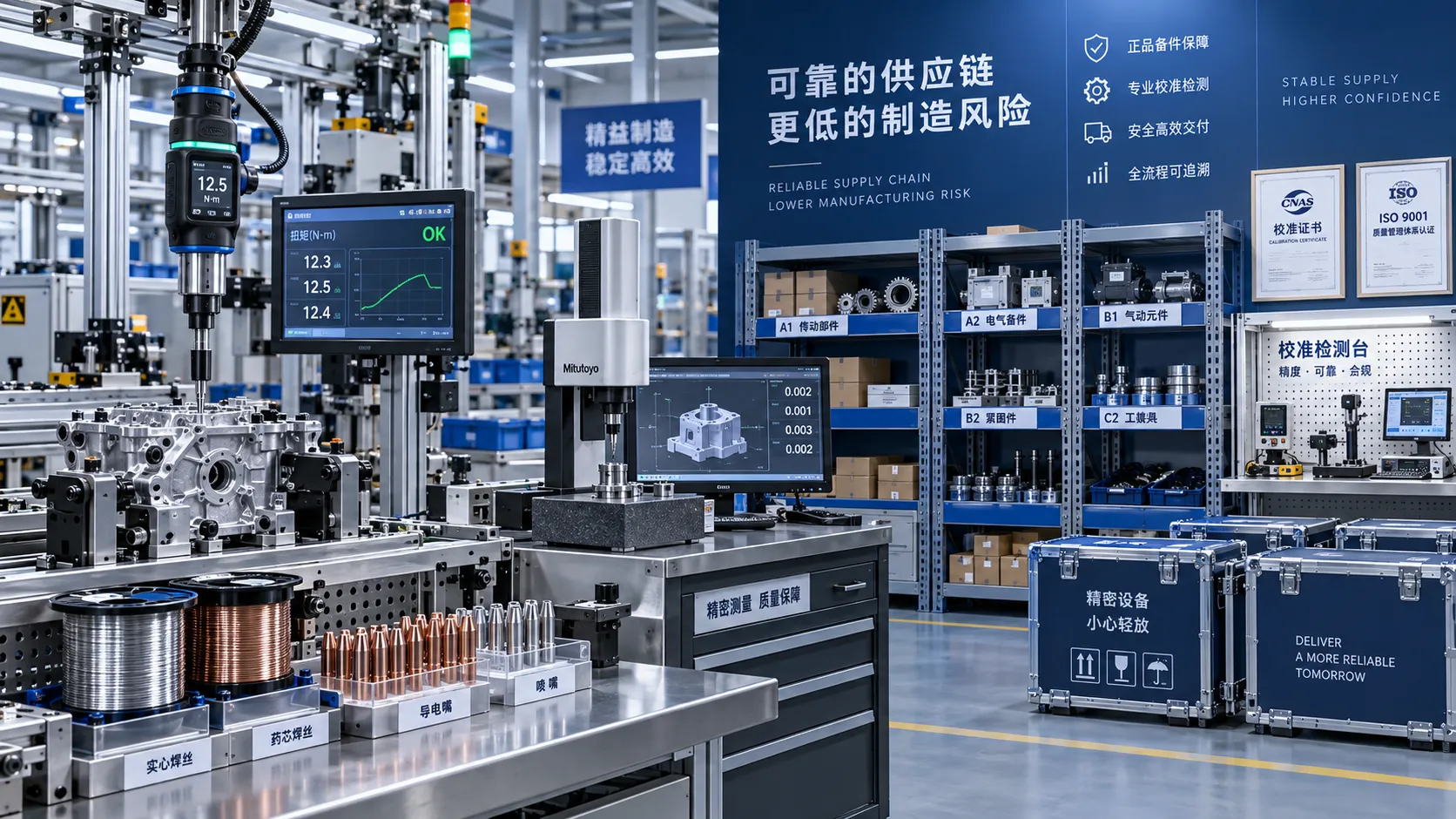
How Industrial Innovation Supplier Networks Reduce Sourcing Risk for Manufacturers
industrial innovation supplier network insights help manufacturers reduce sourcing risk, control lifecycle costs, and choose reliable tools, services, and suppliers with confidence.
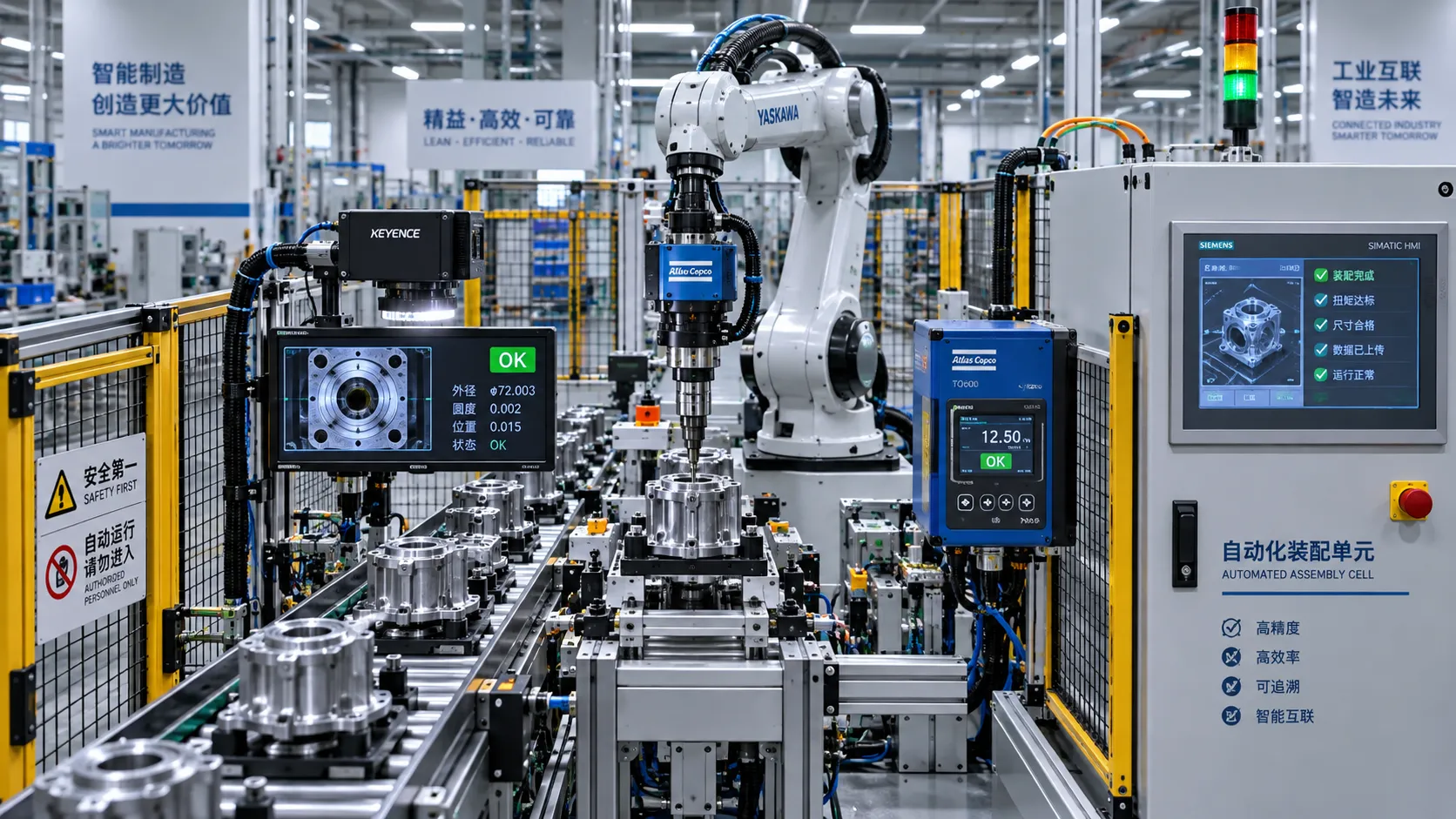
What Industrial Automation Exporters Need to Know Before Entering ASEAN Markets
Industrial automation exporter to ASEAN: learn how to navigate compliance, local service, digital readiness, pricing, and market entry for scalable growth.
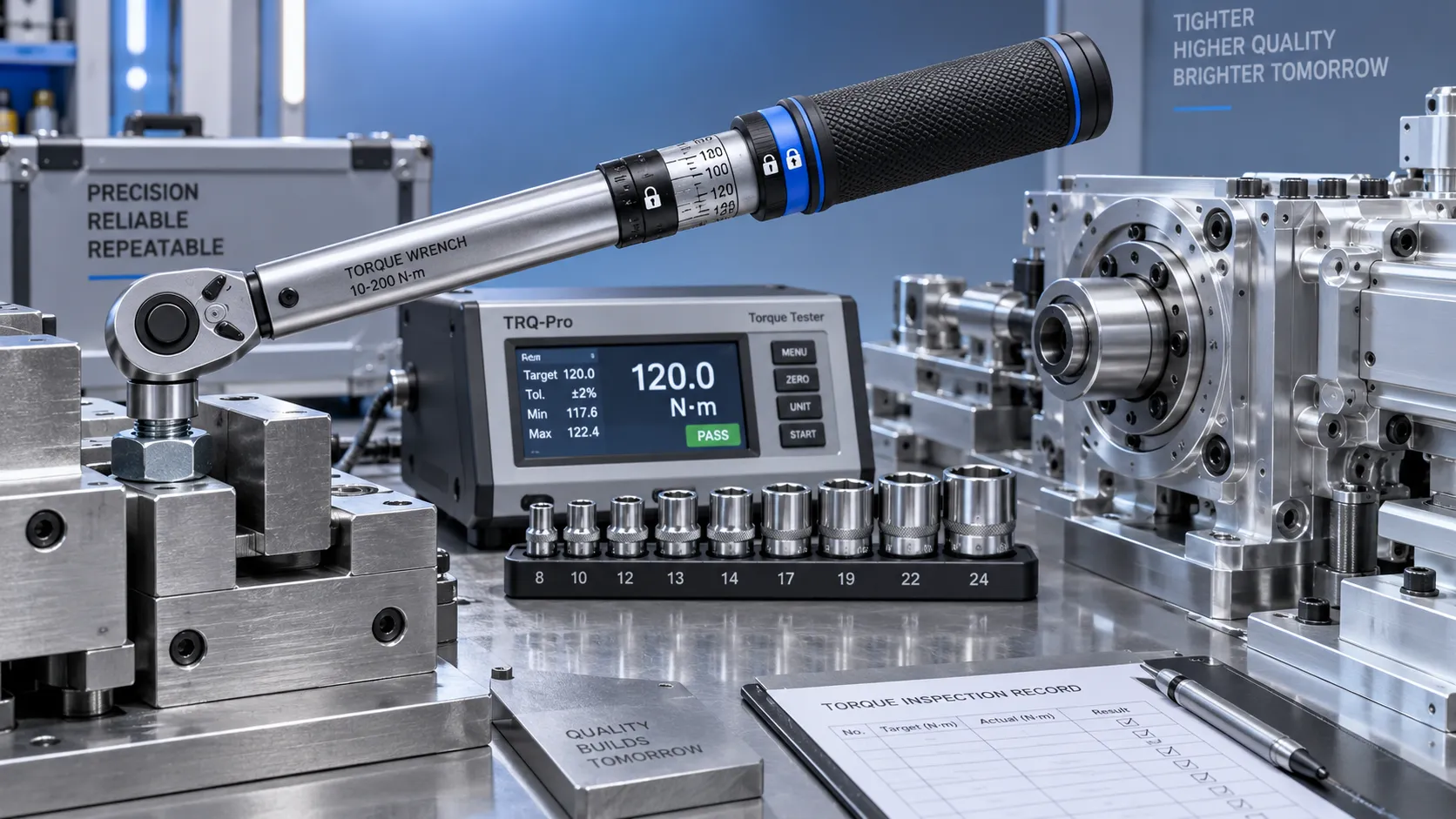
Selecting Adjustable Torque Tools for Repeatable Fastener Assembly
Adjustable torque tools: learn how to match range, accuracy, control methods, calibration, and ergonomics for repeatable, reliable fastener assembly.
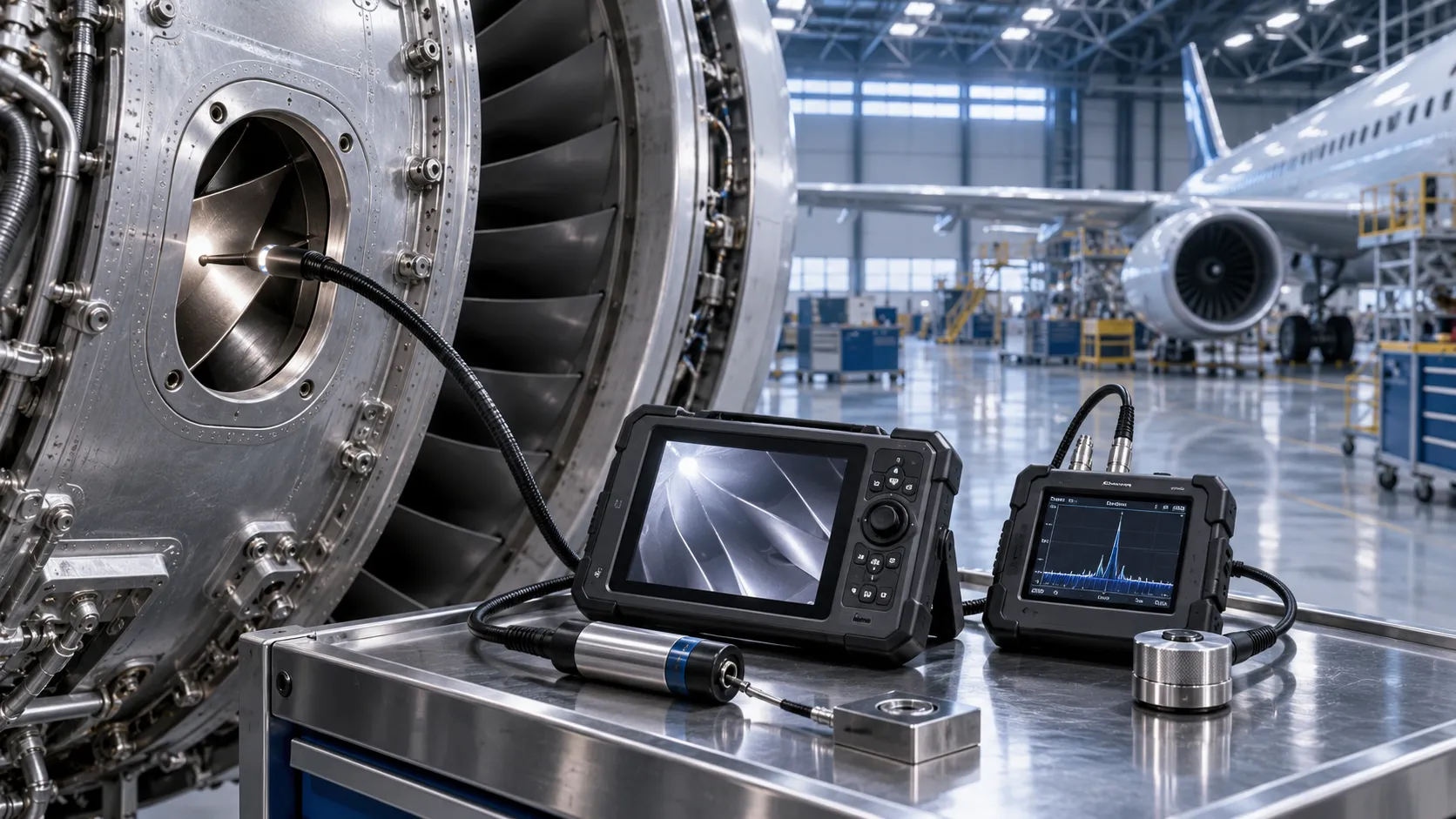
How to Select Aerospace Inspection Tools for Aircraft Maintenance Tasks
Aerospace maintenance inspection tools: learn how to select reliable, traceable equipment for aircraft access, accuracy, calibration, and compliant maintenance decisions.
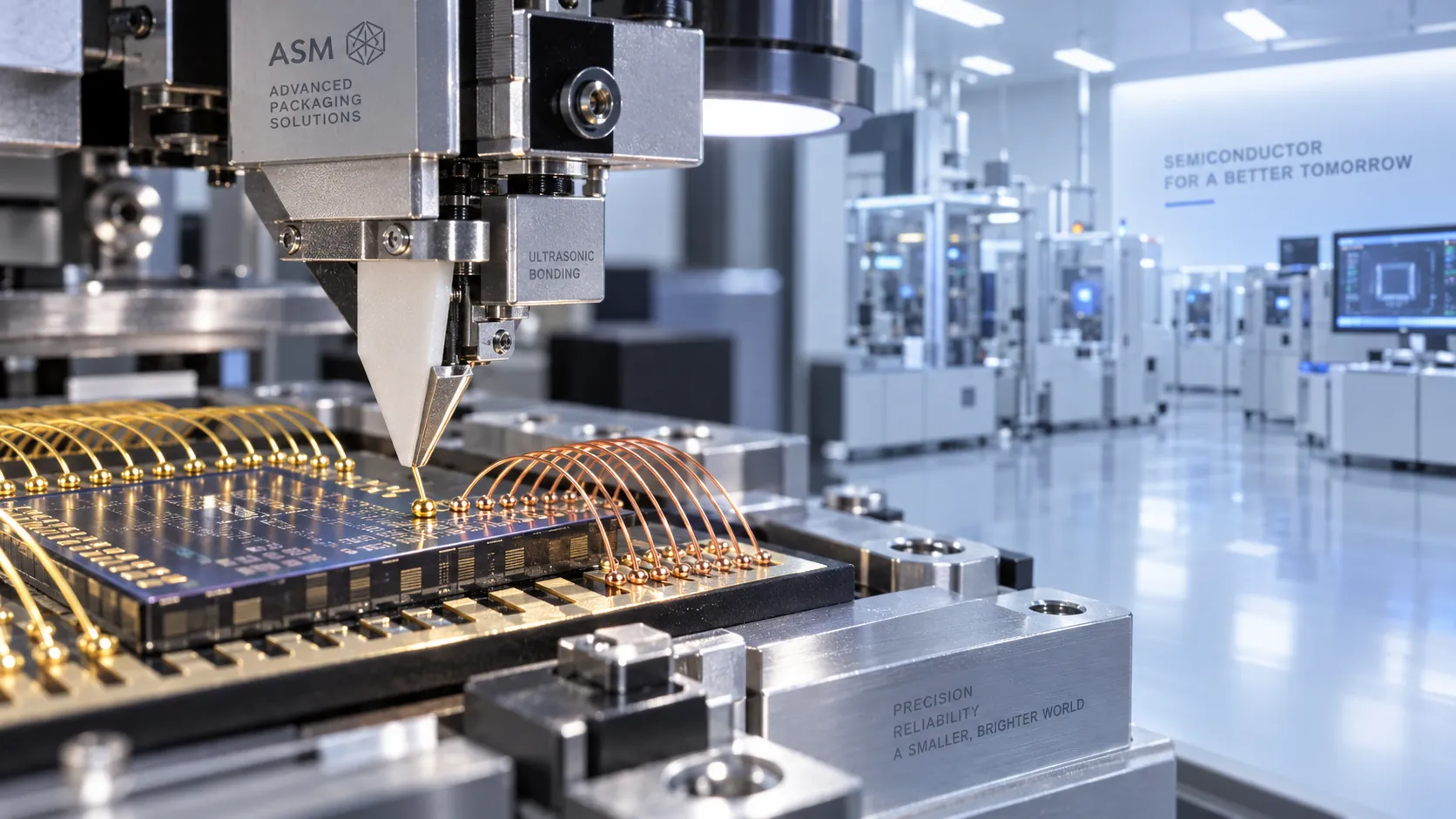
How to Select Wire Bonding Tools for Fine-Pitch Semiconductor Packaging
Explore semiconductor manufacturing tools for wire bonding and learn how to select precision solutions for fine-pitch packaging, reliable loops, accuracy, and yield.
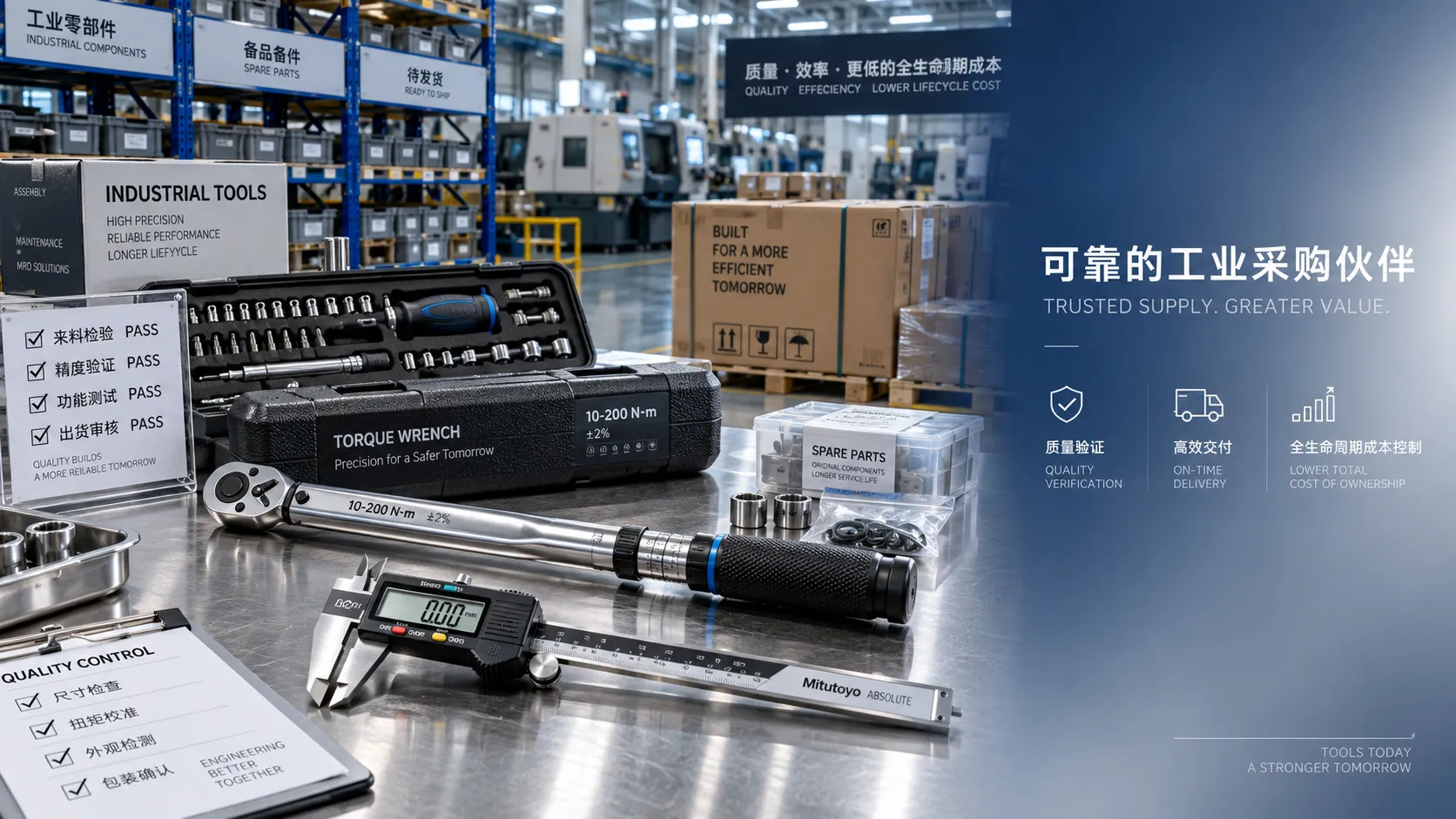
How to Compare Industrial Tool Suppliers for Quality, Lead Time, and Total Cost
Industrial tool selection supplier comparison made simple: evaluate quality, lead times, total cost, service, and supply resilience for confident sourcing decisions.
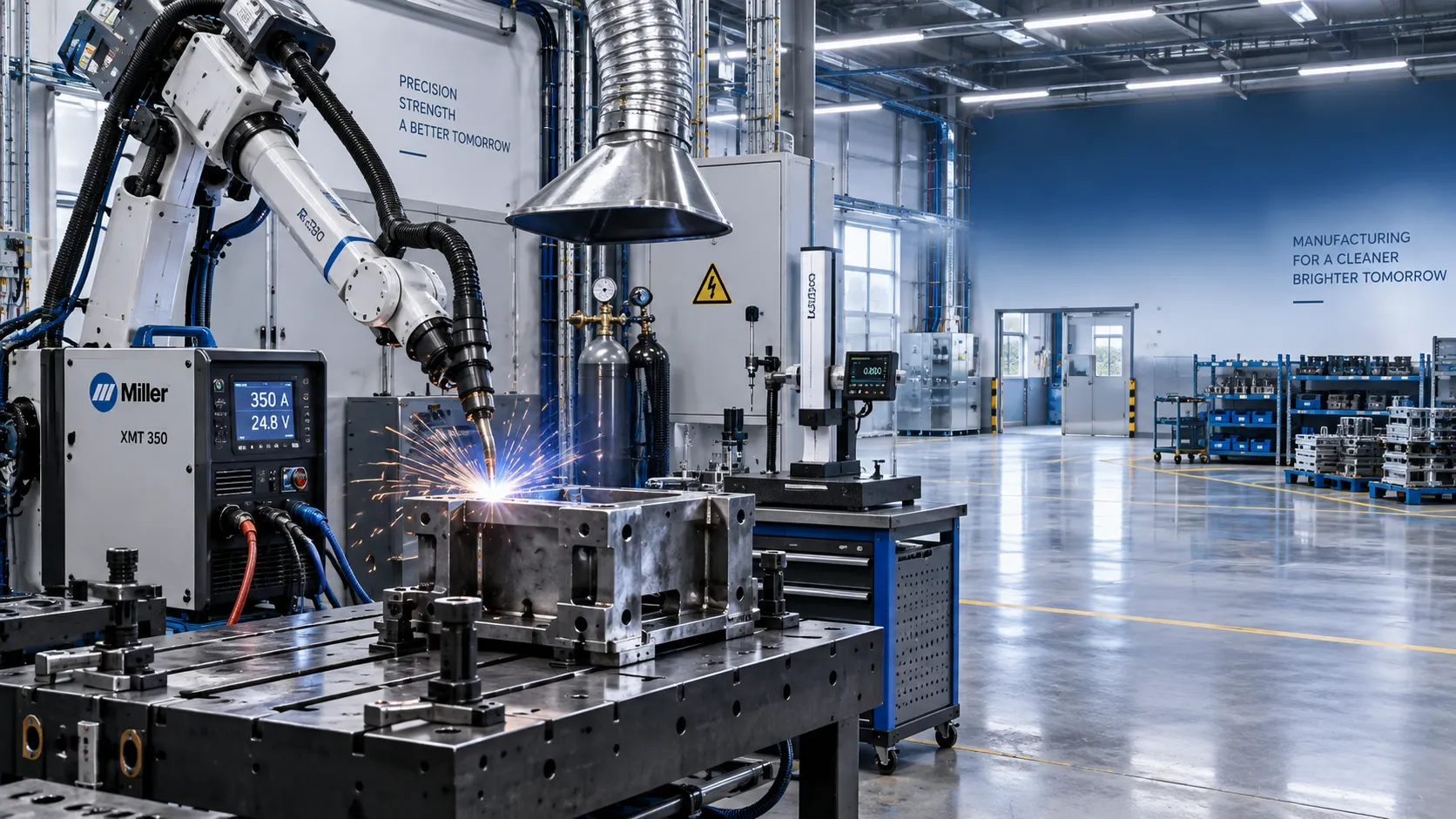
Industrial Equipment Application Guidance: Match Machines to Operating Conditions
Application guidance industrial equipment: match capacity, duty cycle, materials, site conditions, safety, and lifecycle cost to improve reliable output. Read the guide.
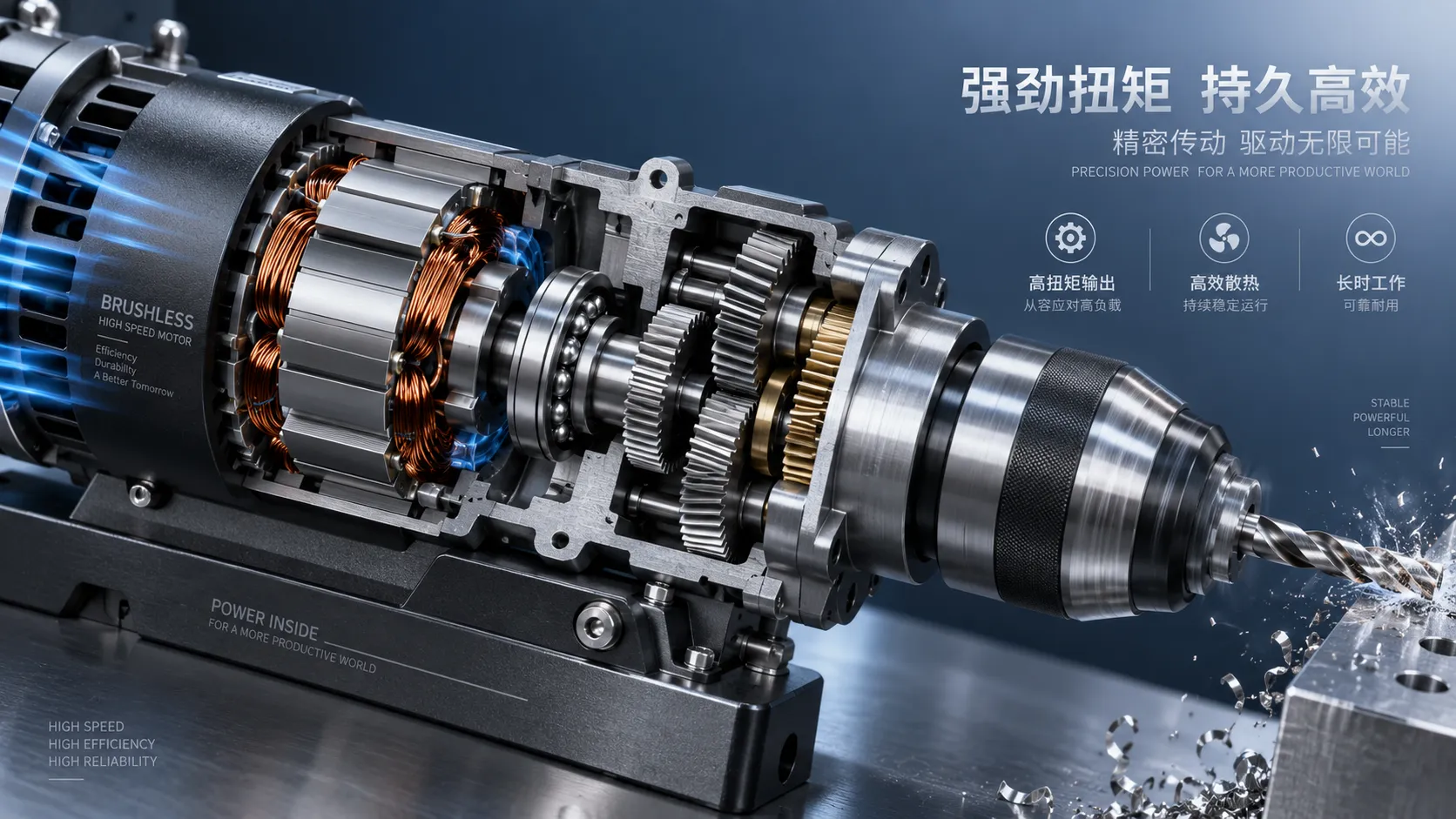
Selecting High-Speed Brushless Tool Motors for Torque, Heat, and Duty Cycle
High speed brushless tool motors: learn how to balance torque, heat, gearing, and duty cycle for reliable industrial tool performance and longer service life.
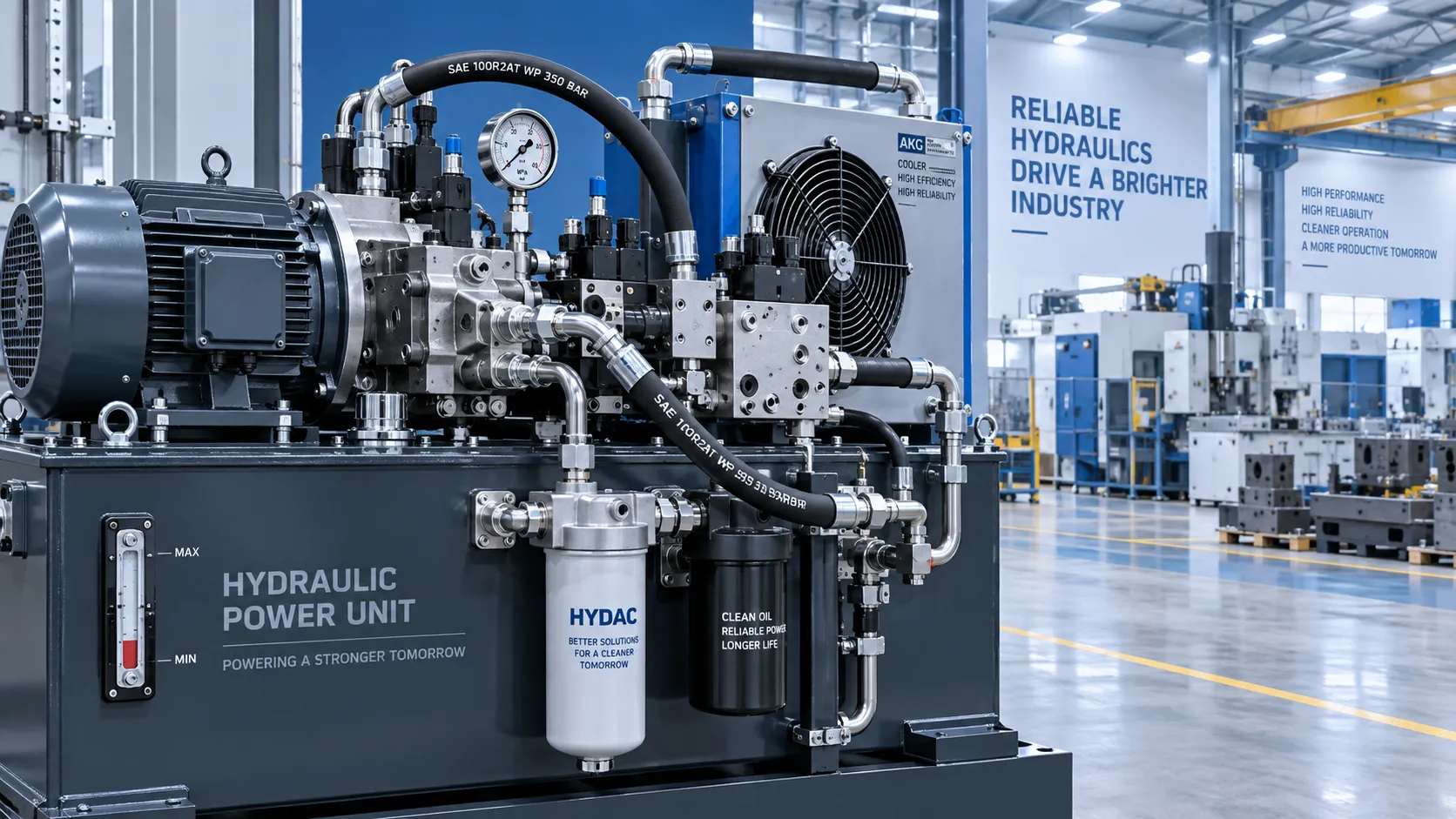
What Determines Industrial Hydraulic System Price for Heavy-Duty Equipment?
Industrial hydraulic system price depends on duty cycle, pressure, components, cooling, and integration. Compare quotes intelligently to secure reliable heavy-duty performance.
Related News
- 00
0000-00
Workplace Ergonomics for Manufacturing: Reducing Repetitive-Strain Risks on Assembly Lines - 00
0000-00
Selecting Adjustable Torque Tools for Repeatable Fastener Assembly - 00
0000-00
How to Select Aerospace Inspection Tools for Aircraft Maintenance Tasks - 00
0000-00
How to Select Wire Bonding Tools for Fine-Pitch Semiconductor Packaging - 00
0000-00
Industrial Equipment Application Guidance: Match Machines to Operating Conditions
Prof. Marcus Chen
Weekly Insights
Stay ahead with our curated technology reports delivered every Monday.