
How Industrial Innovation Supplier Networks Reduce Sourcing Risk for Manufacturers





How Industrial Innovation Supplier Networks Reduce Sourcing Risk for Manufacturers
For procurement professionals, sourcing risk rarely begins and ends with a quoted unit price. A supplier may appear competitive on paper yet lack the process discipline to maintain tolerances, the export documentation needed for a destination market, or the spare-parts support required after commissioning. A late delivery of a welding consumable, a torque tool with inconsistent calibration records, or a measuring instrument that cannot be serviced locally can interrupt production far more severely than a modest price difference suggests.
An industrial innovation supplier network addresses this problem by giving buyers a more useful basis for comparison. Rather than treating suppliers as isolated entries in a database, it connects manufacturing capability, technical knowledge, market signals, quality expectations, and delivery realities. The goal is not simply to find more vendors. It is to make fewer decisions based on incomplete information.
This matters particularly in the industrial “last mile”: assembly, metal joining, inspection, repair, and maintenance. In these areas, a component or tool can be inexpensive while its failure cost is substantial. Procurement teams need to understand not only what is being purchased, but how it will be used, verified, replenished, and supported across the operating life of the equipment.
Why conventional supplier comparison leaves gaps
Traditional sourcing often starts with a request for quotation, followed by a comparison of price, lead time, payment terms, and stated specifications. That process remains necessary, but it can understate several risks that only become visible after an order is placed. A quoted lead time may not reflect the availability of a critical motor, sensor, battery cell, electronic control board, or raw material grade. A stated specification may not clarify the test method, environmental conditions, duty cycle, or allowable measurement uncertainty behind it.
The problem becomes sharper when technical products cross borders. Export controls, labeling requirements, battery transport rules, electrical requirements, and documentation expectations differ by product category and destination. Buyers do not need to become legal specialists, but they do need early visibility into which questions require confirmation before a supplier is approved.
A sourcing decision can also be distorted by evaluating a supplier only at the company level. A manufacturer may be strong in mechanical fabrication but depend on external partners for electronics, calibration, coatings, or final inspection. That does not automatically make the supplier unsuitable. It does mean the buyer should understand where control actually sits, which processes are subcontracted, and how nonconforming material is contained.
What a supplier network should reveal before a purchase order
A useful industrial innovation supplier network is not merely a marketplace. It should help procurement teams build a picture of operational fit. For a power tool, that may include motor architecture, battery platform continuity, serviceability, vibration considerations, and the availability of wear parts. For a handheld laser welding solution, the relevant questions extend beyond output capability to operator safety provisions, training needs, workpiece range, shielding gas practice, and the conditions under which the technology is appropriate.
For precision metrology, a buyer should look past nominal resolution. Resolution is not the same as measurement performance in the application. The measurement range, repeatability, calibration approach, contact geometry, temperature conditions, data-output needs, and suitability for the inspected feature all influence whether the instrument can support process control. A lower purchase price can be misleading if the tool creates rework, disputed inspection results, or frequent replacement.
The distinction is practical. A supplier directory may tell a buyer that a company offers hydraulic equipment. A well-developed network helps the buyer ask whether the equipment is intended for intermittent field use or sustained industrial duty, whether seal and hose replacements are available in the target region, and whether the proposed configuration suits the operating fluid, pressure range, and maintenance capability on site.
Innovation intelligence reduces the risk of buying yesterday’s answer
Sourcing risk is also created when procurement specifications remain static while production methods change. This does not mean buyers should pursue every new technology. In fact, the opposite is often true: a disciplined buyer needs enough market intelligence to distinguish a genuinely useful development from a feature that adds cost without solving a production problem.
Consider brushless motors in industrial power tools. The decision should not be reduced to whether brushless is “better.” Buyers should examine the expected duty cycle, torque demand, maintenance environment, battery ecosystem, repair strategy, and total platform cost. In some applications, the operational benefit may justify the premium; in others, the procurement case may be weak. The value of network intelligence is that it frames the decision around conditions of use rather than fashion.
The same applies to IoT-enabled torque control. Digital traceability can support assembly quality and process visibility, but only when the production environment can use the data. Questions about integration, access control, maintenance ownership, software support, and data retention should be resolved before a buyer treats connectivity as a guaranteed benefit. A connected tool that cannot be maintained or integrated cleanly may introduce a different category of operational risk.
The Global Precision Tools & Welding Matrix (GPTWM) focuses on these last-mile manufacturing decisions across industrial assembly, metal joining, and precision metrology. Its Strategic Intelligence Center brings together perspectives from metrology specialists, electro-mechanical tool designers, and industrial economists. That combination is useful because a sourcing issue is rarely only technical or only commercial. Raw-material movement, export restrictions, tool design limits, safety practices, and demand patterns can all affect the same buying decision.
From lowest purchase price to defensible total cost
The most effective supplier-network approach changes the cost conversation. Instead of asking only, “Which offer is cheapest?” procurement can ask, “Which option has the most defensible delivered cost under our actual operating conditions?” Delivered cost includes freight and duties where relevant, but it should also include the less visible items that repeatedly cause budget leakage: incoming inspection effort, onboarding time, consumables, calibration, repair turnaround, line stoppage exposure, and the cost of qualifying an emergency replacement.
This is especially relevant where technical variation is hidden behind similar product descriptions. Two calipers may share a nominal range, yet differ in ergonomics, data connectivity, environmental suitability, calibration support, and durability in daily shop-floor use. Two welding torches may fit the same broad process category but differ in cooling arrangement, consumable availability, cable handling, and compatibility with the installed equipment. The right comparison is therefore application-specific.
A procurement team does not need a complex model for every low-value item. It does need proportionality. Classify purchases by production criticality, technical complexity, replacement difficulty, and supply concentration. Standard consumables may be managed with approved alternates and reorder controls. High-impact tools, measuring equipment, and specialized joining systems usually warrant deeper technical review and clearer contingency planning.
Building a stronger sourcing process without slowing it down
Supplier-network intelligence works best when it is embedded at the point where requirements are defined, not added after a supplier has already been selected. Procurement should involve operations, quality, maintenance, and safety stakeholders early enough to identify the few conditions that can disqualify an otherwise attractive offer. This is not an argument for endless internal review. It is a way to prevent a vague specification from becoming an expensive correction later.
For critical purchases, a compact pre-award review can be more valuable than a large vendor scorecard. Confirm the intended application, accepted technical parameters, required documentation, delivery assumptions, service route, spare-parts plan, and acceptance method. If the item will affect a regulated product or a safety-sensitive operation, the relevant local requirements should be checked with appropriate technical or compliance resources rather than inferred from marketing materials.
It is equally important to preserve market awareness after approval. Supplier conditions change. Input costs move, product lines are revised, component availability tightens, and standards interpretations evolve. GPTWM’s coverage of sector news, evolutionary trends, and commercial demand signals can help buyers monitor developments affecting handheld laser welding, intelligent torque systems, high-precision instruments, and hydraulic equipment. The purpose is not to create noise around every market movement. It is to give procurement a reasoned basis for revisiting assumptions when conditions genuinely shift.
A network is valuable when it improves judgment
Manufacturers cannot eliminate sourcing risk, and a larger supplier list is not the same as resilience. A strong industrial innovation supplier network improves resilience by making capability visible, exposing dependencies earlier, and connecting product choices with the realities of use and support. It helps buyers avoid false economies without assuming that the most expensive option is automatically safer.
For procurement teams evaluating industrial tools, welding technologies, metrology equipment, or related production assets, the next useful step is to test each sourcing decision against its operating context. Verify the parameters that matter on the line, clarify which standards or destination-market requirements apply, and ask how the item will be repaired, recalibrated, or replaced when production is under pressure. That is where intelligence becomes a practical purchasing control rather than another layer of information.
- industrial assembly
- metal joining
- precision metrology
- handheld laser welding
- brushless motors
- hydraulic equipment
- industrial tools
- precision tools
- sector news
- evolutionary trends
- precision instruments
- laser welding
- tool design
- industrial innovation
- industrial innovation supplier
- industrial innovation supplier network
Related News
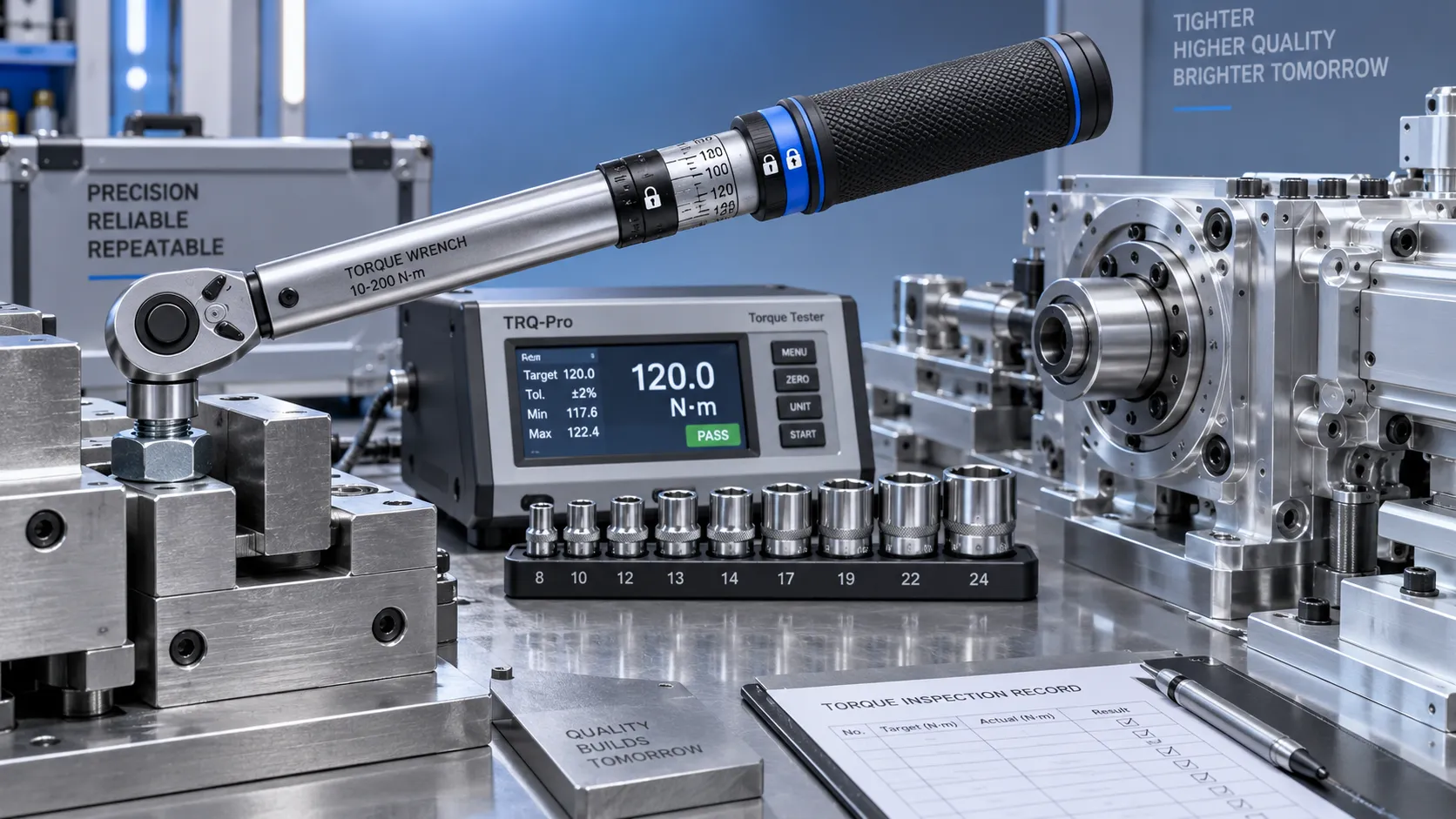
Selecting Adjustable Torque Tools for Repeatable Fastener Assembly
Adjustable torque tools: learn how to match range, accuracy, control methods, calibration, and ergonomics for repeatable, reliable fastener assembly.

How to Select Aerospace Inspection Tools for Aircraft Maintenance Tasks
Aerospace maintenance inspection tools: learn how to select reliable, traceable equipment for aircraft access, accuracy, calibration, and compliant maintenance decisions.

How to Select Wire Bonding Tools for Fine-Pitch Semiconductor Packaging
Explore semiconductor manufacturing tools for wire bonding and learn how to select precision solutions for fine-pitch packaging, reliable loops, accuracy, and yield.
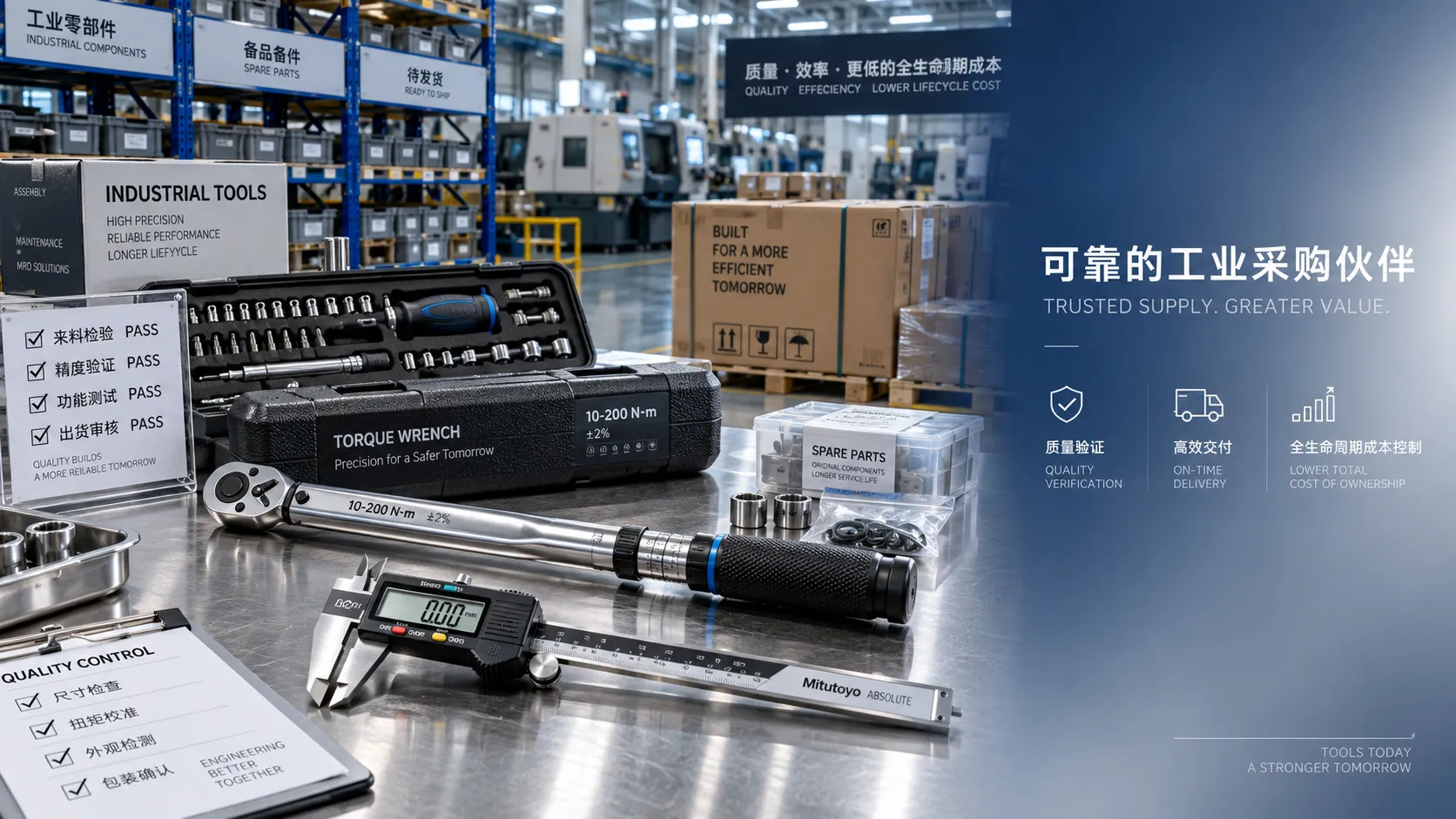
How to Compare Industrial Tool Suppliers for Quality, Lead Time, and Total Cost
Industrial tool selection supplier comparison made simple: evaluate quality, lead times, total cost, service, and supply resilience for confident sourcing decisions.

Industrial Equipment Application Guidance: Match Machines to Operating Conditions
Application guidance industrial equipment: match capacity, duty cycle, materials, site conditions, safety, and lifecycle cost to improve reliable output. Read the guide.
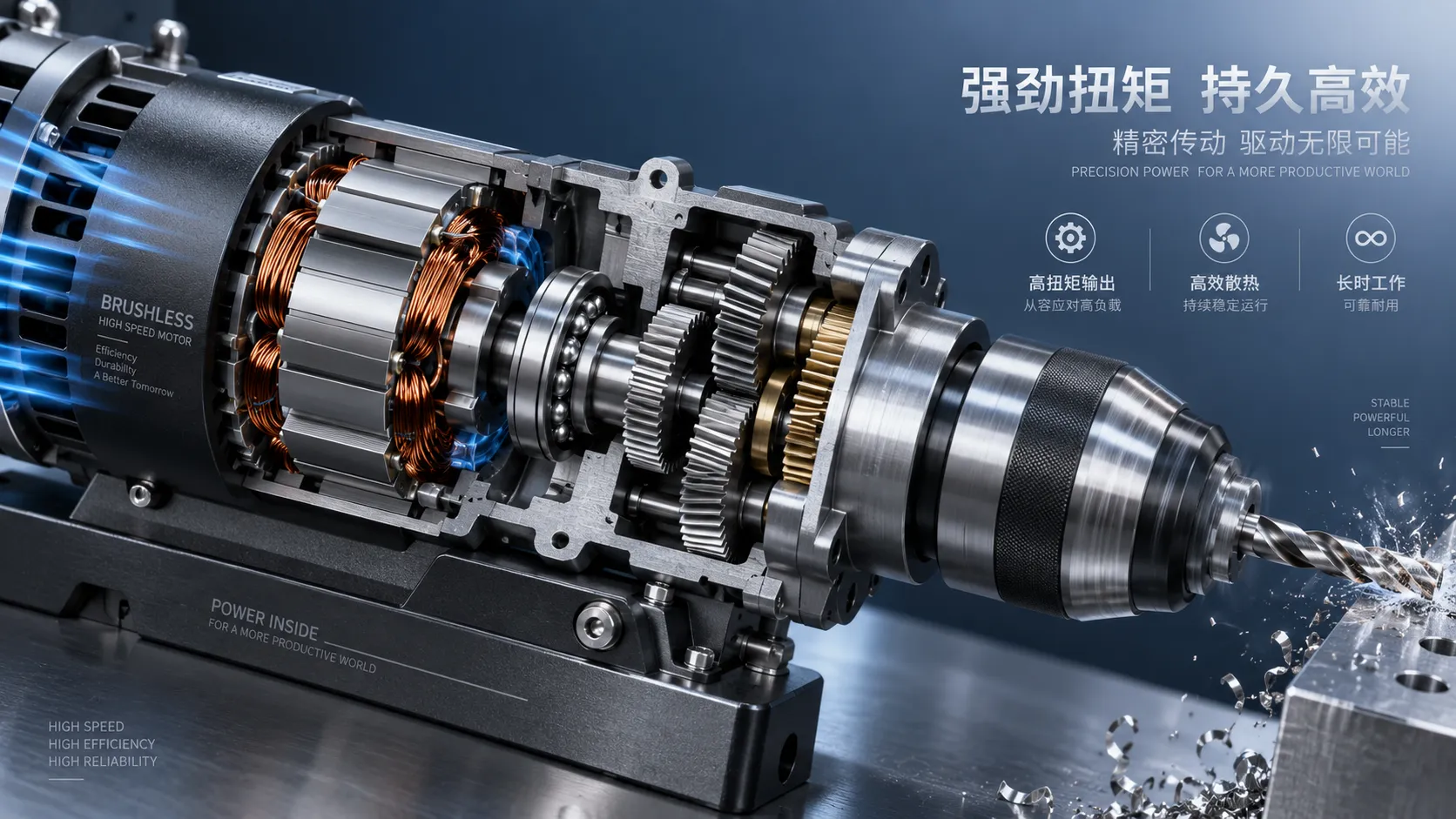
Selecting High-Speed Brushless Tool Motors for Torque, Heat, and Duty Cycle
High speed brushless tool motors: learn how to balance torque, heat, gearing, and duty cycle for reliable industrial tool performance and longer service life.
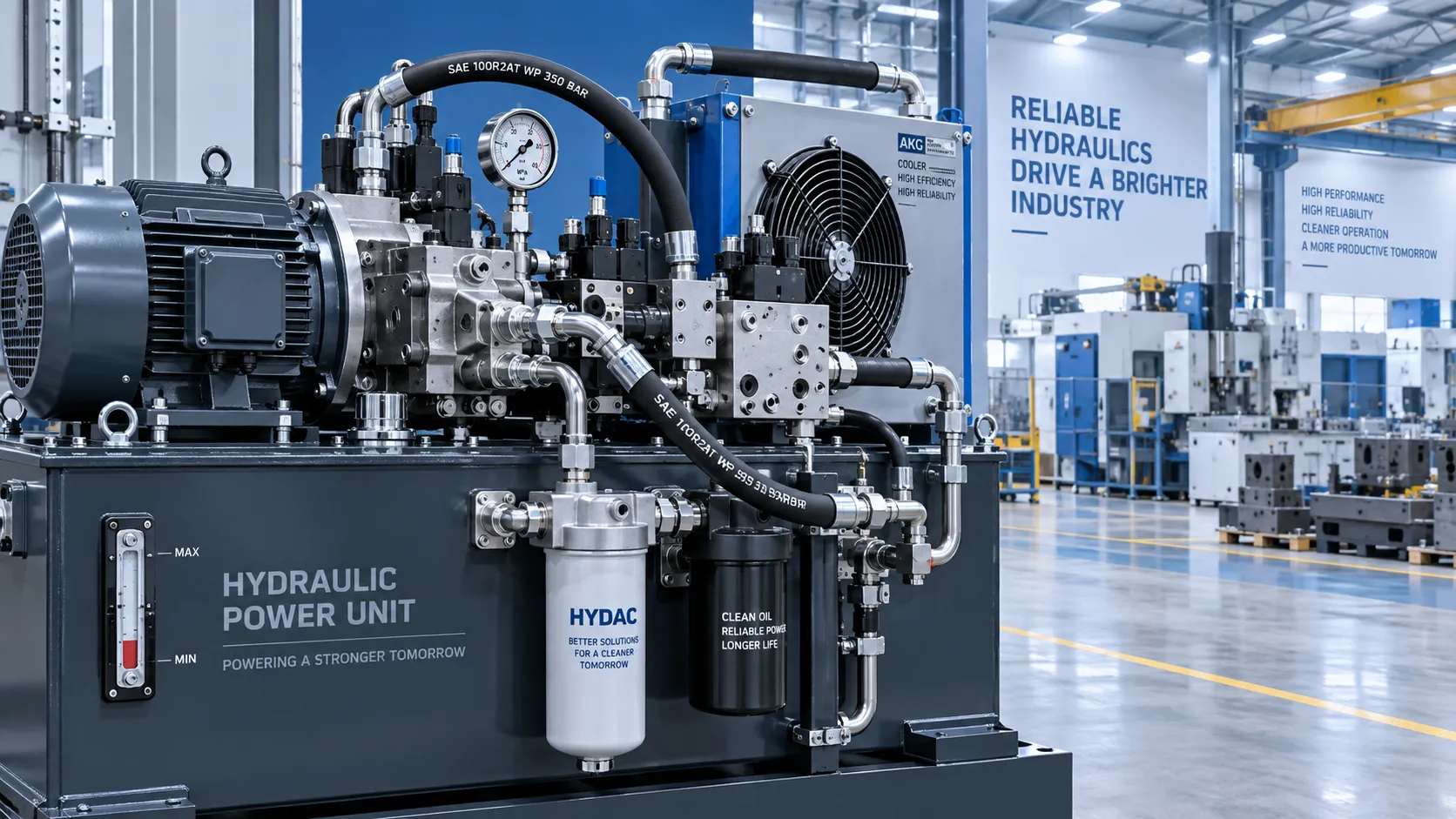
What Determines Industrial Hydraulic System Price for Heavy-Duty Equipment?
Industrial hydraulic system price depends on duty cycle, pressure, components, cooling, and integration. Compare quotes intelligently to secure reliable heavy-duty performance.
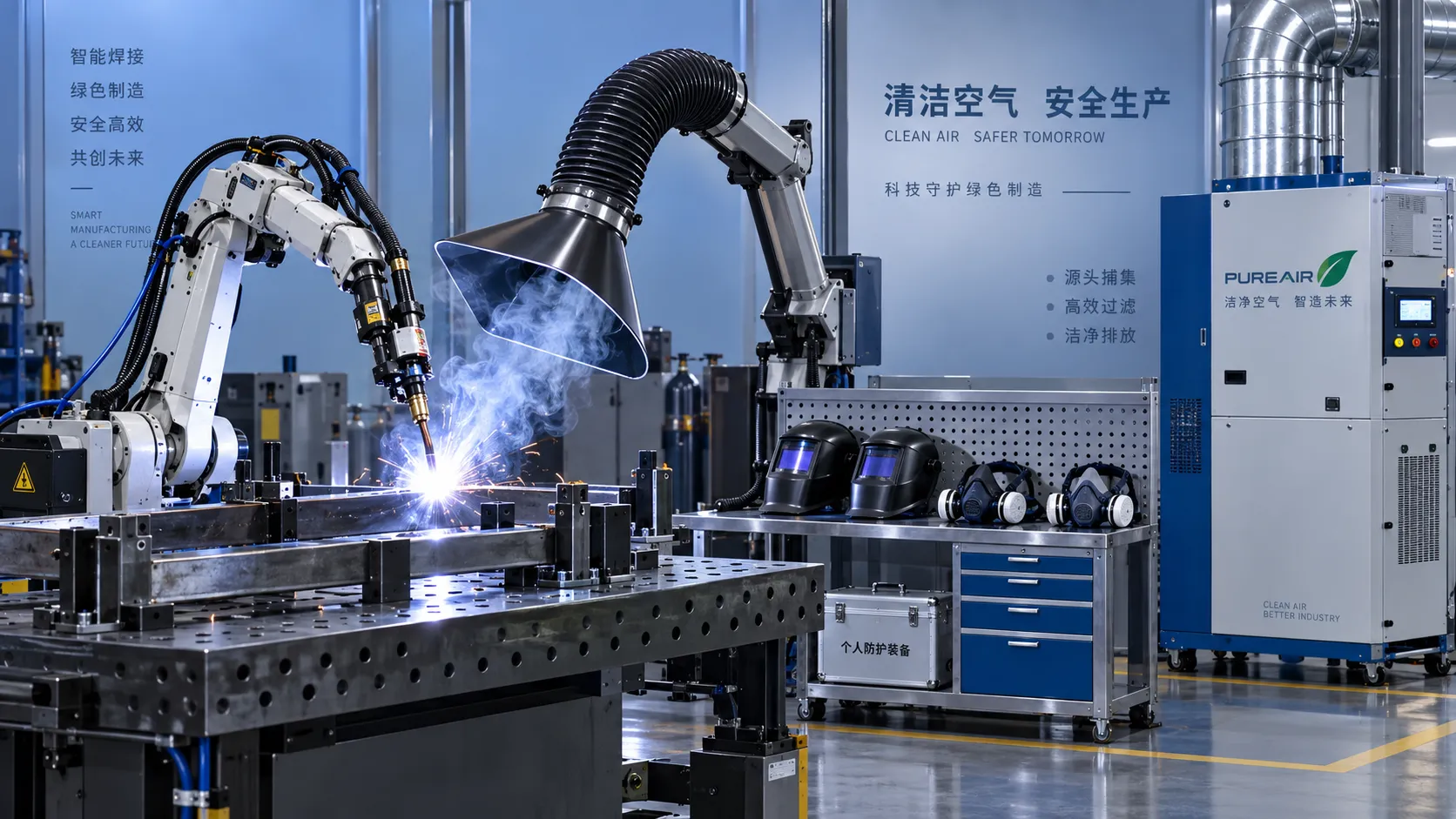
Welding Fume Extraction PPE: When Respirators Are Not Enough for Shop Safety
Welding fume extraction PPE: learn why respirators alone fall short and how source capture, ventilation, and layered controls improve shop safety.

How to Select Optical Metrology Solutions for Tight-Tolerance Manufacturing
Optical industrial metrology solutions for tight-tolerance manufacturing: evaluate accuracy, surface compatibility, workflow, and traceability to select with confidence.
Related News
- 00
0000-00
How Industrial Innovation Supplier Networks Reduce Sourcing Risk for Manufacturers - 00
0000-00
How Procurement Teams Can Map the Industrial Value Chain to Reduce Supply Risk - 00
0000-00
How Industry Category Guides Help Global Sourcing Teams Compare Suppliers Faster - 00
0000-00
Intelligent Tools in Southeast Asia: Key Market Trends, Buyers, and Supply Chain Shifts - 00
0000-00
Industrial Value Chain Europe: Where Sourcing Risks and Lead-Time Pressure Are Rising
Dr. Alistair Vaughn
Weekly Insights
Stay ahead with our curated technology reports delivered every Monday.