
What Industrial Automation Exporters Need to Know Before Entering ASEAN Markets





Entering ASEAN is not a single market-entry decision. An industrial automation exporter to ASEAN is dealing with a group of manufacturing economies that may share regional trade connections while differing sharply in production maturity, technical buying behavior, documentation expectations, labor economics, and service capacity.
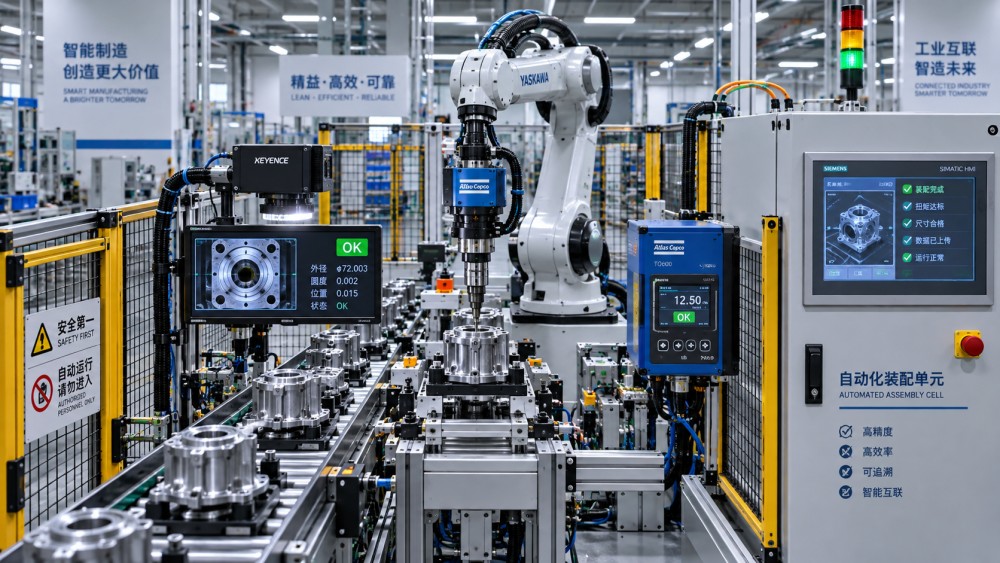
The practical question is not whether automation demand exists. It does. The harder question is whether a product can be specified, installed, maintained, and expanded profitably in the particular industries and locations being targeted. A connected torque controller, machine-vision station, robotic welding cell, or precision inspection system can be technically capable yet still fail commercially if it does not fit local engineering practices or the available support model.
Before committing inventory, market development funds, or local partnerships, exporters should test the operating conditions around the product as carefully as they test the product itself.
ASEAN Manufacturing Demand Is Broad, but Not Uniform
It is tempting to describe ASEAN as one fast-growing automation market. That view is useful only at a very high level. In practice, demand is shaped by the local concentration of industries such as automotive and component assembly, electronics, food and beverage processing, packaging, metal fabrication, logistics, construction equipment maintenance, and general contract manufacturing.
These sectors do not buy automation for the same reason. A high-volume electronics producer may prioritize cycle consistency, traceability, and compact integration. A fabrication workshop may be more concerned with reducing rework, improving weld repeatability, or addressing a shortage of experienced operators. A plant handling varied product batches may need flexible fixtures and programming support rather than a large fixed automation cell.
This changes the sales conversation. Exporters should avoid leading with an extensive product catalog. Start with the operational constraint the equipment solves: tightening consistency, inspection bottlenecks, manual data collection, changeover time, weld quality variation, operator safety, or unplanned downtime. The narrower the initial use case, the easier it is to define a credible technical and commercial offer.
Market selection should therefore begin with an industry-to-application map, not a country list. Identify where the target application is common, what the existing process looks like, who influences equipment selection, and whether buyers typically purchase stand-alone tools, integrated stations, or complete project delivery.
Do Not Treat Product Compliance as a Paperwork Task
Documentation and conformity requirements are often discovered too late, after quotations have been issued or shipments are ready. This is especially costly for industrial automation because a system may combine electrical controls, motors, sensors, machine guarding, software, wireless connectivity, and imported components from several origins.
A workable entry plan separates three questions:
- Can the product be imported and placed on the market?
- Can it be installed safely in the intended industrial environment?
- Can the local customer accept its documentation during procurement, commissioning, and internal safety review?
The answers can differ. A component may be acceptable for sale but still require more complete electrical drawings, safety documentation, operating instructions, or local-language labels before an end user will approve a project. For machinery and cells, the integration boundary matters as much as the individual machine. Once a robotic system, conveyor, guarding, welding source, and control cabinet are assembled into one solution, responsibility for the overall installation becomes more visible.
Exporters should create a market-entry document pack before appointing partners or responding to tenders. It should include clear product identification, technical specifications, installation requirements, maintenance procedures, wiring and pneumatic information where relevant, safety guidance, spare-parts references, and software version control. A well-structured pack reduces engineering friction and helps prevent a local installer from modifying a system without understanding its operating limits.
Language also affects usability. A high-level English manual can be sufficient for some engineering teams, but operator instructions, warning labels, and troubleshooting materials often need to be more accessible. The goal is not to translate every document indiscriminately. It is to translate the information needed for safe operation, routine maintenance, and fast fault isolation.
Service Capability Determines Whether Automation Becomes a Repeat Business
For standard industrial tools, a delayed replacement part is inconvenient. For automation equipment connected to a production line, it can stop output. That difference should shape the channel model from the beginning.
Buyers will evaluate more than the machine price. They will ask who can commission the system, adjust recipes or parameters, diagnose fieldbus and sensor issues, replace wearable components, restore a controller after a fault, and train new operators. An exporter without a clear answer may still make an initial sale, but will struggle to win larger projects or repeat orders.
Not every product requires a full local engineering team. The required support depth depends on the product category:
A common mistake is selecting a partner based mainly on geographic coverage or an existing customer list. Those matter, but technical credibility is usually more decisive in automation. A partner that can sell a broad range of industrial supplies may not be equipped to configure a torque traceability system or resolve intermittent communications on a production line.
Evaluate service capacity through concrete questions: Which engineers will support installation? What applications have they handled? Can they demonstrate basic diagnosis before launch? Are they willing to maintain a modest but relevant spare-parts stock? How will escalation work when the issue involves controls, mechanical setup, software, or process quality?
Digitalization Is a Selling Point Only When the Plant Can Use the Data
Connected automation is gaining attention across ASEAN manufacturing, especially where traceability, quality control, and equipment visibility affect customer audits or production performance. Yet “IoT-ready” is not a complete value proposition.
Plants differ in their readiness to use connected data. Some already have manufacturing execution systems, industrial networks, and internal teams that can work with production data. Others may still rely on paper records, manual spreadsheets, or isolated machines. Both types of customer can benefit from automation, but they should not receive the same offer.
For a digitally mature operation, integration compatibility, user access control, data structure, cybersecurity practices, and long-term software support may be central to the decision. For a plant at an earlier stage, the best first step may be a self-contained solution that captures critical process results locally and provides simple reporting without a complex integration project.
Exporters should be precise about what a system records, where the information is stored, who can access it, how it is retrieved, and what happens when connectivity is interrupted. Vague claims about smart manufacturing create expectations that the local installation team may not be able to fulfill.
This is particularly relevant for intelligent torque control, welding parameters, and measurement systems. Data has commercial value only when it helps a plant identify a quality issue, prove process compliance, shorten diagnosis time, or improve a repeatable operation. Collecting more data without a defined action path can add cost and complexity without improving the process.
Price Pressure Is Real, but Lowest Cost Is Not Always the Main Competitor
Automation exporters often expect the principal challenge to be low-cost equipment. In many applications, the tougher competition is the existing manual process. A buyer may accept variable quality, manual inspection, or operator-dependent output because the cost of changing the process appears uncertain.
That means a product comparison alone is not enough. The commercial case must explain what changes after installation. Depending on the application, that may be fewer assembly errors, more consistent welds, shorter inspection cycles, easier traceability, reduced rework, safer handling, or less dependence on scarce specialist labor.
However, exporters should not force a return-on-investment claim where the customer lacks reliable baseline data. Instead, structure the discovery process around measurable operational questions: How often does the defect occur? Where does rework happen? What stops the line? Which quality records are difficult to retrieve? Which operator task is hardest to standardize? This creates a more credible basis for a trial, demonstration, or phased installation.
Smaller initial projects can be strategically useful when they are designed as a platform for expansion. A pilot should have a defined success condition, a clear owner on the customer side, and a path to replication. Selling a discounted demonstration unit without these conditions often creates a reference that remains isolated rather than becoming a broader program.
Installation Conditions Can Defeat a Good Technical Proposal
Industrial automation is sensitive to the surrounding environment. Site power quality, compressed-air stability, floor space, lighting, heat, dust, humidity, material variation, network access, and upstream or downstream process conditions can all affect performance.
For example, a vision application may look straightforward until reflective surfaces, shifting ambient light, or inconsistent part positioning reduce inspection reliability. A welding automation proposal can become difficult when incoming parts vary beyond the assumed fixture tolerance. Connected tools may be technically sound but unable to deliver traceability if workstation identification, network permissions, or production routing are not defined.
Remote quotation based only on a product description is risky for complex applications. The stronger approach is to gather process evidence early: photos and drawings, sample parts where practical, cycle-time expectations, current defect types, workspace limits, utility information, and the desired handoff between operators and equipment.
Exporters should also define exclusions with care. If a quotation includes equipment but not guarding, installation, site preparation, validation support, or integration with existing controls, that boundary must be understood before the purchase order is issued. Ambiguity at this stage often turns into margin loss and delayed acceptance later.
Build the Market Offer Around a Manageable First Segment
An industrial automation exporter to ASEAN does not need to launch every product category across every country at once. A concentrated first segment is easier to support, market, and learn from. It may be fastening traceability for appliance assembly, compact welding automation for repeatable fabrication work, precision measurement for component suppliers, or inspection support for packaged goods.
The best initial segment has three characteristics: a recurring operational problem, buyers who can recognize the cost of that problem, and a service route capable of supporting the equipment after delivery. A large theoretical market without those conditions can consume substantial effort without creating stable demand.
Market intelligence is useful when it connects broad trends to those practical choices. Sources focused on industrial assembly, metal joining, precision metrology, tool design, and factory digitalization can help exporters track where process control requirements are becoming more important and where technical support is likely to influence purchasing decisions. The value lies in translating that information into a narrower market hypothesis, not in following headlines.
Questions to Resolve Before the First Shipment
Before entering a new ASEAN market, the export team should be able to answer a short set of operational questions without relying on assumptions:
- Which industry and application will be the first commercial focus?
- What local process problem does the offer improve, and how will that improvement be demonstrated?
- Which documents, labels, and installation materials are required for a credible customer approval process?
- Who will commission, train, troubleshoot, and stock critical spares?
- Which parts of the project are supplied by the exporter, the local partner, and the end user?
- Can the digital functions be used in the target plant’s current operating environment?
- What conditions would make the proposed solution unsuitable or require a different configuration?
Clear answers to these questions create a more durable market position than a broad product launch. In ASEAN automation markets, technical capability opens the conversation, but local execution determines whether that conversation becomes a long-term business.
Related News
How Industrial Innovation Supplier Networks Reduce Sourcing Risk for Manufacturers
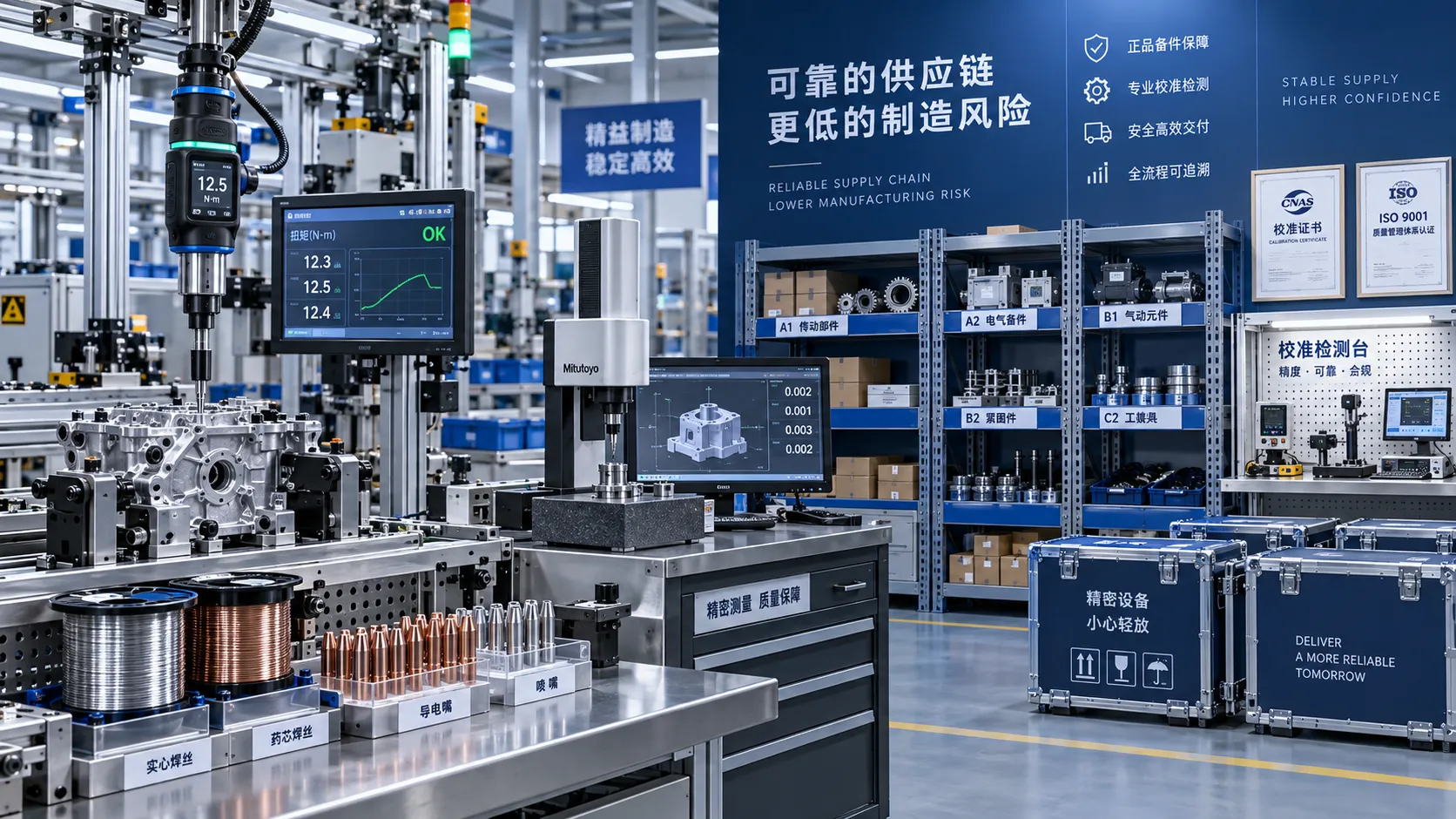
industrial innovation supplier network insights help manufacturers reduce sourcing risk, control lifecycle costs, and choose reliable tools, services, and suppliers with confidence.
Workplace Ergonomics for Manufacturing: Reducing Repetitive-Strain Risks on Assembly Lines
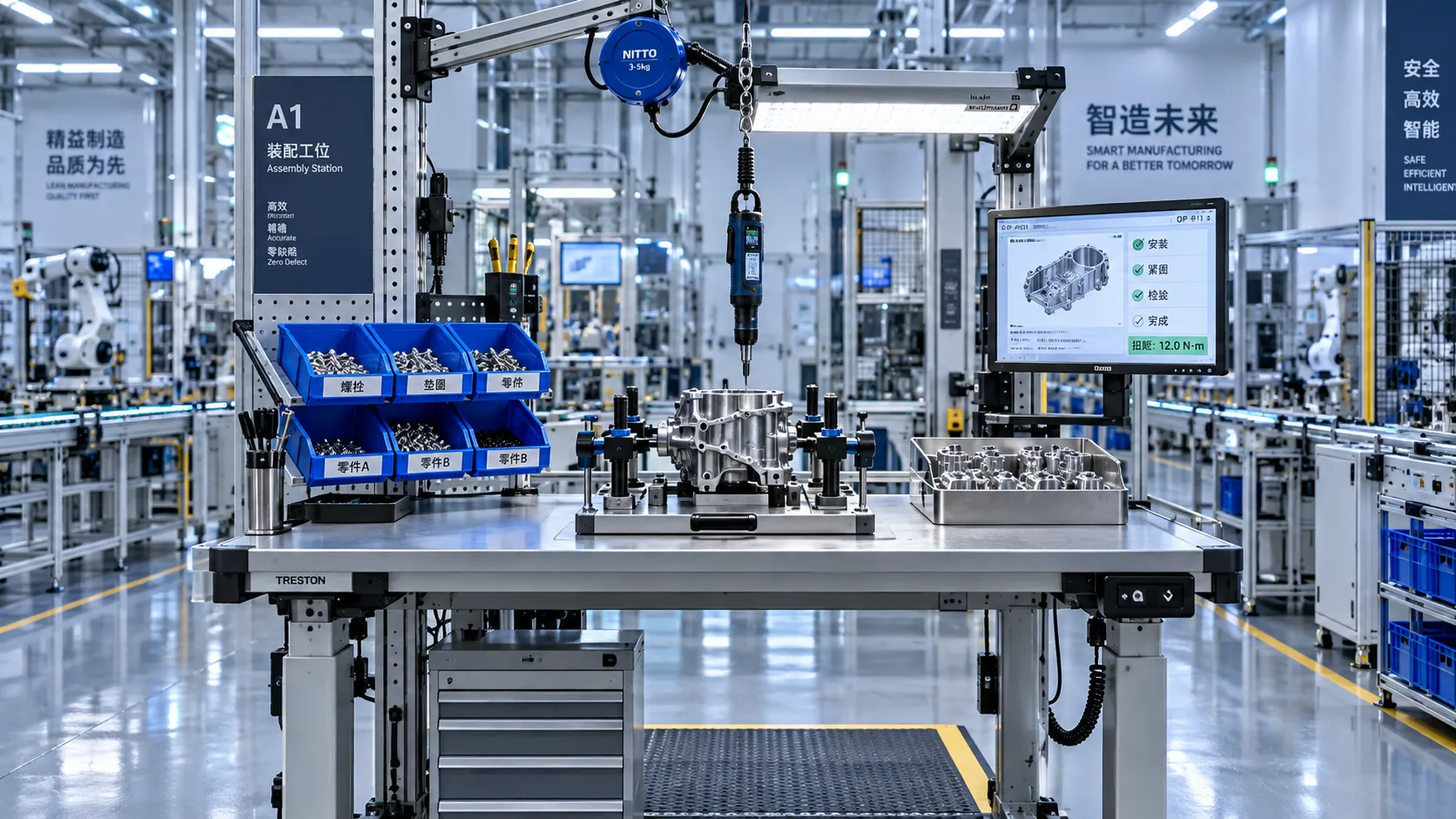
Workplace ergonomics for manufacturing helps reduce repetitive-strain risks on assembly lines through smarter workstation design, tool selection, task analysis, and quality-focused improvements.
Selecting Adjustable Torque Tools for Repeatable Fastener Assembly
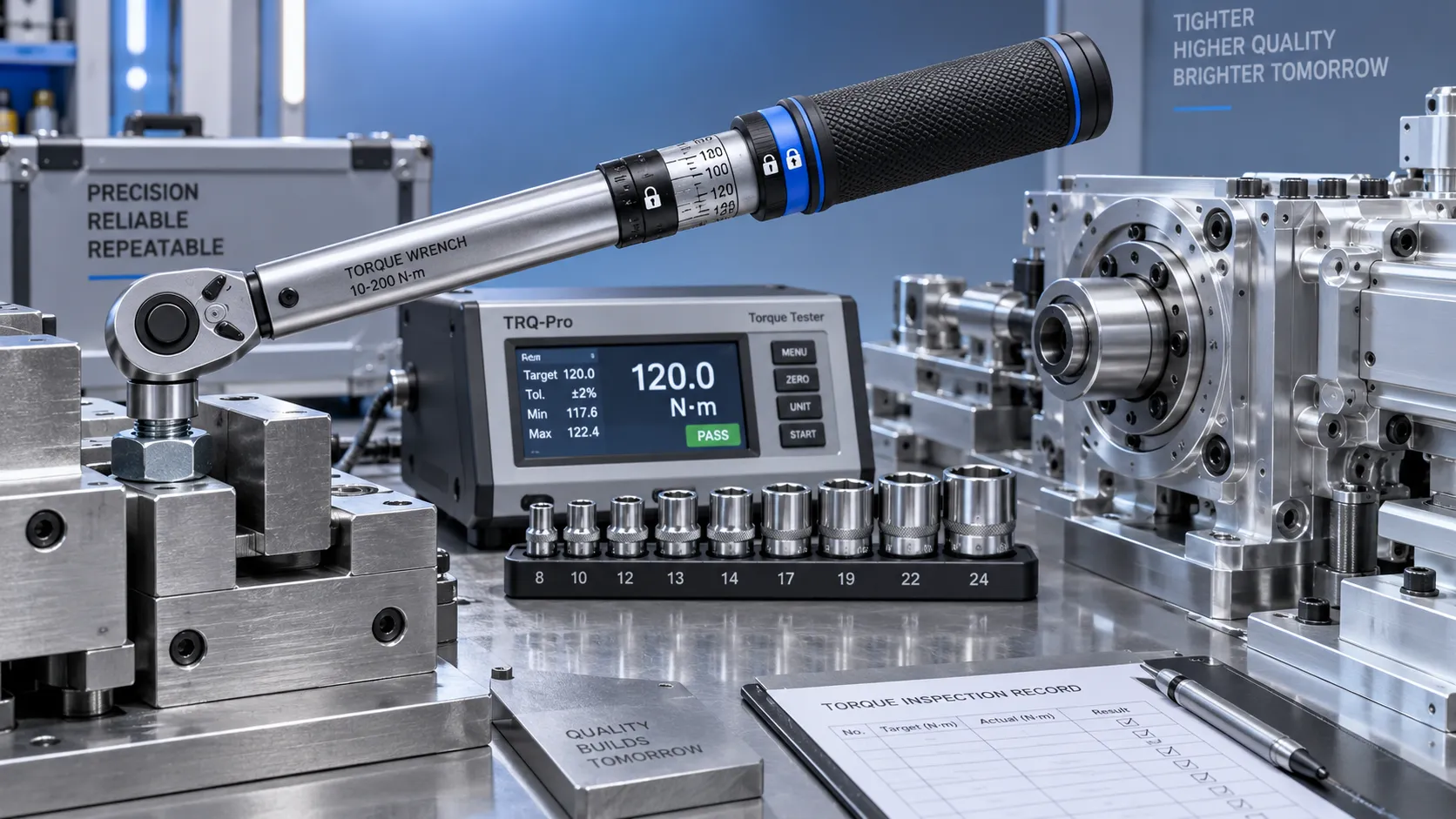
Adjustable torque tools: learn how to match range, accuracy, control methods, calibration, and ergonomics for repeatable, reliable fastener assembly.
How to Select Aerospace Inspection Tools for Aircraft Maintenance Tasks
Aerospace maintenance inspection tools: learn how to select reliable, traceable equipment for aircraft access, accuracy, calibration, and compliant maintenance decisions.

How to Select Wire Bonding Tools for Fine-Pitch Semiconductor Packaging
Explore semiconductor manufacturing tools for wire bonding and learn how to select precision solutions for fine-pitch packaging, reliable loops, accuracy, and yield.
How to Compare Industrial Tool Suppliers for Quality, Lead Time, and Total Cost
Industrial tool selection supplier comparison made simple: evaluate quality, lead times, total cost, service, and supply resilience for confident sourcing decisions.
Industrial Equipment Application Guidance: Match Machines to Operating Conditions
Application guidance industrial equipment: match capacity, duty cycle, materials, site conditions, safety, and lifecycle cost to improve reliable output. Read the guide.
Selecting High-Speed Brushless Tool Motors for Torque, Heat, and Duty Cycle
High speed brushless tool motors: learn how to balance torque, heat, gearing, and duty cycle for reliable industrial tool performance and longer service life.
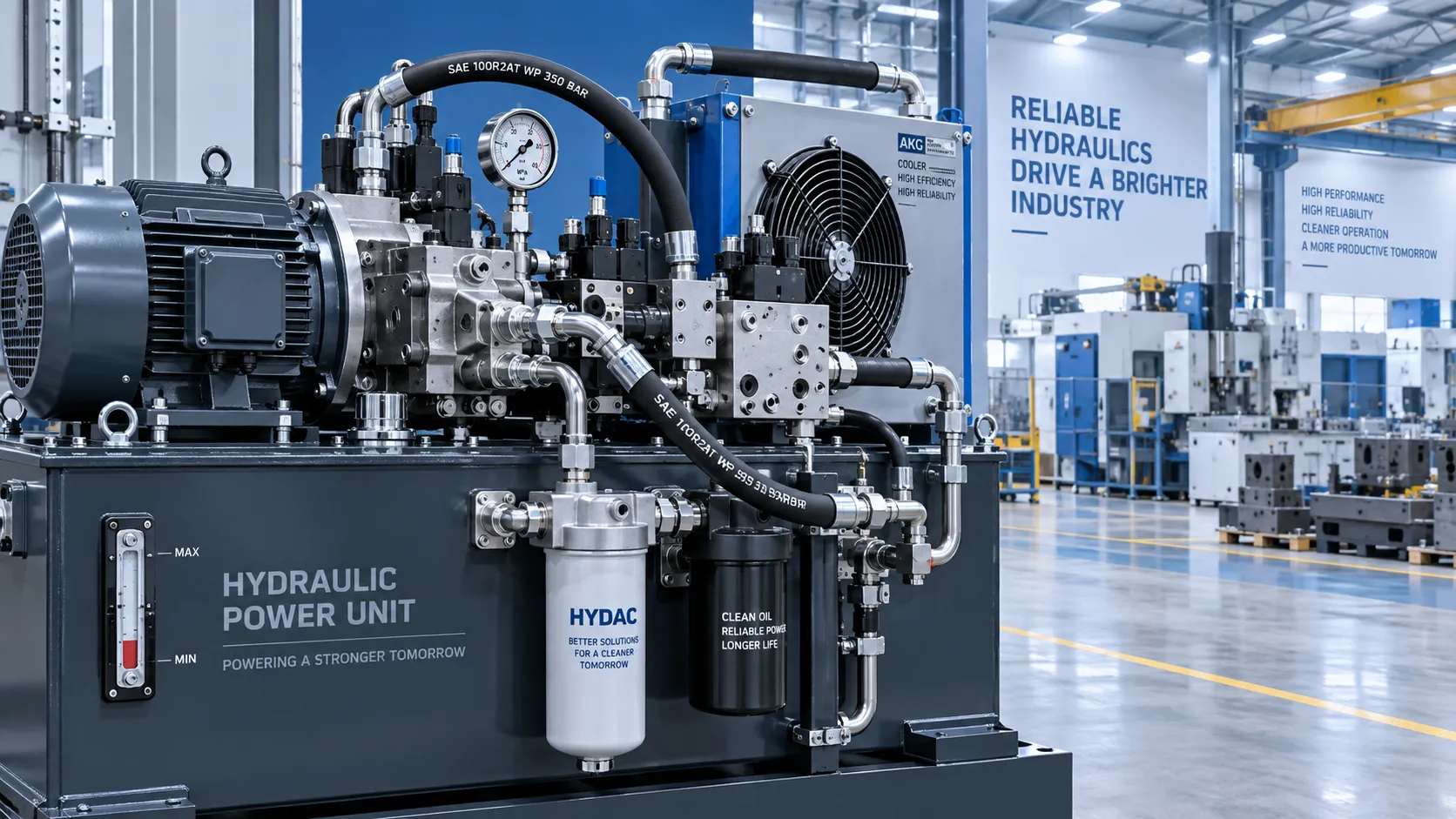
What Determines Industrial Hydraulic System Price for Heavy-Duty Equipment?
Industrial hydraulic system price depends on duty cycle, pressure, components, cooling, and integration. Compare quotes intelligently to secure reliable heavy-duty performance.
Related News
- 00
0000-00
How Industrial Innovation Supplier Networks Reduce Sourcing Risk for Manufacturers - 00
0000-00
What Industrial Automation Exporters Need to Know Before Entering ASEAN Markets - 00
0000-00
How Procurement Teams Can Map the Industrial Value Chain to Reduce Supply Risk - 00
0000-00
How Industry Category Guides Help Global Sourcing Teams Compare Suppliers Faster - 00
0000-00
Intelligent Tools in Southeast Asia: Key Market Trends, Buyers, and Supply Chain Shifts
Dr. Alistair Vaughn
Weekly Insights
Stay ahead with our curated technology reports delivered every Monday.