
Torque Control Wrench Selection Guide: Torque Range, Accuracy, and Calibration Points





Selecting a torque control wrench is rarely a simple catalog exercise. In industrial assembly, maintenance, and inspection, the tool sits between design intent and actual joint performance. A poor match can distort preload, weaken traceability, and create avoidable rework. A sound match, by contrast, supports fastening reliability, compliance, and better lifecycle cost control across varied operating environments.
Why torque control matters now
Fastening requirements are becoming tighter in several directions at once. Components are lighter, materials are more mixed, and tolerance chains are less forgiving. In parallel, audit expectations are rising.
That combination makes the torque control wrench more than a hand tool. It becomes part of the process capability discussion, especially where quality records, safety margins, and repeatability are under scrutiny.
This is also why market intelligence platforms such as GPTWM increasingly track intelligent torque systems, metrology trends, and standard shifts. Torque control now intersects with digital manufacturing, export compliance, and field-service consistency.
The core selection question
At a practical level, choosing a torque control wrench means aligning three variables: usable torque range, required accuracy, and a realistic calibration plan.
These variables should be reviewed together. A broad-range wrench with marginal resolution may not suit low-tolerance work. A highly accurate wrench brings limited value if calibration discipline is weak.
The right decision starts with the joint, not the tool. Bolt size, thread condition, lubrication, material pairing, access constraints, and duty cycle all shape the acceptable torque window.
Torque range is about usable control, not maximum capacity
A common mistake is selecting a torque control wrench by top-end rating alone. What matters more is where the target torque sits within the tool’s effective operating band.
Most torque tools perform best away from their extremes. Near the lower end, sensitivity can suffer. Near the upper end, repeated loading can accelerate wear and affect long-term stability.
For this reason, many evaluators prefer the application torque to fall around the middle portion of the wrench range. That usually improves control, readability, and service life.
What to check before approving range
- Target torque values across all fastening variants, not only the nominal setting.
- Expected torque scatter caused by lubrication, coating, or thread condition.
- Whether one wrench must cover multiple stations or service tasks.
- Access limitations that may require compact heads or offset adapters.
- Frequency of use, because high-cycle applications justify narrower specialization.
In mixed-production settings, a single wide-range torque control wrench may seem efficient. In reality, two narrower-range tools often deliver better control and lower measurement risk.
Accuracy class should reflect joint criticality
Accuracy is often treated as a headline number, but it only becomes meaningful in context. A stated accuracy of plus or minus a few percent must be read against the joint’s tolerance budget.
For non-critical structural fittings, a standard click-type torque control wrench may be appropriate. For aerospace maintenance, precision fixtures, or validated assembly processes, the bar is much higher.
The point is not to over-specify every tool. The point is to match the accuracy class to the consequence of under-torque, over-torque, or poor repeatability.
A torque control wrench should therefore be judged against fastening risk, not marketing language. Accuracy on paper is only one part of the picture.
Calibration points reveal the real ownership cost
Calibration is where selection decisions become operational decisions. A wrench that is difficult to verify, slow to service, or frequently out of tolerance can disrupt production more than its purchase price suggests.
The best calibration plan starts before the tool is released for use. Incoming verification, baseline certificates, and defined recalibration intervals should be linked to application severity and usage volume.
Key calibration checkpoints
- Confirm traceable calibration at relevant torque points, not only a single midpoint.
- Check direction of use if clockwise and counterclockwise performance both matter.
- Review preload history, overload events, and storage conditions.
- Define post-drop or post-impact inspection rules.
- Set recalibration frequency by cycles and time, then tighten intervals when drift trends appear.
For high-accountability environments, it is useful to track calibration drift over time. That turns the torque control wrench into a monitored asset rather than a passive consumable.
Mechanical, electronic, and connected options
Tool type affects both selection and process design. Mechanical click wrenches remain common because they are rugged and familiar. Beam and dial styles offer direct reading and are useful in some verification tasks.
Electronic torque control wrench models add data capture, programmable limits, and clearer operator feedback. In regulated or high-mix production, those features can reduce setting errors and improve traceability.
Connected torque systems are drawing more attention as factories pursue digital quality records. GPTWM’s focus on IoT-based intelligent torque control reflects a real shift, not a passing feature trend.
Still, connectivity should solve a process problem. It should not be added where maintenance burden, battery dependence, or integration complexity outweigh the benefit.
Typical situations where selection goes wrong
Many issues emerge from assumptions that seem minor at first. The same nominal torque value can behave differently across dry threads, lubricated joints, coated fasteners, and reused hardware.
Adapters and extensions are another source of error. They can change effective lever length, access angle, and applied torque if not properly accounted for.
Storage also matters. Leaving a click-type torque control wrench set at high values for long periods may affect spring behavior, depending on design and maintenance practice.
Even training assumptions matter. A capable tool will still produce poor results if technique varies between stations, shifts, or field teams.
A practical evaluation framework
A useful review process is usually concise. Start with the application torque window. Then map the acceptable error, usage frequency, environment, and documentation requirement.
After that, compare candidate tools on total control value rather than unit price alone. Service interval, recalibration turnaround, spare availability, and record compatibility can outweigh a lower initial cost.
- Define the real torque range used in production or service.
- Set the maximum tolerable deviation at the joint level.
- Check whether traceability is optional, preferred, or mandatory.
- Review calibration logistics across regions or facilities.
- Validate performance with actual fasteners and access conditions.
That final validation step is often the most revealing. Bench specifications matter, but field conditions determine whether a torque control wrench is truly fit for use.
Where to focus next
The most reliable selection decisions come from linking torque requirements to process evidence. Review the joints that drive most warranty risk, downtime, or compliance exposure.
Then compare current tool coverage against actual torque bands, calibration history, and documentation needs. Gaps usually appear quickly once those three views are placed together.
For organizations tracking broader industrial direction, it also makes sense to follow metrology trends, ergonomic standards, and intelligent torque developments through sources such as GPTWM. The aim is not simply to buy a better wrench. It is to build a more reliable fastening system.
Related News
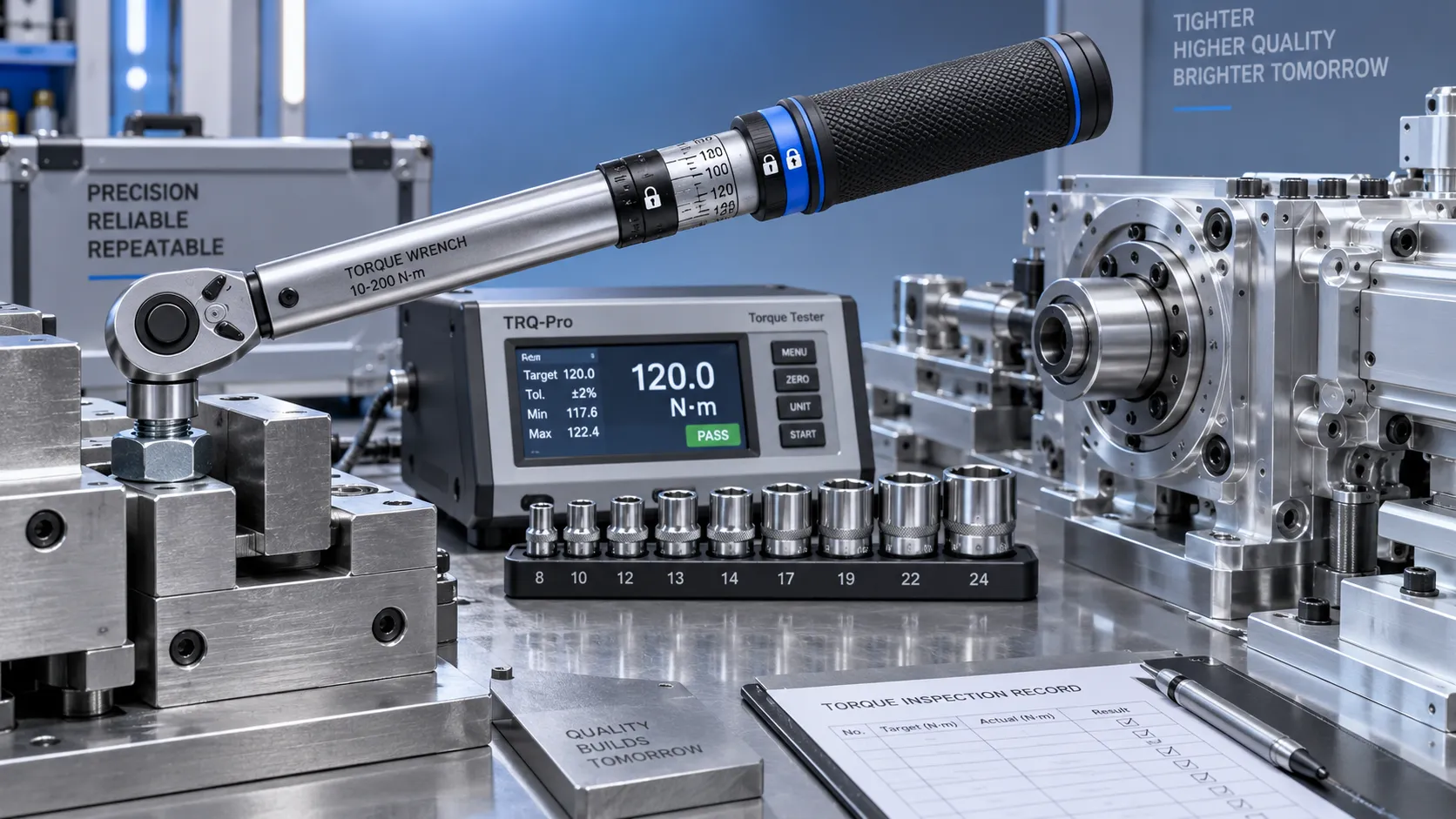
Selecting Adjustable Torque Tools for Repeatable Fastener Assembly
Adjustable torque tools: learn how to match range, accuracy, control methods, calibration, and ergonomics for repeatable, reliable fastener assembly.

How to Select Aerospace Inspection Tools for Aircraft Maintenance Tasks
Aerospace maintenance inspection tools: learn how to select reliable, traceable equipment for aircraft access, accuracy, calibration, and compliant maintenance decisions.

How to Select Wire Bonding Tools for Fine-Pitch Semiconductor Packaging
Explore semiconductor manufacturing tools for wire bonding and learn how to select precision solutions for fine-pitch packaging, reliable loops, accuracy, and yield.
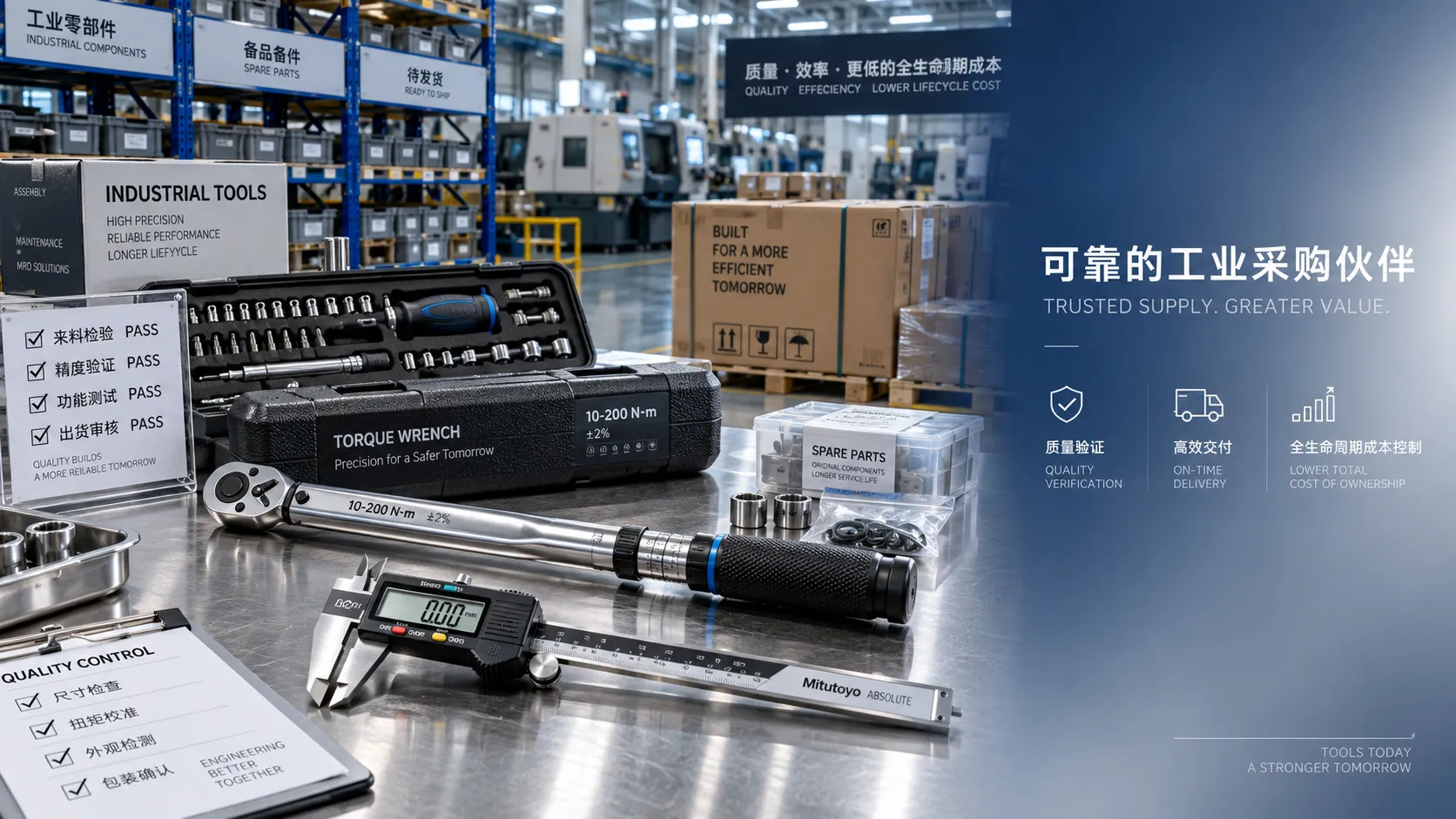
How to Compare Industrial Tool Suppliers for Quality, Lead Time, and Total Cost
Industrial tool selection supplier comparison made simple: evaluate quality, lead times, total cost, service, and supply resilience for confident sourcing decisions.

Industrial Equipment Application Guidance: Match Machines to Operating Conditions
Application guidance industrial equipment: match capacity, duty cycle, materials, site conditions, safety, and lifecycle cost to improve reliable output. Read the guide.
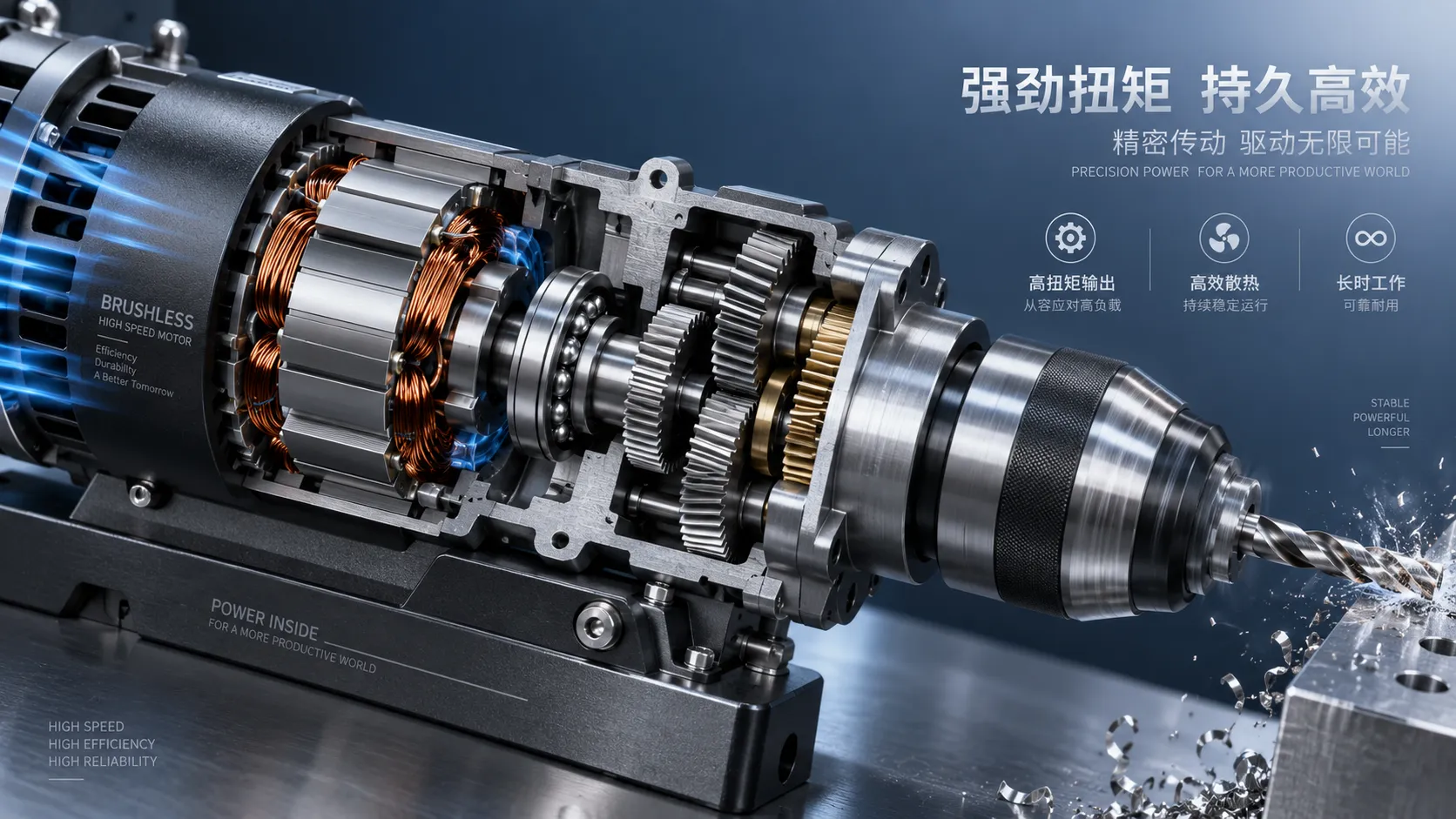
Selecting High-Speed Brushless Tool Motors for Torque, Heat, and Duty Cycle
High speed brushless tool motors: learn how to balance torque, heat, gearing, and duty cycle for reliable industrial tool performance and longer service life.
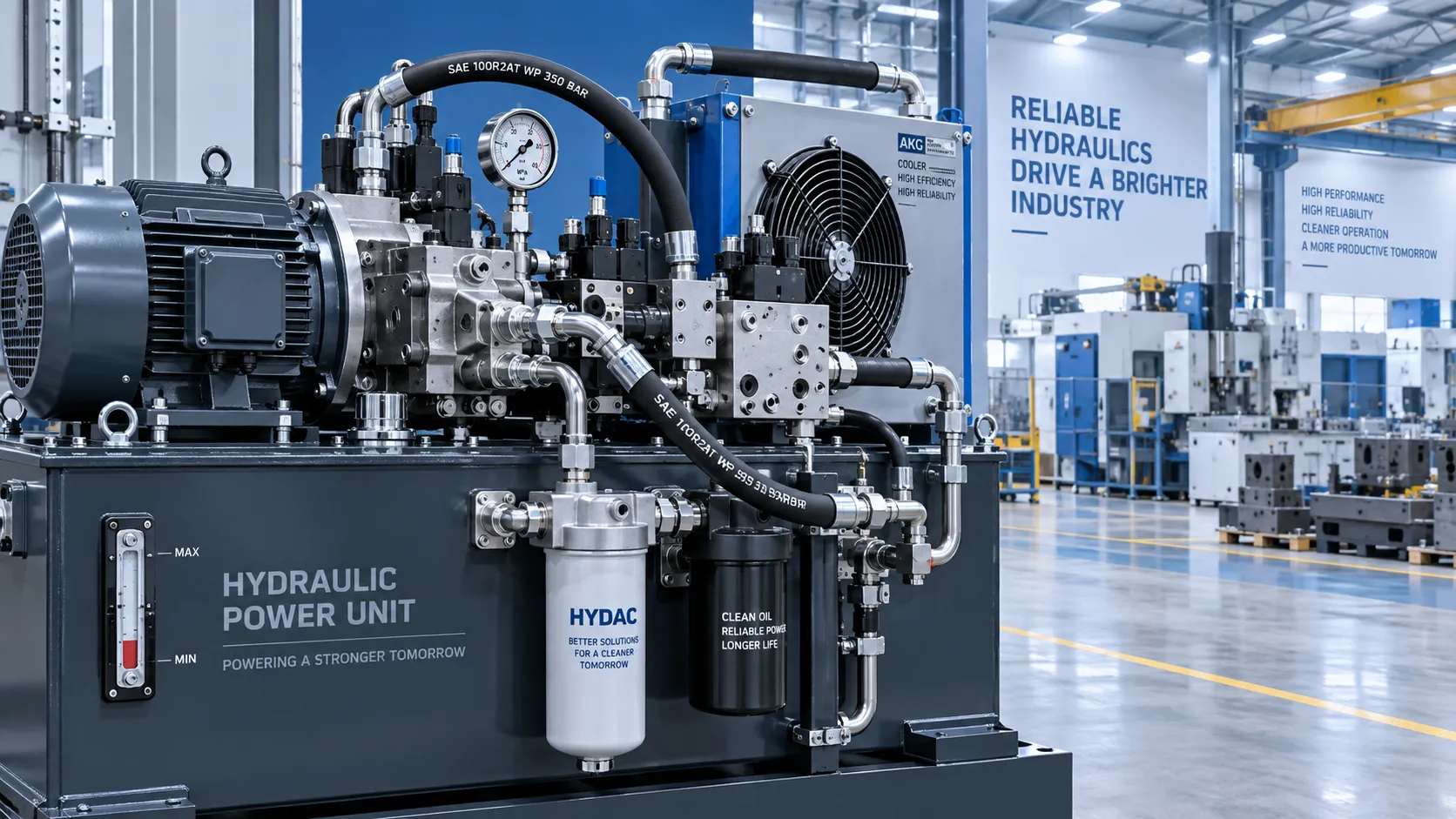
What Determines Industrial Hydraulic System Price for Heavy-Duty Equipment?
Industrial hydraulic system price depends on duty cycle, pressure, components, cooling, and integration. Compare quotes intelligently to secure reliable heavy-duty performance.

Welding Fume Extraction PPE: When Respirators Are Not Enough for Shop Safety
Welding fume extraction PPE: learn why respirators alone fall short and how source capture, ventilation, and layered controls improve shop safety.

How to Select Optical Metrology Solutions for Tight-Tolerance Manufacturing
Optical industrial metrology solutions for tight-tolerance manufacturing: evaluate accuracy, surface compatibility, workflow, and traceability to select with confidence.
Related News
- 00
0000-00
How to Select Battery Assembly Tools for Torque Control and High-Volume Production - 00
0000-00
How Battery, Torque, and Duty Cycle Affect Cordless Power Tool Efficiency - 00
0000-00
How to Size High-Torque Tool Motors for Continuous-Duty Assembly Lines - 00
0000-00
How to Choose 24V Brushless Tool Motors for Torque, Runtime, and Duty Cycle? - 00
0000-00
Automotive Repair Tools List: What Every Workshop Needs for Daily Service Jobs
Electro-Mech Tool Designer
Weekly Insights
Stay ahead with our curated technology reports delivered every Monday.