
Aerospace Maintenance Tools in Europe: Which Tools Meet MRO Needs for Safety and Traceability?





Why do aerospace maintenance tools in Europe require more than basic tool performance?
In European aviation maintenance, a tool is never judged by strength alone.
The real question is whether it supports safe work, reliable records, and audit-ready traceability across repeated maintenance cycles.
That is why searches around aerospace maintenance tools Europe often focus on calibration, identification, and compliance instead of pure speed.
In practice, line maintenance, base maintenance, and component repair all create different pressure points.
A torque wrench used on a flight-critical fastener must prove setting accuracy.
A borescope must deliver inspection clarity without creating doubt over image capture history.
Even simple hand tools may need shadow control, serial marking, and foreign object damage prevention features.
This is where industrial intelligence becomes useful.
GPTWM follows precision tooling, joining technologies, and metrology trends with a practical focus on the last operational step.
For aerospace maintenance tools Europe, that last step is often the difference between a completed task and a rejected record.
Which tool categories usually matter most in daily MRO work?
The short answer is that critical categories are the ones tied directly to controlled maintenance results.
Not every tool needs the same level of oversight, but several groups almost always sit under closer control.
- Torque tools for structural fasteners, engines, landing gear, and avionics mounting points.
- Measuring tools such as calipers, micrometers, gauges, and dial indicators with calibration records.
- Inspection tools including borescopes, mirrors, lights, and magnification devices.
- Hydraulic and specialty tools for removal, installation, and controlled force application.
- Tool control systems such as foam shadow boards, RFID tags, and issue-return tracking.
What makes aerospace maintenance tools Europe different is the connection between each category and documented airworthiness work.
A missing socket can trigger a search.
An expired calibration label can stop a task.
A non-approved adapter can undermine torque values even when the technician’s method is correct.
For that reason, selection starts with task criticality, not catalog breadth.
A quick way to separate routine tools from controlled tools
The table below helps organize common decisions without reducing them to generic purchasing criteria.
What standards and traceability features should you check before approving a tool?
This is usually where selection becomes more demanding.
For aerospace maintenance tools Europe, compliance is rarely one certificate on a datasheet.
It is a chain linking the tool, the user, the maintenance procedure, and the audit trail.
Calibration-backed tools should have unique identification, visible status, and retrievable records.
Electronic torque devices should also provide data integrity, user access control, and exportable records.
If software is involved, review how settings are locked, changed, and archived.
That sounds administrative, but it affects real work on the hangar floor.
A tool without clear calibration status can delay release.
A tool with poor identity control can fail internal audits even when the job itself was done correctly.
More teams now look for features that make traceability easier rather than heavier.
- Laser-marked serial numbers that remain readable after repeated cleaning.
- Digital calibration logs linked to asset management systems.
- Preset limits that prevent over-torque or unapproved setting changes.
- Tool issue records tied to work order, date, and return status.
GPTWM’s coverage of intelligent torque control and precision metrology is relevant here.
The value is not in promoting complexity.
It is in showing where smarter controls remove documentation risk from repetitive maintenance work.
How do you compare manual, digital, and connected tools without overbuying?
A common mistake is assuming the most connected tool is automatically the best fit.
For aerospace maintenance tools Europe, the better question is whether the tool’s control level matches the maintenance risk.
Manual tools still make sense where tasks are frequent, environments are harsh, and records are controlled elsewhere.
Digital tools become useful when measurement confirmation and repeatability matter more than rugged simplicity alone.
Connected tools earn their place when data capture reduces rework, missed checks, or audit preparation time.
In actual workshops, comparison usually comes down to four practical questions.
- Will digital records replace manual transcription errors?
- Can the tool survive fluids, impact, and repeated transport?
- Does the software fit existing maintenance systems or create extra steps?
- Is the calibration and service network realistic within Europe?
If the answer to the last two questions is weak, the advanced option may create more friction than value.
That is especially true when turnaround times are short and downtime cost is high.
Where do teams usually run into risk when choosing aerospace maintenance tools in Europe?
The biggest risks are usually small on paper and expensive in operation.
One example is buying tools with strong technical specifications but weak documentation support.
Another is mixing tool systems that use different labeling rules, calibration cycles, or data formats.
That makes control harder, especially during audits or tool crib checks.
There is also a human-factor issue.
If a tool is technically compliant but awkward to handle in confined aircraft spaces, people work around it.
Workarounds usually weaken safety and traceability together.
Typical warning signs before a tool program starts drifting
- Calibration certificates are stored, but not easy to retrieve by serial number.
- Tool replacements enter service before labels and records are aligned.
- Adapters, extensions, and specialty heads lack clear usage rules.
- Inspection devices store images, but naming and retention are inconsistent.
- Tool control focuses on inventory value more than FOD prevention.
Aerospace maintenance tools Europe should be reviewed as a controlled system, not as isolated hardware pieces.
That system view is often what separates smooth compliance from recurring corrective actions.
What is a sensible next step if you are updating a tool list or standard?
Start with the maintenance tasks that carry the highest release, safety, or documentation sensitivity.
Then map each task to the tool features that truly affect execution.
For aerospace maintenance tools Europe, that usually means checking three layers together.
- Functional fit: accuracy range, access geometry, material compatibility, environmental durability.
- Control fit: calibration, serial traceability, issue-return discipline, software governance.
- Operational fit: repair support, turnaround time, training burden, local service availability.
It also helps to compare tool decisions against current European supply and standards signals.
GPTWM’s intelligence approach is useful in that sense because it connects metrology, electro-mechanical tool design, and market constraints.
That broader view matters when replacement cycles, export restrictions, or technology upgrades change the practical cost of compliance.
In the end, the best aerospace maintenance tools Europe are not simply advanced tools.
They are tools that hold accuracy under real working conditions, support clean records, and reduce uncertainty during inspection and release.
A useful next move is to review current controlled tools, flag traceability gaps, and build a comparison sheet before the next procurement or calibration cycle.
That creates a stronger basis for choosing tool upgrades that improve both safety performance and maintenance confidence.
Related News
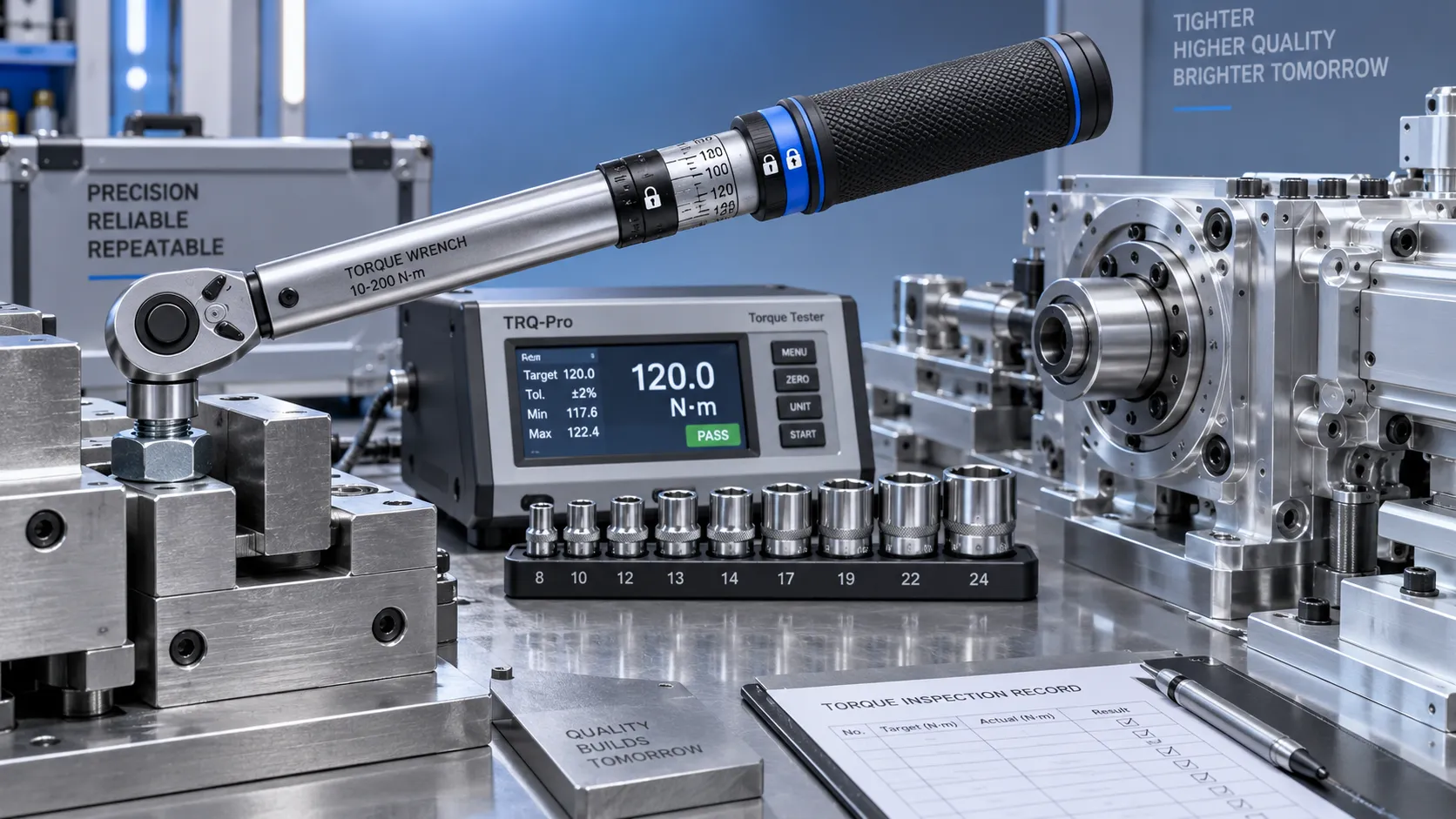
Selecting Adjustable Torque Tools for Repeatable Fastener Assembly
Adjustable torque tools: learn how to match range, accuracy, control methods, calibration, and ergonomics for repeatable, reliable fastener assembly.
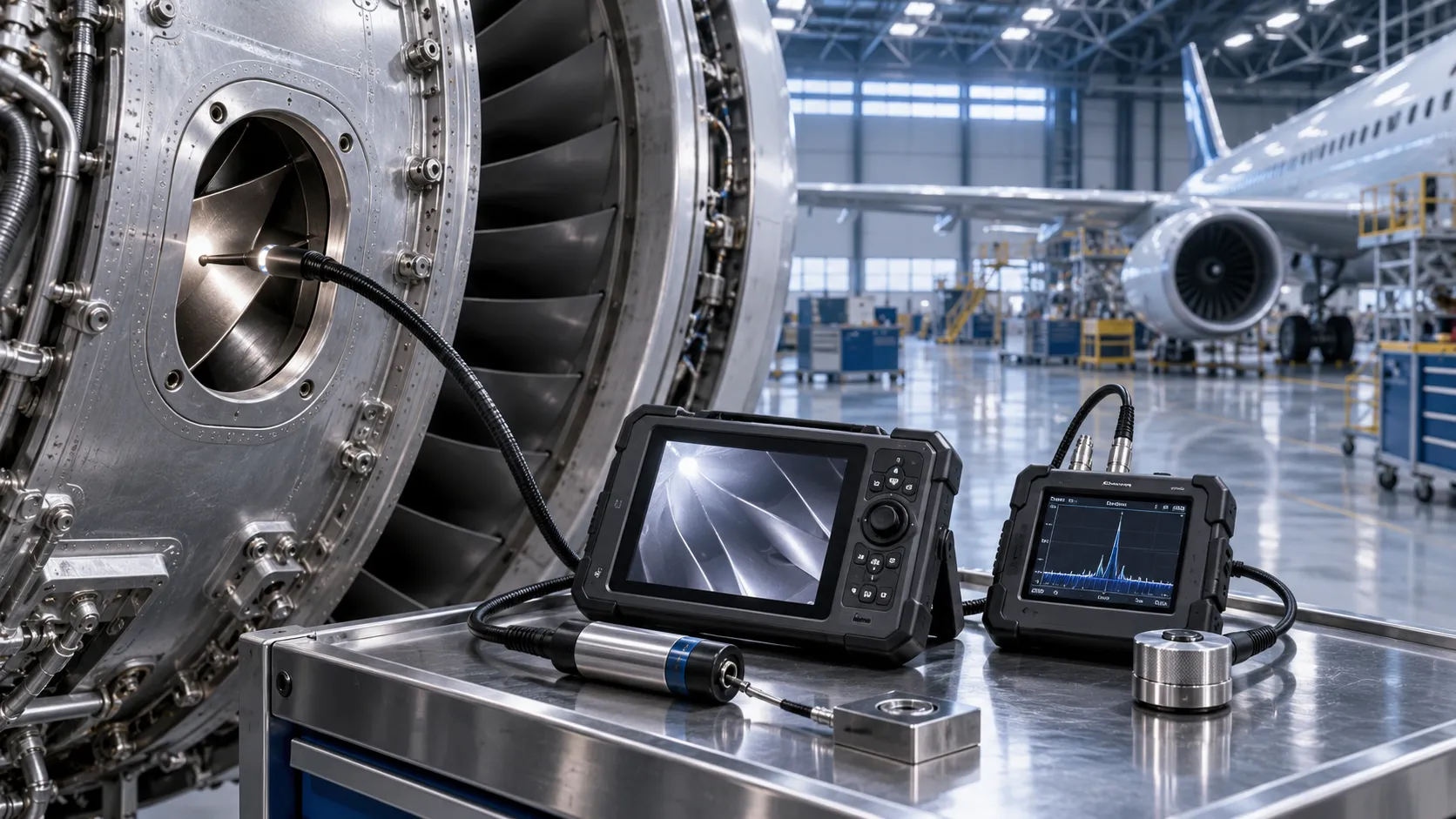
How to Select Aerospace Inspection Tools for Aircraft Maintenance Tasks
Aerospace maintenance inspection tools: learn how to select reliable, traceable equipment for aircraft access, accuracy, calibration, and compliant maintenance decisions.

How to Select Wire Bonding Tools for Fine-Pitch Semiconductor Packaging
Explore semiconductor manufacturing tools for wire bonding and learn how to select precision solutions for fine-pitch packaging, reliable loops, accuracy, and yield.
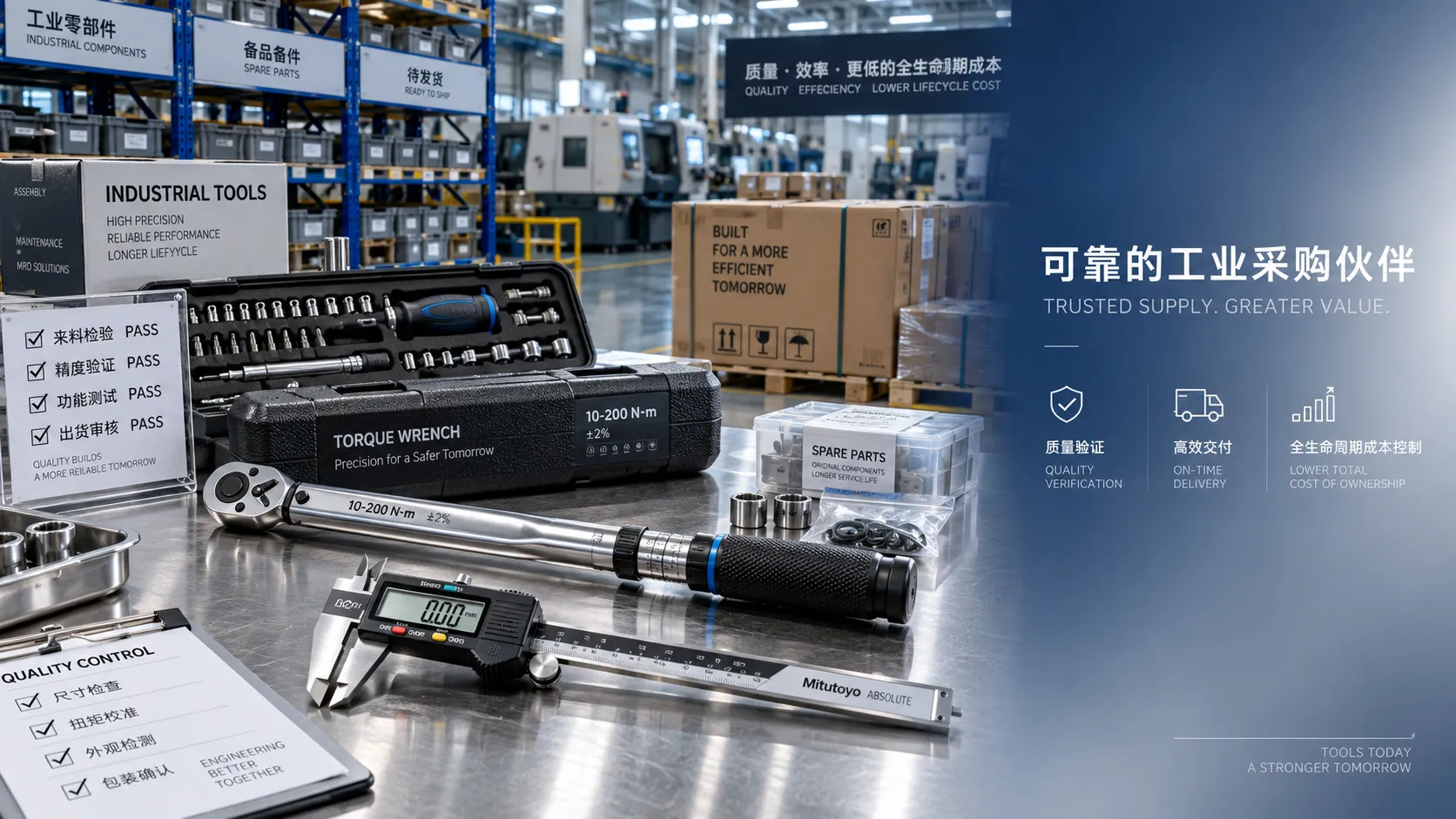
How to Compare Industrial Tool Suppliers for Quality, Lead Time, and Total Cost
Industrial tool selection supplier comparison made simple: evaluate quality, lead times, total cost, service, and supply resilience for confident sourcing decisions.

Industrial Equipment Application Guidance: Match Machines to Operating Conditions
Application guidance industrial equipment: match capacity, duty cycle, materials, site conditions, safety, and lifecycle cost to improve reliable output. Read the guide.
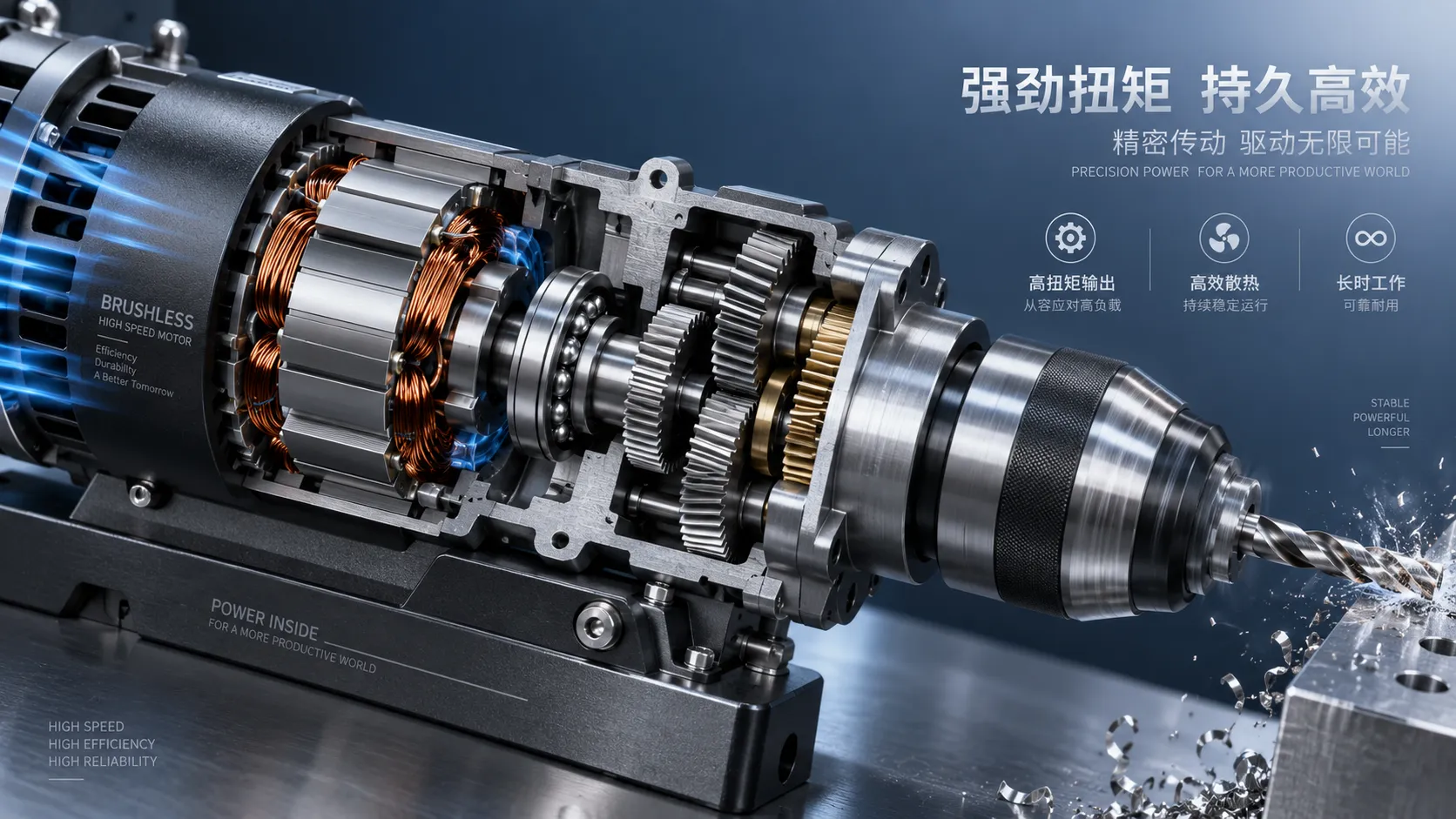
Selecting High-Speed Brushless Tool Motors for Torque, Heat, and Duty Cycle
High speed brushless tool motors: learn how to balance torque, heat, gearing, and duty cycle for reliable industrial tool performance and longer service life.
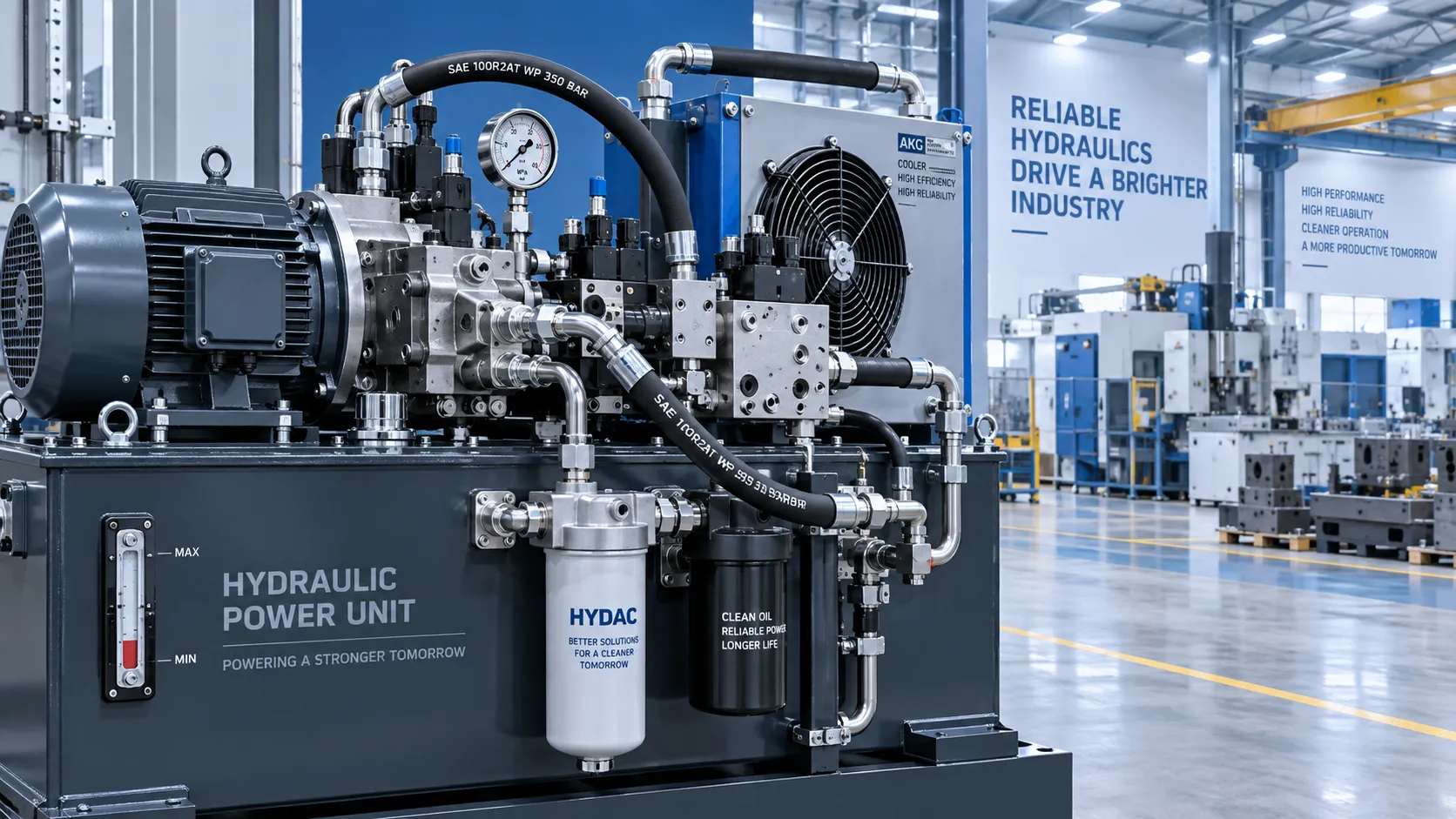
What Determines Industrial Hydraulic System Price for Heavy-Duty Equipment?
Industrial hydraulic system price depends on duty cycle, pressure, components, cooling, and integration. Compare quotes intelligently to secure reliable heavy-duty performance.

Welding Fume Extraction PPE: When Respirators Are Not Enough for Shop Safety
Welding fume extraction PPE: learn why respirators alone fall short and how source capture, ventilation, and layered controls improve shop safety.

How to Select Optical Metrology Solutions for Tight-Tolerance Manufacturing
Optical industrial metrology solutions for tight-tolerance manufacturing: evaluate accuracy, surface compatibility, workflow, and traceability to select with confidence.
Related News
- 00
0000-00
How to Select Battery Assembly Tools for Torque Control and High-Volume Production - 00
0000-00
How Battery, Torque, and Duty Cycle Affect Cordless Power Tool Efficiency - 00
0000-00
How to Size High-Torque Tool Motors for Continuous-Duty Assembly Lines - 00
0000-00
How to Choose 24V Brushless Tool Motors for Torque, Runtime, and Duty Cycle? - 00
0000-00
Automotive Repair Tools List: What Every Workshop Needs for Daily Service Jobs
Electro-Mech Tool Designer
Weekly Insights
Stay ahead with our curated technology reports delivered every Monday.