
How to Choose Welding Safety Equipment for Shipyards by Task, Hazard, and Compliance





How to Choose Welding Safety Equipment for Shipyards by Task, Hazard, and Compliance
Choosing welding safety equipment for shipyards is not a box-ticking exercise. In marine fabrication, one weak link can affect injury rates, inspection results, and production continuity.
Shipyards combine confined spaces, coated metals, overhead work, noise, heat, and moving equipment. That mix changes what “adequate protection” really means from one task to the next.
This is why welding safety equipment for shipyards should be selected by task, hazard exposure, and compliance obligations together. A generic PPE list rarely performs well in real operations.
From a decision standpoint, the best choice supports both worker protection and process control. It also helps reduce rework, shutdowns, and preventable audit findings.
Start With the Task, Not the Catalog
A useful selection process begins with the actual welding activity. FCAW on thick structural steel needs different protection than TIG work in outfitting or repair zones.
Break tasks into clear categories before comparing products. That step makes welding safety equipment for shipyards easier to standardize without oversimplifying exposure levels.
- Hull welding in open docks
- Confined space welding in tanks or compartments
- Overhead welding on scaffolds or staging
- Hot work near coatings, insulation, or fuel systems
- Repair welding during maintenance or retrofit work
Once tasks are mapped, define duration, posture, access limits, nearby trades, and ventilation conditions. These practical details often determine whether equipment is truly usable.
In actual shipyard operations, comfort matters more than many buying teams expect. If gear is heavy, fogs quickly, or restricts movement, compliance drops fast.
Identify the Main Hazard Group Before Choosing Gear
The next step is hazard ranking. Welding safety equipment for shipyards should match the dominant risk first, then cover secondary exposures without creating new problems.
1. Arc Radiation and Eye Injury
Arc flash intensity varies by process, amperage, and work position. Auto-darkening helmets are usually preferred, but lens quality and reaction reliability matter more than extra features.
Check optical clarity, shade range, side protection, grind mode, and compatibility with hard hats or respirators. In shipyards, integrated fit issues are common and often overlooked.
2. Fume and Gas Exposure
Fume risk increases sharply in tanks, double bottoms, and enclosed compartments. Coated steel, stainless alloys, and repair work can add chromium, manganese, zinc, or solvent-related hazards.
This means welding safety equipment for shipyards often needs respiratory protection beyond disposable masks. PAPR systems or elastomeric respirators may be necessary where ventilation is limited.
3. Heat, Burns, and Molten Spatter
Jackets, sleeves, gloves, leggings, and aprons must match both heat load and mobility needs. Heavy leather may protect well, but can become a heat-stress problem in summer dock conditions.
Look for flame-resistant materials, reinforced seams, cuff design, and closure style. Small design details often decide whether sparks enter the garment during awkward welding positions.
4. Impact, Slips, and Falling Objects
Shipyard welding rarely happens in isolated clean areas. Hard hats, metatarsal protection, anti-slip boots, and fall protection interfaces need to work with welding PPE as one system.
That is especially important for overhead work. Bulky helmets, harness straps, and collars can conflict unless product compatibility is reviewed during selection.
Match Equipment Categories to Real Shipyard Conditions
A practical evaluation of welding safety equipment for shipyards should compare categories side by side. The question is not only what protects best, but what protects consistently on site.
From recent market shifts, more teams are moving toward modular systems. That includes helmet-respirator-hard hat combinations that reduce fit conflicts across multiple welding stations.
Use Compliance as a Filter, Not the Only Decision Rule
Compliance still matters deeply. But choosing welding safety equipment for shipyards only by minimum standard labels is where many purchasing decisions begin to weaken.
Review the regulations and consensus standards that apply to your operation. Common references may include OSHA requirements, ANSI standards, ISO guidance, and shipyard-specific hot work procedures.
- Eye and face protection certification
- Respiratory protection program requirements
- Flame-resistant clothing performance criteria
- Head, foot, and fall protection compatibility
- Confined space entry and atmospheric testing rules
The stronger signal is whether the equipment supports documented safe use. Inspection records, fit testing, maintenance intervals, and training need to align with the product choice.
In other words, compliant equipment that workers avoid is a weak control. Usable, auditable, and task-matched equipment is where compliance becomes operationally effective.
What Quality and Safety Managers Should Evaluate Before Approval
A more reliable buying process uses a short evaluation framework. This keeps welding safety equipment for shipyards tied to measurable performance instead of vendor claims alone.
- Define the welding process and work location.
- List primary and secondary hazards for that task.
- Check required standards and site procedures.
- Test fit with existing helmets, harnesses, and respirators.
- Run a field trial in realistic heat and access conditions.
- Measure replacement cycles, cleaning burden, and downtime risk.
- Confirm supplier support, spare parts, and training materials.
This kind of review also helps quality teams. Better PPE consistency improves weld visibility, hand control, and operator stability, which can indirectly support inspection outcomes.
That link is easy to miss. Yet in practice, uncomfortable gloves, poor helmet optics, or unstable footing can affect weld quality as much as they affect safety.
Common Selection Mistakes in Shipyard Welding Programs
Several issues appear repeatedly when teams source welding safety equipment for shipyards. Most of them come from treating marine work like general workshop welding.
- Buying one glove type for every process and season
- Ignoring fume conditions in enclosed spaces
- Choosing helmets without checking hard hat compatibility
- Focusing on purchase price over lifecycle cost
- Skipping user trials before full deployment
- Treating standards labels as proof of field suitability
A better approach is to build a small matrix. Compare task, hazard, compliance, compatibility, durability, and user acceptance in one view before final approval.
That method fits how industrial intelligence platforms like GPTWM assess equipment decisions. It turns scattered product data into a clearer operational choice.
A Practical Decision Model for Better Equipment Selection
If you need a simple rule, choose welding safety equipment for shipyards in this order: task first, hazard second, compliance third, usability fourth, and lifecycle support fifth.
This order reflects what happens on the ground. Workers do not face standards in the abstract. They face sparks, fumes, awkward access, time pressure, and inspection expectations.
When the equipment matches those realities, performance becomes more stable. Injury exposure drops, adherence improves, and compliance becomes easier to sustain during audits.
For teams refining procurement criteria, the most effective next step is a task-by-task review of current welding safety equipment for shipyards, using field trials and documented hazard mapping.
That process creates stronger purchasing decisions and a safer marine welding program without adding unnecessary complexity. It is also the clearest path to consistent, regulation-aware equipment selection.
Related News
Selecting Adjustable Torque Tools for Repeatable Fastener Assembly
Adjustable torque tools: learn how to match range, accuracy, control methods, calibration, and ergonomics for repeatable, reliable fastener assembly.
How to Select Aerospace Inspection Tools for Aircraft Maintenance Tasks
Aerospace maintenance inspection tools: learn how to select reliable, traceable equipment for aircraft access, accuracy, calibration, and compliant maintenance decisions.

How to Select Wire Bonding Tools for Fine-Pitch Semiconductor Packaging
Explore semiconductor manufacturing tools for wire bonding and learn how to select precision solutions for fine-pitch packaging, reliable loops, accuracy, and yield.
How to Compare Industrial Tool Suppliers for Quality, Lead Time, and Total Cost
Industrial tool selection supplier comparison made simple: evaluate quality, lead times, total cost, service, and supply resilience for confident sourcing decisions.
Industrial Equipment Application Guidance: Match Machines to Operating Conditions
Application guidance industrial equipment: match capacity, duty cycle, materials, site conditions, safety, and lifecycle cost to improve reliable output. Read the guide.
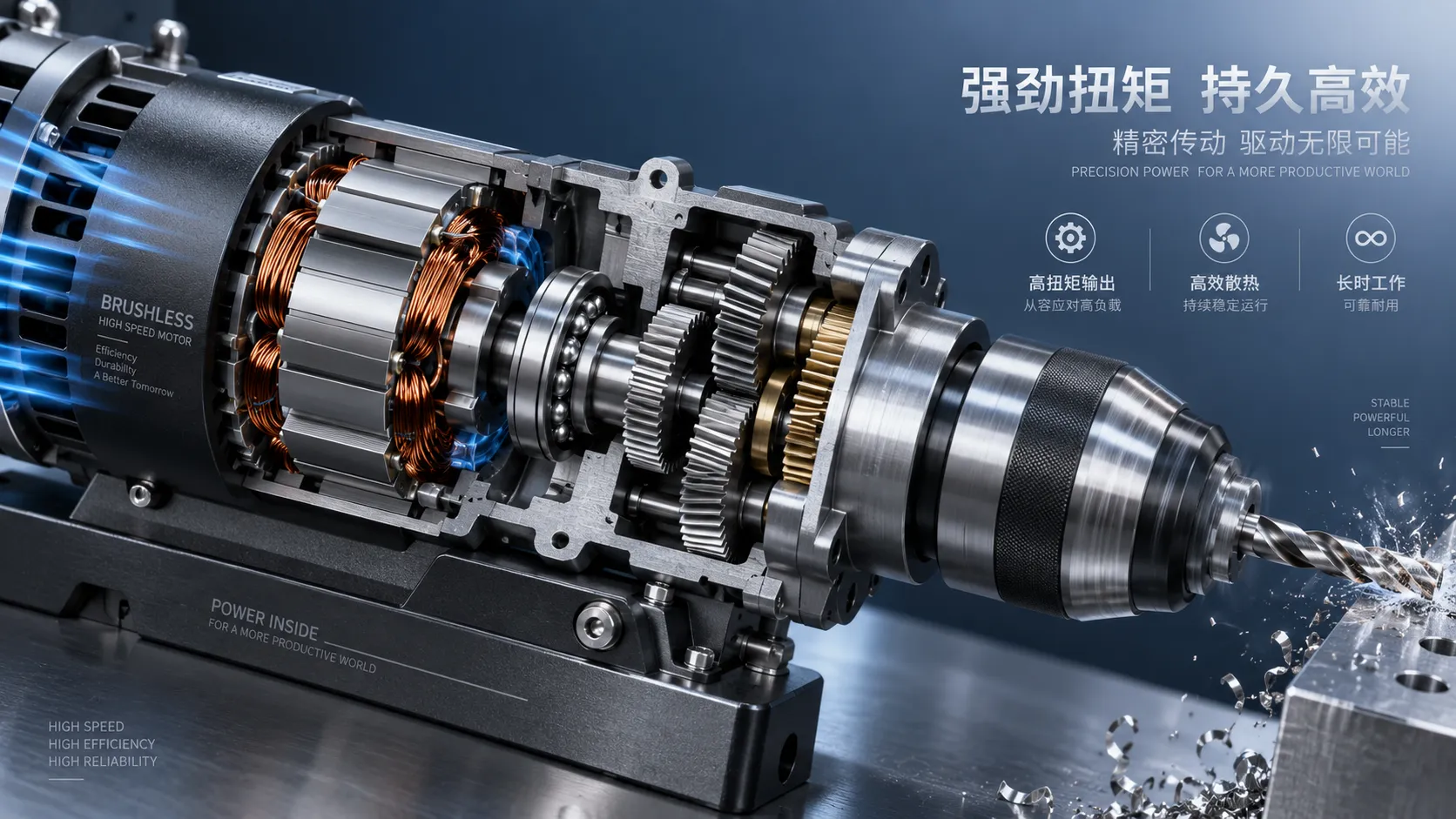
Selecting High-Speed Brushless Tool Motors for Torque, Heat, and Duty Cycle
High speed brushless tool motors: learn how to balance torque, heat, gearing, and duty cycle for reliable industrial tool performance and longer service life.
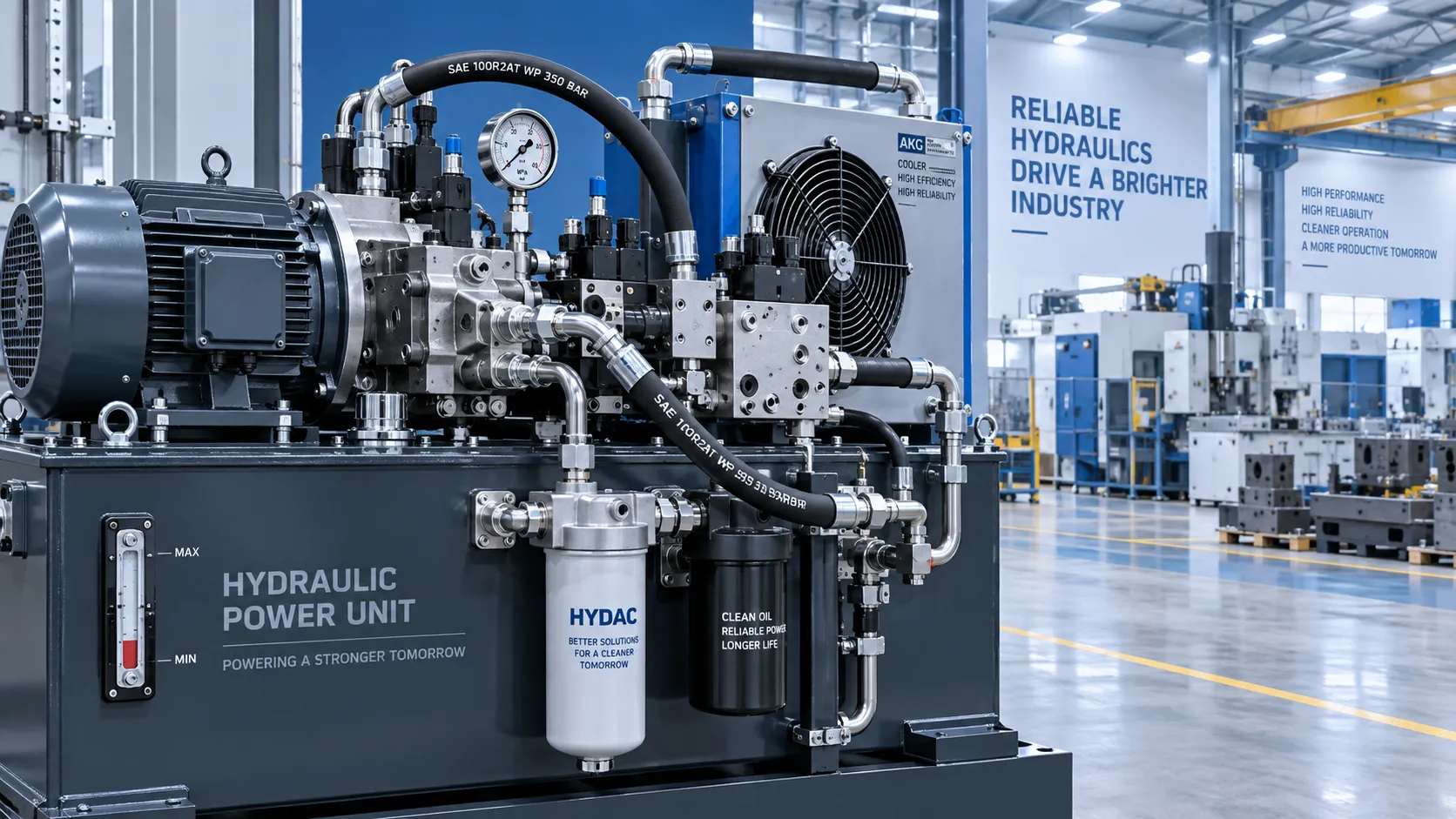
What Determines Industrial Hydraulic System Price for Heavy-Duty Equipment?
Industrial hydraulic system price depends on duty cycle, pressure, components, cooling, and integration. Compare quotes intelligently to secure reliable heavy-duty performance.
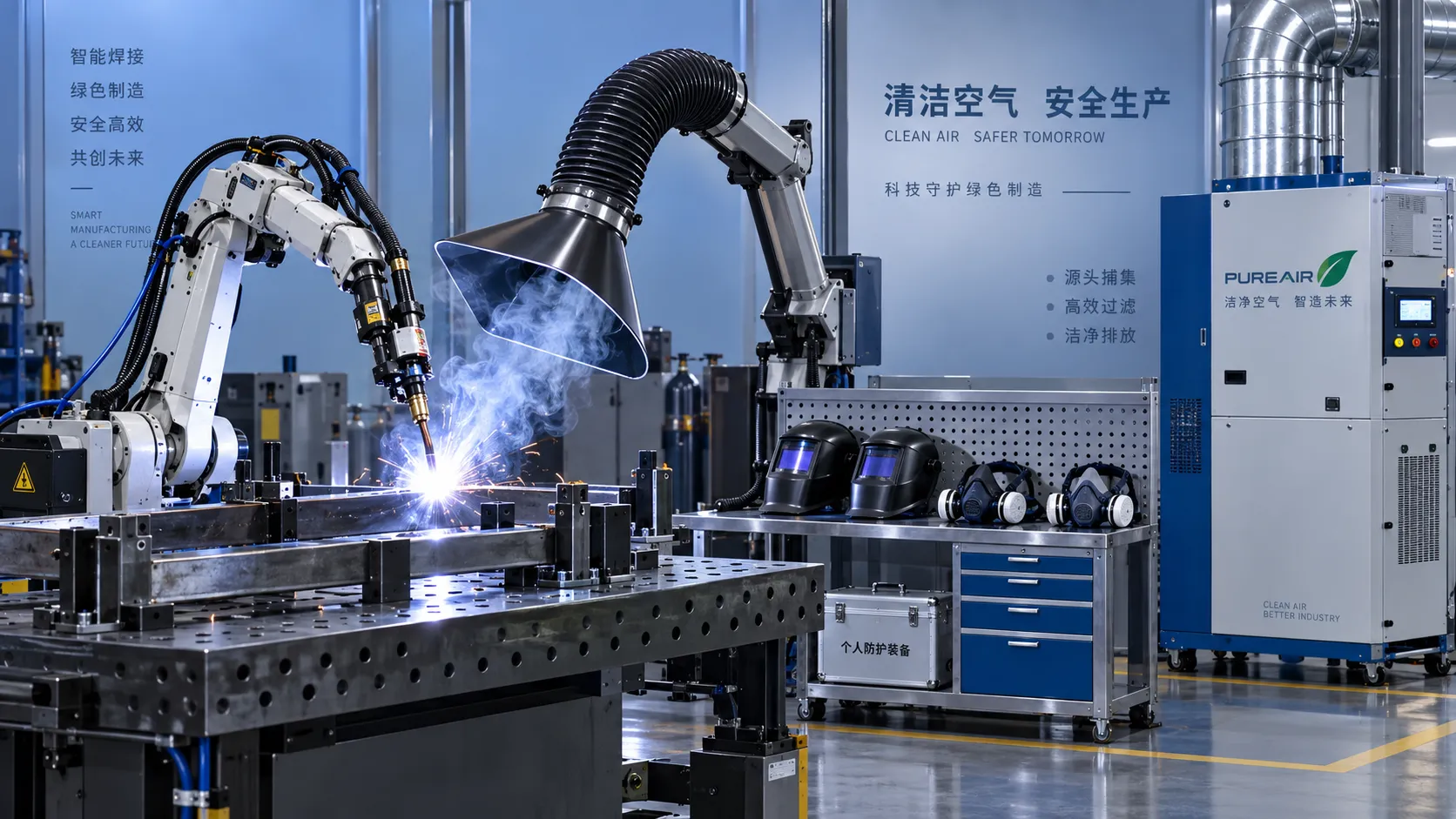
Welding Fume Extraction PPE: When Respirators Are Not Enough for Shop Safety
Welding fume extraction PPE: learn why respirators alone fall short and how source capture, ventilation, and layered controls improve shop safety.

How to Select Optical Metrology Solutions for Tight-Tolerance Manufacturing
Optical industrial metrology solutions for tight-tolerance manufacturing: evaluate accuracy, surface compatibility, workflow, and traceability to select with confidence.
Related News
- 00
0000-00
Welding Fume Extraction PPE: When Respirators Are Not Enough for Shop Safety - 00
0000-00
Which ANSI Standards Apply to Welding Equipment in Industrial Fabrication? - 00
0000-00
How Energy-Efficient Welding Equipment Cuts Power Use in High-Volume Fabrication - 00
0000-00
Which ISO Standards Govern Welding Technology Quality Control and Qualification? - 00
0000-00
North American Welding Innovations Reshaping Automation, Quality, and Labor Productivity
Welding Metallurgy Expert
Weekly Insights
Stay ahead with our curated technology reports delivered every Monday.