
Metal Joining for Electronics: How to Choose Between Soldering, Brazing, and Welding





Metal Joining for Electronics: How to Choose Between Soldering, Brazing, and Welding
In metal joining for electronics, process choice shapes performance long before field use begins.
A weak decision can raise resistance, distort heat paths, or shorten service life.
That is why metal joining for electronics deserves a structured comparison, not a habit-based choice.
Soldering, brazing, and welding each solve different problems.
The right method depends on temperature limits, conductivity targets, joint geometry, production scale, and inspection needs.
From a decision standpoint, the goal is simple.
Choose the joining process that meets electrical and mechanical demands with the lowest total process risk.
This guide breaks down metal joining for electronics in practical terms, with clear criteria for selection.
Why Process Selection Matters in Electronics
Electronics assemblies are sensitive to both heat and contamination.
A joining method that works well in general fabrication may fail inside a compact electronic system.
In metal joining for electronics, four factors usually drive the decision.
- Electrical conductivity at the joint
- Thermal exposure of nearby components
- Mechanical strength and vibration resistance
- Long-term reliability under cycling and corrosion
More demanding products add extra filters.
These include EMI concerns, miniature feature sizes, automation compatibility, and rework requirements.
This also means the lowest-temperature option is not always the best choice.
Sometimes the better decision is the process that creates a stronger metallurgical bond with tighter variability control.
Soldering: Best for Low-Temperature Electrical Assembly
Soldering is the most common form of metal joining for electronics.
It joins metals using a filler alloy that melts below the base materials.
Because the base metals do not melt, heat impact stays relatively low.
That makes soldering ideal for PCBs, terminals, fine wires, sensors, and compact connectors.
Where Soldering Works Well
- High-volume board assembly
- Signal-path connections
- Delicate components with low heat tolerance
- Applications that may require rework
Main Advantages
Soldering is fast, scalable, and cost-efficient.
It also supports precise deposition through wave, reflow, selective, or hand methods.
For many electronic designs, soldering offers the best balance between conductivity and manufacturing efficiency.
Key Limits
Soldered joints usually have lower mechanical strength than brazed or welded joints.
They can also soften under elevated temperatures.
Flux residue, voiding, tin whiskers, and intermetallic growth need control through material choice and process discipline.
So, for metal joining for electronics exposed to heat, shock, or sustained current load, soldering needs careful validation.
Brazing: A Strong Option for Thermal and Structural Demands
Brazing uses a filler metal that melts above soldering temperatures but below the base metals.
The result is a stronger joint, often with better heat resistance.
In metal joining for electronics, brazing is often chosen for power assemblies, heat exchangers, battery tabs, and hermetic packages.
Where Brazing Fits Best
- Copper-to-copper or copper-to-brass joints
- Assemblies handling higher thermal loads
- Components needing better gap filling
- Sealed packages requiring leak resistance
Main Advantages
Brazed joints can deliver strong capillary bonding with good dimensional consistency.
They often outperform soldered joints in thermal stability and fatigue resistance.
Brazing can also join dissimilar metals more effectively than some welding routes.
Key Limits
The higher heat input can damage nearby sensitive parts.
Flux management, atmosphere control, and joint clearance become more critical.
For compact consumer electronics, brazing may introduce too much thermal stress or process complexity.
Still, for higher-power devices, brazing remains an important branch of metal joining for electronics.
Welding: When Maximum Strength or Precision Energy Input Is Needed
Welding joins materials by melting the base metals, sometimes with filler and sometimes without it.
In electronics manufacturing, welding often means resistance welding, laser welding, ultrasonic metal welding, or micro welding.
This version of metal joining for electronics is common in batteries, sensors, shielding parts, and fine terminal connections.
Where Welding Performs Best
- Battery tab and busbar joining
- Hermetic electronic packaging
- Applications needing high joint strength
- Localized joining with limited filler contamination
Main Advantages
Welding can create very strong joints with low added material.
Laser and resistance methods also allow precise energy delivery.
That precision matters when joining nickel, copper alloys, stainless steel, or selected battery materials.
Key Limits
Welding equipment can cost more than soldering systems.
It also demands tighter control of fit-up, reflectivity, heat-affected zones, and metallurgical cracking risk.
For thin conductors or temperature-sensitive boards, welding may be excessive or simply unsuitable.
Side-by-Side Decision Criteria
This comparison helps narrow the options, but selection still depends on the actual use case.
How to Choose the Right Method
A practical metal joining for electronics review usually starts with five questions.
- What maximum temperature can nearby components survive?
- Is the joint mainly electrical, mechanical, thermal, or mixed?
- What materials must be joined, and are they dissimilar?
- Will the product face vibration, cycling, or corrosive environments?
- How important are throughput, automation, and rework cost?
If low heat and easy rework matter most, soldering is usually the first option.
If thermal durability and stronger bonding matter more, brazing moves higher on the list.
If structural integrity, compact weld zones, or battery-grade performance dominate, welding often wins.
In actual sourcing decisions, qualification data should carry more weight than process familiarity.
Common Evaluation Risks
Several mistakes appear again and again in metal joining for electronics assessments.
- Choosing by initial equipment cost only
- Ignoring long-term resistance drift
- Underestimating thermal damage to adjacent parts
- Skipping contamination and cleaning validation
- Assuming one joining method fits every subassembly
A better approach is to test the joint inside the full assembly context.
That includes thermal cycling, pull strength, resistance measurement, cross-section review, and process capability checks.
Recent industry shifts also push this further.
Higher power density, battery growth, and miniaturized packaging make weak process assumptions more expensive than before.
Final Selection Guidance
The best metal joining for electronics decision is rarely about one method being universally better.
It is about matching the process to the product’s real failure modes and manufacturing priorities.
Soldering remains the default for fine electrical assembly.
Brazing earns its place where heat resistance and stronger joints matter.
Welding becomes the stronger choice where precision energy input and maximum joint integrity are essential.
For better decisions, compare candidate methods against materials, heat budget, reliability targets, and inspection evidence.
That is the practical path to metal joining for electronics that performs well in production and stays reliable in service.
At GPTWM, this kind of structured evaluation is exactly where industrial intelligence creates measurable value.
Related News
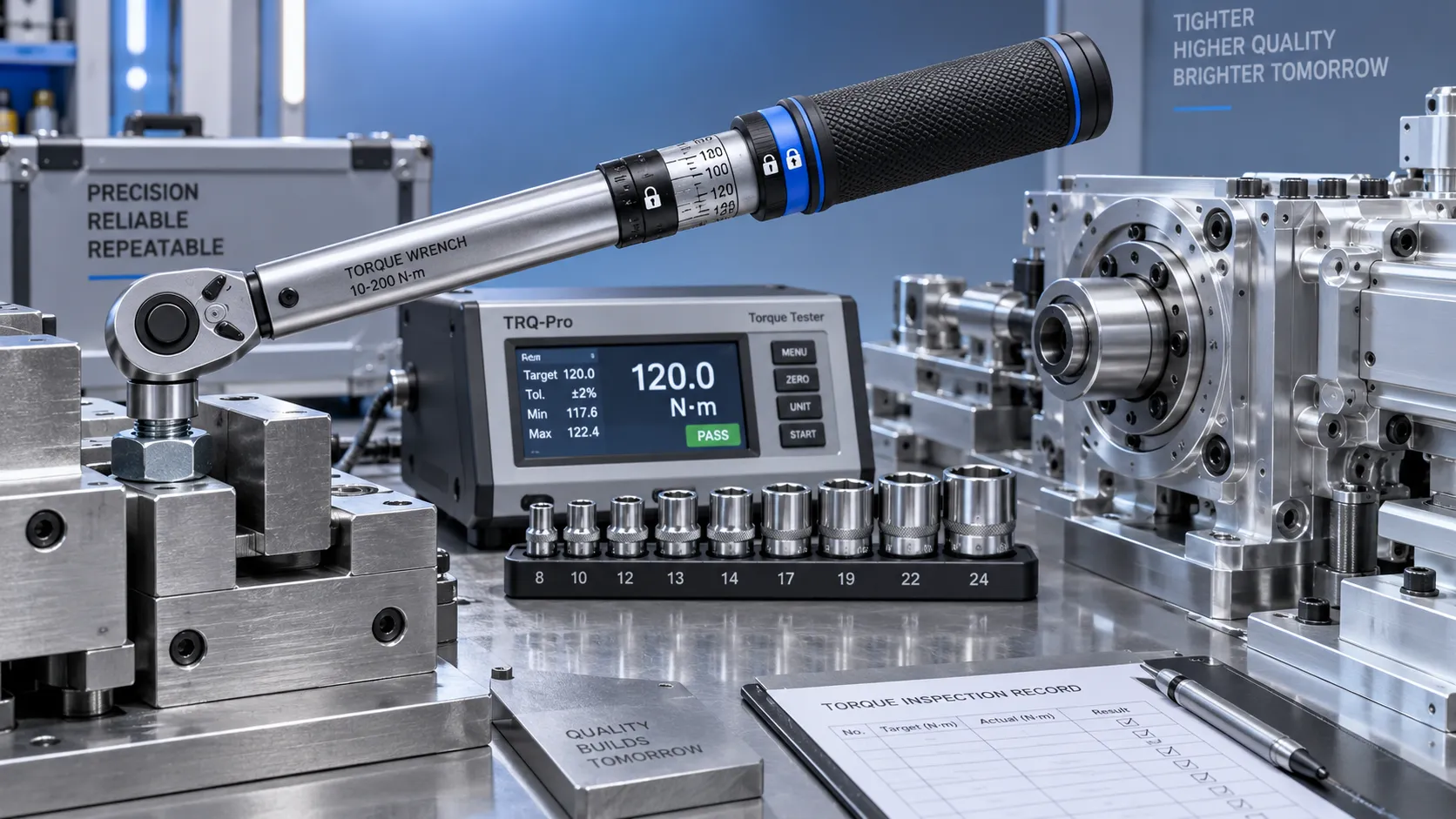
Selecting Adjustable Torque Tools for Repeatable Fastener Assembly
Adjustable torque tools: learn how to match range, accuracy, control methods, calibration, and ergonomics for repeatable, reliable fastener assembly.
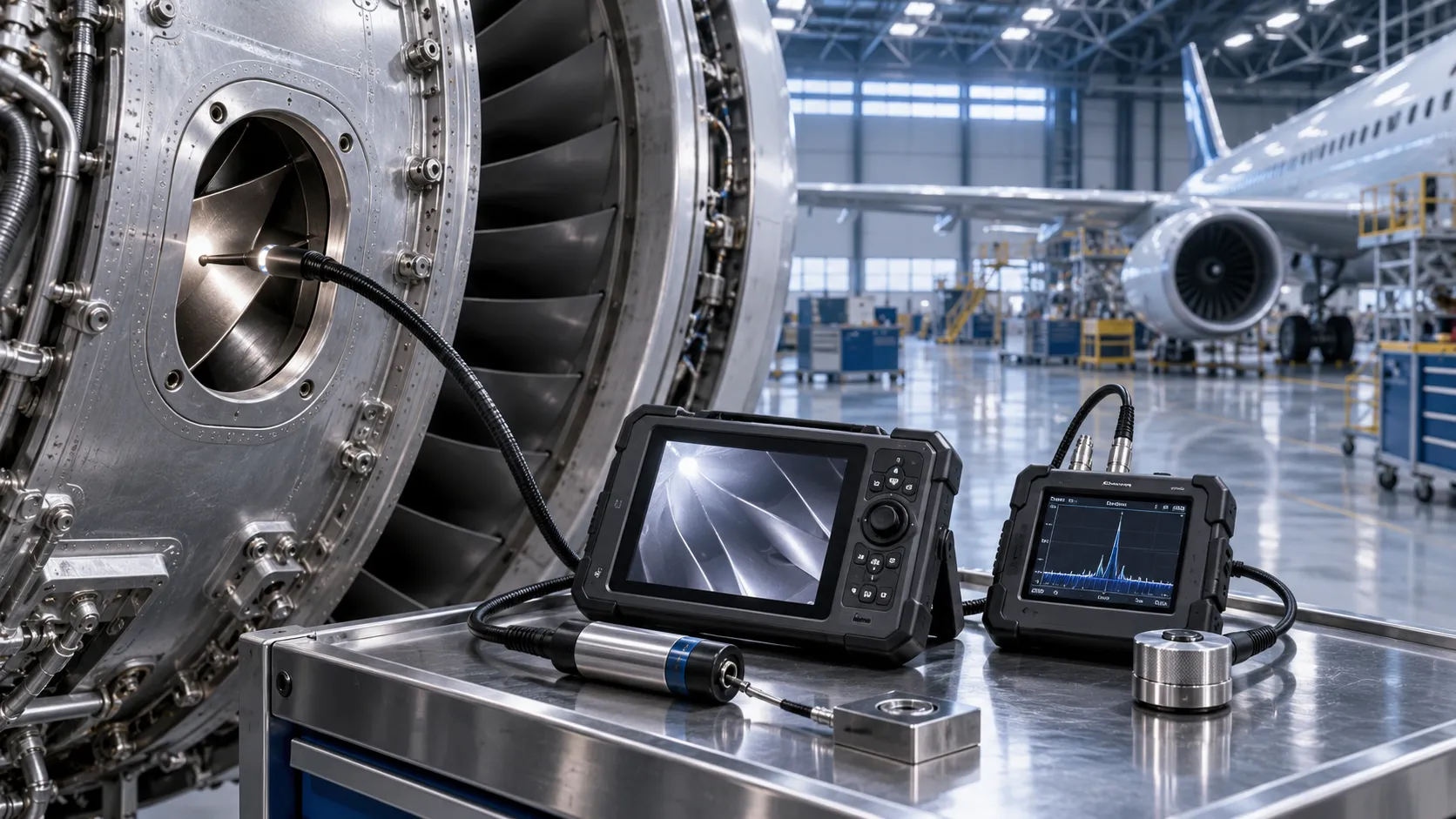
How to Select Aerospace Inspection Tools for Aircraft Maintenance Tasks
Aerospace maintenance inspection tools: learn how to select reliable, traceable equipment for aircraft access, accuracy, calibration, and compliant maintenance decisions.
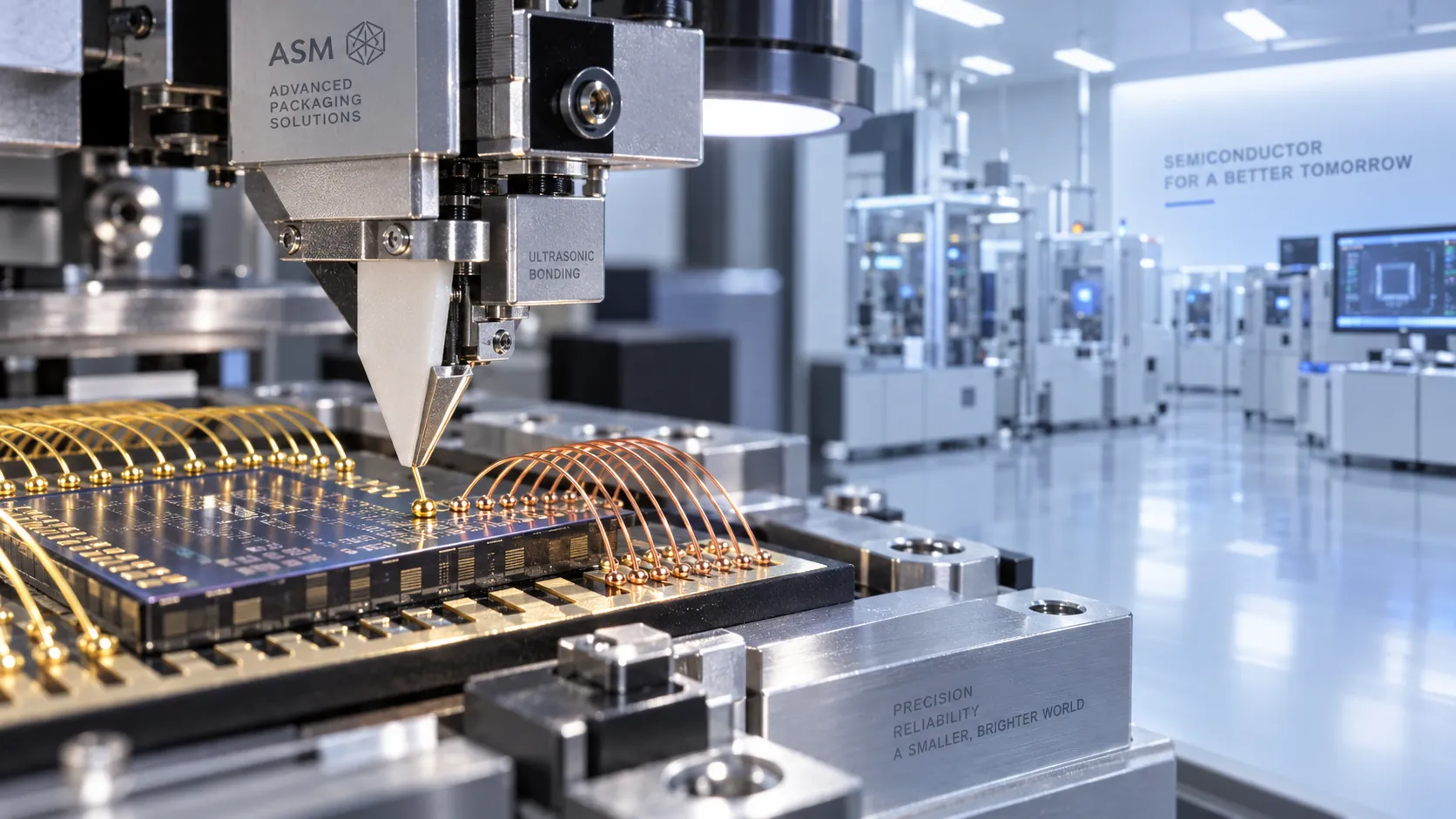
How to Select Wire Bonding Tools for Fine-Pitch Semiconductor Packaging
Explore semiconductor manufacturing tools for wire bonding and learn how to select precision solutions for fine-pitch packaging, reliable loops, accuracy, and yield.
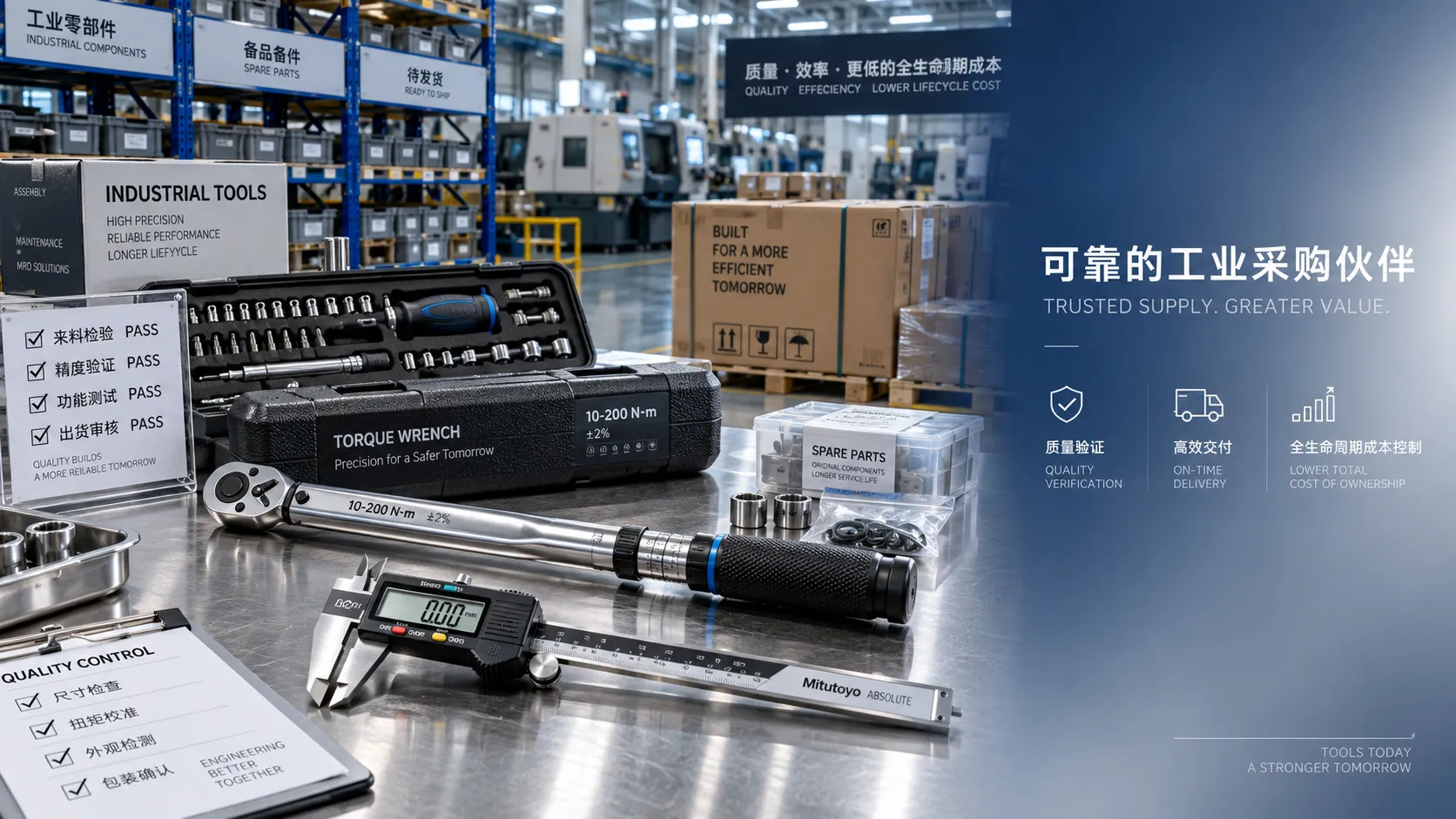
How to Compare Industrial Tool Suppliers for Quality, Lead Time, and Total Cost
Industrial tool selection supplier comparison made simple: evaluate quality, lead times, total cost, service, and supply resilience for confident sourcing decisions.
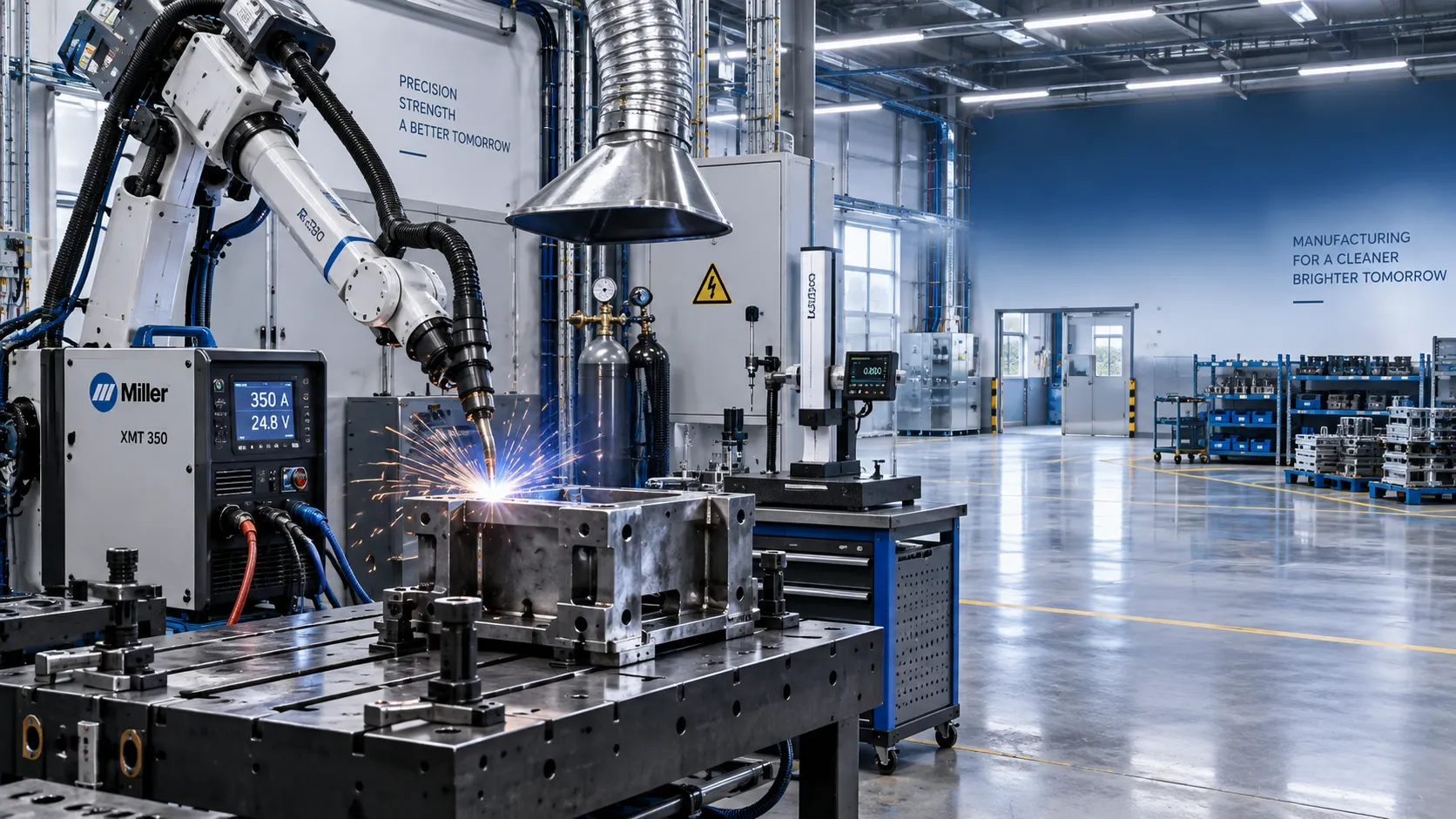
Industrial Equipment Application Guidance: Match Machines to Operating Conditions
Application guidance industrial equipment: match capacity, duty cycle, materials, site conditions, safety, and lifecycle cost to improve reliable output. Read the guide.
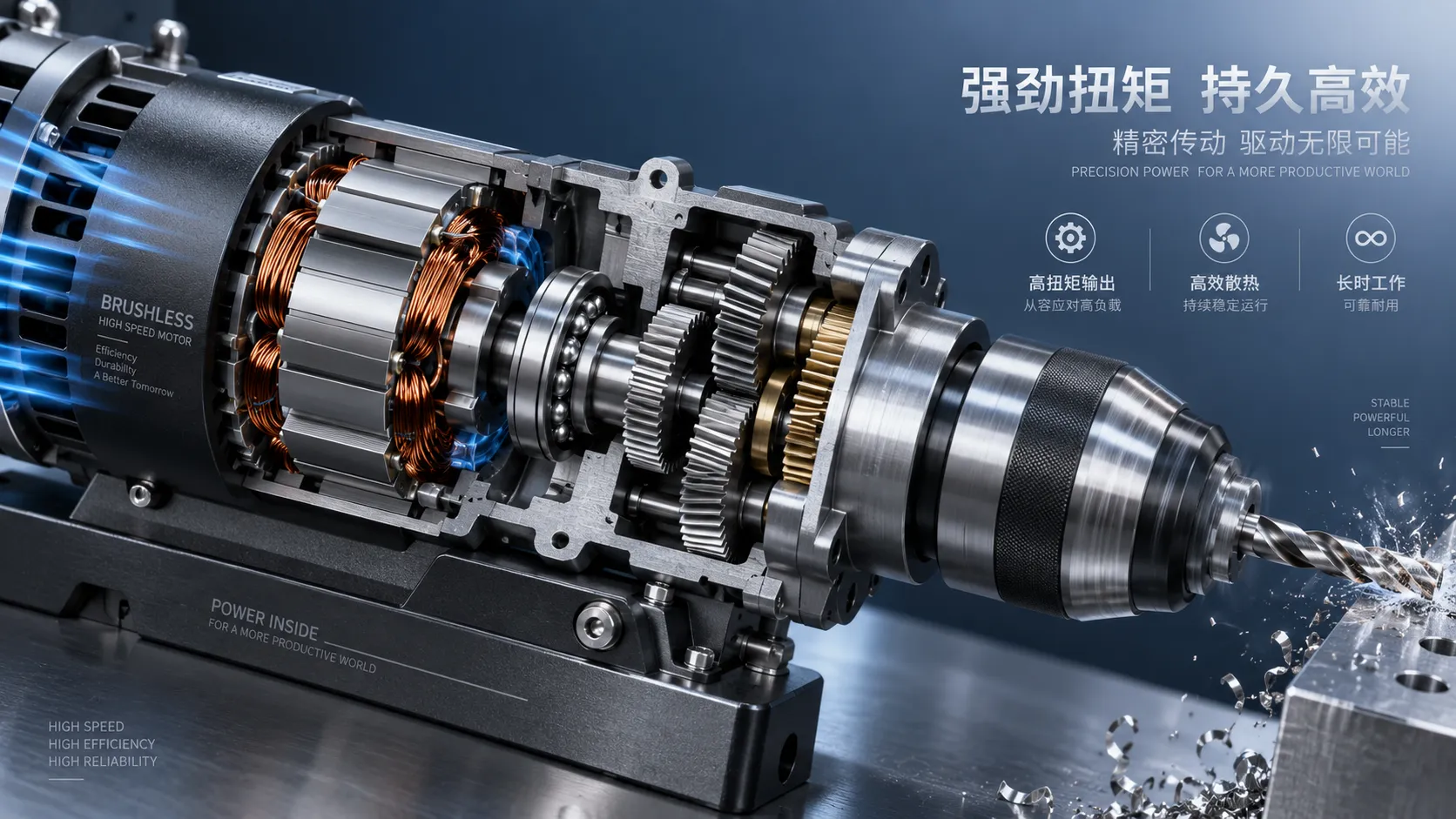
Selecting High-Speed Brushless Tool Motors for Torque, Heat, and Duty Cycle
High speed brushless tool motors: learn how to balance torque, heat, gearing, and duty cycle for reliable industrial tool performance and longer service life.
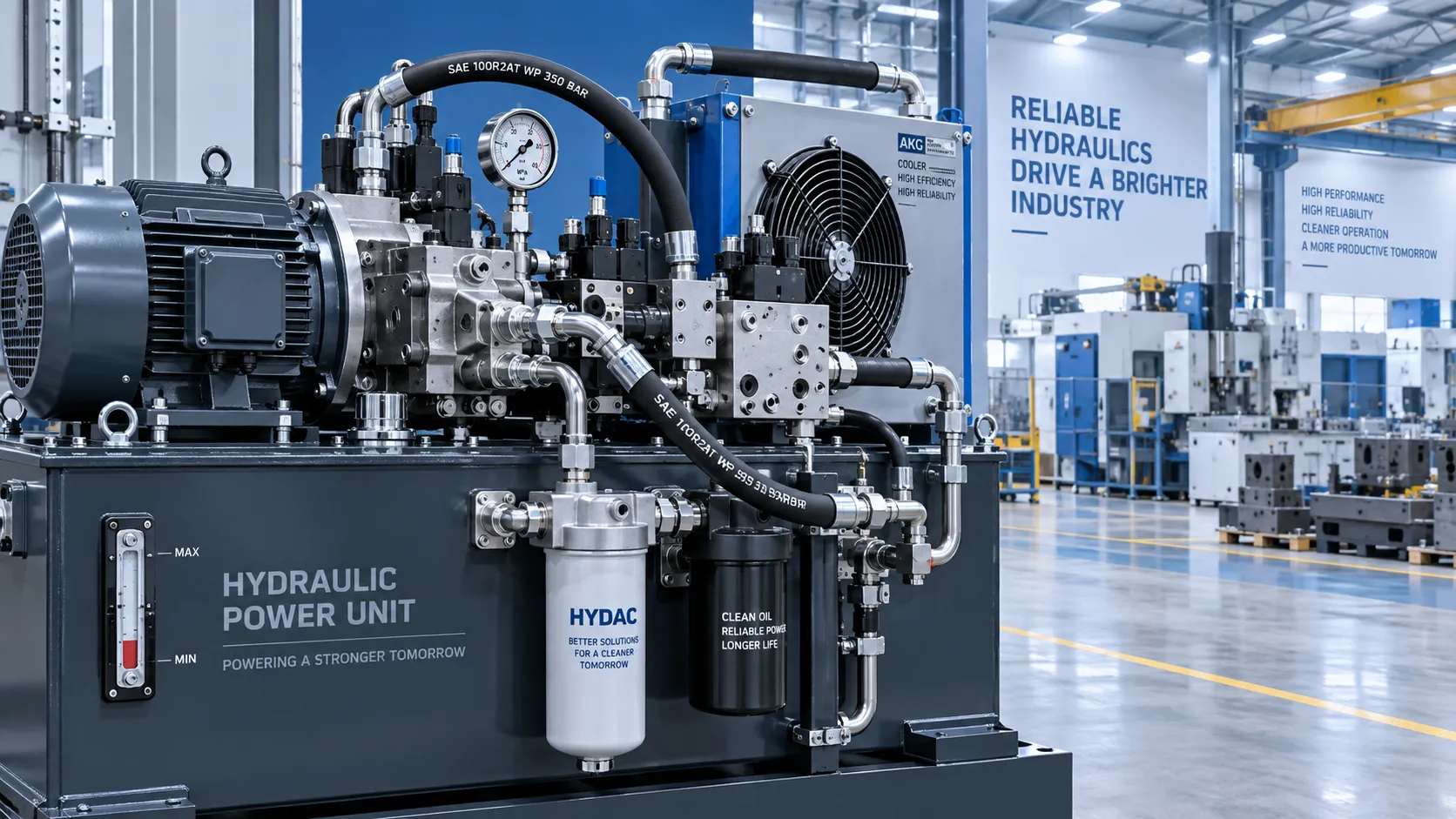
What Determines Industrial Hydraulic System Price for Heavy-Duty Equipment?
Industrial hydraulic system price depends on duty cycle, pressure, components, cooling, and integration. Compare quotes intelligently to secure reliable heavy-duty performance.
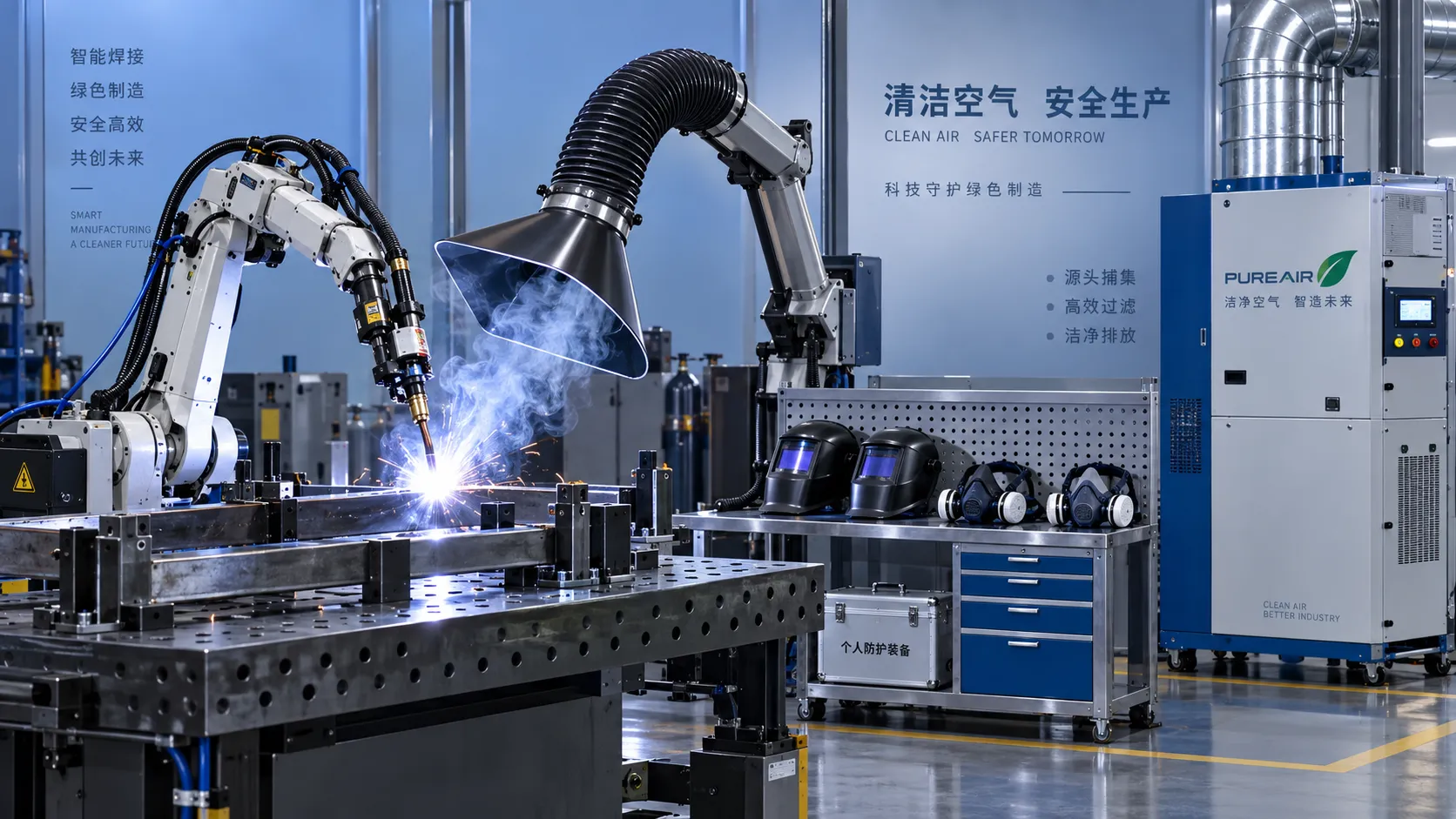
Welding Fume Extraction PPE: When Respirators Are Not Enough for Shop Safety
Welding fume extraction PPE: learn why respirators alone fall short and how source capture, ventilation, and layered controls improve shop safety.
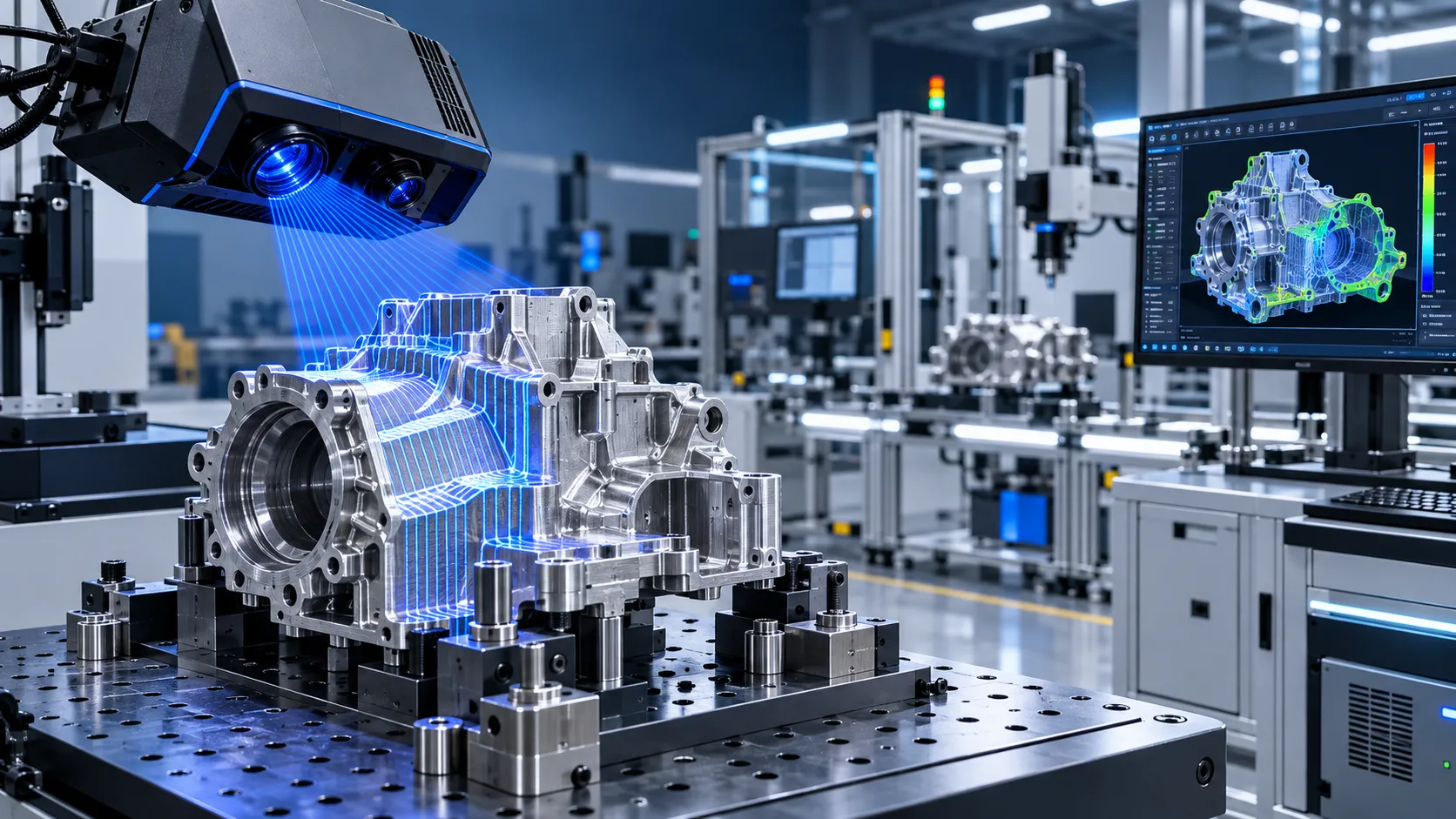
How to Select Optical Metrology Solutions for Tight-Tolerance Manufacturing
Optical industrial metrology solutions for tight-tolerance manufacturing: evaluate accuracy, surface compatibility, workflow, and traceability to select with confidence.
Related News
- 00
0000-00
Welding Fume Extraction PPE: When Respirators Are Not Enough for Shop Safety - 00
0000-00
Which ANSI Standards Apply to Welding Equipment in Industrial Fabrication? - 00
0000-00
How Energy-Efficient Welding Equipment Cuts Power Use in High-Volume Fabrication - 00
0000-00
Which ISO Standards Govern Welding Technology Quality Control and Qualification? - 00
0000-00
North American Welding Innovations Reshaping Automation, Quality, and Labor Productivity
Welding Metallurgy Expert
Weekly Insights
Stay ahead with our curated technology reports delivered every Monday.