
Welding Equipment Applications for Robotic Welding: When Standard Systems Fall Short





Welding Equipment Applications for Robotic Welding: When Standard Systems Fall Short
As robotic cells take on more complex joints, materials, and production targets, standard setups often hit clear limits.
That is where welding equipment applications for robotic welding become more than a specification exercise.
They directly affect bead consistency, cycle time, fume control, rework rates, and operator intervention.
In real production, a standard power source may weld acceptably on simple parts.
But once joint fit-up varies, thin materials distort, or takt time tightens, weaknesses become expensive.
This is why practical welding equipment applications for robotic welding focus on stability, integration, and repeatable control.
The question is not whether a robot can weld.
The real question is whether the surrounding equipment supports the robot under changing shop-floor conditions.
Where Standard Robotic Welding Systems Usually Break Down
Most standard cells are designed around predictable parts, fixed fixtures, and narrow process windows.
That works until production realities shift.
A common issue is inconsistent arc starts.
If contact tips wear quickly or wire feeding becomes unstable, robots lose the advantage of repeatability.
Another weak point is joint variation.
Standard systems often assume perfect part location.
In practice, stampings, castings, and assemblies rarely stay that consistent across shifts and suppliers.
Heat input can also become a bottleneck.
Thin sections need controlled energy, while thicker joints need penetration without excessive spatter.
Standard packages often cannot handle both well.
From a maintenance view, accessibility matters too.
Bulky torches, poor cable routing, and limited diagnostics slow down recovery after faults.
This is where smarter welding equipment applications for robotic welding create measurable gains.
Key Welding Equipment Applications for Robotic Welding That Improve Performance
Better results usually come from upgrading the full process chain, not one isolated component.
1. Advanced Power Sources for Process Stability
Modern inverter systems give tighter control over arc behavior, waveform, and heat input.
That matters in pulsed MIG, short-circuit transfer, and low-spatter applications.
For robotic cells, this upgrade reduces cleanup and helps maintain consistent fusion across batch changes.
2. Precision Wire Feeding Systems
Wire delivery issues often hide behind visible weld defects.
Servo-driven feeders, push-pull systems, and low-friction liners improve feed consistency over long duty cycles.
In many welding equipment applications for robotic welding, stable wire feeding is the difference between uptime and repeated stoppages.
3. Robotic Torch Packages Matched to the Joint
Torch geometry affects reach, collision risk, and gas coverage.
Water-cooled torches support higher duty cycles.
Slim-neck designs help in tight fixtures and multi-pass joints.
Neck selection should match access requirements, not just rated amperage.
4. Seam Tracking and Sensing
Part variation is one of the strongest reasons standard systems fall short.
Touch sensing, through-arc tracking, and laser seam finding help robots adjust path position in real time.
These welding equipment applications for robotic welding reduce scrap when fixture drift or part tolerance cannot be eliminated completely.
5. Cleaning, Reaming, and Consumable Care
A stable process depends on consumable condition.
Torch reamers, nozzle cleaning stations, and anti-spatter application units reduce buildup and missed starts.
This is a simple upgrade, but often one of the fastest to pay back.
How to Choose Equipment by Application Scenario
Not every cell needs the same level of control.
The best welding equipment applications for robotic welding depend on part mix, material thickness, and quality targets.
High-Volume Automotive Components
Here, consistency and speed lead the decision.
Pulse-capable power sources, torch cleaning stations, and process monitoring are usually essential.
Downtime costs more than equipment upgrades in this environment.
Heavy Fabrication and Structural Assemblies
Large parts often bring fit-up variation and difficult access.
Seam tracking, extended-reach torches, and durable cable packages matter more here.
The process must tolerate variation without constant manual correction.
Thin-Gauge Stainless or Aluminum
Heat control becomes critical.
Low-heat input programs, responsive wire feeding, and stable shielding gas delivery are the main priorities.
Without them, burn-through and cosmetic defects rise quickly.
Mixed-Model Production
Frequent changeovers demand flexible programming and easier parameter management.
This is where digital interfaces and recipe-based control deliver real operational value.
Common Warning Signs That an Upgrade Is Overdue
Some problems look like programming issues but are really equipment limits.
- Frequent arc ignition failures after consumable replacement
- Spatter levels rising even after parameter tuning
- Inconsistent penetration across the same part family
- Excessive rework on joints with minor fit-up variation
- Torch collisions caused by poor package geometry
- Unplanned stoppages tied to wire feeding or cable wear
- Operators manually compensating for seam position too often
When several of these signs appear together, standard hardware is usually holding the cell back.
At that point, reviewing welding equipment applications for robotic welding becomes a process improvement task, not just a purchasing decision.
A Practical Selection Framework
A useful decision process starts with production evidence, not brochure claims.
- Map defect patterns by joint type, material, and shift.
- Separate programming issues from equipment-driven instability.
- Review wire path, torch access, gas delivery, and cooling capacity.
- Check whether part variation requires sensing or adaptive control.
- Calculate downtime, cleanup, and rework cost before comparing upgrade prices.
- Validate new settings on representative parts, not only sample coupons.
This approach keeps welding equipment applications for robotic welding tied to output, quality, and maintainability.
It also prevents overspending on features that the line does not actually need.
What Better Integration Looks Like on the Shop Floor
The strongest systems connect power source data, robot control, and maintenance routines into one workable process.
Operators can trace faults faster when alarms, waveform behavior, and consumable history are visible together.
That is why newer welding equipment applications for robotic welding increasingly include digital diagnostics and parameter traceability.
This trend aligns with GPTWM’s broader view of intelligent manufacturing.
Precision tools create more value when they are supported by usable data and disciplined process control.
Conclusion
Standard robotic welding systems still have their place.
But once variation, throughput pressure, or quality demands increase, their limits show quickly.
The most effective welding equipment applications for robotic welding improve arc stability, adapt to real part conditions, and reduce avoidable downtime.
In practical terms, that means choosing equipment around the weld challenge, not around a default package.
Review the cell where losses appear first.
Then upgrade the power source, feeding system, sensing, torch package, or maintenance support that addresses the real constraint.
That is how welding equipment applications for robotic welding turn automation from basic capability into dependable production performance.
Related News
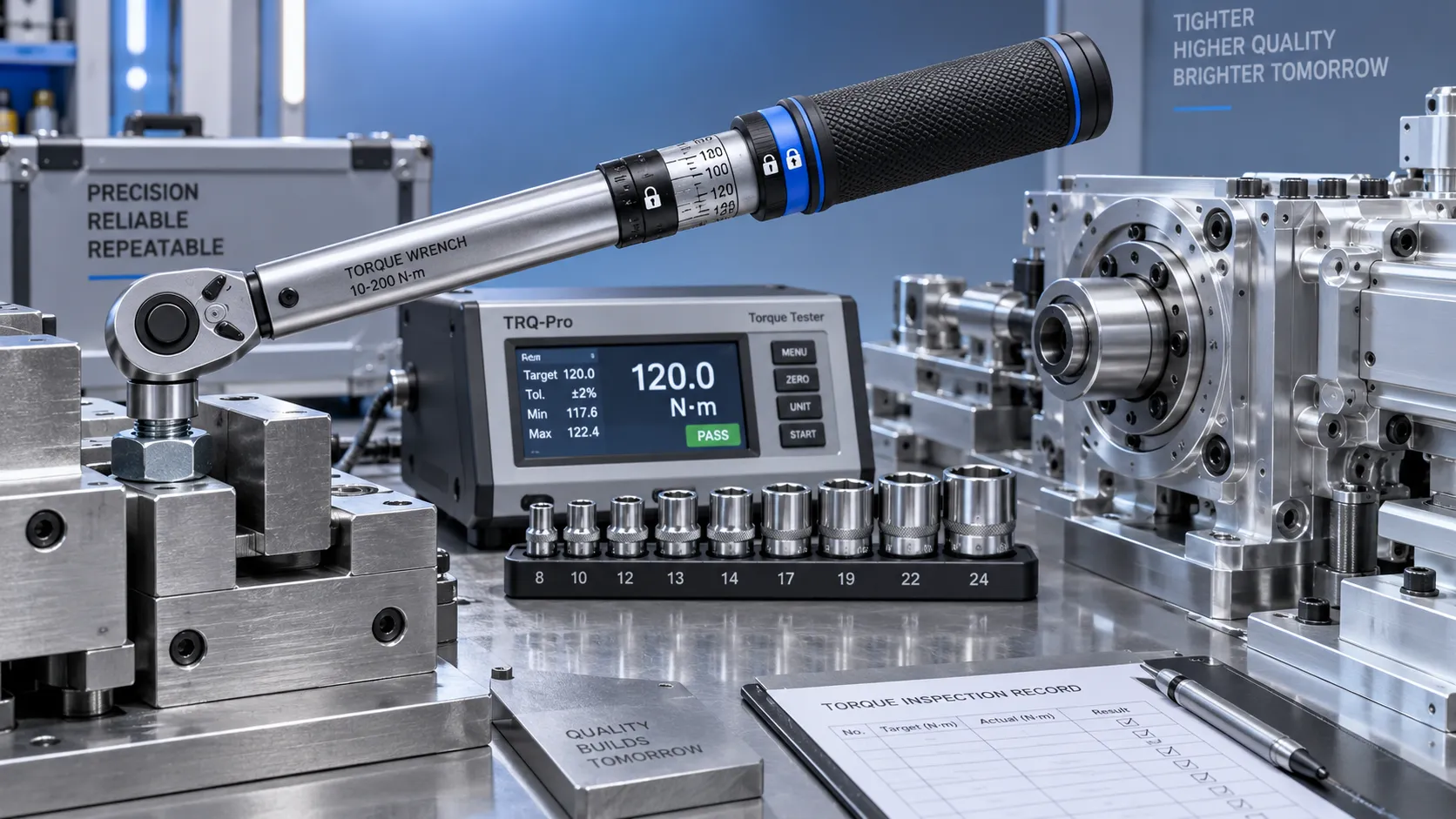
Selecting Adjustable Torque Tools for Repeatable Fastener Assembly
Adjustable torque tools: learn how to match range, accuracy, control methods, calibration, and ergonomics for repeatable, reliable fastener assembly.
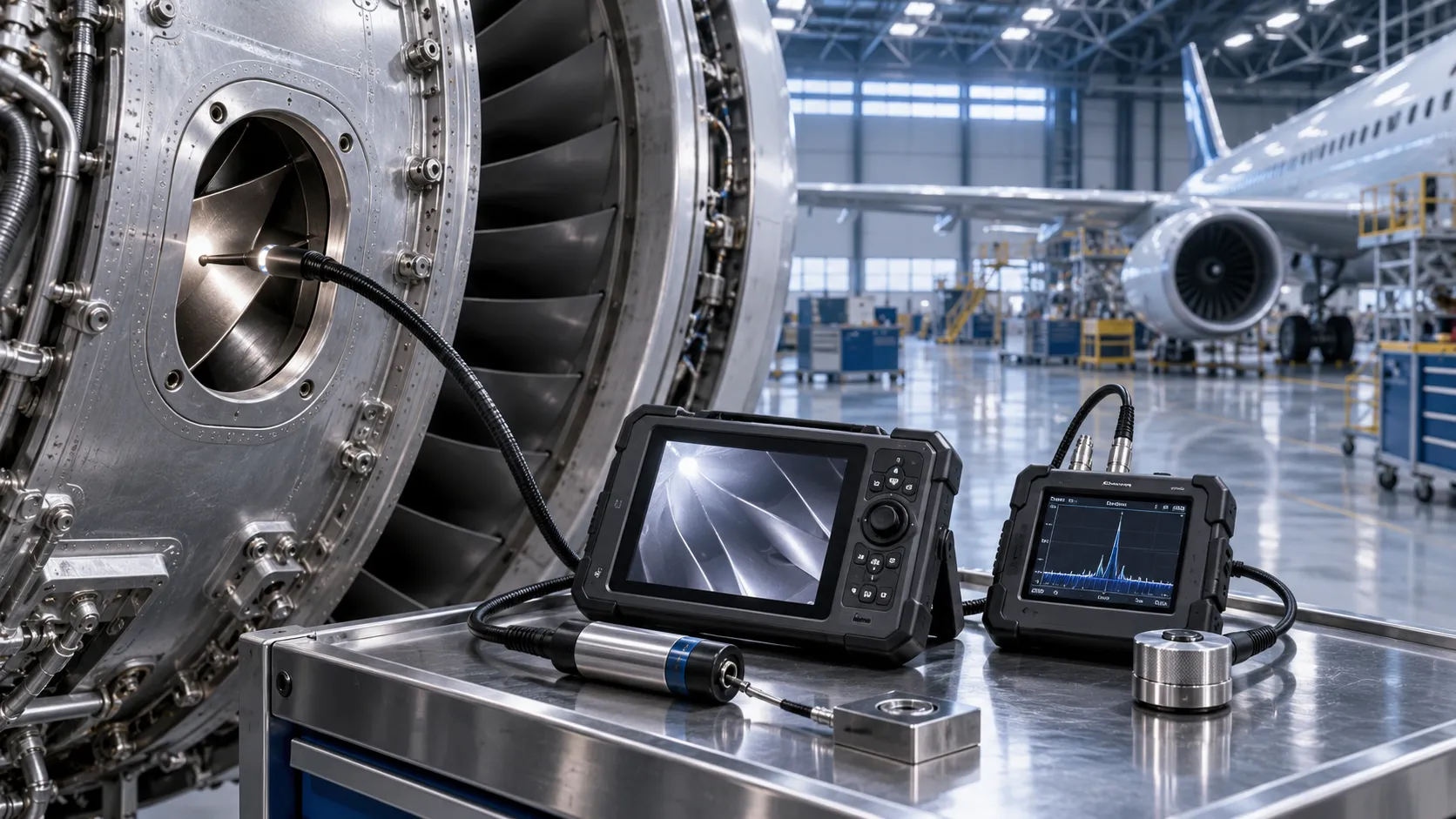
How to Select Aerospace Inspection Tools for Aircraft Maintenance Tasks
Aerospace maintenance inspection tools: learn how to select reliable, traceable equipment for aircraft access, accuracy, calibration, and compliant maintenance decisions.
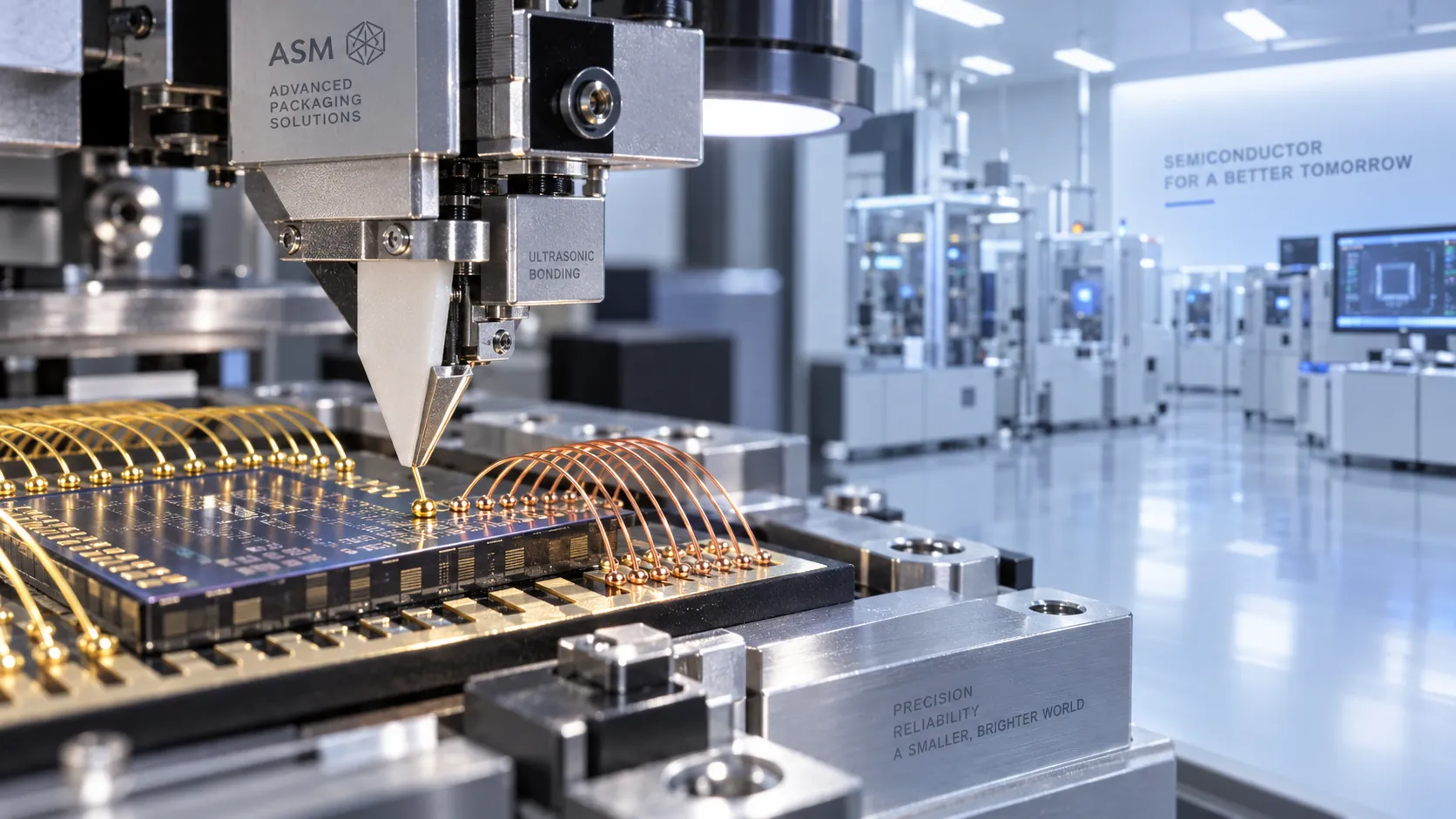
How to Select Wire Bonding Tools for Fine-Pitch Semiconductor Packaging
Explore semiconductor manufacturing tools for wire bonding and learn how to select precision solutions for fine-pitch packaging, reliable loops, accuracy, and yield.
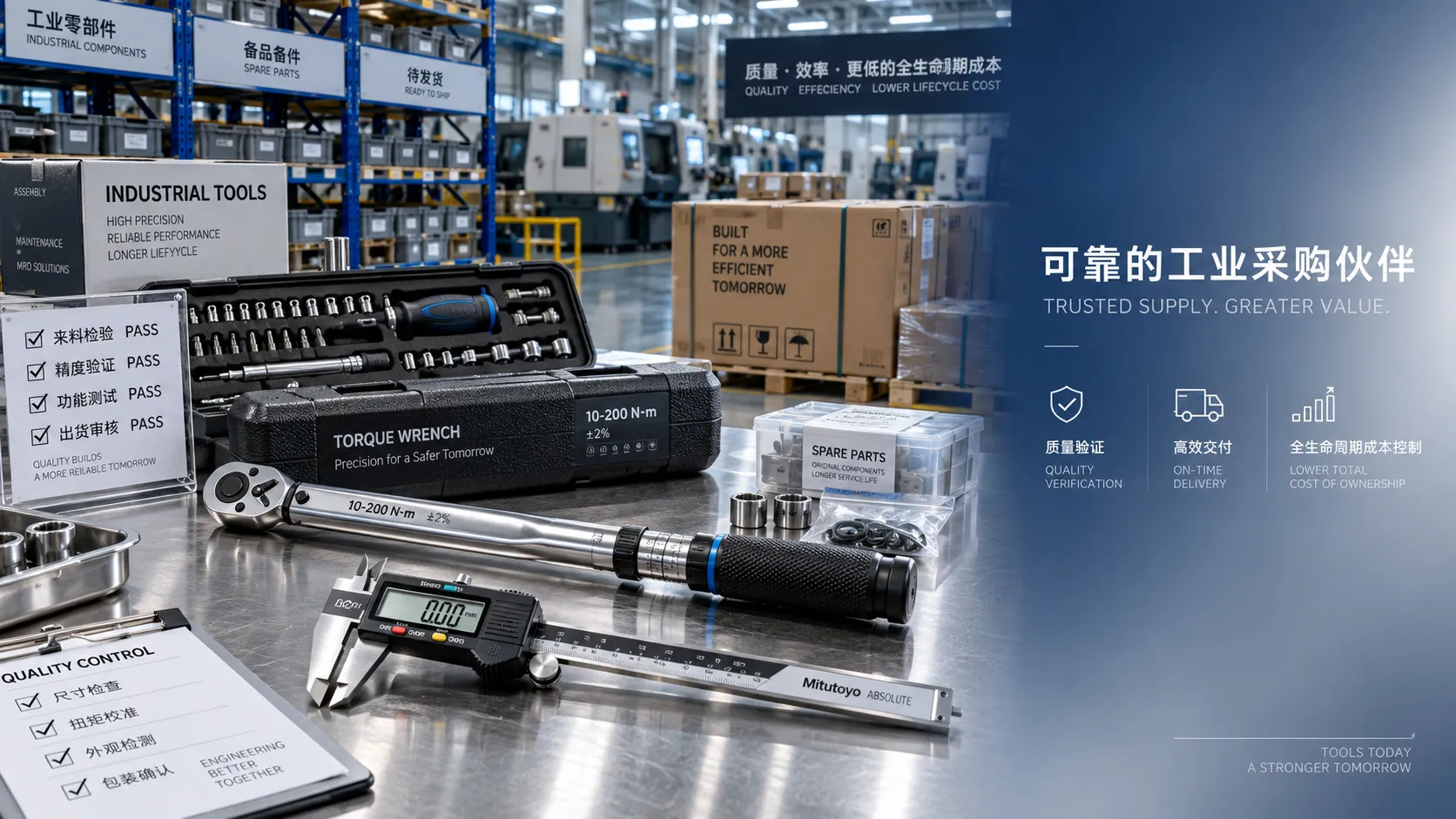
How to Compare Industrial Tool Suppliers for Quality, Lead Time, and Total Cost
Industrial tool selection supplier comparison made simple: evaluate quality, lead times, total cost, service, and supply resilience for confident sourcing decisions.
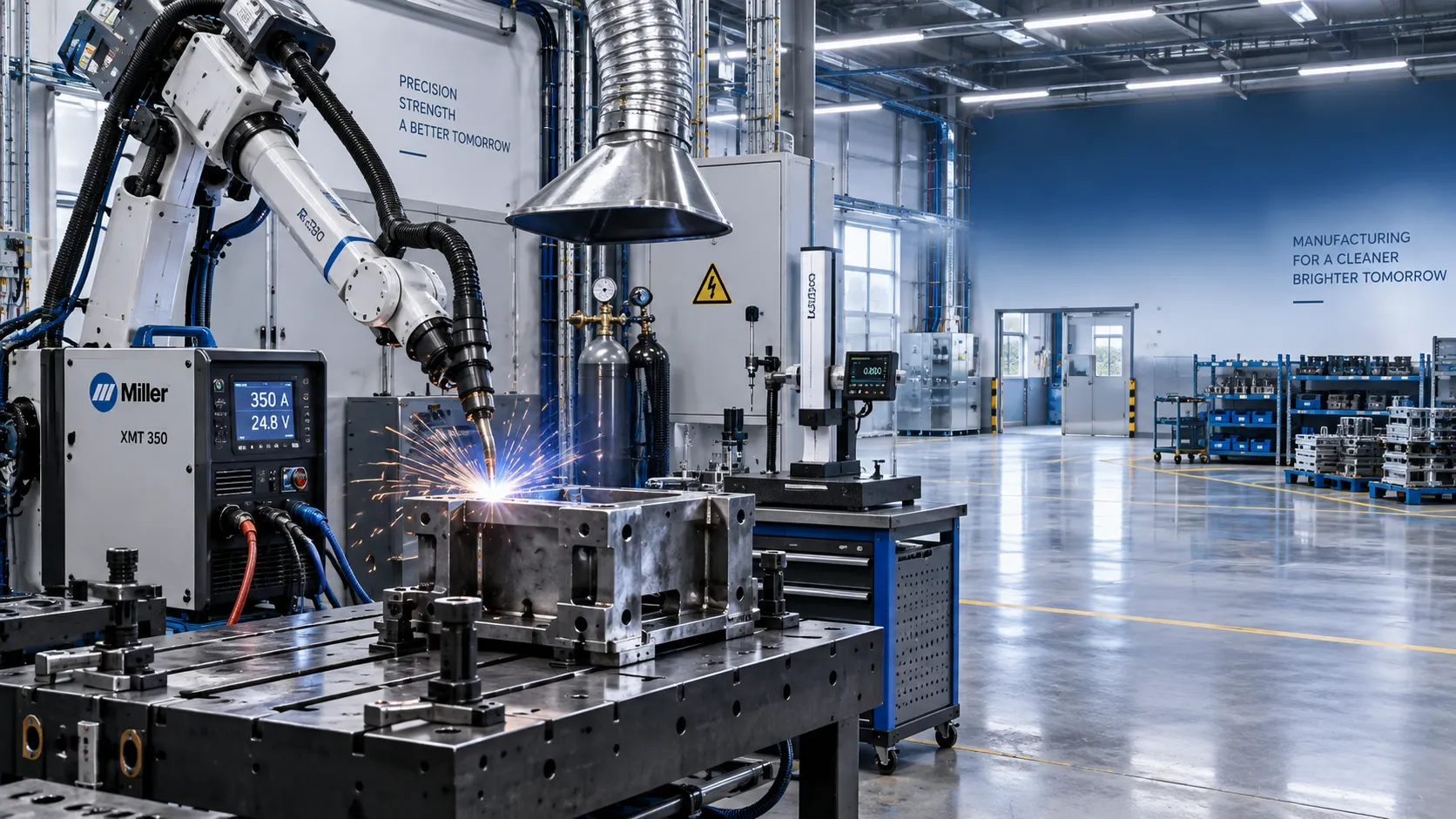
Industrial Equipment Application Guidance: Match Machines to Operating Conditions
Application guidance industrial equipment: match capacity, duty cycle, materials, site conditions, safety, and lifecycle cost to improve reliable output. Read the guide.
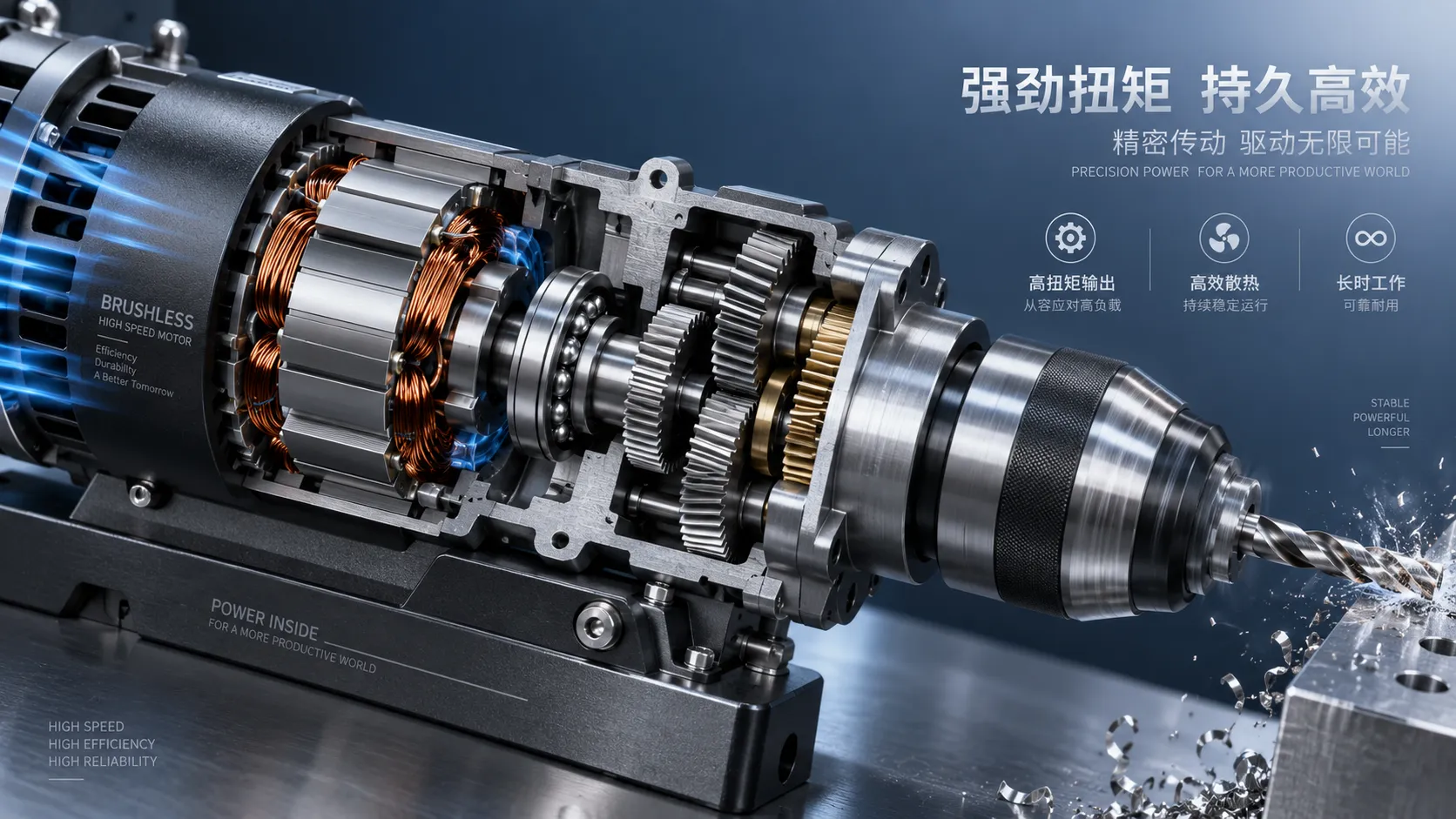
Selecting High-Speed Brushless Tool Motors for Torque, Heat, and Duty Cycle
High speed brushless tool motors: learn how to balance torque, heat, gearing, and duty cycle for reliable industrial tool performance and longer service life.
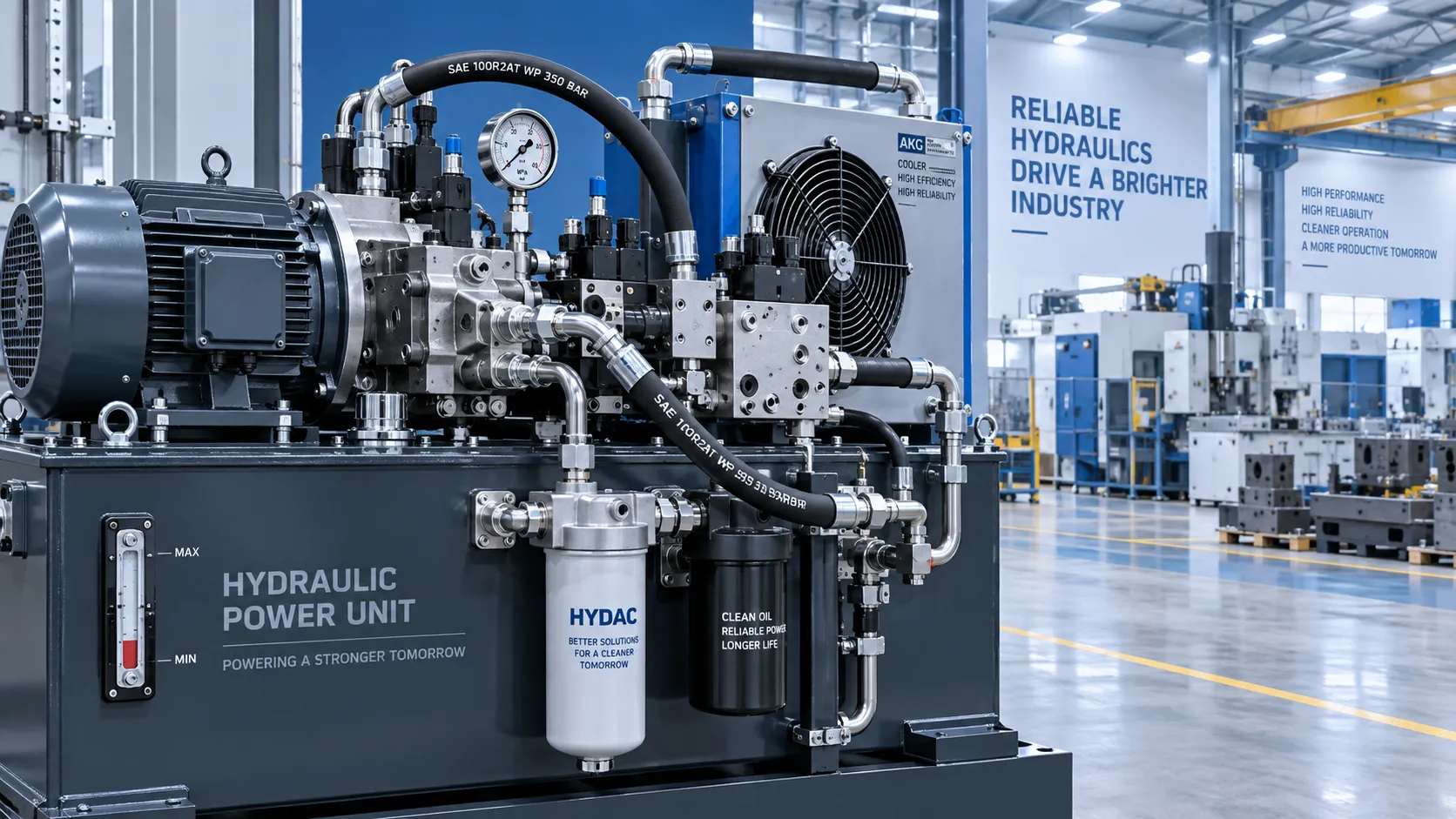
What Determines Industrial Hydraulic System Price for Heavy-Duty Equipment?
Industrial hydraulic system price depends on duty cycle, pressure, components, cooling, and integration. Compare quotes intelligently to secure reliable heavy-duty performance.
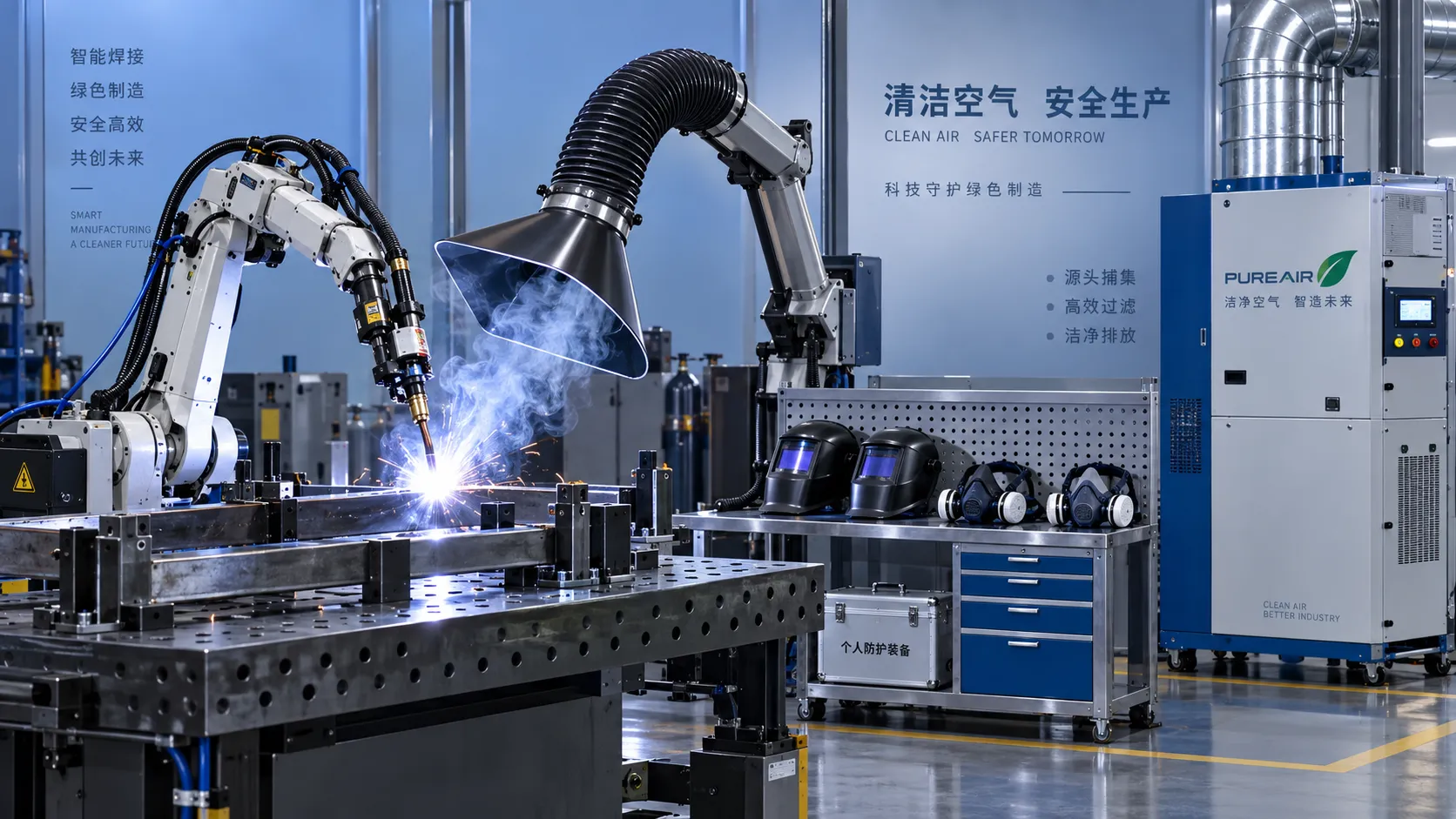
Welding Fume Extraction PPE: When Respirators Are Not Enough for Shop Safety
Welding fume extraction PPE: learn why respirators alone fall short and how source capture, ventilation, and layered controls improve shop safety.
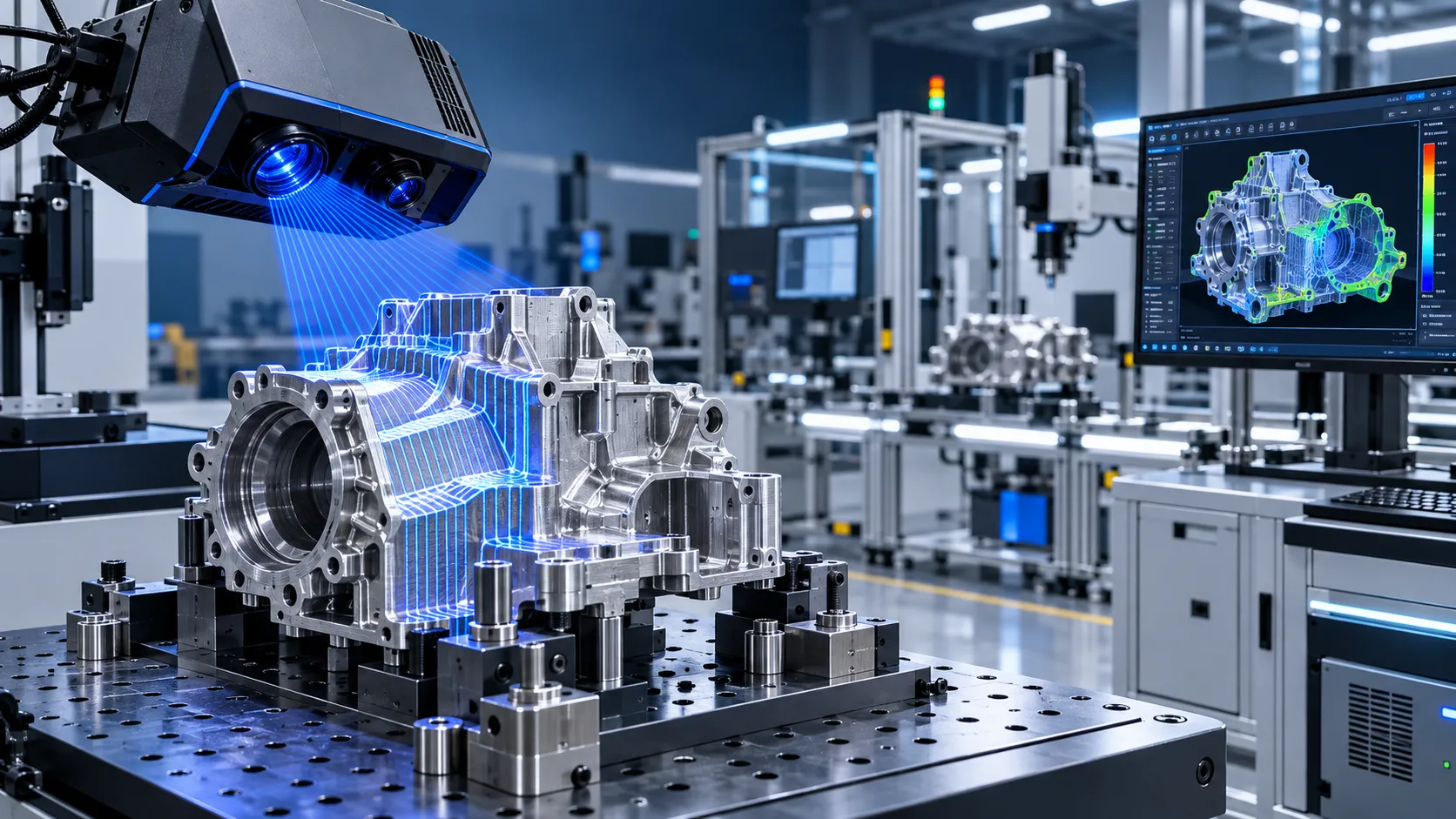
How to Select Optical Metrology Solutions for Tight-Tolerance Manufacturing
Optical industrial metrology solutions for tight-tolerance manufacturing: evaluate accuracy, surface compatibility, workflow, and traceability to select with confidence.
Related News
- 00
0000-00
Welding Fume Extraction PPE: When Respirators Are Not Enough for Shop Safety - 00
0000-00
Which ANSI Standards Apply to Welding Equipment in Industrial Fabrication? - 00
0000-00
How Energy-Efficient Welding Equipment Cuts Power Use in High-Volume Fabrication - 00
0000-00
Which ISO Standards Govern Welding Technology Quality Control and Qualification? - 00
0000-00
North American Welding Innovations Reshaping Automation, Quality, and Labor Productivity
Welding Metallurgy Expert
Weekly Insights
Stay ahead with our curated technology reports delivered every Monday.