
Welding Equipment Applications for Pressure Vessels: Materials, Codes, and Process Fit





Selecting welding equipment for pressure vessels is rarely a simple machine choice. In this field, welding equipment applications for pressure vessels must match alloy behavior, code obligations, joint geometry, and production rhythm at the same time.
That is why the topic keeps drawing attention across fabrication, maintenance, energy, chemical processing, and export manufacturing. A weld that looks acceptable in production can still fail radiography, distort under heat, or create long-term service risk.
For platforms such as GPTWM, the value lies in connecting process knowledge with measurable industrial decisions. Pressure vessel welding sits exactly at that junction, where craftsmanship, inspection discipline, and intelligent equipment settings shape real manufacturing outcomes.
Why process fit matters more in pressure vessel work
Pressure vessels operate under stored energy, temperature cycling, corrosion exposure, and regulated inspection. Because of that, welding equipment applications for pressure vessels are evaluated through integrity, not just deposition speed.
The process must support sound fusion, controlled penetration, acceptable residual stress, and repeatable documentation. Small variations in arc stability or heat input can change hardness, toughness, and defect probability.
In practical terms, equipment selection affects more than the weld puddle. It influences welder qualification, procedure qualification records, repair rates, non-destructive examination results, and total fabrication lead time.
Materials drive the first equipment decision
Material family usually sets the first boundary for welding process selection. Carbon steel, low-alloy steel, stainless steel, duplex grades, nickel alloys, and clad plate all react differently to thermal cycles.
Carbon steels often allow broader process flexibility. SMAW, GMAW, FCAW, SAW, and GTAW may all be suitable, depending on thickness, productivity targets, and code requirements.
Low-alloy steels narrow the margin for error. Preheat control, interpass temperature, hydrogen management, and post-weld heat treatment become more important than raw deposition efficiency.
Stainless steels introduce another set of concerns. Sensitization, ferrite balance, distortion, and heat tint management can make a lower-heat, more stable process preferable, especially at root and fill stages.
For thick sections or dissimilar joints, welding equipment applications for pressure vessels must also consider filler compatibility and dilution control. A productive process that disrupts chemistry can create expensive downstream problems.
Common process tendencies by material
Codes shape the acceptable process window
No discussion of welding equipment applications for pressure vessels is complete without codes and standards. ASME Section VIII, ASME Section IX, PED, EN standards, and customer specifications define what is acceptable long before production starts.
This changes equipment choice in a very direct way. A process may be technically capable, yet still be impractical if it complicates qualification, traceability, or essential variable control.
Arc characteristics, travel speed consistency, current waveform control, data logging, and parameter lockout matter more when documentation is part of compliance. Modern power sources with digital repeatability often reduce variation across shifts and stations.
Export-oriented fabrication adds another layer. Material substitution risks, restricted consumables, and customer-specific acceptance criteria can alter process fit even when the vessel design remains unchanged.
What technical reviews usually check
- Whether the selected process can be qualified for the intended thickness and position.
- Whether heat input can stay inside the approved procedure range.
- Whether the equipment supports shielding gas, wire, and polarity requirements consistently.
- Whether recorded parameters can support audits, repairs, and customer review.
Matching process to joint type and production volume
Joint design often decides whether a process is realistic. Root access, wall thickness, nozzle attachment geometry, and welding position all affect the usable equipment window.
GTAW remains important for roots and critical thin-wall work because it offers precise puddle control and clean fusion. It is slower, but the control can reduce repair exposure later.
SAW is highly effective for long circumferential or longitudinal seams on thicker shells. It supports high deposition and stable penetration, yet it requires suitable positioning and setup discipline.
FCAW and GMAW are often chosen where productivity and positional flexibility must coexist. Pulsed modes can widen usability on stainless and thinner components while reducing spatter and excess heat.
SMAW still has a place in field repair, restricted access, and lower-volume fabrication. Even when automated options are available, site conditions sometimes favor portability and procedural familiarity.
Typical pressure vessel scenarios
Where equipment capability changes business results
The commercial value of better welding equipment applications for pressure vessels is usually visible in fewer repairs, more stable inspection results, and tighter schedule control. Those gains are often more meaningful than headline deposition speed.
Power source stability, wire feeding accuracy, and integrated parameter memory help standardize output across operators. In larger fabrication programs, that consistency supports predictable quality cost.
This is also where GPTWM-style industrial intelligence becomes useful. Material price changes, export restrictions, and adoption of safer laser-assisted or digitally monitored systems can reshape equipment decisions long before a tender closes.
The pressure vessel segment increasingly rewards traceable, data-backed process control. Shops that combine proven welding practice with metrology awareness usually make stronger qualification and customer acceptance decisions.
A practical way to evaluate welding equipment applications for pressure vessels
A useful review starts with the weld itself, then expands outward. The equipment should serve the metallurgy, the code, and the production environment in that order.
- Map base materials, thickness ranges, and joint categories before comparing machines.
- Check which processes simplify WPS and PQR qualification rather than complicate it.
- Review heat input sensitivity, distortion risk, and post-weld treatment needs.
- Measure likely repair exposure under radiography, UT, or pressure testing.
- Assess whether digital controls, parameter storage, or monitoring will improve repeatability.
- Account for shop versus field conditions, operator availability, and maintenance support.
That approach keeps decisions grounded. It also prevents a common mistake: choosing a process for short-term throughput while ignoring qualification burden, inspection fallout, or service-life consequences.
What to review next
The best next step is to build a decision matrix around actual vessel types, materials, code scope, and inspection methods. From there, compare welding equipment applications for pressure vessels by process stability, qualification effort, and lifecycle risk.
It is also worth tracking broader signals, including consumable availability, digital traceability features, and evolving safety expectations. In pressure vessel fabrication, equipment fit is rarely static, and better decisions usually come from combining welding knowledge with current industrial intelligence.
Related News
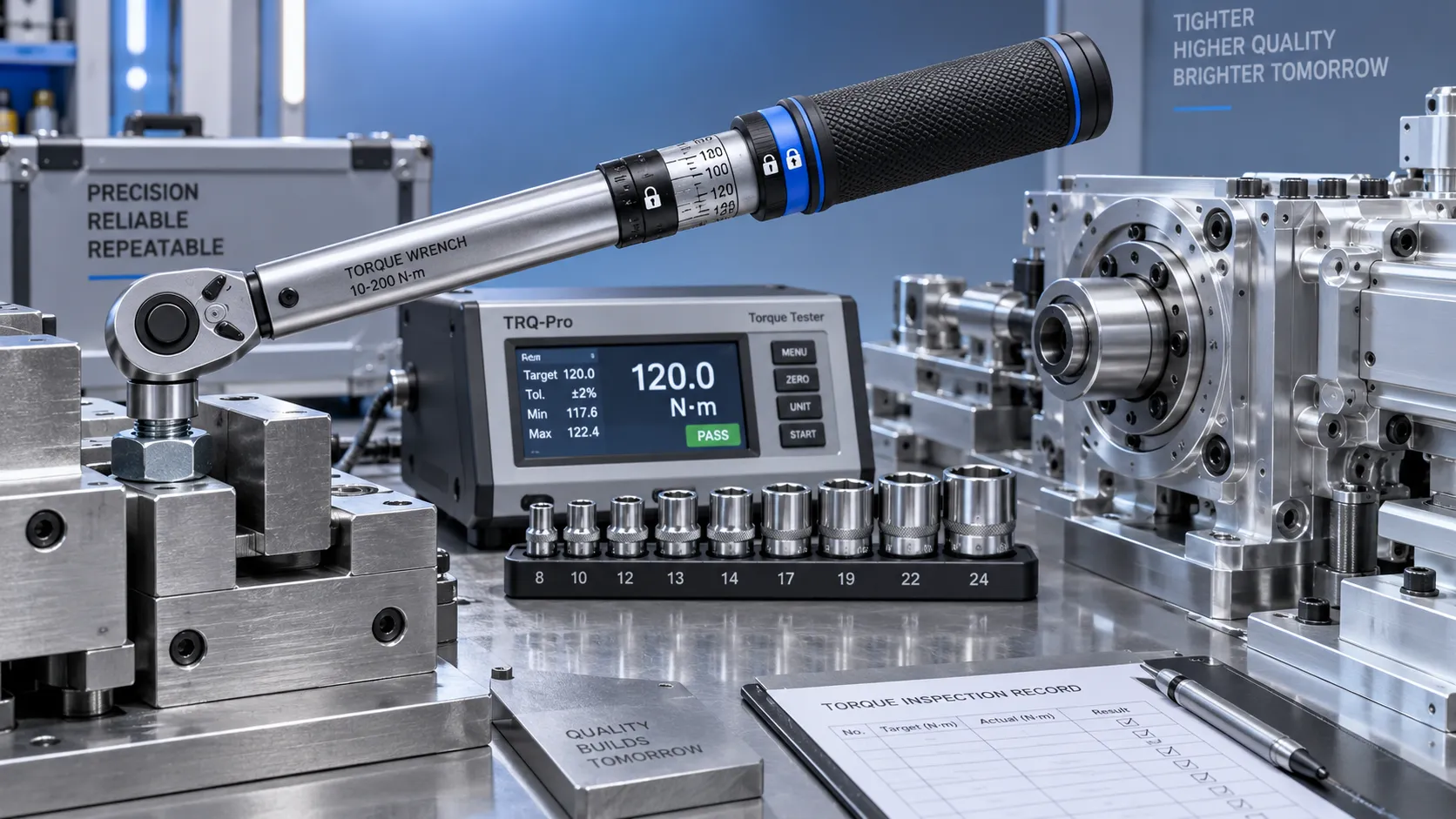
Selecting Adjustable Torque Tools for Repeatable Fastener Assembly
Adjustable torque tools: learn how to match range, accuracy, control methods, calibration, and ergonomics for repeatable, reliable fastener assembly.
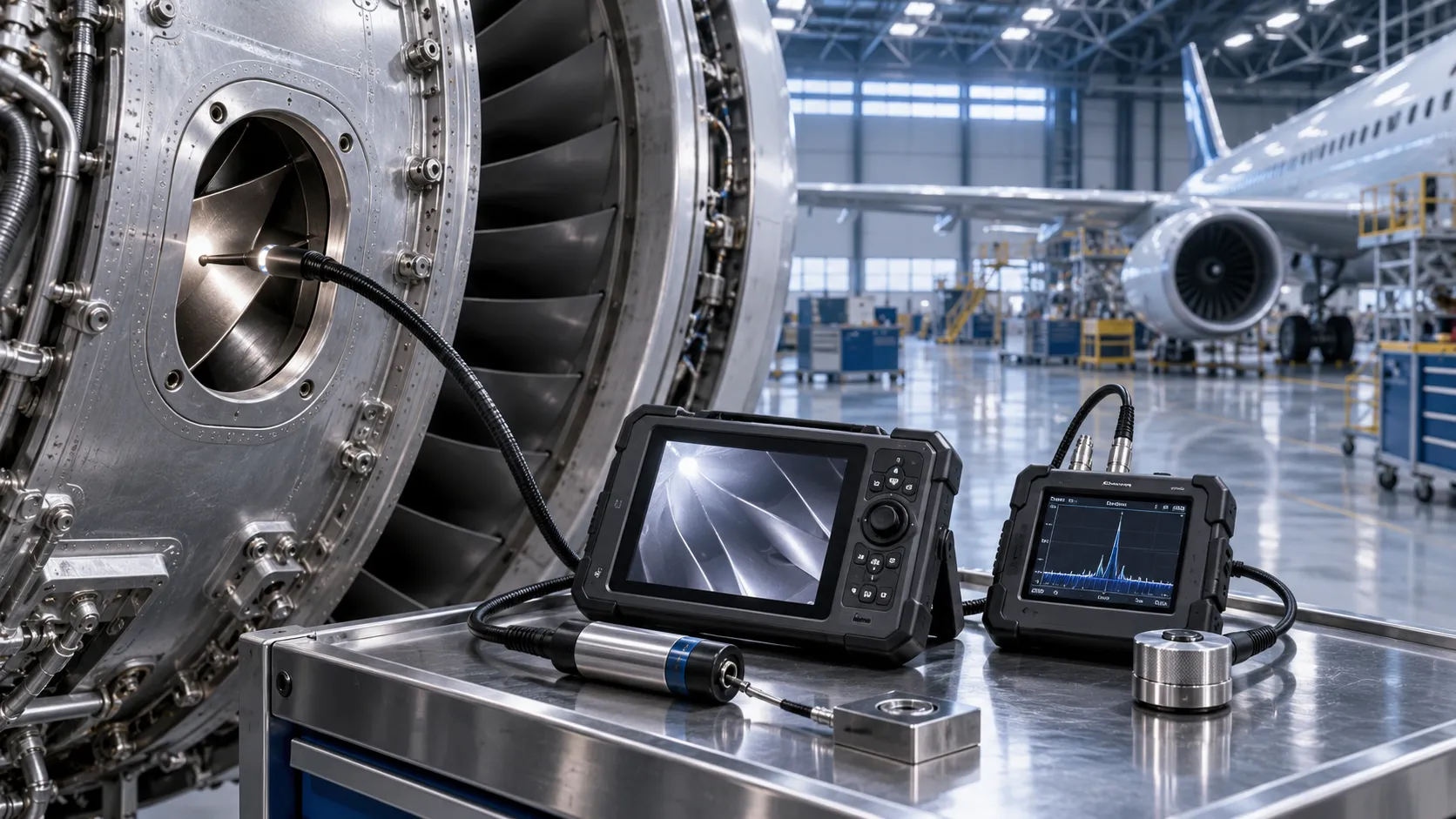
How to Select Aerospace Inspection Tools for Aircraft Maintenance Tasks
Aerospace maintenance inspection tools: learn how to select reliable, traceable equipment for aircraft access, accuracy, calibration, and compliant maintenance decisions.
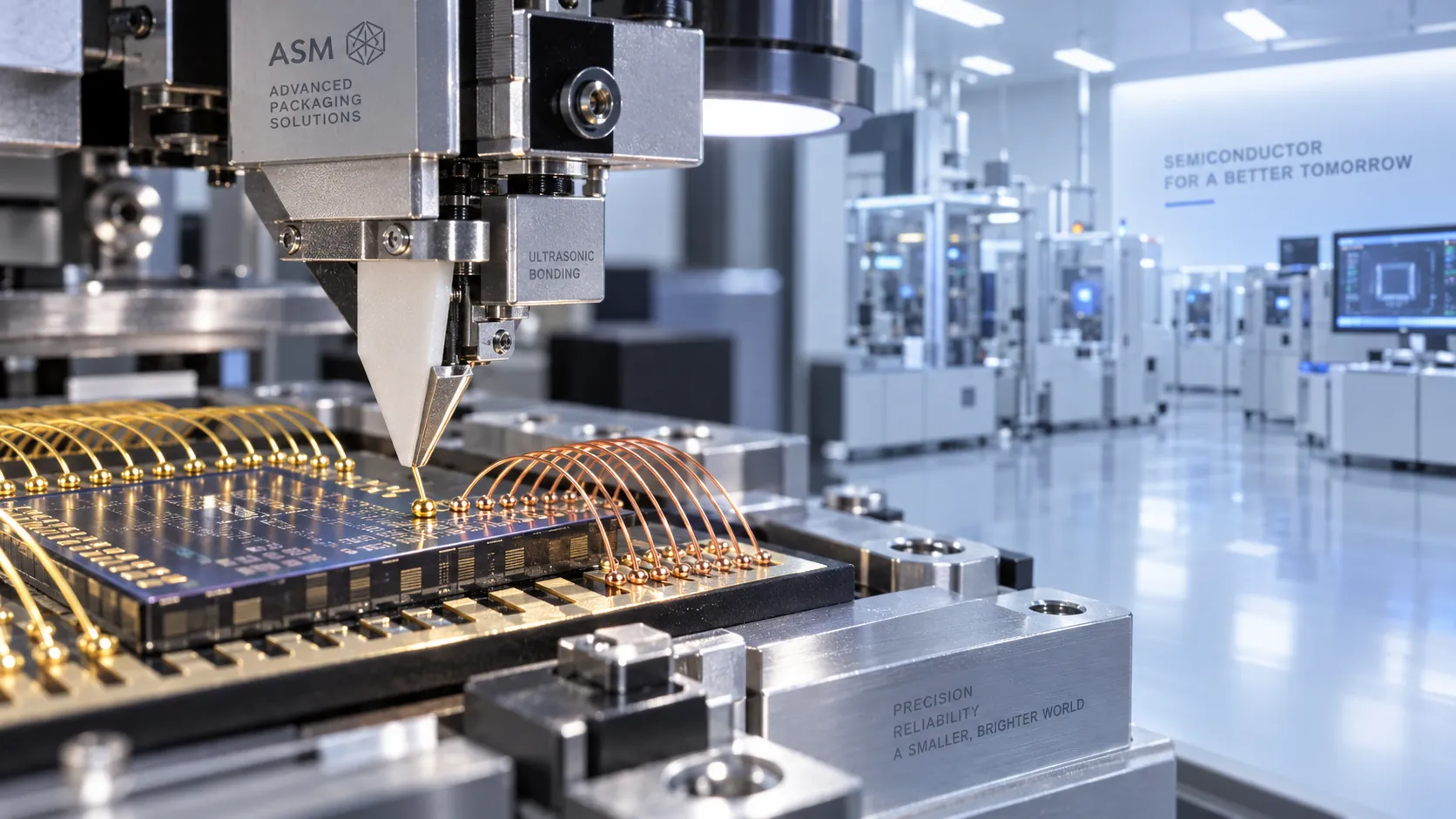
How to Select Wire Bonding Tools for Fine-Pitch Semiconductor Packaging
Explore semiconductor manufacturing tools for wire bonding and learn how to select precision solutions for fine-pitch packaging, reliable loops, accuracy, and yield.
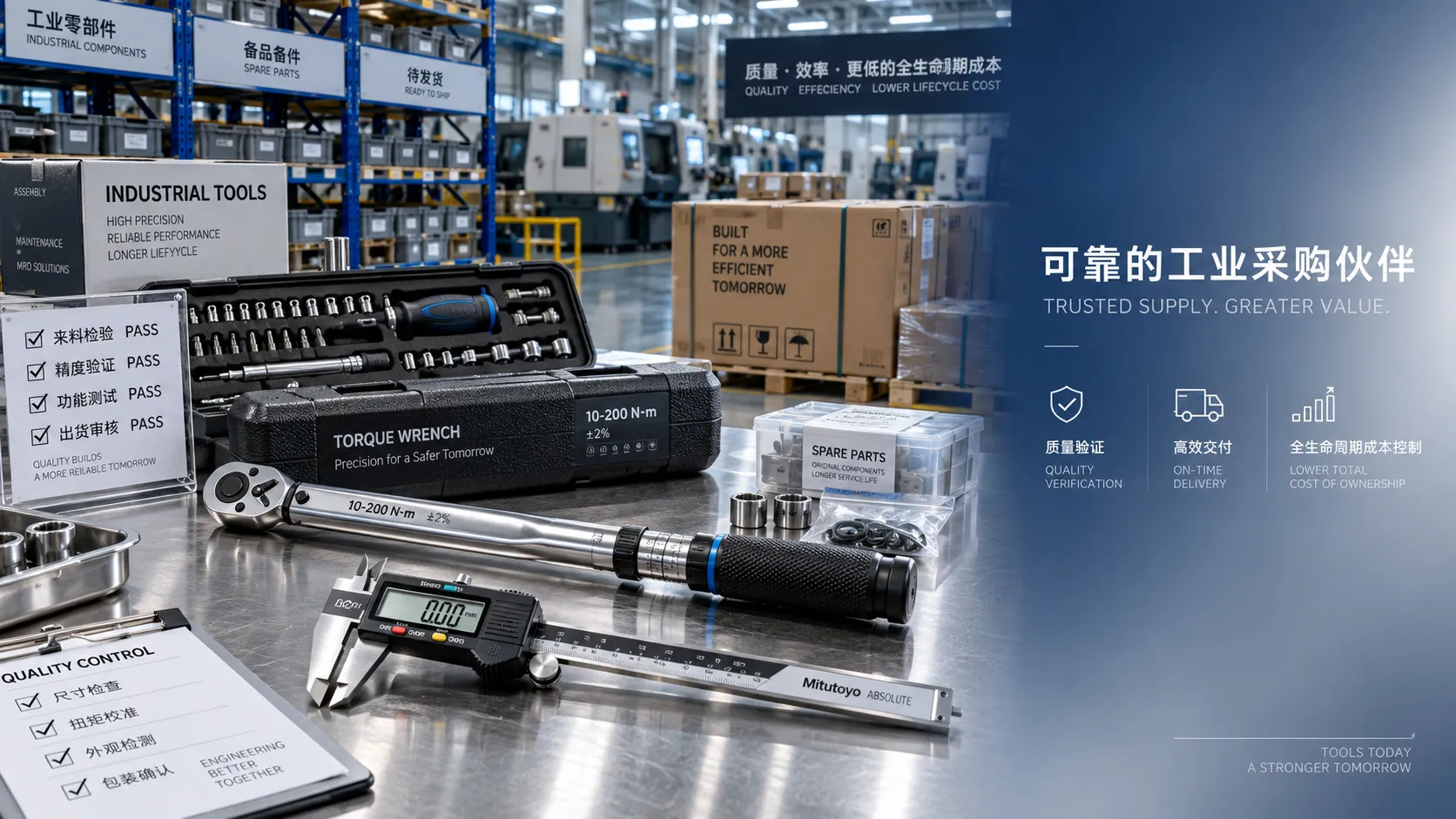
How to Compare Industrial Tool Suppliers for Quality, Lead Time, and Total Cost
Industrial tool selection supplier comparison made simple: evaluate quality, lead times, total cost, service, and supply resilience for confident sourcing decisions.
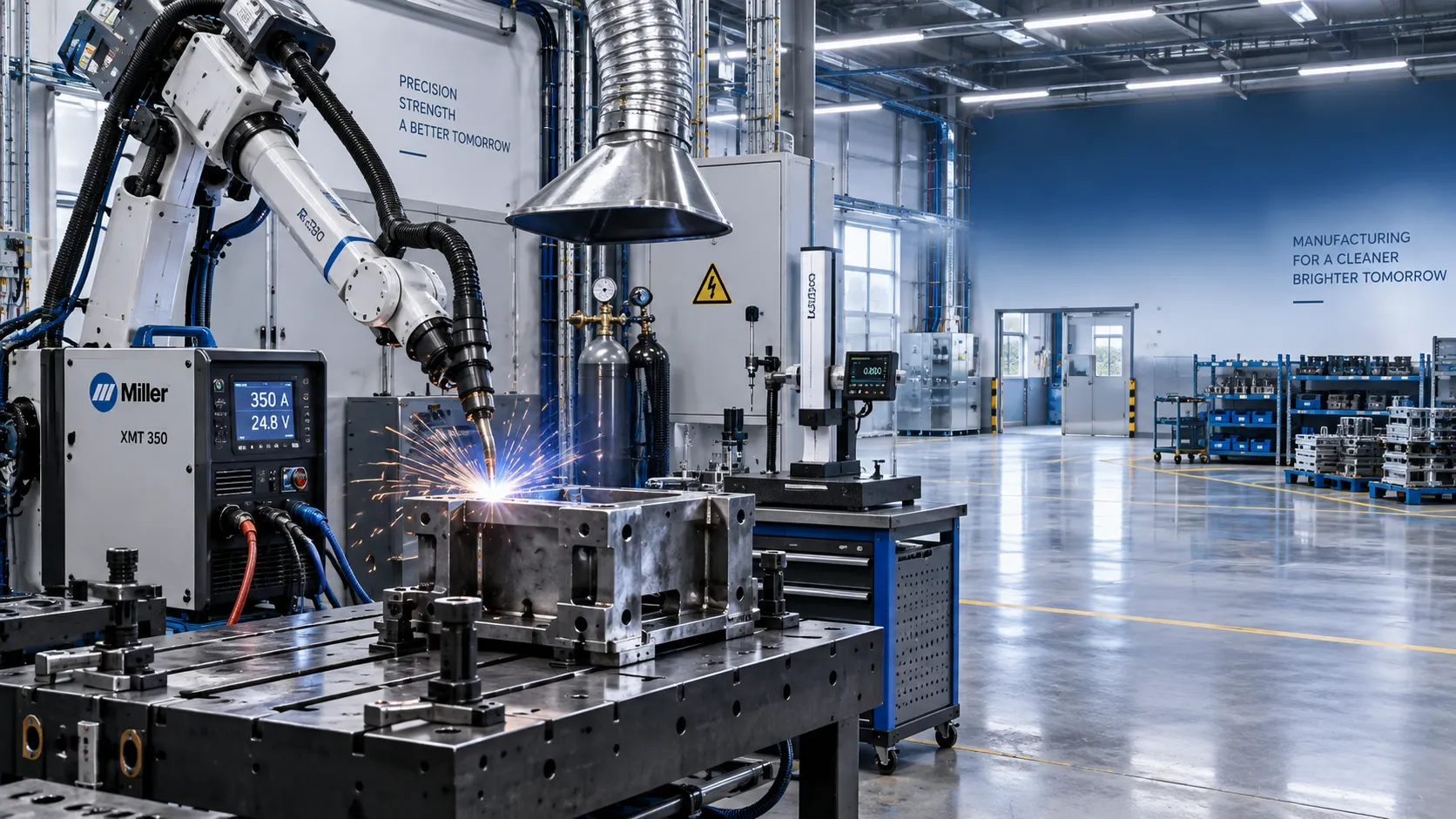
Industrial Equipment Application Guidance: Match Machines to Operating Conditions
Application guidance industrial equipment: match capacity, duty cycle, materials, site conditions, safety, and lifecycle cost to improve reliable output. Read the guide.
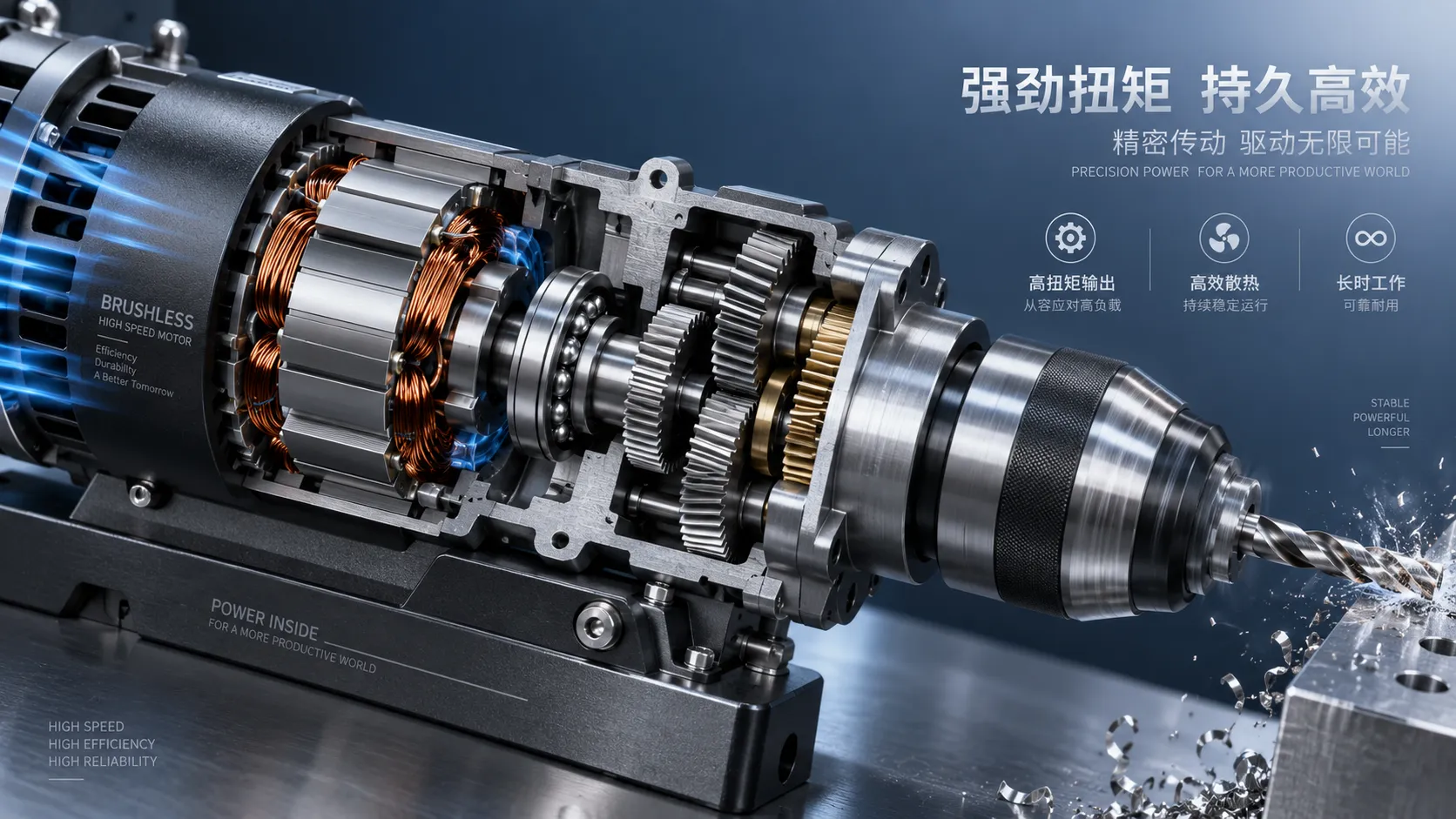
Selecting High-Speed Brushless Tool Motors for Torque, Heat, and Duty Cycle
High speed brushless tool motors: learn how to balance torque, heat, gearing, and duty cycle for reliable industrial tool performance and longer service life.
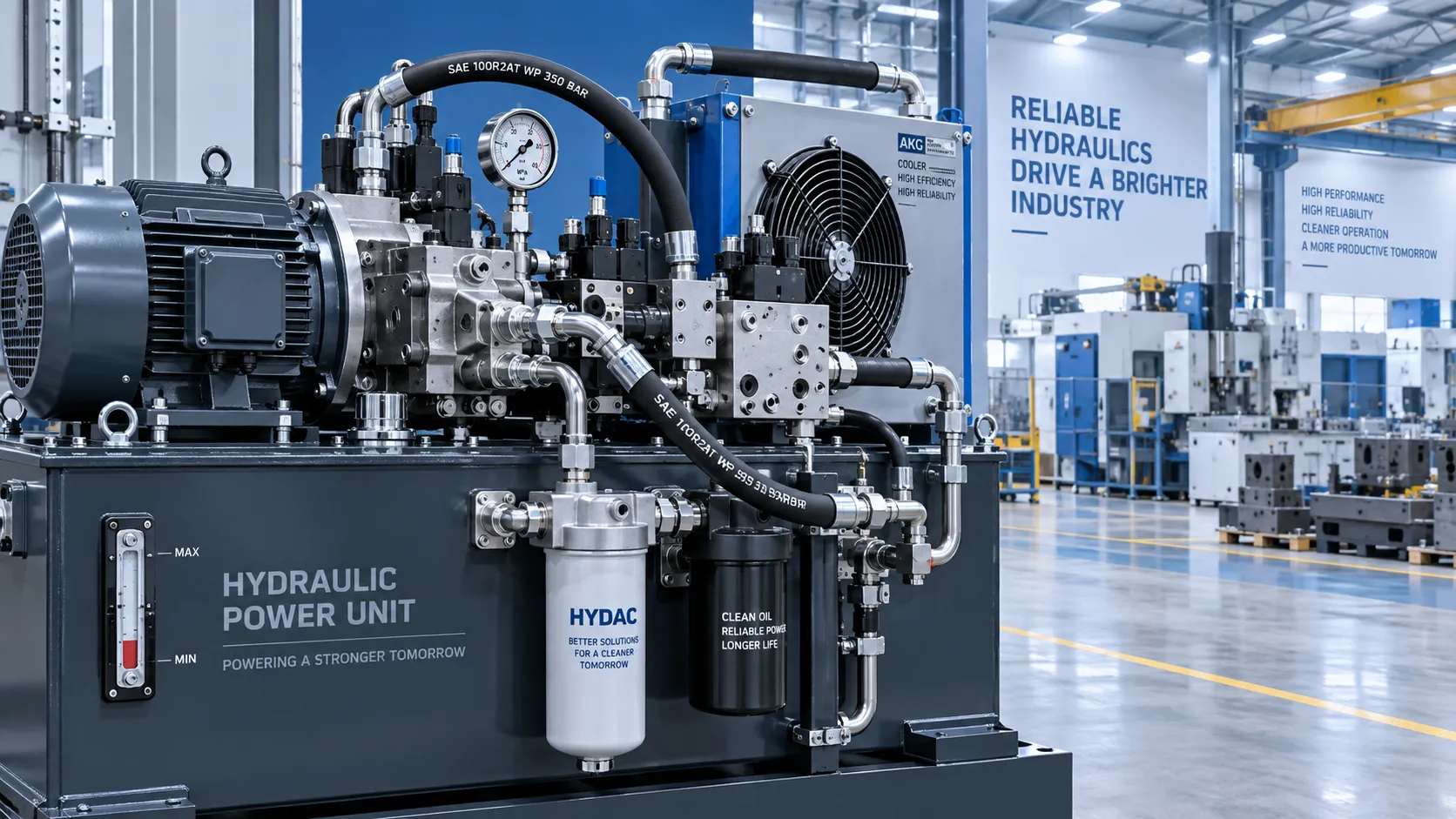
What Determines Industrial Hydraulic System Price for Heavy-Duty Equipment?
Industrial hydraulic system price depends on duty cycle, pressure, components, cooling, and integration. Compare quotes intelligently to secure reliable heavy-duty performance.
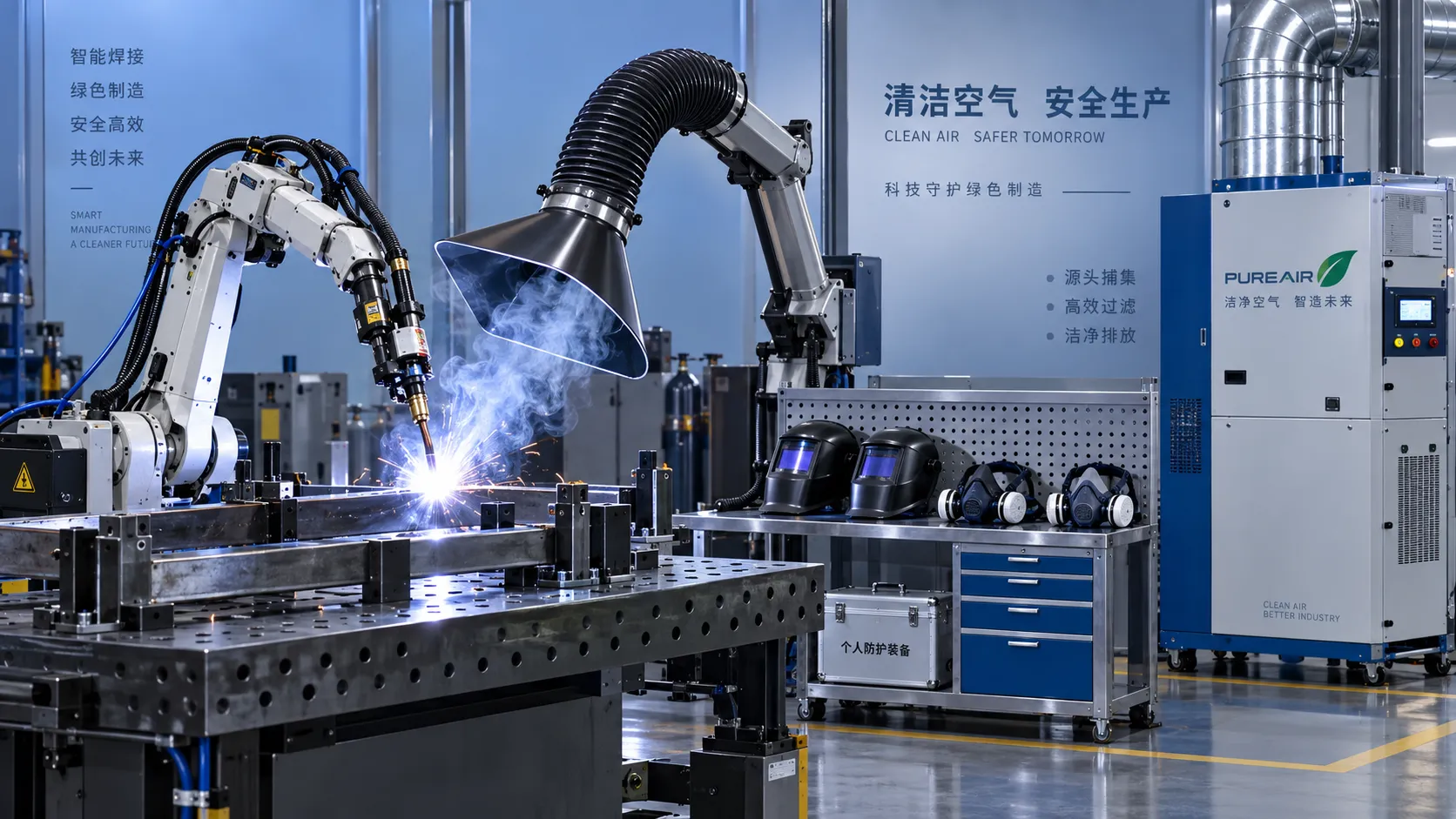
Welding Fume Extraction PPE: When Respirators Are Not Enough for Shop Safety
Welding fume extraction PPE: learn why respirators alone fall short and how source capture, ventilation, and layered controls improve shop safety.
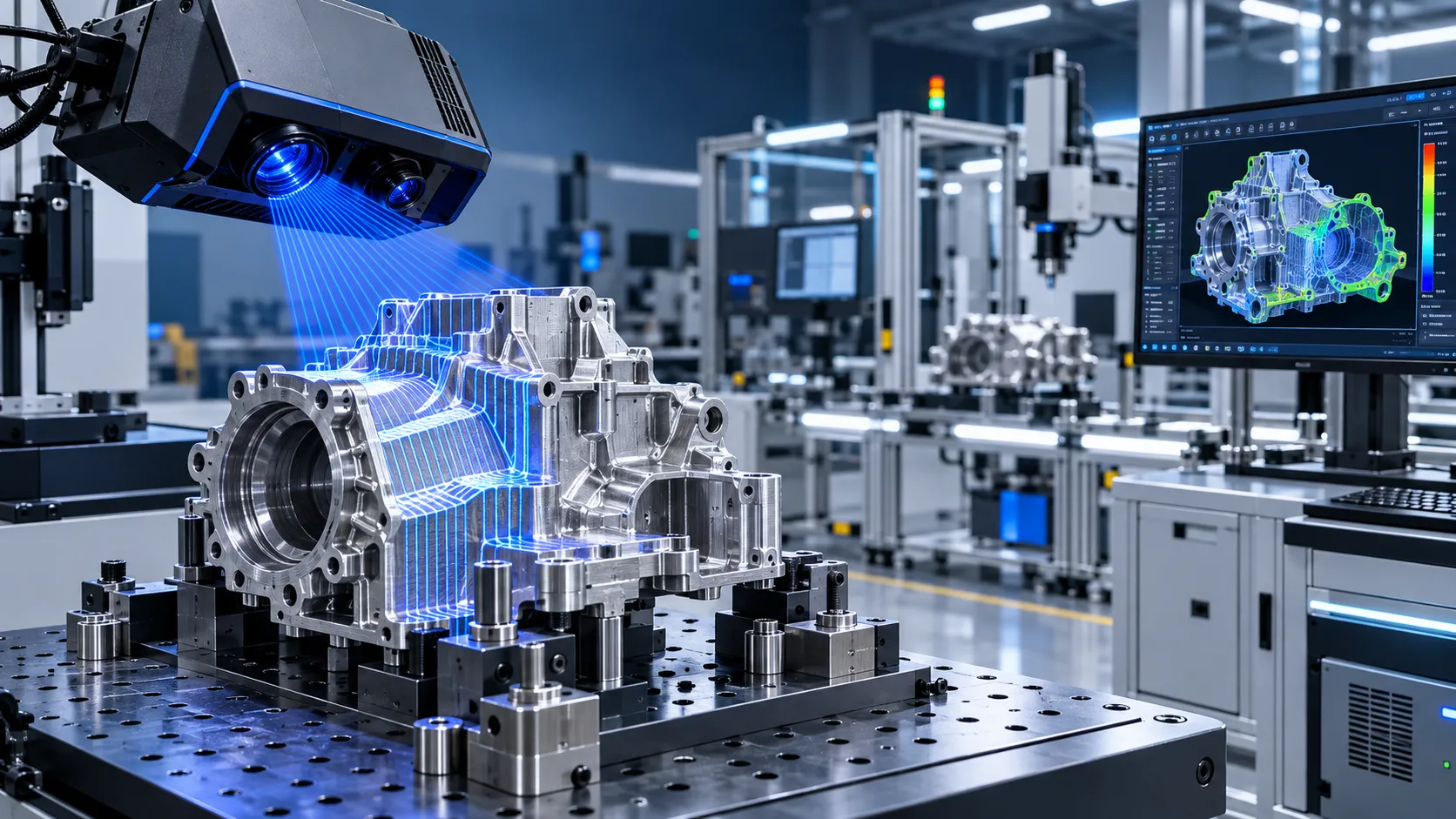
How to Select Optical Metrology Solutions for Tight-Tolerance Manufacturing
Optical industrial metrology solutions for tight-tolerance manufacturing: evaluate accuracy, surface compatibility, workflow, and traceability to select with confidence.
Related News
- 00
0000-00
Welding Fume Extraction PPE: When Respirators Are Not Enough for Shop Safety - 00
0000-00
Which ANSI Standards Apply to Welding Equipment in Industrial Fabrication? - 00
0000-00
How Energy-Efficient Welding Equipment Cuts Power Use in High-Volume Fabrication - 00
0000-00
Which ISO Standards Govern Welding Technology Quality Control and Qualification? - 00
0000-00
North American Welding Innovations Reshaping Automation, Quality, and Labor Productivity
Welding Metallurgy Expert
Weekly Insights
Stay ahead with our curated technology reports delivered every Monday.