
Brand Premiums in North America: What Drives Price Gaps in Industrial Tools?





Brand premiums North America are being redefined by operating reality
In North America, industrial tool pricing is no longer explained by brand history alone.
The sharper price gaps now reflect a wider shift in manufacturing expectations, compliance pressure, and service accountability.
That is why brand premiums North America have become a useful signal for evaluating real market strength.
Tools that look comparable on paper often land in very different pricing tiers once field consistency is measured.
Recent market behavior shows buyers placing more weight on predictable uptime, traceable quality, and documented safety performance.
This is especially visible in assembly, metal joining, torque control, and precision metrology applications.
From the perspective of GPTWM, this shift belongs to the last mile of industrial manufacturing.
Value is being judged where tools meet operators, process variation, inspection records, and maintenance schedules.
So when brand premiums North America widen, the underlying question is simple: what exactly is being trusted, and why?
The market signal is not price inflation alone
A common mistake is to read rising premiums as a pure inflation story.
Raw material costs matter, but they do not fully explain persistent price separation between similar industrial tools.
A more telling signal is the way end users now compare lifecycle risk rather than invoice price.
North American factories face tighter tolerance demands, labor shortages, and greater scrutiny on workplace safety.
Under those conditions, a tool that reduces variation can justify a lasting premium.
The same logic applies to equipment that shortens training time or simplifies calibration records.
More noticeable lately is the shift from component comparison to system comparison.
A branded torque tool, welding unit, or measuring instrument is increasingly valued as part of a process chain.
That chain includes software compatibility, spare parts access, warranty response, and audit readiness.
This is one reason brand premiums North America remain firm even when lower-cost alternatives improve.
Where the price gap usually starts
- Third-party certification and adherence to UL, CSA, ANSI, or sector-specific requirements.
- Stable output under continuous duty rather than strong performance in short demonstrations.
- Calibration reliability for measuring tools used in regulated maintenance or quality systems.
- Distributor depth, inventory visibility, and replacement speed across multiple regions.
- Field service quality, technical documentation, and responsiveness during downtime events.
Why certification and consistency now carry more pricing power
In industrial tools, compliance has moved from a supporting detail to a direct value driver.
This is particularly true in aerospace maintenance, automotive assembly, energy infrastructure, and construction-related service work.
When tools are used in these settings, documentation quality matters almost as much as tool output.
A lower-priced tool may still lose on total value if audit records are weak or validation takes longer.
That helps explain why brand premiums North America often hold strongest in measurement and critical fastening categories.
GPTWM has tracked similar dynamics in precision metrology and intelligent torque control systems.
As factories digitize quality checkpoints, repeatability becomes easier to compare and harder to fake.
The same pattern appears in handheld laser welding safety discussions.
Once safety protocols and operator protection become central, price tolerance for trusted brands increases.
Distribution strength is quietly shaping brand premiums North America
Price gaps are not created in factories alone.
They are also built through channel reliability, regional stock coverage, and technical support density.
In North America, broad distributor networks still matter because tool demand is fragmented across industries and job conditions.
An established brand with local inventory can command more because it removes waiting time.
This advantage becomes stronger when the tool is tied to scheduled maintenance or production deadlines.
More interestingly, aftermarket service now acts as a pricing shield.
Repair turnaround, parts authentication, and usage training make the premium feel operational rather than symbolic.
That is why brand premiums North America often stay resilient even in softer industrial cycles.
A cheaper tool can enter the conversation, but it still struggles if support pathways remain uncertain.
What this changes in practical evaluation
Price review now needs a wider lens than unit specification.
- Map whether premium brands are monetizing service speed or real performance durability.
- Check if distributor reach is regional, national, or embedded in specialized vertical markets.
- Compare warranty structure with actual repair capacity and spare parts availability.
- Review whether digital features produce usable records or only marketing differentiation.
The premium behaves differently across tool categories
Not every product class earns premium in the same way.
In fastening and assembly tools, repeatable torque and data capture drive value.
In welding equipment, operator safety, arc stability, and training demands play a bigger role.
In metrology, the premium often sits on calibration confidence and inspection traceability.
Brushless motor tools show another pattern.
Here, the conversation is shifting from power claims to thermal stability, battery efficiency, and working-life predictability.
GPTWM’s sector observation is useful because it links these category shifts to broader industrial efficiency goals.
The strongest brand premiums North America usually appear where tool failure interrupts a larger workflow.
When a tool sits at a process bottleneck, a trusted brand can charge more without relying on image alone.
What deserves closer attention over the next cycle
The next phase will likely make premiums more selective, not less important.
As lower-cost suppliers improve baseline quality, weak premiums will come under pressure.
At the same time, premiums tied to measurable process outcomes should strengthen.
This creates a cleaner distinction between reputation pricing and evidence-backed pricing.
Three areas are worth following closely.
- Standard changes affecting electrical safety, emissions, operator protection, and digital traceability.
- Adoption of connected tools that convert usage data into maintenance or quality decisions.
- Sector demand shifts in construction, automotive service, aerospace maintenance, and industrial retrofits.
These signals can reveal whether brand premiums North America are supported by structural demand or temporary market noise.
They also help separate brands benefiting from channel inertia from those building durable technical authority.
A stronger judgment starts with the right comparison frame
The most useful conclusion is not that high price always means high value.
It is that brand premiums North America have become more informative when read against operating context.
The real task is to test which premiums come from proven reliability, compliance readiness, and service depth.
That requires comparing tools as productivity assets, not isolated catalog items.
A practical next step is to build a comparison model around failure cost, calibration burden, support speed, and documentation quality.
It also helps to track category-specific signals through sources that connect field performance with market structure.
That is where GPTWM’s intelligence approach becomes relevant.
Its focus on welding, precision tools, metrology, and industrial efficiency reflects where premium claims are easiest to verify.
In a market where similar tools carry very different prices, the better question is no longer who charges more.
It is which premium still holds when tested against standards, uptime, traceability, and actual process performance.
Related News
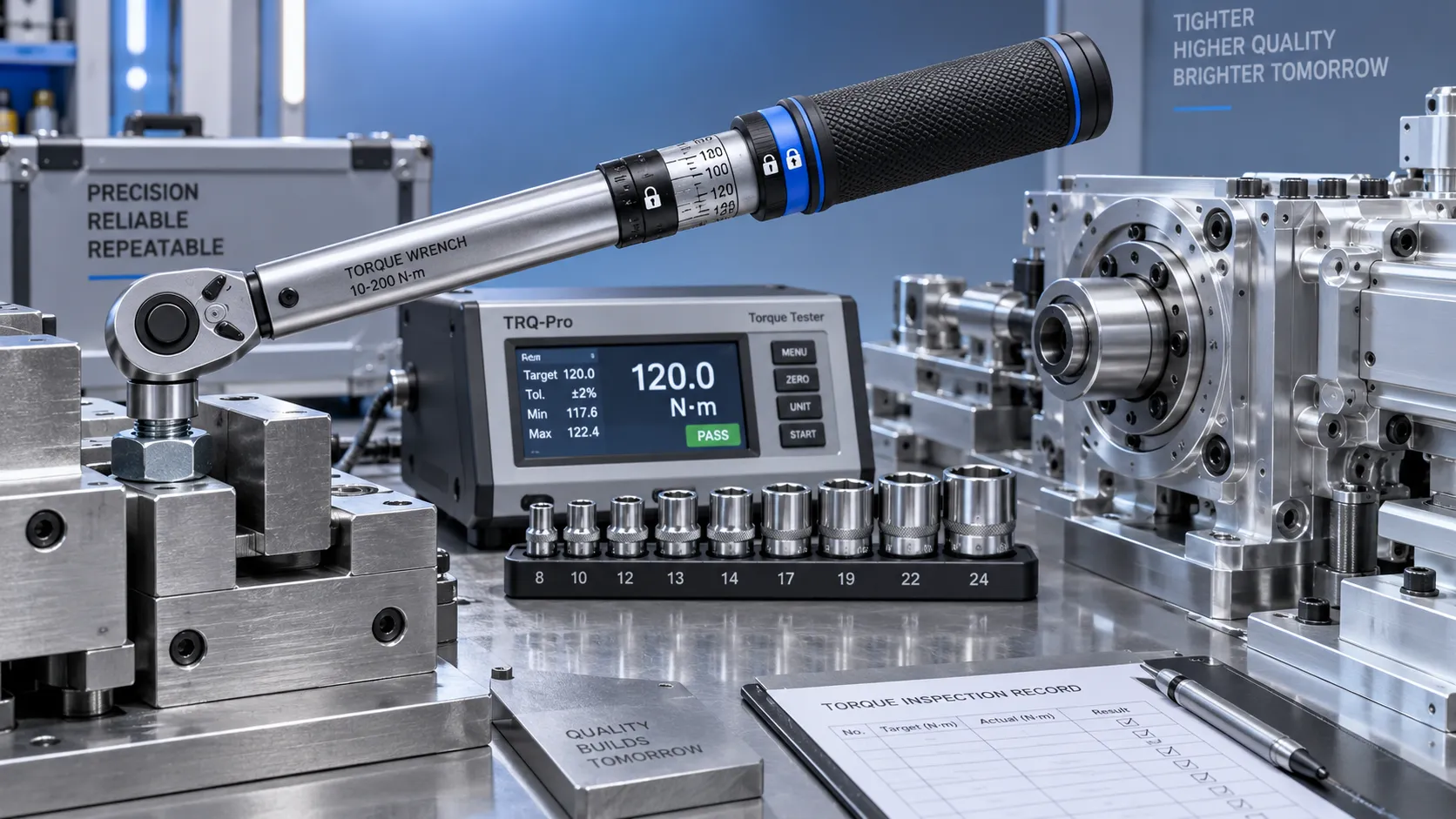
Selecting Adjustable Torque Tools for Repeatable Fastener Assembly
Adjustable torque tools: learn how to match range, accuracy, control methods, calibration, and ergonomics for repeatable, reliable fastener assembly.
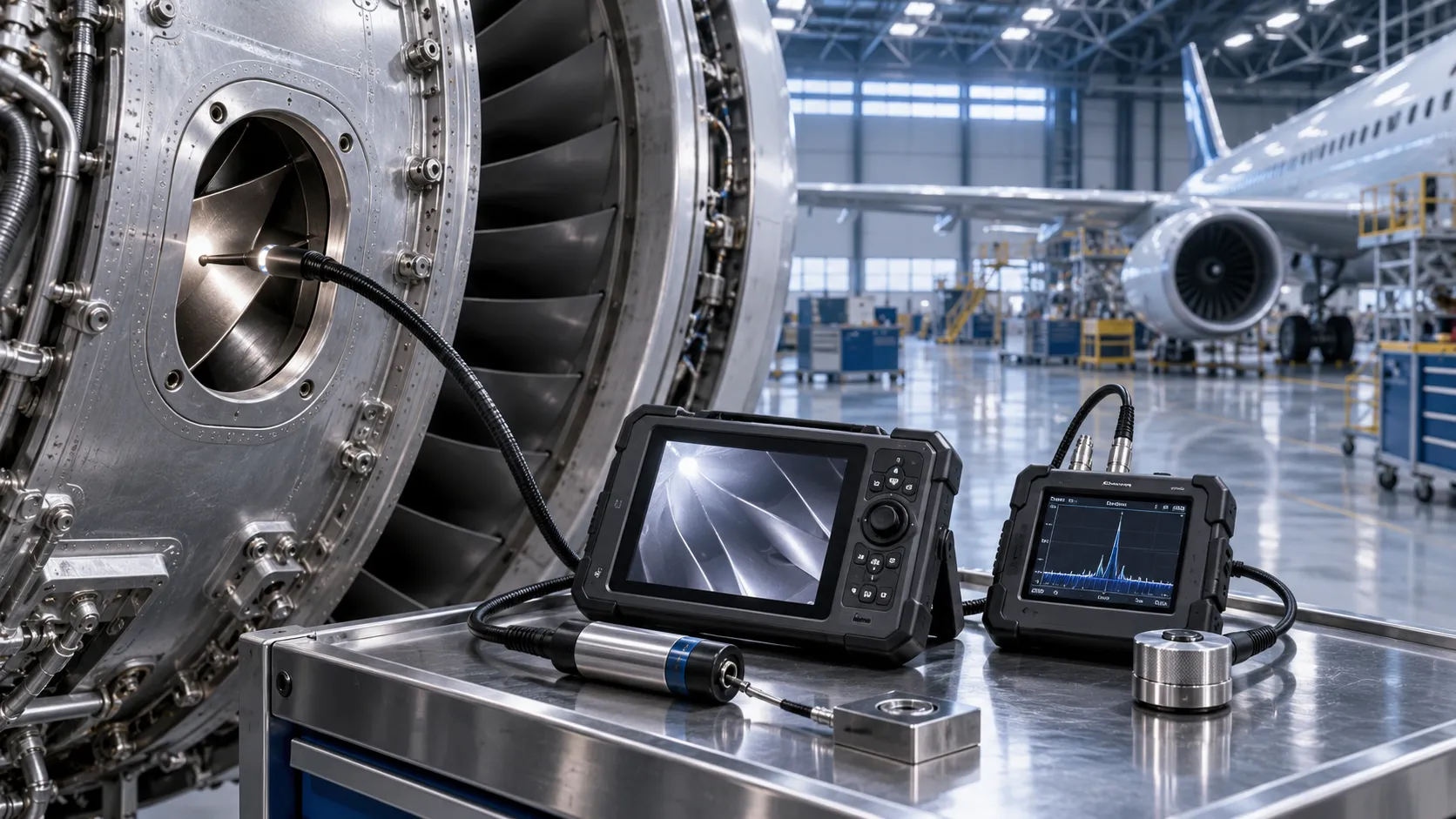
How to Select Aerospace Inspection Tools for Aircraft Maintenance Tasks
Aerospace maintenance inspection tools: learn how to select reliable, traceable equipment for aircraft access, accuracy, calibration, and compliant maintenance decisions.

How to Select Wire Bonding Tools for Fine-Pitch Semiconductor Packaging
Explore semiconductor manufacturing tools for wire bonding and learn how to select precision solutions for fine-pitch packaging, reliable loops, accuracy, and yield.
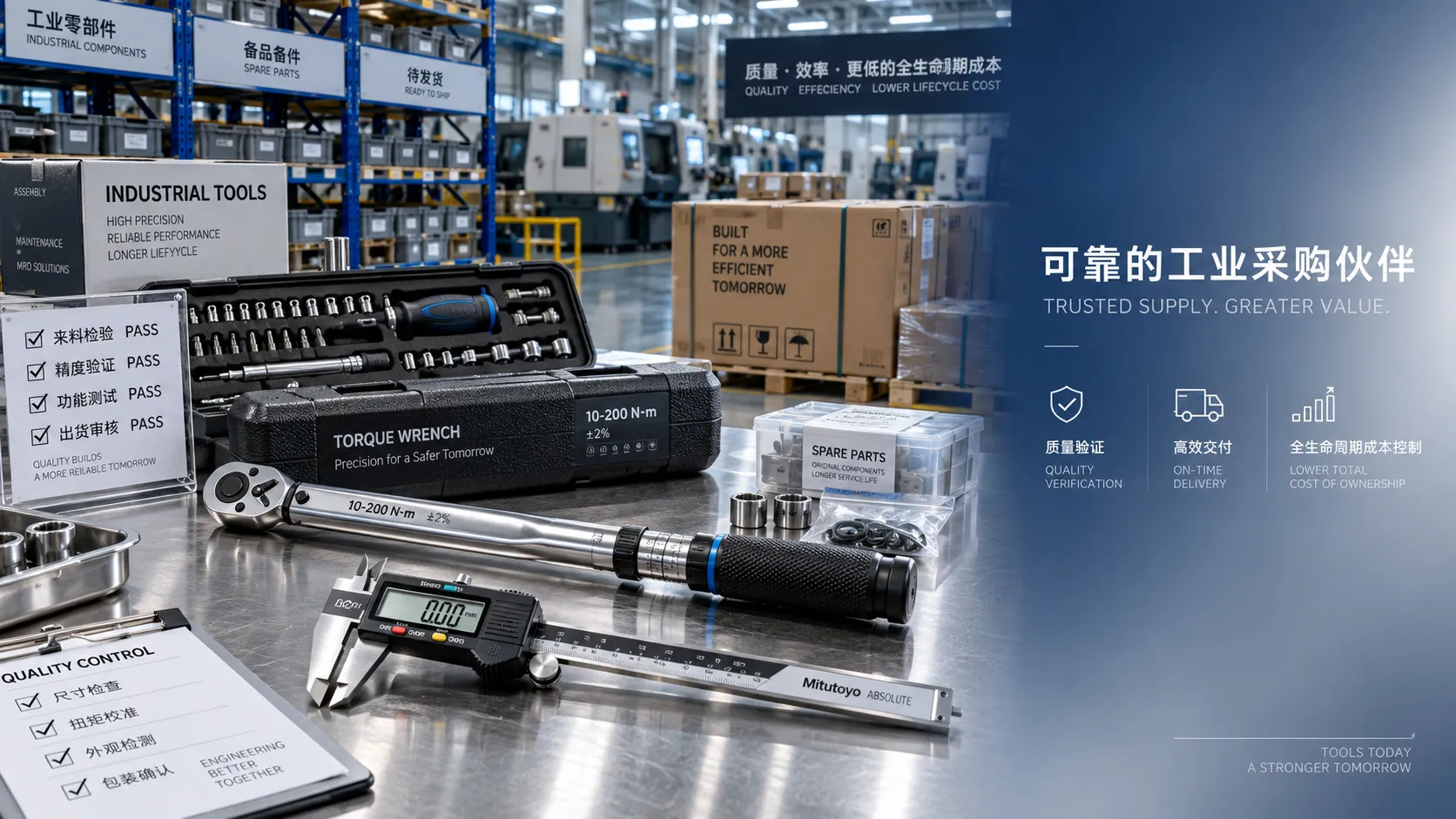
How to Compare Industrial Tool Suppliers for Quality, Lead Time, and Total Cost
Industrial tool selection supplier comparison made simple: evaluate quality, lead times, total cost, service, and supply resilience for confident sourcing decisions.
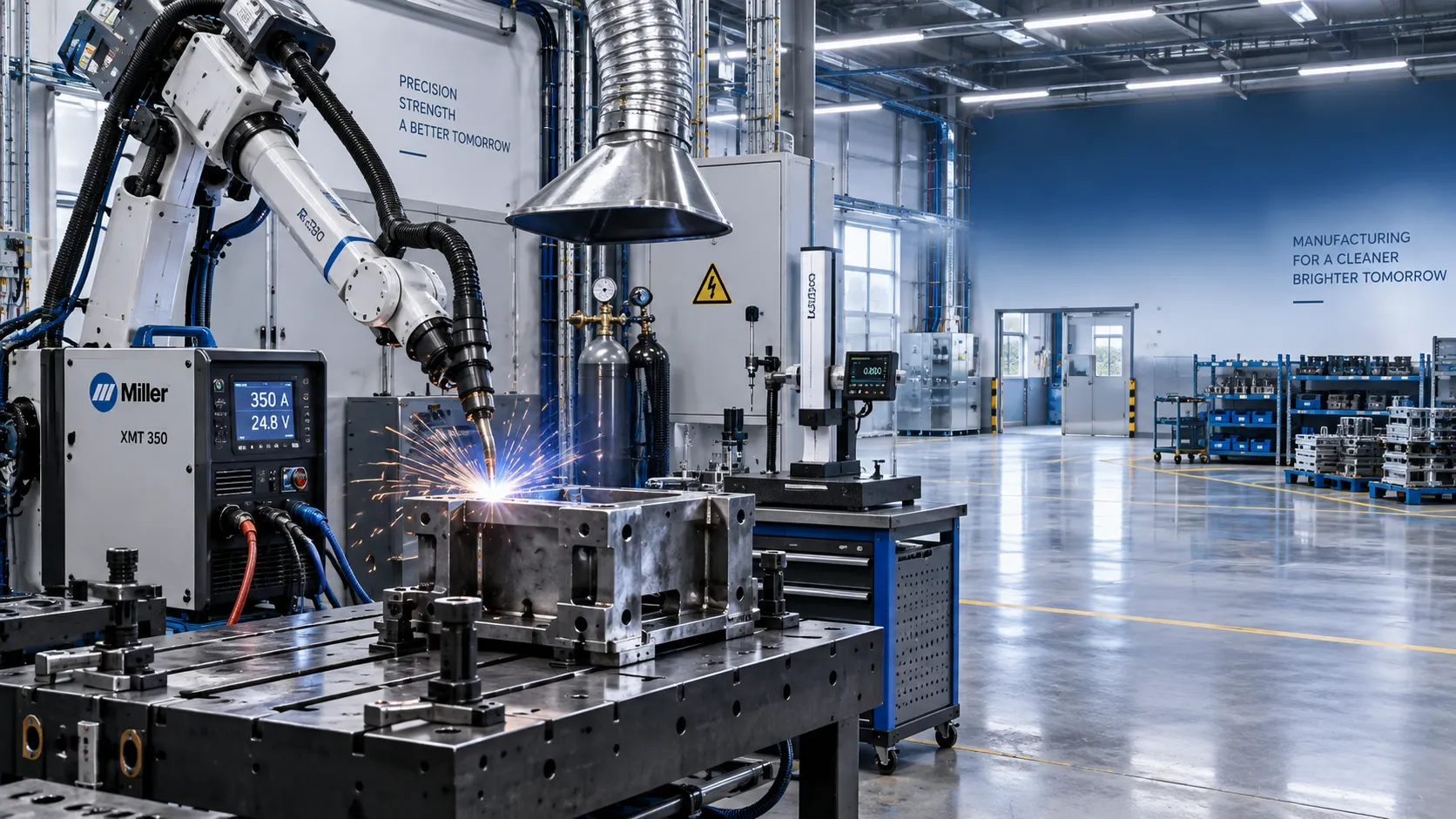
Industrial Equipment Application Guidance: Match Machines to Operating Conditions
Application guidance industrial equipment: match capacity, duty cycle, materials, site conditions, safety, and lifecycle cost to improve reliable output. Read the guide.
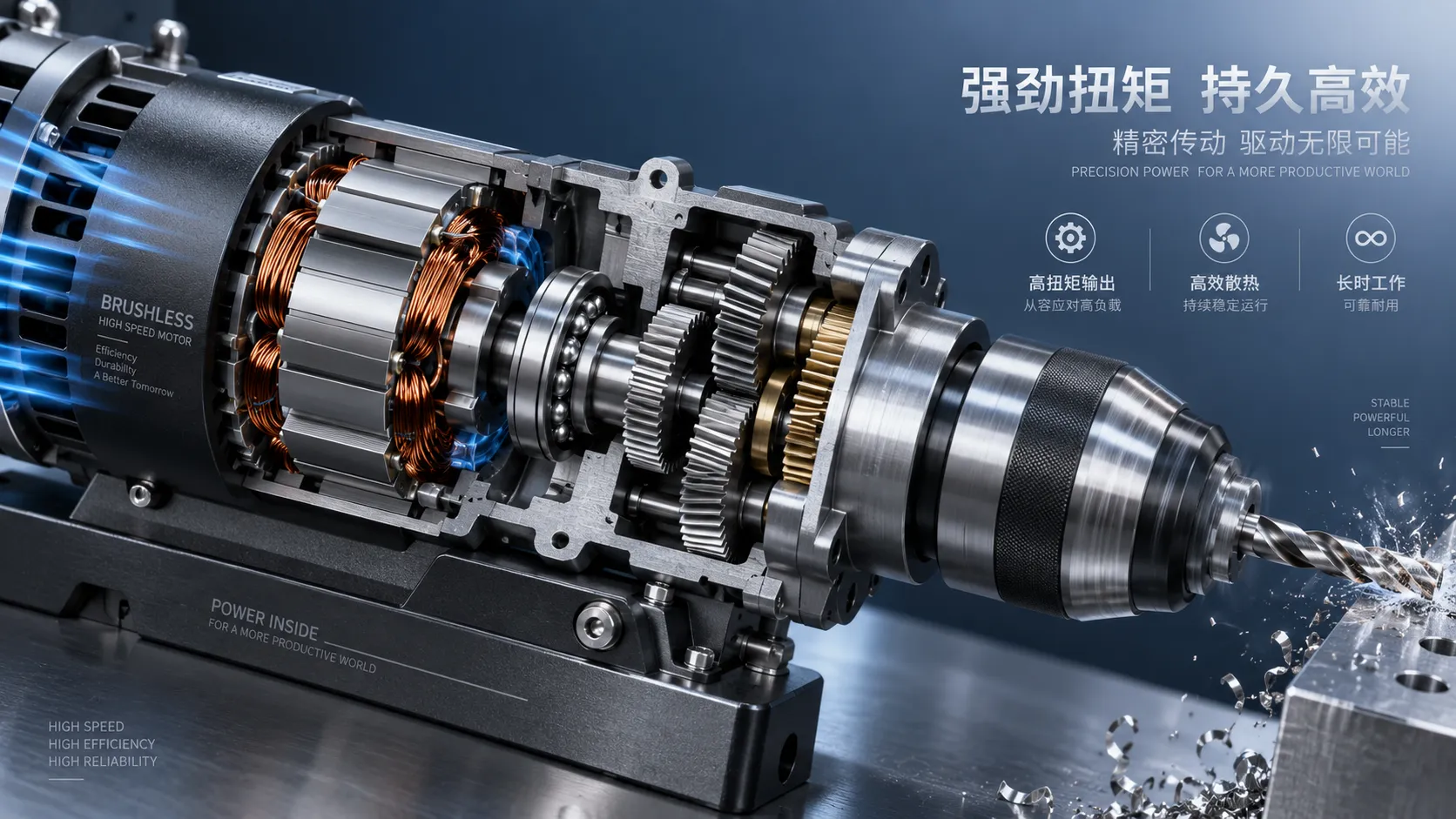
Selecting High-Speed Brushless Tool Motors for Torque, Heat, and Duty Cycle
High speed brushless tool motors: learn how to balance torque, heat, gearing, and duty cycle for reliable industrial tool performance and longer service life.
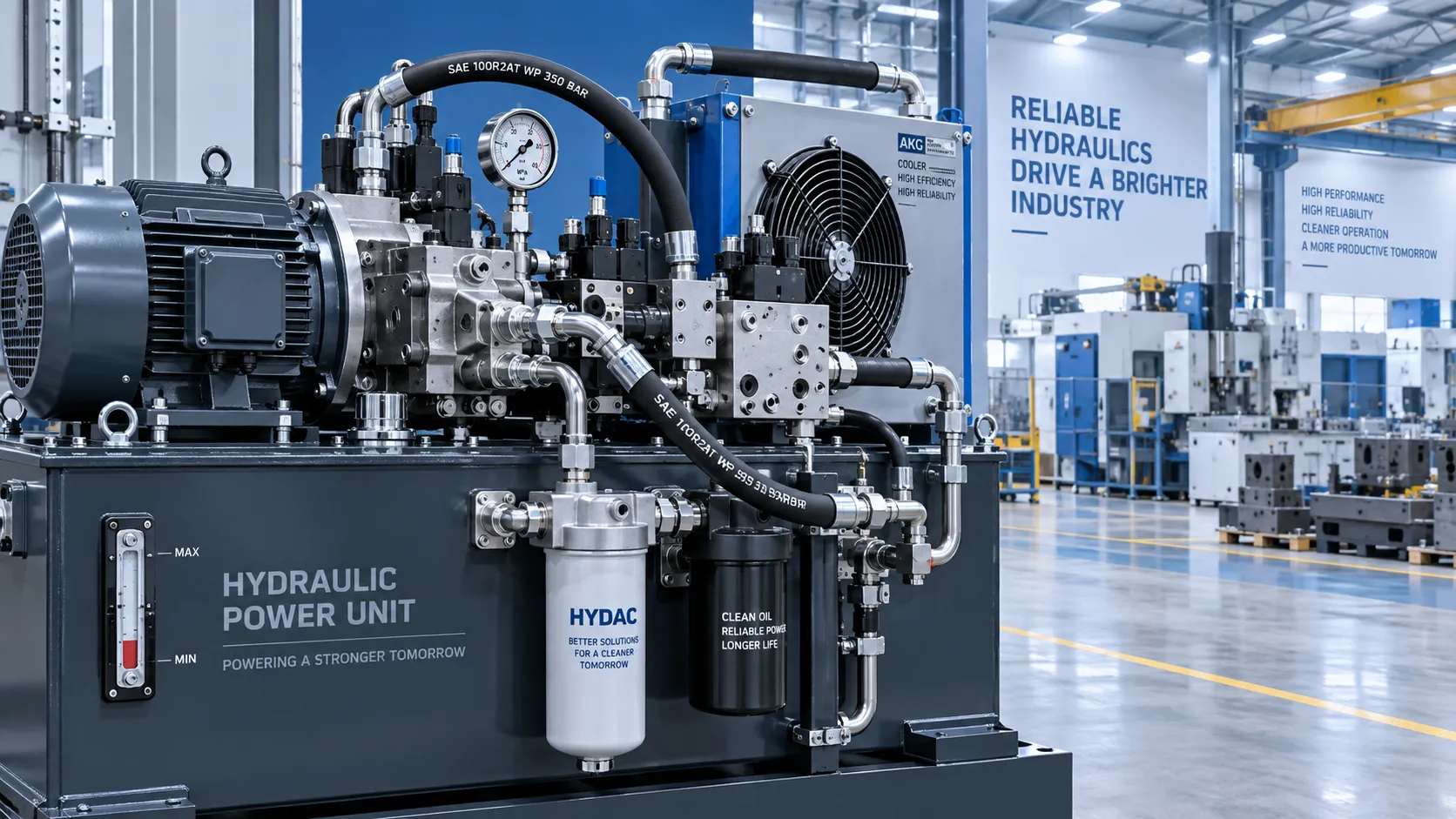
What Determines Industrial Hydraulic System Price for Heavy-Duty Equipment?
Industrial hydraulic system price depends on duty cycle, pressure, components, cooling, and integration. Compare quotes intelligently to secure reliable heavy-duty performance.
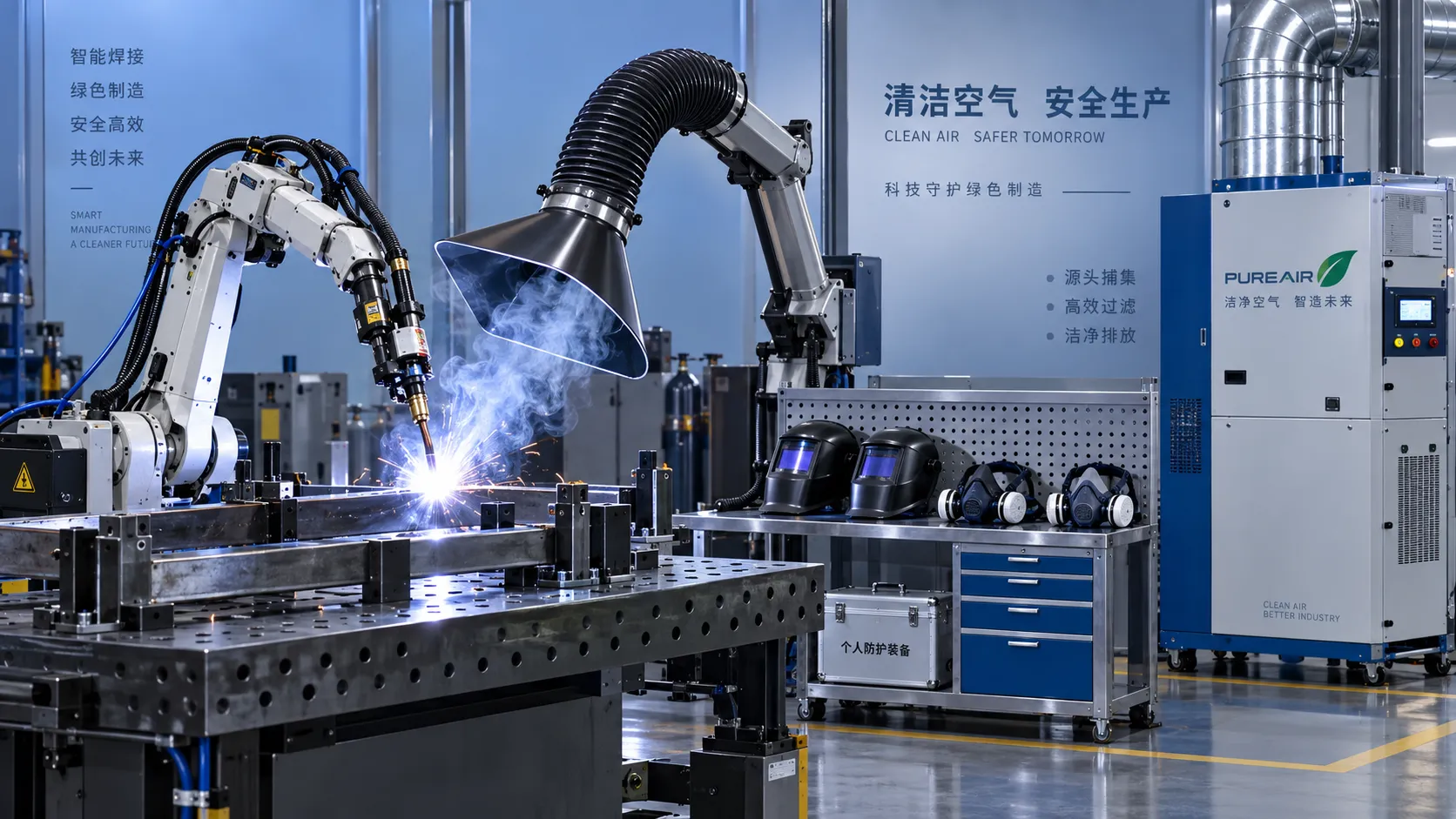
Welding Fume Extraction PPE: When Respirators Are Not Enough for Shop Safety
Welding fume extraction PPE: learn why respirators alone fall short and how source capture, ventilation, and layered controls improve shop safety.
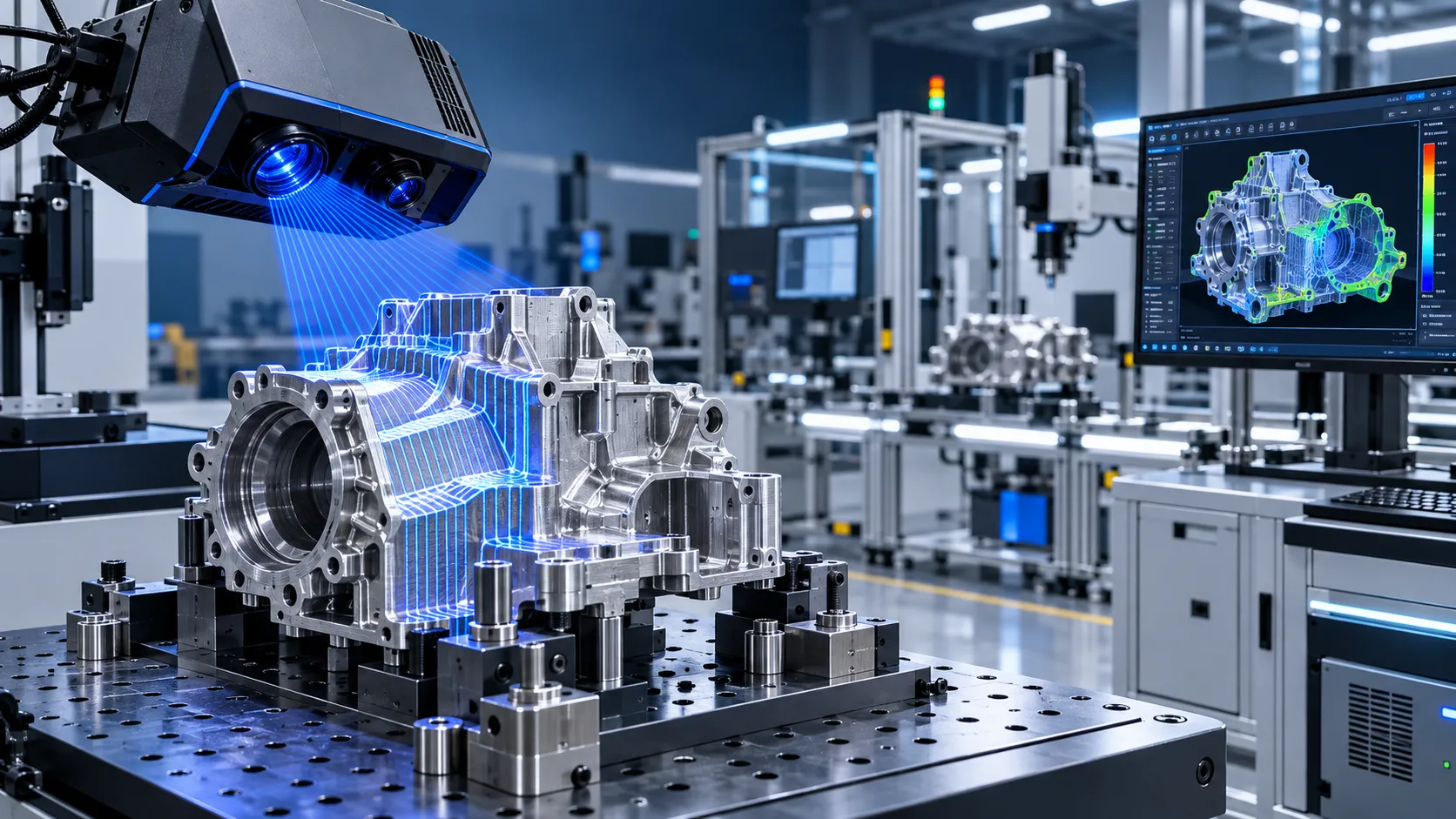
How to Select Optical Metrology Solutions for Tight-Tolerance Manufacturing
Optical industrial metrology solutions for tight-tolerance manufacturing: evaluate accuracy, surface compatibility, workflow, and traceability to select with confidence.
Related News
- 00
0000-00
Why Data-Driven Intelligence Costs Are Reshaping Enterprise Automation Budgets - 00
0000-00
What Does Data-Driven Intelligence Cost? Budgeting for Data, Tools, and Talent - 00
0000-00
What Determines Metrology Technology Prices for Factory Inspection Systems? - 00
0000-00
Welding Tools Price Guide: What Affects Cost and How Buyers Can Compare Options - 00
0000-00
What Drives Industrial Tools Cost? A Buyer’s Guide to Materials, Volume, and Lifecycle Expenses
Ms. Elena Rodriguez
Weekly Insights
Stay ahead with our curated technology reports delivered every Monday.