
Automotive Tools CE Marking Explained: What Buyers Should Check Before Importing





Why automotive tools CE checks matter before import
When overseas sourcing starts with price alone, compliance problems usually appear later, and they appear expensively.
That is why automotive tools CE review deserves attention before any tooling order, sample approval, or shipment booking.
A CE mark is not only a symbol on packaging.
In practical terms, it reflects whether the product was assessed against applicable EU requirements for safety, electromagnetic compatibility, documentation, and traceability.
For automotive tools, that may include powered hand tools, battery chargers, diagnostic devices, lifting accessories, or measurement equipment used in workshops.
The real issue is not the logo itself.
The real issue is whether the claim behind the logo can survive customs review, market surveillance, and field use.
This matters even more as export restrictions, product safety controls, and technical file checks become less forgiving across industrial categories.
Industry intelligence platforms such as GPTWM track these shifts because compliance now affects landed cost, delivery certainty, and brand risk as much as factory pricing does.
Does every automotive tool need CE marking?
Not every item in an automotive toolkit falls under the same rules, which is where confusion often begins.
A manual socket wrench and an electronic battery tester are not treated the same way.
More common CE-relevant categories include:
- Corded and cordless power tools
- Battery charging equipment
- Electronic diagnostic tools
- Laser alignment or measurement devices
- Certain workshop machines and lifting systems
Some simple hand tools may not need CE marking at all, unless they include electrical, electronic, pressure, or machine-related functions.
This is why asking “Is there a CE mark?” is too basic.
A better question is, “Which directives apply to this exact model, and what evidence supports the automotive tools CE claim?”
For mixed product lines, one supplier may offer both CE-relevant and non-CE items.
Assuming the same compliance status across the full catalog creates preventable risk.
A quick way to separate low-risk claims from real compliance
Start by identifying the product function, power source, user environment, and whether embedded electronics are involved.
Those details usually determine whether the automotive tools CE pathway is simple or document-heavy.
What documents should be checked before placing the order?
This is where strong sourcing decisions are usually made.
If the paperwork is weak before the order, it rarely becomes stronger after production starts.
For automotive tools CE verification, the most useful documents are usually:
- EU Declaration of Conformity with product model details
- Test reports linked to the same model and configuration
- Technical file summary or compliance matrix
- User manual, warnings, and label artwork
- Manufacturer and importer traceability information
The common mistake is accepting reports that look official but do not match the ordered product.
Model mismatch is a frequent reason why automotive tools CE claims fail under inspection.
The rated voltage, battery type, housing material, PCB version, or charger specification may differ from the tested sample.
Even a packaging change can matter if warnings or importer details are incomplete.
A careful review should also confirm whether testing came from a recognized laboratory and whether standards cited are current.
GPTWM often highlights how export standard restrictions shift over time.
That matters because an outdated report may still circulate in supplier files long after market expectations move on.
What usually gets missed in automotive tools CE review?
The obvious items are often checked first.
The hidden problems usually sit in consistency, scope, and labeling.
Several weak points appear again and again in cross-border tool sourcing:
- The CE mark exists, but no valid Declaration of Conformity is available
- The supplier sends a certificate instead of directive-based compliance evidence
- Test reports belong to another brand or similar-looking product
- Accessories were changed after testing, especially chargers and plugs
- Serial numbers, factory address, or warning labels are missing
- Production batches differ from approved pre-shipment samples
In real sourcing, supplier consistency can be as important as the test result itself.
If a factory frequently changes subcontractors, electronics boards, or battery cells, the original automotive tools CE file may no longer represent the shipped goods.
That is why batch control and sample retention should be part of compliance review, not treated as a separate quality topic.
A practical screening checklist before release
- Check model numbers across invoice, label, report, and Declaration of Conformity
- Confirm the factory name matches the compliance documents
- Review photos of final labels, carton marks, and accessories
- Lock the BOM for tested configurations before mass production
- Keep a digital file for customs and post-market traceability
How do CE checks affect cost, lead time, and import risk?
This question matters because compliance is often treated as an added cost, when it is really a cost-control tool.
A supplier with complete automotive tools CE files may quote slightly higher.
Still, the total landed cost can be lower once inspection delays, relabeling, document chasing, and rejected shipments are considered.
Lead time is also affected in two ways.
First, proper document review before order placement avoids redesign work later.
Second, stable compliance files reduce the back-and-forth that often delays customs clearance.
Where margins are tight, even a one-week delay can erase the benefit of a lower unit price.
More importantly, import risk is not only about seizure.
It also includes returns, channel complaints, safety incidents, and the cost of replacing non-compliant automotive tools already in distribution.
That broader cost view is why industrial intelligence teams increasingly connect compliance with sourcing strategy, warranty exposure, and market positioning.
What is the smartest way to compare suppliers on CE readiness?
Price sheets rarely show this clearly, so the comparison needs a more structured method.
The strongest approach is to score suppliers on evidence quality, response speed, and production consistency.
Useful comparison points include:
- Can they explain which directives apply to each model?
- Do reports match exact SKUs and accessories?
- Are manuals and warning labels ready in the required format?
- Can they control design changes after sample approval?
- Do they retain compliance files for future inspections?
In many cases, the better supplier is not the one with the biggest file set.
It is the one whose automotive tools CE documents are current, product-specific, and supported by stable manufacturing practice.
This is also where sector intelligence becomes useful.
GPTWM’s focus on precision tooling, industrial assembly, and safety-related technology trends reflects a broader truth: compliance quality is increasingly tied to engineering discipline, not paperwork volume.
Before importing, what should the final decision look like?
A sound import decision should connect compliance, quality, and delivery into one review path.
For automotive tools CE, the most reliable final check is simple.
Make sure the product function is clear, the applicable directives are identified, the documents match the shipped model, and production will not drift after approval.
If one of those elements is weak, the import decision is still incomplete.
A useful next step is to build a small internal review sheet for each CE-relevant SKU.
Include model details, directive scope, required reports, label approval, and batch consistency notes.
That turns automotive tools CE from a last-minute document request into a repeatable sourcing standard.
In a market shaped by tighter standards and faster technical change, that discipline protects margin as much as it protects compliance.
The practical move now is to review current SKUs, identify which tools are truly CE-relevant, and compare suppliers using evidence quality instead of label claims alone.
Related News
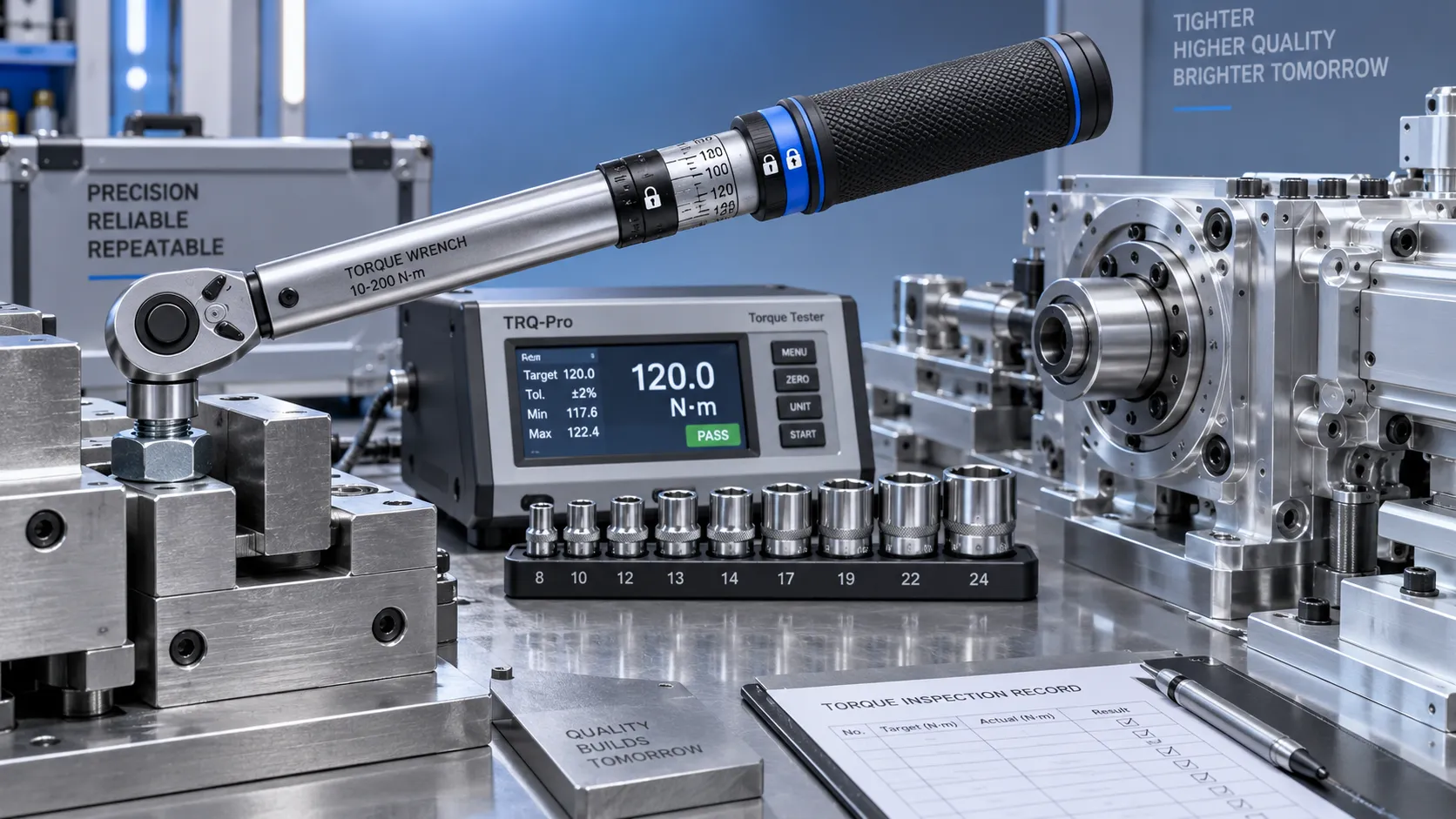
Selecting Adjustable Torque Tools for Repeatable Fastener Assembly
Adjustable torque tools: learn how to match range, accuracy, control methods, calibration, and ergonomics for repeatable, reliable fastener assembly.

How to Select Aerospace Inspection Tools for Aircraft Maintenance Tasks
Aerospace maintenance inspection tools: learn how to select reliable, traceable equipment for aircraft access, accuracy, calibration, and compliant maintenance decisions.

How to Select Wire Bonding Tools for Fine-Pitch Semiconductor Packaging
Explore semiconductor manufacturing tools for wire bonding and learn how to select precision solutions for fine-pitch packaging, reliable loops, accuracy, and yield.
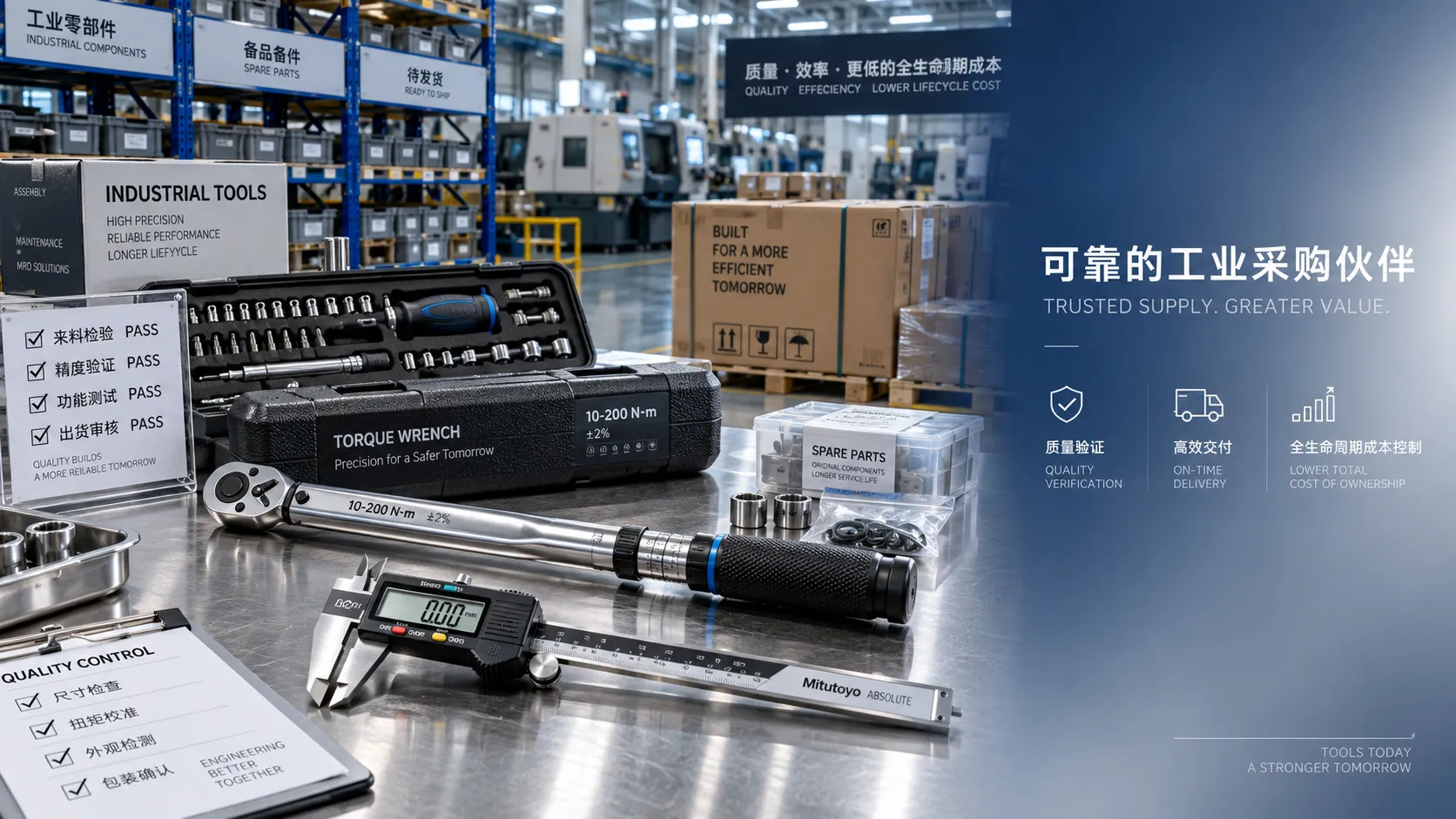
How to Compare Industrial Tool Suppliers for Quality, Lead Time, and Total Cost
Industrial tool selection supplier comparison made simple: evaluate quality, lead times, total cost, service, and supply resilience for confident sourcing decisions.

Industrial Equipment Application Guidance: Match Machines to Operating Conditions
Application guidance industrial equipment: match capacity, duty cycle, materials, site conditions, safety, and lifecycle cost to improve reliable output. Read the guide.
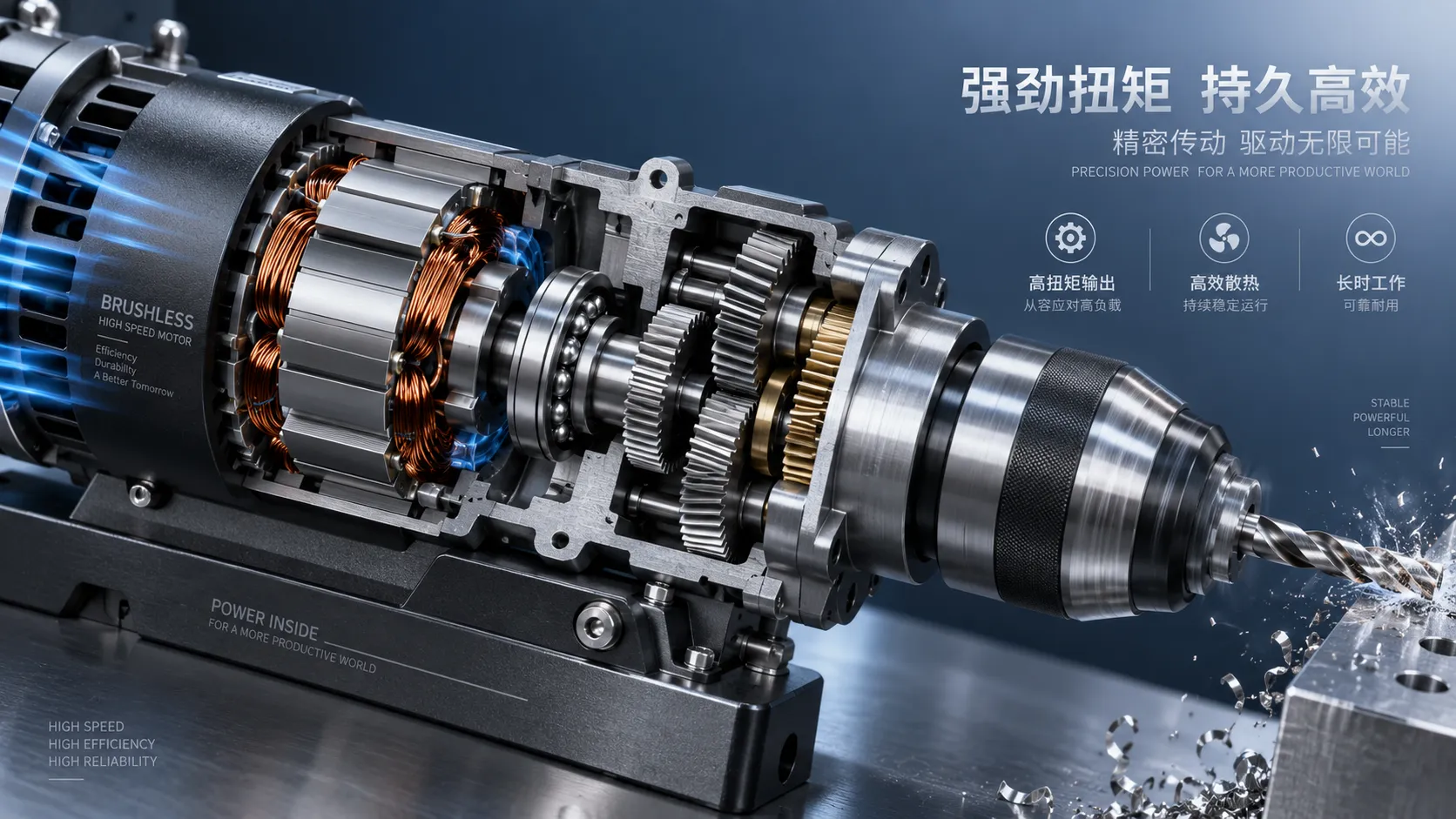
Selecting High-Speed Brushless Tool Motors for Torque, Heat, and Duty Cycle
High speed brushless tool motors: learn how to balance torque, heat, gearing, and duty cycle for reliable industrial tool performance and longer service life.
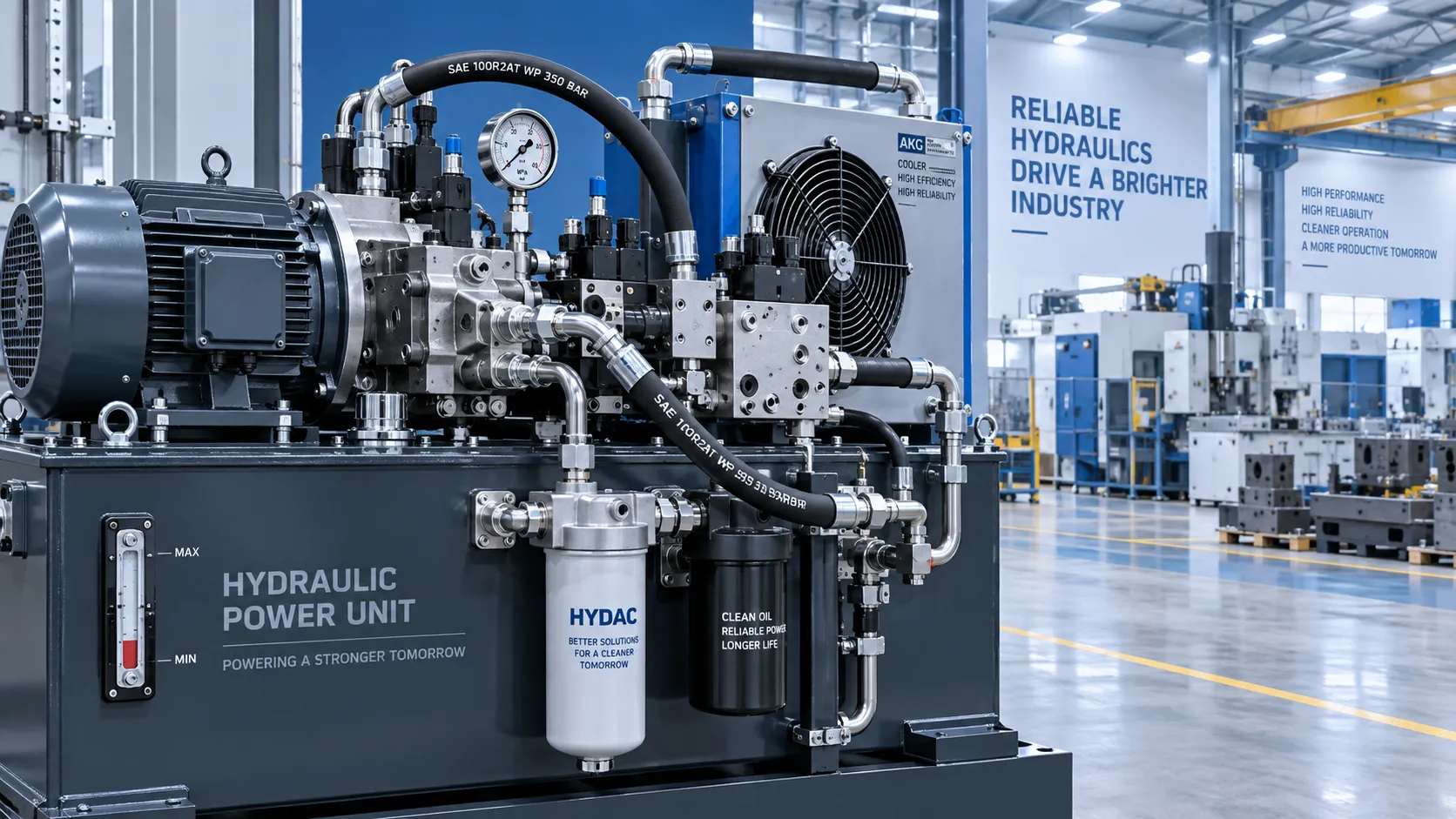
What Determines Industrial Hydraulic System Price for Heavy-Duty Equipment?
Industrial hydraulic system price depends on duty cycle, pressure, components, cooling, and integration. Compare quotes intelligently to secure reliable heavy-duty performance.

Welding Fume Extraction PPE: When Respirators Are Not Enough for Shop Safety
Welding fume extraction PPE: learn why respirators alone fall short and how source capture, ventilation, and layered controls improve shop safety.

How to Select Optical Metrology Solutions for Tight-Tolerance Manufacturing
Optical industrial metrology solutions for tight-tolerance manufacturing: evaluate accuracy, surface compatibility, workflow, and traceability to select with confidence.
Related News
- 00
0000-00
How to Compare Industrial Tool Suppliers for Quality, Lead Time, and Total Cost - 00
0000-00
How to Evaluate a Technology Integration Service Provider for Complex Projects - 00
0000-00
Product Comparison Resources in Europe: How Buyers Can Verify Specs and Suppliers - 00
0000-00
How to Evaluate an Industrial Metrology Solution Manufacturer for Production Use - 00
0000-00
How to Evaluate a Metal Joining Solutions Factory for Quality, Capacity, and Delivery Risk
Dr. Alistair Vaughn
Weekly Insights
Stay ahead with our curated technology reports delivered every Monday.