
Advanced manufacturing costs that rarely show up early





In advanced manufacturing, some of the most expensive decisions are made long before the invoice appears. For finance approvers, hidden cost drivers such as rework, calibration drift, safety compliance, training gaps, and tooling inefficiencies can quietly erode margins and delay returns. Understanding these overlooked factors early helps organizations budget more accurately, reduce operational surprises, and protect long-term profitability in complex industrial environments.
Why finance teams need a checklist before approving advanced manufacturing budgets
A checklist approach works better than a broad narrative because advanced manufacturing rarely fails on the headline purchase price alone. The visible quote for a robotic cell, welding platform, metrology system, CNC upgrade, or digital inspection package often looks manageable. The real problem is that total cost builds through small operational leakages that sit across production, quality, maintenance, safety, procurement, and training. Finance approvers need a practical way to test whether a project budget reflects these realities.
For cross-industry organizations, this matters even more. Whether the business makes metal components, assembles electronics, services aerospace parts, fabricates structures, or supports automotive maintenance, the same pattern appears: early estimates emphasize equipment capability, while hidden costs emerge later through scrap, downtime, compliance adjustments, and skill gaps. A structured review helps decision makers compare proposals on total economic impact instead of nominal capital expense.
First-pass checklist: what to confirm before signing off
Before approving any advanced manufacturing investment, finance leaders should ask for evidence against the following points. These are not technical extras; they are budget protection items.
- Has the proposal separated acquisition cost from implementation cost, including installation, validation, line integration, and production interruption?
- Has the team quantified expected rework, scrap reduction, and yield improvement using current plant data rather than optimistic vendor assumptions?
- Are calibration, metrology verification, and measurement traceability included as recurring operating costs?
- Does the business case include safety compliance spending, such as guarding, fume extraction, certification, PPE updates, and training records?
- Have consumables, tooling wear, fixture replacement, and spare parts been modeled over a full operating year?
- Is labor productivity based on proven cycle times after ramp-up, not just theoretical machine speed?
- Has the project team identified single points of failure, including specialist operators, hard-to-source components, and software licensing dependencies?
- Are post-installation support terms clear, including service response time, warranty exclusions, and cost of technical escalation?
Core hidden costs that often appear too late
1. Rework and first-pass yield losses
In advanced manufacturing, poor first-pass yield is one of the fastest ways to destroy margin without triggering an immediate alarm. A process may appear productive because output volume is high, yet if parts require retouching, secondary machining, weld correction, or repeated inspection, the true unit economics deteriorate. Finance approvers should request a simple model showing expected first-pass yield during the first 3, 6, and 12 months after implementation. If the proposal assumes near-perfect yield from day one, the risk is understated.
2. Calibration drift and measurement uncertainty
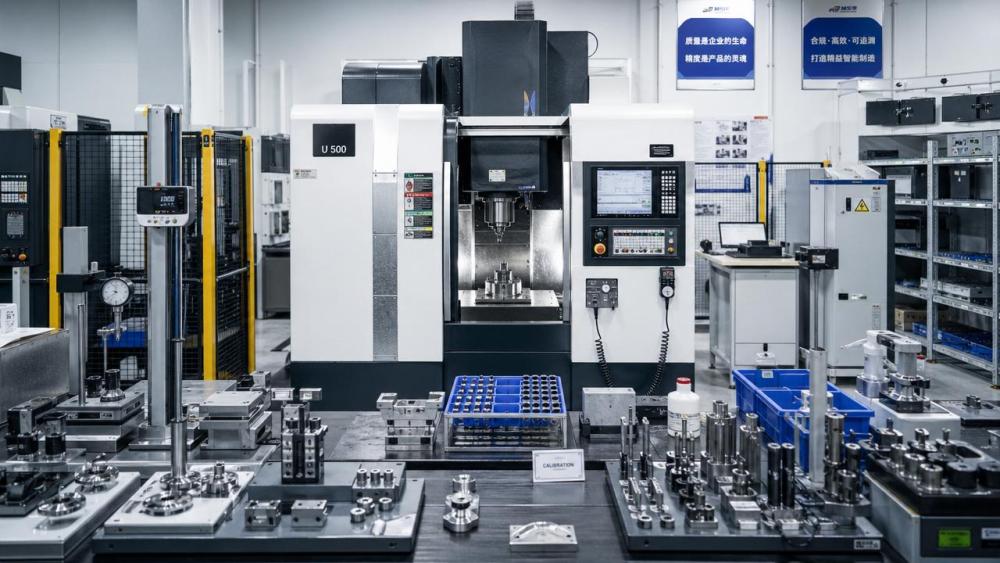
Precision equipment can lose financial value when calibration control is weak. Drift in torque tools, dimensional gauges, laser systems, or inspection devices may not stop production immediately, but it can lead to hidden nonconformance, false rejects, or undetected defects. These costs are especially dangerous because they surface later through warranty issues, returns, audits, or customer claims. The approval process should include calibration interval planning, certified standards, downtime during verification, and traceability management.
3. Safety and regulatory compliance upgrades
Many advanced manufacturing projects are underbudgeted because compliance is treated as a side task. In reality, welding safety systems, ventilation, machine guarding, electrical modifications, lockout procedures, and operator certification can materially change project cost and timeline. International businesses also face export controls, site-specific standards, and documentation requirements that differ by region. A sound finance review should ask which compliance items are mandatory before production start, which are phased, and who owns budget responsibility.
4. Training gaps and slower ramp-up than planned
A new process is only as efficient as the people using it. Advanced manufacturing often combines software, sensors, mechanical systems, and quality protocols, so training cannot be reduced to a one-day handover. Hidden cost appears when operators run below target, maintenance teams troubleshoot slowly, or engineers depend too heavily on the supplier. Finance approvers should ask for a ramp-up curve, role-based training hours, refresher sessions, and the cost of production losses during learning periods.
5. Tooling, fixturing, and consumable inefficiency
Projects frequently underestimate the operational burden of tips, nozzles, electrodes, cutting tools, abrasives, fixtures, hydraulic seals, batteries, probes, and replacement wear parts. In advanced manufacturing, these items influence uptime and quality as much as the main machine itself. If finance only reviews capex and ignores usage intensity, the payback period becomes distorted. A practical check is to ask for cost per unit produced, cost per shift, and cost per quality-approved part.
A decision table finance approvers can use
The table below helps convert technical proposals into reviewable financial signals for advanced manufacturing investments.
How hidden costs vary by operating scenario
High-mix, low-volume environments
In high-mix production, advanced manufacturing systems face frequent setup changes, variable part geometries, and changing quality criteria. Here, hidden costs are more likely to come from programming time, fixture adjustments, operator dependency, and longer inspection cycles. Finance should prioritize flexibility costs over pure throughput assumptions.
High-volume repetitive production
For repetitive lines, small inefficiencies scale quickly. A minor consumable issue, calibration drift, or one-minute cycle loss can turn into a major annual expense. The approval focus should be on uptime, preventive maintenance discipline, spare stock strategy, and statistically credible yield data.
Regulated or customer-audited sectors
Where documentation, traceability, and validation are critical, advanced manufacturing projects carry additional recordkeeping and audit-readiness costs. Digital logs, process qualification, inspection history, and revision control may require software, administration time, and policy updates. These should be budgeted as operating necessities, not optional enhancements.
Common red flags that signal an incomplete business case
- The proposal shows equipment price clearly but treats installation and qualification as “to be confirmed.”
- Savings are based on maximum machine performance instead of achieved shop-floor performance.
- No one owns calibration, preventive maintenance, or operator recertification cost.
- The vendor quote excludes key accessories, software modules, or safety hardware required for practical operation.
- The payback model assumes immediate labor redeployment without transition cost.
- There is no contingency for supply chain disruption affecting parts, tooling, or electronics.
Execution advice: what finance should request from project owners
To evaluate advanced manufacturing projects with greater confidence, finance approvers should request a compact decision pack rather than a generic slide deck. This pack should include baseline performance data, a phased cost map, risk ownership, and measurable launch assumptions. The goal is not to challenge technical teams unnecessarily, but to ensure hidden cost drivers are visible before capital is locked in.
- A current-state cost baseline covering scrap, rework, downtime, maintenance, and calibration expense.
- A 12-month ramp-up forecast with realistic productivity milestones.
- A line-item list of compliance and safety spending required before go-live.
- A recurring cost schedule for consumables, wear parts, service contracts, and software.
- A risk register showing who responds if yield, uptime, or training targets are missed.
FAQ for finance approvers reviewing advanced manufacturing plans
Which hidden cost usually hurts ROI first?
Rework and slower-than-expected ramp-up usually damage ROI earliest because they affect labor, throughput, delivery performance, and customer confidence at the same time.
Is calibration really a finance issue?
Yes. In advanced manufacturing, calibration affects product acceptance, warranty risk, audit outcomes, and process credibility. It is a direct cost-control issue, not just a quality department task.
What is the simplest way to compare competing proposals?
Compare them on total cost of ownership, time to stable output, expected first-pass yield, compliance readiness, and support dependence. A lower purchase price may still be the more expensive option over the first year.
Practical next step for stronger approval decisions
When reviewing advanced manufacturing investments, finance approvers should move the conversation from “What does the machine cost?” to “What must be true for the economics to hold?” That shift reveals the hidden drivers that rarely show up early but often decide whether the project delivers real value. If your organization is preparing budgets, comparing suppliers, or validating an automation, welding, metrology, or tooling plan, it is wise to first confirm process baseline data, calibration scope, compliance obligations, ramp-up assumptions, and recurring operating cost. If those points are clarified up front, budget accuracy improves, operational surprises decrease, and approval decisions become far more defensible.
Related News

How Procurement Teams Can Map the Industrial Value Chain to Reduce Supply Risk
Industrial value chain procurement helps teams map hidden dependencies, qualify resilient sources, and reduce supply risk before disruptions stop production.

How Specification-Driven Articles Improve Precision Measurement System Selection
Specification-oriented articles precision measurement guidance helps teams compare accuracy, repeatability, environment, and data needs to select reliable systems with confidence.

How to Evaluate a Technology Integration Service Provider for Complex Projects
Technology integration service provider selection guide: evaluate interface ownership, delivery discipline, scalable architecture, and risk control for complex projects.
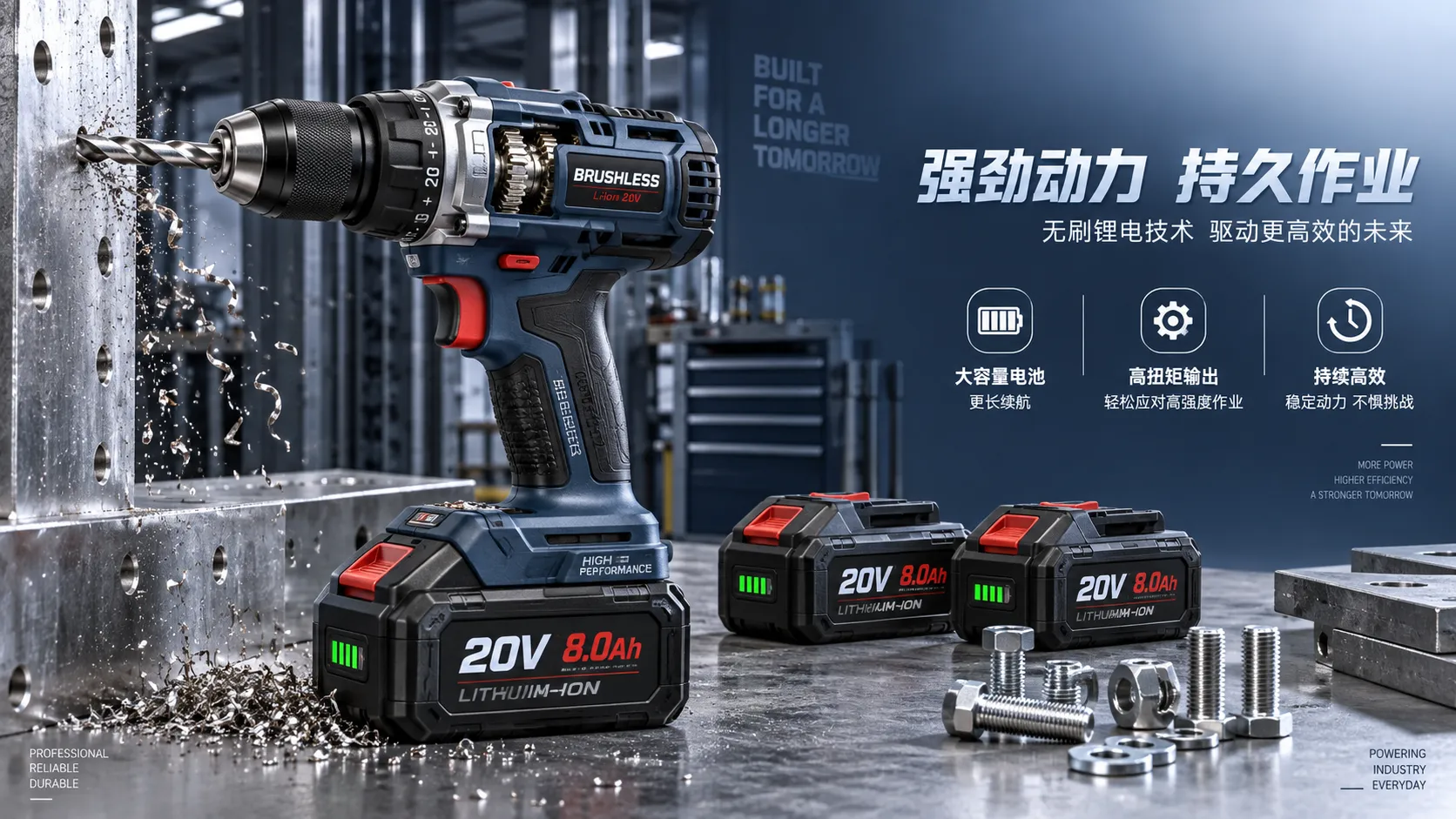
How Battery, Torque, and Duty Cycle Affect Cordless Power Tool Efficiency
Cordless power tool efficiency depends on battery output, torque, and duty cycle. Learn how to match tools to demanding jobs for stronger runtime and productivity.

Product Comparison Resources for Component Compatibility and Lifecycle Risk
Product comparison resources for components: evaluate compatibility, interfaces, service support, and lifecycle risk to reduce downtime, avoid redesigns, and make confident sourcing decisions.
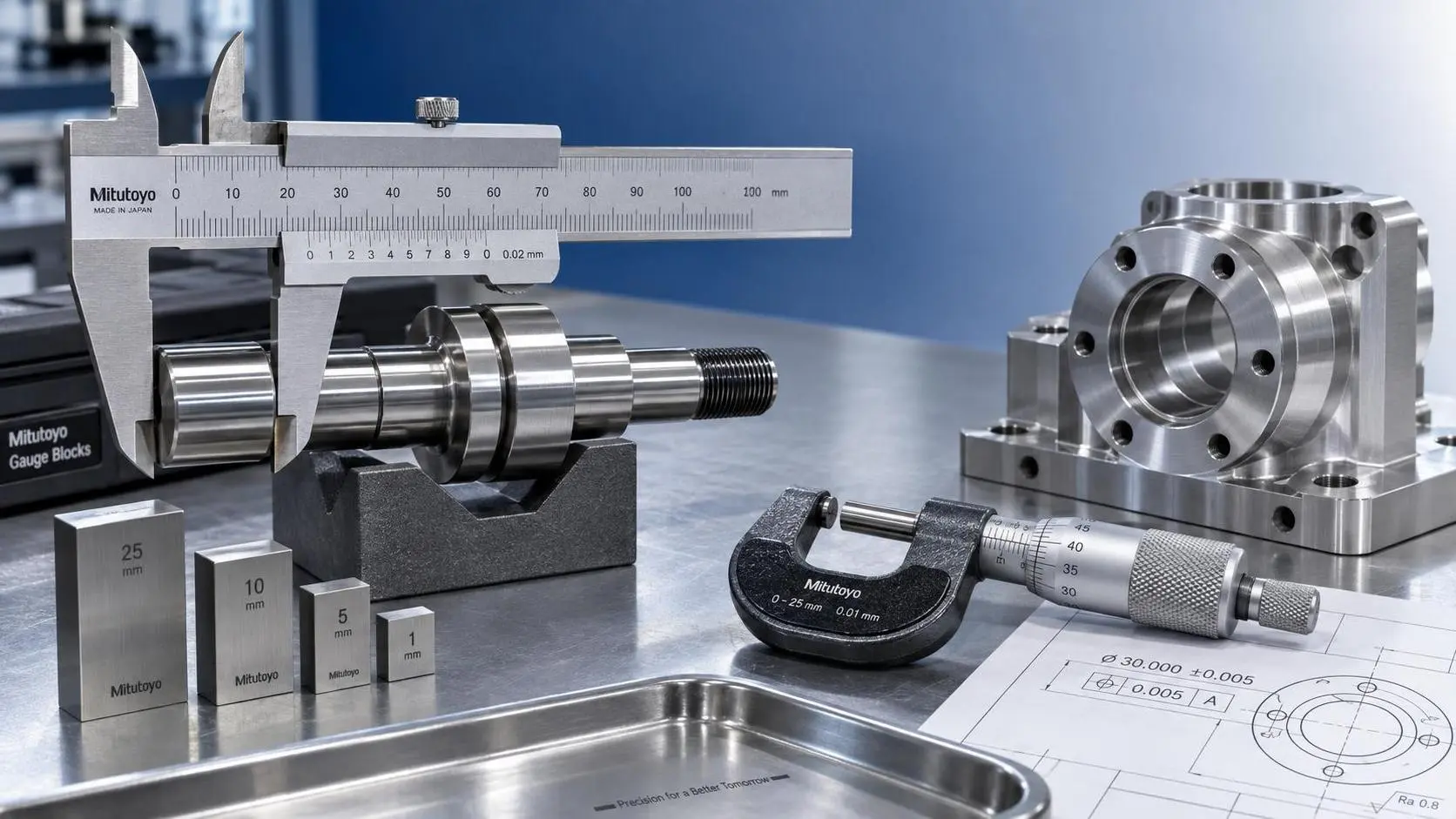
How to Select Vernier Precision Calipers for Tight-Tolerance Machining Inspection
Vernier precision calipers for tight-tolerance machining: learn how to select the right range, jaw design, accuracy, and verification process for reliable inspection.
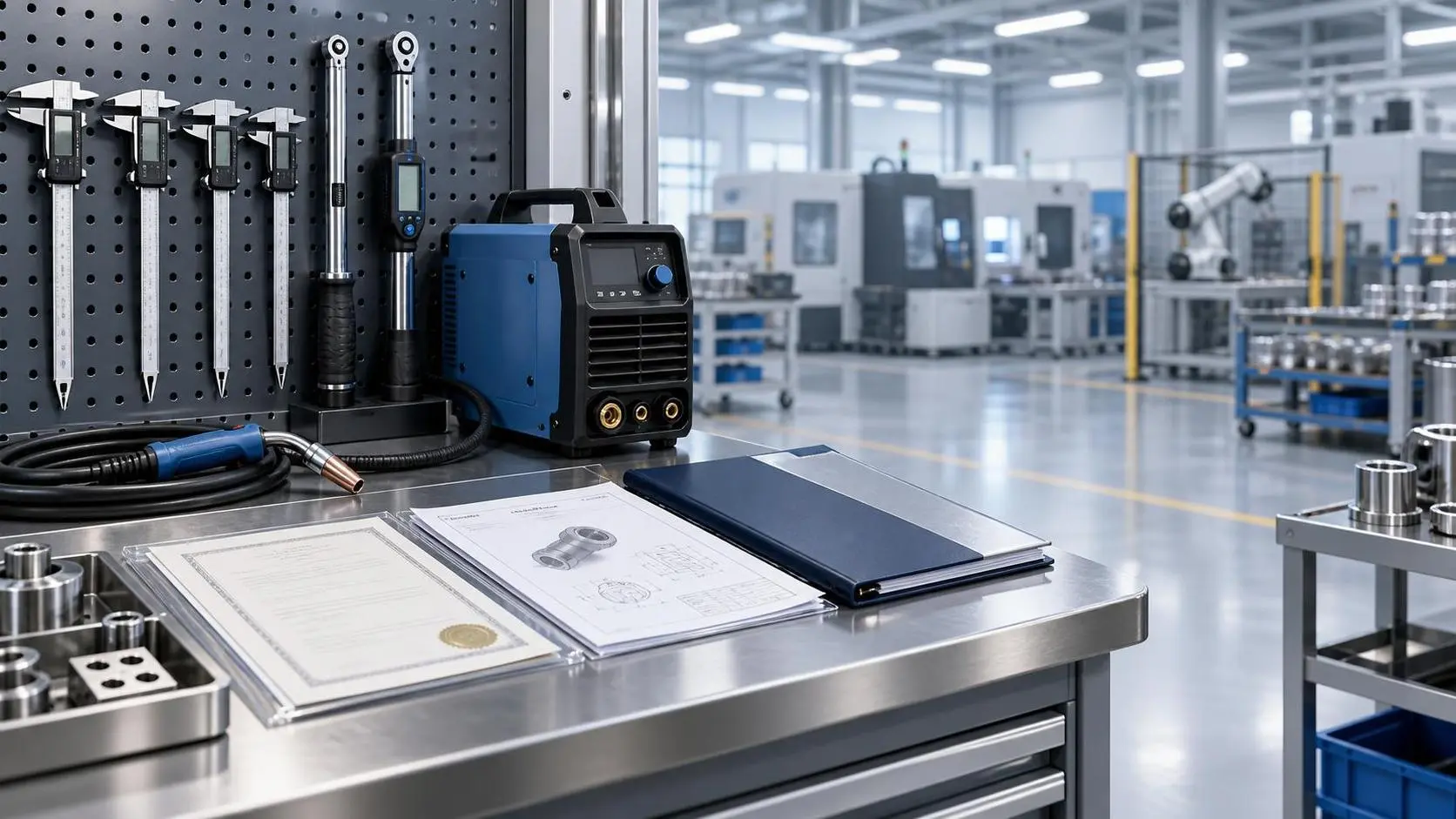
Product Comparison Resources in Europe: How Buyers Can Verify Specs and Suppliers
Product comparison resources Europe: learn how to verify industrial specs, compliance claims, supplier credibility, and delivery risk for smarter purchasing decisions.

How to Evaluate an Industrial Metrology Solution Manufacturer for Production Use
Industrial metrology solution manufacturer evaluation guide for production: compare accuracy, traceability, automation, software, service, and acceptance testing to reduce risk.

Which ISO Standards Matter Most for Precision Engineering Quality Control?
Precision engineering ISO standards explained: discover how ISO 9001, ISO/IEC 17025, ISO 10012, GPS, and ISO 3834 strengthen quality control, traceability, and compliance.
Related News
- 00
0000-00
What Does Data-Driven Intelligence Cost? Budgeting for Data, Tools, and Talent - 00
0000-00
What Determines Metrology Technology Prices for Factory Inspection Systems? - 00
0000-00
Welding Tools Price Guide: What Affects Cost and How Buyers Can Compare Options - 00
0000-00
What Drives Industrial Tools Cost? A Buyer’s Guide to Materials, Volume, and Lifecycle Expenses - 00
0000-00
Brand Premiums in North America: What Drives Price Gaps in Industrial Tools?
Ms. Elena Rodriguez
Weekly Insights
Stay ahead with our curated technology reports delivered every Monday.