
Choosing a Welding Tools Manufacturer: Quality Checks Before a Bulk Order





A competitive quotation is only useful if the welding tools delivered in volume perform like the samples approved during sourcing. Before placing a bulk order, procurement teams should establish three things: whether the proposed equipment suits the application, whether the supplier can reproduce its quality consistently, and whether acceptance criteria can be enforced before shipment. A low price cannot compensate for uncertainty across all three.
The strongest candidate is a welding tools manufacturer that can connect product claims to identifiable components, relevant test evidence, and production records. The depth of verification should reflect the consequences of failure. A shipment of basic welding accessories and an order for powered welding equipment require different checks, particularly where electrical safety, heat, gas, or operator exposure is involved.
Define what the order must do before comparing suppliers
“Welding tools” can cover power sources, torches, electrode holders, work clamps, cable assemblies, and related accessories. Treating them as one purchasing category creates weak specifications. A supplier may have capable torch assembly operations while outsourcing power electronics, cables, or connectors. Start by identifying the exact products and the operating conditions each must support.
For powered equipment, specify the welding process, intended materials, input supply, required output range, and expected operating pattern. Duty-cycle claims need their stated test conditions, including the relevant current and ambient temperature. Comparing headline current ratings alone can favor equipment that cannot sustain the workload your production team needs.
For torches and accessories, define interface compatibility, cable length, cooling arrangement where relevant, consumable references, and the working envelope. A connector that appears compatible in a photograph may fit poorly, create excessive resistance, or require an adapter that complicates maintenance. Procurement should have engineering or maintenance staff approve the interfaces before commercial terms are finalized.
Describe the application in practical terms. Will operators weld intermittently during repairs or run repeated production sequences? Will cables be dragged across floors? Are tools used in confined access areas? These conditions influence strain relief, insulation durability, cooling, handle comfort, and replacement frequency. They also give the supplier a basis for explaining limitations.
Convert those requirements into a short acceptance specification. Separate safety requirements, functional requirements, and preferences. Safety and essential performance should determine whether a product qualifies; preferences can guide negotiation. Without this distinction, a buyer may trade away an important component specification to obtain a cosmetic feature or a lower unit price.
Check the manufacturing evidence behind the quotation
Establish who manufactures the critical parts and who controls final release. A trading company can manage a reliable supply chain, while a factory can have weak quality controls. The purchasing risk depends on visibility and accountability. Ask which operations occur at the quoted site, which are subcontracted, and whether the supplier can change production locations or component sources without approval.
A useful factory review follows one product through incoming inspection, assembly, testing, and packing. Look for records linked to identifiable batches or serial numbers. A quality manual describes an intended system; completed records show whether that system operates. For a remote review, request a live walkthrough and selected records for the proposed model, with commercially sensitive information appropriately protected.
Material traceability deserves particular attention where substitution could affect heat generation, electrical performance, or service life. Depending on the product, relevant checks may concern conductor material and cross-section, insulation specification, contact materials, or cooling-system components. Ask which characteristics are verified on receipt and how the factory prevents approved and unapproved materials from being mixed.
Traceability should be proportionate to risk. It may be unnecessary to demand an individual material certificate for every minor component. It is reasonable to require identification of critical component sources, batch records where relevant, and a controlled bill of materials. The supplier should also explain how it handles a component shortage without silently changing the approved design.
Review inspection equipment as well as inspection forms. Instruments used for acceptance decisions need suitable measurement capability and calibration or verification appropriate to their purpose. Records should show what was measured, the applicable limit, the result, and what happened when a unit failed. A sheet containing only unchecked boxes or repeated “pass” entries provides limited evidence.
Certification claims require a separate check. A quality-management certificate concerns the organization and its stated scope; it does not establish that every product meets every applicable safety requirement. Likewise, a conformity mark on a housing does not, by itself, demonstrate that the quoted configuration has been assessed correctly.
Request documentation relevant to the product and destination market. Check the manufacturer’s identity, model designation, electrical ratings, report scope, and any listed variants against the quotation. For arc-welding equipment and accessories, the relevant parts of the IEC 60974 series may form part of the technical assessment, depending on product type and market requirements. Ask a qualified compliance specialist to resolve scope questions before the order becomes a shipment problem.
Use samples to test the proposed production configuration
A sample should represent the configuration the supplier intends to manufacture for the order. Record its model, serial number where available, components, firmware where relevant, included accessories, and labeling. If it is a prototype or has been specially adjusted, document the differences and require another approval when the production version is ready.
Agree on the sample evaluation before testing begins. Otherwise, suppliers and buyers can interpret the same result differently. Define the operating conditions, equipment used, acceptance limits, and who will assess the results. Safety testing involving electrical hazards, pressure, or other dangerous conditions belongs with competent personnel and suitable facilities.
A practical evaluation should cover a few distinct questions:
- Does it fit the intended system? Check connections, consumable fit, input requirements, cooling connections, and access for installation and maintenance.
- Does it perform through the required work cycle? Assess operation under the agreed load and environmental conditions, including starts, repeated use, and protective functions where relevant.
- Can operators use it consistently? Evaluate handling, cable flexibility, control access, visibility of settings, and the effect of heat during the intended task.
- Can it be maintained economically? Inspect wear components, replacement procedures, spare-part identification, and access to service information.
For welding trials, control the variables that can obscure equipment performance. Material preparation, shielding gas where used, consumable condition, operator technique, and process settings can all affect the outcome. An attractive weld bead alone cannot establish equipment quality. Where weld quality is an acceptance requirement, engineering staff should define the appropriate examination method for the application.
Evaluate more than one unit when consistency matters. One carefully prepared sample reveals little about variation between assemblies. The appropriate sample quantity depends on order size, product complexity, failure consequences, and supplier history. An initial production run can provide better evidence than additional showroom samples because it exposes actual assembly, inspection, and packaging practices.
After approval, retain an identified reference sample and a written specification. Photographs help document appearance and labeling, but cannot capture conductor properties, internal components, or electrical performance. Any teardown or specialist examination should target plausible failure points and be performed by qualified personnel. The reference sample supports comparison; the specification defines the obligation.
Make acceptance and failure costs part of the purchase agreement
Sample approval does not automatically protect a bulk shipment. The purchase order should identify the approved configuration, inspection requirements, documentation, and rules for substitutions. If a supplier proposes a change to a critical component, require written approval and an appropriate assessment before incorporating it into production.
Define defects in language an inspector can apply. “Good workmanship” is too subjective on its own. Examples might include damaged insulation, incorrect ratings, loose electrical connections, incompatible fittings, missing safety information, or performance outside agreed limits. Establish which defects require immediate rejection, which permit rework, and how reworked goods will be checked.
For lot inspection, agree on lot definition, random selection, sample size, acceptance rules, and treatment of failed lots. A sampling plan can help manage inspection effort, but it does not guarantee every unit is conforming. Safety-related routine tests may require coverage beyond a shipment sample, depending on the product and applicable requirements. Ask the manufacturer to distinguish production testing from the buyer’s pre-shipment inspection.
Schedule inspection while corrective action is still practical. Finished goods should be identifiable and accessible, with enough units complete to support meaningful selection. If inspection occurs only after containers are sealed or the delivery deadline has become critical, the buyer’s ability to resolve defects is reduced. Specify who pays for reinspection when the agreed criteria are not met.
Packaging belongs in this review because damage can erase manufacturing quality. Check protection for connectors, torch necks, controls, and cable exits, along with moisture protection appropriate to the shipping route and storage conditions. Labels should support receiving inspection and traceability. Accessories and spare consumables need clear identification so incomplete kits are detected before distribution.
Then compare suppliers using expected usable cost. Include freight, import-related charges, inspection, commissioning, spare parts, and service labor alongside the quoted price. Also consider the operational effect of rejected units, delayed replacements, and tools taken out of service. Avoid assigning precise failure costs without evidence; compare scenarios instead. Ask how the economics change if a batch needs local rework or replacement parts arrive late.
Warranty wording deserves the same attention as warranty duration. Establish what evidence is needed for a claim, who pays transport, whether local repair is permitted, and how replacement parts are supplied. A long warranty offers limited value if the practical remedy requires returning low-value equipment internationally at the buyer’s expense.
A bulk order becomes easier to justify when the supplier has passed a documented application review, demonstrated control of critical materials and processes, and supplied production-representative units that meet agreed criteria. Where evidence remains incomplete, reduce the initial commitment and make expansion conditional on the first lot’s results. Release the larger order when the inspection record, approved configuration, and commercial remedies support it—not simply when the quotation expires.
Related News
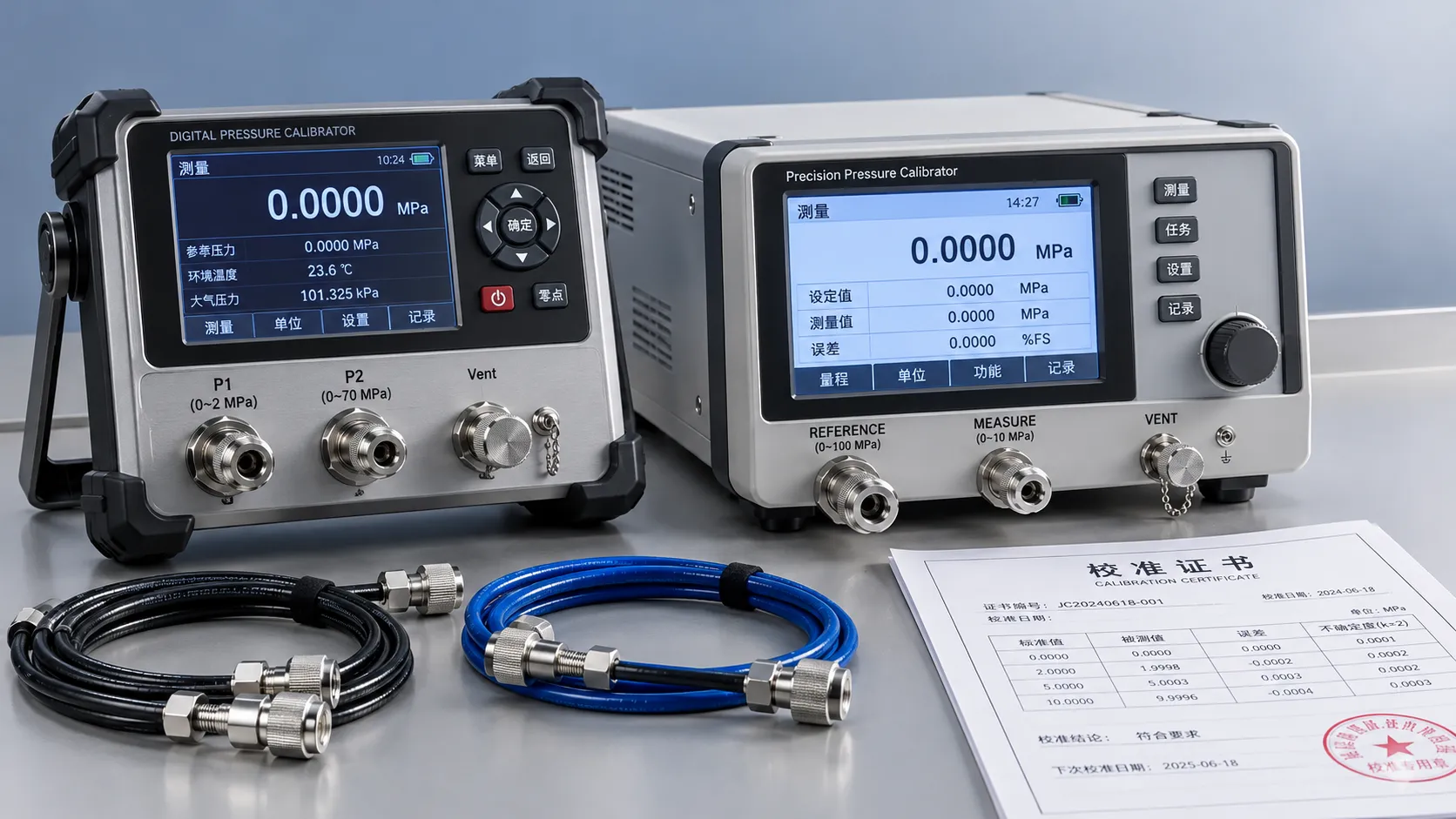
How to Compare Calibration Tools: Range, Uncertainty, and Traceability
Explore product comparison resources for calibration tools. Compare range, uncertainty, and traceability to choose confidently and support defensible measurement decisions.
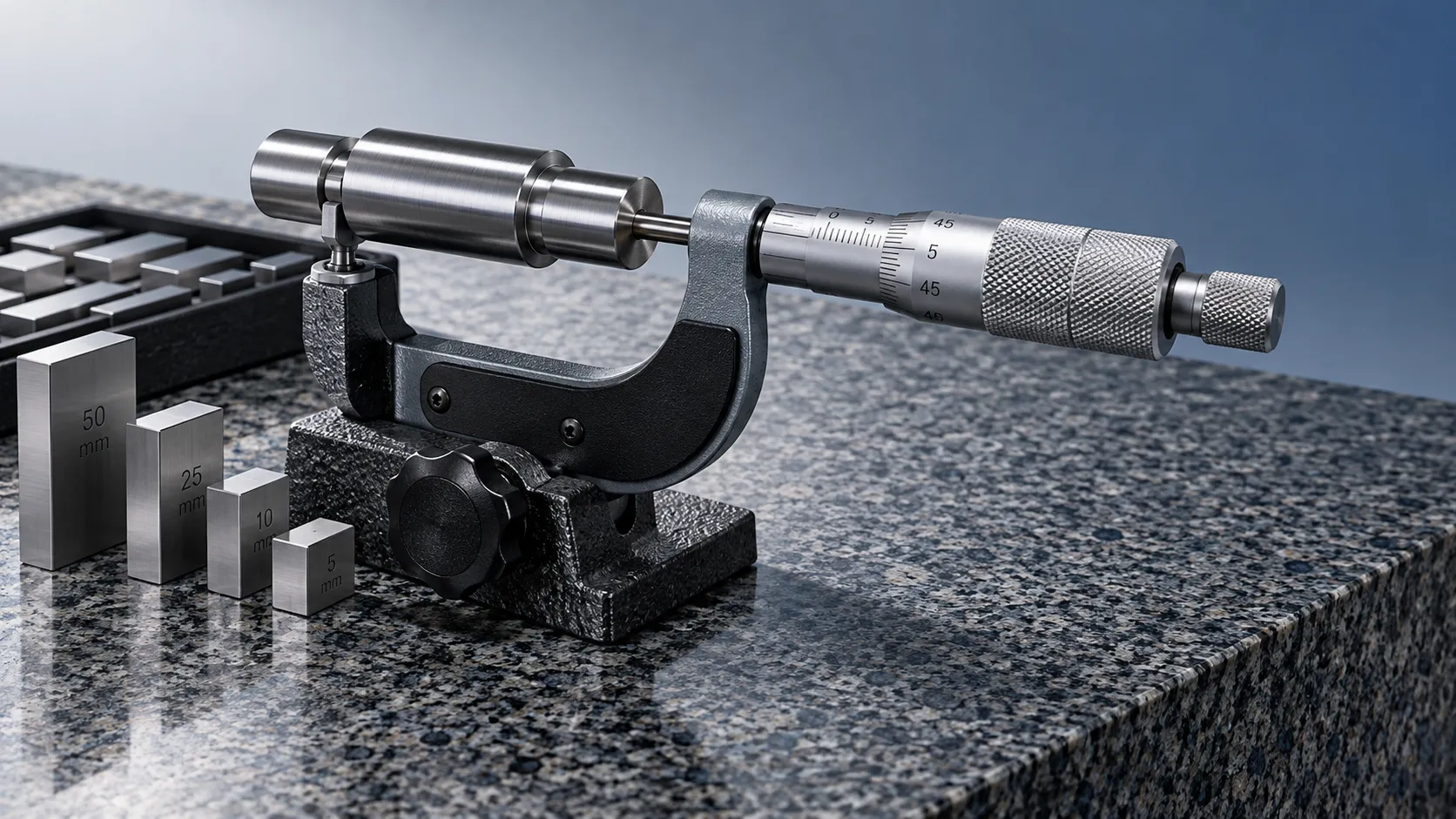
Choosing Industrial Metrology Tools: Matching Measurement Uncertainty to Tolerances
Improve industrial tool selection for metrology by matching measurement uncertainty to tolerances. Learn how to reduce inspection risk and choose equipment with confidence.
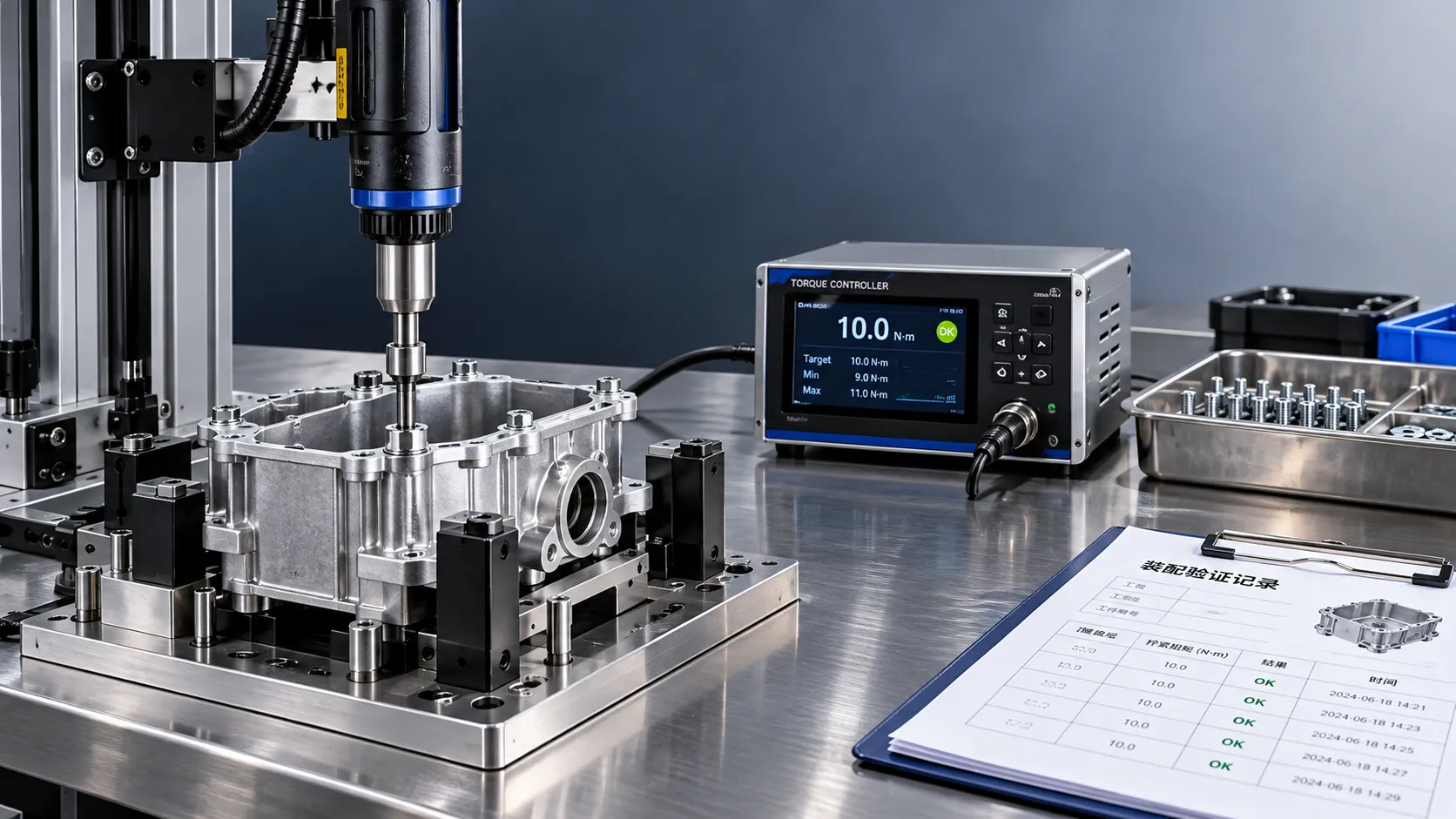
Torque System Suppliers: How to Assess References for Assembly Projects
Explore supplier and solution references torque systems buyers should verify. Assess assembly fit, traceability, and support to reduce risk and choose with confidence.

Equipment Application Guidance for the Middle East: Managing Heat and Dust
Explore application guidance Middle East teams can use to manage heat and dust, protect welding equipment, batteries and precision tools, and reduce downtime. Get practical tips.
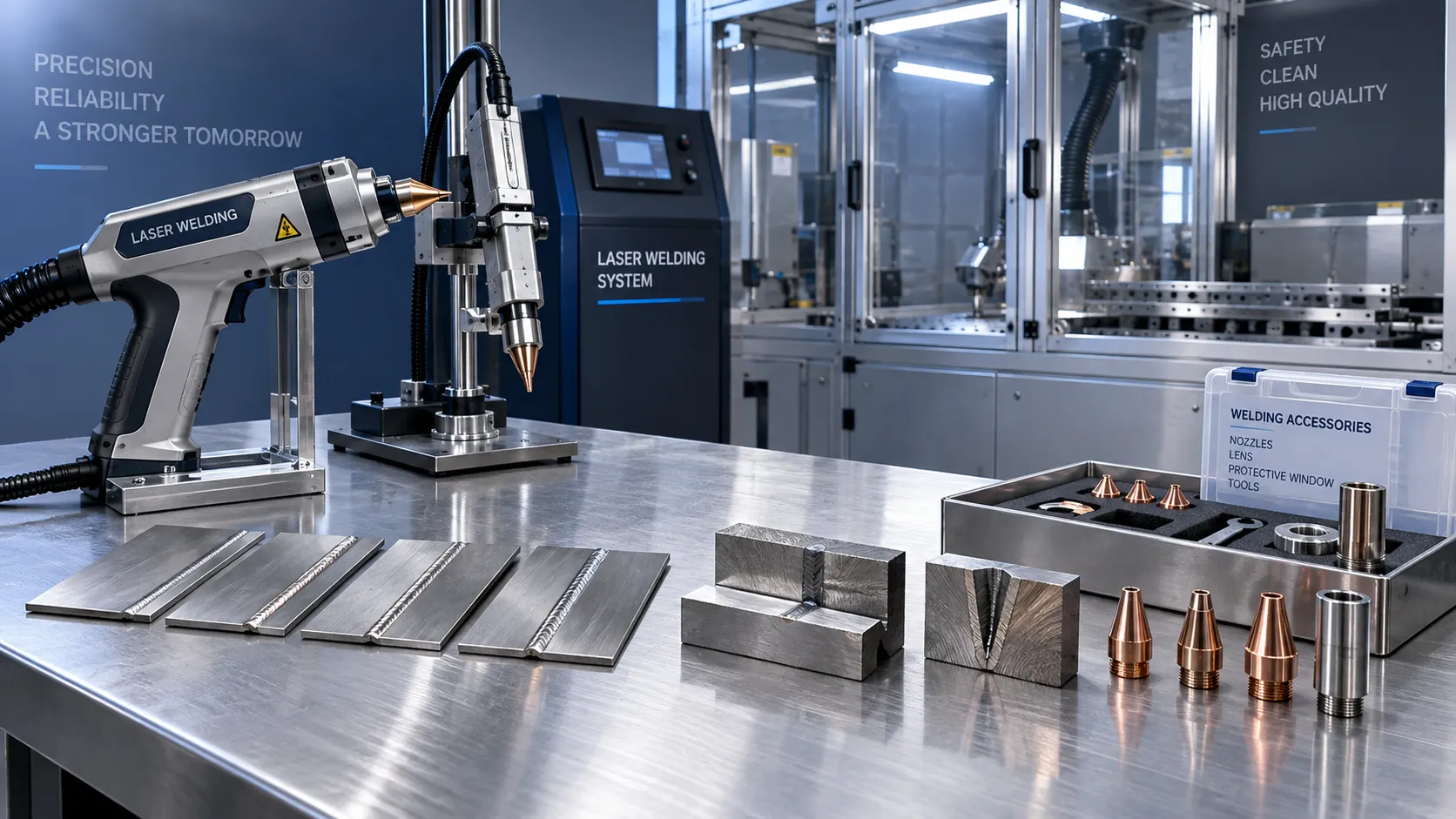
Choosing a Handheld Laser Welding Supplier: Weld Trials, Training, and Service
Choose a handheld laser welding supplier with proven weld trials, safety training, and reliable service. Learn what to verify before buying to reduce downtime and protect your investment.

Choosing an Industrial IoT Platform: Key Criteria for Legacy Equipment
Choose an industrial IoT platform for legacy equipment with confidence. Discover key checks for connectivity, data integrity, security, and lifecycle costs before investing.

In-House vs. Outsourced Aircraft Maintenance: Comparing Total Costs
Compare aerospace maintenance cost for in-house vs. outsourced aircraft upkeep. Discover hidden expenses, downtime impacts, and break-even factors to find the best fit for your fleet.

How to Select High-Precision Measuring Instruments for Tight-Tolerance Production?
High-precision measuring instruments are essential for tight-tolerance production. Learn how to evaluate accuracy, repeatability, environment, calibration, and data integration.

How Industrial Innovation Supplier Networks Reduce Sourcing Risk for Manufacturers
industrial innovation supplier network insights help manufacturers reduce sourcing risk, control lifecycle costs, and choose reliable tools, services, and suppliers with confidence.
Related News
- 00
0000-00
Choosing a Welding Tools Manufacturer: Quality Checks Before a Bulk Order - 00
0000-00
Torque System Suppliers: How to Assess References for Assembly Projects - 00
0000-00
Choosing a Handheld Laser Welding Supplier: Weld Trials, Training, and Service - 00
0000-00
In-House vs. Outsourced Aircraft Maintenance: Comparing Total Costs - 00
0000-00
How Can Distributors Verify Precision Engineering Tolerances?
Dr. Alistair Vaughn
Weekly Insights
Stay ahead with our curated technology reports delivered every Monday.