
Equipment Application Guidance for the Middle East: Managing Heat and Dust





Reliable equipment operation in Middle Eastern heat and dust starts with matching the actual working environment to the equipment’s documented limits. Record conditions where machines draw cooling air, distinguish airborne dust from deposits inside equipment, and allow precision instruments to stabilize before accepting measurements. A shaded installation, suitable enclosure, or revised work schedule can improve performance, but each measure must preserve ventilation, electrical protection, and process control.
The most useful application guidance for Middle East projects connects equipment selection with daily operating decisions. Welding output, battery charging, and dimensional inspection respond differently to the same weather. Treating them as one general “hot-climate” problem leaves preventable gaps.
Define the temperature the equipment actually experiences
A weather forecast describes regional conditions; it does not establish the temperature at a welding power source behind a screen or a battery charger inside a container. Direct sunlight, nearby hot work, enclosed storage, and recirculated exhaust create local conditions that differ substantially from the reported air temperature.
Measure ambient air near the cooling inlet without placing the sensor against a heated surface or exposing it to direct solar radiation. Record the operating period and workload alongside the temperature. A reading taken before work begins provides little evidence about conditions during sustained afternoon production.
Equipment documentation often specifies separate limits for operation, storage, and charging. These limits are not interchangeable. A battery permitted to remain in storage at a particular temperature is not automatically suitable for charging there. Similarly, a measuring instrument’s survival temperature does not establish its accuracy throughout that range.
Before equipment is released for site use, resolve three questions:
- What performance is available at the expected ambient temperature? Obtain applicable output ratings, duty-cycle information, or derating instructions rather than relying on maximum nameplate capacity.
- Determine whether the quoted temperature range includes the complete assembly. Batteries, displays, coolant units, cables, and accessories can impose narrower limits than the main machine.
- Where documentation leaves a gap, obtain written application guidance tied to the installation and workload. An assumption that equipment is suitable because it has previously worked in the region is insufficient.
Keep dust protection compatible with cooling
An enclosure’s ingress-protection rating describes defined protection against solids and water under specified test conditions. It does not establish cooling capacity, resistance to every dust composition, or suitability for combustible atmospheres. The protection also relies on intact seals, correctly fitted covers, and appropriate cable entries.
Fine mineral dust and metallic grinding debris create different concerns. Mineral deposits obstruct airflow and abrade exposed mechanisms. Conductive particles create additional electrical hazards when they enter unsuitable equipment. Positioning a welding power source beside grinding work therefore requires more than choosing a nominally dust-resistant housing.
Keep cooling inlets away from prevailing dust sources and prevent exhaust air from returning directly to the intake. Shade structures should leave the manufacturer’s required clearances around the machine. A close-fitting improvised cover can reduce solar exposure while trapping enough heat to cause repeated shutdowns.
Adding filter material over an intake changes airflow resistance. Use only arrangements approved for the equipment, with a defined inspection and replacement method. Finer filtration is useful only if the cooling system can maintain its required airflow as the filter loads.
During a dust storm, pause work when visibility, safe access, ventilation, or equipment protection cannot be maintained. De-energized equipment can be covered after cooling, following its storage instructions. Covers intended for storage should be removed before operation.
Match welding demand to the complete thermal system
A welding power source’s rated output must be read together with its stated ambient temperature and duty cycle. Duty cycle describes permitted welding time within a defined interval under specified conditions. It does not guarantee continuous operation at that output in a hotter installation. Use the manufacturer’s published guidance when site temperatures exceed the conditions supporting the rating.
Recurring thermal trips warrant investigation. Possible causes include excessive arc-on time, blocked heat exchangers, fan faults, hot-air recirculation, or a torch and cooling package that cannot support the application. Repeatedly restarting after a trip without identifying the cause produces unpredictable interruptions and can conceal deterioration.
Water-cooled equipment requires attention to coolant specification, level, circulation, hose condition, and radiator cleanliness. Substituting an unapproved liquid introduces compatibility, corrosion, or electrical-conductivity concerns. A running pump alone does not confirm adequate flow through the torch; restrictions and kinked hoses can still interrupt heat removal.
Power delivery also affects apparent equipment performance. Long or undersized extensions, damaged connectors, and unsuitable generator arrangements can produce voltage drop or unstable supply under load. Diagnose input power alongside thermal conditions when arc behavior deteriorates during demanding work. Use equipment-approved cable sizing and supply arrangements.
Dust on joint faces, filler wire, or wire-feeding components creates a separate process problem. Protect consumables in closed storage, clean the joint using the approved preparation method, and keep wire paths free of abrasive deposits. Increasing welding current does not correct contamination.
Open-sided shelters must balance shade, fume extraction, and shielding-gas protection. Wind that removes heat can also disrupt the gas envelope. Position screens without obstructing required ventilation, and confirm that welding remains within the qualified procedure. Move the work or suspend it when acceptable shielding cannot be maintained.
Separate power-tool overload from battery temperature limits
A cordless tool that stops during cutting may have reached a motor, electronics, or battery protection threshold. It may also be responding to binding, excessive feed force, or a worn accessory. These conditions require different corrections; replacing the battery immediately can leave the underlying mechanical problem unchanged.
Restore the intended cutting conditions first. Confirm accessory suitability for the material, inspect wear, support the workpiece, and maintain the tool’s ventilation openings. Brushless motors still generate heat, and their control electronics require cooling. A motor label does not establish suitability for continuous heavy work in a dusty enclosure.
Battery charging deserves a designated location protected from solar heating and airborne debris. Follow the charger’s temperature indications and allow hot packs to cool naturally within the manufacturer’s instructions. Refrigerators, ice, or direct water cooling introduce condensation or liquid-ingress hazards and should not be improvised as recovery methods.
Schedule intensive work around permissible operating conditions rather than assuming spare packs remove thermal limits. A pack rotation only helps when packs have adequate time and suitable conditions to cool and charge. Keep terminals protected during storage and quarantine packs showing damage, swelling, leakage, or abnormal heating.
Handheld tool availability also depends on safe working conditions. Equipment that remains within its temperature rating does not establish that strenuous work can continue safely in the same heat. Work timing, rest arrangements, and heat-exposure controls must be established separately under the applicable site procedures.
Protect dimensional accuracy during temperature changes
Precision measurement can drift before an instrument displays any fault. A caliper moved from an air-conditioned room to a sun-heated fabrication area changes temperature along with the component being measured. Different temperatures, materials, and expansion rates affect the result, especially when tolerances are tight or dimensions are long.
Allow the instrument, reference artifact, and workpiece to approach suitable, stable measurement conditions. Avoid prescribing one universal waiting time: stabilization depends on mass, geometry, packaging, airflow, and the temperature difference. A large steel component takes a different path to equilibrium from a small handheld gauge.
A zero check detects some problems but does not prove accuracy across the measurement range. Verify performance against an appropriate reference near the working size when the inspection plan requires it. If temperature correction is used, base it on known material properties and a validated method; ambient air temperature alone may not represent the workpiece temperature.
Dust introduces errors mechanically. A particle trapped between measuring faces changes contact, while contamination on guideways affects movement and repeatability. Remove loose contamination using the instrument’s approved cleaning method before wiping sensitive surfaces. Avoid dragging abrasive particles across scales or optical windows.
Moving a cold instrument into warm, humid air creates a condensation risk. Keep it in its closed protective packaging during initial acclimatization where the manufacturer recommends this approach. Delay use until moisture has cleared and conditions are suitable. An ingress-protection rating does not make wet measuring faces acceptable for precise contact measurements.
Let equipment condition determine maintenance frequency
A fixed service interval developed for a clean workshop can be unsuitable beside concrete cutting or abrasive blasting. Begin with the prescribed maintenance schedule, then shorten inspection intervals where observed dust accumulation, filter loading, or thermal behavior justifies it. Record findings so that the interval reflects actual exposure.
Useful records link symptoms to operating conditions. “Stopped twice” offers little diagnostic value. A note identifying the task, approximate load, inlet temperature, alarm indication, and filter condition helps distinguish an environmental problem from a developing fault.
Cleaning methods must suit the equipment. Uncontrolled compressed air can drive particles deeper into bearings or electronics and disperse hazardous dust. Follow specified isolation, discharge, access, and cleaning procedures. Internal electrical servicing requires the appropriate competence, including awareness of stored energy after disconnection.
Release equipment against a representative working cycle
Acceptance should include operation under a representative load in the intended installation. An unloaded demonstration in an air-conditioned room does not establish afternoon welding capacity, charging turnaround, or measurement stability on site.
Define acceptance criteria before the trial: required output and operating period, permissible alarms, cooling behavior, charging availability, and measurement verification. Keep the trial within documented limits and record conditions so that its results remain meaningful when weather or production intensity changes.
After relocation, a substantial temperature increase, or a change in dust exposure, reassess the affected controls. Moving an intake beside a cutting station or placing a charger in a closed cabinet can invalidate an otherwise satisfactory arrangement. The operating record should preserve those installation details, giving subsequent shifts a clear basis for continuing work or stopping to correct changed conditions.
Related News
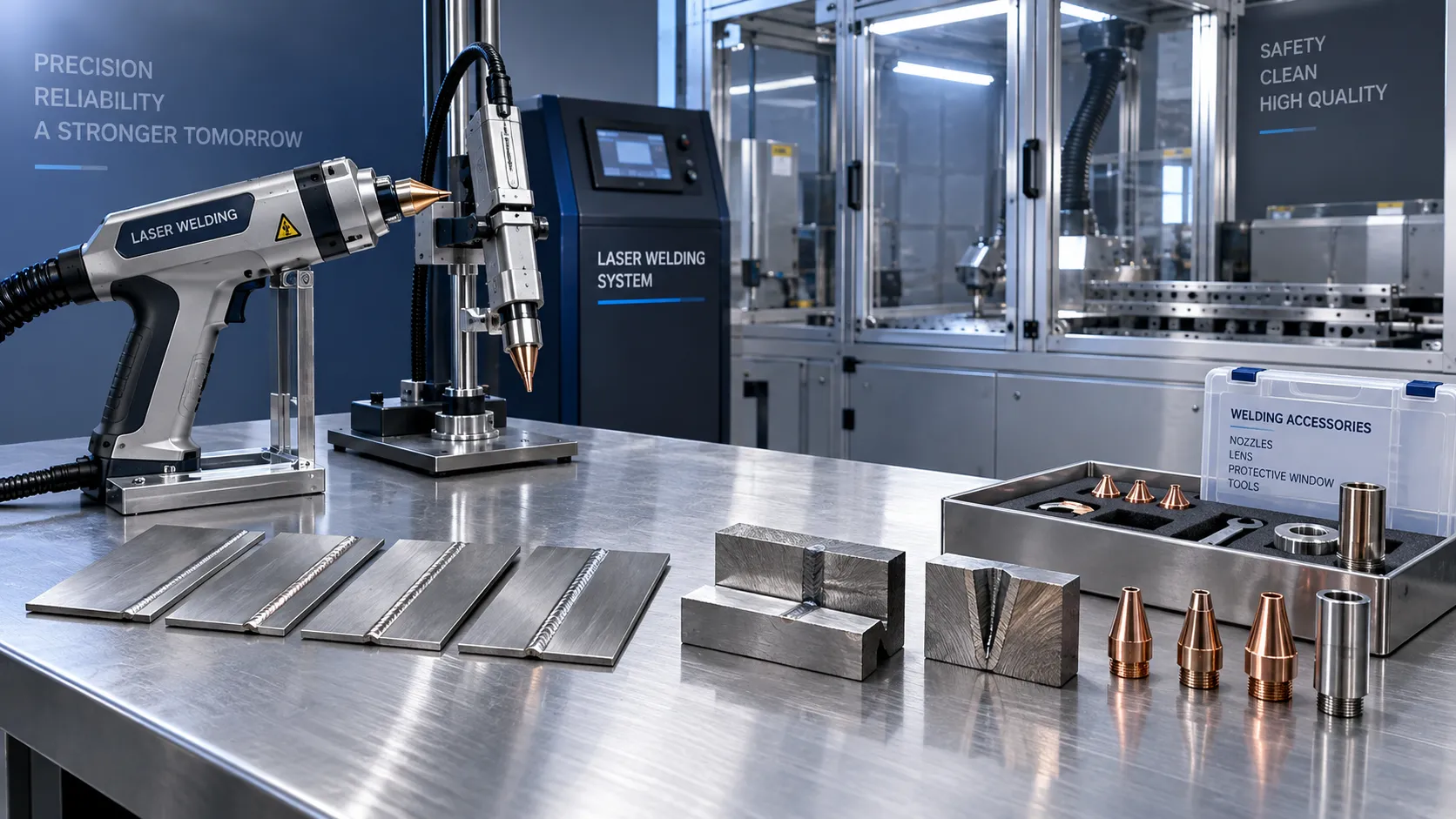
Choosing a Handheld Laser Welding Supplier: Weld Trials, Training, and Service
Choose a handheld laser welding supplier with proven weld trials, safety training, and reliable service. Learn what to verify before buying to reduce downtime and protect your investment.
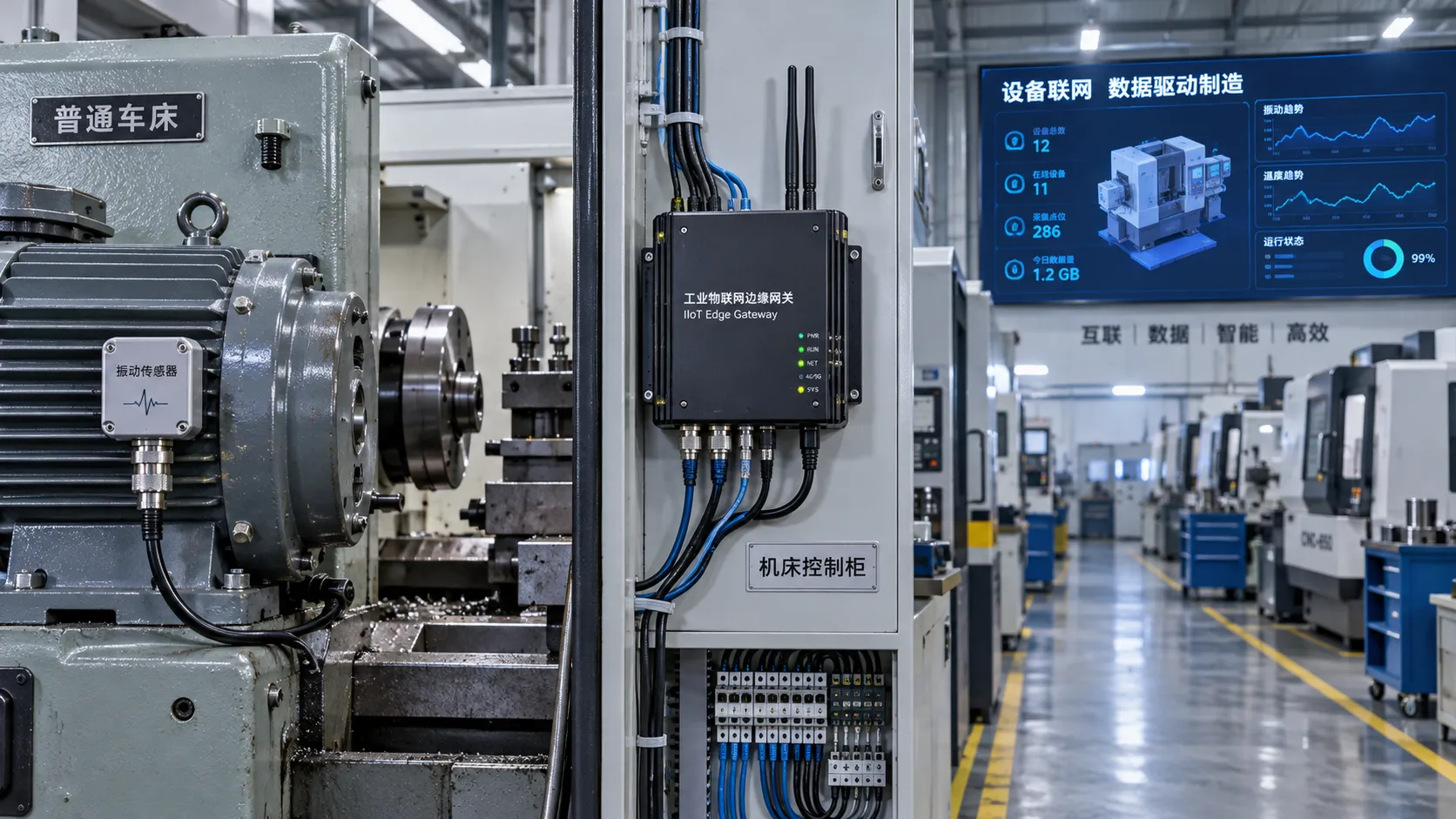
Choosing an Industrial IoT Platform: Key Criteria for Legacy Equipment
Choose an industrial IoT platform for legacy equipment with confidence. Discover key checks for connectivity, data integrity, security, and lifecycle costs before investing.

In-House vs. Outsourced Aircraft Maintenance: Comparing Total Costs
Compare aerospace maintenance cost for in-house vs. outsourced aircraft upkeep. Discover hidden expenses, downtime impacts, and break-even factors to find the best fit for your fleet.
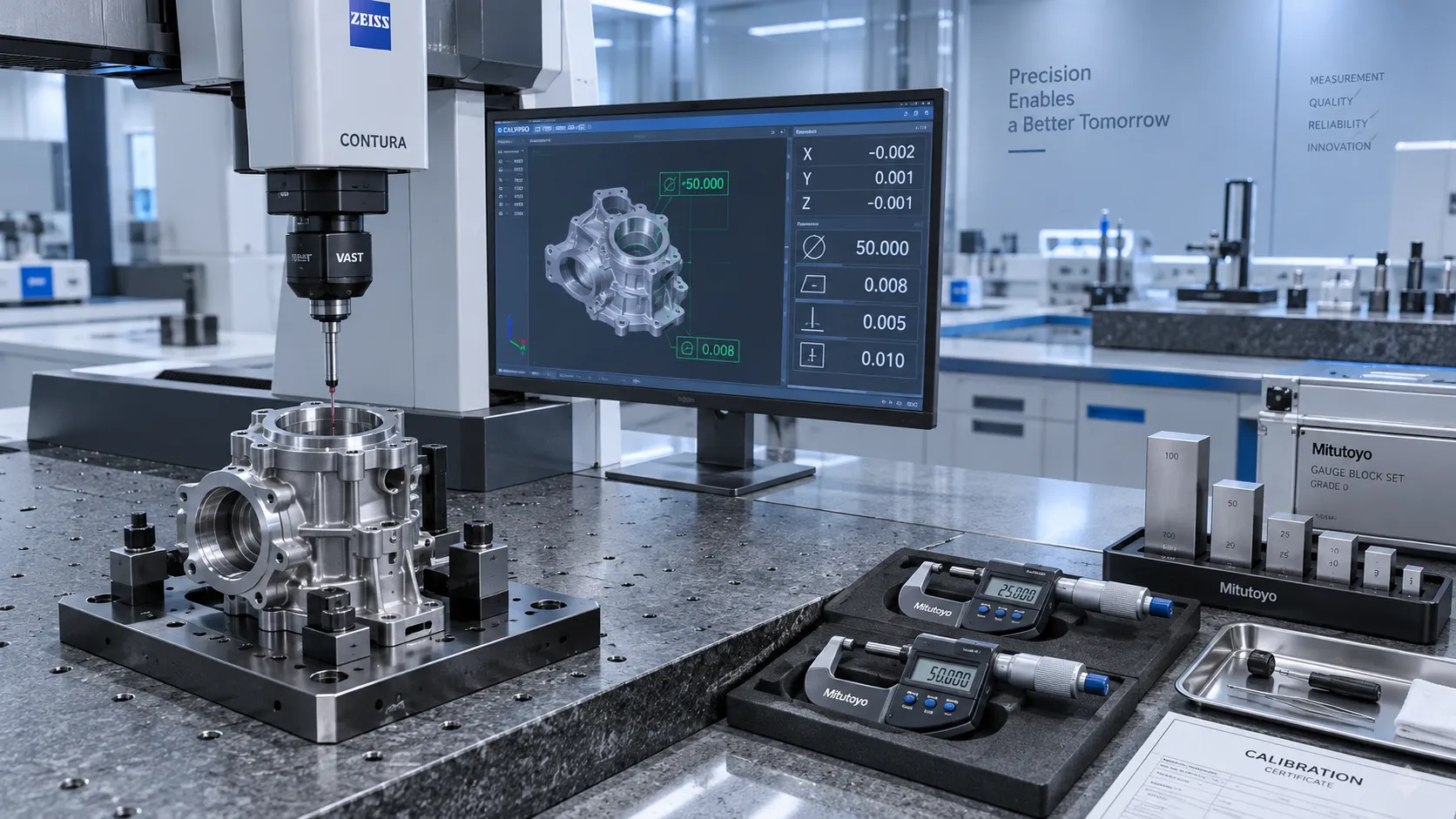
How to Select High-Precision Measuring Instruments for Tight-Tolerance Production?
High-precision measuring instruments are essential for tight-tolerance production. Learn how to evaluate accuracy, repeatability, environment, calibration, and data integration.
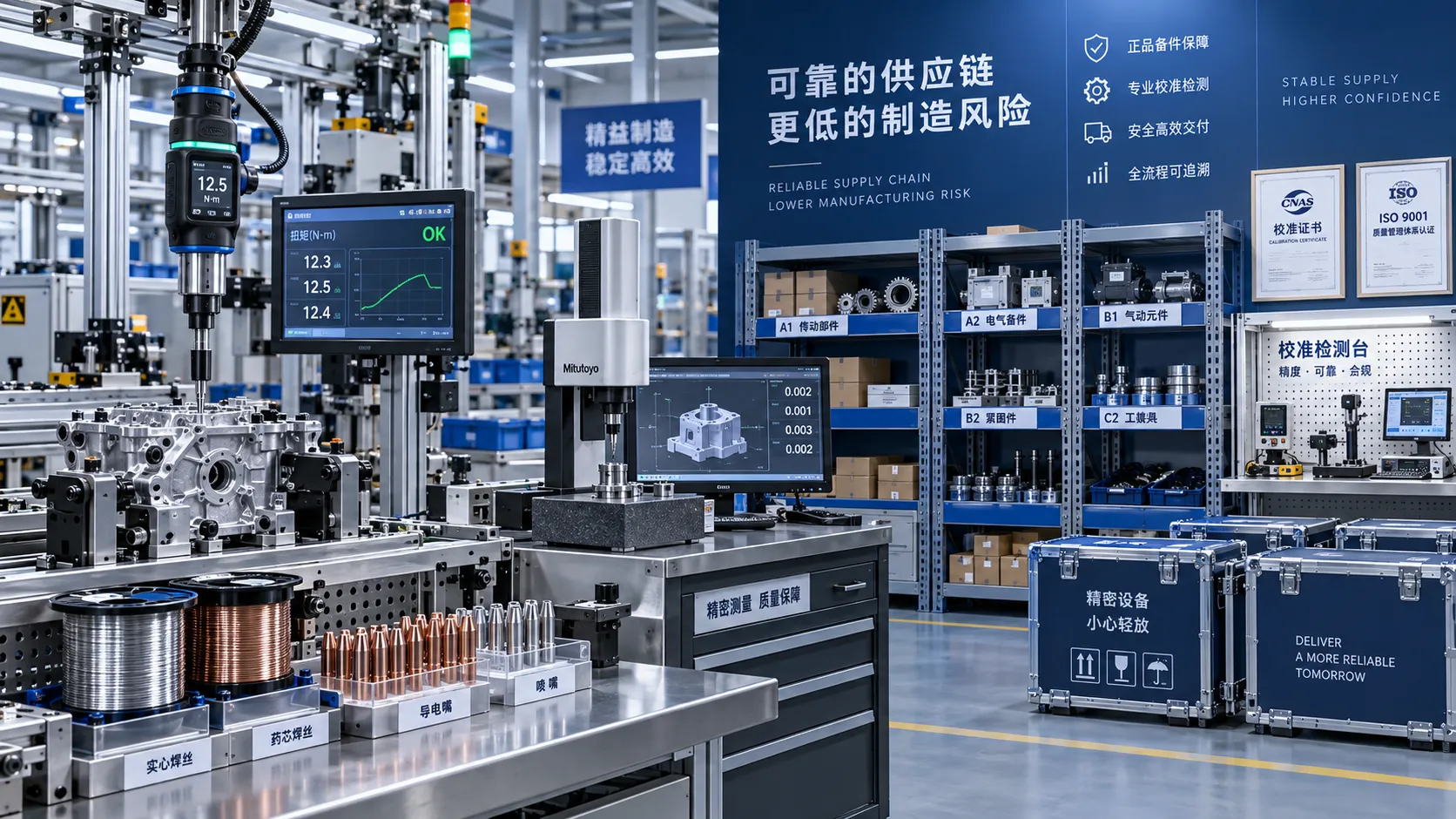
How Industrial Innovation Supplier Networks Reduce Sourcing Risk for Manufacturers
industrial innovation supplier network insights help manufacturers reduce sourcing risk, control lifecycle costs, and choose reliable tools, services, and suppliers with confidence.
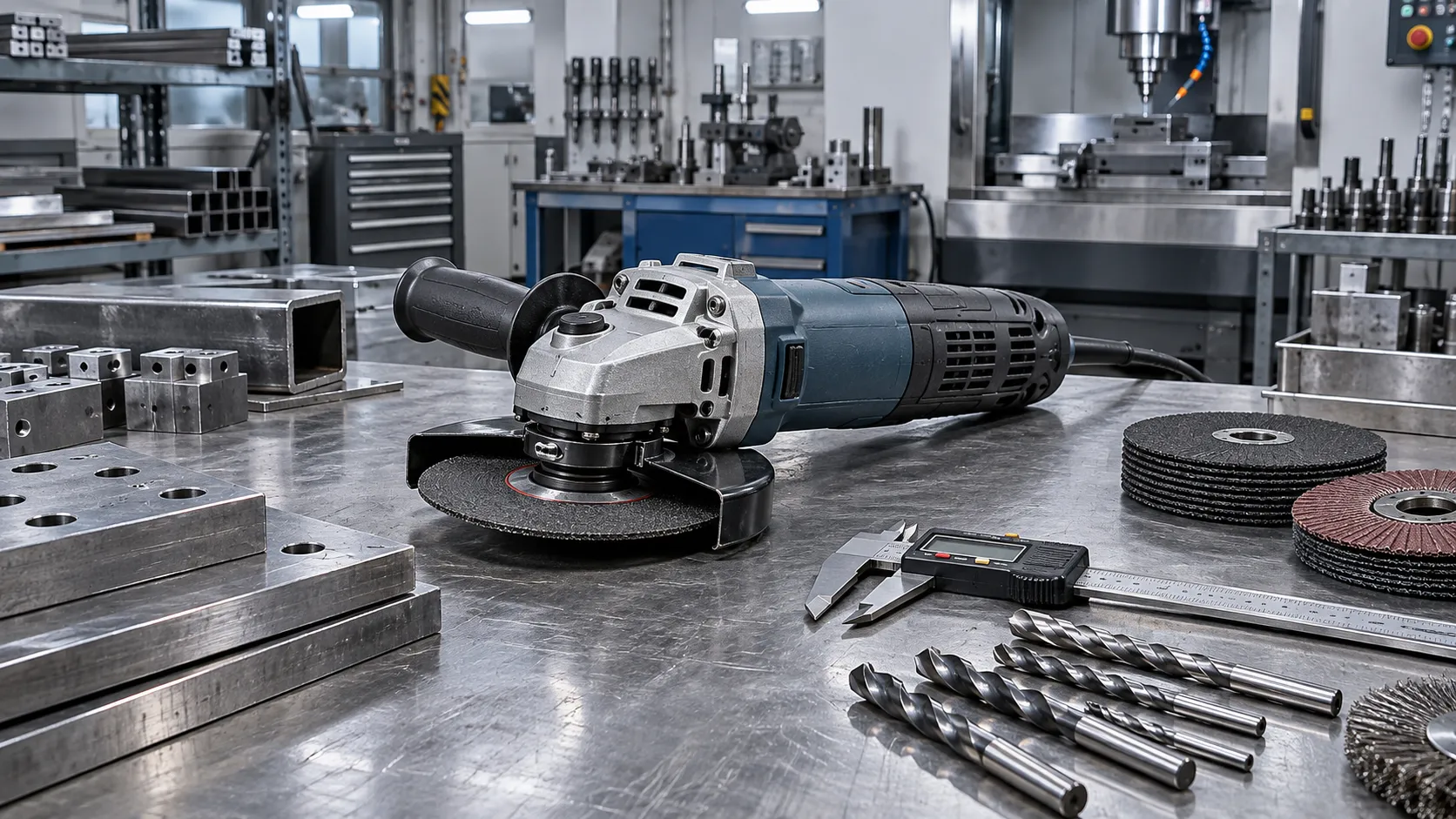
Are Lower-Cost Metalworking Tools More Likely to Fail Early?
Are cheaper metalworking tools more likely to fail early? Explore duty cycle, build quality, and total ownership costs to make smarter buying decisions.

How Do Advanced Manufacturing Methods Improve Batch Consistency?
How do advanced manufacturing methods improve batch consistency? Discover how precision metrology, intelligent torque control, welding automation, and traceable data reduce variation and improve quality.
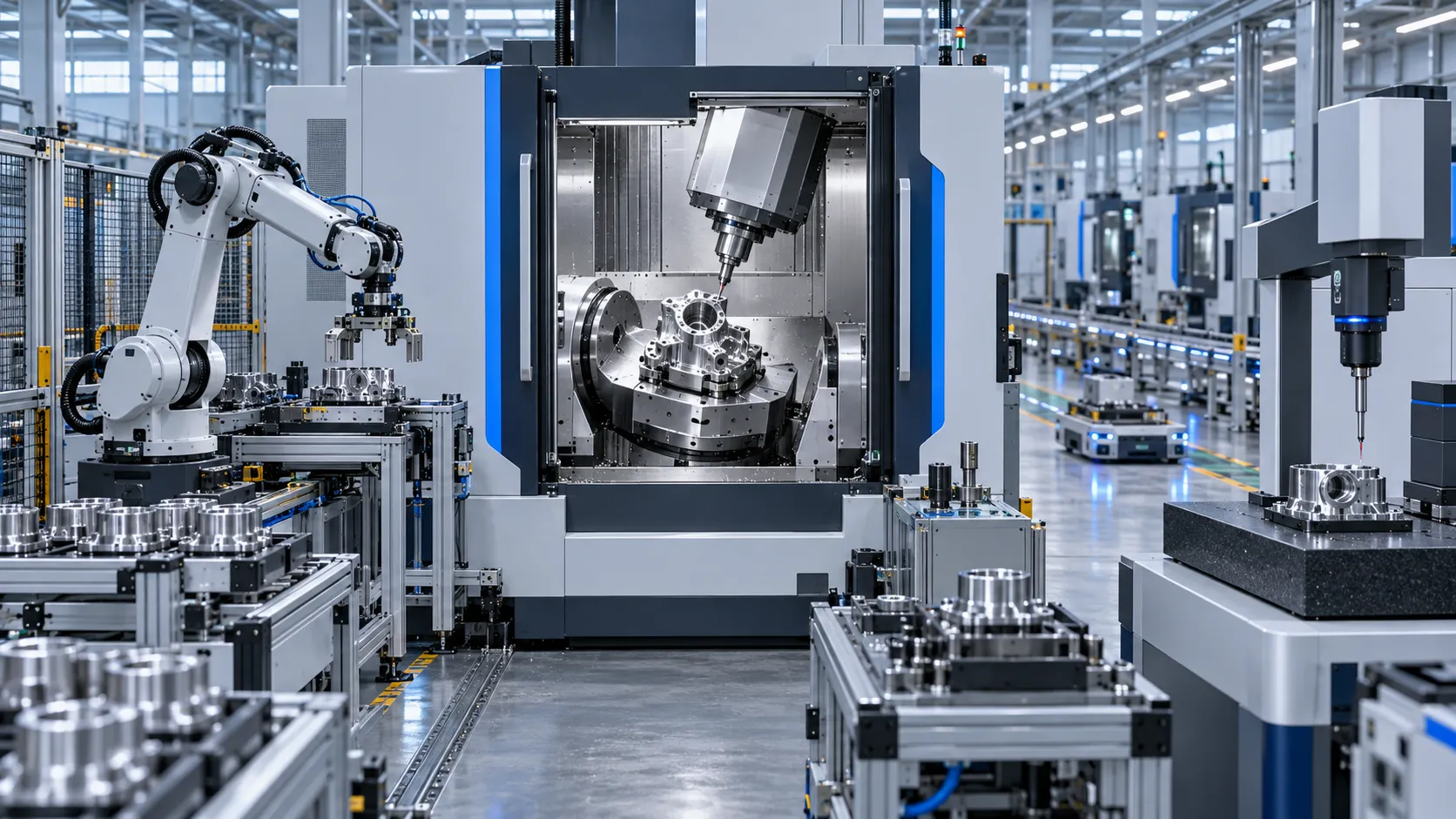
South East Asia Machine Tools Market: Demand Outlook by Manufacturing Industry
South East Asia machine tools market outlook: explore demand from automotive, electronics, fabrication, and infrastructure, plus smart sourcing priorities for manufacturers.
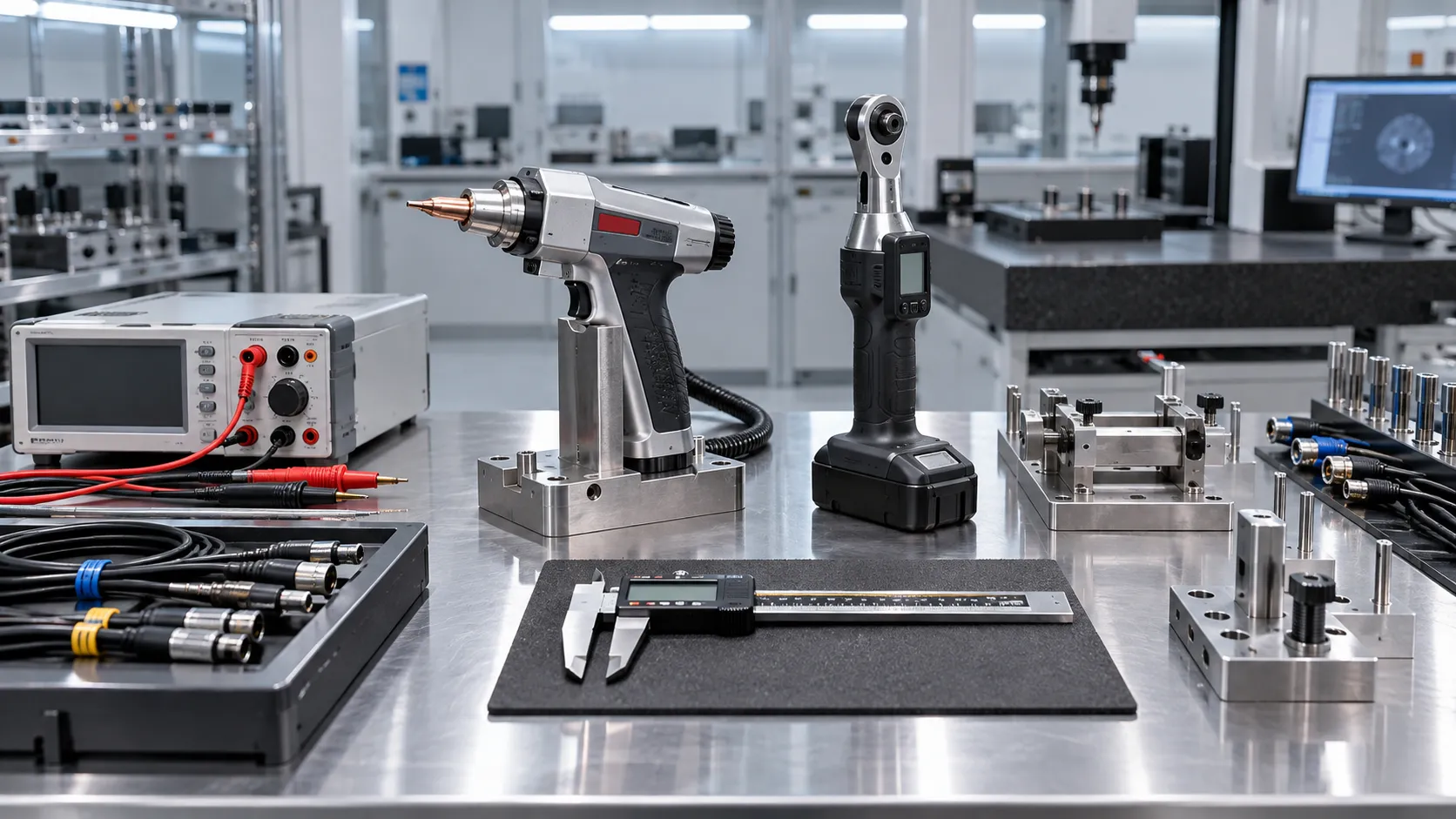
Which Industrial Standards Should Be Checked Before Export?
Which industrial standards should be checked before export? Discover essential compliance steps for industrial tools, welding equipment, laser systems, and metrology products.
Related News
- 00
0000-00
Equipment Application Guidance for the Middle East: Managing Heat and Dust - 00
0000-00
Choosing an Industrial IoT Platform: Key Criteria for Legacy Equipment - 00
0000-00
How to Select High-Precision Measuring Instruments for Tight-Tolerance Production? - 00
0000-00
How Do Advanced Manufacturing Methods Improve Batch Consistency? - 00
0000-00
How to Prototype Electronic and Semiconductor Parts for Early Performance Testing
Prof. Marcus Chen
Weekly Insights
Stay ahead with our curated technology reports delivered every Monday.