
Choosing an Industrial IoT Platform: Key Criteria for Legacy Equipment





Choose an industrial IoT platform by proving that it can collect trustworthy data from the actual legacy equipment, tolerate production conditions, and remain maintainable throughout the retrofit’s life. Protocol support is only the first filter. A suitable platform must also preserve process context, recover predictably from connection failures, and expose data without creating a permanent dependency on proprietary gateways or dashboards.
Start with a defined production question: identifying unexplained welding interruptions, linking fastening results to assemblies, or tracking measurement drift. Each requires different signals and timing. A platform that handles machine availability well can still be unsuitable for weld waveform analysis or measurement traceability. Selection becomes clearer when the required evidence is defined before comparing features.
Establish what the equipment can actually expose
An equipment inventory should record controller versions, available ports, existing network connections, accessible signals, and restrictions on adding hardware. Machines with similar names or functions can have different communication capabilities because of controller replacements, optional interfaces, or firmware changes. Evaluate representative configurations rather than assuming one successful connection covers an entire machine family.
Distinguish between data already available digitally and information that requires external sensing. A welding power source might expose current settings and fault codes while keeping detailed process waveforms inaccessible. An older torque controller might retain final tightening results but offer no supported means of exporting the full torque-angle curve. A measuring instrument with a serial output might transmit values only after a button press.
External sensors provide a useful route when machine interfaces are unavailable, but their conclusions have limits. Current sensing can indicate that a motor is energized; it does not establish that acceptable parts are being produced. Vibration changes need interpretation against speed, load, and mounting conditions. Record these limitations in the data model so inferred states are not presented as confirmed machine events.
Also establish the permitted level of intervention. Reading an existing interface, installing an isolated signal tap, and modifying controller logic have different commissioning requirements. Any proposal requiring production-program changes should identify the affected logic, validation work, and rollback procedure before entering the shortlist.
Protocol compatibility must survive a real connection test
A list containing OPC UA, Modbus, MQTT, and serial connectivity does not establish compatibility with a particular machine. These technologies serve different purposes. MQTT can transport messages from a gateway, but it does not make an undocumented controller interface readable. Modbus access still requires the correct register map, data types, scaling, and interpretation of multi-register values.
Require a demonstration using the intended controller, interface, and firmware. The demonstration should reveal how connections are configured, how communication failures appear, and whether supported drivers require separate licenses. Where a custom connector is necessary, establish who maintains it and how it will be tested after platform or operating-system updates.
Polling behavior deserves particular attention. Excessive requests can burden an older controller or congest a shared serial connection. Conversely, slow polling can miss short cycles or transient faults. An event counter retained by the controller often provides more dependable cycle totals than repeatedly sampling a momentary completion bit. Reliable collection depends on matching the access method to how the source represents events.
Use process timing to decide what belongs at the edge
Data acquisition, local processing, and cloud storage need separate specifications. The frequency at which a dashboard refreshes says little about the frequency at which a signal is captured. Sampling should follow the fastest event needed for the intended analysis, while accounting for sensor response, source update rate, and filtering. Faster collection cannot recover detail that the controller never exposes.
Welding illustrates this distinction. Cycle counts and fault histories need relatively little data compared with transient electrical behavior. Where waveform analysis is required, acquisition hardware and local processing must preserve the relevant signal detail. Sending occasional current readings to a cloud service does not provide equivalent evidence.
For fastening, a final torque value supports a different judgment from a torque-angle curve. For metrology, a dimensional reading loses much of its meaning without units, part identity, feature identification, and measurement status. Select edge capabilities around these differences rather than treating every device as a source of interchangeable numeric tags.
Local processing is also useful for buffering, event detection, and sending only relevant records upstream. However, each transformation should be documented. Averages can conceal brief excursions, and deadband filtering can suppress changes that matter near an acceptance limit. Preserve raw records where later investigation requires them, and define which derived values are sufficient for routine reporting.
Data integrity includes identity, timing, and missing information
A connected platform needs to distinguish when an event occurred from when its message arrived. Gateway timestamps alone can distort event sequences if equipment data is delayed or uploaded after an outage. Retain source timestamps where available, document their precision, and establish how clock synchronization is maintained. Where precise timing is unavailable, the platform should preserve that limitation.
Identifiers matter just as much. Repeated fastening attempts on the same joint must remain distinguishable, and a rejected measurement followed by a successful remeasurement should not silently overwrite the earlier result. Associate records with the relevant machine, part, operation, program revision, and sequence identifier whenever the source permits.
Test buffering as a recovery function. Storage capacity should be calculated from expected record volume and the outage duration the installation must withstand. Following reconnection, the platform needs to handle duplicates, ordering, and interruptions during replay. Event identifiers and documented deduplication rules are more useful than a general claim of reliable delivery.
Missing data must remain visible. A broken connection, an idle machine, and an unchanged process value are different conditions. Look for explicit quality states, stale-value detection, and collection-health monitoring. If a disconnected sensor leaves a dashboard displaying its last value without qualification, the interface creates false confidence even though the historical database remains intact.
Keep connectivity outside critical control and safety functions
For monitoring retrofits, prefer read-only access and prevent unintended writes through credentials, gateway configuration, and network controls. Remote parameter changes introduce a different scope of work because they affect machine behavior. They require controlled authorization and validation appropriate to the process, especially when welding settings, fastening programs, or measurement acceptance limits are involved.
Emergency stops, protective interlocks, and time-critical control should remain within the appropriate machine-control architecture. Cloud availability and ordinary telemetry delivery are unsuitable dependencies for those functions. Even a monitoring-only installation needs assessment of controller loading, physical wiring, and failure behavior so that a gateway fault does not interfere with production.
Assess security across the whole connection path. Relevant capabilities include unique device identities, protected credentials, encrypted communications where supported, network segmentation, role-based access, audit records, and controlled remote maintenance. Older devices that lack encryption need compensating controls around their connections. Installing a secure cloud service does not automatically secure the machine-facing network.
Updates and certificate renewal also need practical testing. Establish how gateways receive patches, whether updates require downtime, and how failed changes are reversed. If outbound connectivity is restricted, verify that installation, licensing, and maintenance work under those restrictions. Otherwise, a platform that passes a demonstration can become difficult to operate on the production network.
Compare ownership costs through the full deployment
License pricing rarely captures the effort required to connect mixed legacy assets. Include gateways, sensors, installation, driver development, signal mapping, commissioning, storage, network traffic, and ongoing support. Charging by device, tag, message volume, or retained data can produce very different costs for the same installation, particularly when high-frequency process records are involved.
Separate reusable engineering from work that repeats on every machine. A connector might be reusable across a controller family, while electrical installation and signal validation remain machine-specific. Estimate expansion from the actual equipment mix rather than multiplying the cost of the easiest pilot connection.
Maintenance ownership needs an explicit boundary. Someone must retain the configuration files, signal definitions, gateway backups, and recovery instructions. Clarify what happens when a driver supplier stops supporting an interface or a gateway operating system reaches the end of support. A locally serviceable architecture has value where production cannot wait for remote troubleshooting.
Data portability should be demonstrated before commitment. Export sample records with timestamps, quality flags, identifiers, units, and relevant metadata, then confirm that another application can interpret them. Access to numeric values through an API is insufficient if asset relationships, transformation rules, or event context remain inaccessible. Include export limits and charges in the cost comparison.
Make the pilot a test of production conditions
A useful pilot includes a representative difficult asset, not only the newest machine with the cleanest interface. Choose equipment that exposes the uncertainties in the proposed deployment: an older serial connection, inconsistent part identification, restricted network access, or a process producing short events. Define acceptance evidence before installation.
The acceptance criteria should connect technical behavior to the original production question. For downtime analysis, compare recorded transitions against observed machine states and reconcile cycle totals with a trusted source. For fastening traceability, verify that retries, rejected results, and program changes retain their identities. For measurement collection, confirm unit handling and the association between readings and the intended part feature.
Failure tests belong in the pilot. Disconnect the upstream network, restart the gateway, interrupt the machine connection, and verify recovery under controlled conditions. Observe whether records disappear, duplicate, lose context, or arrive with misleading timestamps. Also measure controller response and collection performance during normal production load.
Use mandatory requirements as rejection gates before applying weighted scores. A platform that cannot access a required signal or recover essential records should not win because its dashboards score highly. Score the remaining candidates on demonstrated fit, installation effort, maintainability, and lifecycle cost. Approve expansion when the pilot produces repeatable evidence and a documented deployment method that applies to the next group of machines.
Related News

In-House vs. Outsourced Aircraft Maintenance: Comparing Total Costs
Compare aerospace maintenance cost for in-house vs. outsourced aircraft upkeep. Discover hidden expenses, downtime impacts, and break-even factors to find the best fit for your fleet.
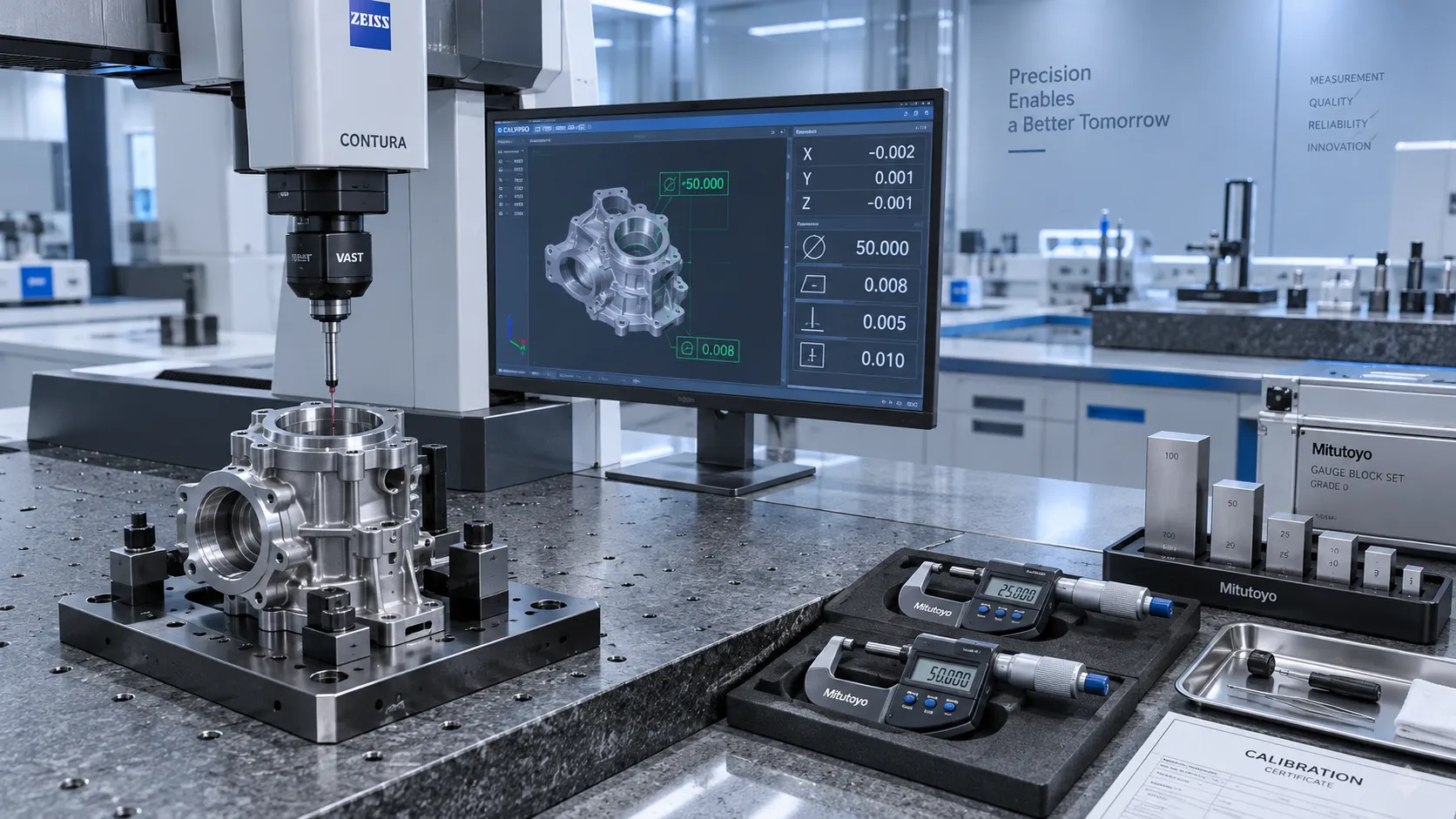
How to Select High-Precision Measuring Instruments for Tight-Tolerance Production?
High-precision measuring instruments are essential for tight-tolerance production. Learn how to evaluate accuracy, repeatability, environment, calibration, and data integration.
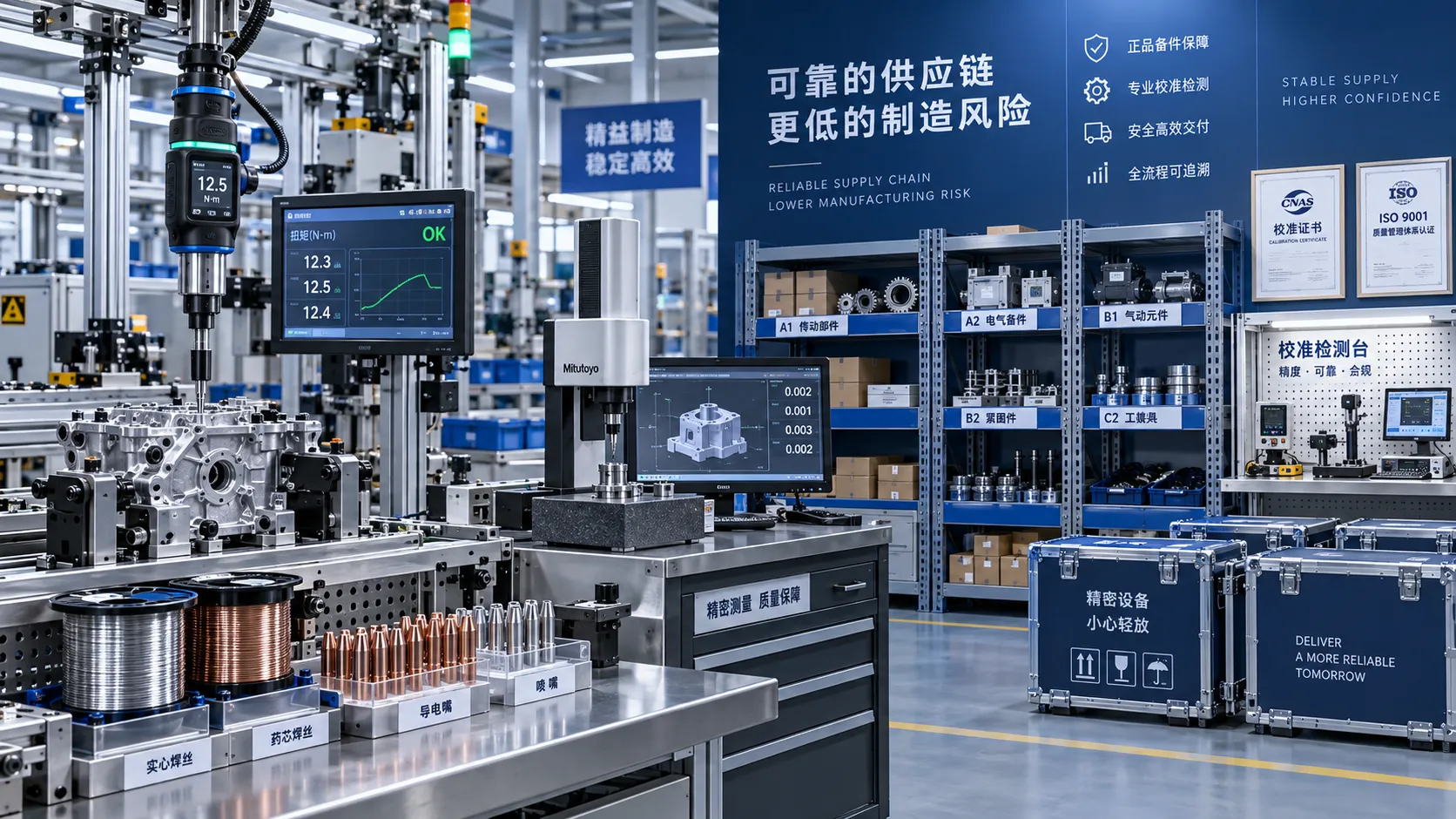
How Industrial Innovation Supplier Networks Reduce Sourcing Risk for Manufacturers
industrial innovation supplier network insights help manufacturers reduce sourcing risk, control lifecycle costs, and choose reliable tools, services, and suppliers with confidence.

South East Asia Machine Tools Market: Demand Outlook by Manufacturing Industry
South East Asia machine tools market outlook: explore demand from automotive, electronics, fabrication, and infrastructure, plus smart sourcing priorities for manufacturers.
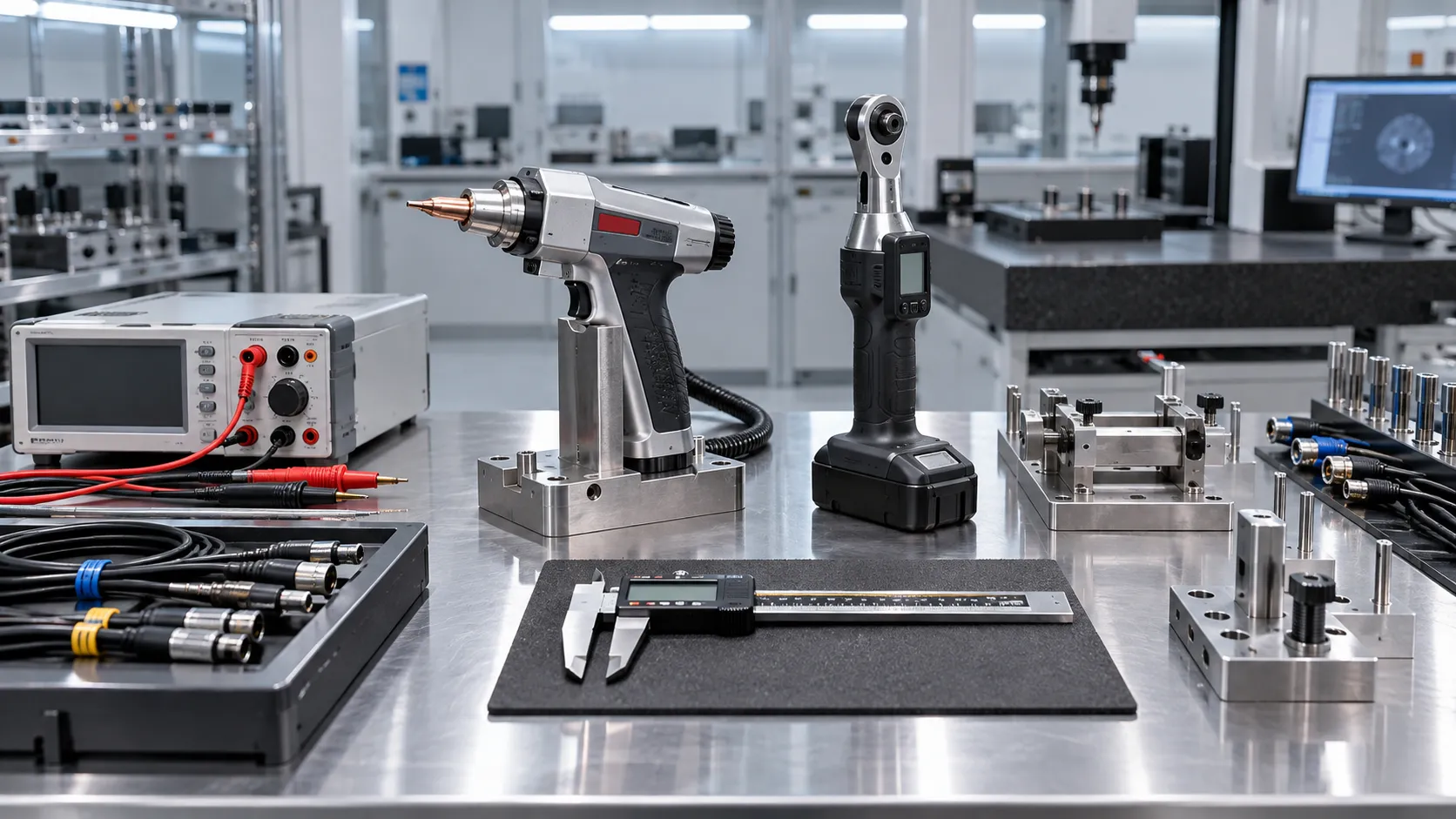
Which Industrial Standards Should Be Checked Before Export?
Which industrial standards should be checked before export? Discover essential compliance steps for industrial tools, welding equipment, laser systems, and metrology products.
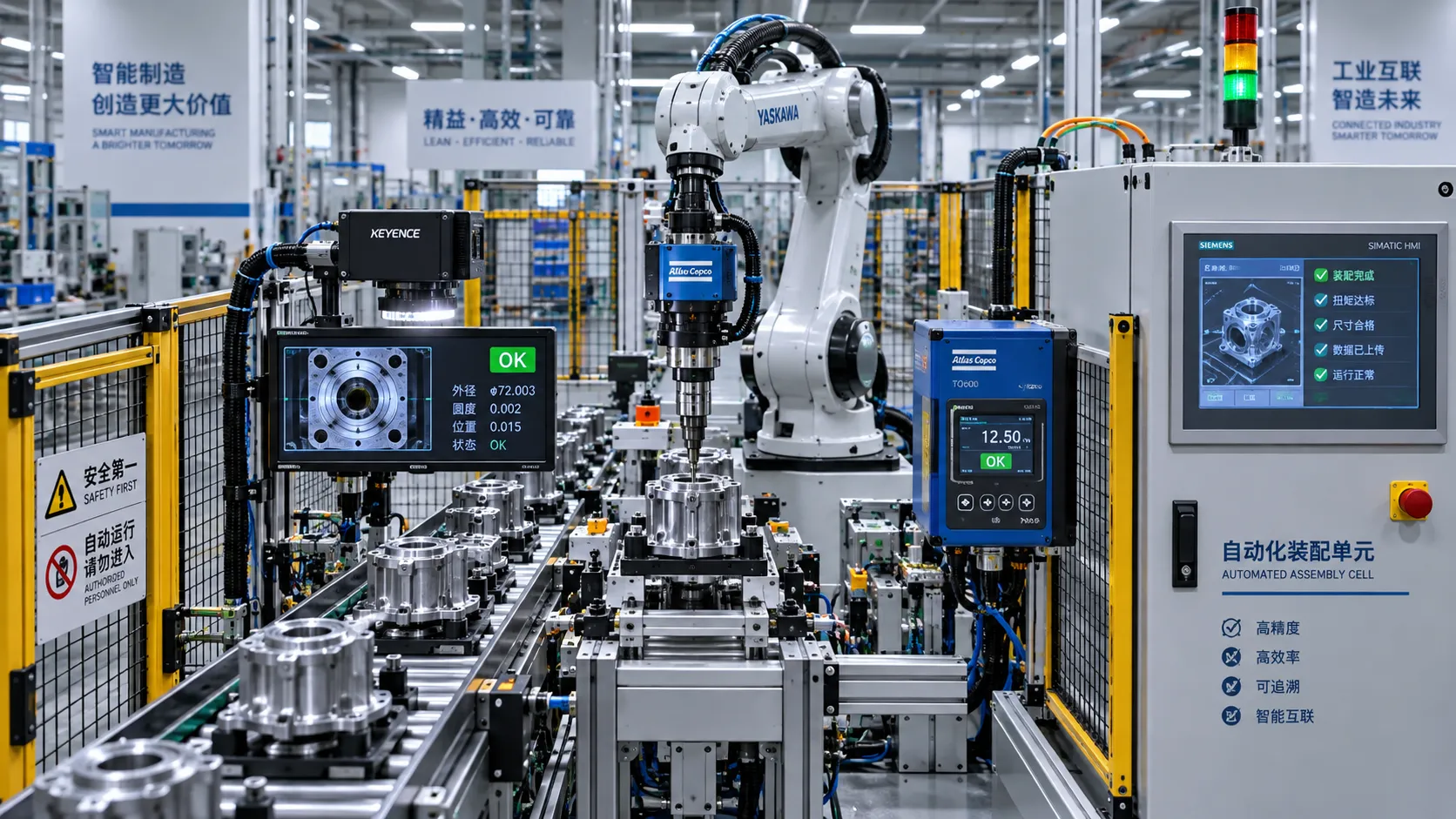
What Industrial Automation Exporters Need to Know Before Entering ASEAN Markets
Industrial automation exporter to ASEAN: learn how to navigate compliance, local service, digital readiness, pricing, and market entry for scalable growth.
PCB Prototyping Equipment Costs: Comparing In-House Machines and Outsourced Builds
PCB prototyping equipment costs compared: discover when in-house machines speed iterations and when outsourced builds deliver better value, quality, and scalability.
Prototype PCB Manufacturing Equipment: What Engineers Should Evaluate Before Purchase
Prototype PCB manufacturing equipment: discover the key factors engineers should evaluate—from accuracy and materials to software, safety, and ROI—before buying.

Workplace Ergonomics for Manufacturing: Reducing Repetitive-Strain Risks on Assembly Lines
Workplace ergonomics for manufacturing helps reduce repetitive-strain risks on assembly lines through smarter workstation design, tool selection, task analysis, and quality-focused improvements.
Related News
- 00
0000-00
Choosing an Industrial IoT Platform: Key Criteria for Legacy Equipment - 00
0000-00
How to Select High-Precision Measuring Instruments for Tight-Tolerance Production? - 00
0000-00
Prototype PCB Manufacturing Equipment: What Engineers Should Evaluate Before Purchase - 00
0000-00
Workplace Ergonomics for Manufacturing: Reducing Repetitive-Strain Risks on Assembly Lines - 00
0000-00
Selecting Adjustable Torque Tools for Repeatable Fastener Assembly
Prof. Marcus Chen
Weekly Insights
Stay ahead with our curated technology reports delivered every Monday.