
Torque System Suppliers: How to Assess References for Assembly Projects





A torque system supplier’s references are useful when they show how comparable equipment performs under comparable production conditions. A recognizable customer name establishes little if the installation uses different joints, runs at a slower pace, or relies on support arrangements unavailable at your plant.
When assessing supplier and solution references for torque systems, look for a connected chain of evidence: a similar assembly challenge, documented acceptance results, stable production performance, and support that continued after commissioning. The strongest references explain what went wrong as clearly as what worked.
Start with your assembly risks before requesting references
Sending every supplier a general request for “relevant customer references” leaves the supplier to define relevance. Write a short application profile first so each candidate responds against the same conditions.
Include the joint materials, fastener sizes, tightening strategy, operating torque range, production rate, access restrictions, and required records. Describe whether the work involves handheld tools, a suspended spindle, or an automated fastening station. Identify the consequences of an incorrectly tightened or missing fastener.
These details determine which references deserve attention. A supplier experienced in repetitive fastening on rigid metal joints may have limited evidence for assemblies involving gaskets, plastics, or changing friction conditions. Similar torque values alone do not establish similar difficulty.
Separate essential requirements from preferences. If production must stop when the wrong tightening program is selected, that behavior needs direct evidence. A preferred reporting dashboard may be negotiable. This distinction keeps an attractive demonstration from overshadowing an unresolved production risk.
Which torque system references are genuinely comparable?
Application similarity matters more than an exact match in industry or company size. An installation in another sector may provide stronger evidence if its joint behavior, operating conditions, and control requirements closely resemble yours.
Ask the supplier to identify material differences between each reference and your project. A credible response explains where previous experience applies and where trials remain necessary.
For example, fastening a rigid bracket and compressing a gasket can require different control approaches even when their target torque is similar. A reference proves more when the supplier can explain these differences and show how the tightening process was developed.
Separate tool capability from joint performance
A calibrated tool can deliver its specified torque while the assembled joint still has an unsuitable clamp load. Friction, coating, lubrication, component variation, and seating conditions influence how tightening torque translates into fastener tension.
This is why a calibration certificate and a successful assembly reference answer different questions. Calibration provides evidence about measurement performance under defined conditions. Application validation addresses whether the selected equipment and tightening strategy produce acceptable assemblies.
Request an evidence package appropriate to the project. Useful records may include:
- Acceptance criteria and the corresponding trial or commissioning results.
- Representative tightening traces showing torque and angle during the cycle.
- The basis for setting process limits and rejecting abnormal results.
- Calibration and maintenance records relevant to the equipment used.
- Production findings showing how rejected cycles and rework were handled.
Read these records with an assembly or quality engineer. A tightening trace can help reveal abnormal seating or changes in joint behavior, but interpreting it requires application knowledge. An “OK” result means the cycle met programmed criteria; its value depends on whether those criteria were properly developed.
If a supplier quotes process capability figures, ask what was measured, which limits were used, and whether the data came from a stable, representative process. Results from a test fixture may demonstrate tool behavior without establishing the capability of your production joint. Repeatedly tightening the same fastener can also change its friction conditions, so the test method matters.
Use reference calls to investigate production reality
A supplier-led presentation tends to emphasize installation success. A direct conversation with the people operating and maintaining the system reveals whether that success lasted. Where practical, include someone responsible for production or quality and someone responsible for maintenance.
Begin by establishing the reference contact’s involvement. Someone who approved the purchase may know the commercial history but have little visibility into daily faults, workarounds, or data problems.
Then ask questions that invite specific answers:
- What remained unresolved when the equipment entered production?
- Which faults or rejected cycles cause the most disruption?
- How does the system recover after an interrupted tightening operation?
- What happens when a tool, controller, or network connection becomes unavailable?
- Which maintenance tasks can your team complete without supplier assistance?
- What would you change in the original specification or contract?
Follow broad claims with a request for an example. If the contact says support is responsive, ask how the last significant issue was diagnosed and resolved. If uptime is described as excellent, establish whether backup tools, local spare controllers, or internal technicians contribute to that result.
Also distinguish recent installation feedback from established operating experience. A newly commissioned system can demonstrate delivery and startup competence. A longer-running installation can reveal wear, maintenance needs, software changes, and parts availability. Each provides different evidence.
Check traceability through a complete assembly record
“Full traceability” is too broad to accept without a demonstration. Establish what information is captured, how it is linked to the assembly, and whether it can be retrieved when a quality issue occurs.
Ask to follow one representative assembly through identification, program selection, tightening, result storage, rejection, and any subsequent rework. Depending on your requirements, the record may need to identify the product, joint position, tool, tightening program revision, result, and time of operation.
The relationship between records matters as much as the individual fields. If a failed cycle is followed by a successful retry, the history should make that sequence understandable. Otherwise, a final passing result may conceal repeated attempts or an uncontrolled repair process.
Examine exceptional conditions as well. During a network outage, can the station continue, and under what restrictions? Where are results buffered? How are records reconciled after reconnection? The acceptable behavior depends on the application, but it should be deliberate and demonstrated.
Request a sample export or report in a usable format. A screen displaying results does not establish that your quality team can retrieve the required history or that another system can interpret it correctly.
Establish who actually delivered the referenced solution
A torque tool manufacturer, distributor, software provider, and automation integrator may all participate in one installation. The reference needs to establish which organization performed the work relevant to your purchase.
If your project includes fixtures, reaction devices, barcode identification, PLC communication, and manufacturing system integration, a reference covering only tool supply leaves major responsibilities untested. Ask who developed the joint process, programmed station behavior, configured data exchange, and resolved commissioning faults.
Integration experience should include failure recovery. A controller successfully communicating with a PLC during a demonstration says little about recovery after power loss, a product change, or replacement of a failed component. Reference discussions should establish how these conditions were handled in production.
Turn that understanding into a responsibility schedule for your project. Identify who owns each interface, who approves changes, and who leads diagnosis when the tool functions correctly but the station cannot complete its cycle.
Judge support by its effect on production recovery
A service promise becomes useful when it explains how production resumes. A quick acknowledgment of a fault is different from having a technician, replacement controller, or compatible spare tool available.
Ask reference customers about the complete recovery process: initial diagnosis, remote access, parts delivery, configuration restoration, repair, and return to service. Establish whether replacement equipment can use existing programs and whether calibration or application checks are needed before production restarts.
Geography can change the answer. A strong reference near a service center does not establish equivalent coverage at a distant plant. Check the proposed service route, working hours, escalation contacts, and the location of critical spares.
Include training and configuration control in the assessment. Operators need clear instructions for rejected cycles and interrupted work. Maintenance teams need access to backups and recovery procedures. Quality staff need a controlled way to review and authorize tightening-program changes.
These requirements also affect ownership cost. Compare quotations using the same assumptions for software access, calibration, spare equipment, repairs, training, and integration support. A reference can expose recurring needs that an equipment price alone does not capture.
Handle weak or confidential references proportionately
Some customers cannot share names, production data, or detailed process information. Confidentiality alone is not evidence of poor performance. A supplier may still provide redacted acceptance records, an anonymized application description, or a controlled discussion that avoids sensitive details.
Concern increases when confidentiality is used to avoid every substantive question. General testimonials, unexplained performance claims, and demonstrations disconnected from the proposed configuration provide limited grounds for a purchase decision.
A newer supplier may also have few directly comparable installations. Assess that gap against project risk. A replaceable tool for a readily inspected assembly presents different exposure from an integrated station controlling critical joints. Where references are limited, representative trials and clearly defined acceptance conditions become more important.
Convert reference findings into purchase conditions
Record each important requirement alongside the evidence received, the remaining gap, and the action needed to close it. Keep critical gaps visible rather than averaging them into an overall supplier score. Strong service references cannot compensate for an unproven tightening process.
Use the findings to define factory and site acceptance tests. Test representative components, expected variation, cycle requirements, program selection, rejected operations, rework, data retrieval, and recovery from relevant faults. Where operator handling or plant interfaces affect performance, include them in site testing.
Agree on measurable acceptance criteria, required documentation, responsibility for corrections, and the treatment of unresolved items before committing to the installation. Reference evidence should shape these conditions directly.
The supplier worth advancing is the one that can connect comparable production experience to your specific requirements and explain the remaining gaps clearly. Ask for that connection in writing, then use it to decide what must be demonstrated before the system enters production.
Related News

Equipment Application Guidance for the Middle East: Managing Heat and Dust
Explore application guidance Middle East teams can use to manage heat and dust, protect welding equipment, batteries and precision tools, and reduce downtime. Get practical tips.
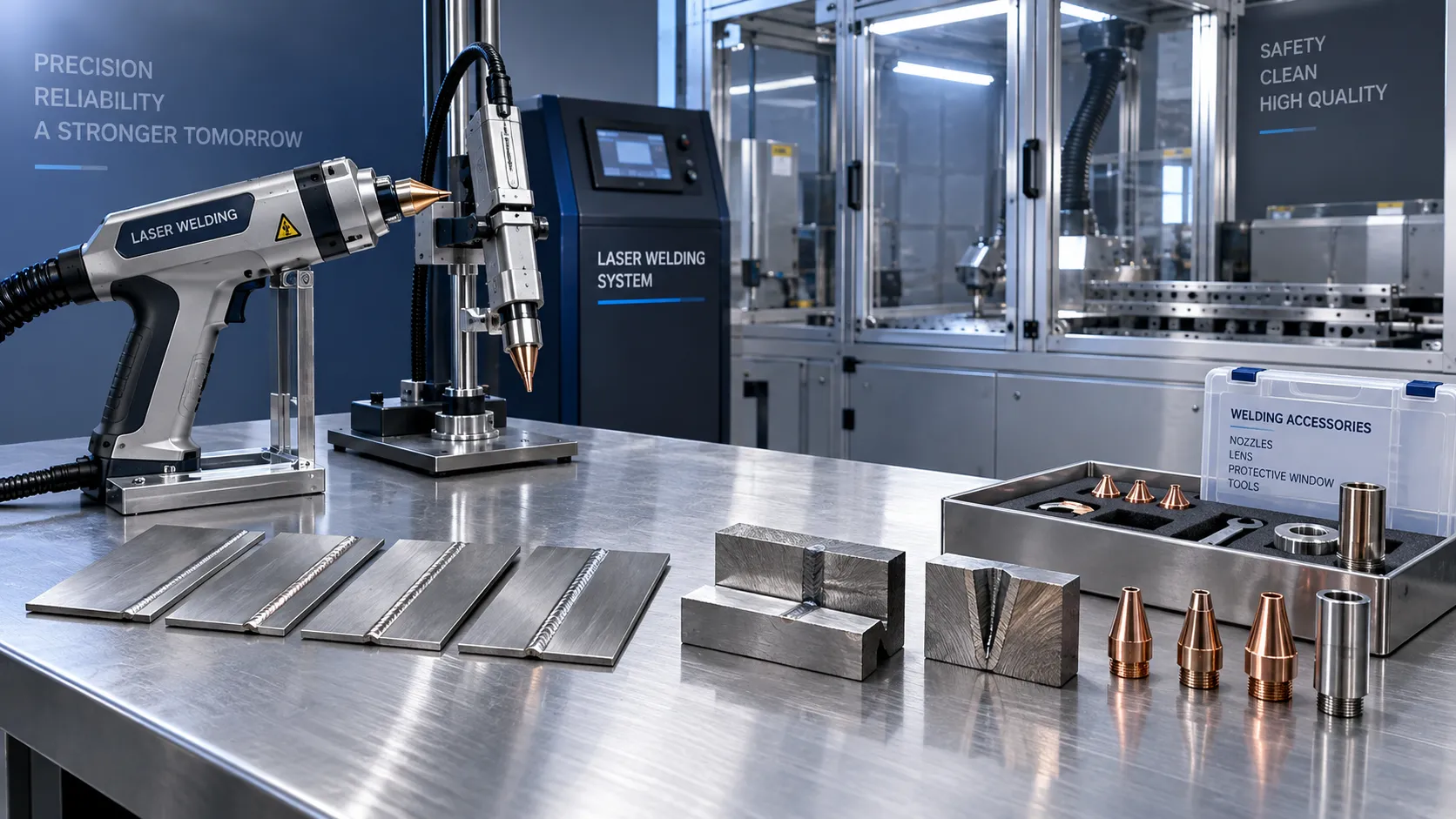
Choosing a Handheld Laser Welding Supplier: Weld Trials, Training, and Service
Choose a handheld laser welding supplier with proven weld trials, safety training, and reliable service. Learn what to verify before buying to reduce downtime and protect your investment.
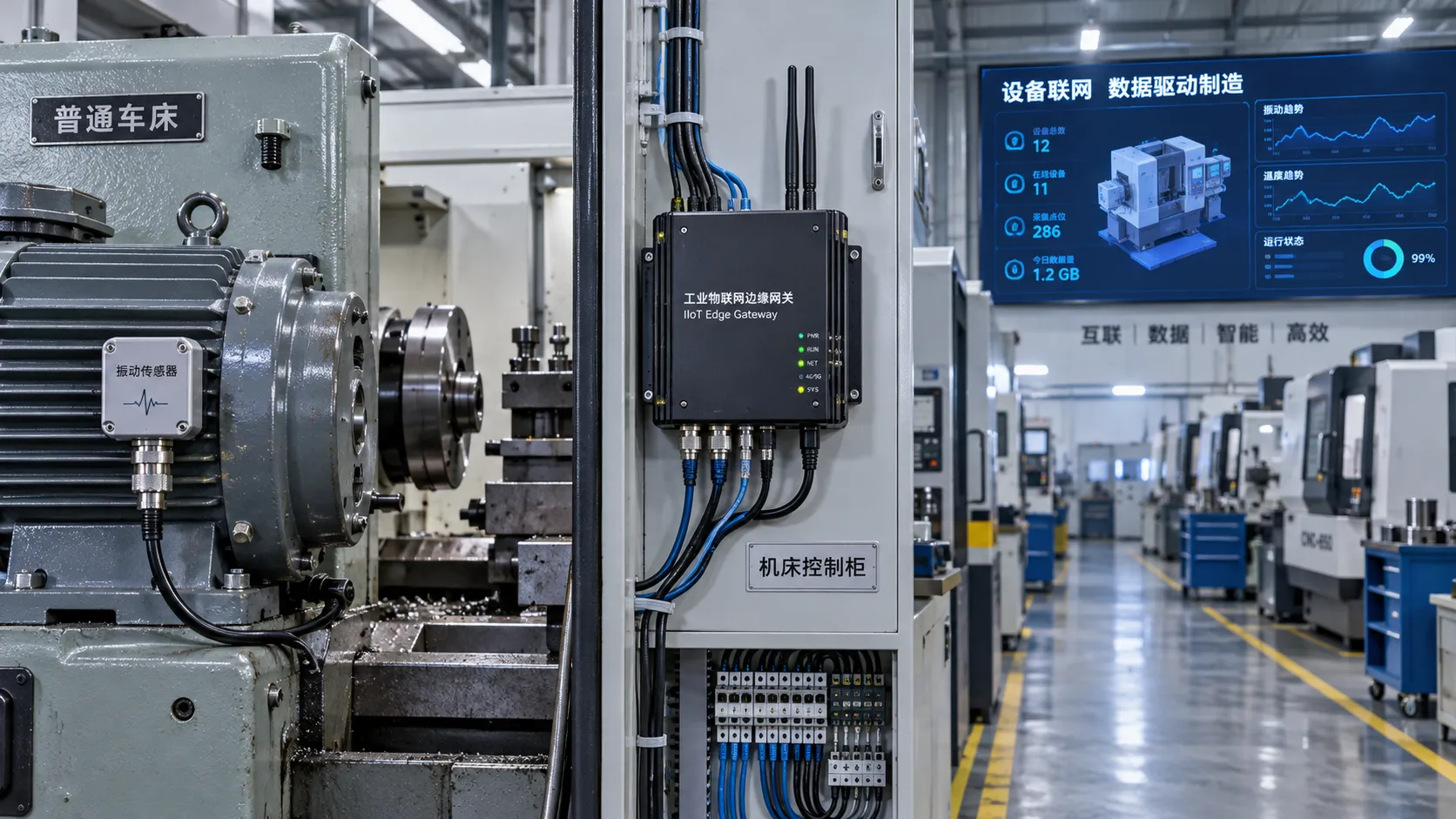
Choosing an Industrial IoT Platform: Key Criteria for Legacy Equipment
Choose an industrial IoT platform for legacy equipment with confidence. Discover key checks for connectivity, data integrity, security, and lifecycle costs before investing.

In-House vs. Outsourced Aircraft Maintenance: Comparing Total Costs
Compare aerospace maintenance cost for in-house vs. outsourced aircraft upkeep. Discover hidden expenses, downtime impacts, and break-even factors to find the best fit for your fleet.
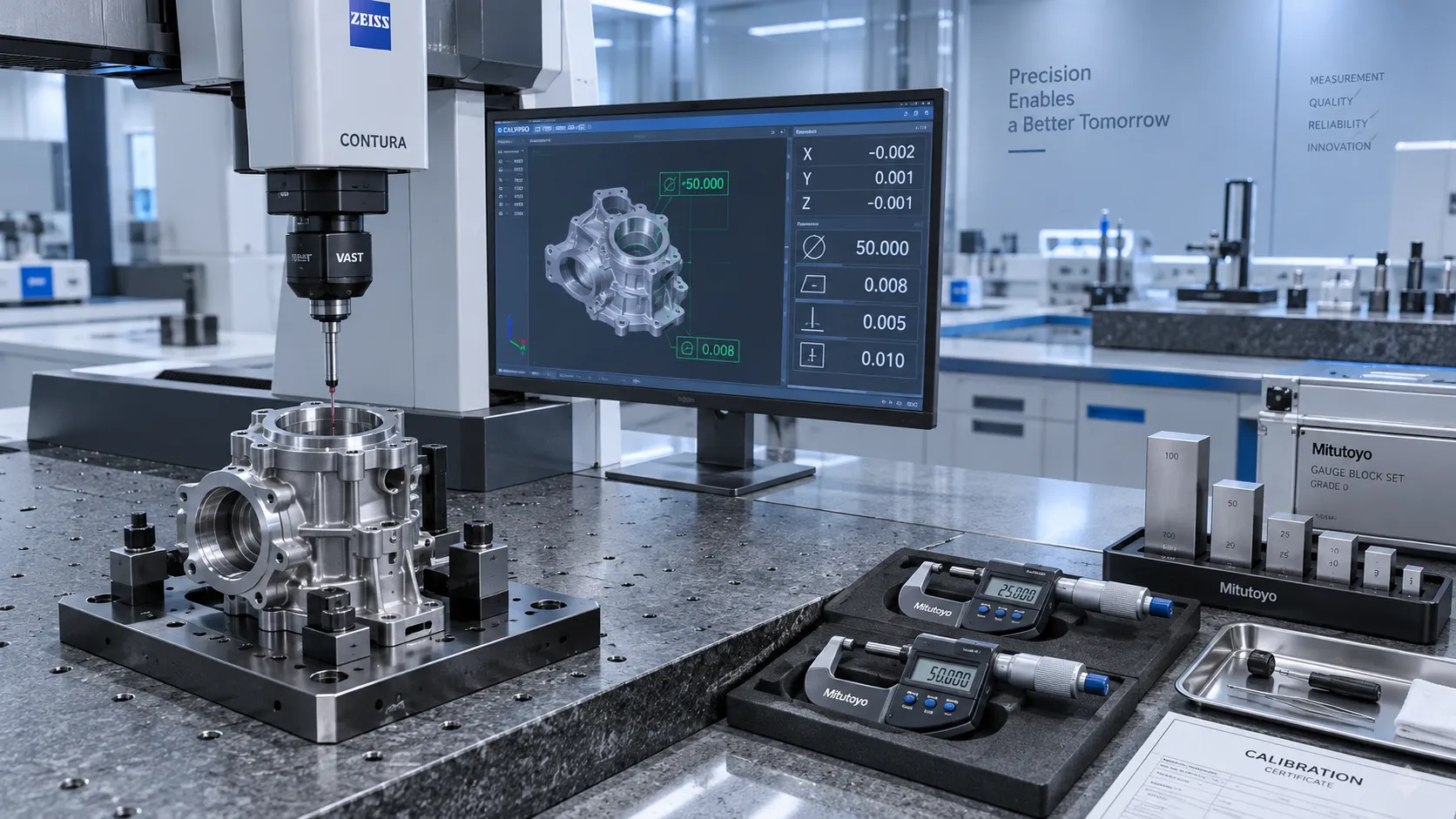
How to Select High-Precision Measuring Instruments for Tight-Tolerance Production?
High-precision measuring instruments are essential for tight-tolerance production. Learn how to evaluate accuracy, repeatability, environment, calibration, and data integration.
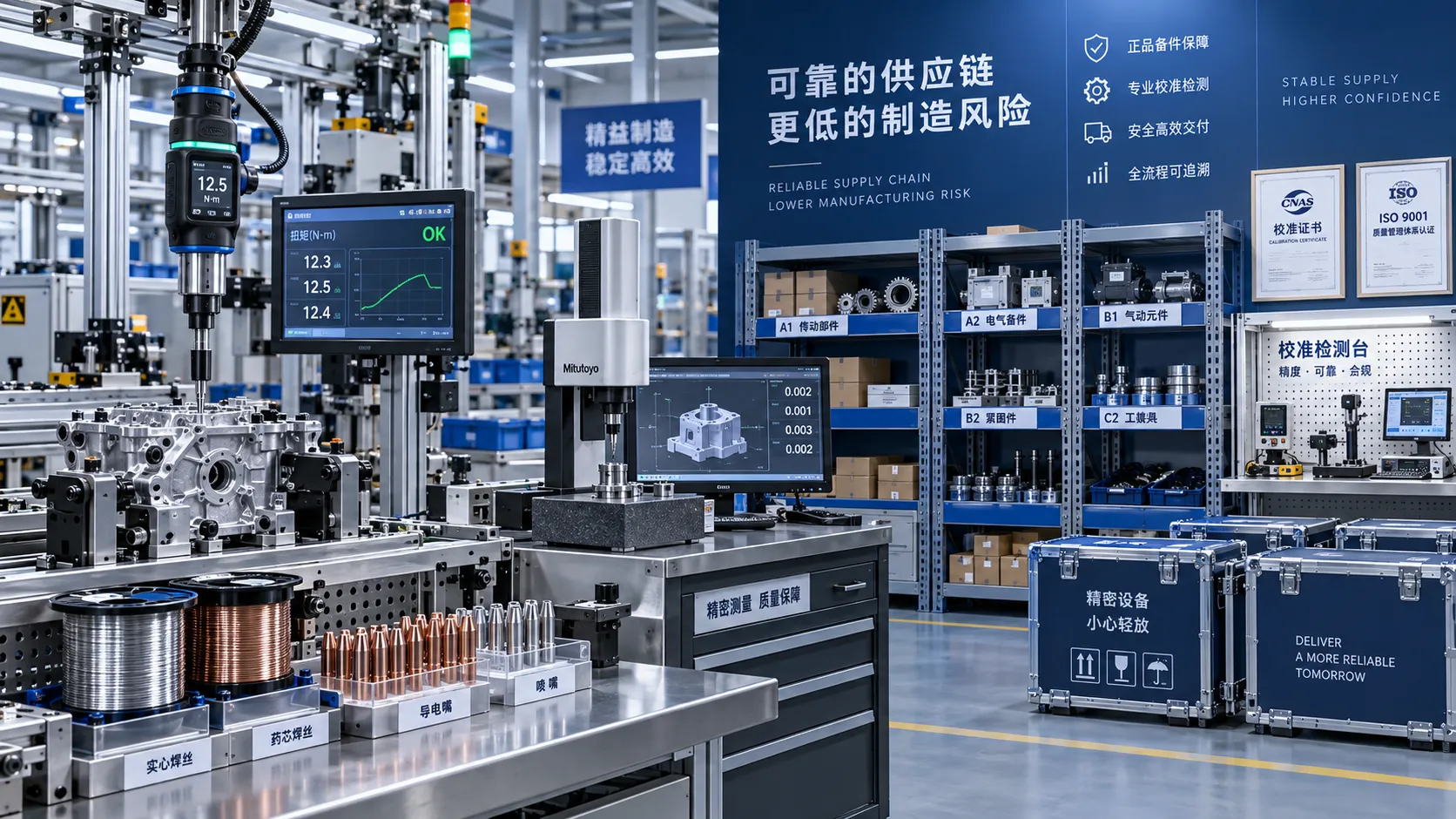
How Industrial Innovation Supplier Networks Reduce Sourcing Risk for Manufacturers
industrial innovation supplier network insights help manufacturers reduce sourcing risk, control lifecycle costs, and choose reliable tools, services, and suppliers with confidence.
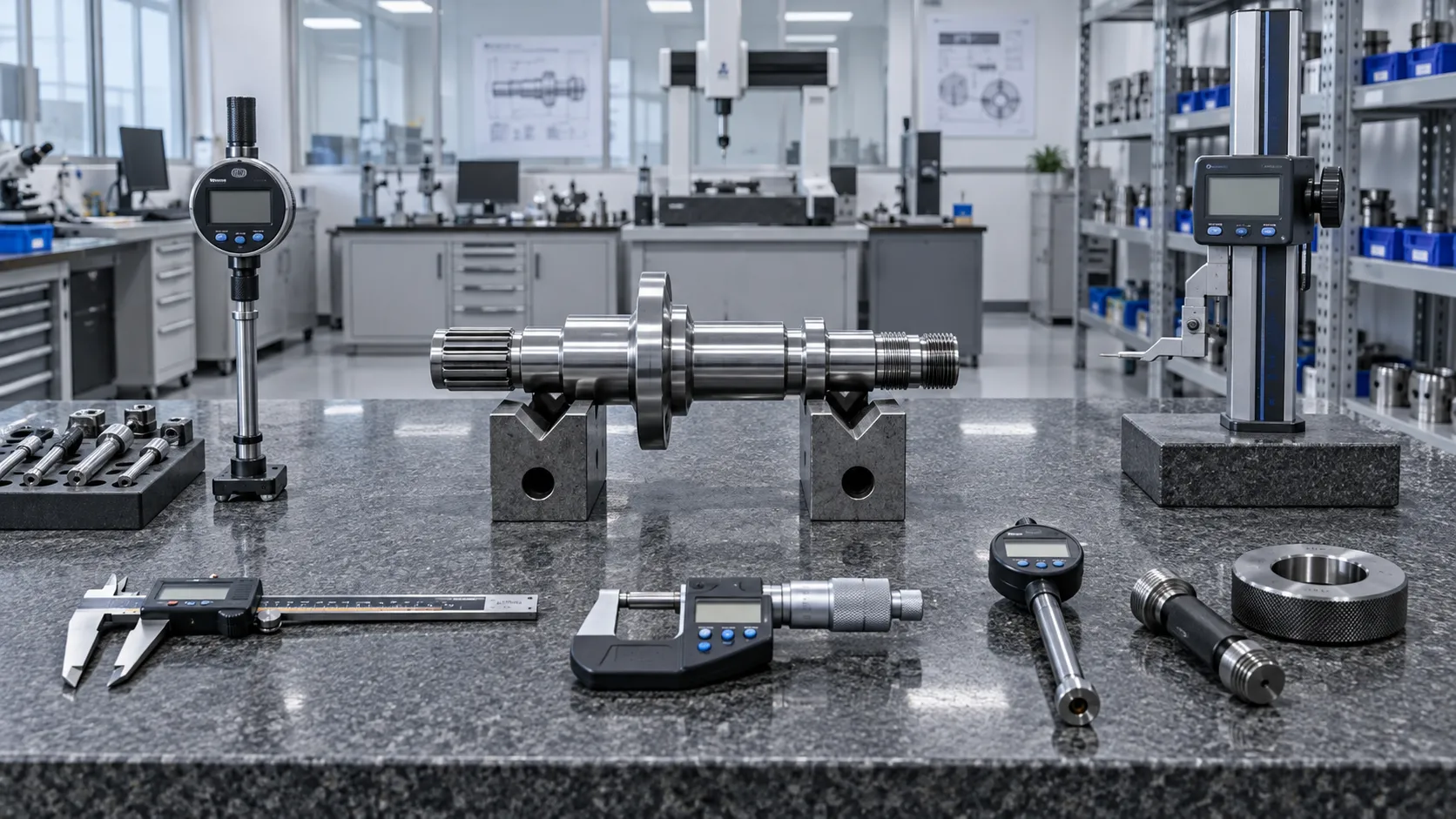
Which Precision Measuring Tools Are Best for Incoming Inspection?
Which precision measuring tools are best for incoming inspection? Explore calipers, micrometers, gauges, CMMs, and smarter strategies to prevent costly defects.
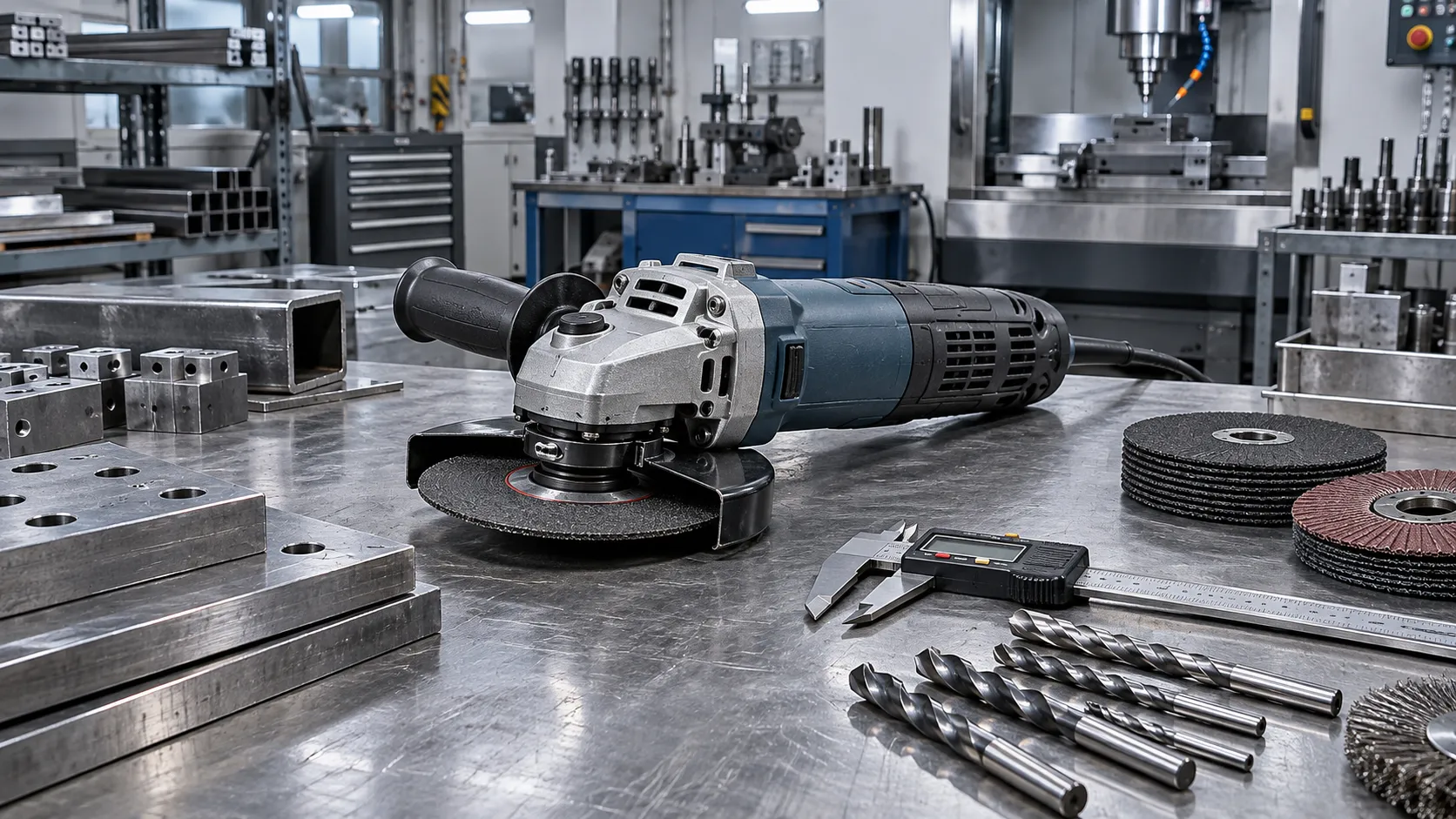
Are Lower-Cost Metalworking Tools More Likely to Fail Early?
Are cheaper metalworking tools more likely to fail early? Explore duty cycle, build quality, and total ownership costs to make smarter buying decisions.

How Do Advanced Manufacturing Methods Improve Batch Consistency?
How do advanced manufacturing methods improve batch consistency? Discover how precision metrology, intelligent torque control, welding automation, and traceable data reduce variation and improve quality.
Related News
- 00
0000-00
Torque System Suppliers: How to Assess References for Assembly Projects - 00
0000-00
Choosing a Handheld Laser Welding Supplier: Weld Trials, Training, and Service - 00
0000-00
In-House vs. Outsourced Aircraft Maintenance: Comparing Total Costs - 00
0000-00
How to Compare Industrial Tool Suppliers for Quality, Lead Time, and Total Cost - 00
0000-00
How to Evaluate a Technology Integration Service Provider for Complex Projects
Dr. Alistair Vaughn
Weekly Insights
Stay ahead with our curated technology reports delivered every Monday.