
Choosing a Handheld Laser Welding Supplier: Weld Trials, Training, and Service





A handheld laser welding supplier should be judged on three deliverables: repeatable weld quality on production-representative parts, training that supports both competent operation and safe use, and service commitments that can restore the installed system when it fails. Machine price and rated power matter only after these conditions are satisfied.
A polished demonstration does not prove production readiness. The demonstrated joint may have tighter fit-up, cleaner surfaces, easier access, or more experienced handling than the intended application. An attractive quotation can also exclude protective infrastructure, commissioning, qualification testing, and critical spare parts. The useful comparison is therefore not price per kilowatt, but the cost and evidence required to establish a dependable welding process.
Make the weld trial a test of the application
Before requesting demonstrations, define the actual work: material grades, thickness combinations, joint geometry, surface condition, dimensional tolerances, weld length, and required production volume. Identify whether the weld must provide structural strength, leak tightness, corrosion resistance, acceptable appearance, or some combination. These requirements determine what the supplier needs to demonstrate.
For example, an attractive seam on thin stainless steel does not establish suitability for an aluminum assembly with variable gaps. Laser absorption, heat conduction, oxide condition, and filler requirements differ. Even within one material family, a change in thickness combination or joint access can alter the process window. Rated power alone cannot resolve these differences.
Provide samples from the intended production route, not only specially prepared coupons. Include acceptable extremes of fit-up and surface variation. If incoming parts carry oil, coatings, or protective film, agree on the cleaning or removal requirements before testing; do not let these conditions disappear silently from the demonstration.
The trial should use the configuration being quoted. Record the laser source, welding head, optics, software version, wire feeder where applicable, and cooling arrangement. A result achieved with a different head or optional accessory is not evidence for the base package unless that configuration becomes part of the order.
Ask the supplier to record the settings and preparation behind each accepted weld, including:
- Material specification, thickness, joint dimensions, and measured gap.
- Power settings, travel speed, beam oscillation settings where used, and filler wire details.
- Shielding gas specification and flow, cleaning method, and fixture arrangement.
- Operator, sample identification, inspection results, and any rejected attempts.
Rejected samples matter because they reveal sensitivity to operating conditions. A supplier who produces one excellent seam after repeated adjustments has demonstrated feasibility, but not necessarily a repeatable production process. Request repeated runs under the same settings, then deliberate checks at the agreed limits of part variation.
Separate appearance from weld acceptance
A smooth surface can conceal incomplete fusion, porosity, or inadequate penetration. Acceptance criteria should therefore be agreed before the trial, with inspection methods matched to the function of the joint. Visual inspection may be sufficient for some noncritical appearance requirements, but it cannot establish internal weld integrity.
Depending on the application, evaluation may include sectioning and macro examination, tensile or bend testing, leak testing, or an appropriate nondestructive examination method. No single test proves every relevant property. A leak test, for instance, establishes performance under specified test conditions; it does not automatically establish structural strength or fatigue resistance.
Where a product specification or construction code applies, check whether it permits the proposed process and what procedure and operator qualifications are required. Supplier demonstration records do not automatically satisfy those requirements. Agree who will arrange testing, who pays for it, and whether independent laboratory results are needed.
Productivity must also be measured across the complete operation. Include loading, positioning, cleaning, welding, inspection, finishing, and rework—not just the seconds during which the beam is active. Reduced distortion may lower straightening time, while tighter fit-up requirements may increase upstream preparation costs. Both effects belong in the business case.
Where practical, have the intended operators repeat the approved trial after training, within a properly controlled laser work area. This helps distinguish machine capability from demonstrator skill. If acceptable results depend on a narrow torch angle or highly consistent travel speed, the supplier should make that constraint explicit rather than presenting the process as universally easy.
Training must cover the process and the laser work area
Handheld industrial laser welding systems generally involve Class 4 laser hazards, subject to the classification of the actual equipment. Direct, reflected, and scattered radiation can create serious eye and skin risks. The purchasing decision must therefore include the installation and its controls, not merely the handheld tool.
Ask a competent laser safety specialist to assess the proposed workplace before finalizing the package. Required controls depend on the equipment, wavelength, accessible emission, workpiece geometry, and surrounding area. Protective eyewear is one element of protection; it is not a substitute for suitable engineering controls.
The assessment may identify a need for a controlled enclosure or suitably designed barriers, access interlocks, beam termination arrangements, warning systems, and procedures that keep other workers outside hazardous exposure areas. Barriers and viewing windows must be suitable for the actual laser exposure conditions, not simply labeled as welding screens. Fume extraction, fire prevention, and electrical safety also require attention.
IEC 60825-1 addresses laser product classification and requirements, while ISO 11553-2 specifically addresses safety requirements for handheld laser processing devices. Their applicability, adopted editions, and legal status should be checked for the destination market. A claim of “IEC compliant” without identifying the standard, edition, product configuration, and supporting documentation provides little assurance.
A CE mark or another conformity mark does not establish that every proposed workplace arrangement is safe. Request the relevant declaration, instructions, and supporting compliance information, then verify that they correspond to the supplied model and accessories.
Training scope should be written into the quotation. It should cover safe startup and shutdown, authorized operating conditions, parameter control, workpiece preparation, defect recognition, consumable replacement, routine maintenance, and responses to faults. Operators also need to understand reflected-beam hazards, prohibited uses, and the consequences of defeating interlocks.
Define the training location, language, duration, number of participants, and assessment method. Attendance alone is not proof of competence. A stronger deliverable is documented demonstration that trainees can set up the approved job, recognize unacceptable results, and follow the site’s safety procedures. Responsibility for site-specific safety approval should remain clearly assigned rather than implied by a supplier’s training certificate.
Test the service promise before placing the order
“Local service available” is not a measurable commitment. Establish who will answer the call, where technicians are based, what they can repair, and which faults must be escalated to the manufacturer. A distributor may stock consumables and provide demonstrations without having the authority or equipment to repair a laser source.
Request separate commitments for initial response, remote diagnosis, technician dispatch, and restoration. These are different milestones. A rapid response can still lead to extended downtime if a replacement assembly must be shipped internationally.
The service discussion should establish practical answers to the following questions:
- Which parts are stocked locally, and which require factory shipment?
- Are source, head, control, cooling, and wire-feed faults covered through one support channel?
- Who pays freight, duties, travel, labor, and replacement-part costs during warranty repairs?
- Does the warranty begin at dispatch, delivery, installation, or acceptance?
- Is a loan unit available, and does it require additional setup or process validation?
- Can repair support continue if the original distributor stops trading?
Warranty exclusions deserve close attention. Protective windows, nozzles, and other wear items may be excluded, but contamination or cooling-related failures can also create disputes. Ask for maintenance requirements, operating limits, and evidence needed for a claim before purchase. These conditions should be achievable in the intended workshop.
Confirm access to parameter backups, fault histories, manuals, and software updates. Clarify whether recipes can be exported, whether subscriptions or activation fees apply, and whether remote diagnostics require access through the company network. A machine that operates only with undocumented supplier assistance creates an avoidable dependency.
For an overseas purchase, distinguish physical delivery from operational handover. Transport terms determine certain logistics responsibilities, but they do not establish commissioning, training, or weld acceptance. Those obligations need separate contractual wording, including the language of documentation and the party responsible for installation support.
Compare the cost of accepted production, not the equipment package
Build the cost comparison around a defined workload and planning period. Include the complete installed system, protective infrastructure, extraction, electrical work, fixtures, qualification tests, commissioning, training, consumables, maintenance, and service travel. Add the cost of expected rework and downtime using assumptions that are visible and can be challenged.
One useful measure is:
Cost per accepted part = total allocated ownership and operating cost ÷ number of parts that meet acceptance requirements.
This prevents a fast welding demonstration from masking low yield or extensive finishing. It also avoids assuming that every hour of machine availability will generate saleable output. Labor savings should reflect actual staffing changes or usable capacity gains, rather than simply treating faster welding time as cash savings.
Ask each supplier to price the same operating configuration and service scope. Normalize quotations for wire feeders, extraction equipment, safety infrastructure, commissioning days, travel costs, spare parts, and warranty coverage. Otherwise, the lowest offer may merely contain the fewest obligations.
Use sensitivity checks instead of a single optimistic payback figure. Examine the effect of lower production utilization, additional preparation time, increased protective-window consumption, and a significant repair delay. These scenarios do not predict failure; they show whether the investment remains acceptable when assumptions change.
Tie payment and acceptance to documented results
The purchase agreement should connect the demonstrated process to the delivered machine. Attach the approved configuration, sample records, acceptance criteria, training scope, documentation requirements, and service commitments. Specify whether acceptance occurs at the supplier’s premises, after installation, or at both stages.
A factory acceptance test can confirm the ordered configuration and agreed weld capability before shipment. Site acceptance can verify installation, operation with local utilities, training completion, and performance on the agreed parts. Any safety deficiencies affecting operation should be resolved before production use, not deferred as routine warranty items.
Where commercially feasible, link payment milestones to these deliverables. Define how failed acceptance tests will be corrected, when retesting will occur, and what happens if the system cannot meet the agreed requirements. Avoid terms that leave acceptance dependent on an undefined “satisfactory weld.”
The decisive evidence is a traceable connection between the intended joint, repeatable test results, competent operation, and a credible recovery path after failure. If a supplier cannot document that connection, a lower machine price is not yet a lower production cost.
Related News
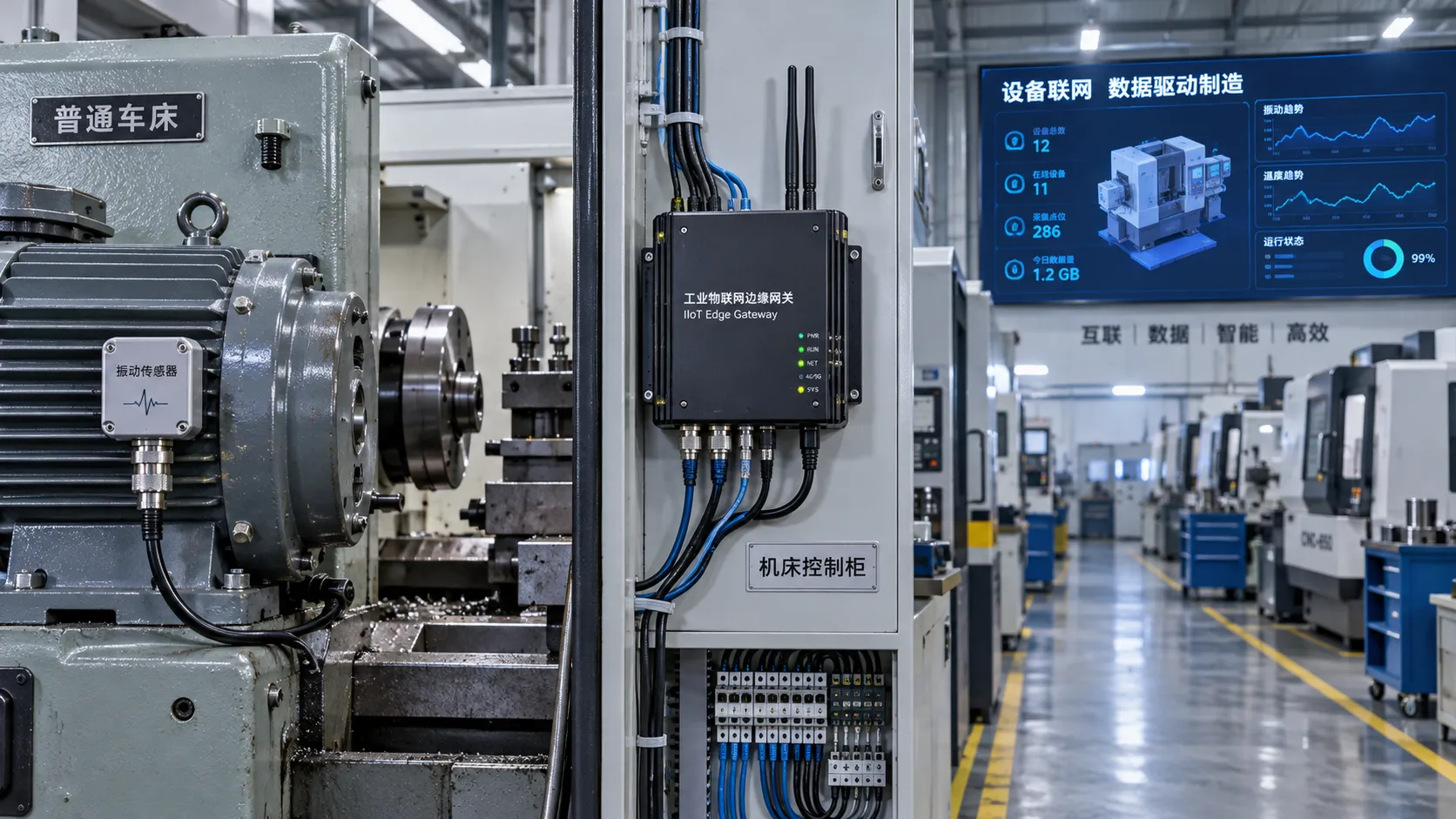
Choosing an Industrial IoT Platform: Key Criteria for Legacy Equipment
Choose an industrial IoT platform for legacy equipment with confidence. Discover key checks for connectivity, data integrity, security, and lifecycle costs before investing.

In-House vs. Outsourced Aircraft Maintenance: Comparing Total Costs
Compare aerospace maintenance cost for in-house vs. outsourced aircraft upkeep. Discover hidden expenses, downtime impacts, and break-even factors to find the best fit for your fleet.
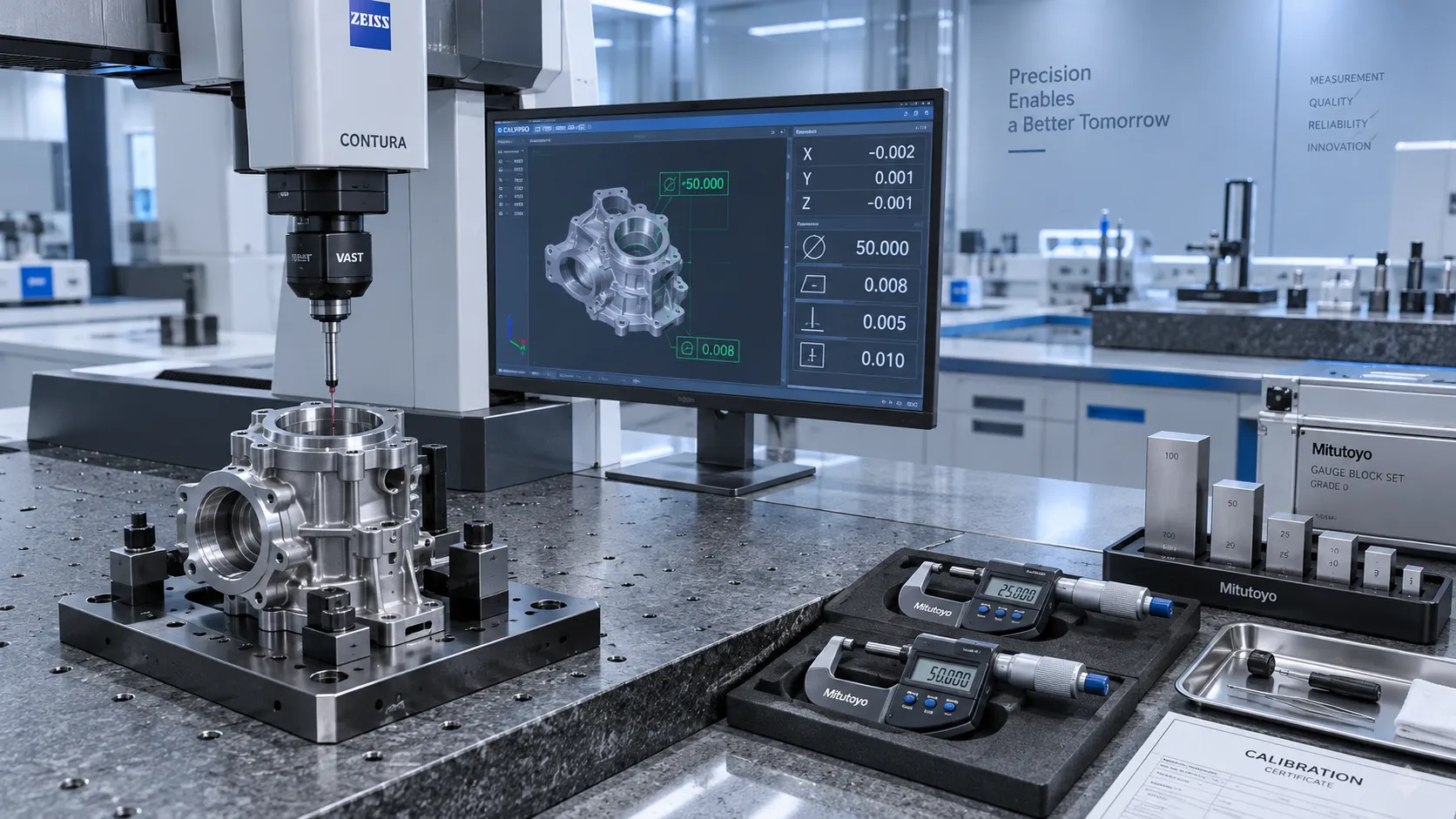
How to Select High-Precision Measuring Instruments for Tight-Tolerance Production?
High-precision measuring instruments are essential for tight-tolerance production. Learn how to evaluate accuracy, repeatability, environment, calibration, and data integration.
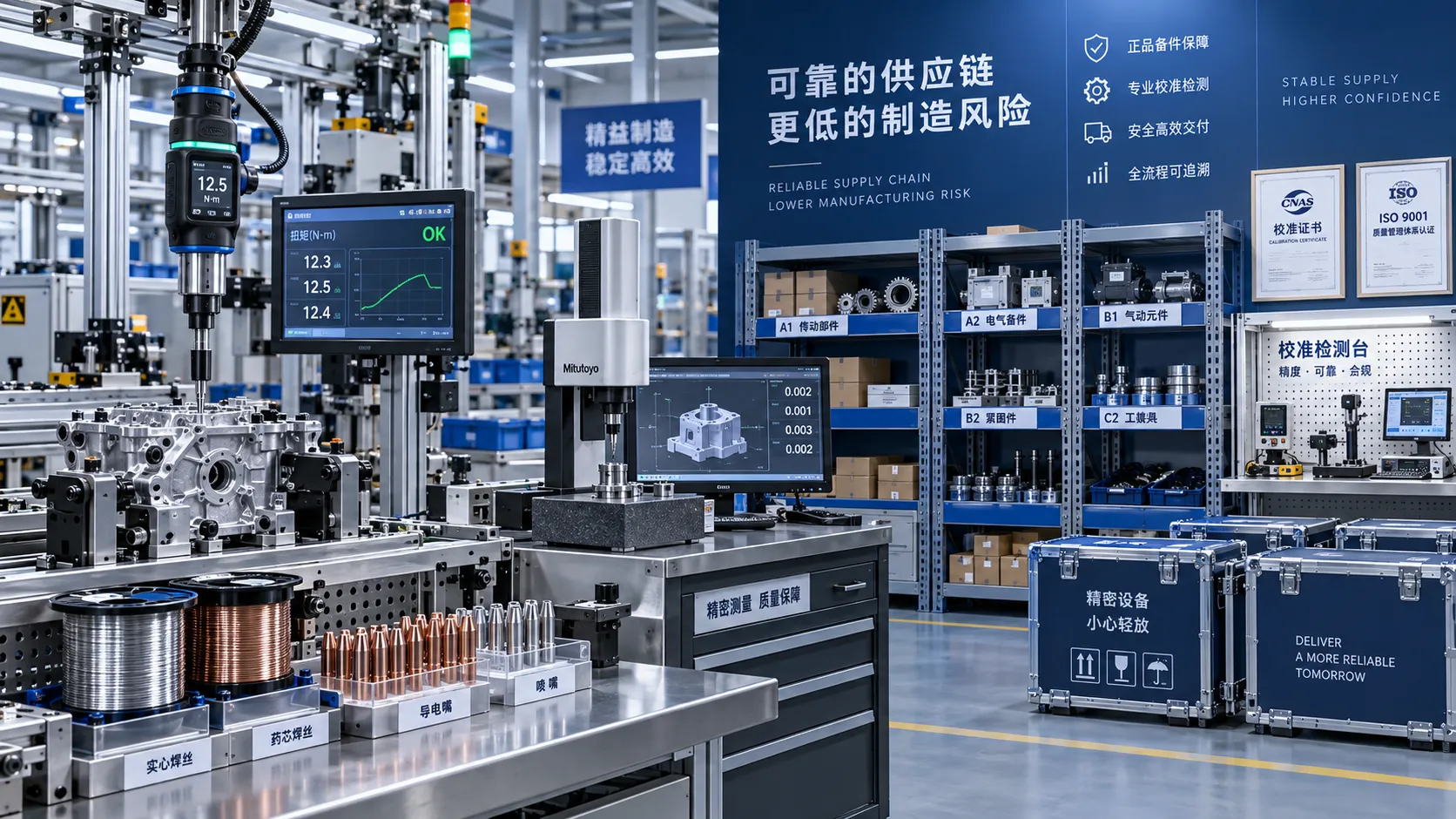
How Industrial Innovation Supplier Networks Reduce Sourcing Risk for Manufacturers
industrial innovation supplier network insights help manufacturers reduce sourcing risk, control lifecycle costs, and choose reliable tools, services, and suppliers with confidence.

How Do Advanced Manufacturing Methods Improve Batch Consistency?
How do advanced manufacturing methods improve batch consistency? Discover how precision metrology, intelligent torque control, welding automation, and traceable data reduce variation and improve quality.

South East Asia Machine Tools Market: Demand Outlook by Manufacturing Industry
South East Asia machine tools market outlook: explore demand from automotive, electronics, fabrication, and infrastructure, plus smart sourcing priorities for manufacturers.
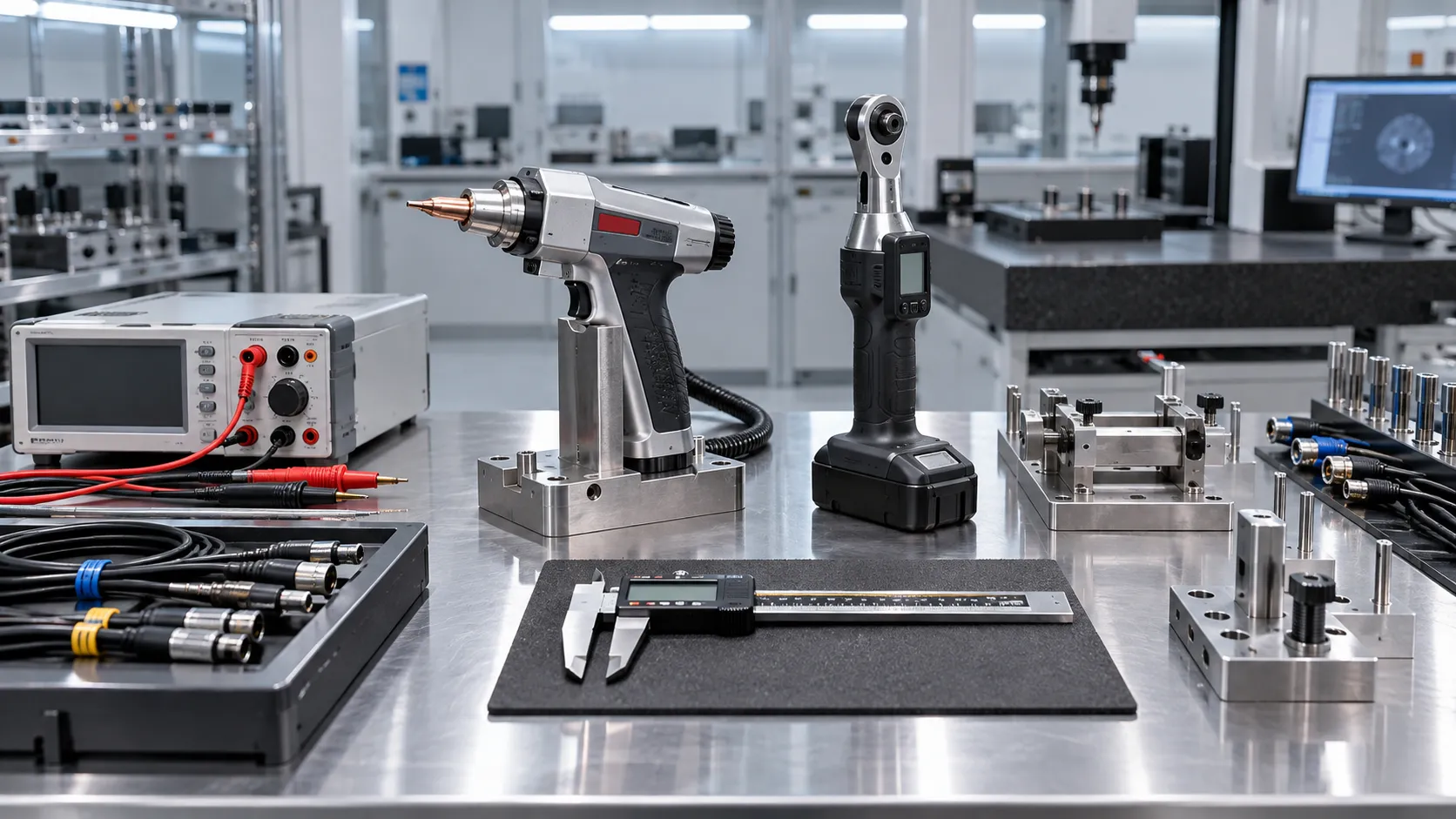
Which Industrial Standards Should Be Checked Before Export?
Which industrial standards should be checked before export? Discover essential compliance steps for industrial tools, welding equipment, laser systems, and metrology products.

What Industrial Automation Exporters Need to Know Before Entering ASEAN Markets
Industrial automation exporter to ASEAN: learn how to navigate compliance, local service, digital readiness, pricing, and market entry for scalable growth.
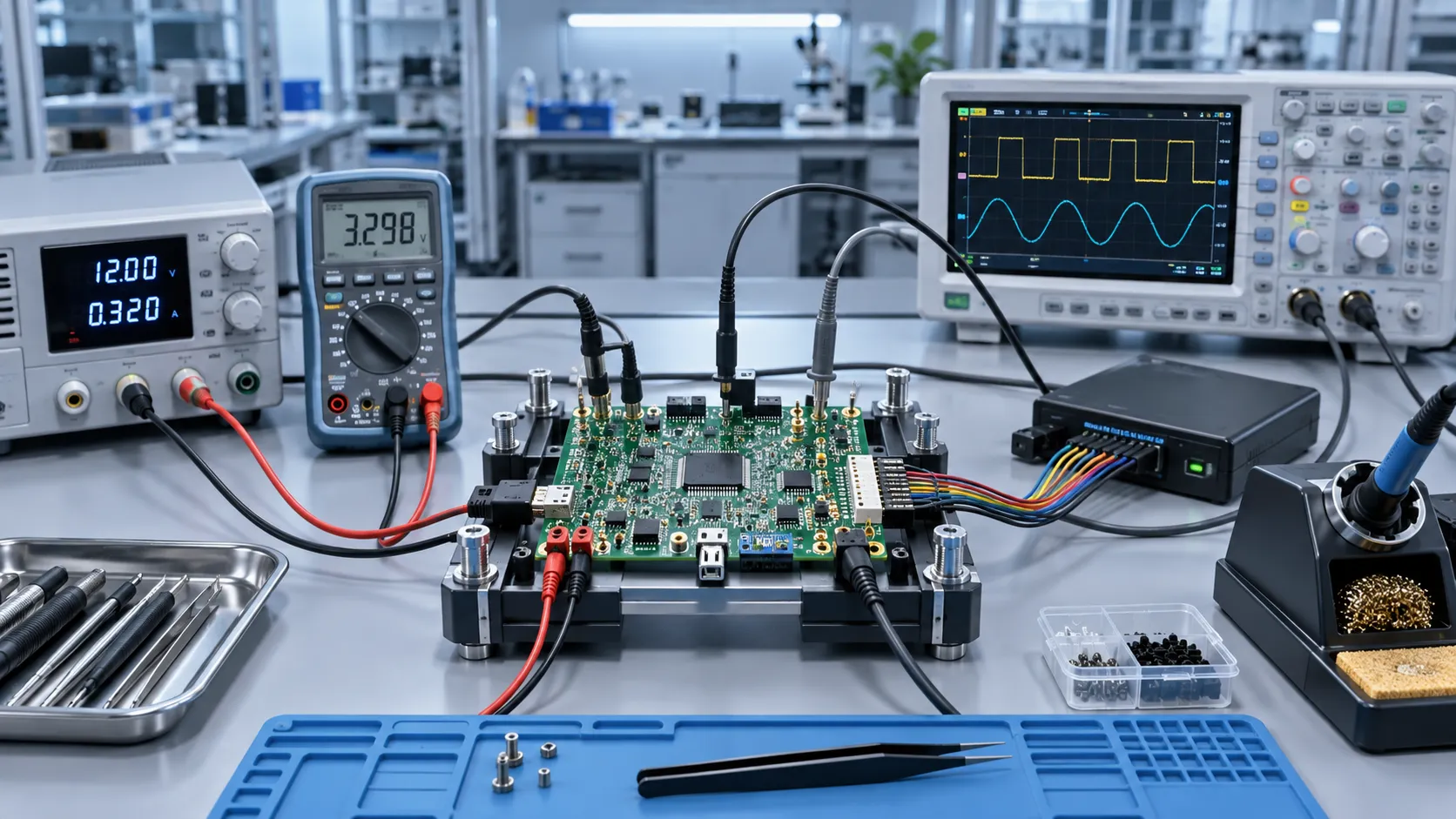
Electronics Prototyping Tools for Faster Design Validation and Small-Batch Testing
Electronics prototyping tools help teams validate designs faster with controlled power, precise measurements, repeatable assembly, and practical small-batch test fixtures.
Related News
- 00
0000-00
Choosing a Handheld Laser Welding Supplier: Weld Trials, Training, and Service - 00
0000-00
In-House vs. Outsourced Aircraft Maintenance: Comparing Total Costs - 00
0000-00
How to Compare Industrial Tool Suppliers for Quality, Lead Time, and Total Cost - 00
0000-00
How to Evaluate a Technology Integration Service Provider for Complex Projects - 00
0000-00
Product Comparison Resources in Europe: How Buyers Can Verify Specs and Suppliers
Dr. Alistair Vaughn
Weekly Insights
Stay ahead with our curated technology reports delivered every Monday.