
How to Evaluate Supplier and Solution References for Industrial Tools





How to Evaluate Supplier and Solution References for Industrial Tools
Choosing the right partner in industrial procurement requires more than comparing catalogs or prices.
When reviewing supplier and solution references industrial tools, decision quality depends on evidence, not promises.
A strong reference review shows whether a supplier can deliver fit, consistency, compliance, and after-sales support.
It also helps verify whether a proposed solution performs well in real operating conditions.
In industrial tools sourcing, that difference matters because failures create downtime, quality loss, and hidden commercial risk.
Why supplier and solution references industrial tools matter
Many suppliers can present brochures, certificates, and polished technical claims.
References show what happened after installation, operator training, maintenance cycles, and workload pressure.
That is why supplier and solution references industrial tools should be treated as commercial and technical proof.
A useful reference tells you three things.
- Whether the supplier performs reliably across ordering, delivery, and service.
- Whether the solution fits the target application, environment, and operator skill level.
- Whether the buyer achieved measurable outcomes, not just acceptable installation.
From a sourcing risk perspective, references narrow uncertainty before capital, tooling, or integration decisions are locked in.
Start with the right reference scope
Not all references are equally useful.
The first step is matching the reference scope to your own use case.
If you are evaluating torque tools, welding equipment, metrology devices, or hydraulic systems, similarities matter.
Look for alignment across production scale, material type, duty cycle, plant conditions, and compliance requirements.
In practical terms, a reference from light workshop use may not validate heavy industrial deployment.
Aerospace maintenance also creates different expectations than construction or general fabrication.
When screening supplier and solution references industrial tools, prioritize these matching factors.
- Application similarity, including process type and output requirements.
- Operating environment, such as dust, heat, humidity, or shift intensity.
- Regional compliance conditions, including export standards and safety rules.
- Ownership model, including distributor support, direct service, or local inventory.
This filtering step prevents attractive but weakly relevant references from distorting the decision.
What to verify in supplier references
Supplier references should answer operational questions, not just confirm that a transaction happened.
Ask for references that can speak to the full buying cycle.
- Quotation accuracy and clarity of technical specifications.
- Lead time realism versus actual delivery performance.
- Packaging quality, shipping control, and documentation completeness.
- Responsiveness during installation, setup, or troubleshooting.
- Availability of spare parts, calibration, repairs, or replacement units.
- Consistency between the first order and repeat orders.
This is where supplier and solution references industrial tools become especially valuable.
A technically acceptable tool can still be a poor sourcing decision if service performance is unstable.
More importantly, repeated small failures often cost more than one visible equipment defect.
What to verify in solution references
Solution references are different from supplier references.
They focus on performance in application, integration, and measurable output.
For industrial tools, solution validation should cover the exact problem the equipment was supposed to solve.
That may include weld quality stability, fastening accuracy, cycle time reduction, measurement repeatability, or safety improvement.
Ask reference users for before-and-after evidence whenever possible.
The best supplier and solution references industrial tools include both technical gains and implementation lessons.
How to test the credibility of references
A reference is only useful if it is credible.
Some suppliers provide selective contacts with unusually favorable outcomes.
That is common, so the review method matters.
Start by asking for references from different project sizes and time periods.
A recent installation shows current execution ability.
An older installation shows durability, support quality, and lifecycle behavior.
You should also compare references against external signals.
- Export market presence and distributor continuity.
- Consistency of certifications and test reports.
- Visible installation cases across similar industries.
- Clarity of maintenance, warranty, and calibration processes.
When supplier and solution references industrial tools align with independent evidence, confidence rises sharply.
Key red flags during reference checks
Reference checks often fail because buyers ask broad questions and miss warning signs.
A few patterns deserve immediate attention.
- The supplier avoids references from your target application.
- Reference contacts speak only about sales behavior, not operating results.
- Performance claims are strong, but no numbers are shared.
- After-sales support appears dependent on one individual.
- Spare parts timelines are vague or vary widely by region.
- The solution worked, but required major undocumented process changes.
These signals do not always mean rejection.
They do mean the sourcing team should slow down and validate deeper.
In many industrial categories, hidden implementation complexity is the real cost driver.
A practical scoring approach for business evaluators
A structured scorecard makes supplier and solution references industrial tools easier to compare.
Keep the model simple enough to use consistently across suppliers.
- Score application fit from one to five.
- Score supplier execution from one to five.
- Score solution performance evidence from one to five.
- Score service and parts support from one to five.
- Score credibility based on detail, recency, and consistency.
Add short notes beside each score.
This creates an audit trail for internal reviews and supplier comparison meetings.
It also helps separate price pressure from capability assessment.
That discipline is useful when several vendors look similar on paper.
Final decision guidance
The real value of supplier and solution references industrial tools is not simple confirmation.
It is decision clarity.
Good references show whether the supplier can support your business under actual industrial pressure.
They also reveal whether the proposed tool or system creates durable value after deployment.
In current sourcing conditions, that level of proof is increasingly important.
Raw material volatility, compliance shifts, and service expectations are all moving faster.
That also means reference checks should be treated as a strategic filter, not a purchasing formality.
Review supplier and solution references industrial tools with a clear framework, ask sharper questions, and let evidence guide the final shortlist.
Related News
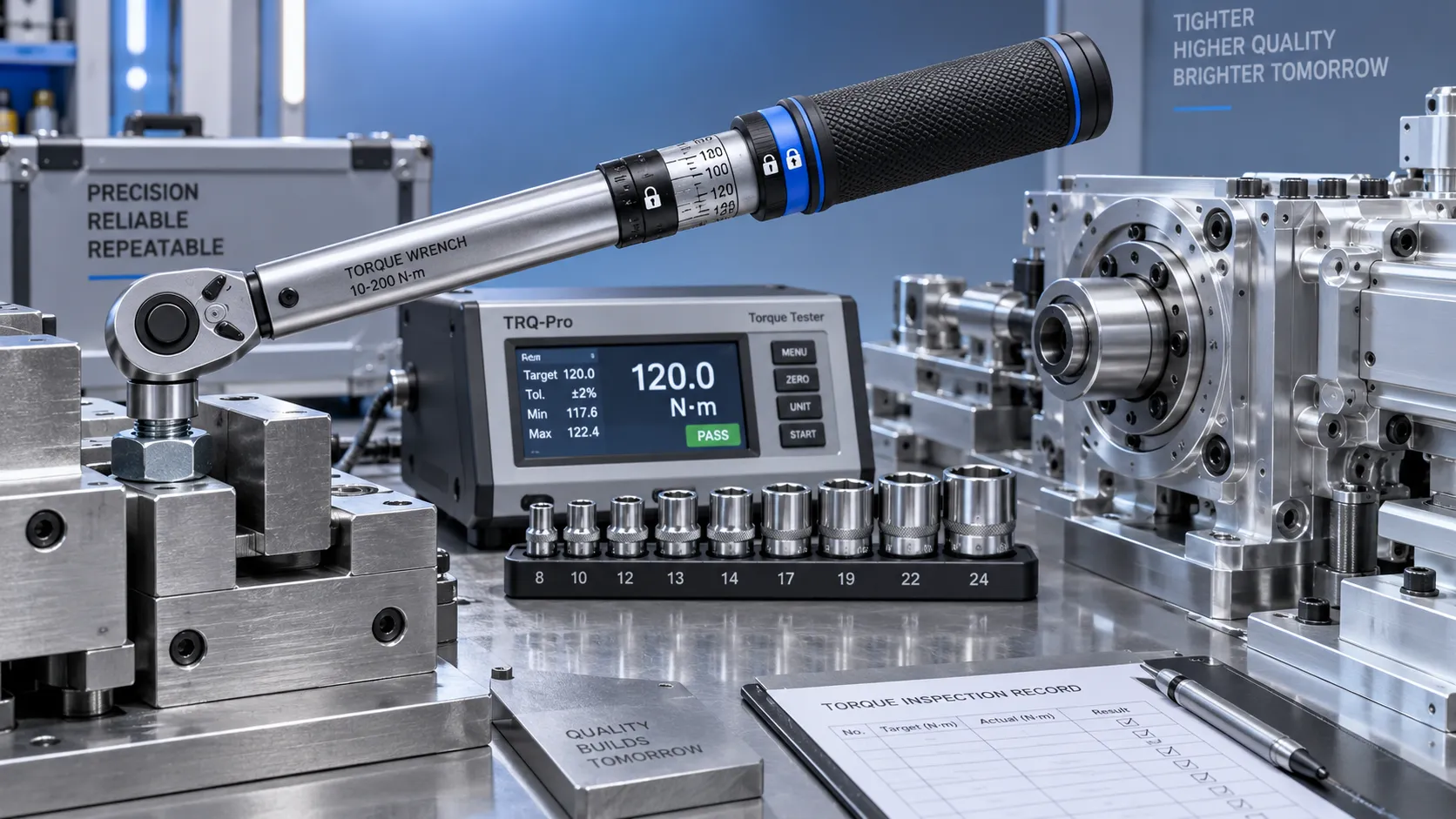
Selecting Adjustable Torque Tools for Repeatable Fastener Assembly
Adjustable torque tools: learn how to match range, accuracy, control methods, calibration, and ergonomics for repeatable, reliable fastener assembly.

How to Select Aerospace Inspection Tools for Aircraft Maintenance Tasks
Aerospace maintenance inspection tools: learn how to select reliable, traceable equipment for aircraft access, accuracy, calibration, and compliant maintenance decisions.

How to Select Wire Bonding Tools for Fine-Pitch Semiconductor Packaging
Explore semiconductor manufacturing tools for wire bonding and learn how to select precision solutions for fine-pitch packaging, reliable loops, accuracy, and yield.
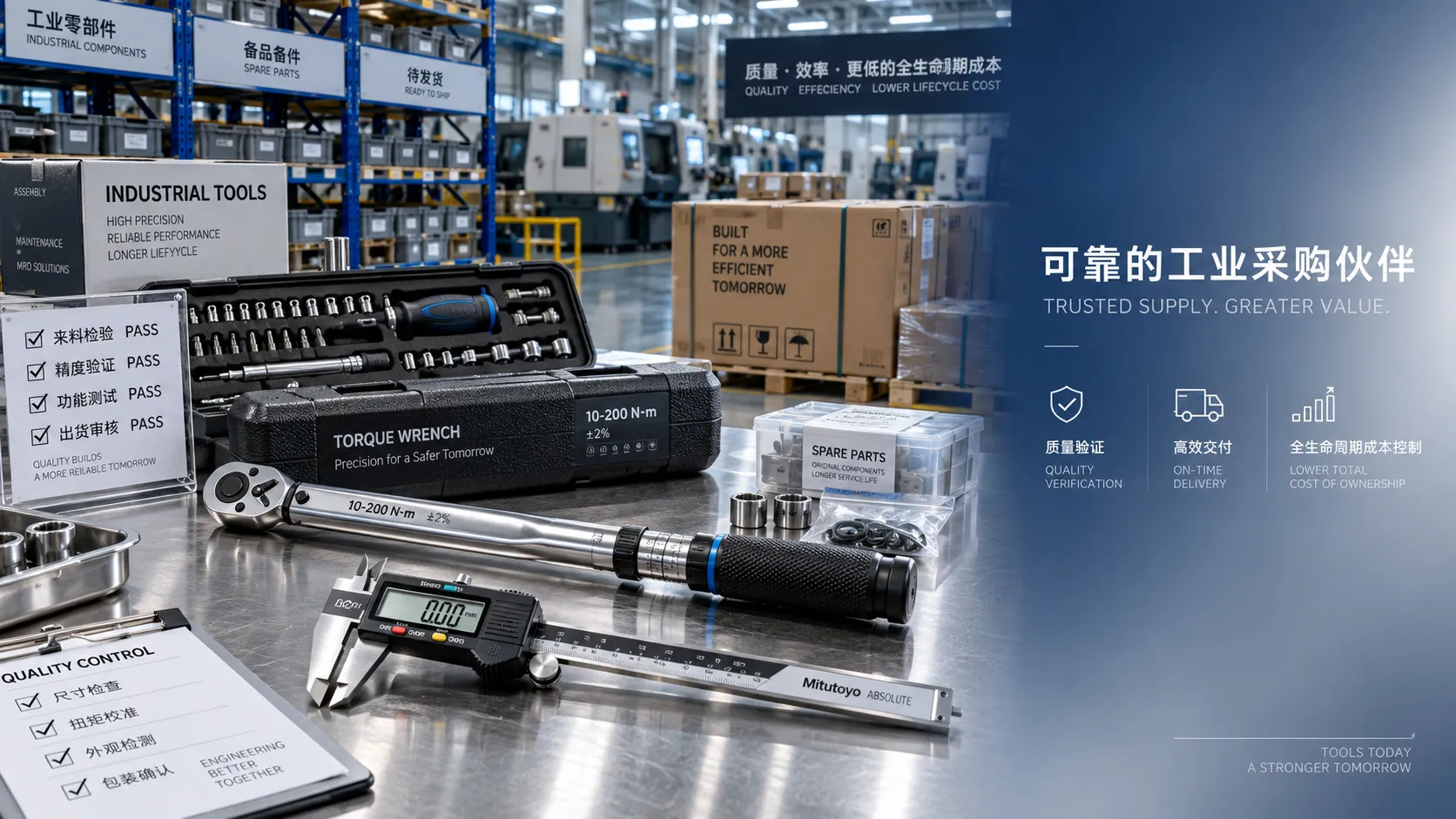
How to Compare Industrial Tool Suppliers for Quality, Lead Time, and Total Cost
Industrial tool selection supplier comparison made simple: evaluate quality, lead times, total cost, service, and supply resilience for confident sourcing decisions.

Industrial Equipment Application Guidance: Match Machines to Operating Conditions
Application guidance industrial equipment: match capacity, duty cycle, materials, site conditions, safety, and lifecycle cost to improve reliable output. Read the guide.

Selecting High-Speed Brushless Tool Motors for Torque, Heat, and Duty Cycle
High speed brushless tool motors: learn how to balance torque, heat, gearing, and duty cycle for reliable industrial tool performance and longer service life.
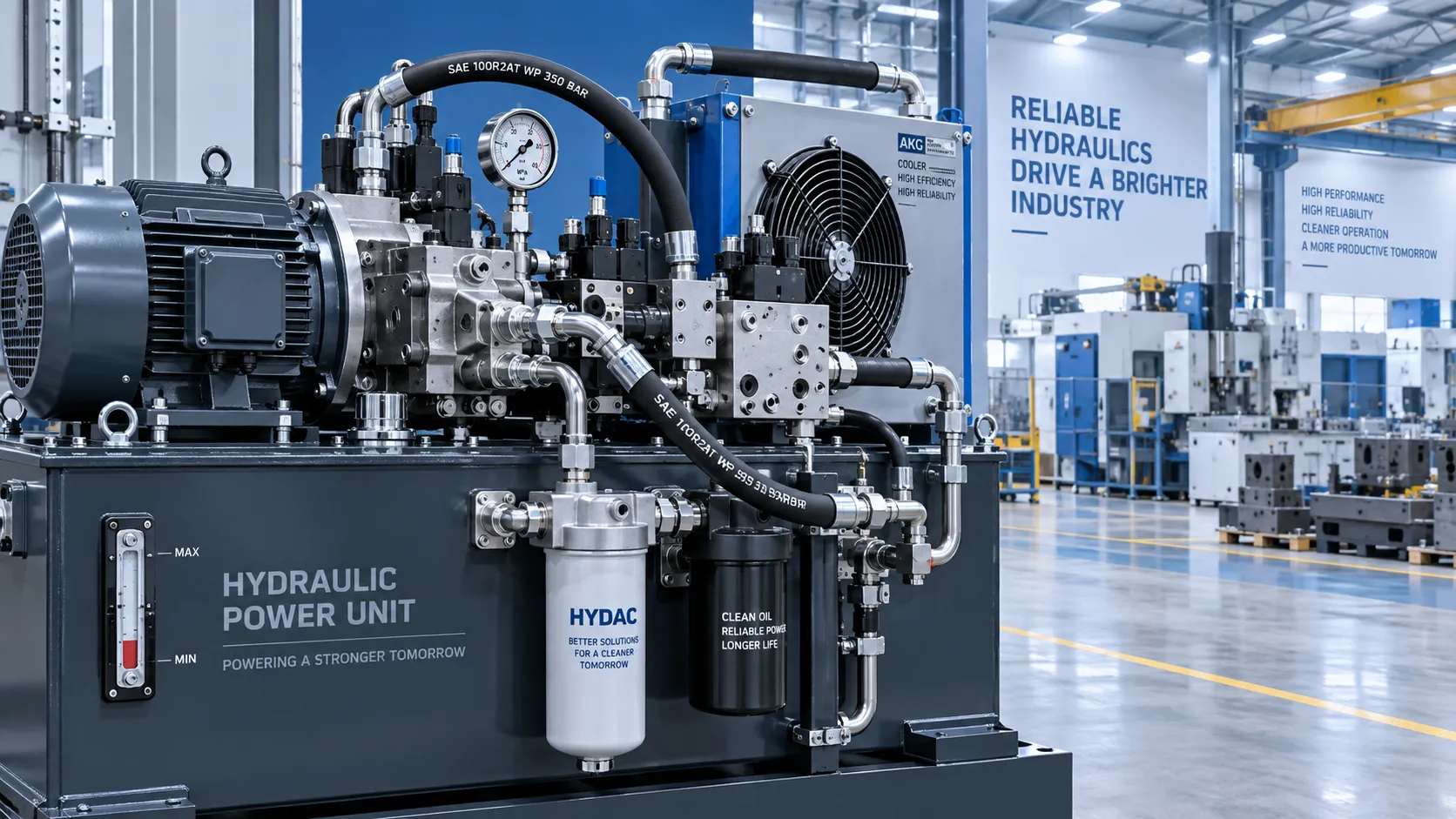
What Determines Industrial Hydraulic System Price for Heavy-Duty Equipment?
Industrial hydraulic system price depends on duty cycle, pressure, components, cooling, and integration. Compare quotes intelligently to secure reliable heavy-duty performance.

Welding Fume Extraction PPE: When Respirators Are Not Enough for Shop Safety
Welding fume extraction PPE: learn why respirators alone fall short and how source capture, ventilation, and layered controls improve shop safety.

How to Select Optical Metrology Solutions for Tight-Tolerance Manufacturing
Optical industrial metrology solutions for tight-tolerance manufacturing: evaluate accuracy, surface compatibility, workflow, and traceability to select with confidence.
Related News
- 00
0000-00
How to Compare Industrial Tool Suppliers for Quality, Lead Time, and Total Cost - 00
0000-00
How to Evaluate a Technology Integration Service Provider for Complex Projects - 00
0000-00
Product Comparison Resources in Europe: How Buyers Can Verify Specs and Suppliers - 00
0000-00
How to Evaluate an Industrial Metrology Solution Manufacturer for Production Use - 00
0000-00
How to Evaluate a Metal Joining Solutions Factory for Quality, Capacity, and Delivery Risk
Dr. Alistair Vaughn
Weekly Insights
Stay ahead with our curated technology reports delivered every Monday.