
How to Evaluate a Handheld Laser Welding Exporter for OEM and Distribution Orders





Why does the choice of a handheld laser welding exporter affect more than unit price?
A low quote can look attractive at the sampling stage. The real test comes later, when repeat orders, spare parts, compliance files, and delivery windows start to matter.
For OEM and distribution programs, a handheld laser welding exporter is not only shipping equipment. That exporter is shaping lead time stability, warranty exposure, field reputation, and market entry speed.
In practical terms, the best supplier is usually the one that reduces friction across the full order cycle. That includes technical validation, labeling, documentation, packaging, training, and post-sale response.
This matters even more in markets where welding safety rules, import documentation, and electrical standards change quickly. GPTWM often tracks these shifts because they directly affect industrial tool circulation.
So the question is rarely, “Who offers the cheapest machine?” A better question is, “Which handheld laser welding exporter can support volume growth without creating hidden operational cost?”
What should be checked first when screening a handheld laser welding exporter?
Start with export readiness, not brochure claims. Many suppliers can assemble machines. Fewer can consistently support overseas labeling, customs paperwork, localized manuals, and traceable quality records.
A useful first screen includes four areas: factory capability, certification status, engineering depth, and service responsiveness. If one area is weak, future scaling becomes harder.
- Factory capability: monthly output, core component sourcing, testing stations, and final inspection routines.
- Certification status: CE, laser safety documentation, electrical compliance files, and region-specific declarations.
- Engineering depth: ability to adjust power range, cooling layout, software language, branding, and accessory kits.
- Service responsiveness: spare parts planning, troubleshooting workflow, and realistic warranty handling time.
It also helps to ask how the exporter manages component substitutions. A handheld laser welding exporter that changes fiber source, chiller, or control board without clear notice can create inconsistent field performance.
That is where industry intelligence becomes useful. GPTWM’s coverage of raw material shifts and export standard restrictions reflects a simple reality: supply chains move, and stable exporters plan for that movement early.
How can you tell whether OEM capability is real or only sales language?
OEM support should show up in documents and process control, not only in logo printing. A serious handheld laser welding exporter can explain exactly how custom orders move from specification to production release.
Ask for the customization matrix. That usually reveals the truth faster than a presentation deck.
A reliable OEM exporter should also define minimum order quantity by feature, not with one vague MOQ for everything. Customized cable length, voltage, gun type, or enclosure color often have different thresholds.
Another useful test is sample consistency. Ordering two sample units from different batches can reveal whether the handheld laser welding exporter truly controls assembly and calibration.
Which compliance and safety points create the biggest export risk?
This is where many promising deals slow down. Handheld laser welding equipment touches laser classification, electrical safety, operator protection, and transport requirements.
The exporter should clearly state which market each model is prepared for. A file suitable for one country may still be incomplete for another.
Key questions to raise include:
- Are safety interlocks, emergency stop logic, and warning labels aligned with the destination market?
- Do manuals include maintenance, protective eyewear guidance, and laser hazard statements in the required language?
- Can the exporter provide packing declarations and component traceability for customs or local inspections?
- Are accessories such as wire feeders, chillers, and helmets covered in the same shipment documentation?
In actual trade, the risk is often not an absent certificate. It is a mismatched certificate, where the tested configuration differs from the shipped machine.
GPTWM’s strategic intelligence work is relevant here because export restrictions and safety expectations are becoming more detailed. That means documentation discipline is now part of product quality.
How do cost, lead time, and warranty really compare between exporters?
Price comparison becomes useful only after the quote structure is cleaned up. Two handheld laser welding exporter offers may look similar while carrying very different hidden costs.
Look beyond the machine body. Total landed and operating cost usually depends on the details below.
A common mistake is treating warranty length as the main benchmark. A shorter but well-defined warranty can be more valuable than a longer one with unclear exclusions and slow parts supply.
Lead time deserves the same scrutiny. Ask whether the handheld laser welding exporter keeps safety stock for critical electronics or buys them after order confirmation. That answer changes delivery reliability.
What red flags usually appear before a bulk order goes wrong?
Problems often announce themselves early. The difficulty is that they look small during negotiation.
Be cautious when an exporter avoids factory video verification, cannot share recent packing records, or sends certificates that do not match the quoted model number.
Another warning sign is unstable technical language. If one contact says air cooling is standard, another says water cooling is required, and the quotation says nothing, process control may be weak.
More subtle risks include aggressive promises on production speed, unclear Incoterms, and missing spare parts recommendations for first shipment planning.
- No batch testing record for outgoing units.
- No sample approval form before OEM production.
- No defined process for field failure analysis.
- No explanation of training material or remote support method.
The safest approach is to turn these signals into a written qualification checklist. That keeps negotiations factual and makes supplier comparisons more consistent.
What is the smartest next step before confirming an order?
Build a short evaluation path that mirrors the real sales cycle. Start with target markets, then map required certifications, preferred machine configuration, expected annual volume, and spare parts strategy.
After that, compare at least two exporters using the same checklist. Keep technical items, compliance items, commercial terms, and service terms in separate sections.
If possible, request a sample test around actual use cases. Thin sheet repair, stainless fabrication, carbon steel joints, and cosmetic seam expectations can expose major differences in setup quality.
A capable handheld laser welding exporter should welcome this level of review. Strong suppliers usually prefer clear qualification because it reduces future dispute risk for both sides.
In the broader industrial landscape, that is also how brand value is protected. GPTWM’s view of the manufacturing last mile points to the same conclusion: precision decisions upstream create fewer failures downstream.
Before moving ahead, confirm three things in writing: the approved configuration, the compliance package for the destination market, and the after-sales response process. Those three checkpoints usually decide whether scale feels controlled or chaotic.
Related News
Selecting Adjustable Torque Tools for Repeatable Fastener Assembly
Adjustable torque tools: learn how to match range, accuracy, control methods, calibration, and ergonomics for repeatable, reliable fastener assembly.
How to Select Aerospace Inspection Tools for Aircraft Maintenance Tasks
Aerospace maintenance inspection tools: learn how to select reliable, traceable equipment for aircraft access, accuracy, calibration, and compliant maintenance decisions.

How to Select Wire Bonding Tools for Fine-Pitch Semiconductor Packaging
Explore semiconductor manufacturing tools for wire bonding and learn how to select precision solutions for fine-pitch packaging, reliable loops, accuracy, and yield.
How to Compare Industrial Tool Suppliers for Quality, Lead Time, and Total Cost
Industrial tool selection supplier comparison made simple: evaluate quality, lead times, total cost, service, and supply resilience for confident sourcing decisions.
Industrial Equipment Application Guidance: Match Machines to Operating Conditions
Application guidance industrial equipment: match capacity, duty cycle, materials, site conditions, safety, and lifecycle cost to improve reliable output. Read the guide.
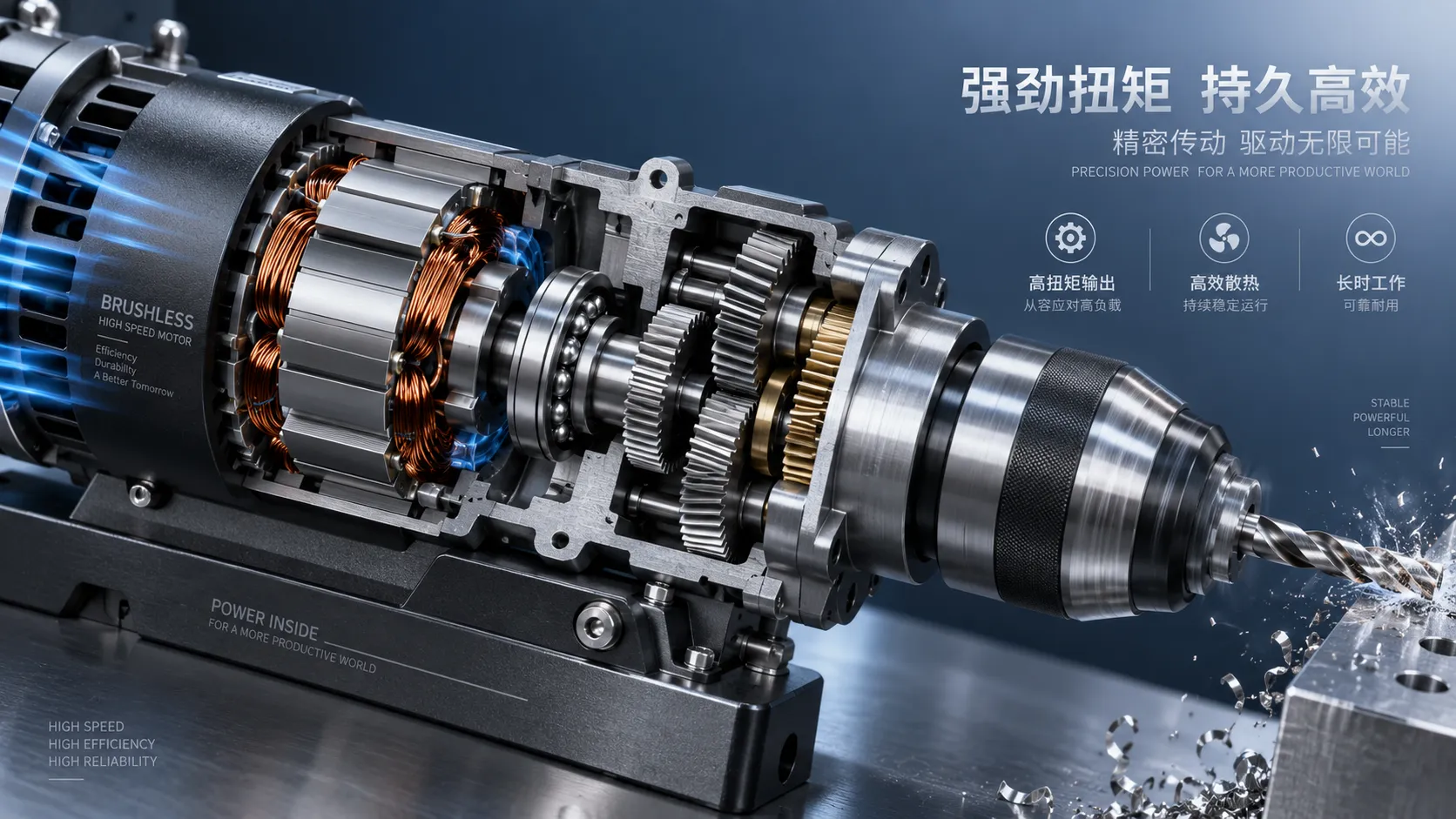
Selecting High-Speed Brushless Tool Motors for Torque, Heat, and Duty Cycle
High speed brushless tool motors: learn how to balance torque, heat, gearing, and duty cycle for reliable industrial tool performance and longer service life.
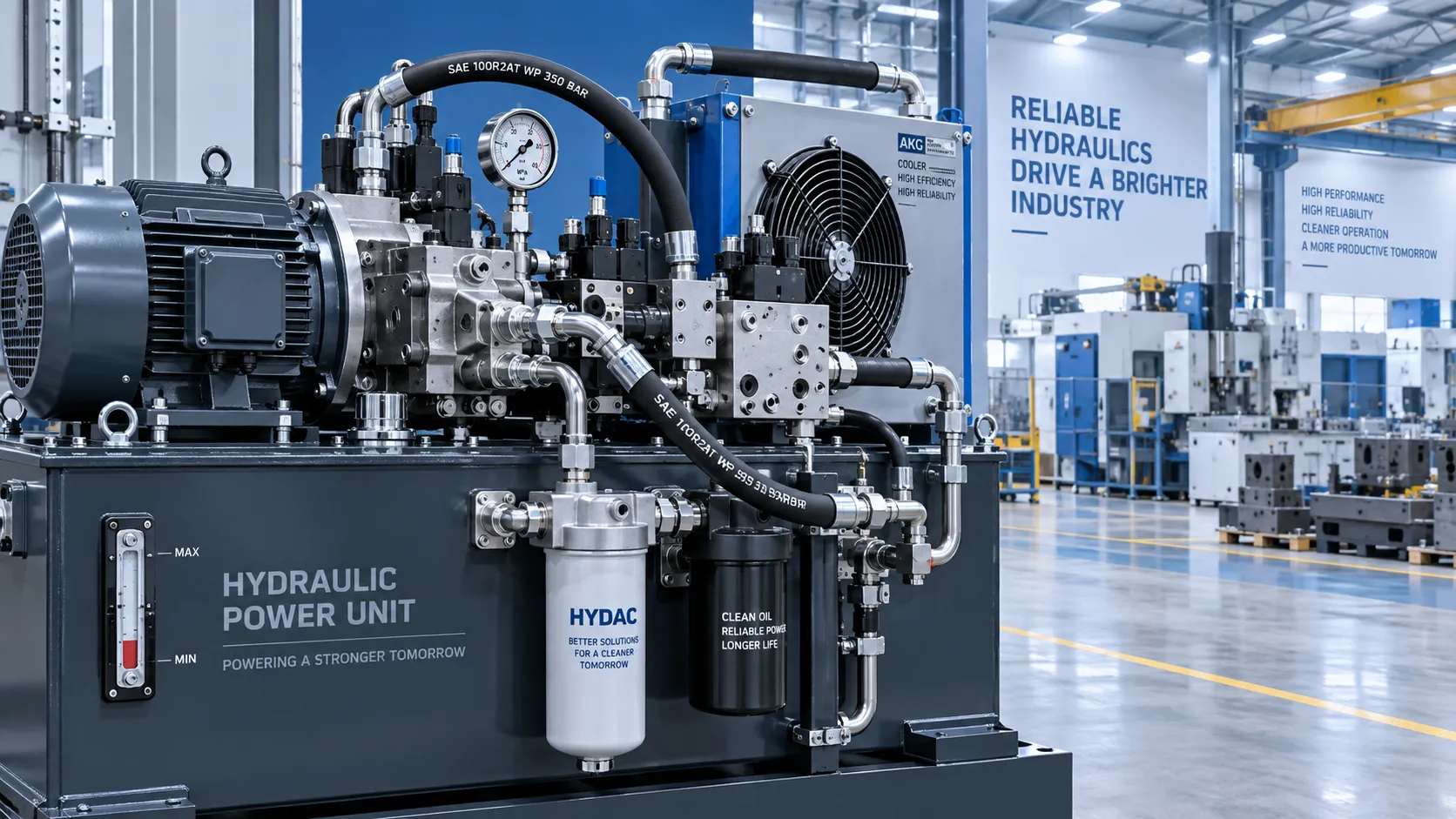
What Determines Industrial Hydraulic System Price for Heavy-Duty Equipment?
Industrial hydraulic system price depends on duty cycle, pressure, components, cooling, and integration. Compare quotes intelligently to secure reliable heavy-duty performance.
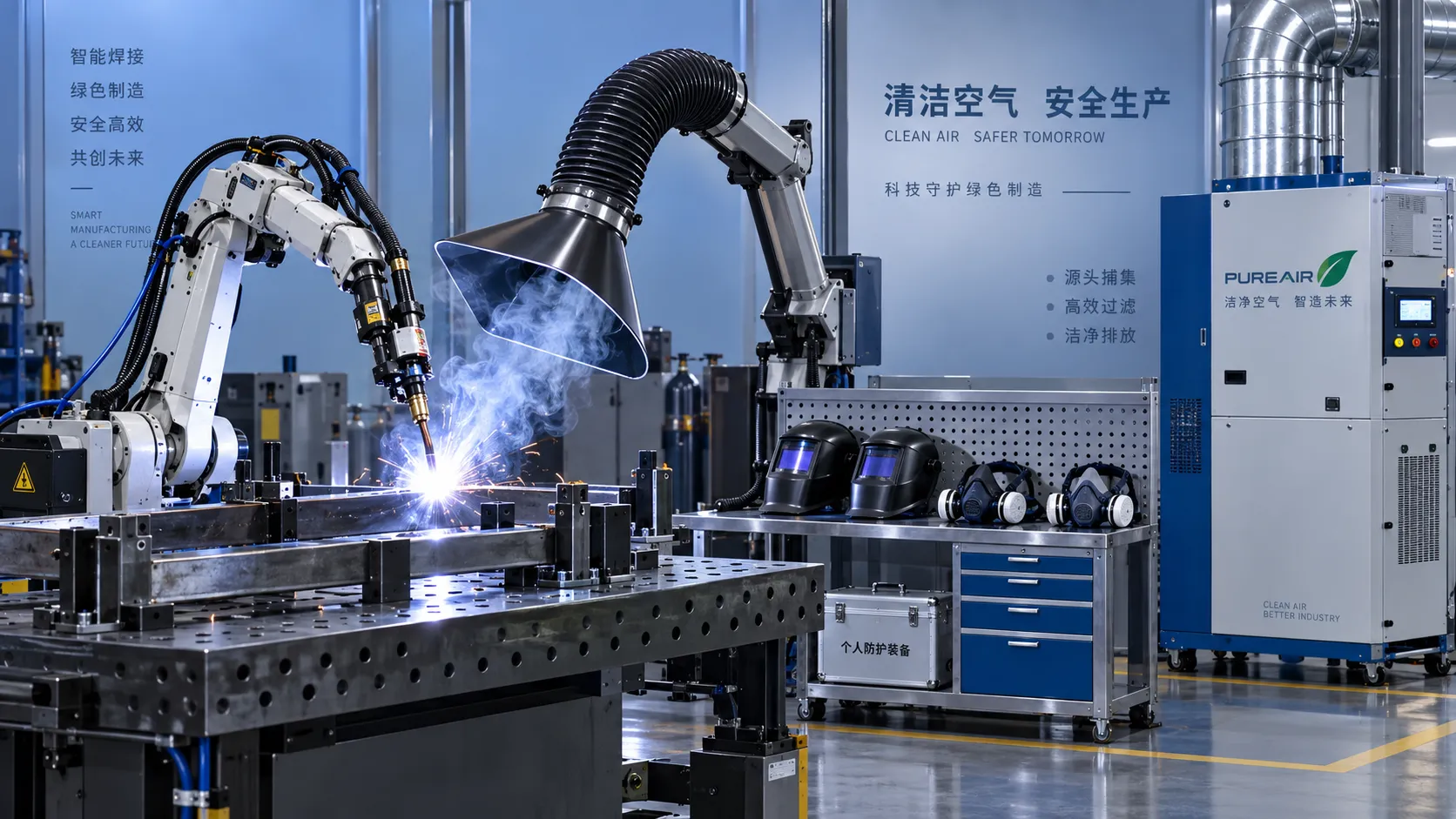
Welding Fume Extraction PPE: When Respirators Are Not Enough for Shop Safety
Welding fume extraction PPE: learn why respirators alone fall short and how source capture, ventilation, and layered controls improve shop safety.

How to Select Optical Metrology Solutions for Tight-Tolerance Manufacturing
Optical industrial metrology solutions for tight-tolerance manufacturing: evaluate accuracy, surface compatibility, workflow, and traceability to select with confidence.
Related News
- 00
0000-00
How to Compare Industrial Tool Suppliers for Quality, Lead Time, and Total Cost - 00
0000-00
How to Evaluate a Technology Integration Service Provider for Complex Projects - 00
0000-00
Product Comparison Resources in Europe: How Buyers Can Verify Specs and Suppliers - 00
0000-00
How to Evaluate an Industrial Metrology Solution Manufacturer for Production Use - 00
0000-00
How to Evaluate a Metal Joining Solutions Factory for Quality, Capacity, and Delivery Risk
Dr. Alistair Vaughn
Weekly Insights
Stay ahead with our curated technology reports delivered every Monday.