
Industrial Assembly in Europe: What Buyers Should Check in Lead Times, Compliance, and Capacity





Industrial Assembly in Europe: What Buyers Should Check in Lead Times, Compliance, and Capacity
For procurement teams evaluating industrial assembly Europe opportunities, speed alone is never enough.
Buyers also need to verify realistic lead times, regulatory compliance, and true production capacity before making sourcing decisions.
In a market shaped by evolving standards, supply chain pressure, and quality expectations, a careful checklist reduces risk.
It also helps control costs and improve delivery confidence across cross-border industrial assembly Europe projects.
Why industrial assembly Europe needs closer supplier validation
Industrial assembly Europe looks attractive for quality, engineering discipline, and proximity to major end markets.
Still, price and geography alone do not guarantee a smooth sourcing result.
From recent market shifts, the clearer signal is that delivery promises need more evidence than before.
Energy costs, labor availability, certification timelines, and component shortages can quickly change a supplier’s performance.
That means industrial assembly Europe procurement should focus on three basics: lead times, compliance, and usable capacity.
Lead times: ask what is really included
Quoted lead times often sound simple, but they may cover only production days.
In industrial assembly Europe, buyers should separate total project time into several stages.
- Engineering review and drawing confirmation
- Material purchasing and inbound inspection
- Tooling, fixtures, or sample approval
- Assembly, testing, and final inspection
- Packaging, export documents, and transport booking
This breakdown matters because hidden time usually sits outside the factory floor.
A supplier may quote four weeks, while raw material confirmation already consumes ten days.
In practical sourcing work, buyers should request both standard lead time and stressed lead time.
The second figure shows what happens during peak season, engineering changes, or urgent order overlap.
Questions that reveal real schedule risk
- Which components have the longest replenishment cycle?
- What percentage of parts comes from single-source vendors?
- How often do schedules move because of inspection bottlenecks?
- Can the supplier show on-time delivery performance for similar assemblies?
- What recovery plan exists if one key process goes down?
For industrial assembly Europe, these answers are often more useful than a polished quotation sheet.
Compliance: documentation should match the actual product path
Compliance in industrial assembly Europe is not just about having certificates on file.
The key issue is whether the exact assembly process, material set, and final application are covered.
A supplier may present general compliance claims, while a specific component still creates exposure.
That is especially true for electrical subassemblies, pressure-related parts, welded structures, and measuring systems.
What to verify in industrial assembly Europe compliance reviews
- Applicable CE requirements and supporting technical files
- RoHS, REACH, or material declaration status where relevant
- Traceability records for critical parts and lot numbers
- Welding procedure qualification and operator certification
- Calibration records for measurement and torque equipment
- Inspection reports linked to the shipped batch
More importantly, ask for current versions, not historic examples used in past tenders.
A document can be technically valid and still useless for the order under review.
GPTWM market tracking often shows that paperwork gaps become cost issues only after shipment preparation.
Capacity: installed output is not the same as available output
Capacity is where many industrial assembly Europe sourcing decisions become too optimistic.
A supplier may have enough machines, floor space, and workers on paper.
But usable capacity depends on scheduling discipline, changeover time, and the mix of current orders.
This also means that spare capacity this month may disappear next quarter.
How to test real capacity in industrial assembly Europe
- Ask for monthly output by product family, not only total annual figures.
- Check whether your assembly shares workstations with higher-priority programs.
- Review overtime dependence during busy periods.
- Confirm subcontracting use for machining, coating, testing, or packaging.
- Request ramp-up plans for forecast increases over six to twelve months.
One strong sign is whether the supplier can explain bottlenecks without hesitation.
Vague answers usually mean the capacity picture has not been tested under pressure.
For industrial assembly Europe, honest bottleneck mapping is more valuable than a broad claim of flexibility.
Cost control depends on process clarity
Cost in industrial assembly Europe should be reviewed beyond unit price.
A lower quote can hide later charges tied to documentation, packaging, expedited freight, or rework.
That is why lead times, compliance, and capacity all connect directly to total landed cost.
When schedules slip, buyers often pay more for premium transport or split deliveries.
When compliance is incomplete, goods may wait for extra declarations or replacement parts.
When capacity is overstated, the result is usually missed forecasts and unstable pricing.
A practical cost review table
A sourcing checklist for industrial assembly Europe
At supplier selection stage, a short but disciplined checklist improves decision quality fast.
- Match quoted lead time to a full milestone schedule.
- Validate critical compliance documents against the exact product configuration.
- Review capacity by line, process, and month.
- Identify single-source material and outside process risks.
- Ask for recent on-time delivery and quality metrics.
- Clarify who owns corrective action when deviations appear.
- Build contract terms around evidence, not assumptions.
This approach keeps industrial assembly Europe sourcing grounded in operating reality.
It also supports stronger negotiation because questions are tied to measurable business risk.
Final take: move from quoted promise to verified execution
Industrial assembly Europe can deliver strong value when supplier evaluation goes beyond headline price and speed.
The better path is to test how lead times are built, how compliance is maintained, and how capacity is actually reserved.
That is where hidden cost, avoidable delay, and quality risk usually begin.
For teams comparing industrial assembly Europe suppliers, verified execution should carry more weight than polished presentations.
GPTWM continues to track the operational signals behind industrial assembly Europe decisions, from standards pressure to production resilience.
Use that discipline in every sourcing review, and the purchasing decision becomes clearer, faster, and far more defensible.
Related News
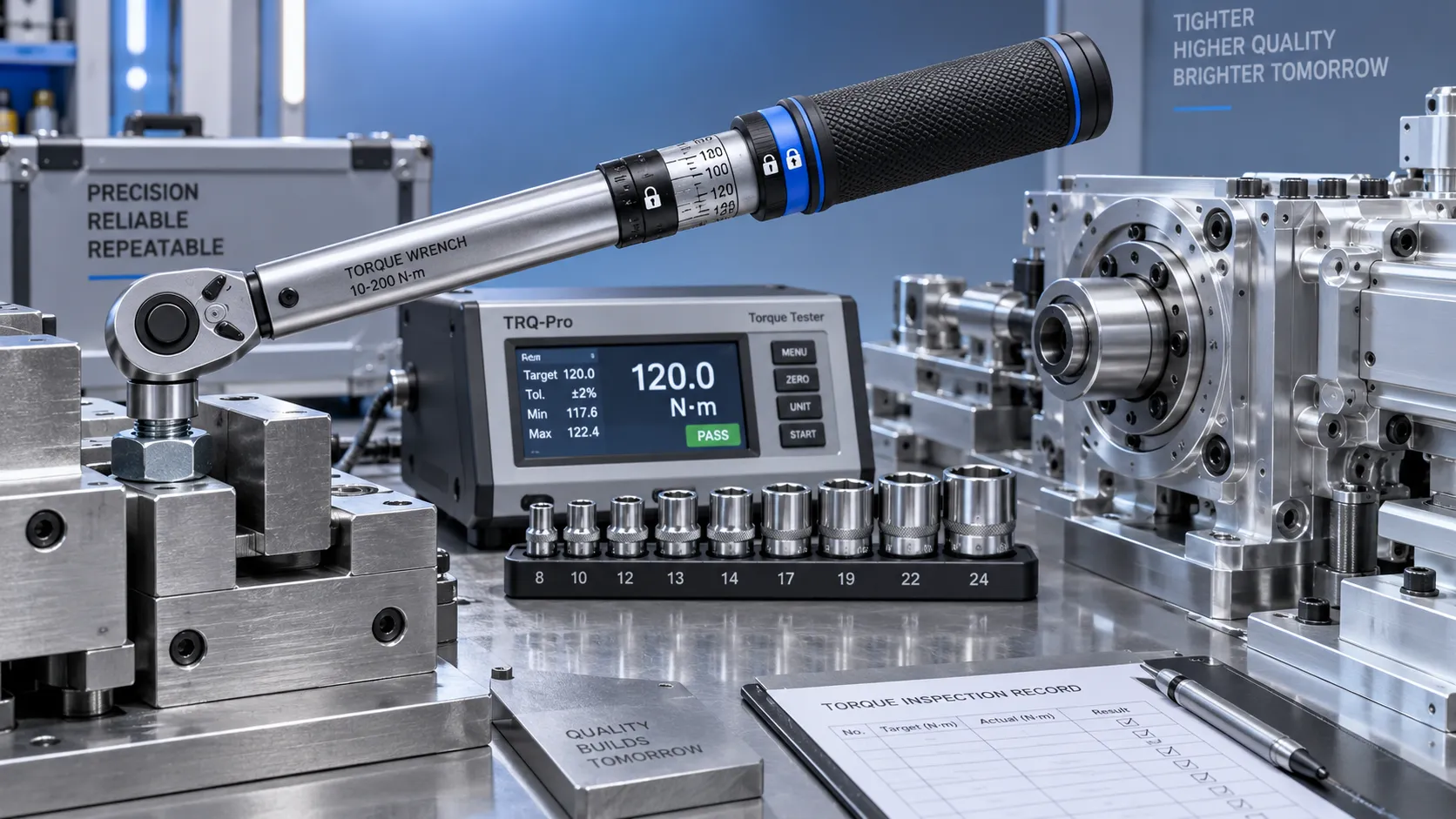
Selecting Adjustable Torque Tools for Repeatable Fastener Assembly
Adjustable torque tools: learn how to match range, accuracy, control methods, calibration, and ergonomics for repeatable, reliable fastener assembly.

How to Select Aerospace Inspection Tools for Aircraft Maintenance Tasks
Aerospace maintenance inspection tools: learn how to select reliable, traceable equipment for aircraft access, accuracy, calibration, and compliant maintenance decisions.

How to Select Wire Bonding Tools for Fine-Pitch Semiconductor Packaging
Explore semiconductor manufacturing tools for wire bonding and learn how to select precision solutions for fine-pitch packaging, reliable loops, accuracy, and yield.
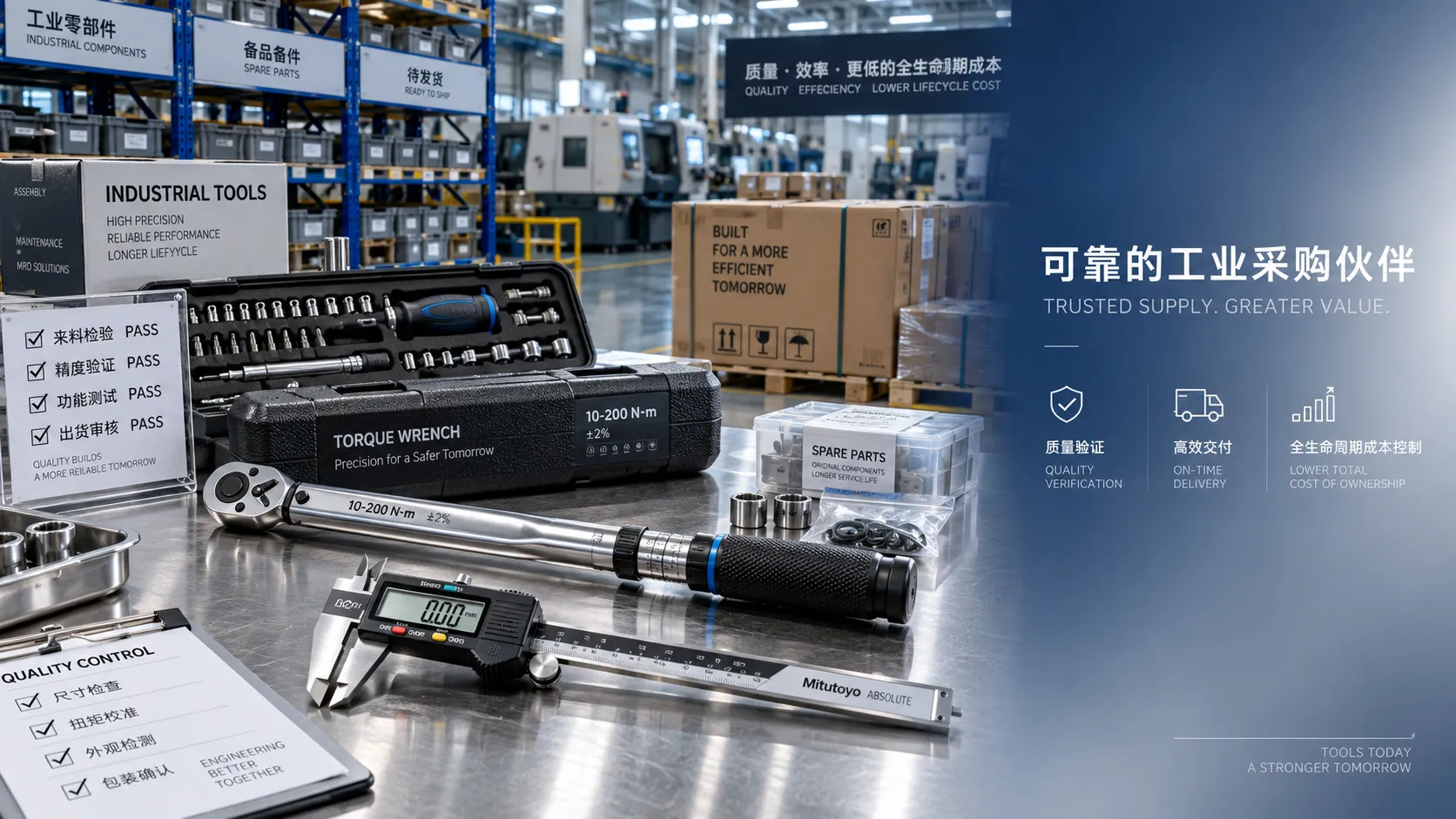
How to Compare Industrial Tool Suppliers for Quality, Lead Time, and Total Cost
Industrial tool selection supplier comparison made simple: evaluate quality, lead times, total cost, service, and supply resilience for confident sourcing decisions.

Industrial Equipment Application Guidance: Match Machines to Operating Conditions
Application guidance industrial equipment: match capacity, duty cycle, materials, site conditions, safety, and lifecycle cost to improve reliable output. Read the guide.
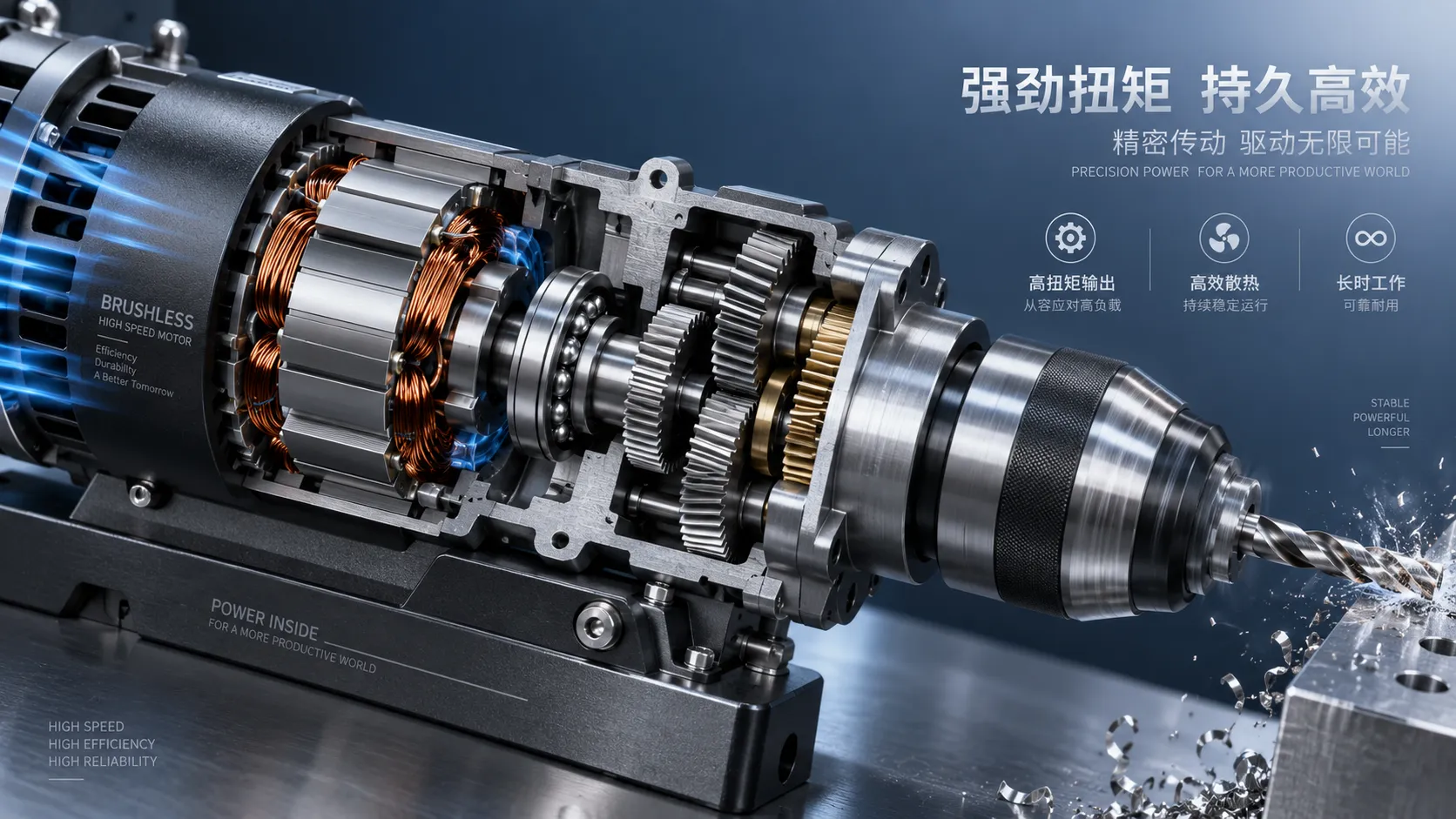
Selecting High-Speed Brushless Tool Motors for Torque, Heat, and Duty Cycle
High speed brushless tool motors: learn how to balance torque, heat, gearing, and duty cycle for reliable industrial tool performance and longer service life.
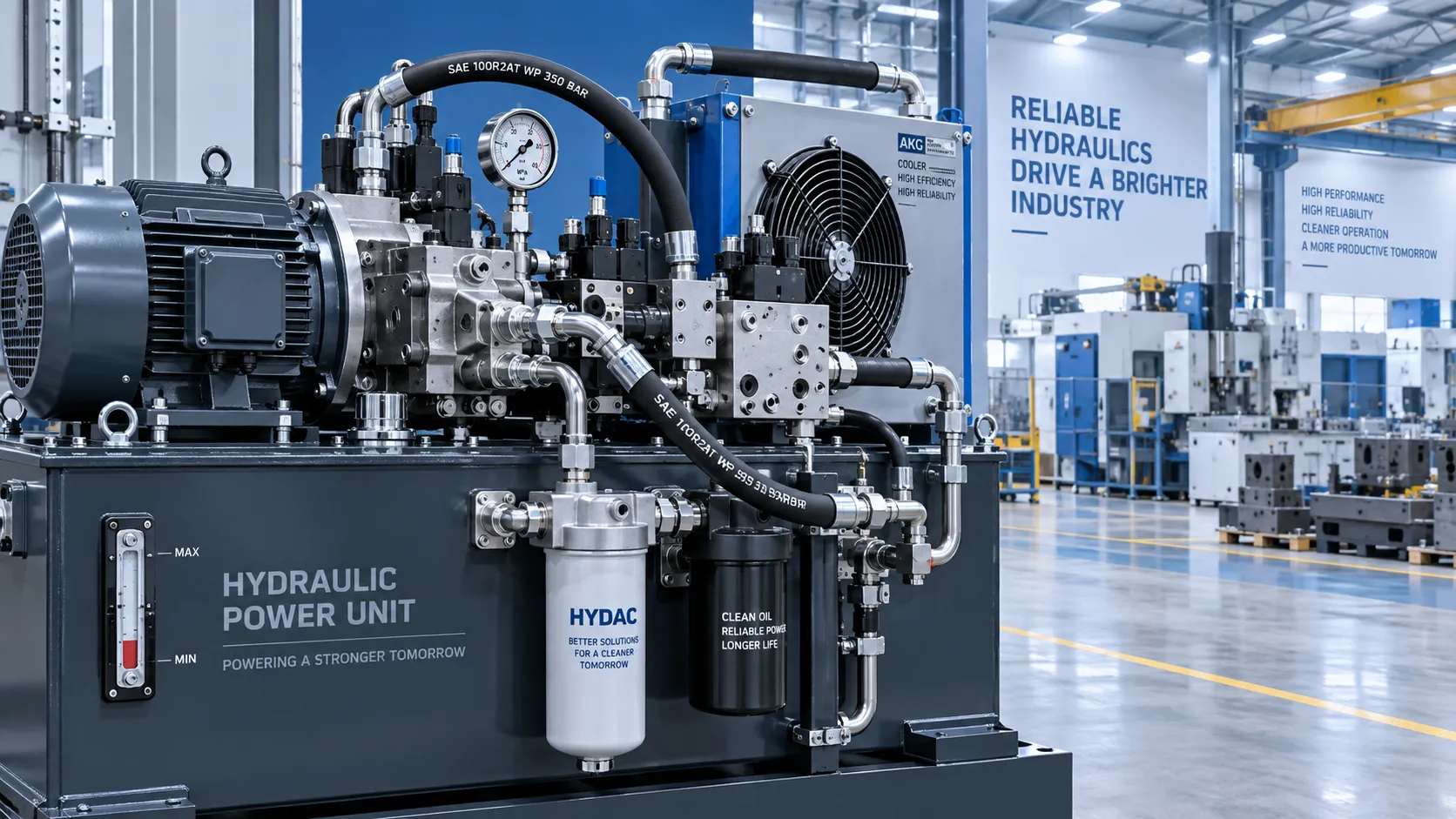
What Determines Industrial Hydraulic System Price for Heavy-Duty Equipment?
Industrial hydraulic system price depends on duty cycle, pressure, components, cooling, and integration. Compare quotes intelligently to secure reliable heavy-duty performance.
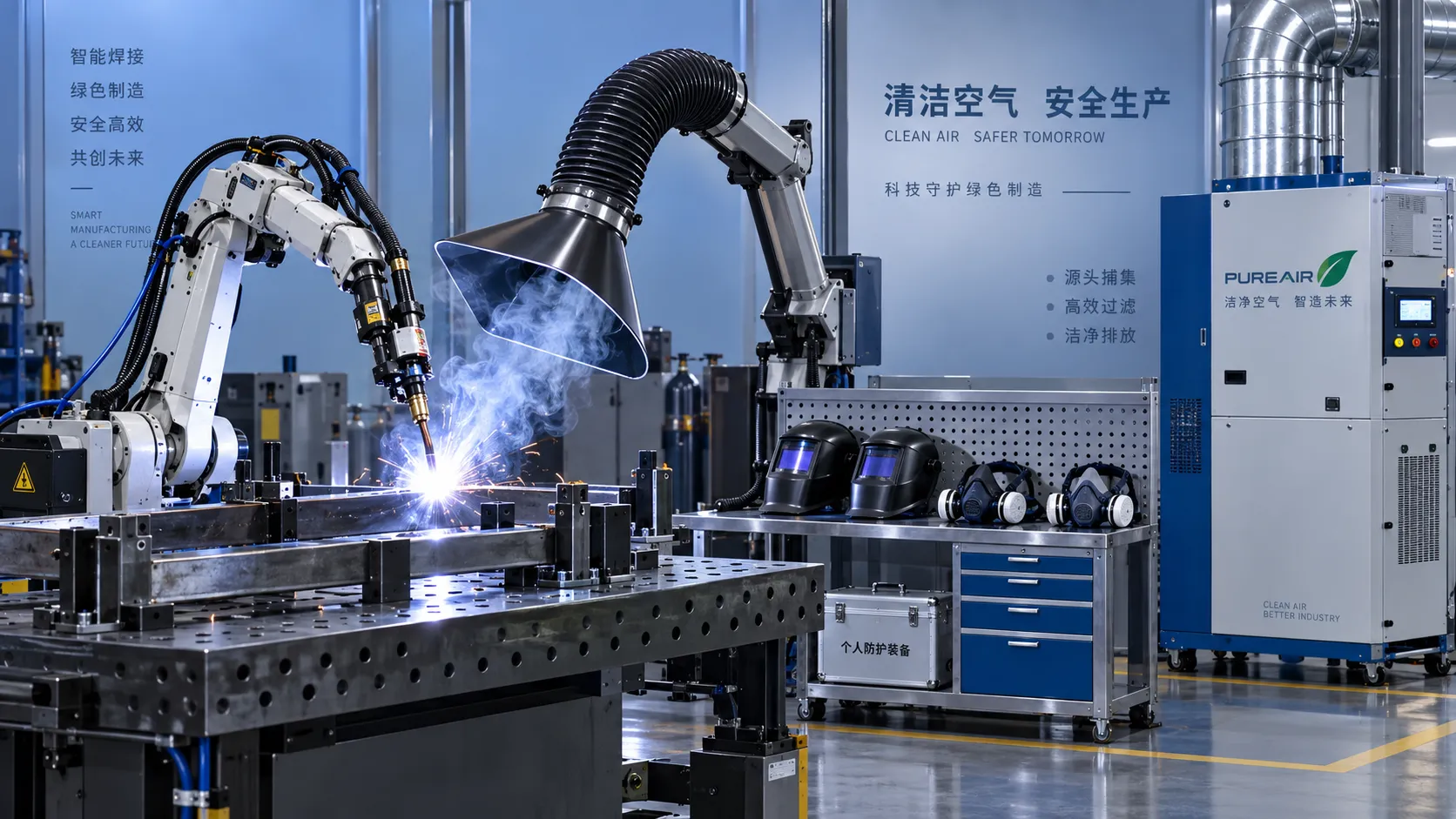
Welding Fume Extraction PPE: When Respirators Are Not Enough for Shop Safety
Welding fume extraction PPE: learn why respirators alone fall short and how source capture, ventilation, and layered controls improve shop safety.

How to Select Optical Metrology Solutions for Tight-Tolerance Manufacturing
Optical industrial metrology solutions for tight-tolerance manufacturing: evaluate accuracy, surface compatibility, workflow, and traceability to select with confidence.
Related News
- 00
0000-00
How Procurement Teams Can Map the Industrial Value Chain to Reduce Supply Risk - 00
0000-00
How Industry Category Guides Help Global Sourcing Teams Compare Suppliers Faster - 00
0000-00
Intelligent Tools in Southeast Asia: Key Market Trends, Buyers, and Supply Chain Shifts - 00
0000-00
Industrial Value Chain Europe: Where Sourcing Risks and Lead-Time Pressure Are Rising - 00
0000-00
North America's Industrial Value Chain: Key Shifts in Sourcing, Labor, and Logistics
Dr. Alistair Vaughn
Weekly Insights
Stay ahead with our curated technology reports delivered every Monday.