
How to Use an Industrial Research Database to Evaluate Suppliers and Market Demand





How to Use an Industrial Research Database to Evaluate Suppliers and Market Demand
Choosing the right supplier rarely depends on price alone.
The same is true for reading market demand in industrial sectors.
A delayed signal can lead to excess stock, weak partners, or missed regional opportunities.
That is where an industrial research database becomes practical, not theoretical.
It helps verify suppliers, compare capabilities, track pricing shifts, and understand where real buying demand is forming.
In real sourcing work, structured intelligence improves speed and reduces avoidable risk.
For industrial categories, this matters even more because technical standards, compliance rules, and application fit can change quickly.
Used well, an industrial research database turns scattered market facts into a workable decision system.
Why an Industrial Research Database Matters in Supplier Evaluation
Many supplier checks still rely on quotations, catalogs, trade show impressions, and basic company profiles.
Those inputs are useful, but they do not show the full operating picture.
An industrial research database adds context around production focus, export activity, certification relevance, and market positioning.
It also reveals whether a supplier is aligned with current sector demand or drifting behind it.
This is especially important in tools, welding, metrology, hydraulic equipment, and industrial assembly.
In these segments, technical detail often determines long-term commercial performance.
A strong industrial research database helps separate a capable supplier from a polished salesperson.
What Better Data Actually Changes
Better data changes decisions in three ways.
- It improves supplier screening before negotiations start.
- It reduces dependence on self-reported claims.
- It links supplier strength to real market demand, not just internal preference.
That combination is what makes an industrial research database useful for practical business evaluation.
Start With Supplier Credibility, Capacity, and Fit
The first step is not comparing prices.
The first step is confirming whether the supplier deserves to stay on the list.
An industrial research database can support that by showing a broader evidence trail.
Check the Right Supplier Signals
- Export footprint by region and customer industry.
- Product specialization rather than overly broad category claims.
- Standards, testing methods, and application-specific compliance.
- Signals of production consistency and delivery reliability.
- Evidence of engineering upgrades or technical adaptation.
For example, a supplier selling welding equipment into automotive maintenance may need different strengths than one serving heavy fabrication.
The same brand can look strong in one use case and weak in another.
A good industrial research database helps measure fit at that level, which is where many sourcing mistakes begin.
Use Market Demand Data to Avoid False Positives
A supplier can be technically sound and still be the wrong commercial choice.
That usually happens when selection ignores demand direction.
This is where an industrial research database becomes a market demand tool as much as a supplier tool.
It shows whether demand is expanding, shifting by geography, or moving toward upgraded specifications.
Demand Questions Worth Asking
- Which sectors are increasing purchases of this product type?
- Are buyers shifting toward safer, lighter, smarter, or more efficient products?
- Which regions are affected by raw material swings or export restrictions?
- Are distributors building premium lines or competing only on price?
From recent industrial changes, the clearer signal is that buyers increasingly want performance plus traceable reliability.
That applies to handheld laser welding safety, intelligent torque control, and high-precision measurement products.
An industrial research database helps confirm whether those demand shifts are temporary noise or durable market direction.
Build a Practical Evaluation Framework
Without a framework, even strong data becomes hard to use.
The most effective approach is to score suppliers through both internal needs and external market facts.
An industrial research database provides the external layer.
Suggested Evaluation Dimensions
This framework keeps the evaluation grounded.
It also makes the output of an industrial research database easier to compare across multiple suppliers.
Translate Intelligence Into Better Sourcing Decisions
Data is only useful when it changes action.
In practice, an industrial research database should influence supplier shortlisting, contract timing, and category strategy.
Use the Findings in These Decisions
- Remove suppliers that lack demand alignment, even if pricing looks attractive.
- Prioritize suppliers investing in the product features buyers now expect.
- Adjust sourcing regions when export rules or cost structures are tightening.
- Use market demand signals to balance premium and volume product lines.
This also means supplier evaluation should not be a one-time exercise.
Industrial categories move with policy, application upgrades, and buyer behavior.
A current industrial research database helps keep supplier decisions synchronized with those shifts.
Where GPTWM Adds Value
For industrial assembly, metal joining, and precision metrology, intelligence depth matters.
GPTWM is built around that exact requirement.
Its Strategic Intelligence Center tracks latest sector news, raw material movement, export standard restrictions, and evolutionary product trends.
That gives an industrial research database more decision value than a simple company directory.
GPTWM also connects technical change with commercial demand.
Examples include demand for high-precision measuring instruments, hydraulic equipment, safer laser welding systems, and smart torque control tools.
That kind of targeted market view helps turn supplier evaluation into a stronger sourcing strategy.
Common Mistakes to Avoid
Even with a strong industrial research database, mistakes still happen when teams use the data too narrowly.
- Treating supplier size as proof of product fit.
- Using historical sales without checking current demand direction.
- Ignoring export standard changes until late in procurement.
- Overweighting price while underweighting reliability and upgrade capacity.
- Looking at a single market instead of comparing cross-sector demand signals.
The better approach is to review supplier facts and market demand together, then update that view regularly.
Final Takeaway
A well-used industrial research database does more than support research.
It improves supplier qualification, sharpens demand forecasting, and strengthens sourcing decisions across volatile industrial markets.
The key is to use it as a decision tool, not a background reference.
Start with supplier credibility, match that against current market demand, and score every option through a consistent framework.
When that process is supported by a focused industrial research database such as GPTWM, sourcing becomes more precise and more defensible.
In a market shaped by technical change and global pressure, that precision is often the real competitive advantage.
- industrial assembly
- metal joining
- precision metrology
- handheld laser welding
- high-precision measuring instruments
- hydraulic equipment
- sector news
- export standard restrictions
- automotive maintenance
- welding equipment
- laser welding
- industrial research
- torque control tools
- precision measuring instruments
- industrial research database
Related News
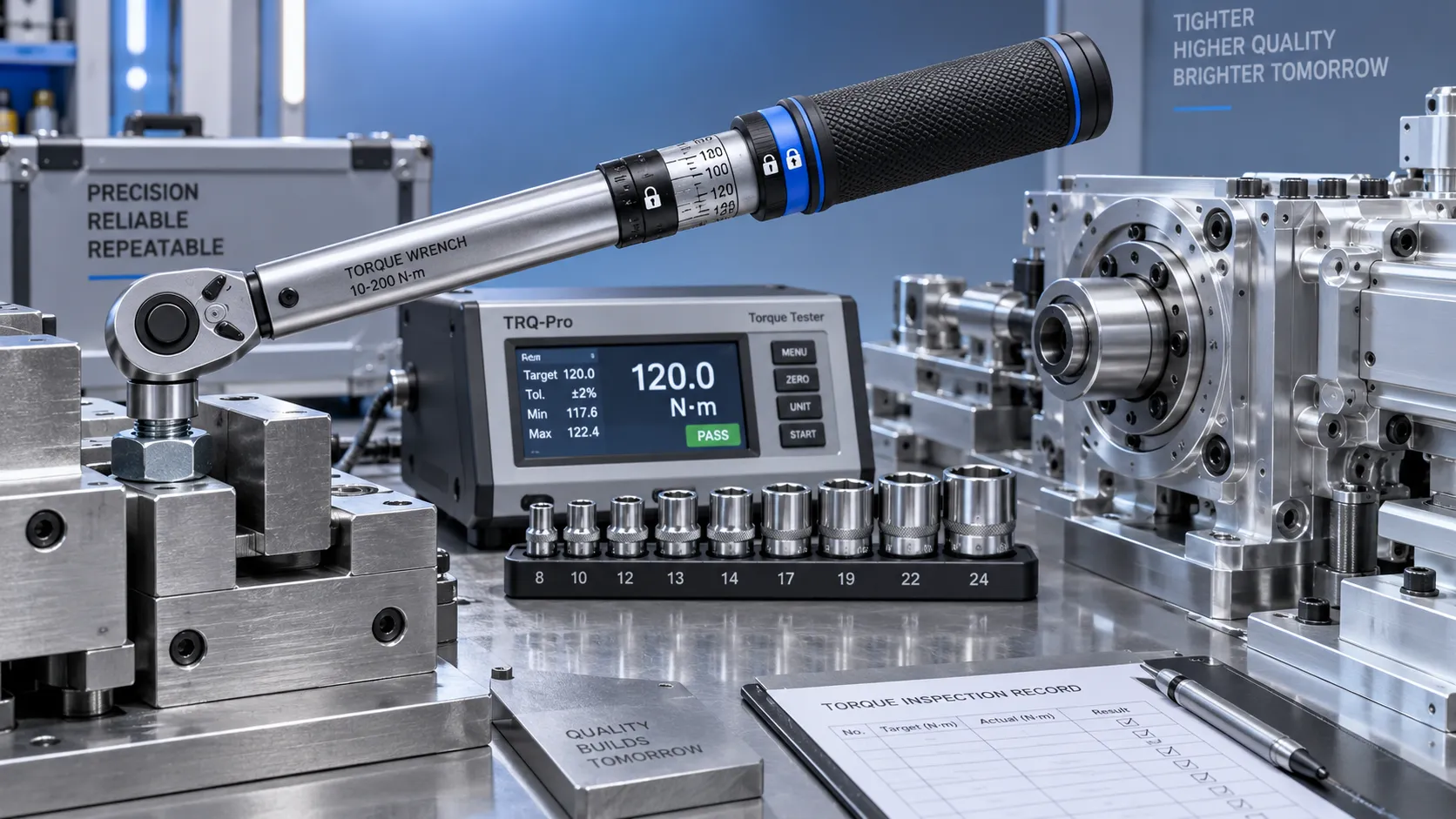
Selecting Adjustable Torque Tools for Repeatable Fastener Assembly
Adjustable torque tools: learn how to match range, accuracy, control methods, calibration, and ergonomics for repeatable, reliable fastener assembly.

How to Select Aerospace Inspection Tools for Aircraft Maintenance Tasks
Aerospace maintenance inspection tools: learn how to select reliable, traceable equipment for aircraft access, accuracy, calibration, and compliant maintenance decisions.

How to Select Wire Bonding Tools for Fine-Pitch Semiconductor Packaging
Explore semiconductor manufacturing tools for wire bonding and learn how to select precision solutions for fine-pitch packaging, reliable loops, accuracy, and yield.
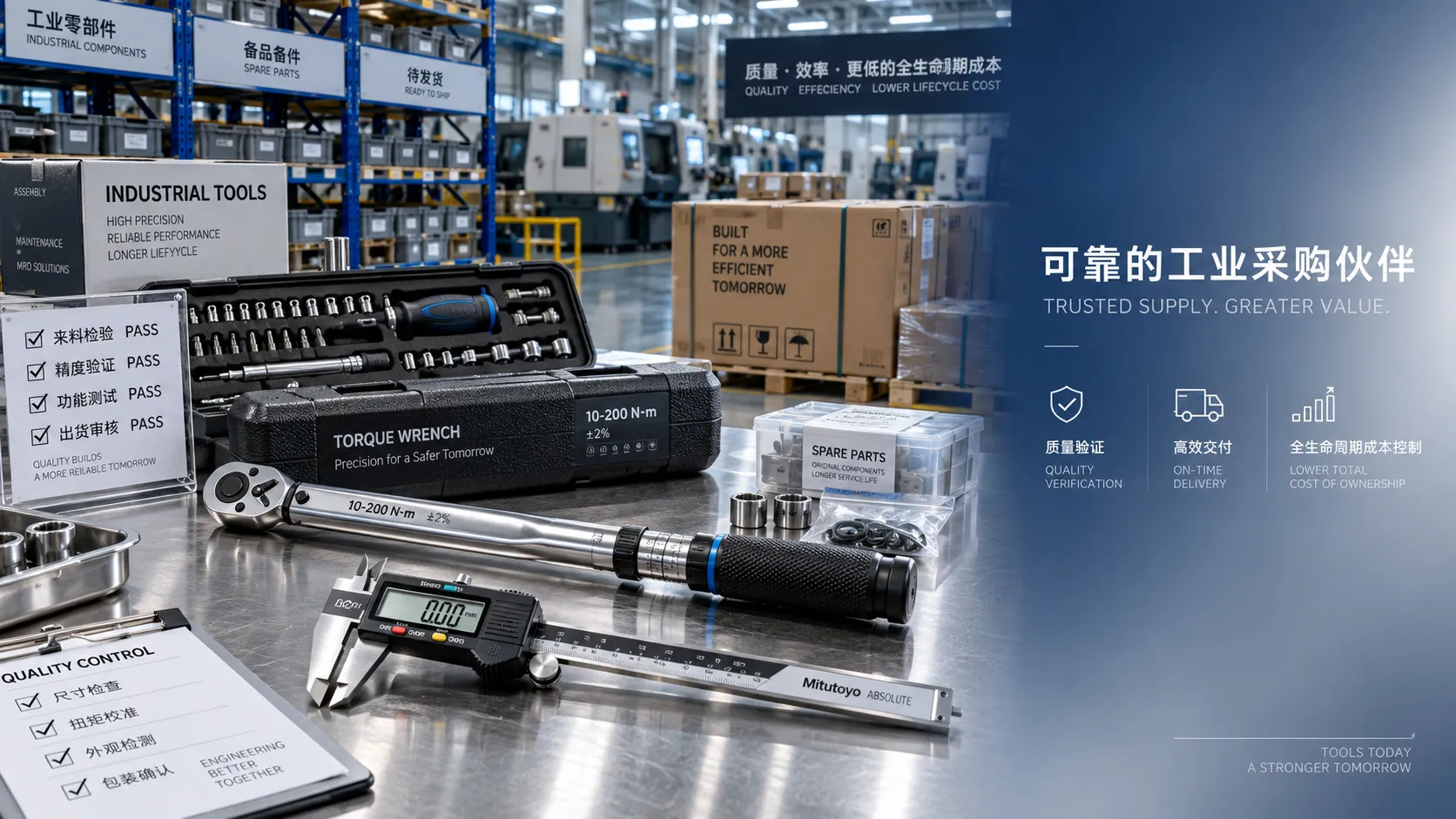
How to Compare Industrial Tool Suppliers for Quality, Lead Time, and Total Cost
Industrial tool selection supplier comparison made simple: evaluate quality, lead times, total cost, service, and supply resilience for confident sourcing decisions.

Industrial Equipment Application Guidance: Match Machines to Operating Conditions
Application guidance industrial equipment: match capacity, duty cycle, materials, site conditions, safety, and lifecycle cost to improve reliable output. Read the guide.
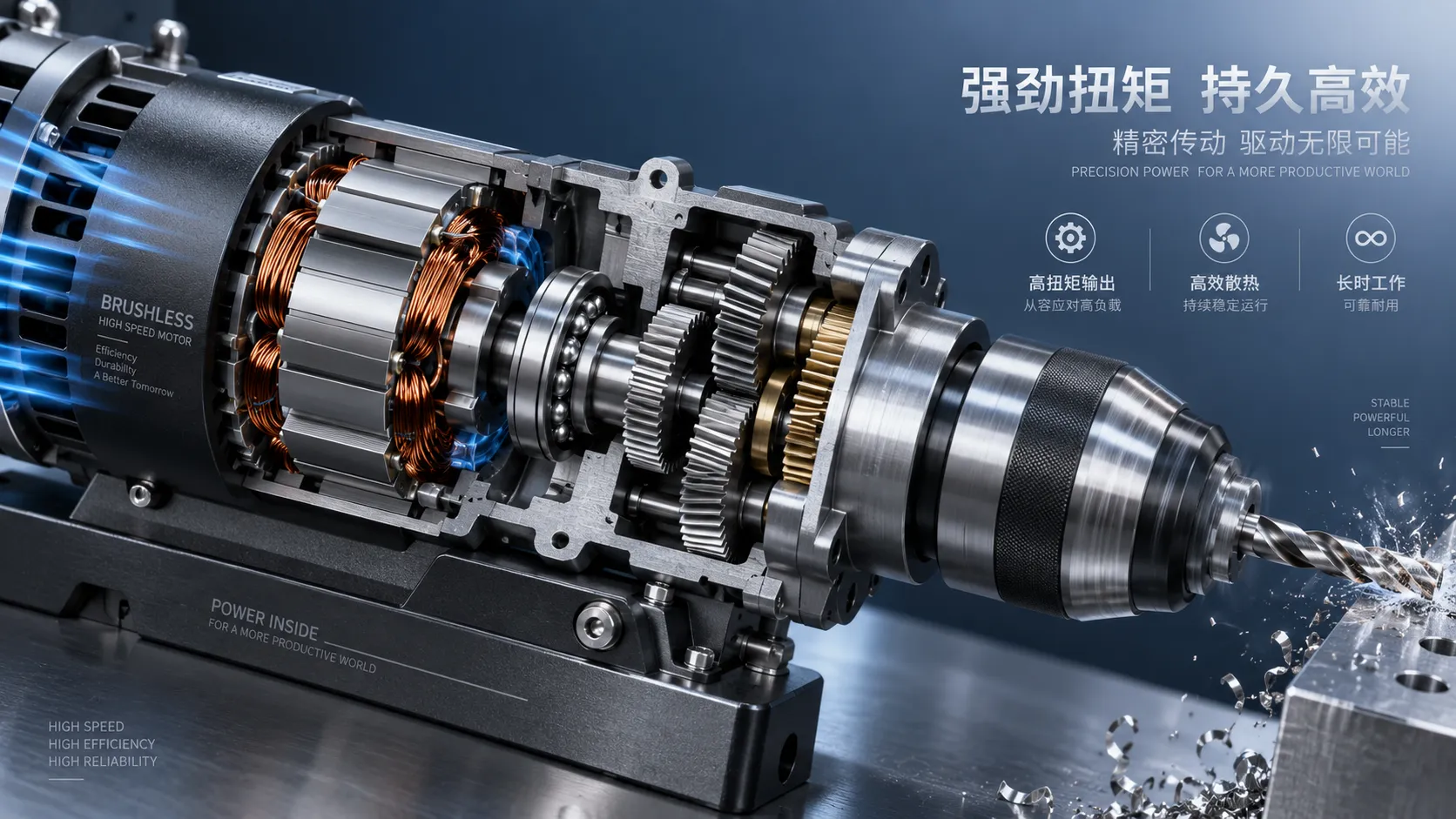
Selecting High-Speed Brushless Tool Motors for Torque, Heat, and Duty Cycle
High speed brushless tool motors: learn how to balance torque, heat, gearing, and duty cycle for reliable industrial tool performance and longer service life.
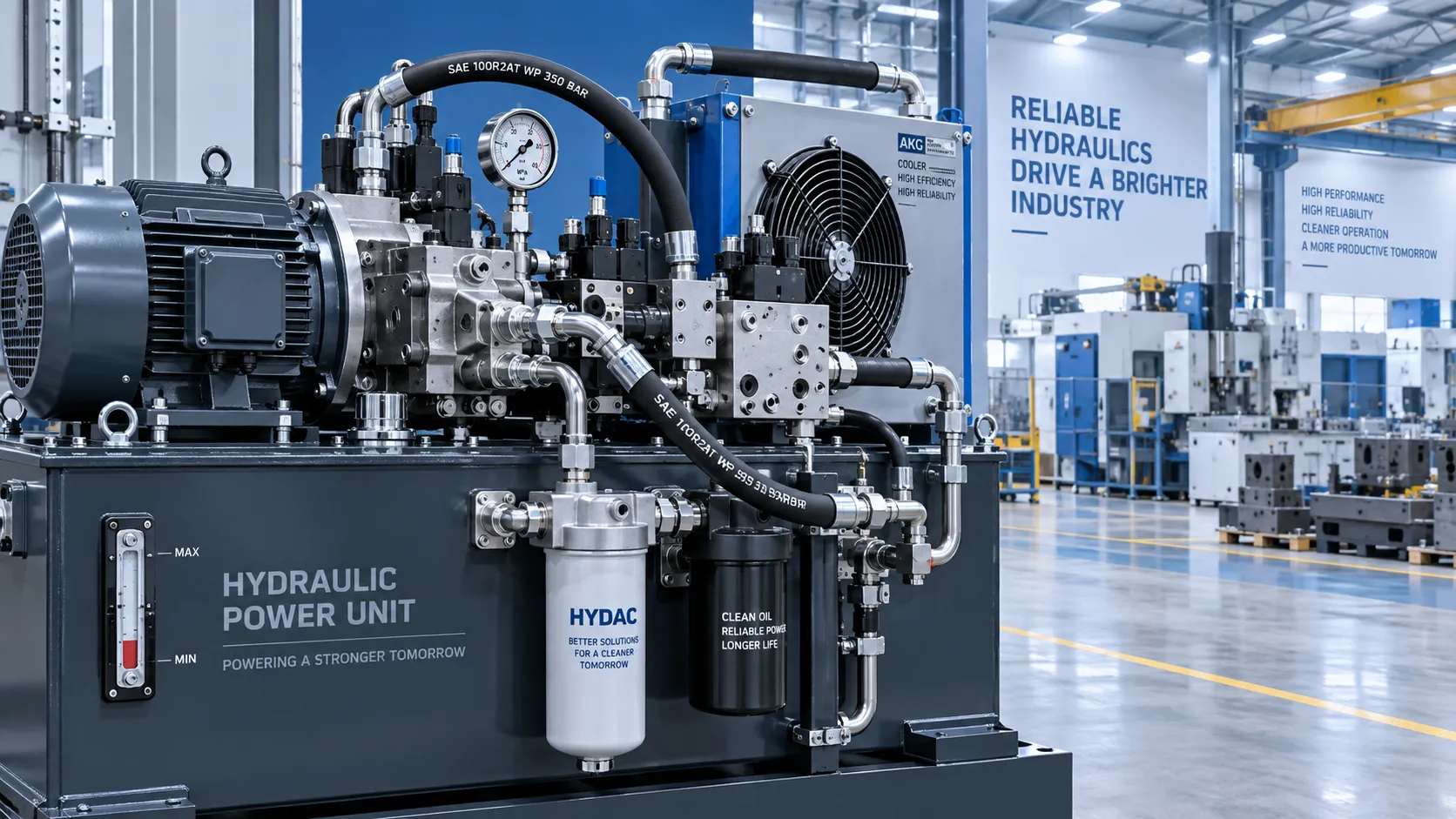
What Determines Industrial Hydraulic System Price for Heavy-Duty Equipment?
Industrial hydraulic system price depends on duty cycle, pressure, components, cooling, and integration. Compare quotes intelligently to secure reliable heavy-duty performance.

Welding Fume Extraction PPE: When Respirators Are Not Enough for Shop Safety
Welding fume extraction PPE: learn why respirators alone fall short and how source capture, ventilation, and layered controls improve shop safety.

How to Select Optical Metrology Solutions for Tight-Tolerance Manufacturing
Optical industrial metrology solutions for tight-tolerance manufacturing: evaluate accuracy, surface compatibility, workflow, and traceability to select with confidence.
Related News
- 00
0000-00
How Procurement Teams Can Map the Industrial Value Chain to Reduce Supply Risk - 00
0000-00
How Industry Category Guides Help Global Sourcing Teams Compare Suppliers Faster - 00
0000-00
Intelligent Tools in Southeast Asia: Key Market Trends, Buyers, and Supply Chain Shifts - 00
0000-00
Industrial Value Chain Europe: Where Sourcing Risks and Lead-Time Pressure Are Rising - 00
0000-00
North America's Industrial Value Chain: Key Shifts in Sourcing, Labor, and Logistics
Dr. Alistair Vaughn
Weekly Insights
Stay ahead with our curated technology reports delivered every Monday.