
What makes aerospace tools harder to source in 2026





Why aerospace tools become harder to source in 2026
Sourcing aerospace tools in 2026 is no longer a simple procurement task.
Tighter export controls, stricter traceability, and longer certification cycles now affect availability, lead time, and pricing across the global tooling chain.
For industrial intelligence platforms like GPTWM, this shift matters because aerospace tools reveal how compliance, capacity, and risk now shape broader precision tooling markets.
The issue is not only scarcity.
It is the growing mismatch between highly specialized demand and a supply network pressured by regulation, documentation burdens, and uneven manufacturing resilience.
The sourcing background changes by use scenario
Not every aerospace tools request faces the same difficulty.
A calibrated torque tool for line maintenance follows a different sourcing path than a bonded assembly fixture or a certified metrology instrument.
That is why scenario-based evaluation matters in 2026.
The hardest cases usually combine precision tolerance, export sensitivity, material traceability, and approved-source restrictions.
When those factors stack together, aerospace tools become slower to verify and harder to replace with alternatives.
Scenario signals worth checking first
- Whether the tool touches flight-critical assembly or inspection records
- Whether the item requires calibration, serialization, or chain-of-custody proof
- Whether dual-use export rules apply to design, software, or embedded electronics
- Whether only one approved supplier or region can provide it
Scenario 1: Production-line assembly tools face the longest bottlenecks
Assembly-grade aerospace tools are difficult because repeatability matters as much as supply.
Torque systems, rivet tools, countersink tools, and special fixtures must align with exact process specifications and operator validation records.
In 2026, many of these tools also include sensors, software, or connected control modules.
That pushes sourcing into a hybrid zone between mechanical tooling and controlled industrial electronics.
A replacement from another brand may appear available, yet still fail due to missing process approval, firmware mismatch, or undocumented performance equivalence.
Core judgment points in this scenario
Check whether the aerospace tools are standard catalog items or process-locked tools tied to a specific build instruction.
Also verify whether consumables, batteries, controllers, or software licenses create hidden dependency after initial purchase.
Scenario 2: MRO and field support tools are exposed to supply fragility
Maintenance, repair, and overhaul environments need aerospace tools fast, but urgency does not reduce compliance requirements.
Portable inspection devices, borescope accessories, hydraulic service tools, and specialty fastener kits often face regional stock shortages.
In this scenario, logistics becomes a major obstacle.
Hazardous shipping rules, customs checks, and documentation reviews can delay even simple aerospace tools if they contain batteries, lasers, or pressurized components.
The challenge is amplified when maintenance standards differ across jurisdictions.
A tool accepted in one region may require additional paperwork or revalidation elsewhere, reducing practical interchangeability.
Core judgment points in this scenario
Focus on delivery assurance, customs classification, calibration validity period, and support for in-region servicing.
Without those checks, available aerospace tools may still arrive too late or fail local acceptance.
Scenario 3: Metrology and inspection tools are constrained by traceability
Precision metrology is one of the hardest categories in aerospace tools sourcing.
Calipers, micrometers, laser measurement systems, gauge blocks, and torque calibration devices now require deeper proof of origin and calibration lineage.
The difficulty is not only technical capability.
It is the need to preserve confidence in every recorded measurement inside audited quality systems.
If a supplier changes a sensor, subcontractor, or calibration lab, the tool may trigger internal review before approval.
That review can be longer than the physical lead time, especially for aerospace tools used in regulated inspection workflows.
Scenario 4: Special process tools are limited by certification cycles
Tools used in welding, bonding, sealing, and composite repair face another barrier.
These aerospace tools are often linked to approved parameters, operator qualification, and exact environmental controls.
A change in torch geometry, temperature control, pressure accuracy, or data logging can require retesting.
That slows adoption of substitutes, even when the original supply source is constrained.
In 2026, the problem grows because certification teams are already overloaded.
So the real shortage may be validation bandwidth, not only physical aerospace tools stock.
How demand differs across aerospace tools scenarios
Practical adaptation advice for 2026 aerospace tools sourcing
- Separate critical aerospace tools from merely convenient tools before requesting quotes.
- Build a document checklist covering origin, calibration, software version, and export status.
- Track second-tier dependencies such as sensors, chips, seals, batteries, and consumables.
- Use region-specific sourcing plans for items exposed to customs or hazardous transport limits.
- Create substitute pathways only after technical and quality equivalence is reviewed.
- Monitor supplier change notices, because minor design changes can affect aerospace tools acceptance.
This is where market intelligence becomes valuable.
GPTWM’s Strategic Intelligence Center helps connect raw material shifts, export restrictions, and precision tooling trends into usable sourcing judgment.
Common misjudgments that make aerospace tools even harder to source
One common mistake is treating aerospace tools like general industrial tools with premium branding.
In reality, documentation, approval status, and lifecycle support often matter more than basic mechanical specification.
Another mistake is focusing only on purchase lead time.
The true timeline may include export review, incoming inspection, software validation, and calibration record verification.
A third blind spot is assuming multi-source resilience already exists.
Many aerospace tools depend on narrow approved ecosystems, making apparent alternatives unusable without extra qualification work.
What to do next when aerospace tools availability looks uncertain
Start with a scenario map.
Classify aerospace tools by assembly, MRO, metrology, or special process use, then rank each by traceability, export exposure, and substitution difficulty.
Next, compare listed lead times against actual approval timelines.
That reveals where the biggest hidden delays sit.
Finally, use intelligence-led monitoring instead of reactive buying.
When sector data, compliance alerts, and supplier signals are connected early, aerospace tools sourcing becomes more predictable, even in a constrained 2026 market.
For industries navigating precision assembly, metal joining, and metrology decisions, this approach turns fragmented risk into actionable visibility.
Related News
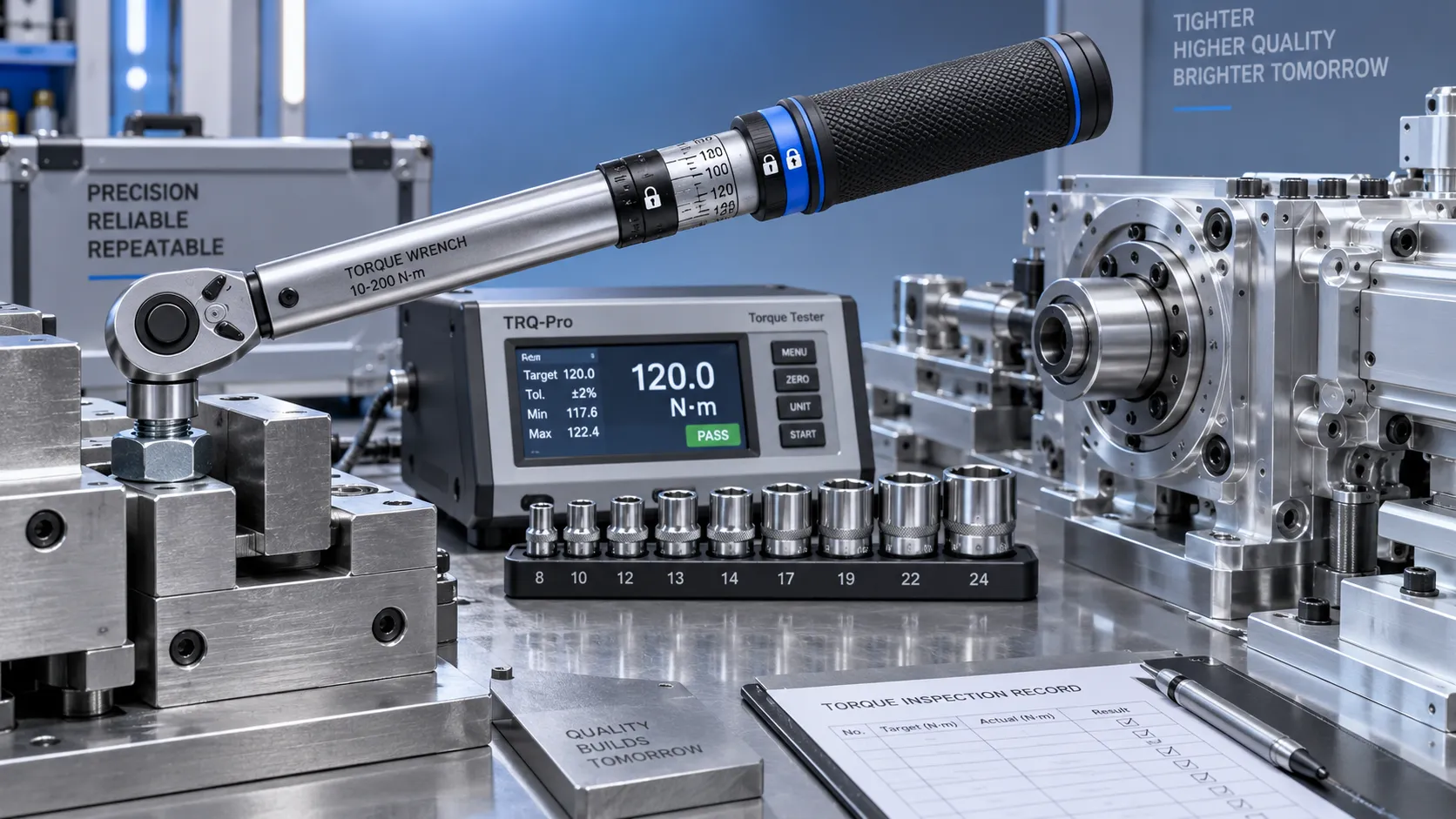
Selecting Adjustable Torque Tools for Repeatable Fastener Assembly
Adjustable torque tools: learn how to match range, accuracy, control methods, calibration, and ergonomics for repeatable, reliable fastener assembly.

How to Select Aerospace Inspection Tools for Aircraft Maintenance Tasks
Aerospace maintenance inspection tools: learn how to select reliable, traceable equipment for aircraft access, accuracy, calibration, and compliant maintenance decisions.

How to Select Wire Bonding Tools for Fine-Pitch Semiconductor Packaging
Explore semiconductor manufacturing tools for wire bonding and learn how to select precision solutions for fine-pitch packaging, reliable loops, accuracy, and yield.
How to Compare Industrial Tool Suppliers for Quality, Lead Time, and Total Cost
Industrial tool selection supplier comparison made simple: evaluate quality, lead times, total cost, service, and supply resilience for confident sourcing decisions.

Industrial Equipment Application Guidance: Match Machines to Operating Conditions
Application guidance industrial equipment: match capacity, duty cycle, materials, site conditions, safety, and lifecycle cost to improve reliable output. Read the guide.
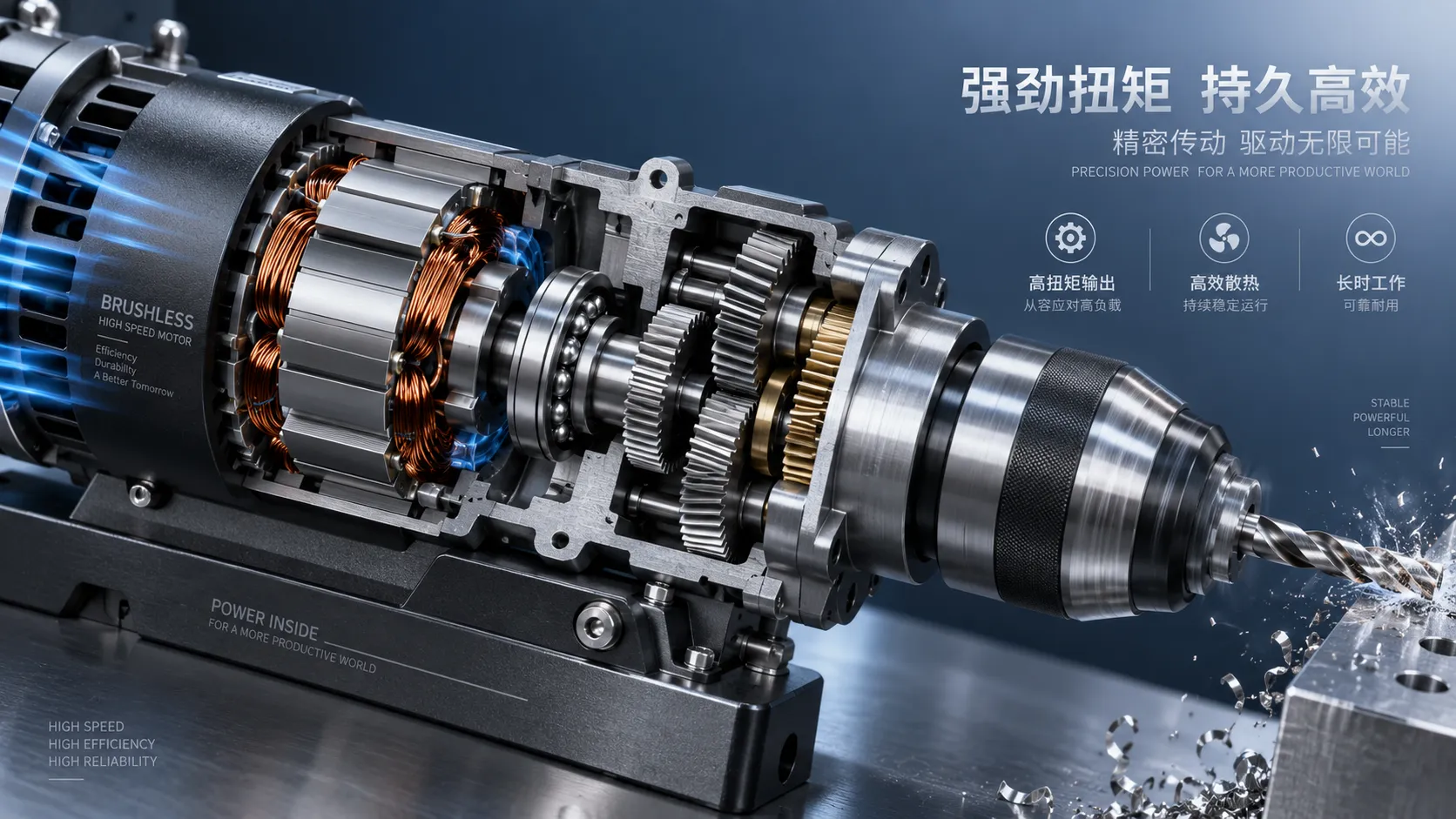
Selecting High-Speed Brushless Tool Motors for Torque, Heat, and Duty Cycle
High speed brushless tool motors: learn how to balance torque, heat, gearing, and duty cycle for reliable industrial tool performance and longer service life.

What Determines Industrial Hydraulic System Price for Heavy-Duty Equipment?
Industrial hydraulic system price depends on duty cycle, pressure, components, cooling, and integration. Compare quotes intelligently to secure reliable heavy-duty performance.

Welding Fume Extraction PPE: When Respirators Are Not Enough for Shop Safety
Welding fume extraction PPE: learn why respirators alone fall short and how source capture, ventilation, and layered controls improve shop safety.

How to Select Optical Metrology Solutions for Tight-Tolerance Manufacturing
Optical industrial metrology solutions for tight-tolerance manufacturing: evaluate accuracy, surface compatibility, workflow, and traceability to select with confidence.
Related News
- 00
0000-00
How Procurement Teams Can Map the Industrial Value Chain to Reduce Supply Risk - 00
0000-00
How Industry Category Guides Help Global Sourcing Teams Compare Suppliers Faster - 00
0000-00
Intelligent Tools in Southeast Asia: Key Market Trends, Buyers, and Supply Chain Shifts - 00
0000-00
Industrial Value Chain Europe: Where Sourcing Risks and Lead-Time Pressure Are Rising - 00
0000-00
North America's Industrial Value Chain: Key Shifts in Sourcing, Labor, and Logistics
Dr. Alistair Vaughn
Weekly Insights
Stay ahead with our curated technology reports delivered every Monday.