
Why industrial standards matter more in global sourcing





In global sourcing, industrial standards are more than technical checklists—they are the foundation of quality consistency, supplier credibility, and cross-border risk control. For procurement professionals facing complex supply chains, understanding industrial standards helps reduce compliance surprises, improve product compatibility, and support smarter purchasing decisions in competitive international markets.
For buyers working across industrial assembly, welding, hydraulic equipment, power tools, and precision metrology, standards influence far more than inspection paperwork. They affect interchangeability, operator safety, rework rates, customs clearance, warranty exposure, and the total cost of ownership over 12–36 months.
This is especially relevant in the “last mile” of manufacturing, where torches, torque tools, calipers, gauges, cutting accessories, and joining systems must perform reliably under real production conditions. In these categories, a small deviation of ±0.02 mm, an incompatible plug specification, or an unverified safety marking can disrupt an entire sourcing plan.
For procurement teams using market intelligence from platforms such as GPTWM, industrial standards provide a common language between suppliers, engineers, quality managers, and distributors. They help buyers compare offers more accurately, shorten supplier qualification cycles, and make purchasing decisions based on measurable criteria rather than sales claims alone.
What industrial standards actually do in global sourcing
Industrial standards define technical expectations for dimensions, materials, testing methods, safety, labeling, and performance thresholds. In sourcing, they reduce ambiguity. Instead of discussing whether a product is “good enough,” buyers can ask whether it meets a specified tolerance range, duty cycle, insulation class, or calibration method.
In practical terms, standards serve 4 critical functions. They establish a baseline for quality, improve compatibility across regions, support regulatory compliance, and lower risk during supplier transfers. When procurement teams switch factories or add a second source, standardized specifications make transition smoother and faster.
Why standards matter beyond technical compliance
Many buyers first encounter industrial standards through drawings, test reports, or customs documents. However, the deeper value appears after the first shipment. A tool that meets agreed standards is easier to inspect within 3–5 incoming quality checks, easier to integrate into existing systems, and easier to support in after-sales service.
For example, in welding and assembly applications, standardized connector geometry, current rating, and safety labeling reduce installation delays. In metrology, common calibration routines and measurement intervals improve repeatability across plants in different countries. That consistency can prevent expensive batch-level disputes.
Common sourcing outcomes influenced by standards
- Fewer non-conformance cases during the first 30–90 days after delivery
- More accurate RFQ comparisons across 3 or more suppliers
- Lower re-inspection workload for incoming goods teams
- Better spare-part compatibility across regions and production lines
- Reduced risk of shipment holds due to labeling or export-control gaps
The table below shows how industrial standards influence key sourcing dimensions in common industrial categories.
The main takeaway is simple: industrial standards create commercial clarity. They do not eliminate every sourcing problem, but they give procurement teams a structure for identifying risk before orders move into mass production, shipment, and field use.
Why procurement teams rely on standards to control cost and risk
Price remains important, but landed cost is shaped by many hidden variables. A low quote can quickly lose its advantage if the batch fails incoming inspection, needs repacking, or requires engineering rework. Industrial standards help buyers estimate these hidden costs earlier in the sourcing cycle.
In categories such as power tools, welding accessories, and measuring instruments, a 3%–5% purchase price gap may be less significant than a 15-day delivery delay caused by incomplete compliance documents. Standards reduce this uncertainty by clarifying exactly what evidence the supplier must provide before shipment.
The 5 risk areas standards help reduce
- Specification mismatch between RFQ, sample, and production batch
- Non-compliant safety or export labeling in destination markets
- Measurement inconsistency due to unclear calibration practice
- Interchangeability issues in consumables, fittings, or replacement parts
- Warranty disputes caused by undefined test conditions or duty cycles
For procurement professionals, the real value of industrial standards is that they shift supplier management from promise-based to evidence-based. Instead of asking whether a supplier “understands international business,” the buyer can verify documents, process controls, and inspection records against a known framework.
Risk tends to rise in these situations
Risk is usually higher when buyers source from a new factory, consolidate multiple SKUs into one shipment, request customized packaging, or switch from domestic to export-grade versions. It also increases when product categories involve safety-sensitive operation, such as handheld welding systems, hydraulic tools, or precision measuring devices.
In such cases, standards provide checkpoints across at least 3 stages: supplier qualification, pre-shipment verification, and post-delivery acceptance. Buyers who skip one of these stages often face avoidable delays, especially during the first 1–2 orders with a new supplier.
Which standards buyers should review before placing orders
Not every product requires the same documentation depth. A calibrated measuring instrument, for example, usually needs stronger traceability than a basic hand tool. A welding system may require closer attention to electrical safety, thermal performance, and operator protection than a simple mechanical accessory.
The key is to separate standards into categories rather than collecting paperwork without a decision purpose. For sourcing teams, this often means reviewing 4 layers: product specification standards, safety standards, testing and inspection standards, and market-entry or labeling requirements.
A practical standard review framework
The table below offers a practical checklist for buyers handling industrial sourcing across tools, welding, and metrology-related products.
This framework helps buyers ask the right questions early. It also reduces the common mistake of treating all certificates as equally important. In reality, some documents confirm general management capability, while others directly affect whether a specific batch can be accepted and used.
What matters by product type
For precision metrology products, focus on measurement range, resolution, repeatability, and calibration traceability. For welding equipment, review current output stability, duty cycle, cable and connector compatibility, and operator safety features. For industrial tools, check motor class, torque consistency, vibration control, and spare-part continuity.
A buyer sourcing multiple categories should not use a single approval template for every item. A 6-item checklist may work for hand tools, while a 10-item technical review may be more suitable for electrically powered or measurement-critical equipment.
How to apply industrial standards during supplier evaluation
The strongest sourcing results come when industrial standards are embedded into the supplier evaluation workflow, not reviewed only at the document stage. This means procurement, engineering, and quality teams should align on decision criteria before sample approval and purchase order release.
A practical evaluation process often includes 5 steps: RFQ definition, document screening, sample validation, production readiness review, and shipment release. Each step should have at least 1 pass/fail condition linked to standards, specifications, or inspection rules.
Recommended 5-step sourcing workflow
- Define product requirements with technical ranges, use conditions, and destination market needs
- Request standard-related documents together with quotation, lead time, and MOQ details
- Validate samples against functional, dimensional, and safety checkpoints
- Confirm process capability, traceability, and corrective-action response time
- Approve shipment only after inspection records match agreed acceptance criteria
Questions buyers should ask suppliers
- Which product standards and test methods were used for this quotation?
- Are the submitted documents batch-specific or general reference files?
- What is the calibration or verification frequency for key inspection tools?
- Can the supplier maintain the same standard when output increases by 20%–30%?
- What is the normal corrective-action turnaround, such as 48–72 hours or 5 business days?
These questions are particularly important when sourcing from regions with different manufacturing practices or when introducing private-label products. Standards help ensure that branding changes do not accidentally mask technical inconsistencies between batches or production sites.
For intelligence-led sourcing teams, platforms like GPTWM add another advantage: they help buyers track shifting export restrictions, safety expectations, and sector-specific demand trends. That visibility allows procurement to update sourcing criteria before problems reach the dock or the end user.
Common mistakes when buyers treat standards as paperwork only
One of the most common mistakes is assuming that a supplier with complete documentation automatically offers consistent product performance. Documents matter, but sourcing success also depends on process control, operator training, component consistency, and the supplier’s ability to hold tolerance from the first unit to the five-thousandth.
Another mistake is failing to align standards with the actual use case. A product suitable for light-duty maintenance may not be suitable for 8-hour daily industrial operation. Procurement should verify whether the standard referenced by the supplier matches the intended environment, duty level, and user expectation.
Three warning signs during sourcing
- The supplier cannot explain which test results apply to the quoted model and which are generic
- Technical drawings and shipping labels show inconsistent product identifiers or ratings
- Sample performance passes once, but batch verification data for 2–3 production runs is unavailable
How to correct course
Buyers should connect each standard to a business outcome: acceptance, compatibility, safety, or market access. If a document does not support one of these outcomes, it should not dominate the approval process. This approach makes sourcing more disciplined and keeps teams focused on operational value rather than document volume.
It is also wise to review standards again when expanding into new regions, changing packaging languages, or sourcing upgraded versions of existing products. A specification that worked 18 months ago may need revision if voltage rules, ergonomic expectations, or import checks have changed.
Turning standards into a competitive sourcing advantage
Industrial standards do more than protect buyers from failure. They also improve negotiation quality. When procurement teams define requirements clearly, suppliers can quote more accurately, production planning becomes more stable, and delivery discussions move from vague promises to measurable milestones such as 2-week sampling or 30-day batch lead time.
For distributors and industrial buyers, this creates a practical advantage: fewer emergency replacements, more predictable inventory planning, and better confidence when expanding product lines across multiple markets. Standards support long-term supplier partnerships because expectations are transparent on both sides.
In the sectors observed by GPTWM—industrial assembly, metal joining, and precision metrology—this discipline is increasingly important. As products become more intelligent, connected, and globally distributed, industrial standards will continue to shape not only quality control, but also market readiness, serviceability, and brand credibility.
If your team is reviewing suppliers, comparing technical offers, or preparing cross-border purchases in tools, welding, hydraulic systems, or metrology equipment, a standards-first sourcing approach can reduce avoidable risk and sharpen decision quality. Contact us to explore tailored sourcing intelligence, discuss product-specific requirements, or learn more solutions for global industrial procurement.
Related News
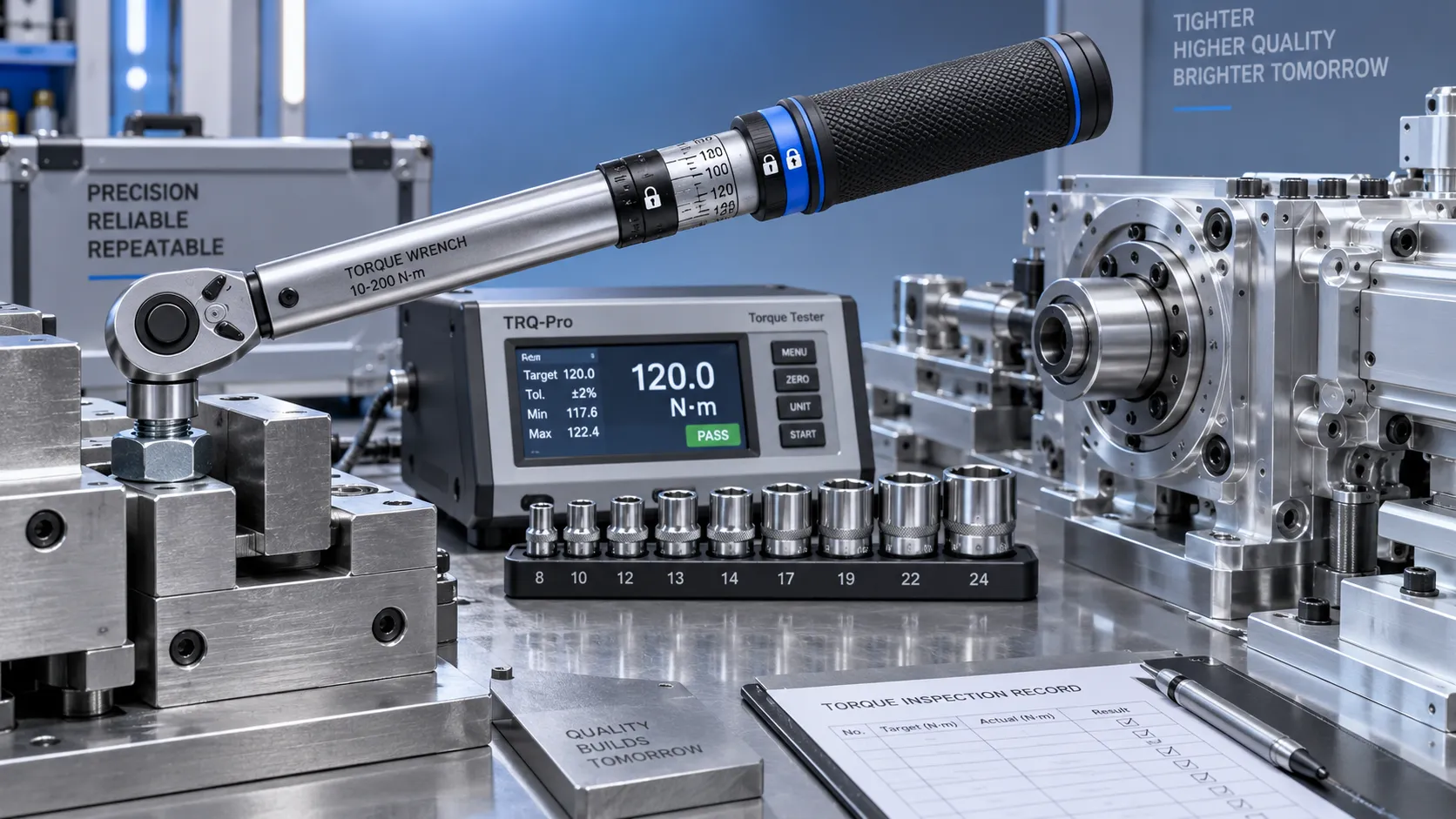
Selecting Adjustable Torque Tools for Repeatable Fastener Assembly
Adjustable torque tools: learn how to match range, accuracy, control methods, calibration, and ergonomics for repeatable, reliable fastener assembly.

How to Select Aerospace Inspection Tools for Aircraft Maintenance Tasks
Aerospace maintenance inspection tools: learn how to select reliable, traceable equipment for aircraft access, accuracy, calibration, and compliant maintenance decisions.

How to Select Wire Bonding Tools for Fine-Pitch Semiconductor Packaging
Explore semiconductor manufacturing tools for wire bonding and learn how to select precision solutions for fine-pitch packaging, reliable loops, accuracy, and yield.
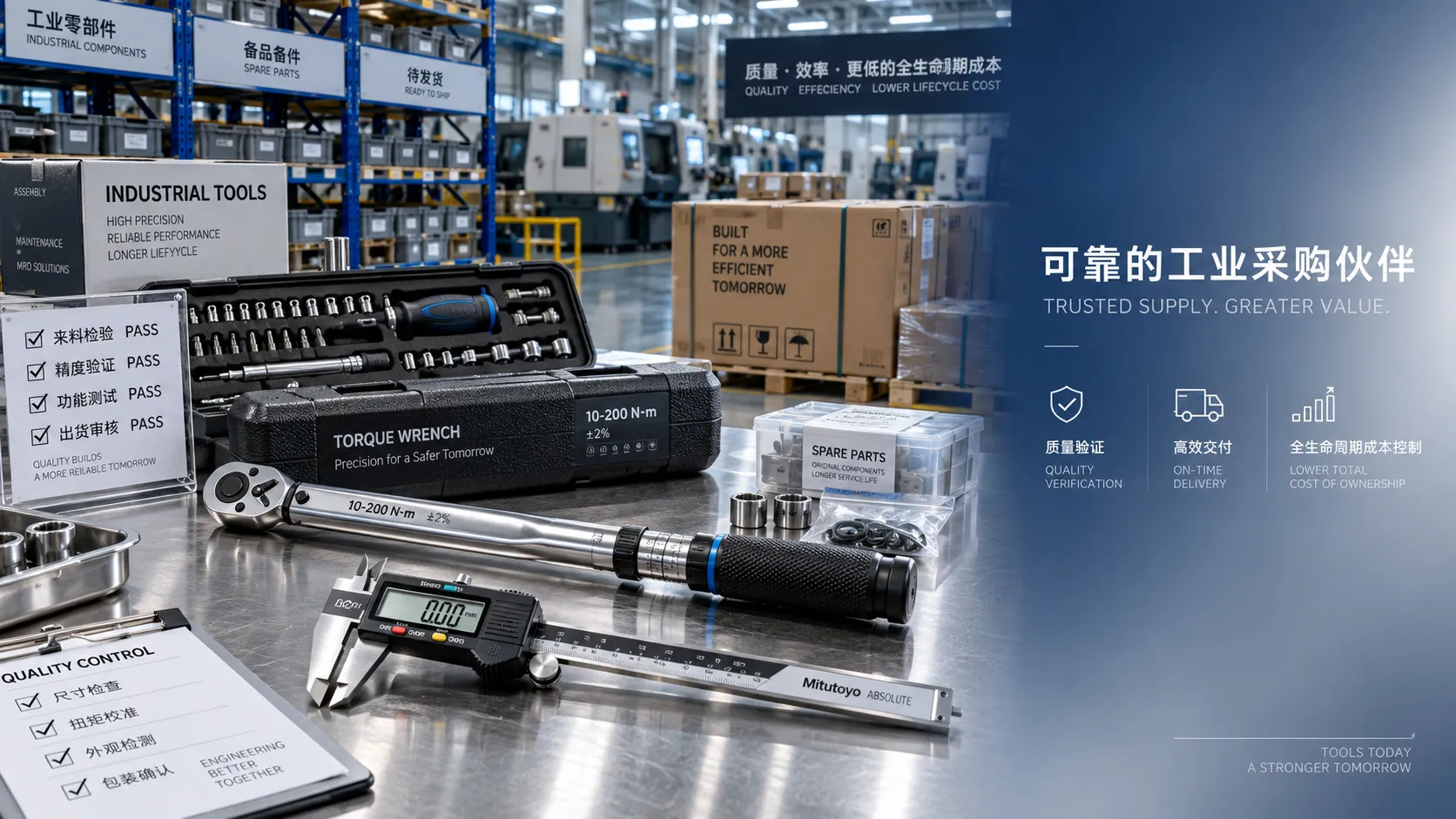
How to Compare Industrial Tool Suppliers for Quality, Lead Time, and Total Cost
Industrial tool selection supplier comparison made simple: evaluate quality, lead times, total cost, service, and supply resilience for confident sourcing decisions.

Industrial Equipment Application Guidance: Match Machines to Operating Conditions
Application guidance industrial equipment: match capacity, duty cycle, materials, site conditions, safety, and lifecycle cost to improve reliable output. Read the guide.
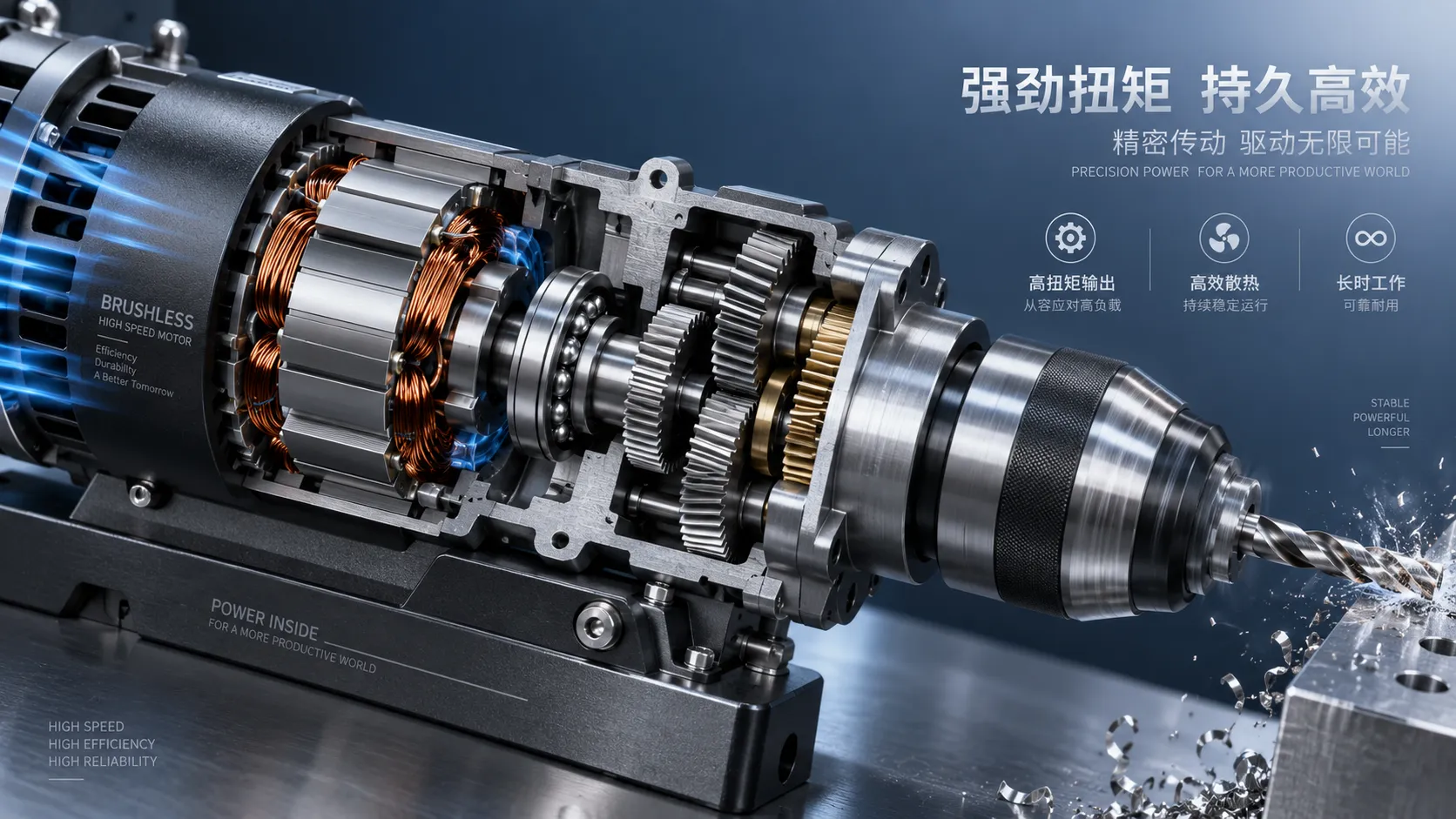
Selecting High-Speed Brushless Tool Motors for Torque, Heat, and Duty Cycle
High speed brushless tool motors: learn how to balance torque, heat, gearing, and duty cycle for reliable industrial tool performance and longer service life.
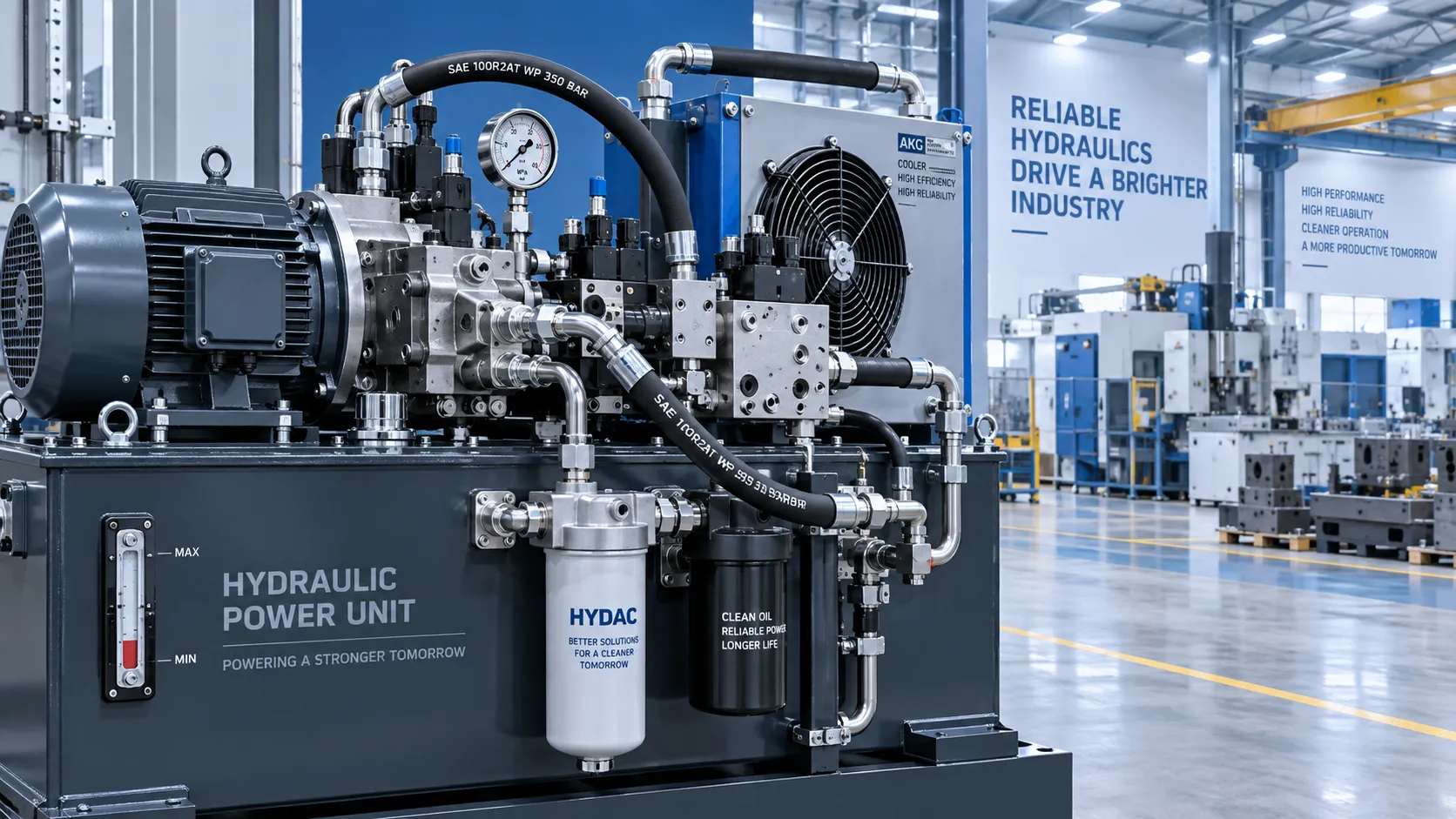
What Determines Industrial Hydraulic System Price for Heavy-Duty Equipment?
Industrial hydraulic system price depends on duty cycle, pressure, components, cooling, and integration. Compare quotes intelligently to secure reliable heavy-duty performance.

Welding Fume Extraction PPE: When Respirators Are Not Enough for Shop Safety
Welding fume extraction PPE: learn why respirators alone fall short and how source capture, ventilation, and layered controls improve shop safety.

How to Select Optical Metrology Solutions for Tight-Tolerance Manufacturing
Optical industrial metrology solutions for tight-tolerance manufacturing: evaluate accuracy, surface compatibility, workflow, and traceability to select with confidence.
Related News
- 00
0000-00
How Procurement Teams Can Map the Industrial Value Chain to Reduce Supply Risk - 00
0000-00
How Industry Category Guides Help Global Sourcing Teams Compare Suppliers Faster - 00
0000-00
Intelligent Tools in Southeast Asia: Key Market Trends, Buyers, and Supply Chain Shifts - 00
0000-00
Industrial Value Chain Europe: Where Sourcing Risks and Lead-Time Pressure Are Rising - 00
0000-00
North America's Industrial Value Chain: Key Shifts in Sourcing, Labor, and Logistics
Dr. Alistair Vaughn
Weekly Insights
Stay ahead with our curated technology reports delivered every Monday.