
Why industrial IoT rollouts fail after pilot success





Many industrial IoT initiatives generate impressive pilot results yet stall when scaled across plants, suppliers, and legacy systems. For business decision-makers, the gap between proof of concept and enterprise value often comes down to governance, integration, workforce readiness, and ROI discipline. Understanding why industrial IoT rollouts fail after pilot success is essential to turning short-term wins into sustainable operational transformation.
Why does industrial IoT succeed in pilots but fail at rollout?
A pilot usually runs in a controlled area: one line, one plant, one vendor team, and a narrow use case. That environment hides the full complexity of enterprise manufacturing operations.
When leaders expand industrial IoT across assembly, welding, torque control, metrology, maintenance, and supplier networks, the problem changes. It is no longer a technology test. It becomes an operational redesign challenge.
For companies in precision tools, metal joining, and industrial equipment ecosystems, rollout difficulty is amplified by mixed machine ages, fragmented data formats, safety constraints, and strict uptime expectations.
- Pilots often measure technical feasibility, while scale requires governance, ownership, cybersecurity, support models, and site-by-site change execution.
- Pilot teams are usually high-touch and cross-functional, but enterprise programs must work with normal staffing levels and realistic plant schedules.
- Early success may rely on temporary integrations or manual data cleansing that cannot support dozens of facilities or distributed service partners.
This is why decision-makers should ask a harder question after pilot success: can the business repeat the model without adding disproportionate cost, delay, and organizational friction?
The most common failure points in industrial IoT scale-up
The table below highlights where industrial IoT programs typically break down after pilot approval. These are not isolated technical defects. They are recurring management and execution gaps.
For enterprise leaders, these failure points show that industrial IoT rollout is less about adding sensors and more about standardizing decisions, data trust, and execution discipline across the manufacturing network.
Why governance matters more than many teams expect
A pilot can move quickly with informal coordination. A rollout cannot. Without executive sponsorship, plant-level ownership, and a shared KPI framework, every site interprets industrial IoT differently.
That leads to a familiar pattern: one plant tracks OEE, another tracks energy, a third focuses on torque traceability, and none of the data supports portfolio-level optimization.
Why integration complexity is underestimated
In sectors linked to assembly, welding, and metrology, equipment fleets may include new digital tools, semi-automated stations, and decades-old assets. The pilot often touches only the easiest machines.
Once expansion begins, companies face protocol mismatches, inconsistent tag structures, and quality records trapped in siloed software. At that stage, industrial IoT value slows because the data backbone is incomplete.
What decision-makers should evaluate before approving expansion
A strong industrial IoT rollout plan should be tested against commercial, operational, and compliance realities, not just pilot dashboards. The following evaluation matrix helps leaders pressure-test readiness.
This matrix is especially useful when industrial IoT is tied to precision operations such as intelligent torque control, welding quality logging, or digital metrology records. In those cases, bad rollout decisions can affect traceability and customer compliance.
A practical expansion checklist
- Define three enterprise-level outcomes, such as scrap reduction, maintenance response time, or calibration traceability improvement.
- Map which plants, tools, and systems are technically connectable without excessive retrofit cost.
- Set data standards before adding more devices, including tag naming, timestamps, event rules, and access control.
- Assign business owners, not just IT owners, for each use case and escalation workflow.
- Create a stage-gate funding model so each rollout wave must prove operational value before wider investment.
This approach keeps industrial IoT expansion tied to decision quality instead of technology enthusiasm.
How industry realities in assembly, welding, and metrology increase rollout risk
Industrial IoT behaves differently in discrete manufacturing than in clean digital environments. Precision tool chains involve calibration schedules, operator handling variation, safety controls, and frequent asset movement between workstations.
In welding and metal joining, data capture may need to align with process parameters, equipment safety protocols, and quality documentation. In metrology, data integrity matters because measurement records influence customer acceptance and audit readiness.
- Connected torque tools may show usage data, but value disappears if calibration status and batch traceability are not linked.
- Welding systems can stream process data, yet rollout fails if safety procedures and operator permissions are handled differently by each site.
- Digital gauges and measuring instruments may feed quality platforms, but enterprise trust drops when measurement methods are not standardized.
This is where a specialist intelligence perspective matters. GPTWM follows the last mile of industrial manufacturing, where tool ergonomics, process variability, and global standards influence whether digital transformation produces usable value.
Why external market intelligence supports better rollout decisions
Enterprise programs are shaped not only by internal readiness but also by changing supply conditions, export restrictions, and evolving tool technologies. A rollout roadmap built without this context can become obsolete before deployment is complete.
GPTWM’s Strategic Intelligence Center helps decision-makers interpret these moving variables, from intelligent torque systems and brushless tool efficiency limits to changing demand patterns in construction, automotive, and aerospace maintenance channels.
Pilot-first versus scale-ready industrial IoT: what is the difference?
Many organizations confuse a successful proof of concept with a scale-ready operating model. The distinction is critical because industrial IoT at enterprise level must remain reliable under normal plant conditions.
The practical takeaway is simple: industrial IoT should not move to enterprise rollout until the organization has a replicable architecture, a costed support model, and a clear operating standard for every site.
How to improve rollout success rates without overspending
Prioritize use cases with measurable plant economics
Decision-makers should begin with use cases that tie directly to downtime, scrap, rework, energy, compliance exposure, or labor productivity. Industrial IoT projects fail when they collect interesting data that no manager is accountable to act on.
Standardize before you multiply
If each site wants a different dashboard, alert rule, or supplier interface, enterprise cost will rise faster than value. Standard operating logic should be created before the second or third rollout wave, not after ten plants are live.
Build workforce adoption into the budget
Training is not a side activity. Operators, maintenance technicians, quality teams, and line supervisors all use industrial IoT differently. Adoption improves when the system reduces their daily friction rather than adding a reporting burden.
Use stage gates for risk control
A stage-gated expansion model limits capital exposure. Instead of enterprise-wide deployment at once, leaders can validate data quality, process adoption, and financial return after each wave. That protects both budget and credibility.
FAQ: what business leaders ask about industrial IoT rollout risk
How do we know whether our industrial IoT pilot is ready for scale?
Look beyond technical uptime. A scale-ready pilot should already have documented ownership, standard data definitions, cybersecurity controls, a realistic support model, and a financial case that includes lifecycle costs. If any of those elements are missing, scaling is premature.
Which industrial IoT use cases are usually strongest for mixed manufacturing environments?
The strongest cases are those with direct operational leverage, such as predictive maintenance for critical assets, torque traceability, connected calibration management, welding parameter visibility, and exception alerts tied to quality escapes or unplanned downtime.
What are the most common procurement mistakes?
Common mistakes include buying for features rather than integration fit, underestimating retrofit cost for legacy equipment, ignoring plant security requirements, and selecting platforms without a practical model for training, support, and multi-site governance.
Do we need external intelligence when planning industrial IoT expansion?
In many cases, yes. External intelligence helps firms benchmark technology maturity, interpret supply-chain and standards pressure, and avoid overcommitting to solutions that do not align with broader market direction or sector-specific workflow realities.
Why choose us for industrial IoT decision support?
GPTWM is positioned around the last mile of industrial manufacturing, where strategic intelligence must connect real tools, real operators, and real production constraints. That perspective is valuable when industrial IoT decisions affect assembly quality, metal joining performance, and precision measurement workflows.
Our strength is not generic digital commentary. It is the combination of sector observation, manufacturing efficiency analysis, and commercial insight across intelligent tools, metrology, and industrial equipment demand patterns.
- Clarify whether your industrial IoT pilot is technically impressive but commercially fragile.
- Assess rollout readiness across integration complexity, operational ownership, and multi-site economics.
- Support solution selection for connected tools, torque systems, digital quality workflows, and related manufacturing intelligence needs.
- Discuss delivery timing, standards considerations, supplier alignment, and scenario-specific roadmap priorities.
If your team is evaluating parameter alignment, product selection, implementation sequence, compliance expectations, sample feasibility, or quotation direction for industrial IoT-related manufacturing solutions, GPTWM can help structure the discussion around practical business outcomes rather than pilot-stage optimism.
Related News
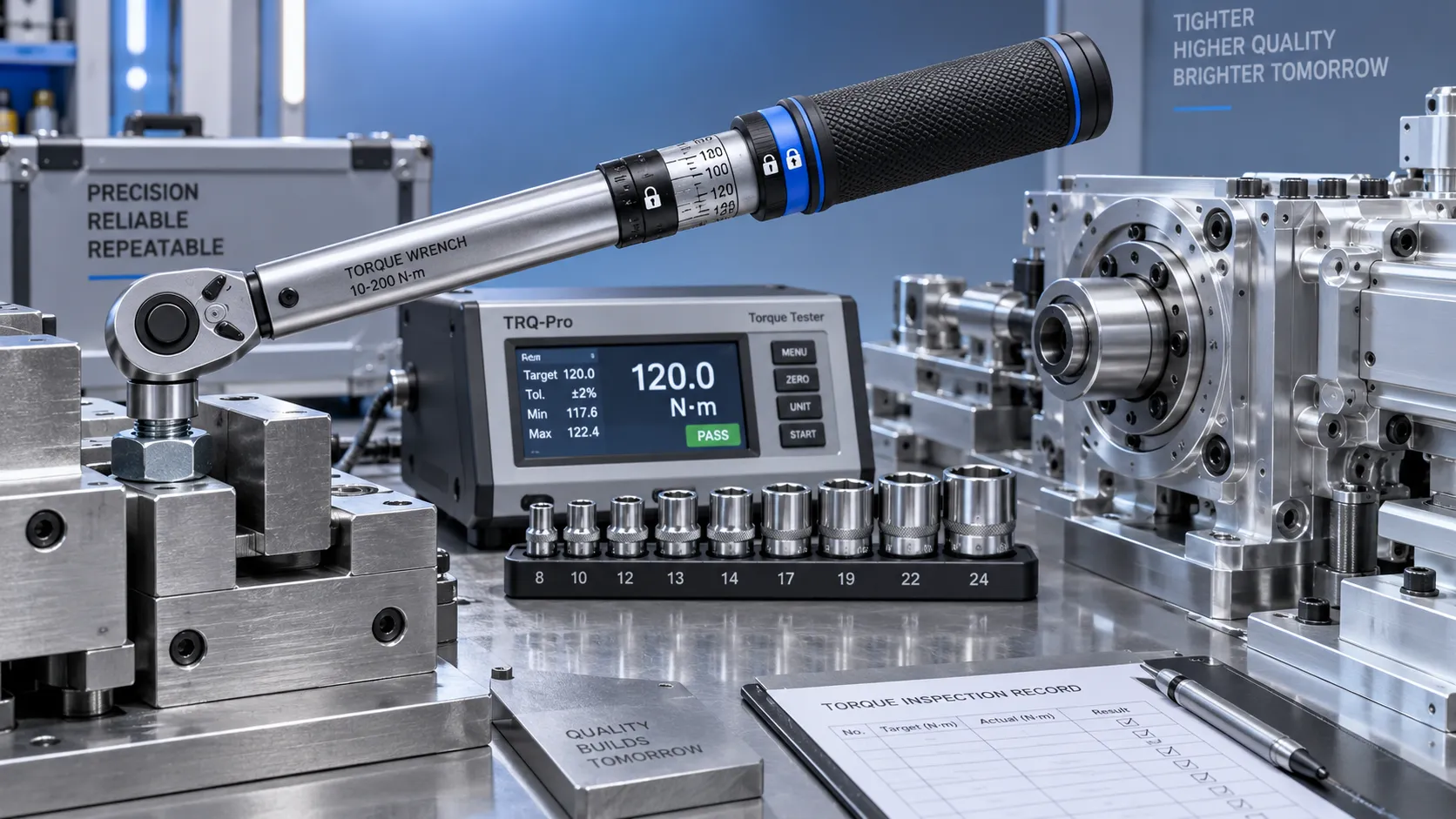
Selecting Adjustable Torque Tools for Repeatable Fastener Assembly
Adjustable torque tools: learn how to match range, accuracy, control methods, calibration, and ergonomics for repeatable, reliable fastener assembly.

How to Select Aerospace Inspection Tools for Aircraft Maintenance Tasks
Aerospace maintenance inspection tools: learn how to select reliable, traceable equipment for aircraft access, accuracy, calibration, and compliant maintenance decisions.

How to Select Wire Bonding Tools for Fine-Pitch Semiconductor Packaging
Explore semiconductor manufacturing tools for wire bonding and learn how to select precision solutions for fine-pitch packaging, reliable loops, accuracy, and yield.
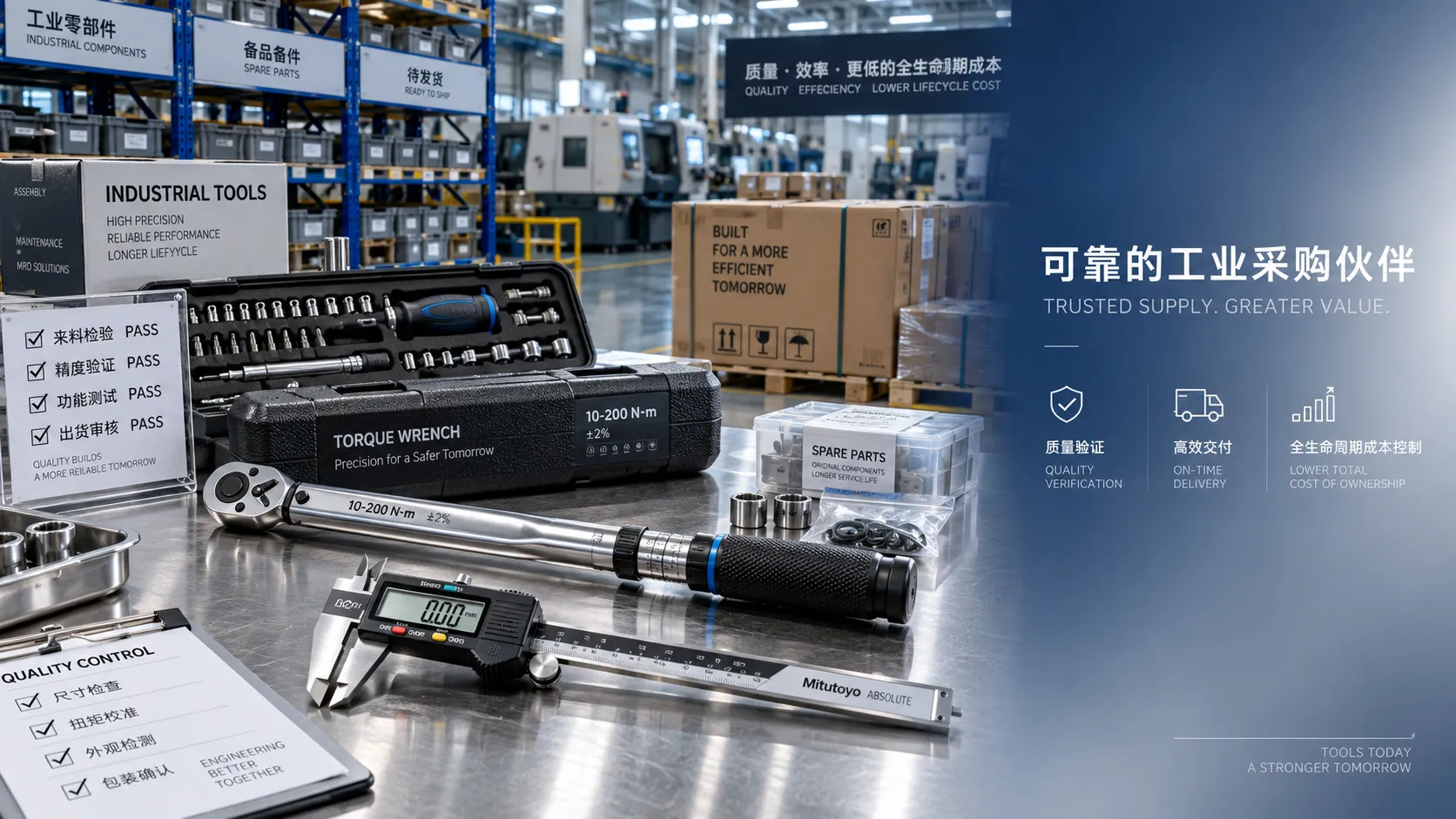
How to Compare Industrial Tool Suppliers for Quality, Lead Time, and Total Cost
Industrial tool selection supplier comparison made simple: evaluate quality, lead times, total cost, service, and supply resilience for confident sourcing decisions.
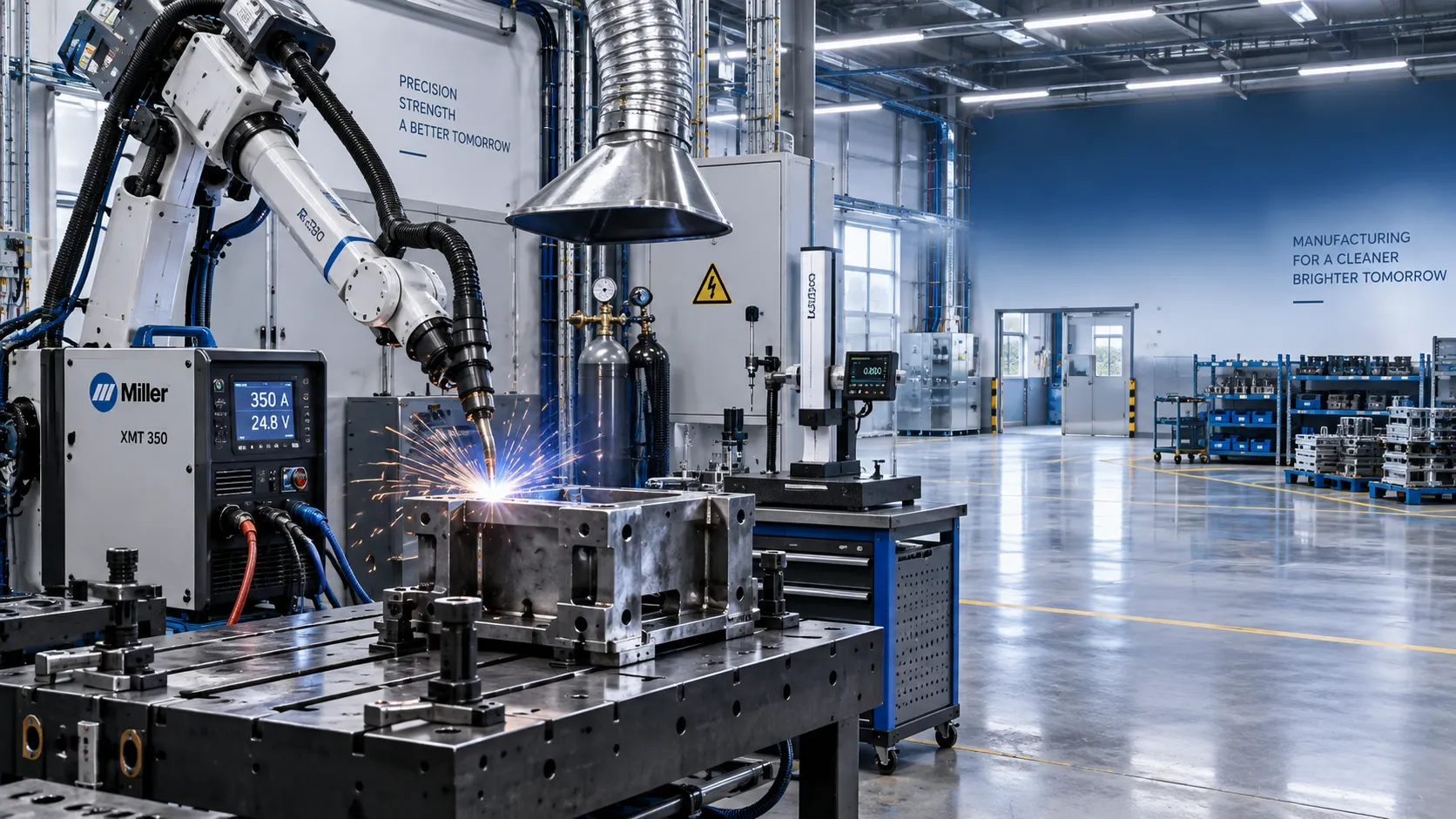
Industrial Equipment Application Guidance: Match Machines to Operating Conditions
Application guidance industrial equipment: match capacity, duty cycle, materials, site conditions, safety, and lifecycle cost to improve reliable output. Read the guide.
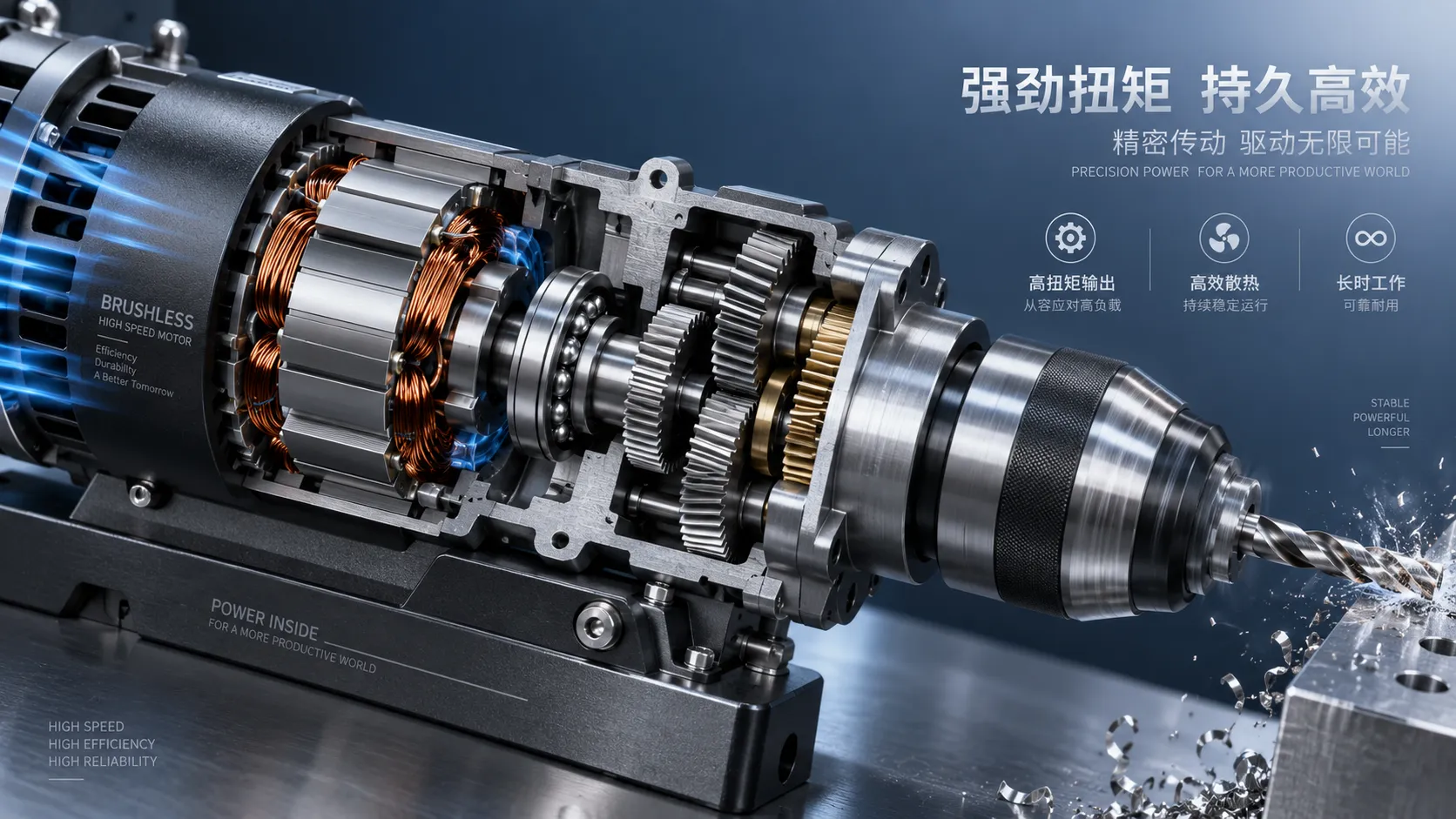
Selecting High-Speed Brushless Tool Motors for Torque, Heat, and Duty Cycle
High speed brushless tool motors: learn how to balance torque, heat, gearing, and duty cycle for reliable industrial tool performance and longer service life.
What Determines Industrial Hydraulic System Price for Heavy-Duty Equipment?
Industrial hydraulic system price depends on duty cycle, pressure, components, cooling, and integration. Compare quotes intelligently to secure reliable heavy-duty performance.
Welding Fume Extraction PPE: When Respirators Are Not Enough for Shop Safety
Welding fume extraction PPE: learn why respirators alone fall short and how source capture, ventilation, and layered controls improve shop safety.

How to Select Optical Metrology Solutions for Tight-Tolerance Manufacturing
Optical industrial metrology solutions for tight-tolerance manufacturing: evaluate accuracy, surface compatibility, workflow, and traceability to select with confidence.
Related News
- 00
0000-00
How Procurement Teams Can Map the Industrial Value Chain to Reduce Supply Risk - 00
0000-00
How Industry Category Guides Help Global Sourcing Teams Compare Suppliers Faster - 00
0000-00
Intelligent Tools in Southeast Asia: Key Market Trends, Buyers, and Supply Chain Shifts - 00
0000-00
Industrial Value Chain Europe: Where Sourcing Risks and Lead-Time Pressure Are Rising - 00
0000-00
North America's Industrial Value Chain: Key Shifts in Sourcing, Labor, and Logistics
Dr. Alistair Vaughn
Weekly Insights
Stay ahead with our curated technology reports delivered every Monday.