
Advanced Manufacturing Methods Compared: CNC, Additive, and Hybrid Processes





Advanced manufacturing now sits at the center of production strategy because process choice affects far more than part geometry. It shapes lead time, inspection burden, material use, repair options, and the economics of every downstream assembly step.
That is why comparisons between CNC machining, additive manufacturing, and hybrid processes matter. In sectors tied to industrial assembly, metal joining, and precision metrology, the right method depends on how performance, tolerance, and operational risk interact.
Across global supply chains, this comparison has also become more practical. Raw material volatility, export restrictions, welding safety standards, and digital inspection requirements are forcing more disciplined evaluation of advanced manufacturing routes.
Why the comparison is no longer optional
A decade ago, many facilities treated process selection as a narrow engineering decision. Today, advanced manufacturing decisions influence sourcing flexibility, maintenance models, and even whether a product can be localized near the point of use.
CNC remains the benchmark for dimensional control and repeatable surface quality. Additive manufacturing expands design freedom and supports low-volume complexity. Hybrid systems try to capture both advantages in a single workflow.
For organizations tracking the last mile of manufacturing, this is not just a machinery debate. It connects directly to tool wear, fixture planning, weld preparation, inspection frequency, and part lifecycle management.
This is also where intelligence platforms such as GPTWM add value. Signals from metrology, tool design, and industrial economics help place each process in a wider operating context rather than a laboratory comparison.
Three process families, three different strengths
CNC machining
CNC is a subtractive process. Material is removed from billet, plate, casting, or forging until the final geometry is achieved.
Its strength is control. Tight tolerances, predictable finishes, and mature programming standards make CNC essential for critical interfaces, measurement features, and parts that must integrate cleanly with existing assemblies.
In advanced manufacturing environments, CNC also benefits from broad machine availability, known tooling behavior, and well-developed inspection routines.
Additive manufacturing
Additive manufacturing builds a part layer by layer. Depending on the process, feedstock may be powder, wire, resin, or filament.
Its advantage is geometric freedom. Internal channels, lightweight structures, part consolidation, and rapid design iteration can be achieved without many of the constraints found in subtractive workflows.
Still, additive performance varies sharply by material system, thermal behavior, and post-processing needs. That makes evaluation more complex than simply printing a shape.
Hybrid processes
Hybrid manufacturing combines additive deposition with CNC finishing, often on one platform or within one controlled production route.
This approach is especially relevant when a near-net shape can be built quickly, then machined only where precision matters. It is also useful in repair, cladding, and feature restoration.
In advanced manufacturing, hybrid methods often sit closest to metal joining logic because deposition quality, heat input, and metallurgical consistency become central concerns.
A practical performance view
The most useful comparison is not which process is best in theory. It is which process performs best under the real constraints of a product, a material, and a production system.
The table shows why advanced manufacturing choices rarely align with one single metric. A process may reduce waste yet increase validation effort, or improve geometry while adding finishing steps.
Where each method fits in real operations
CNC is usually favored when mating surfaces, sealing faces, shafts, bores, and measurement datums define success. In those cases, process predictability often outweighs material loss.
Additive manufacturing becomes attractive when complexity is the value driver. Cooling channels, lightweight brackets, replacement parts with obsolete tooling, and low-volume customization are common examples.
Hybrid routes stand out when expensive components need localized rebuild, wear-resistant deposition, or feature addition without remaking the entire part.
In construction equipment, this may mean restoring hydraulic interfaces. In aerospace maintenance, it may mean repairing high-value geometry. In automotive tooling, it may mean combining deposition and finishing on one reference setup.
For metal joining applications, hybrid logic is especially relevant because deposited material quality must align with downstream machining, inspection, and service loads.
What industry is watching most closely
One major concern is qualification. Advanced manufacturing promises speed and flexibility, but regulated or high-risk sectors still require evidence that a process produces stable metallurgical and dimensional outcomes.
Another concern is process safety. Additive powder handling, laser-based systems, and thermal deposition methods introduce operational controls that differ from conventional machining environments.
Measurement is becoming a third differentiator. As GPTWM consistently highlights, precision metrology is no longer downstream support. It is now part of process strategy, especially where in-process sensing and closed-loop correction are possible.
There is also growing attention on energy use and supply resilience. A method that saves material but depends on narrow feedstock availability may not be more robust in practice.
How to evaluate the right route
The safest way to compare advanced manufacturing methods is to start from part function, not from machine capability alone.
- Map critical features that directly affect assembly fit, wear behavior, or measurement accuracy.
- Separate cosmetic surfaces from functional surfaces that truly need machining-level precision.
- Check whether complexity creates value or simply introduces inspection difficulty.
- Estimate total process cost, including post-processing, fixturing, heat treatment, and validation.
- Review material availability, certification pathways, and export or compliance constraints.
It also helps to distinguish prototype logic from production logic. A process that works well for rapid iteration may not hold the same advantage once cycle stability, tooling life, and field repair requirements enter the picture.
Questions that sharpen the decision
- Is the main value in dimensional accuracy, geometric freedom, or extending component life?
- Can inspection be integrated early, rather than added after defects appear?
- Does the chosen route simplify downstream welding, joining, or final assembly?
- Will process data be available for traceability and future optimization?
The business meaning behind the technology
Advanced manufacturing is often discussed as a technology shift, but its business value is more specific. It can compress redesign cycles, reduce imported part dependence, and improve the service model for high-value assets.
That matters in sectors where uptime, spare part access, and precision repair drive margins. It also matters where lighter components, smarter tools, and digitally traceable processes support broader industrial modernization.
GPTWM’s perspective is useful here because the comparison between CNC, additive, and hybrid methods should not stop at machine selection. It should connect to metrology readiness, tool ecosystem maturity, and the economic signals shaping industrial demand.
A grounded next step
A clear evaluation framework usually reveals that no single method owns all of advanced manufacturing. CNC, additive, and hybrid processes each create value when matched to the right tolerances, materials, and lifecycle needs.
The next step is to compare candidate parts against a short list of criteria: critical geometry, material pathway, inspection burden, repair potential, and total downstream impact.
From there, a stronger decision emerges. Not from process hype, but from measurable fit between production reality and the role each advanced manufacturing method can actually play.
Related News
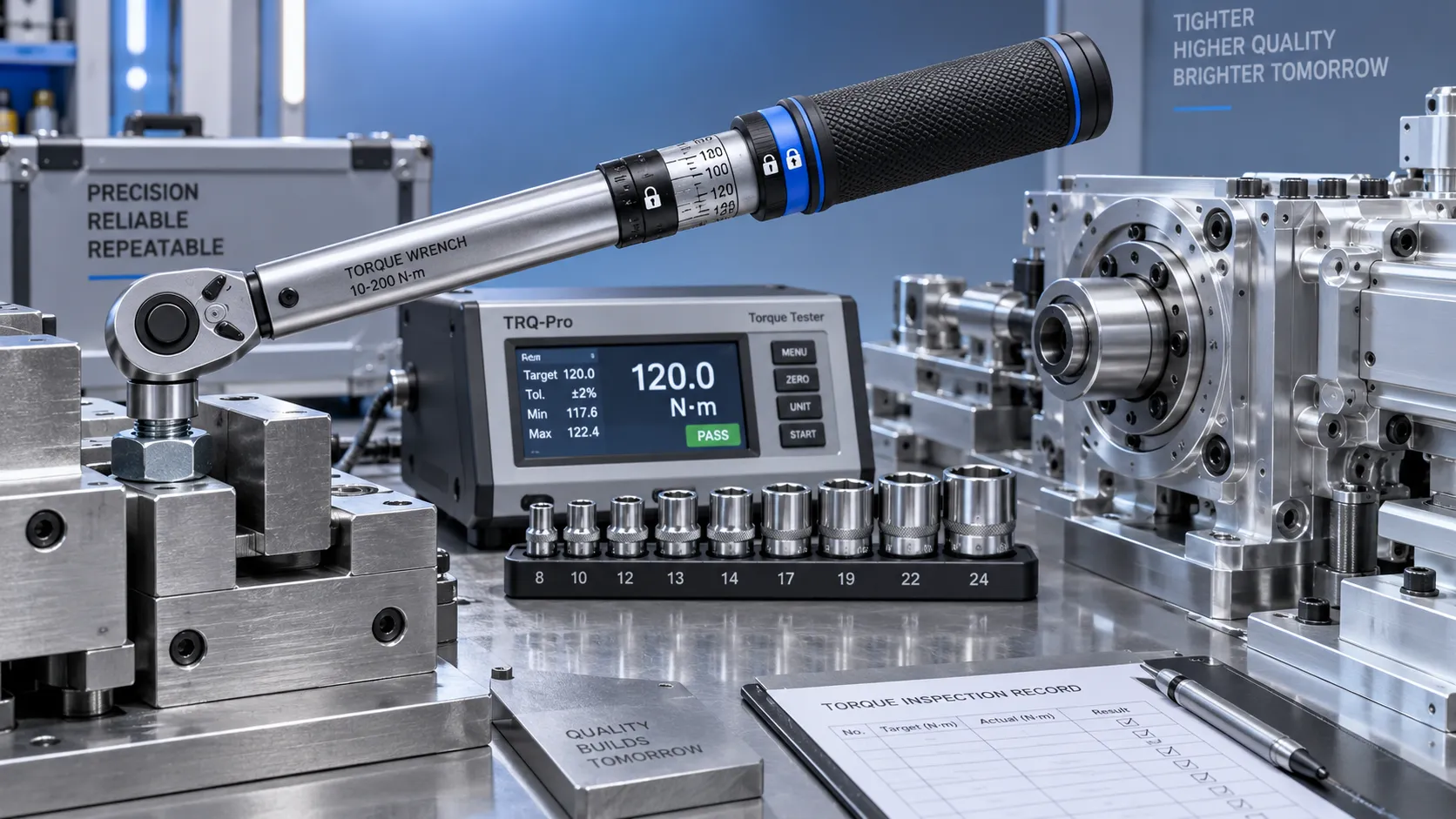
Selecting Adjustable Torque Tools for Repeatable Fastener Assembly
Adjustable torque tools: learn how to match range, accuracy, control methods, calibration, and ergonomics for repeatable, reliable fastener assembly.
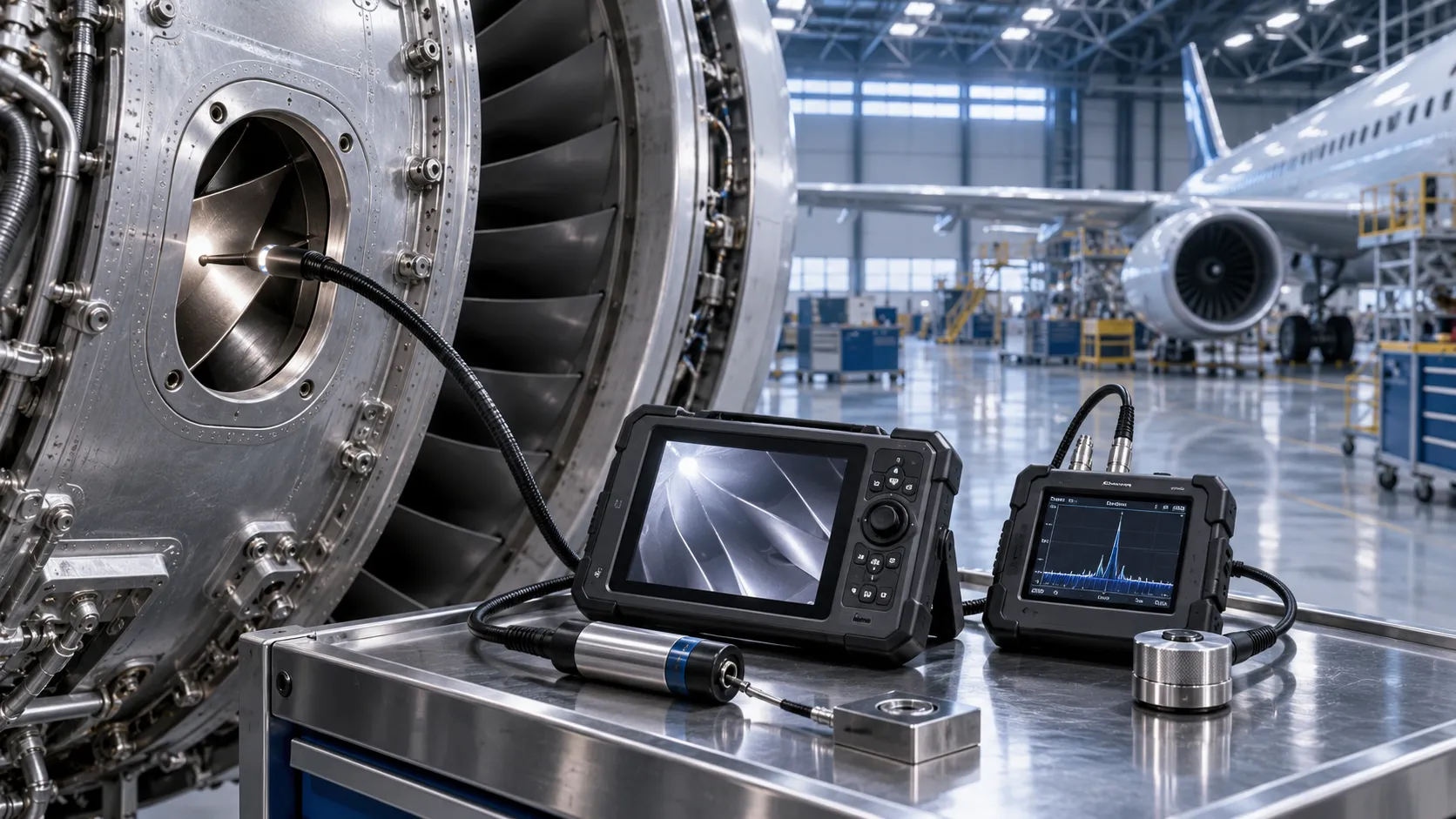
How to Select Aerospace Inspection Tools for Aircraft Maintenance Tasks
Aerospace maintenance inspection tools: learn how to select reliable, traceable equipment for aircraft access, accuracy, calibration, and compliant maintenance decisions.
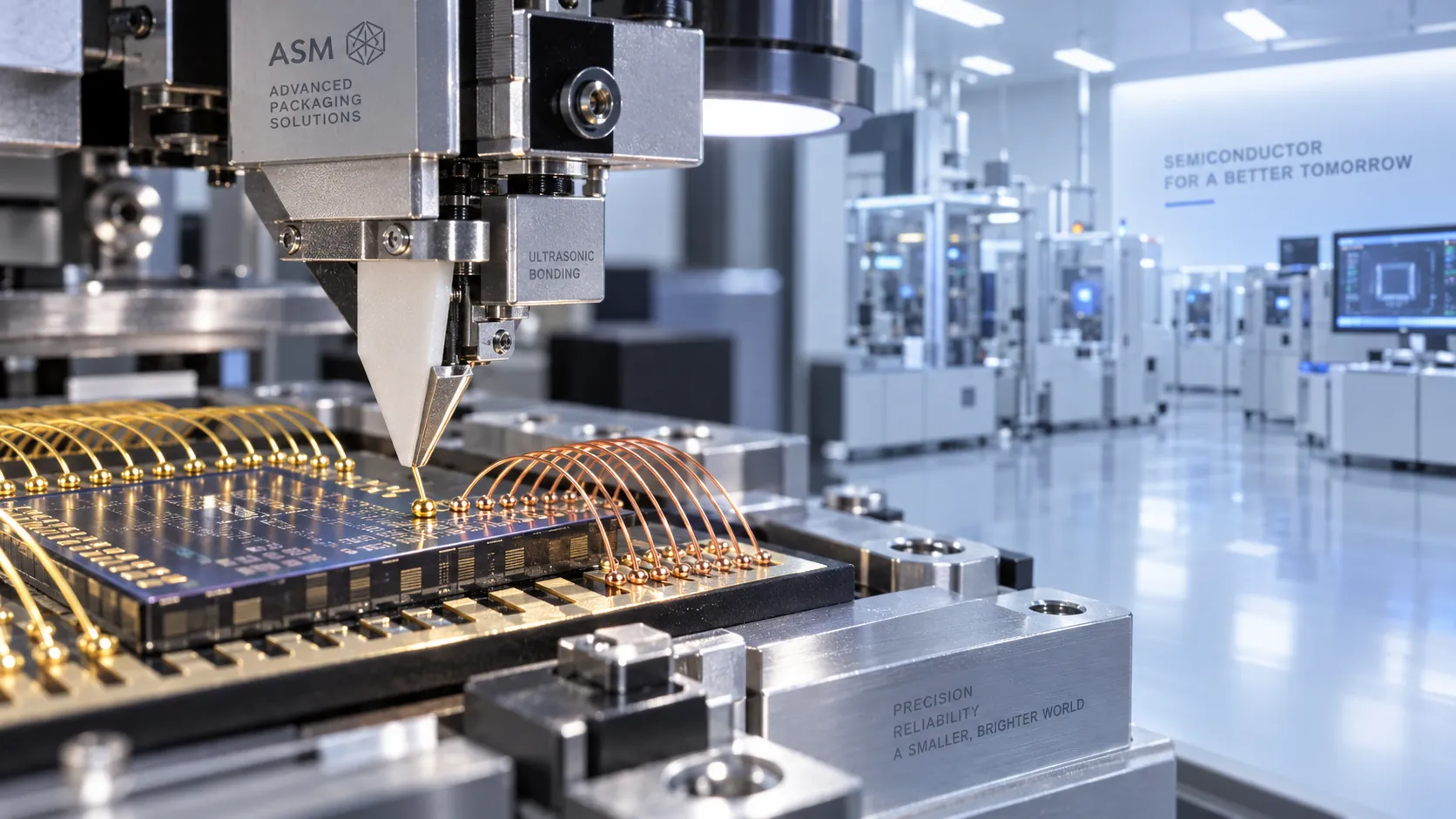
How to Select Wire Bonding Tools for Fine-Pitch Semiconductor Packaging
Explore semiconductor manufacturing tools for wire bonding and learn how to select precision solutions for fine-pitch packaging, reliable loops, accuracy, and yield.
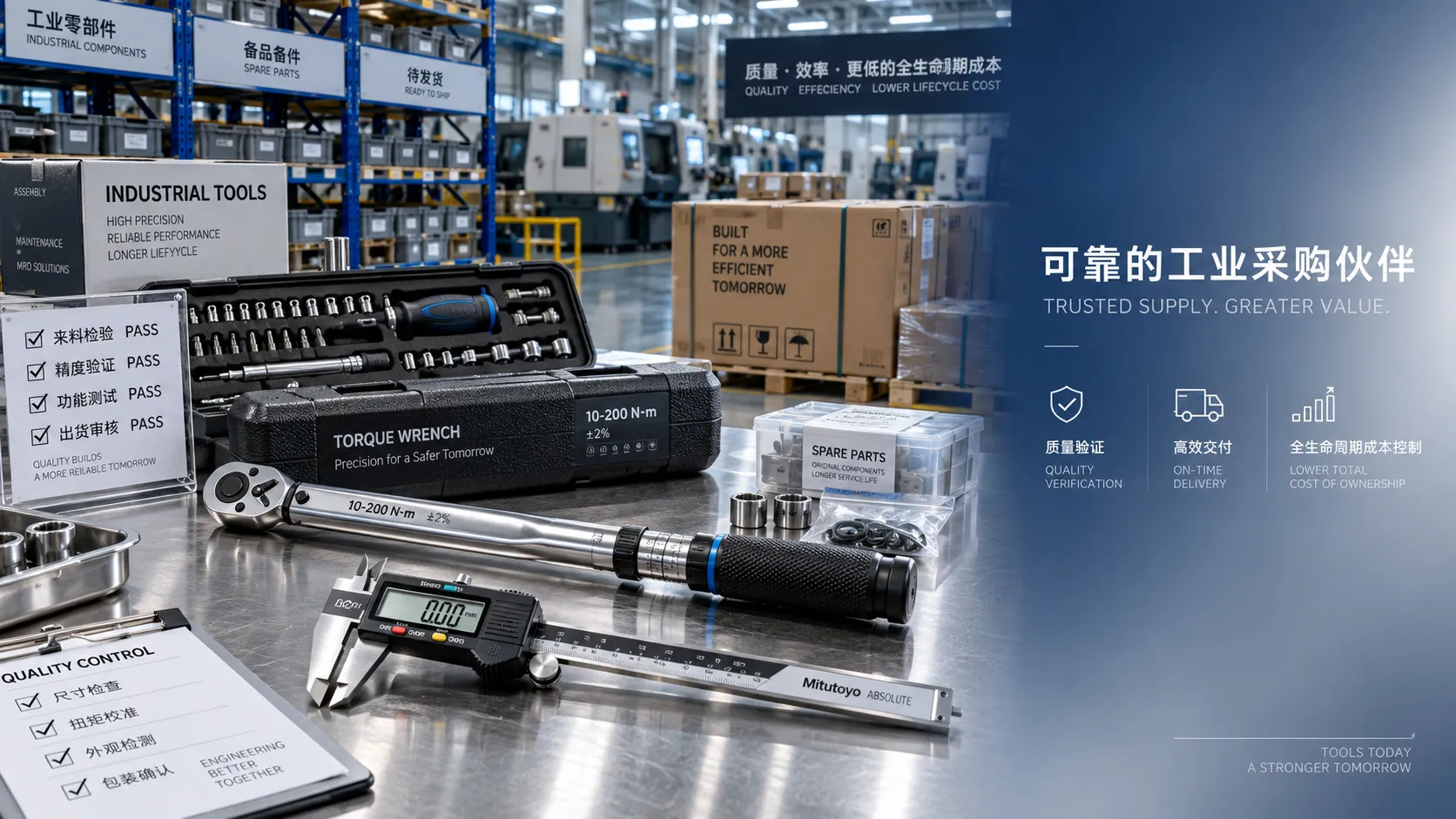
How to Compare Industrial Tool Suppliers for Quality, Lead Time, and Total Cost
Industrial tool selection supplier comparison made simple: evaluate quality, lead times, total cost, service, and supply resilience for confident sourcing decisions.
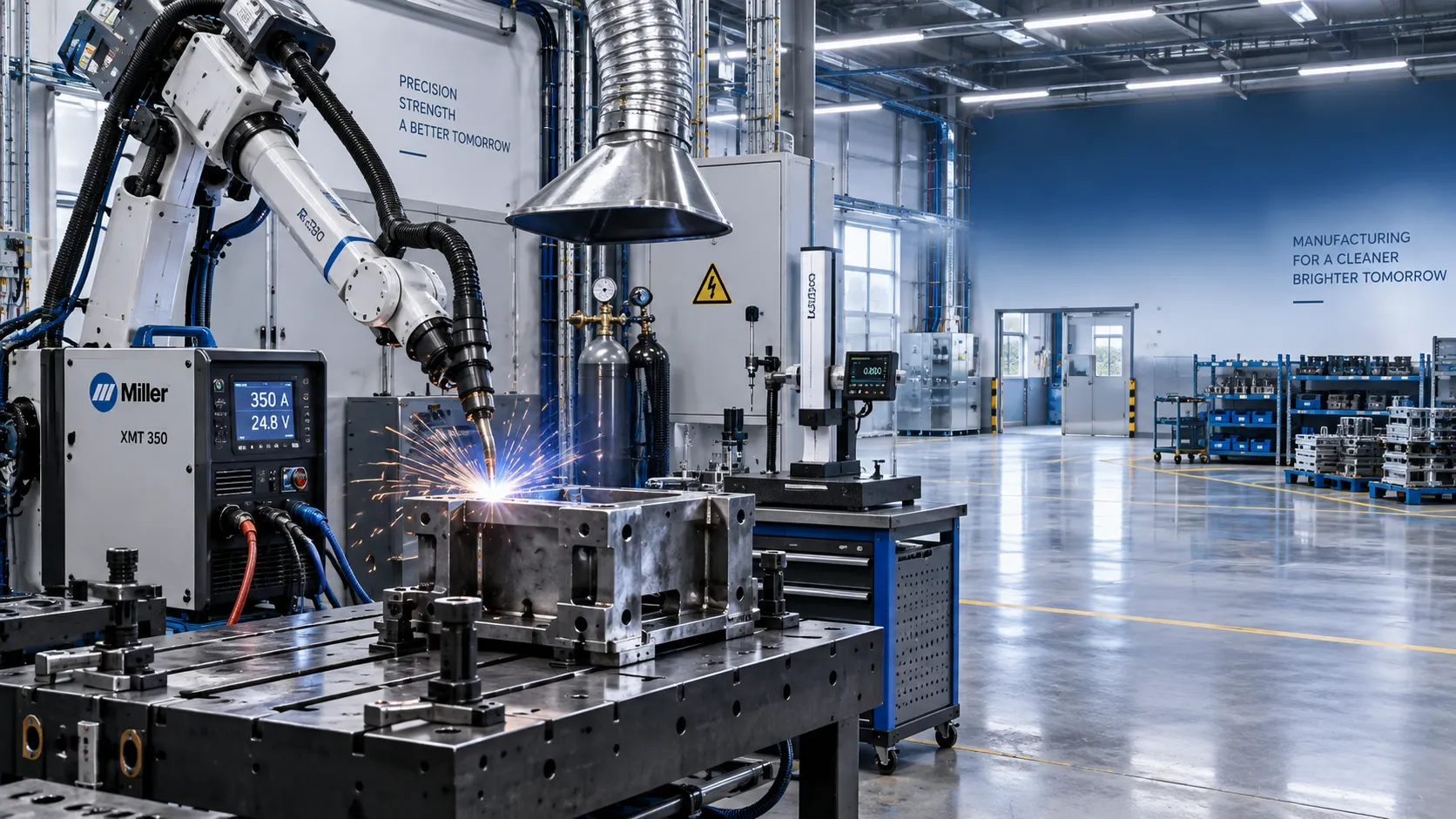
Industrial Equipment Application Guidance: Match Machines to Operating Conditions
Application guidance industrial equipment: match capacity, duty cycle, materials, site conditions, safety, and lifecycle cost to improve reliable output. Read the guide.
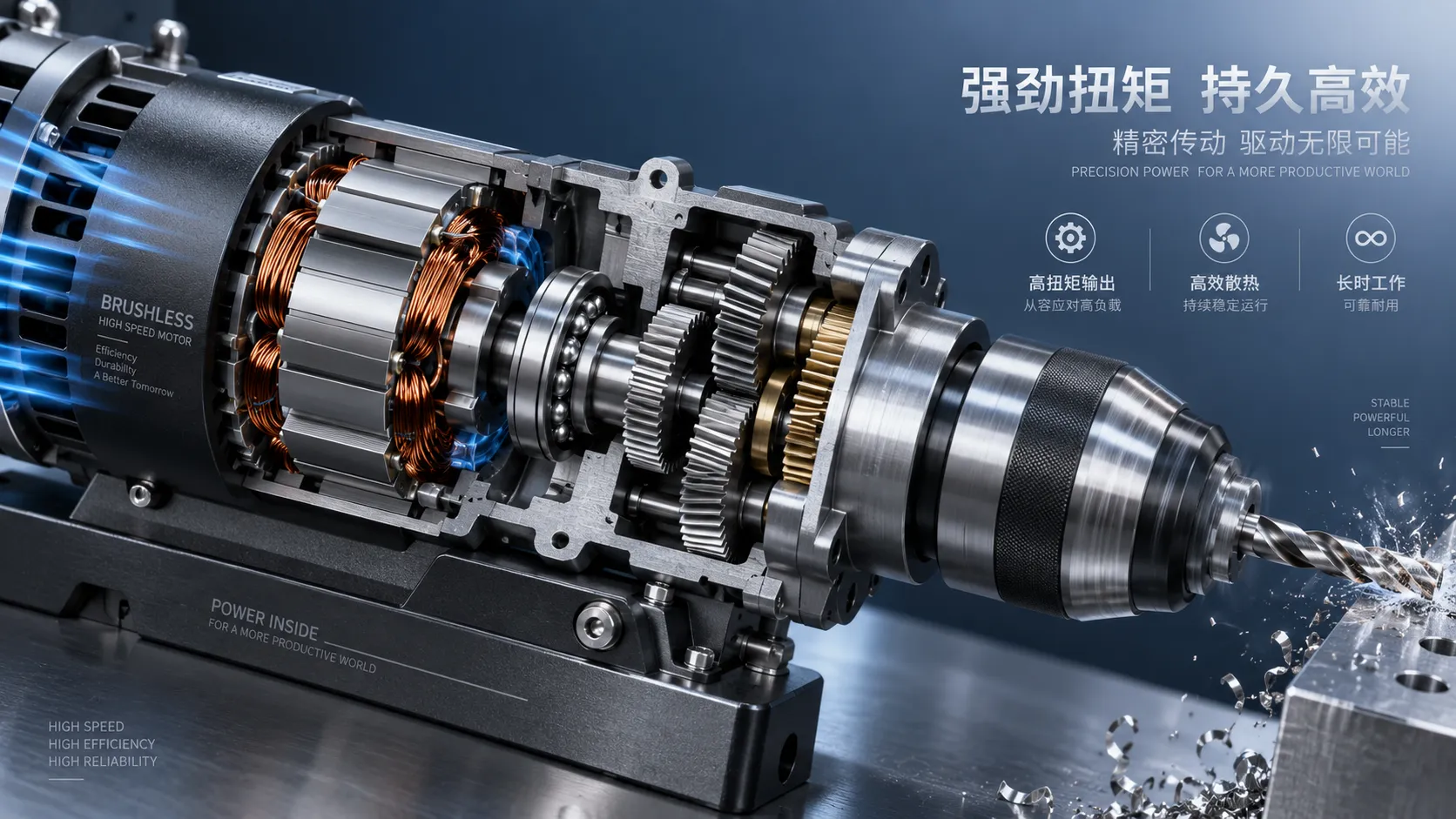
Selecting High-Speed Brushless Tool Motors for Torque, Heat, and Duty Cycle
High speed brushless tool motors: learn how to balance torque, heat, gearing, and duty cycle for reliable industrial tool performance and longer service life.
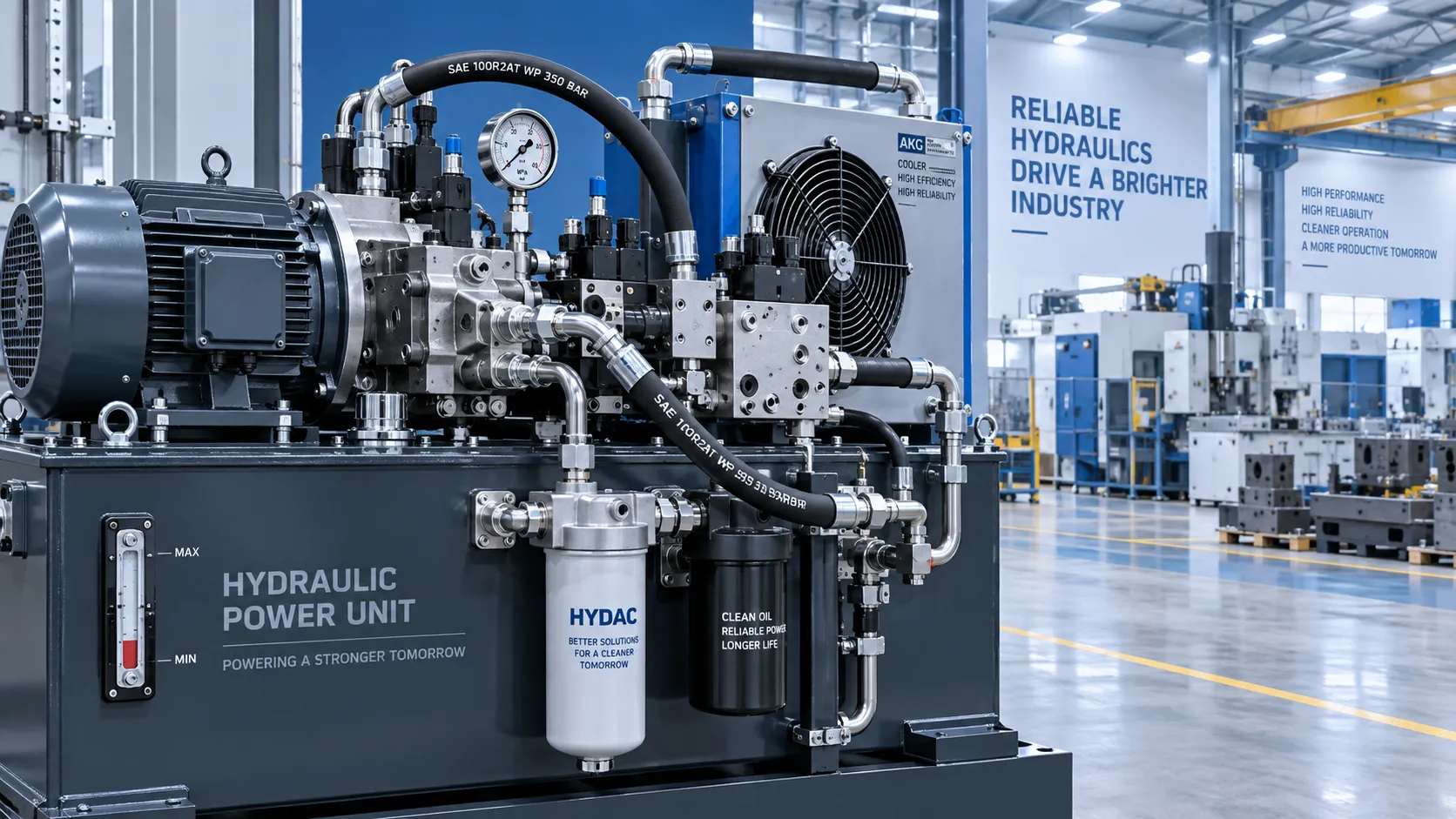
What Determines Industrial Hydraulic System Price for Heavy-Duty Equipment?
Industrial hydraulic system price depends on duty cycle, pressure, components, cooling, and integration. Compare quotes intelligently to secure reliable heavy-duty performance.
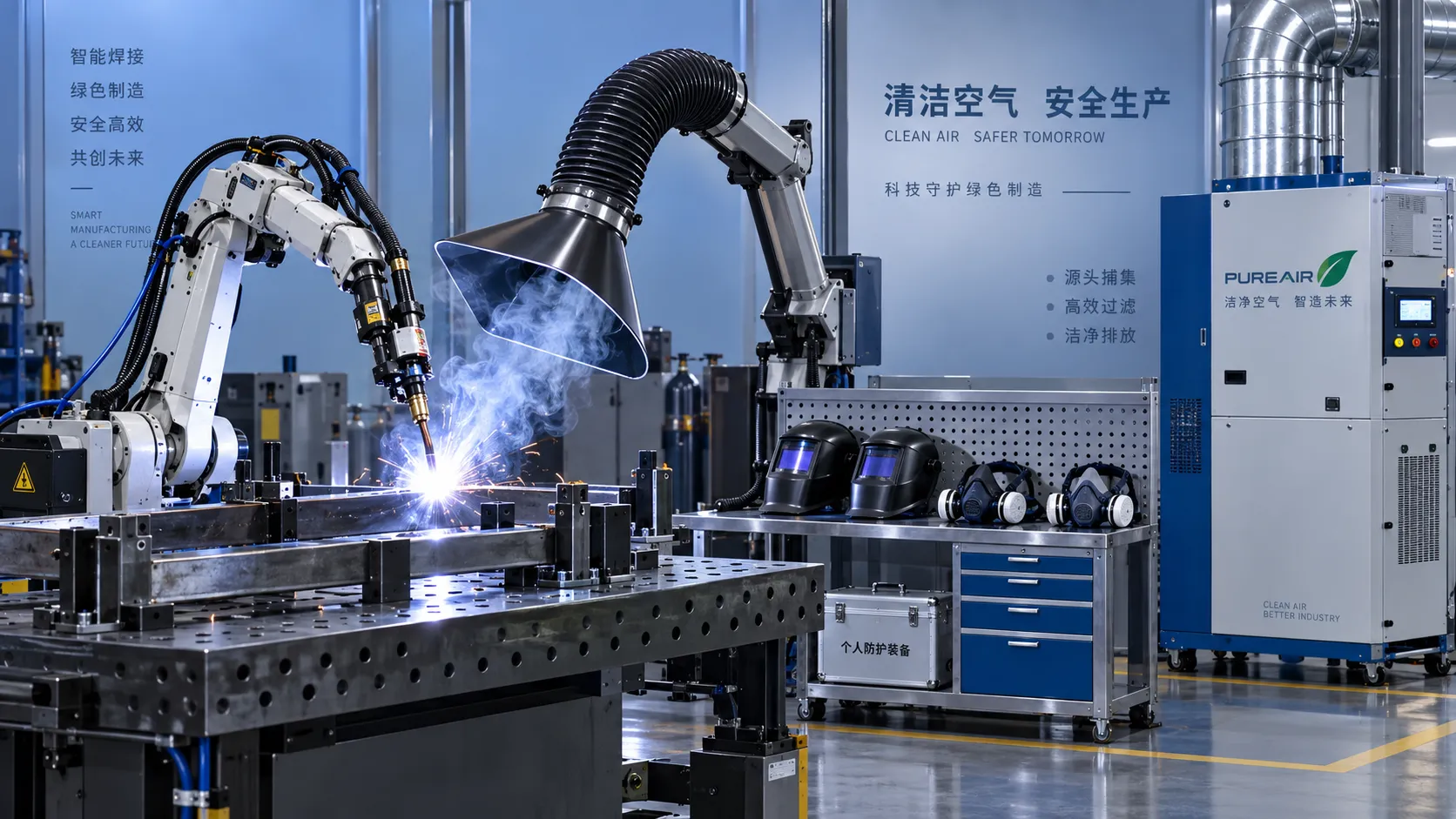
Welding Fume Extraction PPE: When Respirators Are Not Enough for Shop Safety
Welding fume extraction PPE: learn why respirators alone fall short and how source capture, ventilation, and layered controls improve shop safety.
How to Select Optical Metrology Solutions for Tight-Tolerance Manufacturing
Optical industrial metrology solutions for tight-tolerance manufacturing: evaluate accuracy, surface compatibility, workflow, and traceability to select with confidence.
Related News
- 00
0000-00
Selecting Adjustable Torque Tools for Repeatable Fastener Assembly - 00
0000-00
How to Select Aerospace Inspection Tools for Aircraft Maintenance Tasks - 00
0000-00
How to Select Wire Bonding Tools for Fine-Pitch Semiconductor Packaging - 00
0000-00
Industrial Equipment Application Guidance: Match Machines to Operating Conditions - 00
0000-00
Selecting High-Speed Brushless Tool Motors for Torque, Heat, and Duty Cycle
Prof. Marcus Chen
Weekly Insights
Stay ahead with our curated technology reports delivered every Monday.