
Industrial Tool Selection: What to Evaluate for Safety, Duty Cycle, and ROI





Industrial Tool Selection Is Mostly a Risk Decision Disguised as a Purchase Decision
Industrial tool selection often gets reduced to a familiar comparison: power, price, brand, and lead time. In practice, that is rarely enough. A tool that looks competitive on a quotation sheet can create problems that only appear later, when it is exposed to real duty cycles, variable operators, dust, heat, rework pressure, and maintenance delays. That is why experienced evaluators do not start with catalog specifications alone. They begin with failure consequences, workload pattern, and the cost of interruption.
The phrase “industrial tool selection” covers a wide range of equipment, from torque tools and grinders to welding systems, hydraulic devices, metrology instruments, and assembly aids. The evaluation logic, however, is more consistent than many teams assume. The core question is not whether a tool can perform a task once under ideal conditions. It is whether it can perform repeatedly, within the required process window, without exposing the operator, the workpiece, or the production schedule to avoidable risk.
That is where safety, duty cycle, and ROI stop being separate checklist items. They are linked. A tool that overheats under sustained use becomes a safety issue and a throughput issue. A tool with poor ergonomic balance may still pass a technical demonstration, but it can slow cycle times, increase operator fatigue, and drive inconsistent outcomes. A lower-cost option may appear efficient until spare parts, calibration drift, consumable waste, or unplanned downtime are counted honestly.
Start with the Process Window, Not the Tool Category
A common mistake in tool evaluation is to begin with the tool family: pneumatic versus cordless, laser versus arc, manual versus semi-automated. That comparison matters, but only after the operating envelope is clear. Evaluators need to define what the tool must survive and what the process must tolerate. That includes substrate or material type, thickness range, joint geometry, access constraints, ambient conditions, acceptable variation, inspection requirements, and expected daily runtime.
For example, a handheld power tool used intermittently in maintenance work should not be judged by the same criteria as a tool used across multiple shifts in a fixed production cell. Likewise, a measuring instrument used for incoming inspection has a different risk profile than one used for in-process verification where fast repeatability matters more than occasional high-resolution checks. The selection logic changes because the consequence of error changes.
This is also where many over-specified purchases begin. Teams buy for maximum theoretical capability instead of stable operation inside the actual process window. More power, more speed, or more features do not automatically improve outcomes. They can reduce control, complicate training, or introduce settings that operators misuse under schedule pressure.
Safety Evaluation Means More Than Compliance Labels
Safety should be evaluated at three levels: regulatory compliance, task-specific hazard exposure, and operator behavior under routine production conditions. Compliance marks and certifications are necessary, but they do not answer the full question. A tool may meet formal requirements and still be poorly suited to the way a site actually works.
In practical selection work, safety review should include guarding, trigger logic, anti-restart behavior after power loss, thermal management, kickback control where relevant, noise and vibration exposure, cable or hose routing, fume or particulate generation, and lockout or isolation requirements during maintenance. For welding and metal joining processes, the discussion expands to arc exposure, reflected radiation, fume extraction compatibility, shielding gas handling, and the way the tool interacts with surrounding fixtures and surfaces. For battery-powered equipment, charging protocol and battery storage conditions may become part of the risk assessment rather than an afterthought.
Another point that gets underestimated is ergonomic safety. It is often treated as a comfort issue, when in reality it affects consistency, rework, and recordable injury risk. Grip diameter, center of gravity, reaction force, reach distance, and visibility of the work area directly influence how closely an operator can hold the intended process. If a tool is technically capable but difficult to stabilize in real posture, the process window narrows even before wear and maintenance are considered.
Duty Cycle Is Where Marketing Claims Meet Production Reality
Duty cycle is one of the most misunderstood concepts in industrial tool selection because it is often discussed loosely. In simple terms, it describes how long a tool can operate within a given period under stated conditions without exceeding thermal, mechanical, or electrical limits. The details matter. A stated duty cycle only means something when the test basis is understood. Load level, ambient temperature, cooling interval, and output setting all affect the result.
This is especially important in welding equipment, power tools, pumps, and driven fastening systems. A tool may perform well in short demonstrations yet struggle in repetitive production because heat accumulation is different across a shift than across a ten-minute trial. Brushless motor design, power electronics quality, gearbox construction, and cooling path all influence sustained performance. The nameplate rating is only part of the story.
Evaluators should ask a more useful set of questions than “What is the duty cycle?” Ask what happens when the duty cycle is exceeded. Does the tool derate gracefully, shut down abruptly, or continue with reduced consistency? How quickly does it recover? How sensitive is it to dust, blocked vents, or elevated ambient temperature? These answers often separate a tool that is acceptable in theory from one that is manageable on the floor.
ROI Is Not the Purchase Price Minus the Discount
Return on investment in industrial tools is frequently distorted by procurement habits. Upfront cost is visible. Process instability is not, at least not immediately. The stronger approach is to treat ROI as a total operating comparison across the intended service life. That means looking beyond acquisition cost toward uptime, labor efficiency, quality loss, calibration or validation needs, training demand, spare parts access, software or firmware dependencies where applicable, and disposal or replacement timing.
For some tool categories, the biggest financial difference comes from seconds, not hours. A fastening tool that reduces reaction management or confirmation time may produce a meaningful gain in high-volume assembly. A measuring device that shortens setup and lowers repeat checks can release skilled labor for other work. By contrast, a cheaper tool that requires frequent adjustment, cool-down pauses, or operator workarounds can drain value without appearing on a standard purchasing report.
There is also a less visible ROI factor: process confidence. When teams trust that a tool stays within its intended performance band, they inspect more intelligently instead of compensating with extra checking everywhere. That does not eliminate verification requirements, but it changes how much operational friction the process carries.
Where Technical Evaluators Usually Find the Real Differences
The decisive differences between competing tools are often not found in peak specification values. They appear in edge conditions and support structure. Repeatability under operator variation, ease of preventive maintenance, field serviceability, calibration traceability for measurement tools, software stability in connected devices, and the quality of documentation all shape long-term performance. In sectors such as aerospace maintenance, automotive repair, fabrication, and general industrial assembly, those factors can matter more than nominal output.
This is why on-site trials should be designed carefully. A fair evaluation does not just prove that a tool can complete the task. It should test representative workloads, varied operators, real fixtures, and realistic interruptions. If a tool requires an expert demonstrator to look good, that is already a finding. If setup drift appears after several cycles, or if consumable changeovers are awkward, those details belong in the decision record because they will not disappear after purchase.
Another useful discipline is to separate critical-to-safety, critical-to-quality, and critical-to-throughput criteria. Teams often mix them together and then argue past each other. A feature that is valuable for speed should not outweigh a weakness that increases exposure risk or undermines process control. Not every criterion deserves equal weighting.
Common Misreadings That Distort Tool Selection
One recurring misreading is to assume that a premium brand automatically fits a demanding process. Brand reputation may indicate engineering maturity or service reach, but it does not remove the need to match the tool to the application envelope.
Another is to treat nominal power as a proxy for productivity. In cutting, grinding, fastening, and joining applications, controllability and thermal stability often determine usable output more than headline power does. A tool that operators can hold precisely and repeatably may outperform a stronger one that causes overshoot, fatigue, or rework.
A third is to evaluate maintenance only in terms of repair frequency. Maintenance burden also includes access to wear parts, training required for service, calibration turnaround, and whether planned maintenance can be scheduled without disrupting production. For connected or electronically controlled tools, cybersecurity and software support lifecycle may also belong in the discussion, depending on the site’s governance requirements.
A Better Way to Make the Decision
A disciplined industrial tool selection process usually looks less dramatic than people expect. It defines the task clearly, identifies failure consequences, filters out tools that do not fit the operating envelope, and then compares the remaining options using weighted criteria tied to safety, sustained performance, maintainability, and economic impact. That sounds straightforward, but it requires restraint. The goal is not to buy the most advanced tool in abstract terms. It is to buy the tool that can hold the required result with the least avoidable friction.
For technical evaluators, the most reliable decisions come from combining specification review with process observation. Watch the tool in the hands of the people who will actually use it. Examine what happens after repeated cycles, not just at startup. Ask how the tool behaves when the environment becomes less tidy than the demo area. Those are usually the moments when safety exposure, duty cycle limits, and real ROI reveal themselves.
When selection is handled that way, the conversation shifts. The tool is no longer just a purchased item. It becomes part of the production system, with consequences for operator well-being, process capability, and cost structure. That is the level at which industrial tool selection should be judged.
Related News
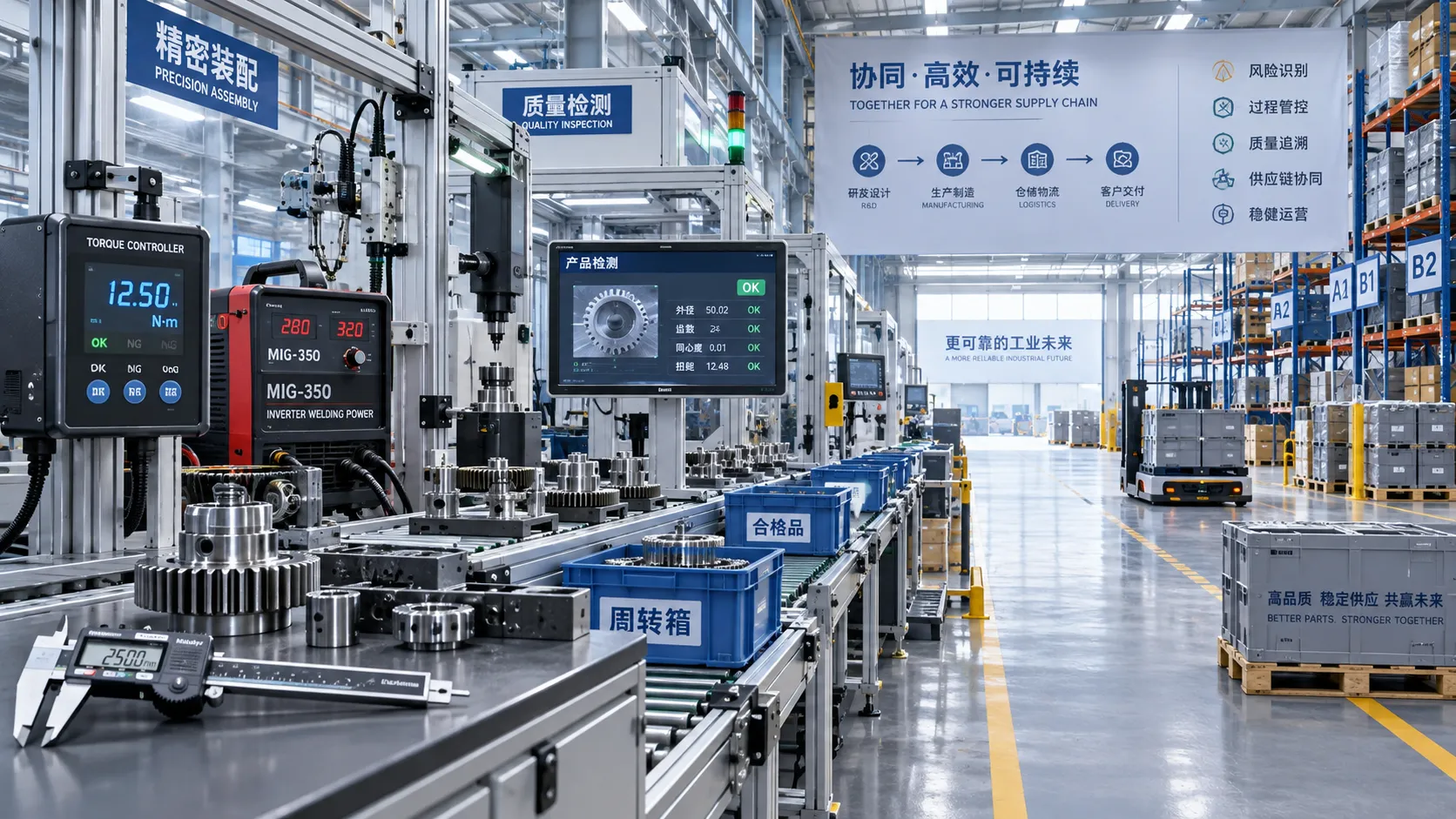
How Procurement Teams Can Map the Industrial Value Chain to Reduce Supply Risk
Industrial value chain procurement helps teams map hidden dependencies, qualify resilient sources, and reduce supply risk before disruptions stop production.

How Specification-Driven Articles Improve Precision Measurement System Selection
Specification-oriented articles precision measurement guidance helps teams compare accuracy, repeatability, environment, and data needs to select reliable systems with confidence.

How to Evaluate a Technology Integration Service Provider for Complex Projects
Technology integration service provider selection guide: evaluate interface ownership, delivery discipline, scalable architecture, and risk control for complex projects.
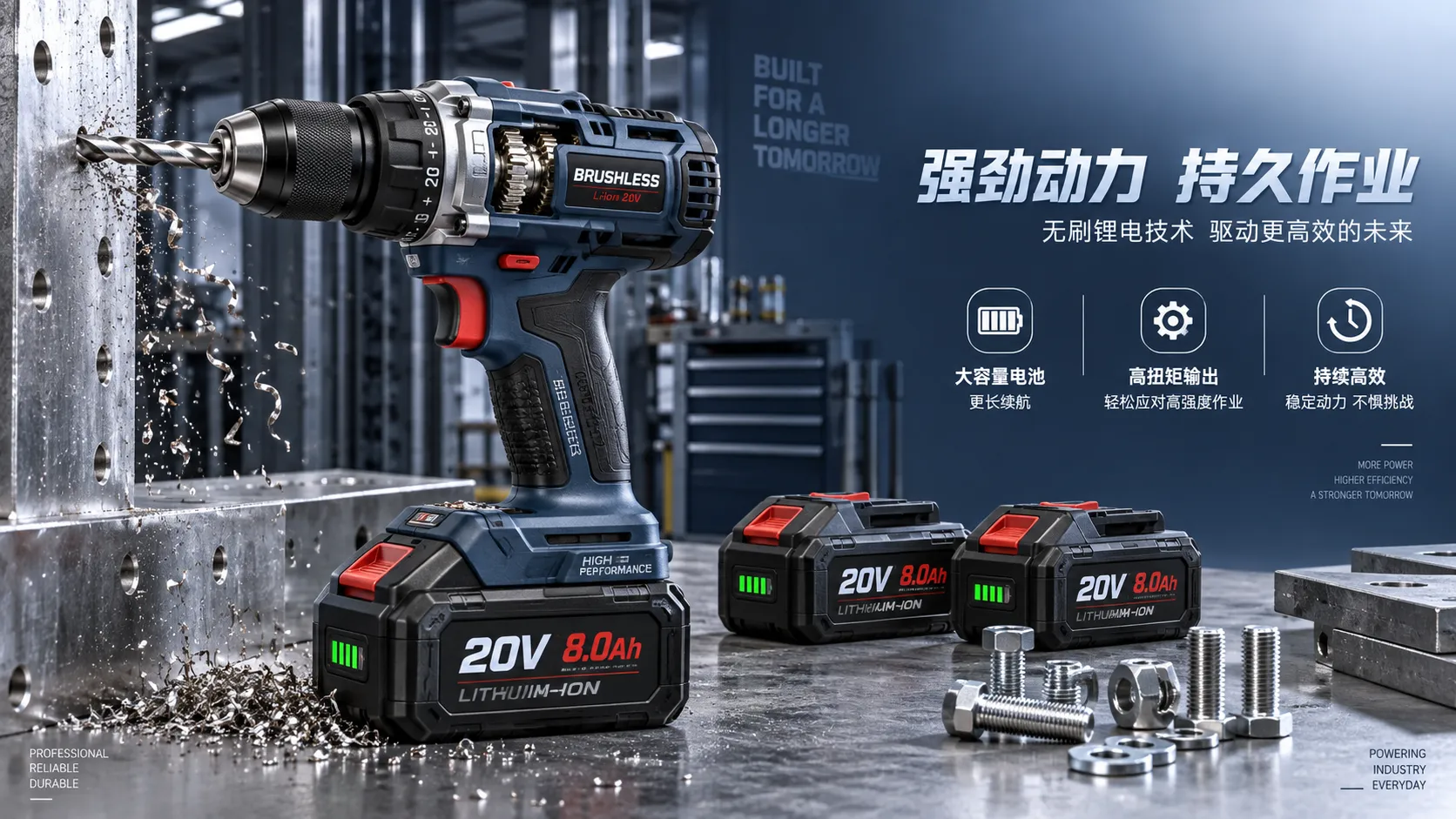
How Battery, Torque, and Duty Cycle Affect Cordless Power Tool Efficiency
Cordless power tool efficiency depends on battery output, torque, and duty cycle. Learn how to match tools to demanding jobs for stronger runtime and productivity.

Product Comparison Resources for Component Compatibility and Lifecycle Risk
Product comparison resources for components: evaluate compatibility, interfaces, service support, and lifecycle risk to reduce downtime, avoid redesigns, and make confident sourcing decisions.
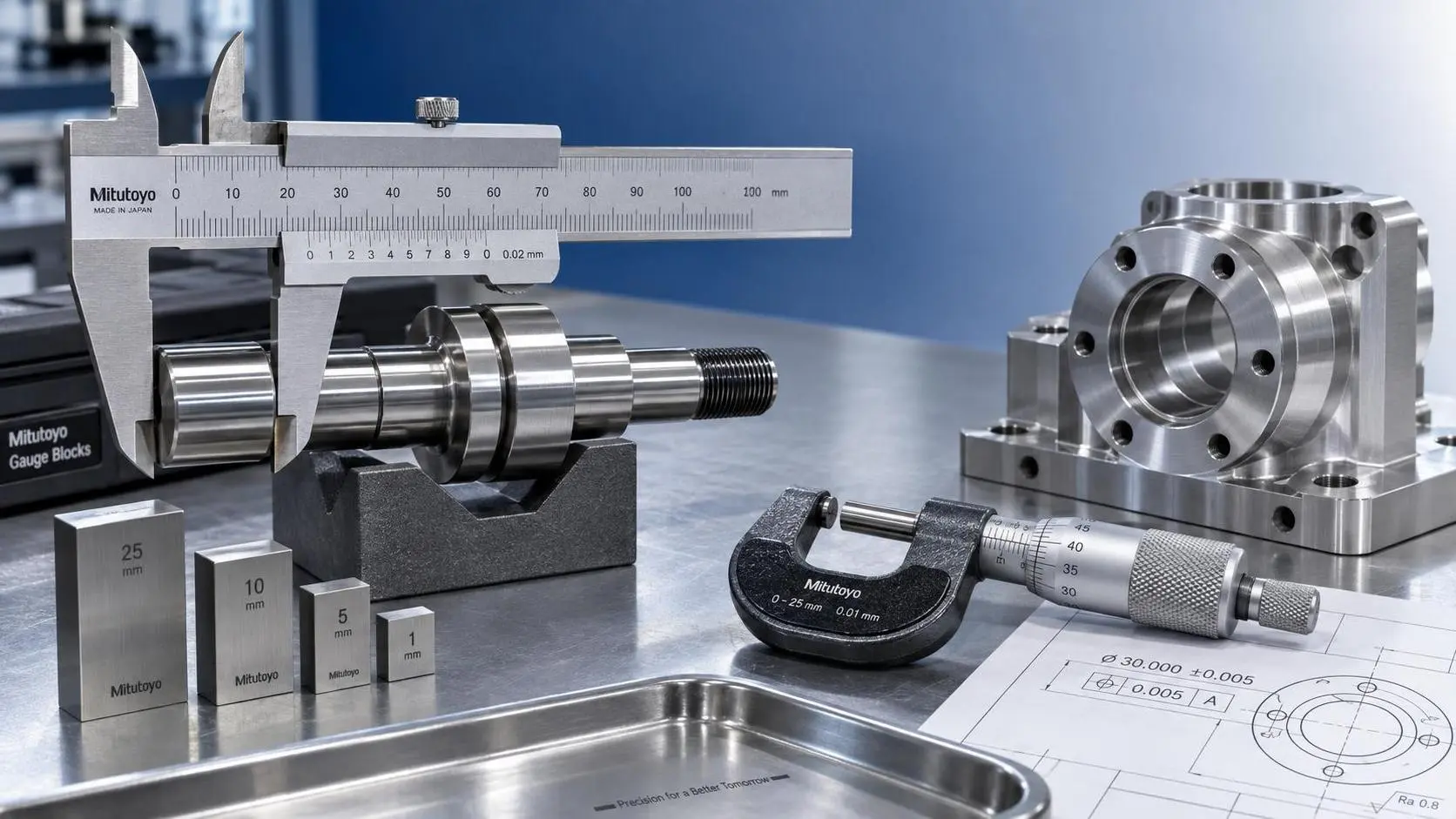
How to Select Vernier Precision Calipers for Tight-Tolerance Machining Inspection
Vernier precision calipers for tight-tolerance machining: learn how to select the right range, jaw design, accuracy, and verification process for reliable inspection.
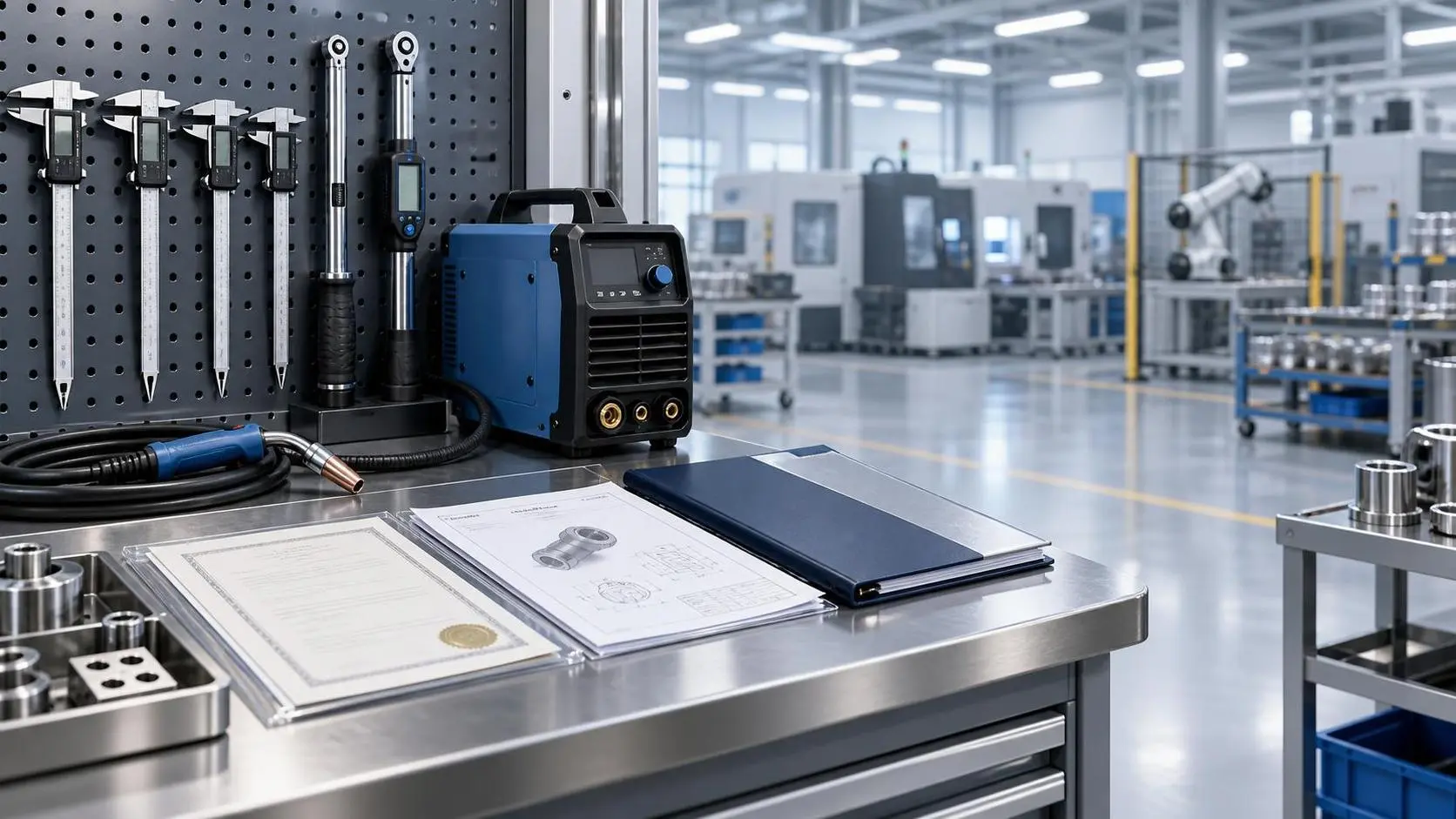
Product Comparison Resources in Europe: How Buyers Can Verify Specs and Suppliers
Product comparison resources Europe: learn how to verify industrial specs, compliance claims, supplier credibility, and delivery risk for smarter purchasing decisions.

How to Evaluate an Industrial Metrology Solution Manufacturer for Production Use
Industrial metrology solution manufacturer evaluation guide for production: compare accuracy, traceability, automation, software, service, and acceptance testing to reduce risk.
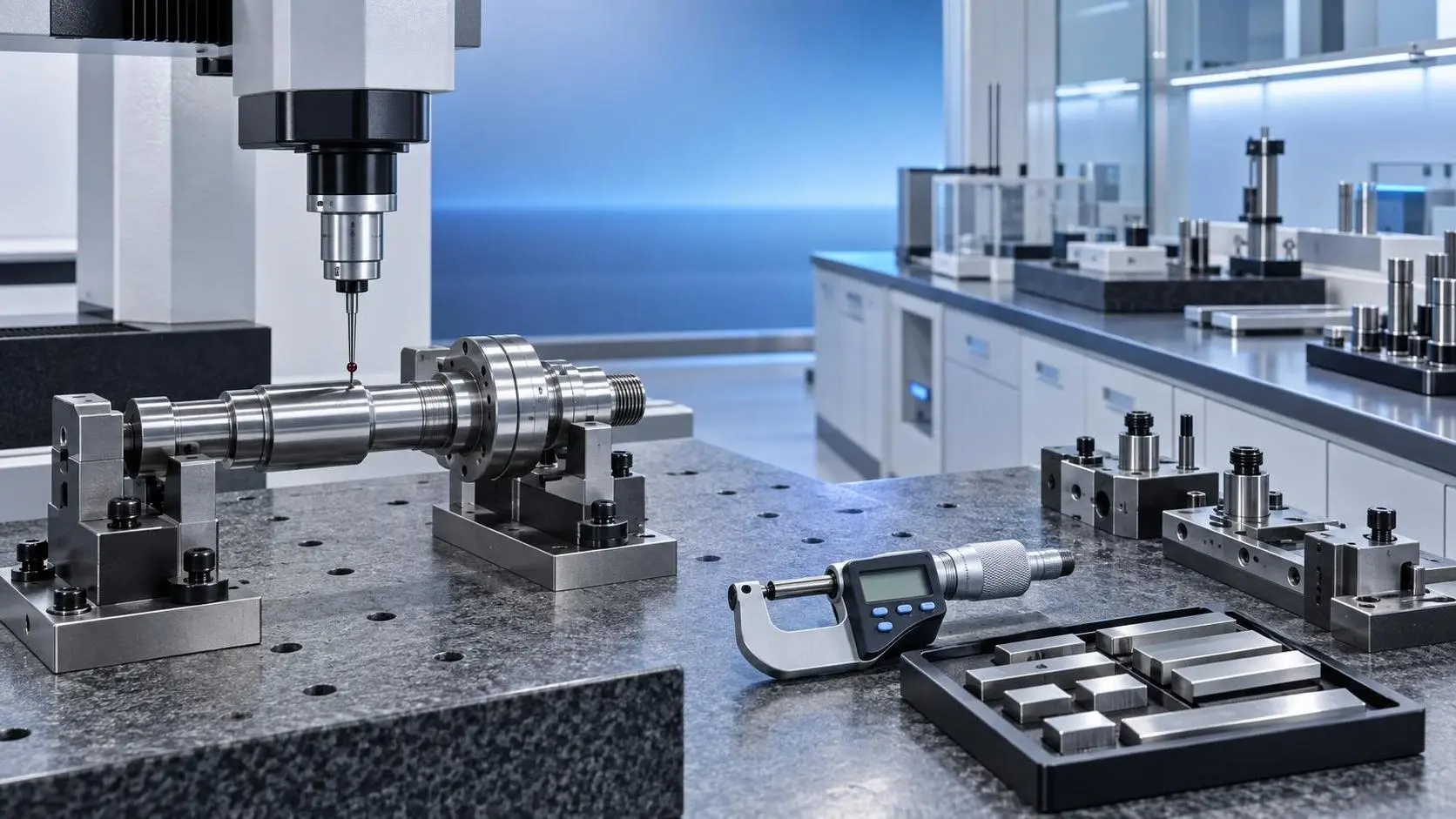
Which ISO Standards Matter Most for Precision Engineering Quality Control?
Precision engineering ISO standards explained: discover how ISO 9001, ISO/IEC 17025, ISO 10012, GPS, and ISO 3834 strengthen quality control, traceability, and compliance.
Related News
- 00
0000-00
How Specification-Driven Articles Improve Precision Measurement System Selection - 00
0000-00
Product Comparison Resources for Component Compatibility and Lifecycle Risk - 00
0000-00
Which ISO Standards Matter Most for Precision Engineering Quality Control? - 00
0000-00
Selecting Metal Joining Methods for Aluminum-to-Steel Assemblies - 00
0000-00
How to Evaluate Industrial Manufacturing Systems for Throughput, Flexibility, and ROI
Prof. Marcus Chen
Weekly Insights
Stay ahead with our curated technology reports delivered every Monday.