
How Specification-Oriented Articles Help Evaluate Industrial Tools Before Purchase





Start with the article structure, not the tool brand
When technical evaluators look for new welders, torque tools, measuring instruments, or other shop-floor equipment, the real problem is rarely lack of information. It is the opposite. There is too much of it, and most of it is arranged to sell rather than to help compare. That is where specification-oriented articles industrial tools teams actually use can do real work. A good article does not just repeat a datasheet. It turns scattered parameters into a sequence of checks: what matters for the task, what affects safety, what changes installation, and what creates cost later.
If you are evaluating before purchase, judge the article the same way you judge the equipment. Does it help you eliminate risk? Does it let you compare models on equal terms? Can another engineer read it and reach roughly the same conclusion? If the answer is no, the article is probably marketing dressed up as technical content.
Check whether the operating scenario is defined early
A useful evaluation article should identify the use case before listing specifications. Indoor maintenance work, repetitive assembly, field repair, precision inspection, and metal joining on heat-sensitive materials do not ask the same thing from a tool. Yet many articles jump straight into power, range, speed, or accuracy numbers without stating the working conditions behind them.
Look for specifics such as duty cycle expectations, operator skill level, shift length, material type, joint configuration, required tolerance, and whether the tool will be mobile or fixed. If those conditions are missing, the comparison is already weak. A torque wrench article that never mentions fastener size range or traceability needs is not helping selection. A welding tool review that ignores ventilation, material thickness, or access constraints is leaving out the part that usually drives rejection.
See if the specifications are translated into decision criteria
Raw values alone are not enough. The article should explain what a parameter changes in practice.
- Accuracy class should be tied to inspection tolerance or process capability, not left as a floating number.
- Motor type should connect to maintenance interval, runtime stability, and heat behavior under continuous load.
- Output range should be checked against the middle of your normal operating window, not just the maximum rating.
- Ingress protection matters differently in a clean metrology room than on a fabrication line with dust and coolant exposure.
This is the line between technical writing and brochure language. When the article says a feature is useful, it should also say for which conditions that is true and when it stops mattering.
Make sure it separates core performance from convenience features
A common purchasing mistake is letting secondary features distract from the performance requirement that decides acceptance. Connectivity, display quality, presets, memory, and interface design can all be valuable. But they should not be mixed into the same tier as repeatability, measurement uncertainty, thermal stability, arc behavior, torque control consistency, or load endurance.
Good specification-oriented articles industrial tools buyers trust will usually rank parameters, even if they do it quietly. You can tell because they spend more words on the variables that affect process outcome and less on cosmetic add-ons. That is a good sign. If half the article is about screens, apps, or housing design while the core performance section is thin, you are reading something written too close to the sales team.
Watch for hidden comparison errors
This is where many evaluation articles fail, even when the tone sounds technical. The numbers may be accurate, but the basis of comparison is inconsistent.
Any article that compares industrial tools without normalizing those points is incomplete. It may still be useful for orientation, but not for a purchasing decision.
Look for compatibility checks, especially the boring ones
The article should help you catch integration issues before someone asks for a quotation. In practice, this means power supply, air supply, mounting, communication interface, consumables, calibration method, data export format, and replacement part availability. These are not glamorous topics, but they are usually what slow down commissioning.
For metrology tools, check whether the article mentions calibration intervals, reference standards used in your facility, and how measurement data enters your quality system. For welding or fastening equipment, the useful article will say whether the tool fits existing fixtures, operator PPE requirements, extraction setup, and process documentation practices. If those links to the surrounding process are absent, the article may help you shortlist, but not approve.
Do not skip the safety and compliance layer
An article written for real evaluators will not throw around compliance language casually. It will point you toward the exact documents you need to inspect: declaration documents, product labels, user manuals, and market-specific technical files where applicable. That matters because compliance is rarely a universal yes-or-no item. It depends on product category, target market, power source, laser classification where relevant, and whether the equipment is sold as a complete machine, a subsystem, or an accessory.
The article does not need to become a legal memo. It does need to tell you which field to verify and why. For example, if export destination changes the documentation burden, the article should say that the destination market is a decision variable, not bury the issue under generic reassurance.
Pay attention to serviceability, because ownership starts after acceptance
A strong article will cover what happens after the tool lands on site. Not in fluffy total-cost language, but in practical terms: wear parts, recalibration, firmware update method, battery replacement path if portable, training depth, and expected downtime when a module fails. These are not side questions for maintenance teams only. They often decide whether a technically attractive tool becomes a production burden.
One simple test: does the article help you draft a pre-purchase question list for the supplier? If not, it probably stopped too early. The best ones naturally lead into questions such as what is operator-replaceable, what requires factory service, what consumables are locked to the brand, and how recalibration records are documented.
Check whether trade-offs are stated plainly
No serious industrial tool wins on every axis. Higher precision may bring slower throughput. Lower weight may reduce durability in heavy-duty use. More intelligent control may increase training time and integration effort. Articles worth keeping usually admit this. They do not try to flatten every choice into a universal recommendation.
This matters for team alignment. Procurement may focus on unit price, operations on uptime, quality on repeatability, and EHS on risk exposure. A specification-led article that lays out trade-offs gives evaluators a shared basis for discussion. That is much more useful than a long list of features with no ranking.
Use a short scoring sheet after reading
After reading an article, reduce it to a one-page internal screen. Not a complicated matrix, just enough to decide whether the tool moves forward.
- Define the job window: material, tolerance, runtime, environment, operator, and installation limits.
- Mark the three or four specifications that directly affect process success.
- List the missing comparison conditions you still need from the supplier.
- Flag integration items: utilities, data, fixtures, consumables, calibration, and training.
- Separate deal-breakers from negotiable preferences.
That last step is where many teams get stuck. A slightly less convenient interface is not the same as a tool that cannot hold tolerance or cannot be supported locally. Put those in different boxes.
What a good article should leave you ready to do next
By the time you finish a strong specification-oriented article, you should be able to do three things without guessing: narrow the candidate list, write a cleaner RFQ, and plan the validation points for trial or acceptance. That is the practical value. Not more reading, but less uncertainty.
Use the article as an evaluation tool only if it helps you connect specifications to the real operating window, compare like with like, and expose the costs that appear after installation. If it cannot do that, keep it as background reading and move on. For industrial tool selection, the best content is the kind that makes the next technical question obvious.
Related News
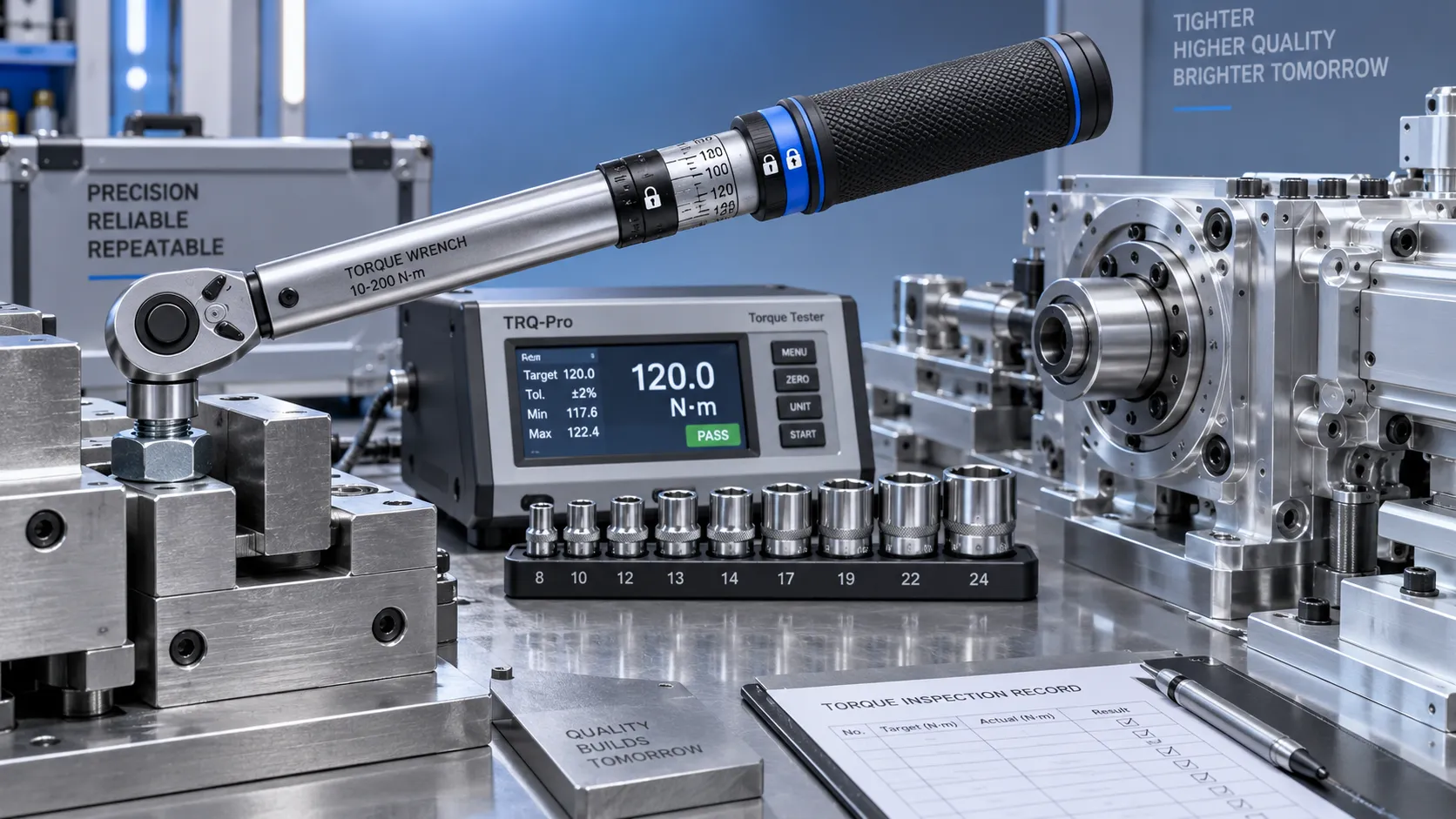
Selecting Adjustable Torque Tools for Repeatable Fastener Assembly
Adjustable torque tools: learn how to match range, accuracy, control methods, calibration, and ergonomics for repeatable, reliable fastener assembly.

How to Select Aerospace Inspection Tools for Aircraft Maintenance Tasks
Aerospace maintenance inspection tools: learn how to select reliable, traceable equipment for aircraft access, accuracy, calibration, and compliant maintenance decisions.

How to Select Wire Bonding Tools for Fine-Pitch Semiconductor Packaging
Explore semiconductor manufacturing tools for wire bonding and learn how to select precision solutions for fine-pitch packaging, reliable loops, accuracy, and yield.
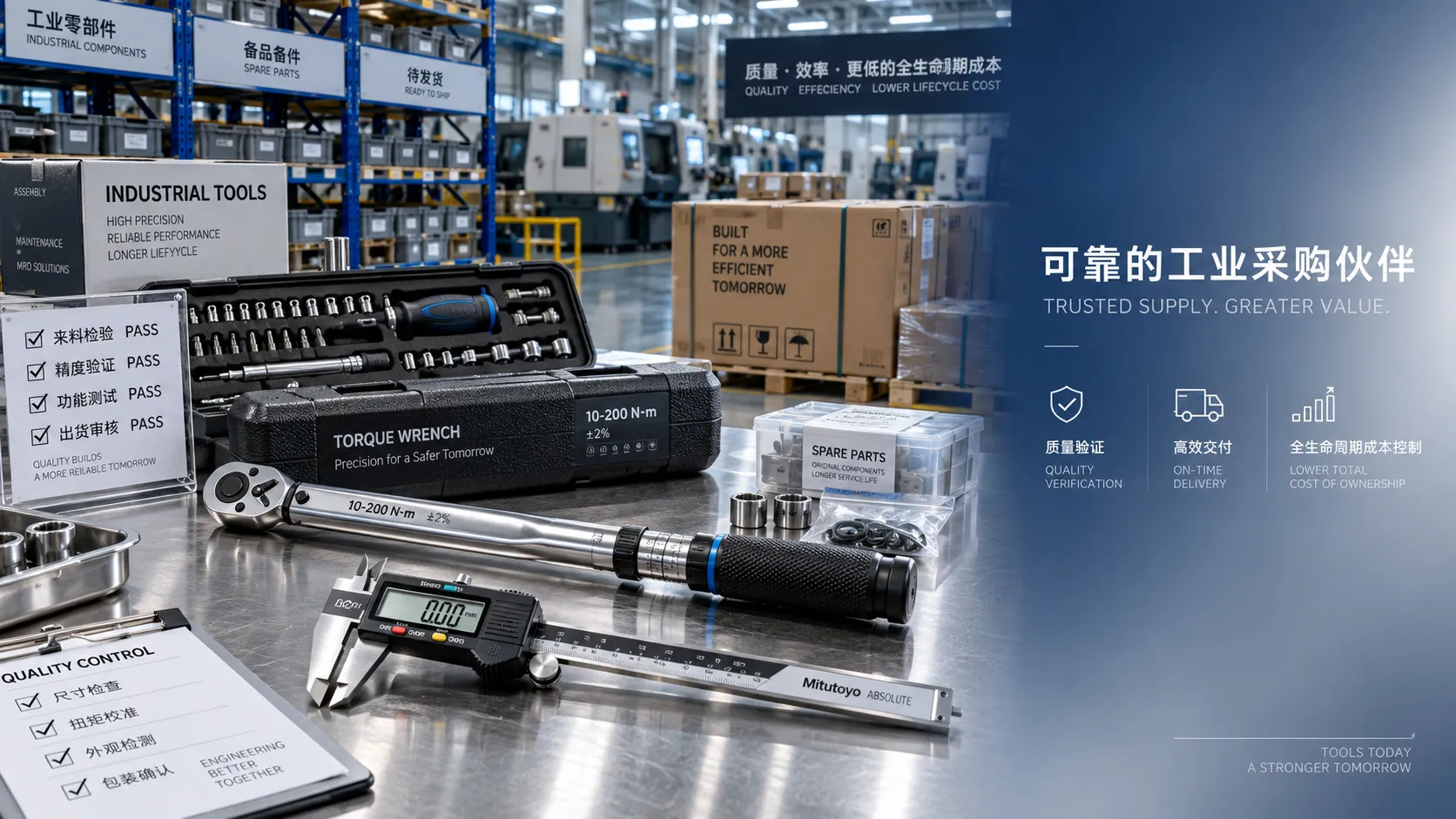
How to Compare Industrial Tool Suppliers for Quality, Lead Time, and Total Cost
Industrial tool selection supplier comparison made simple: evaluate quality, lead times, total cost, service, and supply resilience for confident sourcing decisions.

Industrial Equipment Application Guidance: Match Machines to Operating Conditions
Application guidance industrial equipment: match capacity, duty cycle, materials, site conditions, safety, and lifecycle cost to improve reliable output. Read the guide.
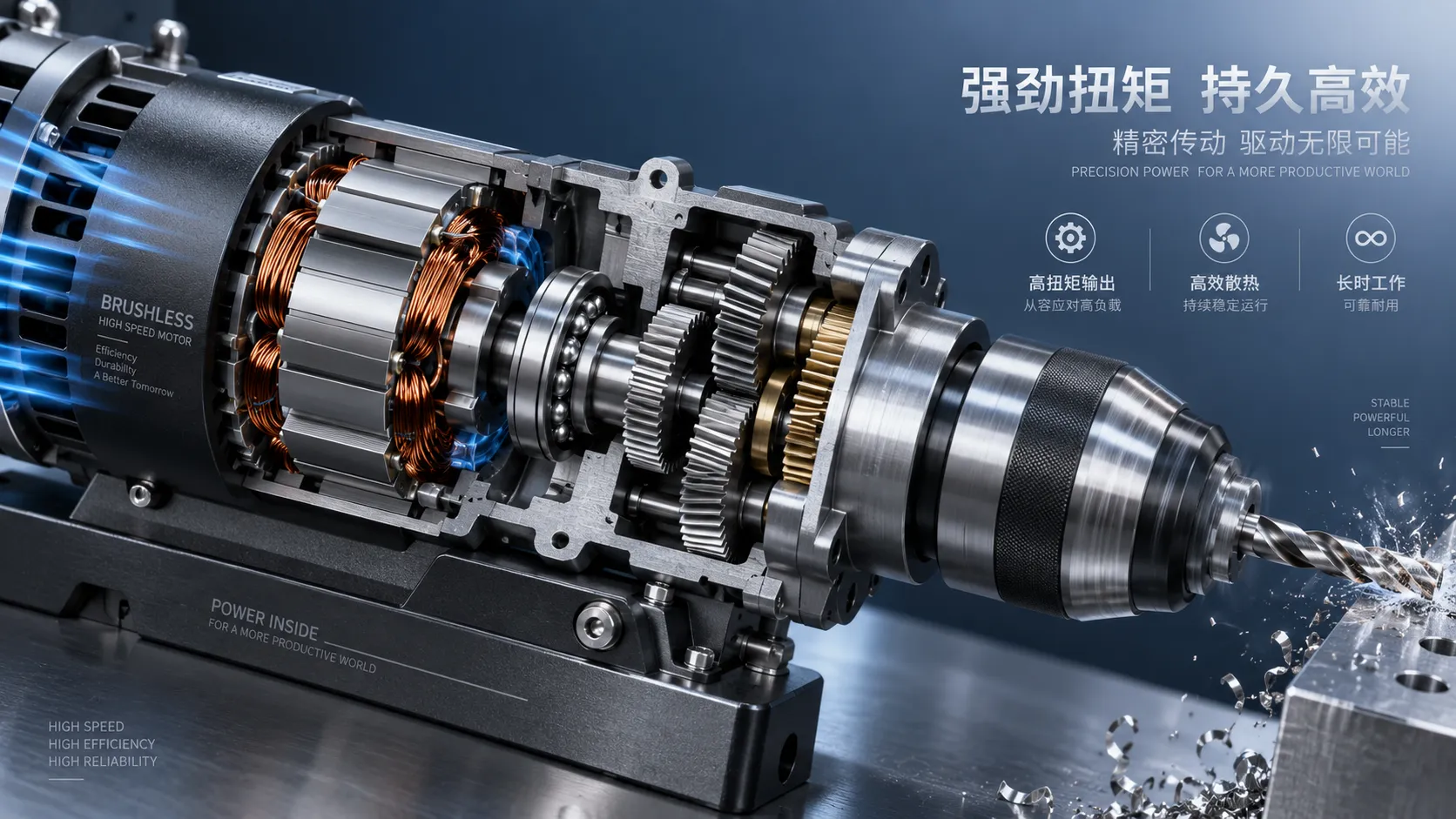
Selecting High-Speed Brushless Tool Motors for Torque, Heat, and Duty Cycle
High speed brushless tool motors: learn how to balance torque, heat, gearing, and duty cycle for reliable industrial tool performance and longer service life.
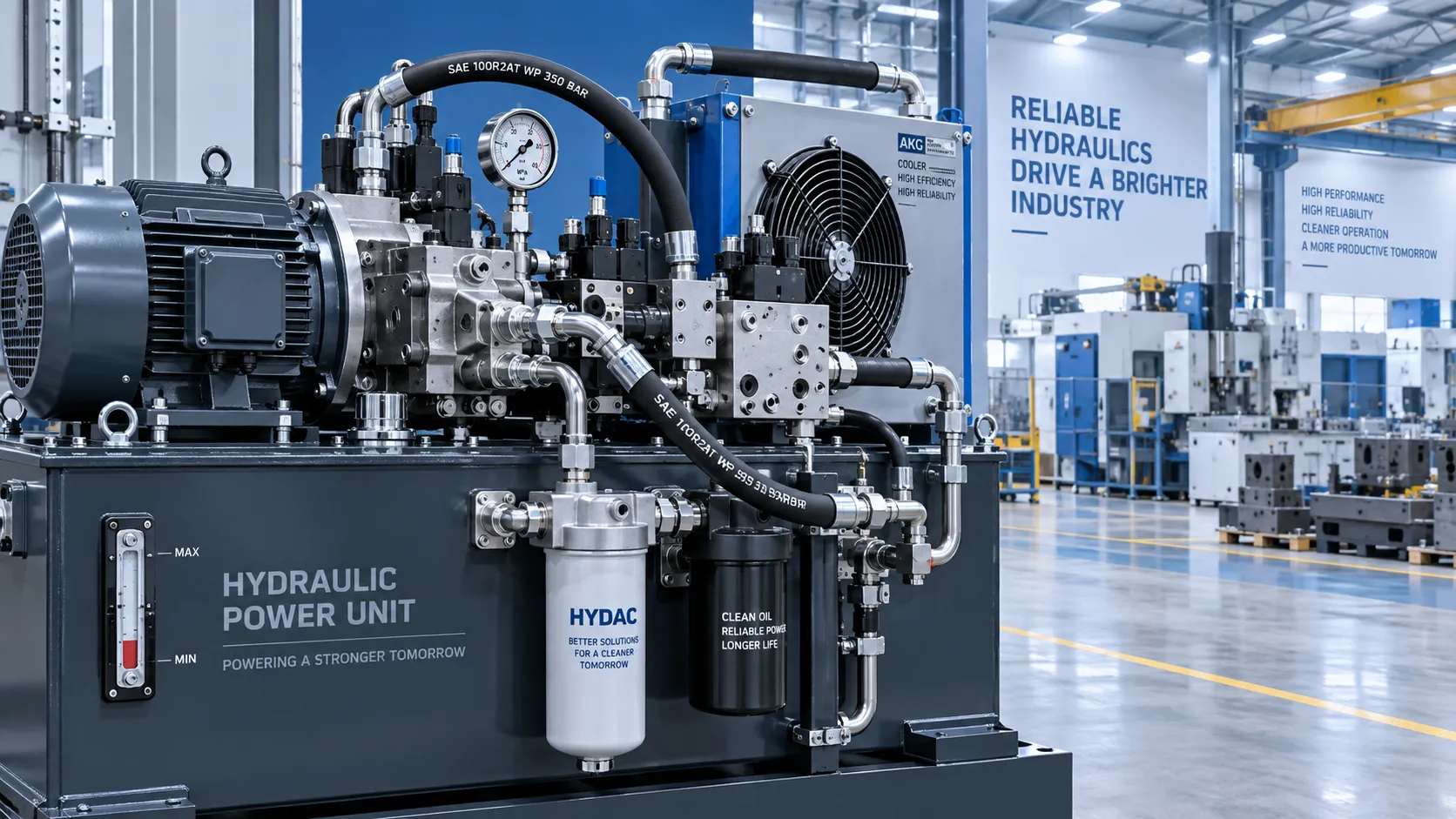
What Determines Industrial Hydraulic System Price for Heavy-Duty Equipment?
Industrial hydraulic system price depends on duty cycle, pressure, components, cooling, and integration. Compare quotes intelligently to secure reliable heavy-duty performance.

Welding Fume Extraction PPE: When Respirators Are Not Enough for Shop Safety
Welding fume extraction PPE: learn why respirators alone fall short and how source capture, ventilation, and layered controls improve shop safety.

How to Select Optical Metrology Solutions for Tight-Tolerance Manufacturing
Optical industrial metrology solutions for tight-tolerance manufacturing: evaluate accuracy, surface compatibility, workflow, and traceability to select with confidence.
Related News
- 00
0000-00
Selecting Adjustable Torque Tools for Repeatable Fastener Assembly - 00
0000-00
How to Select Aerospace Inspection Tools for Aircraft Maintenance Tasks - 00
0000-00
How to Select Wire Bonding Tools for Fine-Pitch Semiconductor Packaging - 00
0000-00
Industrial Equipment Application Guidance: Match Machines to Operating Conditions - 00
0000-00
Selecting High-Speed Brushless Tool Motors for Torque, Heat, and Duty Cycle
Prof. Marcus Chen
Weekly Insights
Stay ahead with our curated technology reports delivered every Monday.