
Industrial IoT Tools vs Traditional Monitoring: Which Delivers Better Plant Visibility?





Industrial IoT Tools vs Traditional Monitoring: Which Delivers Better Plant Visibility?
For many plants, visibility once meant clipboards, shift logs, and scattered machine counters.
That approach still works for basic oversight, but modern production asks harder questions.
Teams now need faster answers on uptime, torque consistency, welding safety, quality drift, and asset utilization.
This is where industrial IoT tools enter the conversation.
They promise live data, connected assets, and clearer decision paths across the plant floor.
Traditional monitoring, in contrast, often relies on manual checks, periodic reports, and isolated control systems.
Both have value, but they do not deliver the same depth of plant visibility.
The real question is not which method sounds newer, but which one supports technical evaluation with less guesswork.
What Plant Visibility Really Means
Plant visibility is more than seeing machine status lights.
It means understanding what is happening, why it is happening, and what should happen next.
A strong visibility system tracks performance, quality, safety, maintenance, and process variation in one usable view.
In practical terms, that includes cycle time, energy use, tool condition, alarm patterns, and operator response.
For assembly and metal joining, visibility also extends to torque traceability, weld parameters, and measurement repeatability.
When these signals are incomplete or delayed, even experienced teams make slower and riskier decisions.
How Traditional Monitoring Works
Traditional monitoring usually develops over time rather than by design.
Plants may combine PLC readouts, standalone HMIs, maintenance notebooks, spreadsheets, and periodic inspections.
In some cases, operators manually record downtime causes or measure outputs at shift end.
This model can be affordable, familiar, and adequate for stable lines with limited complexity.
It also fits environments where process changes are rare and reporting cycles are slow by nature.
Where traditional systems still help
- Low-volume operations with simple machine sequences.
- Facilities with strict budget limits and minimal IT support.
- Legacy equipment without native connectivity.
- Compliance tasks that only need periodic evidence.
Still, the limits become obvious as plants scale.
Data is often delayed, fragmented, and difficult to compare across assets, lines, or sites.
What Industrial IoT Tools Change
Industrial IoT tools connect machines, sensors, tools, and software into a shared data environment.
That sounds technical, but the business effect is straightforward.
Teams stop waiting for reports and start working from current conditions.
These tools can collect machine states, vibration, temperature, current draw, torque results, and process alarms automatically.
They also align data timestamps, making it easier to link cause and effect.
For example, a torque deviation can be traced to tool wear, maintenance delay, or a material shift.
That level of context is difficult to achieve with traditional monitoring alone.
Common capabilities of industrial IoT tools
- Real-time dashboards for machine and line status.
- Automated alerts for abnormal process behavior.
- Historical trend analysis for maintenance and quality.
- Device-level traceability for connected tools and gauges.
- Cross-site benchmarking through standardized data models.
Direct Comparison: Visibility, Speed, and Control
When comparing industrial IoT tools with traditional monitoring, visibility quality depends on five practical factors.
The strongest advantage of industrial IoT tools is not simply automation.
It is the ability to connect production signals that were previously separate.
That gives evaluators a cleaner basis for comparing technologies, workflows, and risk levels.
Where Industrial IoT Tools Deliver the Most Value
The gap becomes clearer in high-mix, quality-sensitive, or safety-critical environments.
In these settings, traditional monitoring often shows results too late.
Assembly and torque control
Connected fastening systems can verify torque values, sequence compliance, and tool health as work happens.
That reduces hidden rework and strengthens traceability for regulated sectors.
Welding and metal joining
Industrial IoT tools can monitor gas flow, heat patterns, equipment utilization, and operator safety signals.
This matters as handheld laser welding and other advanced joining methods gain wider adoption.
Metrology and quality assurance
Connected gauges and measuring instruments help catch drift earlier.
They also support audit readiness by tying inspection results to machines, parts, and timestamps.
Maintenance planning
Instead of fixed service intervals, industrial IoT tools allow maintenance based on actual condition.
That improves uptime without pushing assets beyond safe limits.
Limits and Risks to Watch
Industrial IoT tools are not automatically better in every situation.
If data quality is poor, connected systems simply scale poor visibility faster.
Integration with legacy assets may require gateways, protocol conversion, or selective retrofitting.
Cybersecurity also becomes a board-level issue once more devices exchange operational data.
Another common mistake is collecting too much information without defining decision use cases first.
A dashboard is not visibility if nobody knows which signal triggers action.
How to Evaluate the Right Visibility Model
A practical evaluation should begin with operational pain points, not platform features.
That keeps the comparison grounded in measurable outcomes.
- Map critical assets and identify blind spots in current monitoring.
- Define which decisions need real-time data and which do not.
- Check whether connected tools can support traceability, safety, and quality requirements.
- Assess data standards, integration effort, and cybersecurity controls.
- Pilot industrial IoT tools on one constrained use case before scaling.
This phased method is especially useful for plants balancing legacy equipment with digital factory goals.
It also prevents overinvestment in features that do not improve day-to-day plant visibility.
Final Verdict
Traditional monitoring can still support basic control, especially in stable and low-complexity operations.
But when plants need faster insight, stronger traceability, and scalable decision support, industrial IoT tools clearly deliver better plant visibility.
The advantage is most visible where uptime, torque accuracy, welding performance, and metrology discipline directly affect business risk.
From a technical and standards perspective, industrial IoT tools create a more reliable foundation for continuous improvement.
The smartest next step is rarely a full replacement.
It is a targeted rollout where connected visibility solves a specific operational blind spot.
When industrial IoT tools are matched to real plant decisions, visibility stops being descriptive and starts becoming operational leverage.
Related News
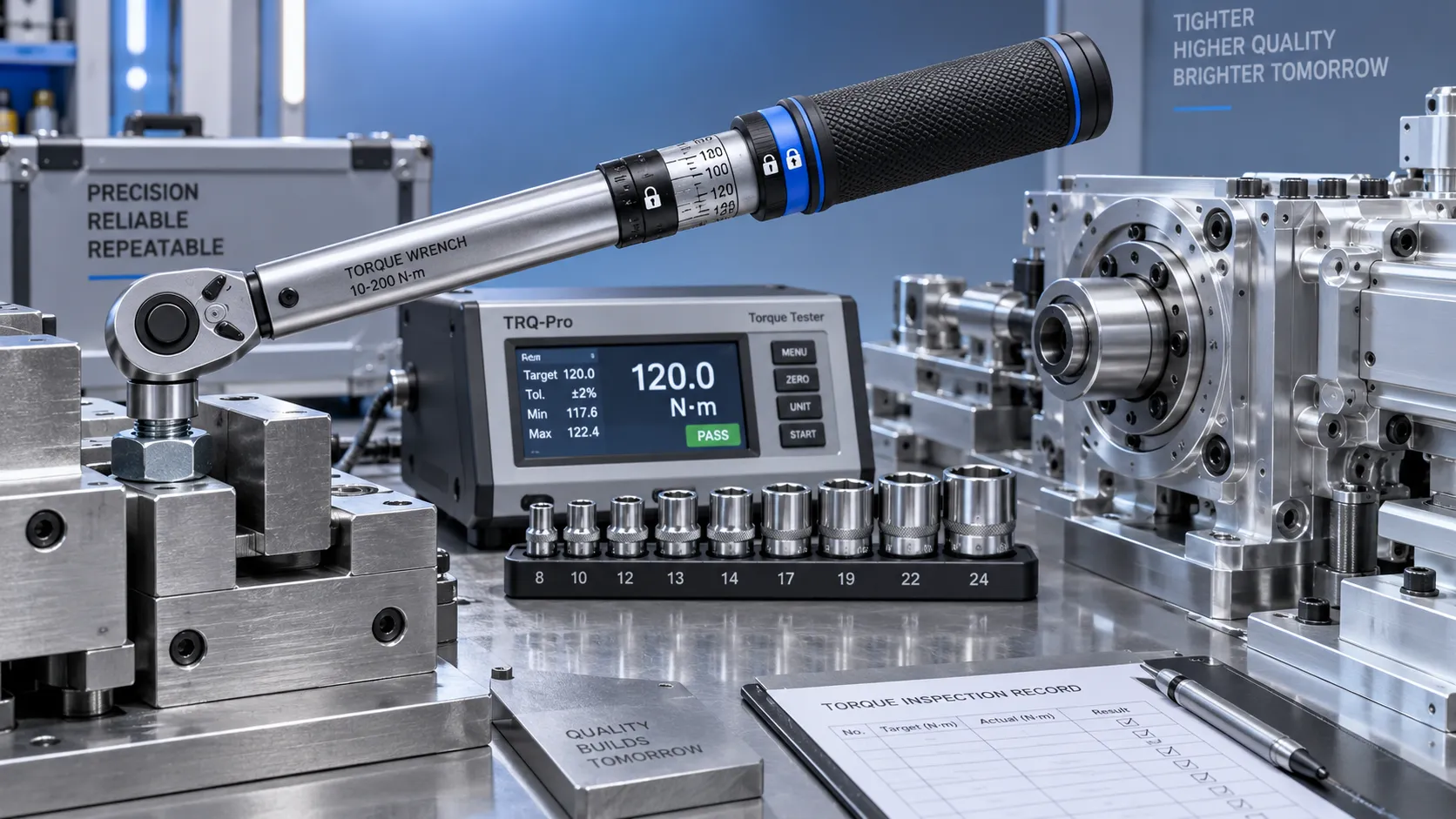
Selecting Adjustable Torque Tools for Repeatable Fastener Assembly
Adjustable torque tools: learn how to match range, accuracy, control methods, calibration, and ergonomics for repeatable, reliable fastener assembly.

How to Select Aerospace Inspection Tools for Aircraft Maintenance Tasks
Aerospace maintenance inspection tools: learn how to select reliable, traceable equipment for aircraft access, accuracy, calibration, and compliant maintenance decisions.

How to Select Wire Bonding Tools for Fine-Pitch Semiconductor Packaging
Explore semiconductor manufacturing tools for wire bonding and learn how to select precision solutions for fine-pitch packaging, reliable loops, accuracy, and yield.
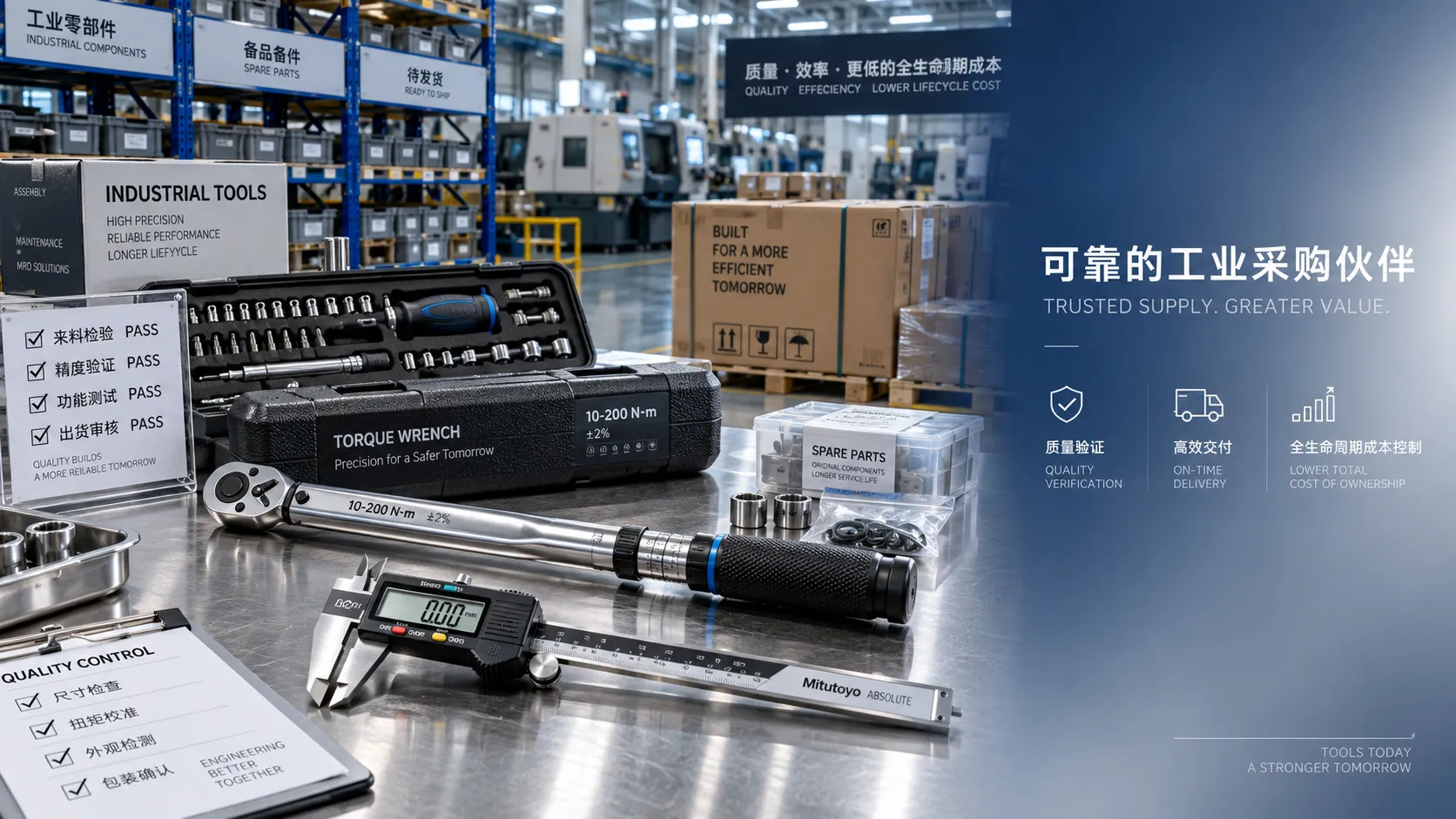
How to Compare Industrial Tool Suppliers for Quality, Lead Time, and Total Cost
Industrial tool selection supplier comparison made simple: evaluate quality, lead times, total cost, service, and supply resilience for confident sourcing decisions.
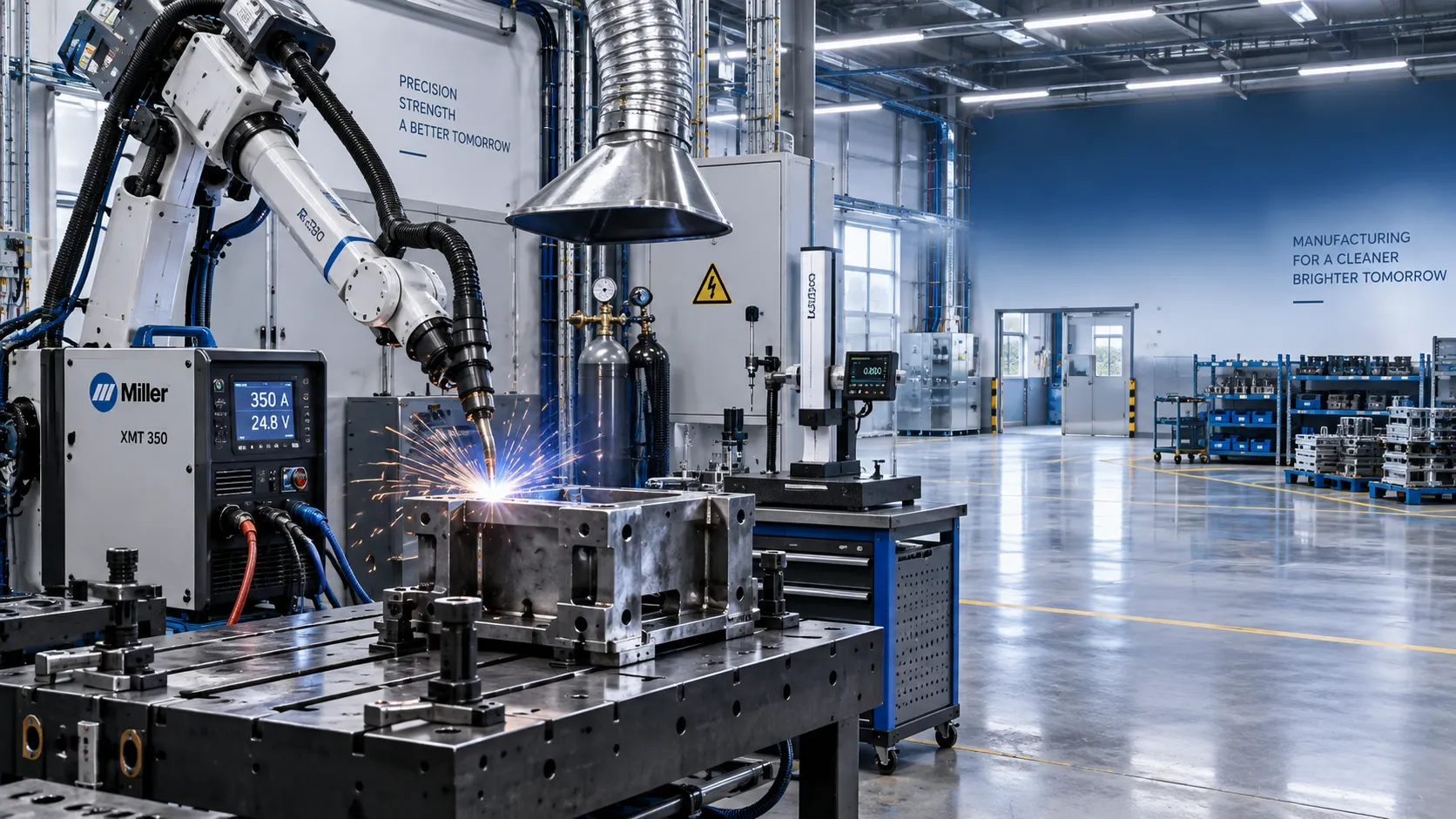
Industrial Equipment Application Guidance: Match Machines to Operating Conditions
Application guidance industrial equipment: match capacity, duty cycle, materials, site conditions, safety, and lifecycle cost to improve reliable output. Read the guide.
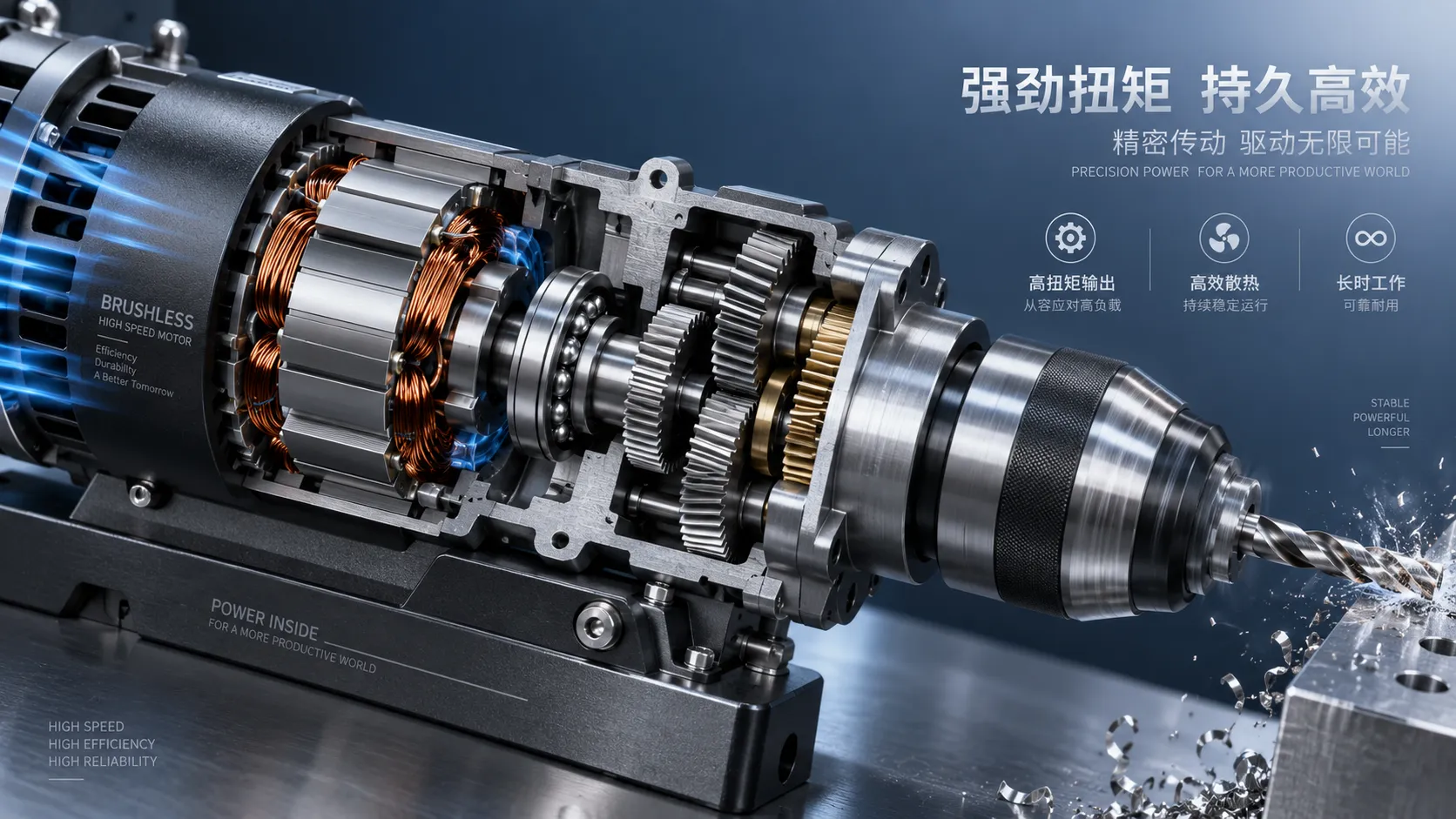
Selecting High-Speed Brushless Tool Motors for Torque, Heat, and Duty Cycle
High speed brushless tool motors: learn how to balance torque, heat, gearing, and duty cycle for reliable industrial tool performance and longer service life.
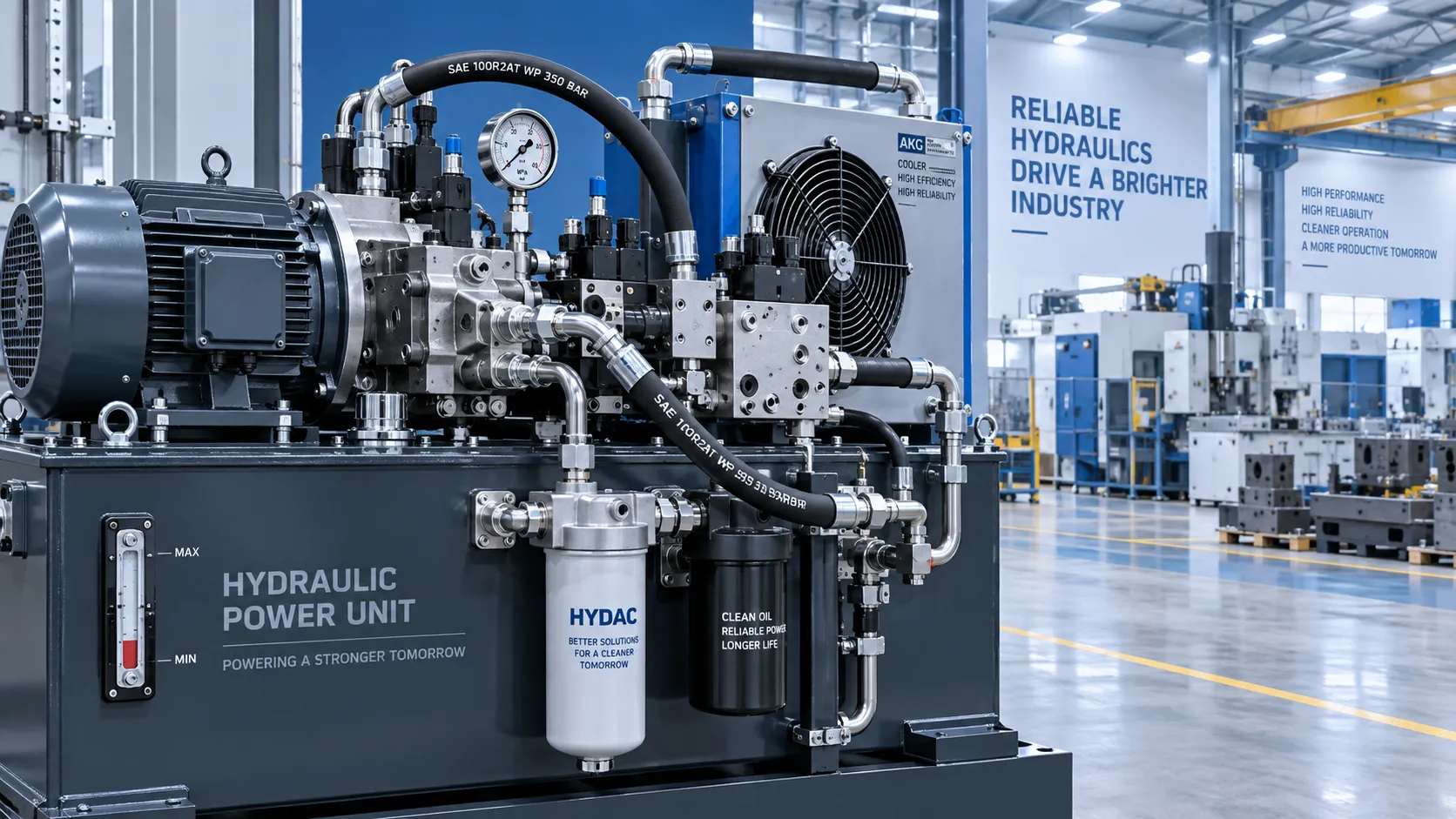
What Determines Industrial Hydraulic System Price for Heavy-Duty Equipment?
Industrial hydraulic system price depends on duty cycle, pressure, components, cooling, and integration. Compare quotes intelligently to secure reliable heavy-duty performance.
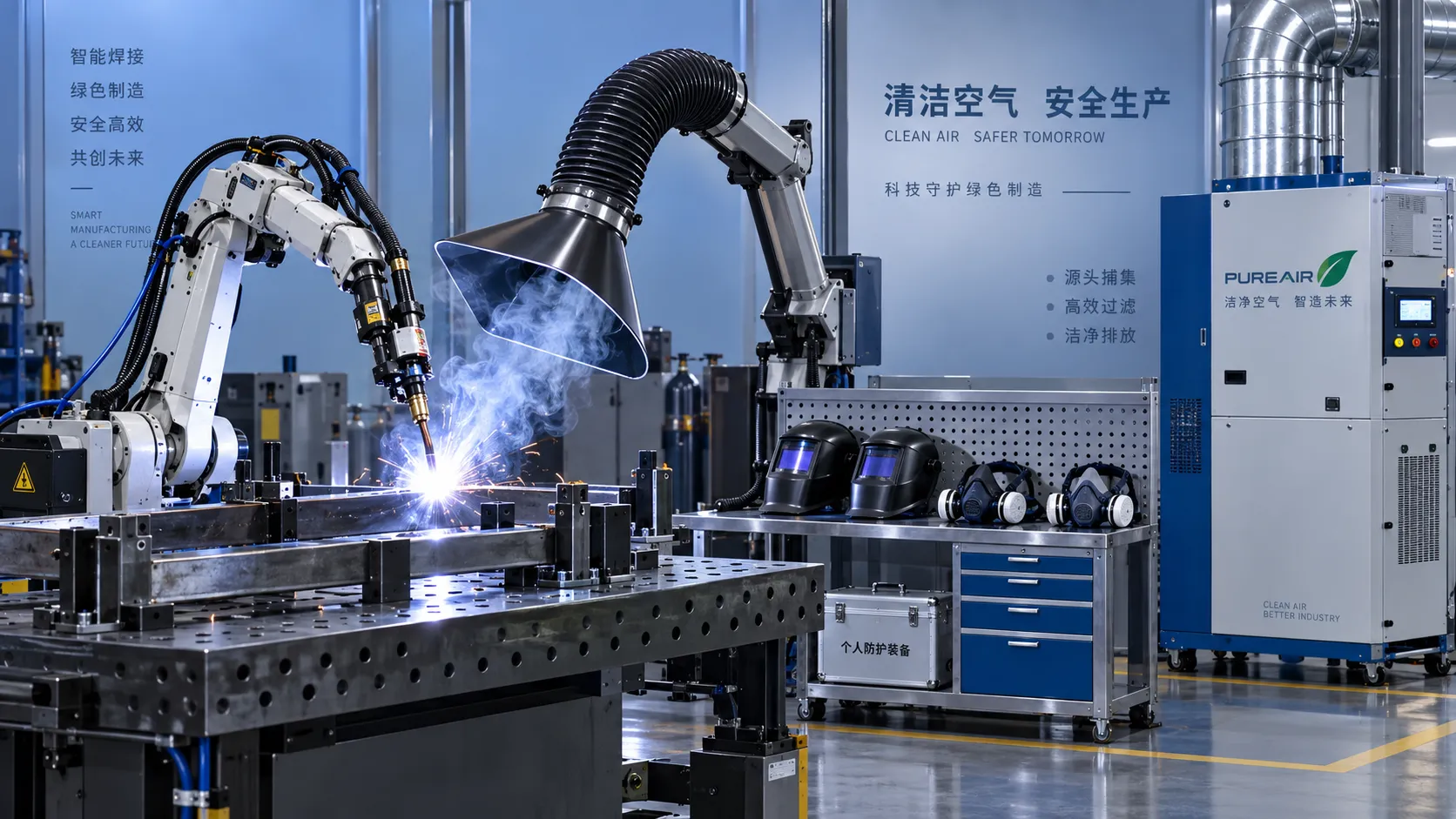
Welding Fume Extraction PPE: When Respirators Are Not Enough for Shop Safety
Welding fume extraction PPE: learn why respirators alone fall short and how source capture, ventilation, and layered controls improve shop safety.

How to Select Optical Metrology Solutions for Tight-Tolerance Manufacturing
Optical industrial metrology solutions for tight-tolerance manufacturing: evaluate accuracy, surface compatibility, workflow, and traceability to select with confidence.
Related News
- 00
0000-00
Selecting Adjustable Torque Tools for Repeatable Fastener Assembly - 00
0000-00
How to Select Aerospace Inspection Tools for Aircraft Maintenance Tasks - 00
0000-00
How to Select Wire Bonding Tools for Fine-Pitch Semiconductor Packaging - 00
0000-00
Industrial Equipment Application Guidance: Match Machines to Operating Conditions - 00
0000-00
Selecting High-Speed Brushless Tool Motors for Torque, Heat, and Duty Cycle
Prof. Marcus Chen
Weekly Insights
Stay ahead with our curated technology reports delivered every Monday.