
Industrial Intelligence in Manufacturing: What It Means and Where It Delivers Value





Industrial intelligence in manufacturing is no longer a narrow automation topic. It is becoming the practical method for turning scattered production data into decisions about quality, uptime, safety, energy use, and cost. That matters because factories now operate under tighter tolerances, faster changeovers, stricter compliance demands, and more volatile supply conditions than before.
In this context, industrial intelligence sits at the intersection of machines, software, operators, and process knowledge. Its real value appears when measurement, tooling, welding, maintenance, and production planning start informing one another. For sectors shaped by assembly, metal joining, and precision metrology, that connection is where operational gains become visible and repeatable.
What industrial intelligence actually means on the factory floor
At a basic level, industrial intelligence is the disciplined use of industrial data to improve decisions. It combines sensing, monitoring, analysis, and response across equipment, materials, processes, and inspection points.
That definition sounds broad, so it helps to ground it. A connected torque tool that records every fastening event, a welding system that flags unsafe parameter drift, and a metrology station that detects variation trends are all parts of industrial intelligence.
The important distinction is that data collection alone is not enough. A factory may already have dashboards, alarms, and machine logs. Industrial intelligence begins when those signals support a better operational decision, not just a larger archive.
This is why the topic is gaining weight across mixed industrial environments. It supports both advanced digital factories and workshops where process knowledge still depends heavily on experienced hands.
Why the topic is getting more attention now
Several pressures are converging. Manufacturers are dealing with raw material price swings, export standard restrictions, workforce transitions, and customer expectations for tighter traceability.
At the same time, many core processes are changing. Handheld laser welding is spreading, brushless motor performance is pushing new tool designs, and IoT-based torque control is moving from pilot projects into daily operations.
These shifts make intuition alone less reliable. Process complexity rises faster than human visibility. Industrial intelligence becomes useful because it shortens the distance between what is happening and what needs adjustment.
This is also where platforms such as GPTWM become relevant. A strong intelligence layer does more than report news. It connects sector movements, engineering limits, compliance changes, and commercial demand into a decision context that production teams can actually use.
Where industrial intelligence delivers measurable value
The strongest use cases are usually not abstract. They show up in a few operational categories where waste, defects, or downtime can be quantified.
Process control and consistency
In welding, fastening, cutting, and machining, small parameter shifts can create expensive downstream problems. Industrial intelligence helps identify drift earlier by comparing live data against expected process windows.
That matters especially in high-mix production. When setups change often, the risk of quiet variation increases. Better visibility reduces hidden rework and improves first-pass yield.
Predictive maintenance and equipment uptime
Traditional maintenance often relies on fixed intervals or visible failure. Industrial intelligence introduces a more useful middle ground by tracking vibration, load, heat, cycle counts, current draw, and tool wear patterns.
The goal is not to predict everything perfectly. It is to identify failure probability early enough to schedule intervention before it interrupts production or degrades quality.
Precision measurement and quality assurance
Metrology is one of the clearest value zones. Measurement systems become more powerful when inspection results feed back into process correction, not only pass-fail reporting.
This is especially useful in sectors where tolerance stack-up affects safety, fit, or warranty cost. Industrial intelligence links dimensional data to machine settings, tool condition, and operator actions.
Connected tooling and operator support
Power tools, torque systems, and handheld devices are becoming intelligent assets. They can store settings, confirm task completion, trace events, and warn about misuse.
That does not replace skill. It supports consistency, training, and documentation, which are increasingly important in distributed production networks.
How value changes by application scenario
Industrial intelligence does not create the same benefit everywhere. The value depends on process sensitivity, inspection requirements, downtime cost, and traceability pressure.
From an evaluation standpoint, the lesson is simple. The best industrial intelligence projects start where process variation is expensive and where action can follow quickly from the data.
What to examine before adopting a solution
Not every connected system creates useful intelligence. Some only add interfaces and data noise. A sound assessment focuses on operational fit and decision quality.
- Check whether the data source is close to the real failure or variation mechanism.
- Verify timestamp accuracy and event traceability across machines, tools, and inspection systems.
- Ask how the system supports action, not only visualization.
- Review integration with existing MES, ERP, CMMS, and quality platforms.
- Look at calibration, sensor drift, and data governance requirements.
- Measure whether operators can use it without slowing critical tasks.
- Confirm that cybersecurity, export restrictions, and local compliance are addressed early.
These checks matter because industrial intelligence fails when the analytics are impressive but the process assumptions are weak. Reliable results depend on accurate context, not just advanced software.
The role of domain intelligence behind the technology
A recurring mistake is to treat industrial intelligence as a purely digital purchase. In practice, its performance depends heavily on domain expertise in tooling, welding, metrology, materials, and industrial economics.
That is why sector-focused intelligence platforms add value beyond product listings. GPTWM, for example, frames industrial intelligence through the last mile of manufacturing, where tool behavior, ergonomic design, compliance shifts, and field demand directly shape operational outcomes.
Its Strategic Intelligence Center reflects an approach that many industrial organizations now need. News about raw materials or export standards matters more when connected to process risk. Trend analysis becomes more useful when linked to brushless motor limits, laser welding safety, or demand signals for high-precision instruments.
In other words, the most practical industrial intelligence combines data architecture with industrial judgment. One without the other usually produces partial value.
How to move from interest to a workable evaluation
A useful next step is to narrow the scope. Start with one process where quality loss, downtime, or traceability gaps are already visible. Then define which decisions are currently delayed, manual, or inconsistent.
From there, map the signals that matter most. That may be torque data, weld parameters, dimensional variation, maintenance indicators, or tool utilization records. The goal is to connect those signals to a specific action owner and response time.
It also helps to compare solutions using a short set of questions: What problem becomes easier to control? What process knowledge is built into the system? What evidence supports measurable improvement? What new dependencies does it introduce?
Industrial intelligence becomes valuable when it improves judgment at the point where manufacturing performance is won or lost. That is usually not in abstract dashboards. It is in the daily relationship between tools, measurement, process discipline, and timely decisions.
For that reason, the next move is rarely a broad digital rollout. It is a sharper evaluation framework, grounded in process risk, data quality, and practical usability, then informed by sector intelligence that keeps technical choices aligned with market reality.
Related News
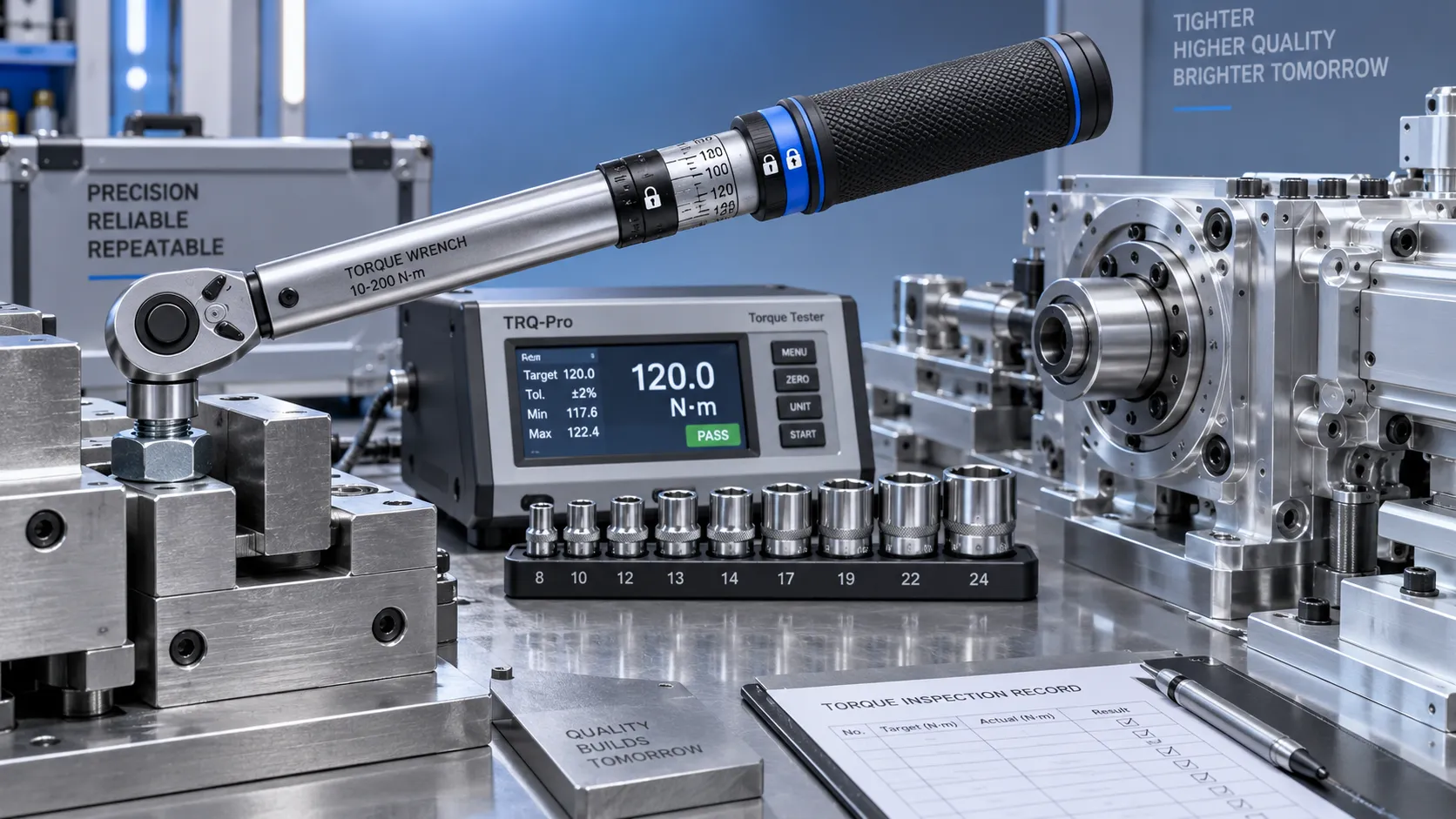
Selecting Adjustable Torque Tools for Repeatable Fastener Assembly
Adjustable torque tools: learn how to match range, accuracy, control methods, calibration, and ergonomics for repeatable, reliable fastener assembly.
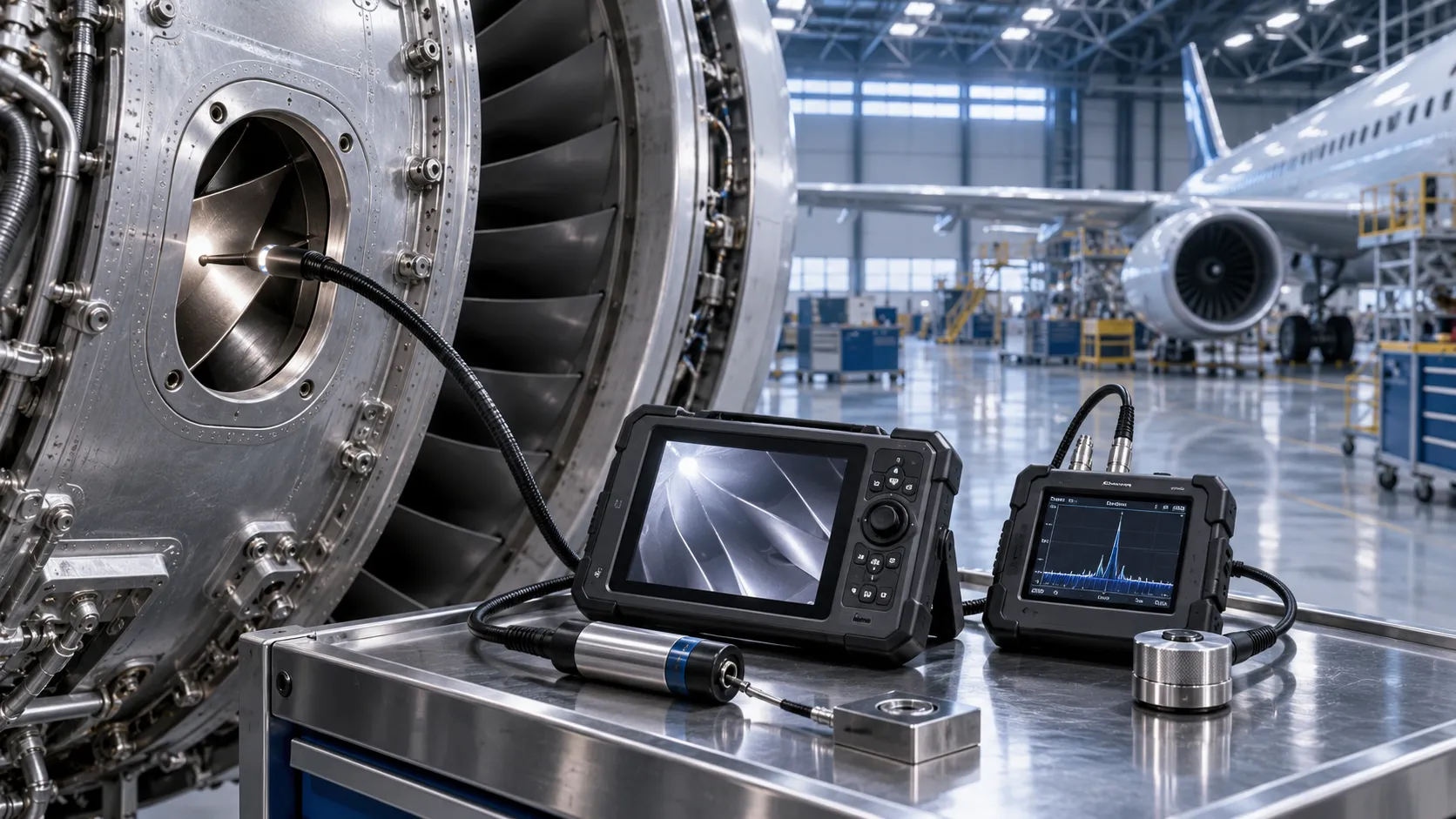
How to Select Aerospace Inspection Tools for Aircraft Maintenance Tasks
Aerospace maintenance inspection tools: learn how to select reliable, traceable equipment for aircraft access, accuracy, calibration, and compliant maintenance decisions.
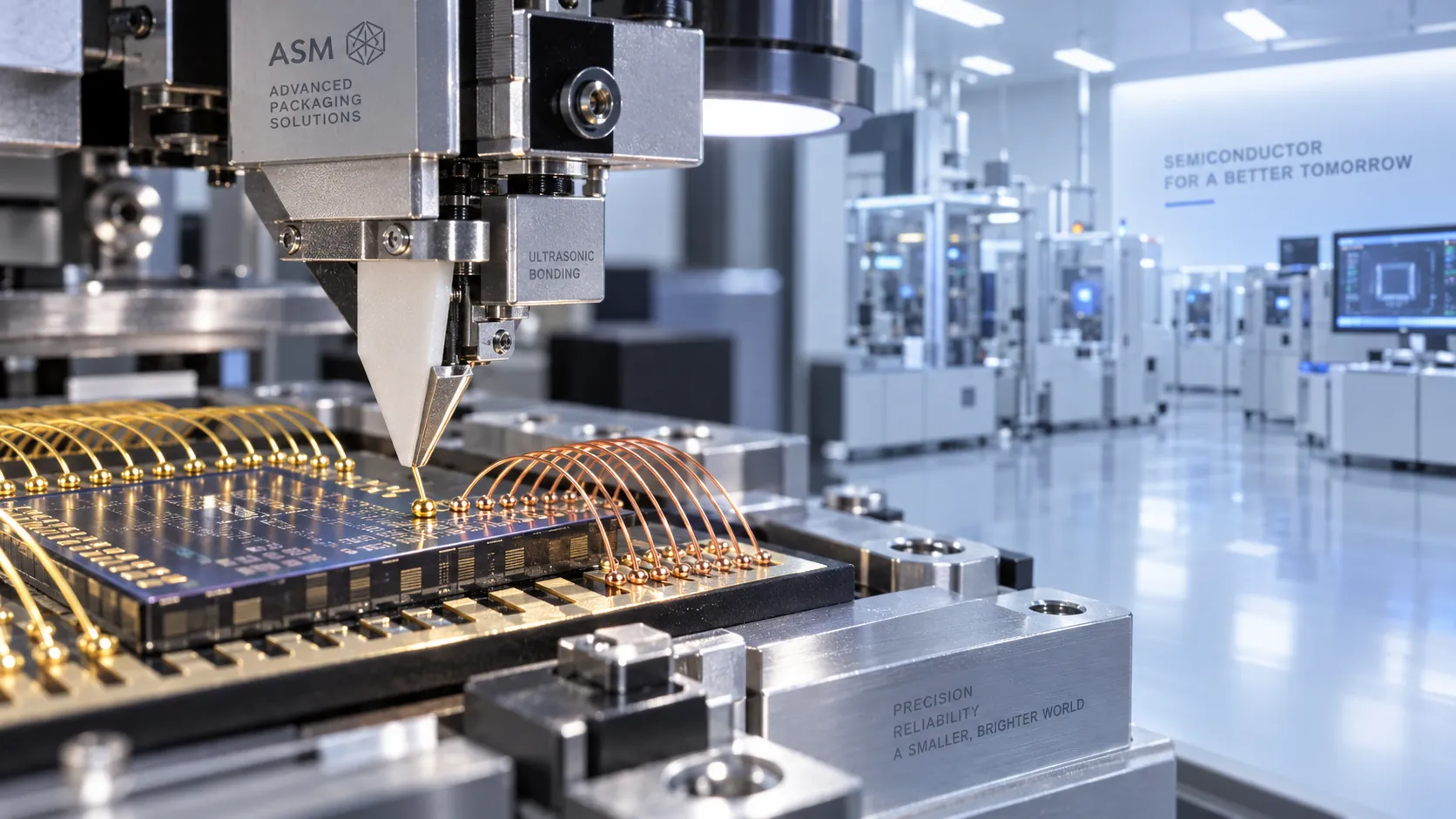
How to Select Wire Bonding Tools for Fine-Pitch Semiconductor Packaging
Explore semiconductor manufacturing tools for wire bonding and learn how to select precision solutions for fine-pitch packaging, reliable loops, accuracy, and yield.
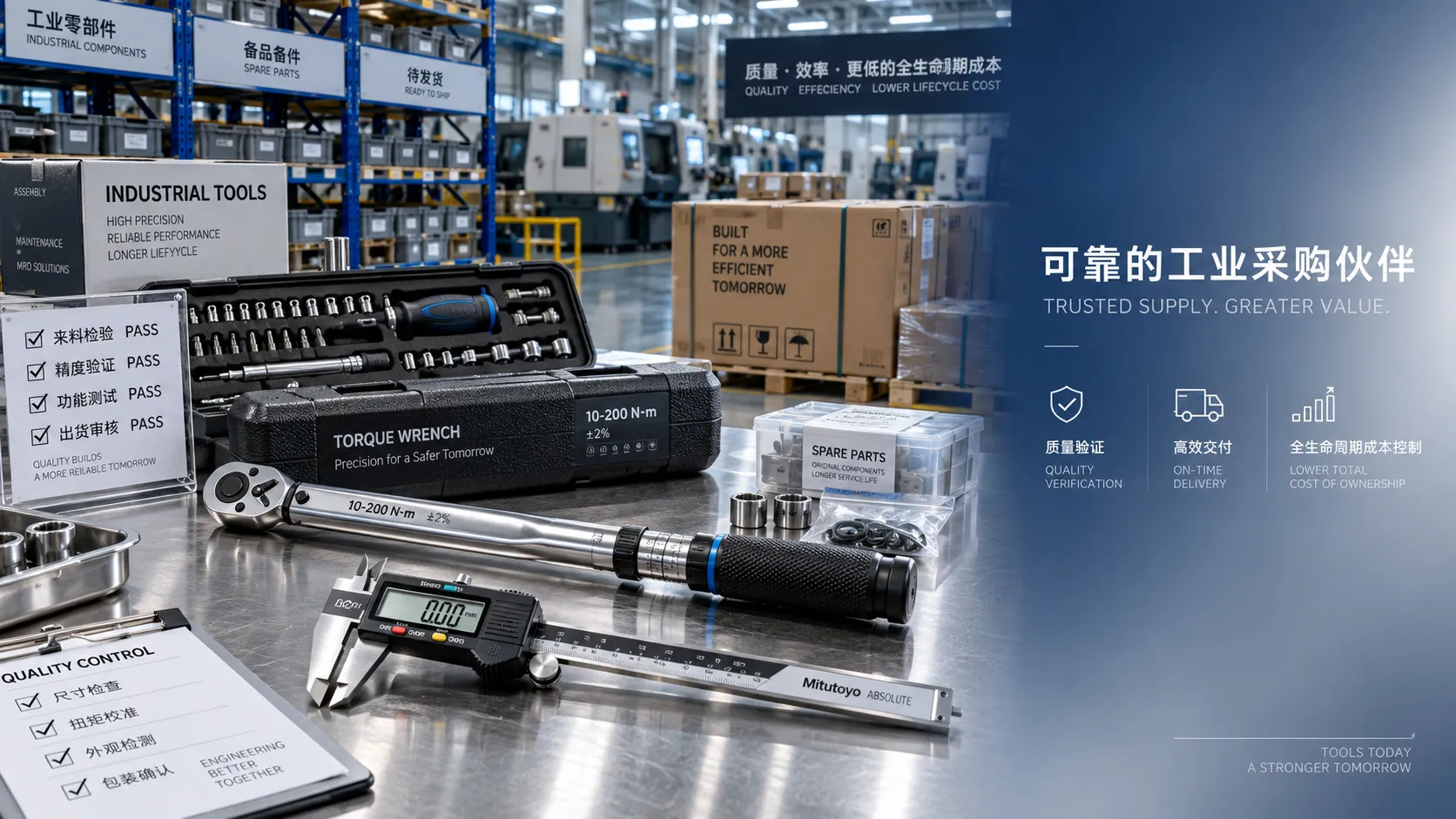
How to Compare Industrial Tool Suppliers for Quality, Lead Time, and Total Cost
Industrial tool selection supplier comparison made simple: evaluate quality, lead times, total cost, service, and supply resilience for confident sourcing decisions.
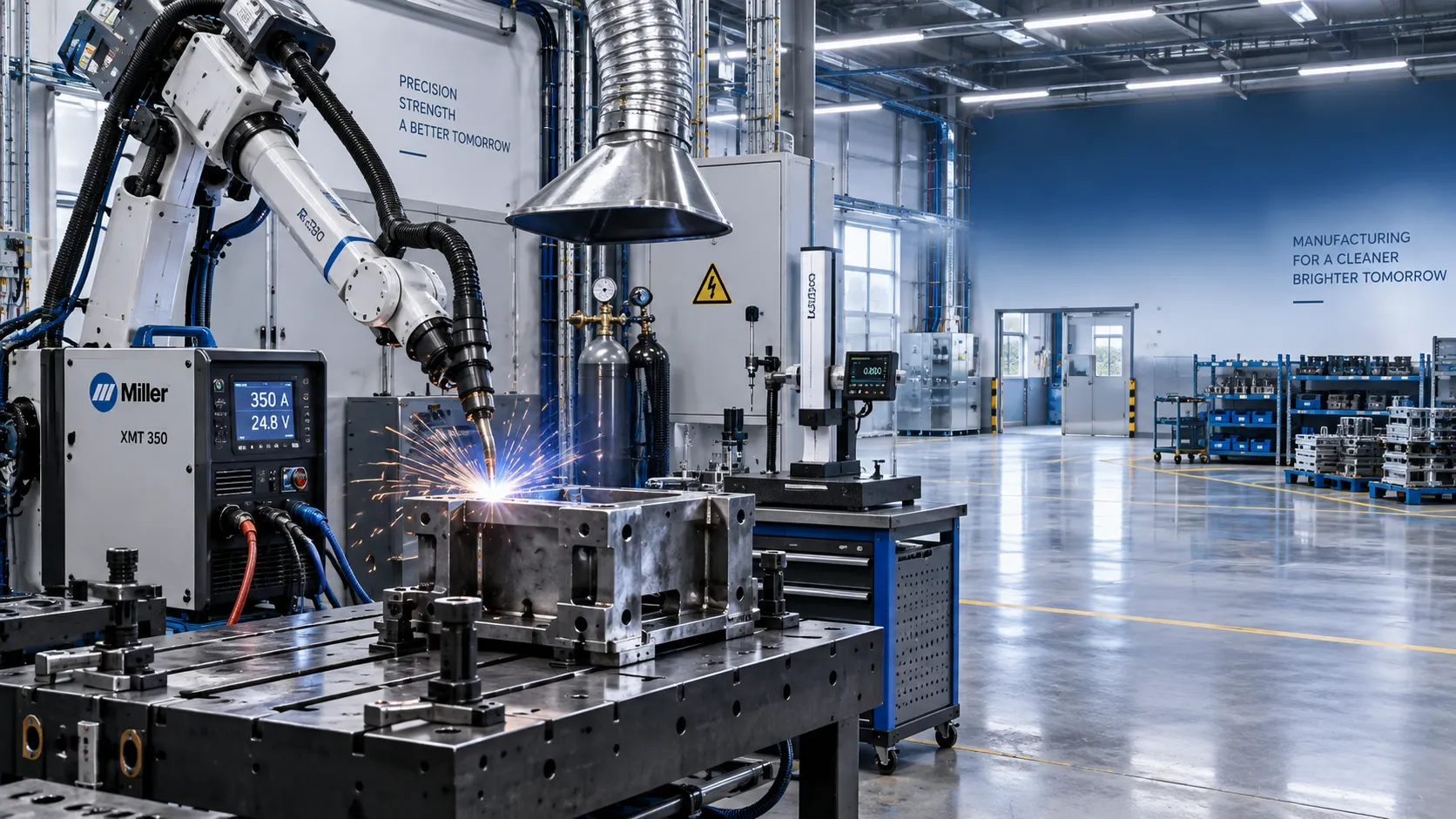
Industrial Equipment Application Guidance: Match Machines to Operating Conditions
Application guidance industrial equipment: match capacity, duty cycle, materials, site conditions, safety, and lifecycle cost to improve reliable output. Read the guide.
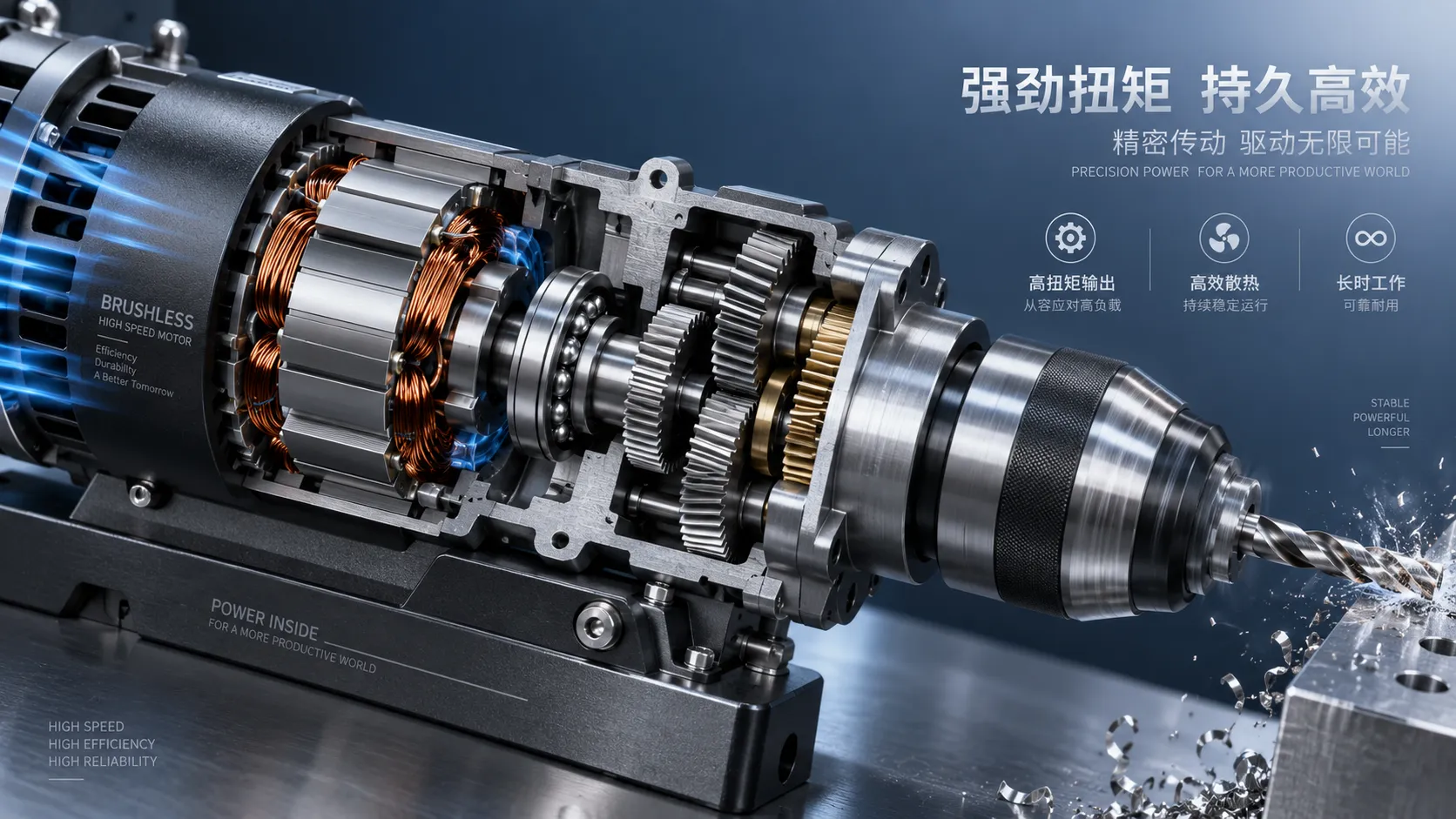
Selecting High-Speed Brushless Tool Motors for Torque, Heat, and Duty Cycle
High speed brushless tool motors: learn how to balance torque, heat, gearing, and duty cycle for reliable industrial tool performance and longer service life.
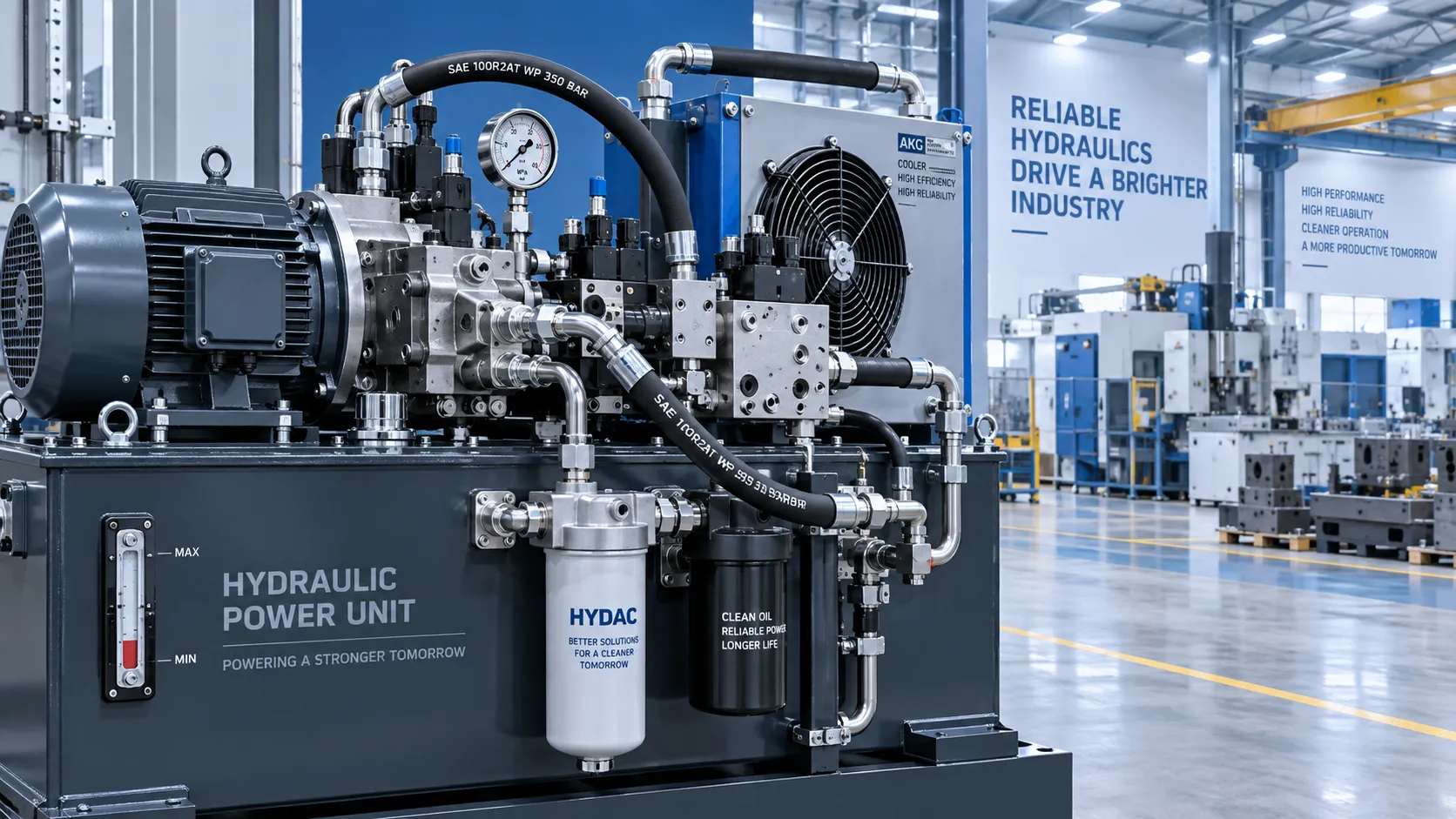
What Determines Industrial Hydraulic System Price for Heavy-Duty Equipment?
Industrial hydraulic system price depends on duty cycle, pressure, components, cooling, and integration. Compare quotes intelligently to secure reliable heavy-duty performance.
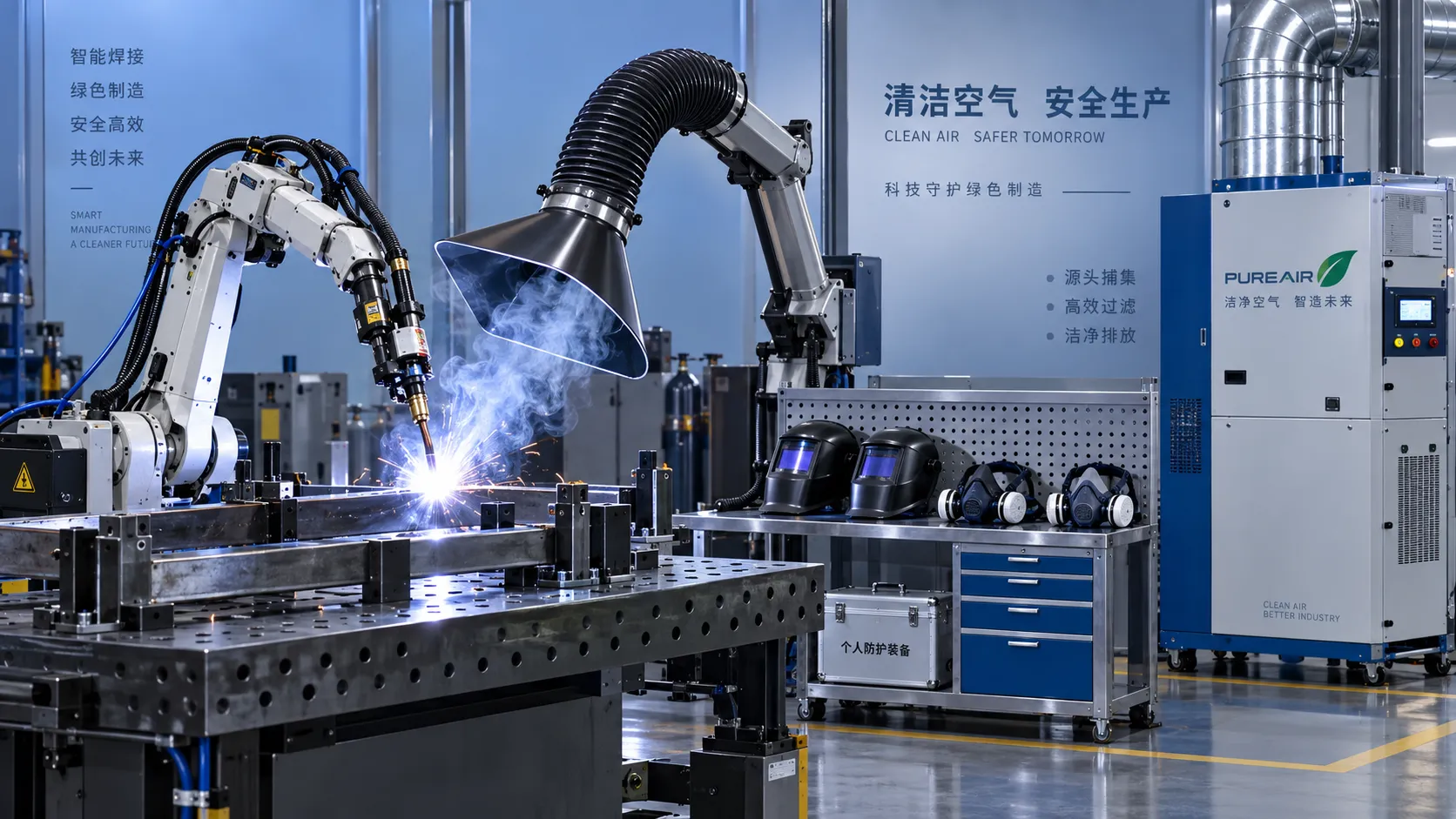
Welding Fume Extraction PPE: When Respirators Are Not Enough for Shop Safety
Welding fume extraction PPE: learn why respirators alone fall short and how source capture, ventilation, and layered controls improve shop safety.
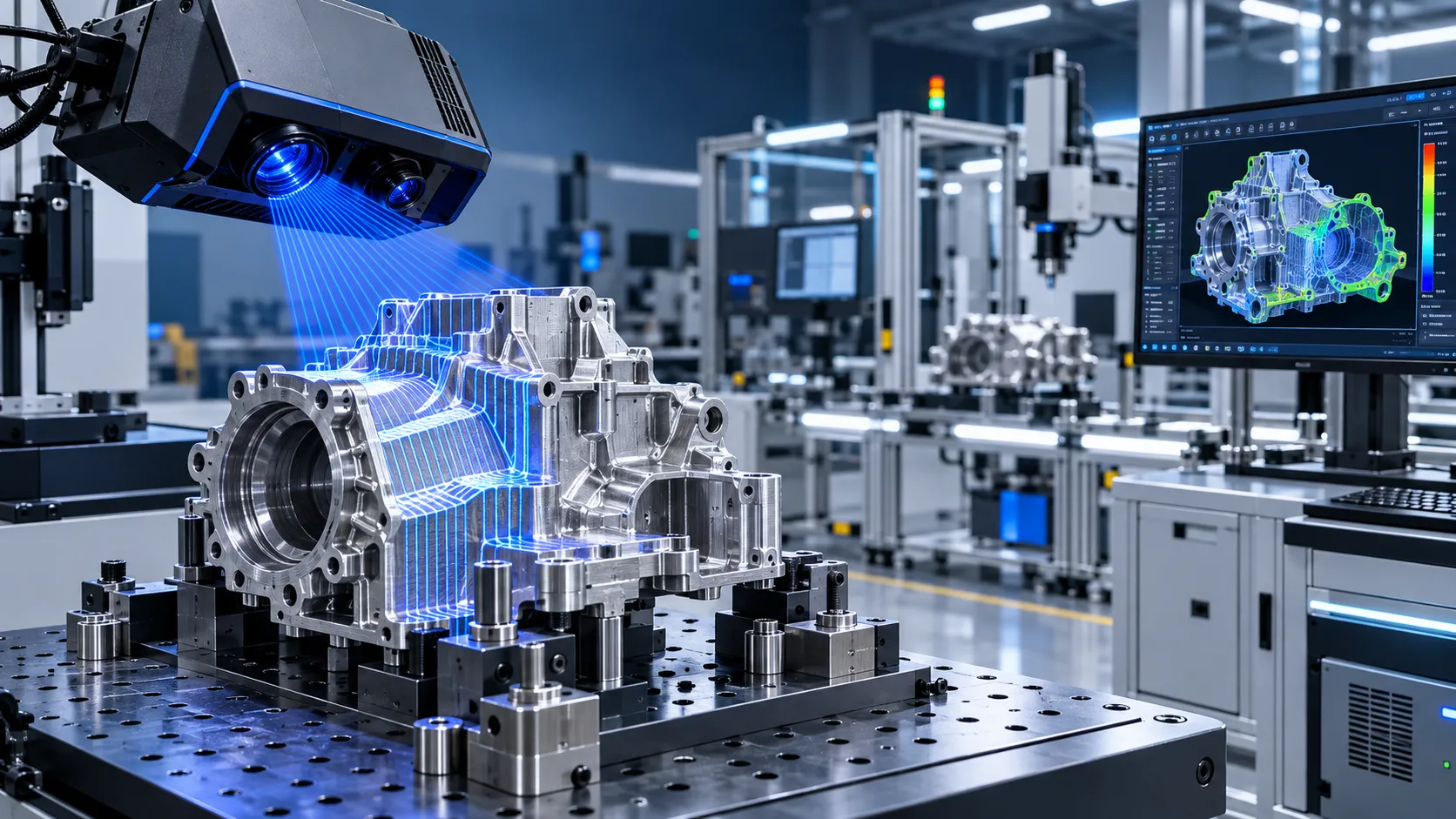
How to Select Optical Metrology Solutions for Tight-Tolerance Manufacturing
Optical industrial metrology solutions for tight-tolerance manufacturing: evaluate accuracy, surface compatibility, workflow, and traceability to select with confidence.
Related News
- 00
0000-00
Selecting Adjustable Torque Tools for Repeatable Fastener Assembly - 00
0000-00
How to Select Aerospace Inspection Tools for Aircraft Maintenance Tasks - 00
0000-00
How to Select Wire Bonding Tools for Fine-Pitch Semiconductor Packaging - 00
0000-00
Industrial Equipment Application Guidance: Match Machines to Operating Conditions - 00
0000-00
Selecting High-Speed Brushless Tool Motors for Torque, Heat, and Duty Cycle
Prof. Marcus Chen
Weekly Insights
Stay ahead with our curated technology reports delivered every Monday.