
Digital Factories Still Face Hidden Downtime Risks





Digital factories promise speed, traceability, and smarter production, yet hidden downtime risks still disrupt output when maintenance blind spots go unnoticed. For after-sales maintenance teams, small failures in tools, welding systems, sensors, or torque control can quickly escalate into costly interruptions. This article explores where these overlooked risks emerge and how precision-focused service strategies can strengthen uptime, reliability, and long-term manufacturing efficiency.
In many industrial environments, downtime is no longer caused only by major machine breakdowns. More often, it starts with a drifting sensor, unstable welding output, a worn measuring component, delayed calibration, or an overlooked software-parameter mismatch. In digital factories, these smaller issues are harder to spot because production appears connected and data-rich, while practical maintenance gaps still exist on the shop floor.
For after-sales maintenance personnel, the challenge is clear: protect throughput without creating unnecessary service cost, and detect weak signals before they become multi-hour stoppages. That requires a service mindset that combines tool condition monitoring, metrology discipline, spare parts planning, response timing, and field-ready diagnostic routines.
Why Hidden Downtime Persists in Digital Factories
Digital factories often run with connected welding units, torque tools, handheld power tools, inline inspection stations, and traceability systems. Yet connectivity does not automatically remove failure risk. In many plants, 70% to 80% of recurring interruptions come from peripheral or process-linked issues rather than complete equipment collapse.
The gap between visible alarms and real root causes
A digital alarm may show abnormal cycle time, but it may not identify whether the real cause is torch contamination, torque drift beyond ±3%, cable fatigue after 6 to 12 months, or measurement deviation caused by temperature fluctuation of 5°C to 8°C. After-sales teams are often called after output quality has already been affected.
Typical blind spots in connected production lines
- Sensor signals remain active, but actual accuracy degrades gradually over 2 to 4 weeks.
- Welding systems maintain arc initiation, while spatter, heat input, or shielding instability increases rework.
- Torque tools store data correctly, but reaction force or joint consistency changes due to wear.
- Measuring instruments pass basic checks, yet fail to meet tighter tolerance windows such as ±0.02 mm.
- Software updates alter parameter logic, causing mismatch with existing maintenance settings.
These hidden downtime risks are especially relevant in assembly, metal joining, and precision inspection workflows. GPTWM closely tracks this “last mile” of industrial manufacturing because many uptime losses originate where human handling, tooling condition, and digital control interact.
The table below highlights where digital factories most often underestimate maintenance-related downtime risk across common industrial applications.
A key takeaway is that digital factories rarely suffer from one isolated weakness. Downtime usually comes from a chain reaction: tool wear influences process quality, process variation triggers inspection exceptions, and inspection delays disrupt scheduling. After-sales maintenance teams that focus only on final failure points often miss the earlier, cheaper intervention window.
Why after-sales teams need broader diagnostic scope
In traditional maintenance, technicians might replace a failed part and restore operation. In digital factories, that is only step 1 of 3. Step 2 is checking whether the replaced component affects data capture, parameter history, or inspection reliability. Step 3 is validating whether the line can sustain stable performance for the next 24 to 72 hours, not just restart in the next 15 minutes.
This broader scope matters for distributors, industrial service providers, and plant maintenance coordinators alike. It supports stronger lifecycle value for precision tools, welding devices, measuring instruments, and hydraulic support equipment used in automotive, construction, aerospace maintenance, and general assembly sectors.
The Most Overlooked Failure Points in Tools, Welding, and Metrology
Not all downtime risks carry the same impact. In practice, the most overlooked points are those that degrade gradually, remain within broad operating limits, or are treated as operator issues instead of maintenance issues. For after-sales teams, these are the areas where preventive action can save the most production time.
Precision tools and electric assembly equipment
Brushless tools, smart nutrunners, and controlled fastening systems can operate for long cycles, but output consistency still depends on bearings, trigger response, battery or power stability, and mechanical wear. A tool may remain functional while torque repeatability drifts by 2% to 5%, enough to create quality escapes in critical joints.
Handheld and semi-automated welding systems
In metal joining environments, hidden downtime often starts with consumables and handling conditions rather than the main power unit. Contact tip wear, wire feeding resistance, shielding gas instability, and torch overheating can reduce weld consistency before a clear alarm appears. In laser-assisted applications, safety interlocks and optical cleanliness require even tighter service attention.
Metrology and inspection devices
Calipers, gauges, digital indicators, and inline sensors are often treated as low-risk items because their replacement cost is lower than a machine tool or robot. But in digital factories, a small measurement error can hold an entire batch. A repeatability shift from ±0.01 mm to ±0.04 mm may trigger false rejects or, worse, allow bad parts to pass.
Common hidden failure patterns
- Mechanical wear without immediate functional failure.
- Data continuity without physical process stability.
- Calibration records that are current, but application conditions have changed.
- Consumable replacement based on breakdown instead of cycle count.
- Maintenance intervals that ignore duty cycle, dust, heat, and vibration load.
The next table helps after-sales maintenance teams map these issues to practical inspection intervals and intervention priorities.
These intervals are not fixed rules, but they provide a practical baseline. In high-duty production, service frequency may need to increase by 25% to 50%, especially where heat, abrasive dust, or variable operator handling is present.
How After-Sales Maintenance Teams Can Reduce Downtime Risk
Reducing hidden downtime in digital factories requires more than reactive repairs. The most effective approach combines rapid field diagnosis, maintenance standardization, traceable service records, and precision-led replacement decisions. This is where after-sales teams can directly influence plant efficiency and customer trust.
Build a 4-layer service routine
A reliable service routine should include 4 layers: daily operator checks, weekly maintenance screening, monthly precision validation, and quarterly performance review. Each layer addresses a different risk horizon, from visible wear to hidden drift.
Recommended field workflow
- Confirm the failure symptom and affected production stage within 10 to 15 minutes.
- Separate tool, process, sensor, and software variables before replacing parts.
- Check the last 3 to 5 maintenance actions for pattern repetition.
- Validate accuracy, not only function, after repair or adjustment.
- Record intervention data for future prediction and spare planning.
This workflow is especially important in digital factories because repeated symptoms may have different origins. A fastening deviation may come from joint condition, tool wear, or parameter mapping. A weld defect may come from feed instability rather than power supply. Without structured diagnosis, maintenance teams can lose hours replacing the wrong component.
Use precision thresholds, not generic pass/fail logic
Many service decisions still rely on broad pass/fail judgment. That is no longer enough for digital factories handling traceable assembly and quality-sensitive production. After-sales teams should define thresholds such as torque deviation bands, thermal rise limits, sensor response delay, or measurement repeatability windows, then trigger action before formal failure occurs.
- Torque drift alert at 2% to 3% before quality complaints appear.
- Welding consumable change based on cycle range, for example every 800 to 1,500 operations.
- Sensor cleaning after a defined contamination exposure window, such as every shift in dusty environments.
- Measurement verification at start-up and after major temperature changes above 5°C.
Precision-led maintenance aligns closely with GPTWM’s industrial intelligence perspective: the real value of tools and joining systems is not only purchase quality, but stable performance over time under actual manufacturing conditions.
Improve spare strategy for the last mile of uptime
Spare planning in digital factories should not focus only on expensive major components. Lower-cost items often create the most frequent interruptions. A balanced service inventory usually includes 3 categories: fast-wear consumables, calibration-sensitive parts, and communication or connector components.
For many industrial service operations, a practical target is to stock 30 to 60 days of critical wear items, maintain 1 to 2 validated backup measuring devices, and review parts usage every month. This reduces emergency shipping cost and shortens mean time to recovery during unexpected events.
Selection and Service Planning for More Reliable Digital Factories
When plants invest in tools, welding systems, or metrology equipment, procurement often focuses on output, price, and digital compatibility. For after-sales maintenance personnel, however, serviceability should be treated as a core selection criterion from day 1. Reliable digital factories are built not only through technology, but through maintainable technology.
Five criteria to review before purchase or deployment
- Calibration and verification cycle requirements across 6 to 12 months.
- Availability of wear parts and standard replacement lead time, ideally within 48 to 72 hours.
- Diagnostic transparency, including parameter history and fault trace access.
- Field maintenance complexity, including required tools, training hours, and reset steps.
- Environmental suitability for dust, vibration, heat, and operator handling variation.
These criteria matter across comprehensive industrial sectors, especially where assembly quality and uptime are commercially linked. In construction equipment servicing, automotive maintenance lines, aerospace repair stations, and general fabrication workshops, hidden downtime can affect delivery commitments, labor efficiency, and brand reputation at the same time.
Common procurement mistake
A common mistake is selecting devices with strong digital features but limited field support logic. If a smart system requires long diagnosis time, proprietary replacement steps, or calibration access that local teams cannot perform within 24 hours, the digital advantage may disappear during real service events.
Digital factories deliver the best return when procurement, maintenance, and production teams share the same reliability framework. That framework should define acceptable downtime windows, precision thresholds, response time targets, and spare readiness before the equipment enters full production.
Where industrial intelligence adds practical value
For after-sales teams, staying current with sector intelligence is not a branding exercise. It directly improves decision quality. Changes in raw material behavior, export restrictions, ergonomic standards, handheld laser welding safety expectations, and IoT torque control adoption all influence maintenance planning, replacement timing, and customer service recommendations.
That is why platforms such as GPTWM matter in the wider industrial ecosystem. By connecting precision tools, welding developments, and metrology insight, industrial service professionals can identify patterns earlier and support customers with decisions grounded in realistic operating conditions rather than isolated product claims.
Practical Questions After-Sales Teams Should Ask on Every Site Visit
Operational and maintenance checkpoints
- Has cycle time changed by more than 5% in the last 2 weeks?
- Are rework events linked to one station, one tool family, or one shift?
- Were any software, fixture, or consumable changes made in the last 30 days?
- Is calibration status current, and does it still reflect real operating temperature and usage load?
- Are recurring issues solved permanently, or only reset temporarily?
These questions help separate occasional noise from systemic risk. In digital factories, sustained uptime depends on recognizing weak signals early. Even a 10-minute recurring stop, repeated 6 times per shift, becomes a meaningful production loss over a week.
Hidden downtime in digital factories is rarely random. It usually grows from unattended precision loss, delayed maintenance, poor spare visibility, or weak coordination between equipment data and field service reality. For after-sales maintenance personnel, the strongest response is a disciplined service model built around measurable thresholds, layered inspections, and maintainable equipment choices.
GPTWM supports this approach by focusing on the industrial last mile where tools, welding, metrology, and intelligent control systems determine real manufacturing efficiency. If you are evaluating service strategies, maintenance workflows, or equipment reliability for digital factories, contact us to discuss your application, request a tailored solution, or learn more about practical industrial intelligence for uptime improvement.
- metal joining
- handheld laser welding
- IoT torque control
- ergonomic standards
- digital factories
- precision tools
- industrial manufacturing
- manufacturing efficiency
- automotive maintenance
- aerospace maintenance
- industrial intelligence
- torque tools
- laser welding
- construction equipment
- industrial applications
Related News
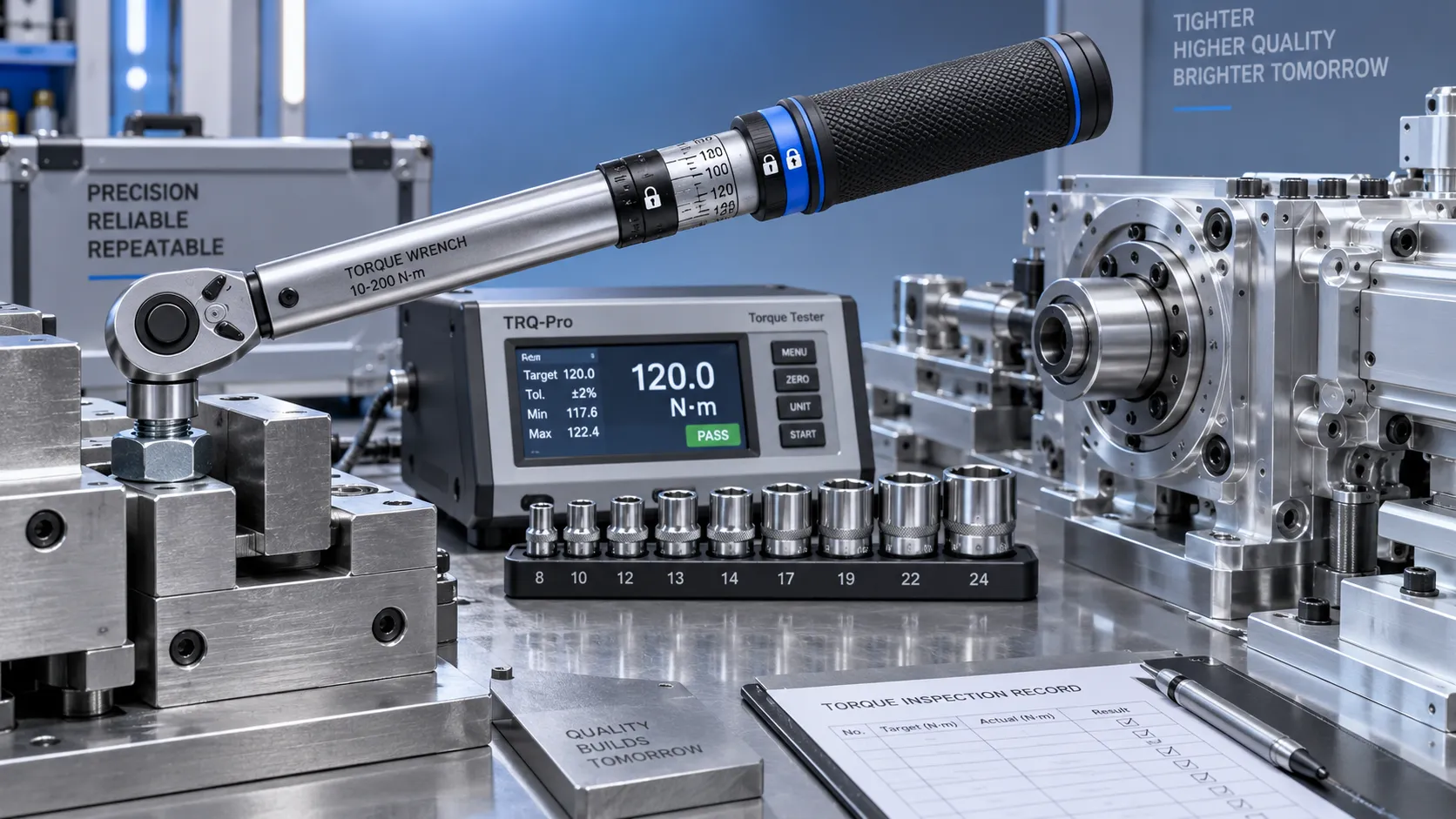
Selecting Adjustable Torque Tools for Repeatable Fastener Assembly
Adjustable torque tools: learn how to match range, accuracy, control methods, calibration, and ergonomics for repeatable, reliable fastener assembly.

How to Select Aerospace Inspection Tools for Aircraft Maintenance Tasks
Aerospace maintenance inspection tools: learn how to select reliable, traceable equipment for aircraft access, accuracy, calibration, and compliant maintenance decisions.

How to Select Wire Bonding Tools for Fine-Pitch Semiconductor Packaging
Explore semiconductor manufacturing tools for wire bonding and learn how to select precision solutions for fine-pitch packaging, reliable loops, accuracy, and yield.
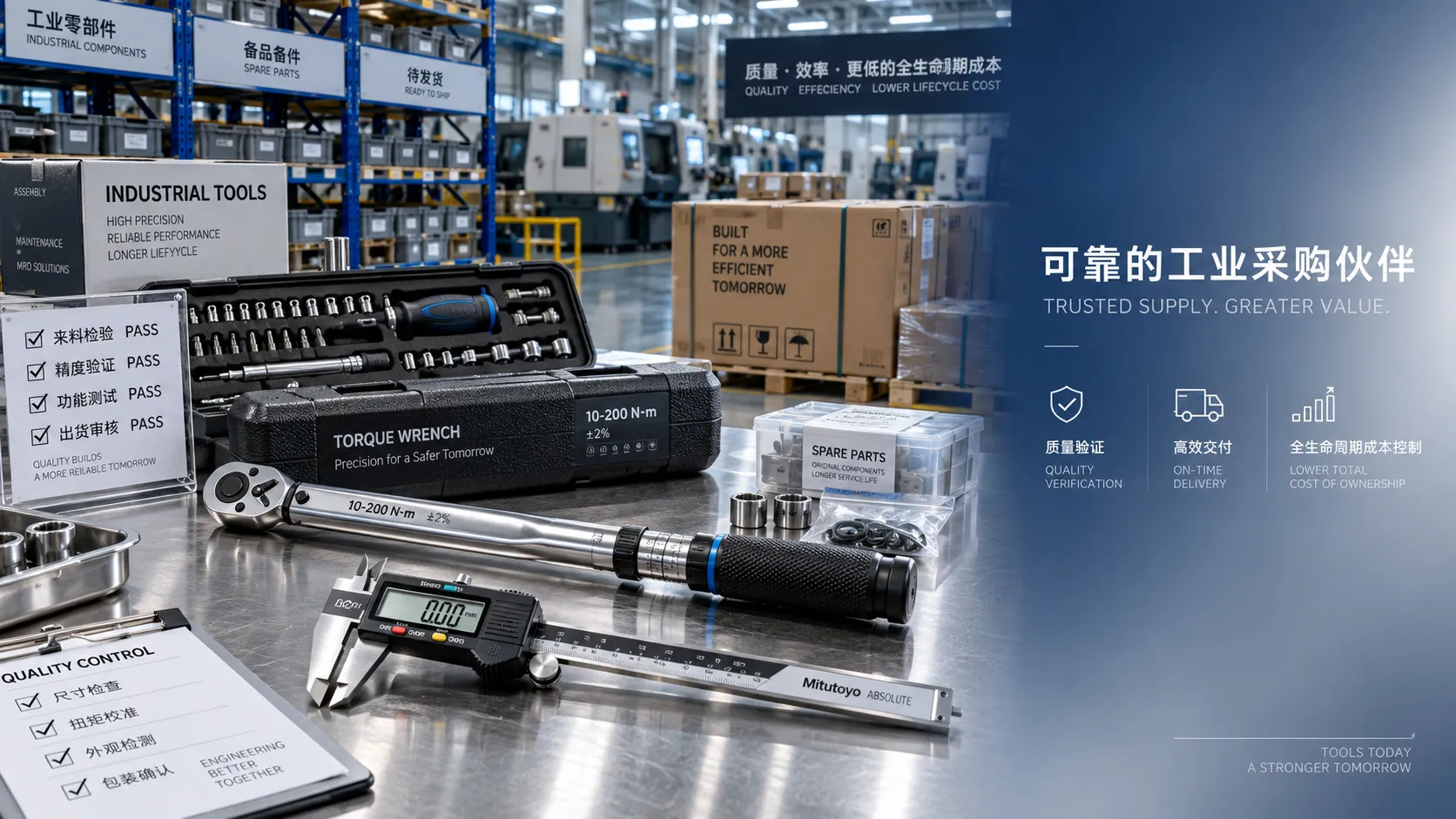
How to Compare Industrial Tool Suppliers for Quality, Lead Time, and Total Cost
Industrial tool selection supplier comparison made simple: evaluate quality, lead times, total cost, service, and supply resilience for confident sourcing decisions.
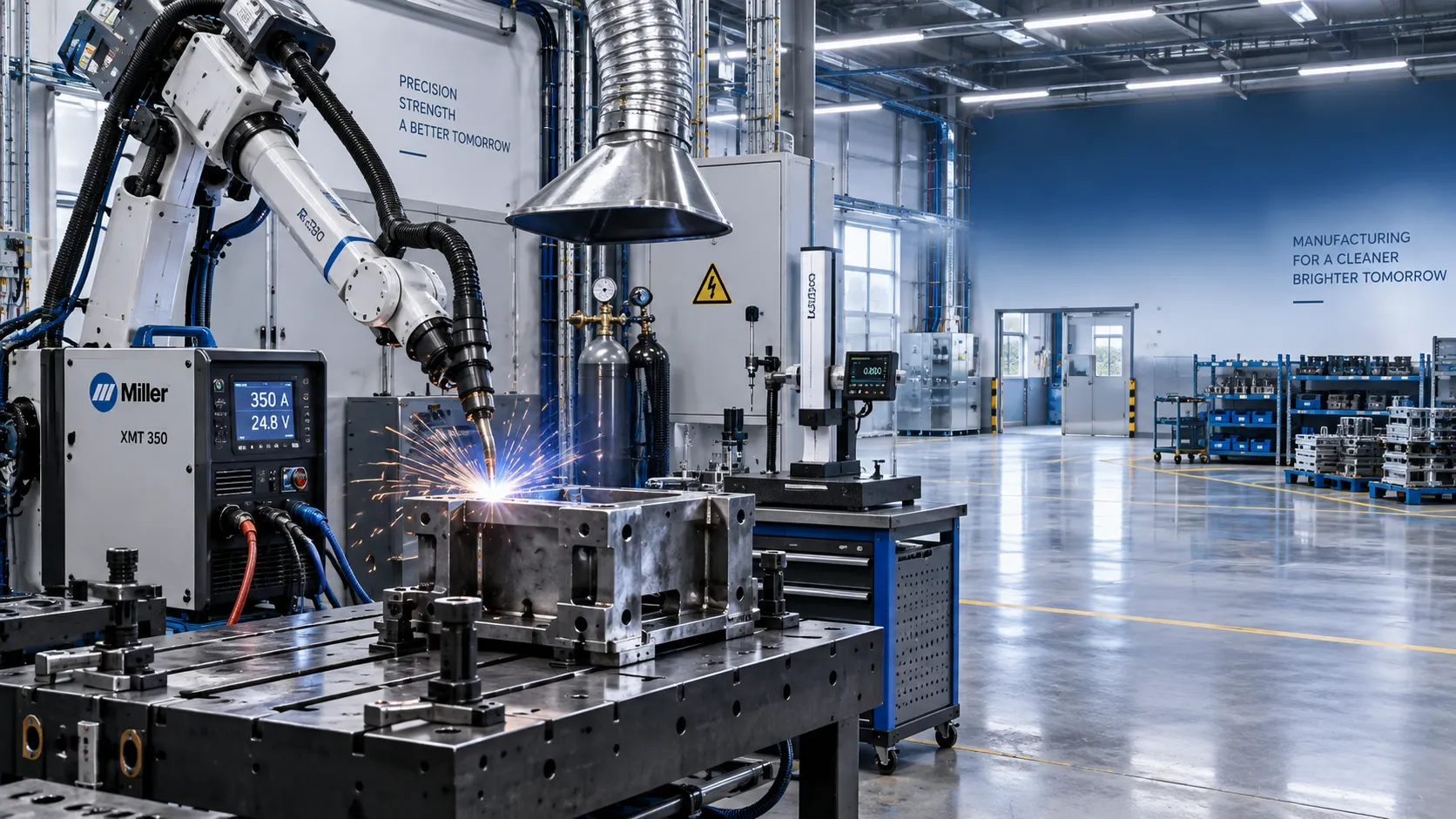
Industrial Equipment Application Guidance: Match Machines to Operating Conditions
Application guidance industrial equipment: match capacity, duty cycle, materials, site conditions, safety, and lifecycle cost to improve reliable output. Read the guide.
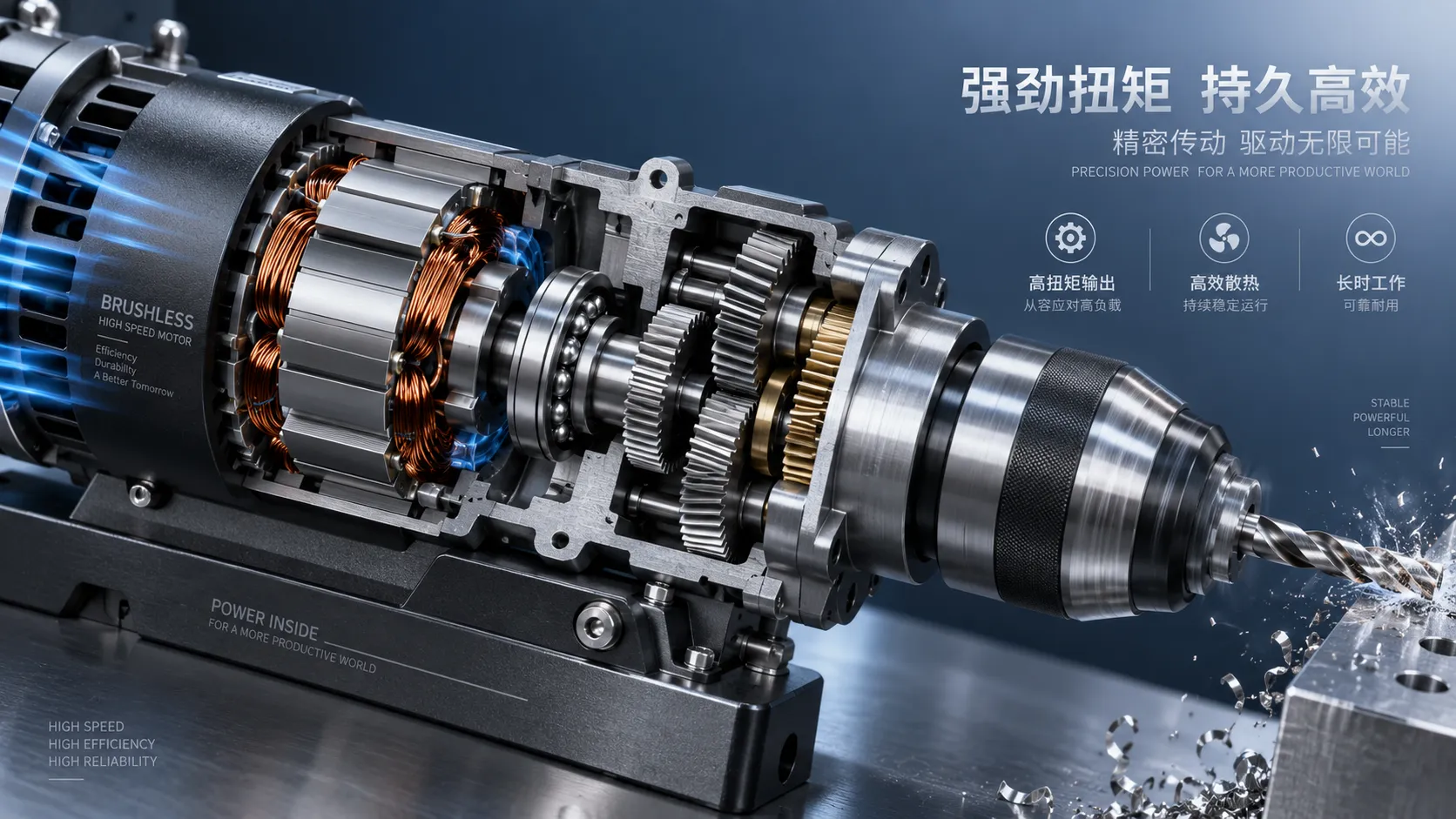
Selecting High-Speed Brushless Tool Motors for Torque, Heat, and Duty Cycle
High speed brushless tool motors: learn how to balance torque, heat, gearing, and duty cycle for reliable industrial tool performance and longer service life.
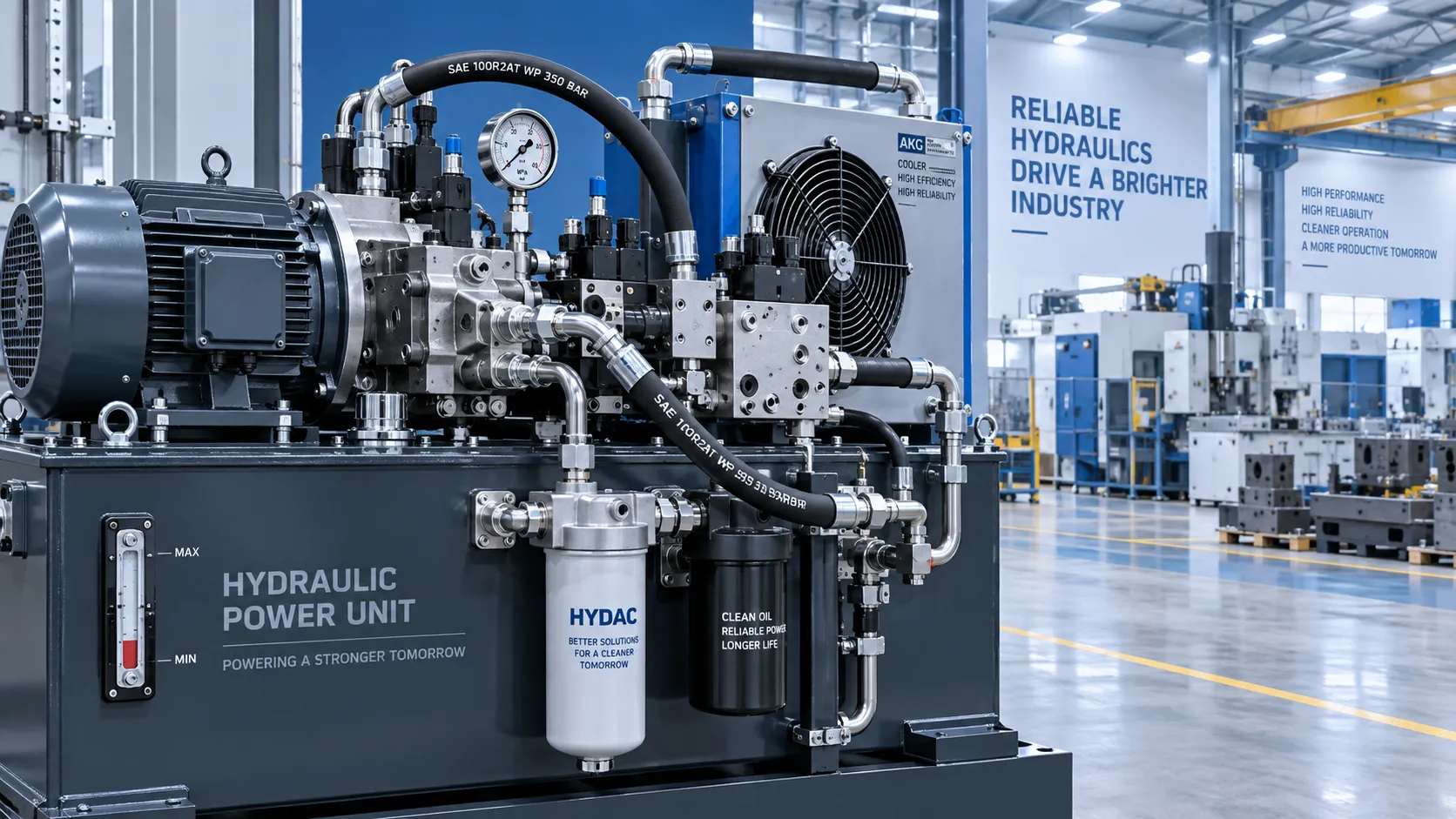
What Determines Industrial Hydraulic System Price for Heavy-Duty Equipment?
Industrial hydraulic system price depends on duty cycle, pressure, components, cooling, and integration. Compare quotes intelligently to secure reliable heavy-duty performance.
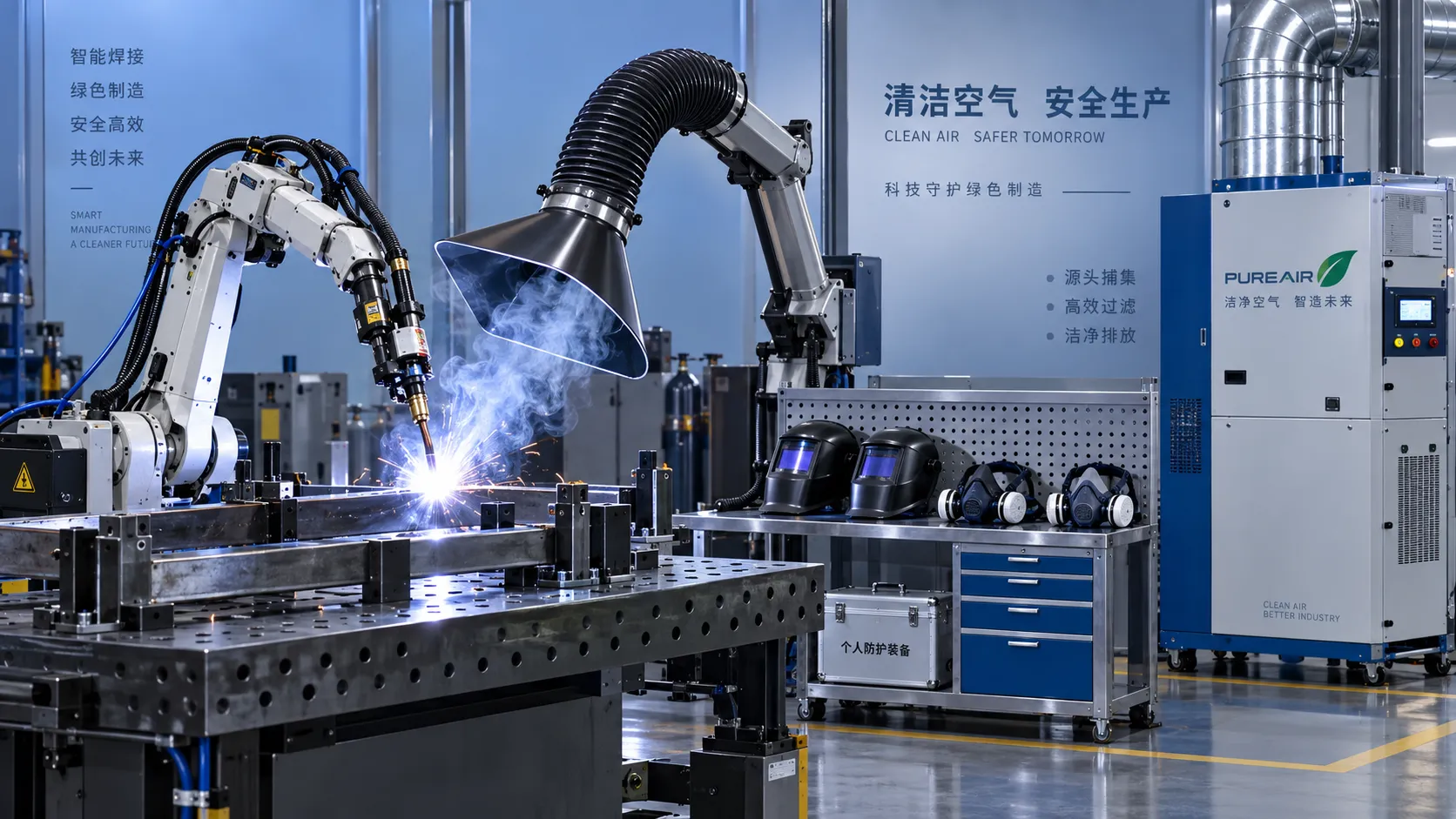
Welding Fume Extraction PPE: When Respirators Are Not Enough for Shop Safety
Welding fume extraction PPE: learn why respirators alone fall short and how source capture, ventilation, and layered controls improve shop safety.
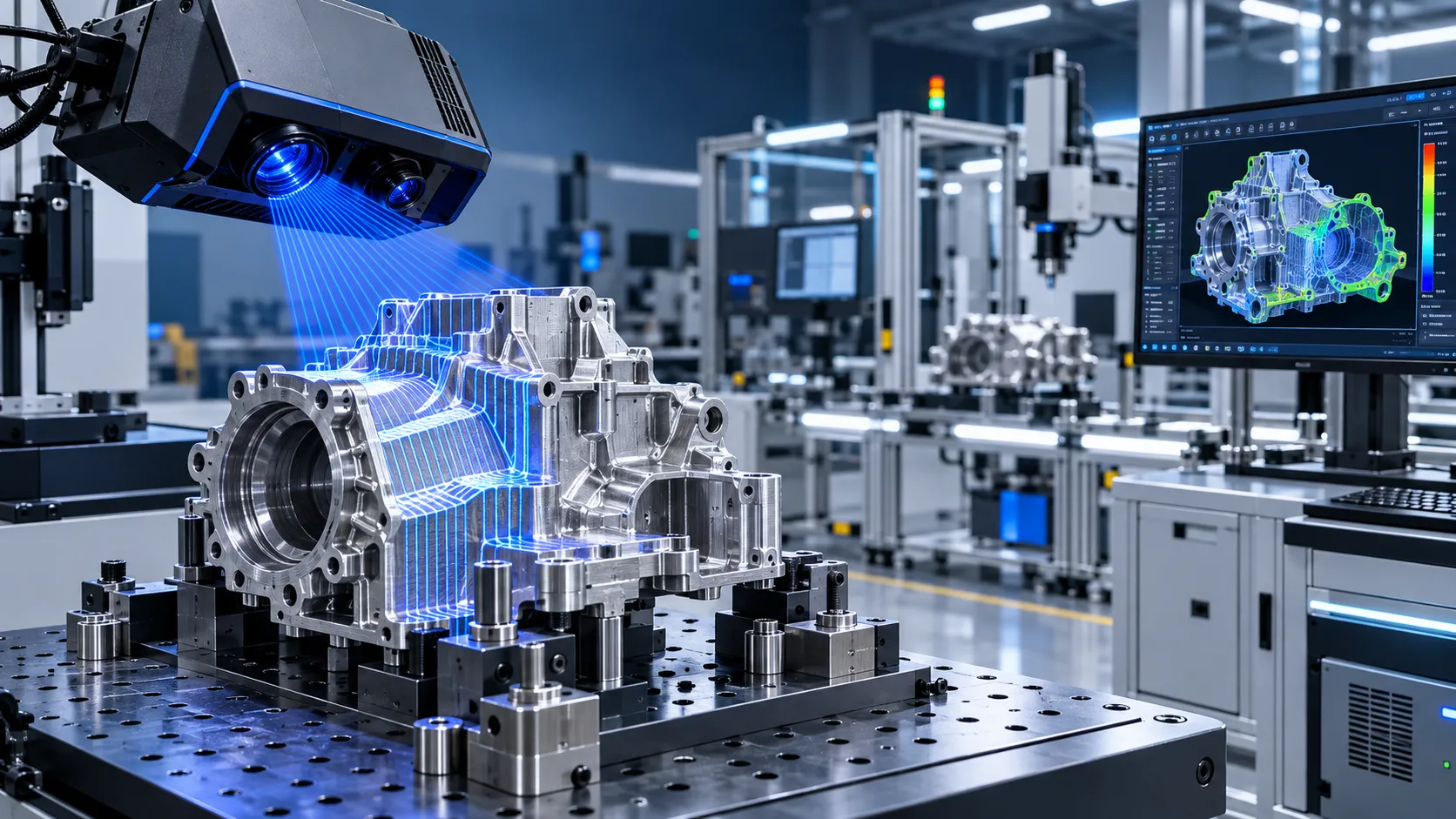
How to Select Optical Metrology Solutions for Tight-Tolerance Manufacturing
Optical industrial metrology solutions for tight-tolerance manufacturing: evaluate accuracy, surface compatibility, workflow, and traceability to select with confidence.
Related News
- 00
0000-00
Selecting Adjustable Torque Tools for Repeatable Fastener Assembly - 00
0000-00
How to Select Aerospace Inspection Tools for Aircraft Maintenance Tasks - 00
0000-00
How to Select Wire Bonding Tools for Fine-Pitch Semiconductor Packaging - 00
0000-00
Industrial Equipment Application Guidance: Match Machines to Operating Conditions - 00
0000-00
Selecting High-Speed Brushless Tool Motors for Torque, Heat, and Duty Cycle
Prof. Marcus Chen
Weekly Insights
Stay ahead with our curated technology reports delivered every Monday.