
Power Tool Efficiency Problems That Raise Operating Costs





When power tool efficiency declines, the damage is rarely limited to slower output.
It raises energy use, increases repair events, extends labor hours, and shortens equipment life.
That is why power tool efficiency matters in construction, maintenance, metalworking, assembly, and facility operations.
For cost control, the key question is not whether losses exist.
The key question is where those losses begin, how they compound, and what actions reduce them fastest.
Within the broader industrial intelligence perspective of GPTWM, improving power tool efficiency supports better asset utilization and more reliable operating forecasts.
What does power tool efficiency actually mean in operating cost terms?
Power tool efficiency is not only about motor speed or rated power.
It measures how effectively input energy becomes useful work over time, under real jobsite or workshop conditions.
A highly efficient tool cuts, drills, fastens, grinds, or welds with less waste.
That waste usually appears as heat, vibration, idle running, battery loss, or repeated rework.
From a cost perspective, poor power tool efficiency shows up in five areas:
- Higher electricity or charging demand
- Longer task completion time
- Faster wear of consumables and components
- More downtime and service interruptions
- Earlier replacement of the tool fleet
In mixed industrial environments, these factors can multiply across hundreds of tasks each month.
A small drop in power tool efficiency may look minor per tool.
Across a full operation, it can materially increase total operating cost.
Which power tool efficiency problems raise costs the fastest?
Some efficiency issues create immediate expense, while others build hidden losses over several quarters.
The fastest cost escalators are usually mechanical, electrical, or usage-related.
1. Motor inefficiency and heat buildup
Worn brushes, poor cooling, dust contamination, or overloaded motors waste energy as heat.
This reduces torque stability and increases the chance of thermal shutdown.
Heat also accelerates insulation aging and bearing wear, which raises maintenance frequency.
2. Battery degradation and charging losses
Cordless systems often hide major efficiency losses in the battery chain.
Aging cells, poor charging habits, and temperature stress reduce runtime and usable output.
Teams then rotate extra packs, pause work more often, or replace batteries earlier than planned.
3. Dull accessories and consumable mismatch
A sharp blade, suitable bit, or correct grinding disc strongly affects power tool efficiency.
When accessories are dull or mismatched, the tool works harder for less output.
That increases current draw, cycle time, vibration, and material waste.
4. Poor maintenance discipline
Blocked vents, dry gearboxes, damaged chucks, and loose connections lower performance before failure becomes visible.
This is common in high-dust, high-humidity, or mobile field environments.
5. Overspecification or underspecification
Buying more power than needed wastes capital and may increase energy use.
Buying too little power forces repeated passes, stall events, and premature wear.
In both cases, power tool efficiency declines because the tool is poorly matched to the application.
How can you tell whether low power tool efficiency is a tool issue or a process issue?
This is a critical distinction, because not every slowdown comes from the tool itself.
Sometimes the real cause is workflow design, operator technique, material variation, or charging logistics.
A practical diagnosis starts with observable signals.
If the same task produces different performance across identical tools, the process may be the problem.
If one tool consistently underperforms under similar conditions, the fault is likely mechanical or electrical.
Tracking cycle time, runtime, charging duration, temperature, and accessory life usually reveals the pattern quickly.
What common mistakes make power tool efficiency look better on paper than in real use?
Many cost models underestimate field losses because they rely on rated specifications instead of operating data.
That creates an artificial view of power tool efficiency.
Ignoring duty cycle
A tool tested in short bursts may perform very differently in continuous work.
Duty cycle affects temperature, fatigue, runtime, and maintenance intervals.
Treating battery capacity as delivered productivity
Nominal amp-hour ratings do not equal real usable output.
Voltage sag, temperature, age, and charger quality all affect performance.
Measuring purchase price instead of total cost
A cheaper tool can become more expensive when repair frequency and labor delays are included.
This is where power tool efficiency has strong financial importance.
Using the wrong benchmark
Comparing a heavy fabrication tool with a light-duty assembly tool creates misleading expectations.
Useful comparison should match material, duration, environment, and precision requirement.
How do different operating environments affect power tool efficiency?
Environment has a direct effect on both output and lifespan.
This is especially true across diverse sectors covered by industrial intelligence platforms like GPTWM.
Construction sites, repair workshops, energy facilities, and metal joining stations create very different stress profiles.
- Dust blocks cooling paths and increases motor heat.
- Humidity raises corrosion risk in contacts and internal parts.
- Low temperatures reduce battery output and charging acceptance.
- High temperatures accelerate cell aging and insulation breakdown.
- Vibration-heavy jobs loosen fasteners and damage bearings faster.
A tool that performs efficiently indoors may lose significant power tool efficiency outdoors or on mobile service routes.
Therefore, environment-specific testing matters more than brochure claims.
What actions improve power tool efficiency without major capital spending?
Not every improvement requires replacing the fleet.
Many gains come from maintenance control, data discipline, and better application matching.
- Create simple inspection intervals for vents, bearings, cords, chucks, and gear lubrication.
- Track battery age, cycle count, and temperature exposure.
- Standardize accessory selection by material and task.
- Retire damaged consumables before they increase load.
- Measure task completion time, not only tool availability.
- Separate heavy-duty and light-duty applications clearly.
- Use pilot testing before scaling a new cordless platform.
These steps often recover power tool efficiency faster than a broad replacement decision.
They also produce clearer data for future capital planning.
FAQ: How should power tool efficiency be reviewed before the next budget cycle?
Power tool efficiency is a practical cost issue, not a technical detail limited to specifications.
When efficiency drops, operating costs rise through energy loss, time waste, repair frequency, and shorter asset life.
The most effective response starts with identifying whether the cause is the tool, the battery system, the accessory, or the process.
Then, use simple performance tracking to prioritize maintenance, replacement, or workflow correction.
A structured review of power tool efficiency today can prevent avoidable operating costs in the next planning cycle.
For sectors navigating industrial assembly, welding, maintenance, and precision work, that discipline supports smarter, more resilient decisions.
Related News
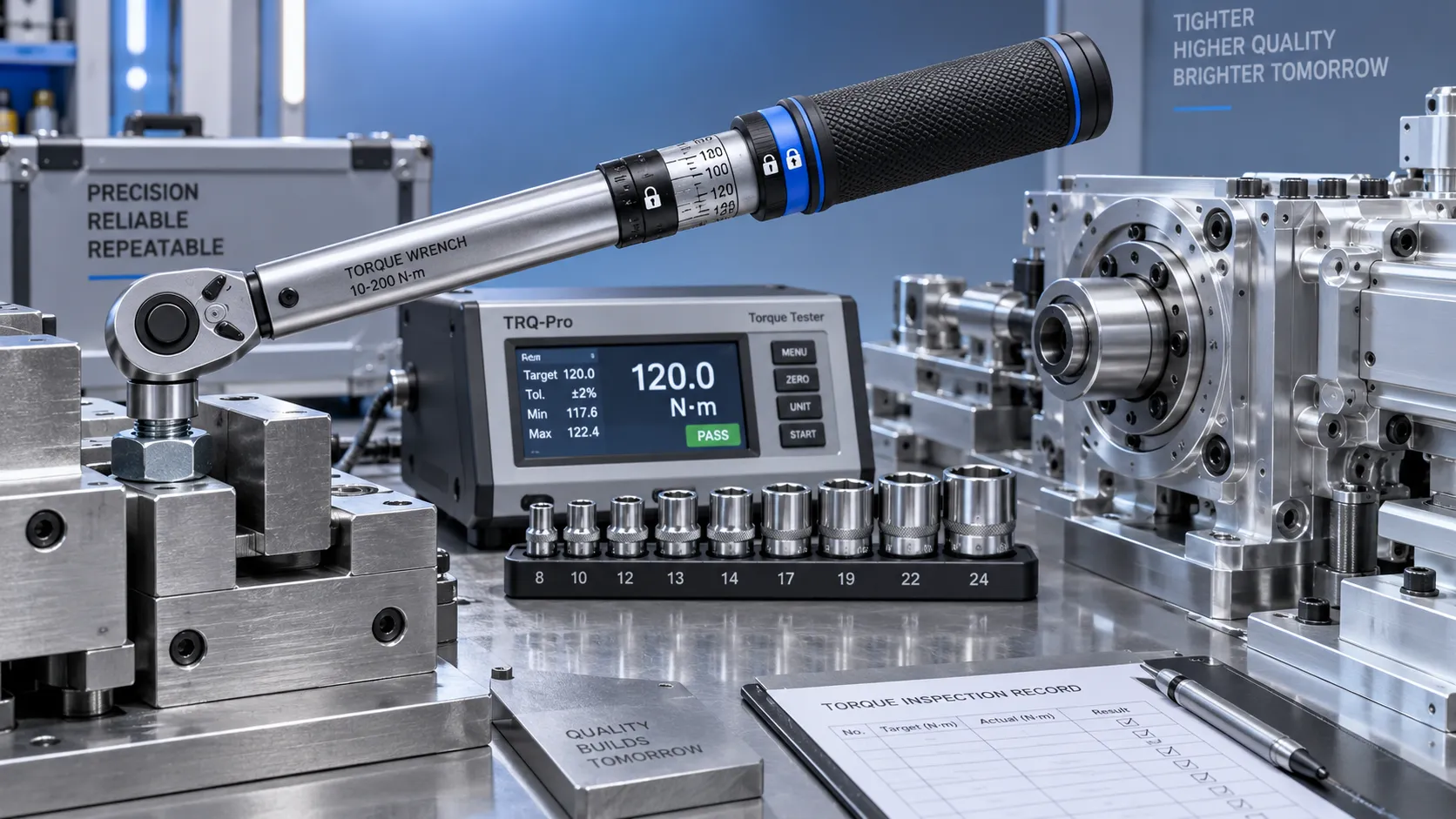
Selecting Adjustable Torque Tools for Repeatable Fastener Assembly
Adjustable torque tools: learn how to match range, accuracy, control methods, calibration, and ergonomics for repeatable, reliable fastener assembly.

How to Select Aerospace Inspection Tools for Aircraft Maintenance Tasks
Aerospace maintenance inspection tools: learn how to select reliable, traceable equipment for aircraft access, accuracy, calibration, and compliant maintenance decisions.

How to Select Wire Bonding Tools for Fine-Pitch Semiconductor Packaging
Explore semiconductor manufacturing tools for wire bonding and learn how to select precision solutions for fine-pitch packaging, reliable loops, accuracy, and yield.
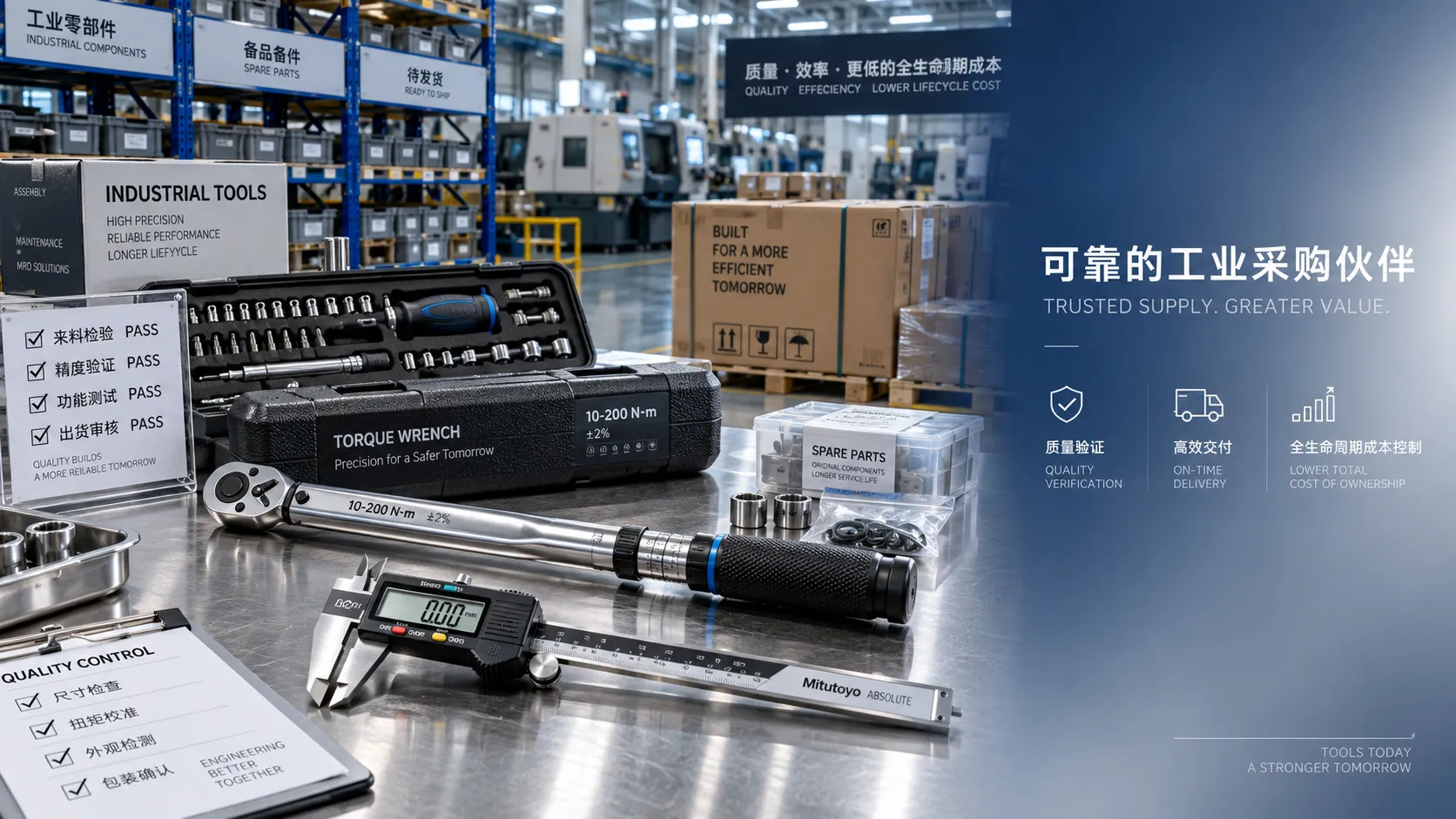
How to Compare Industrial Tool Suppliers for Quality, Lead Time, and Total Cost
Industrial tool selection supplier comparison made simple: evaluate quality, lead times, total cost, service, and supply resilience for confident sourcing decisions.
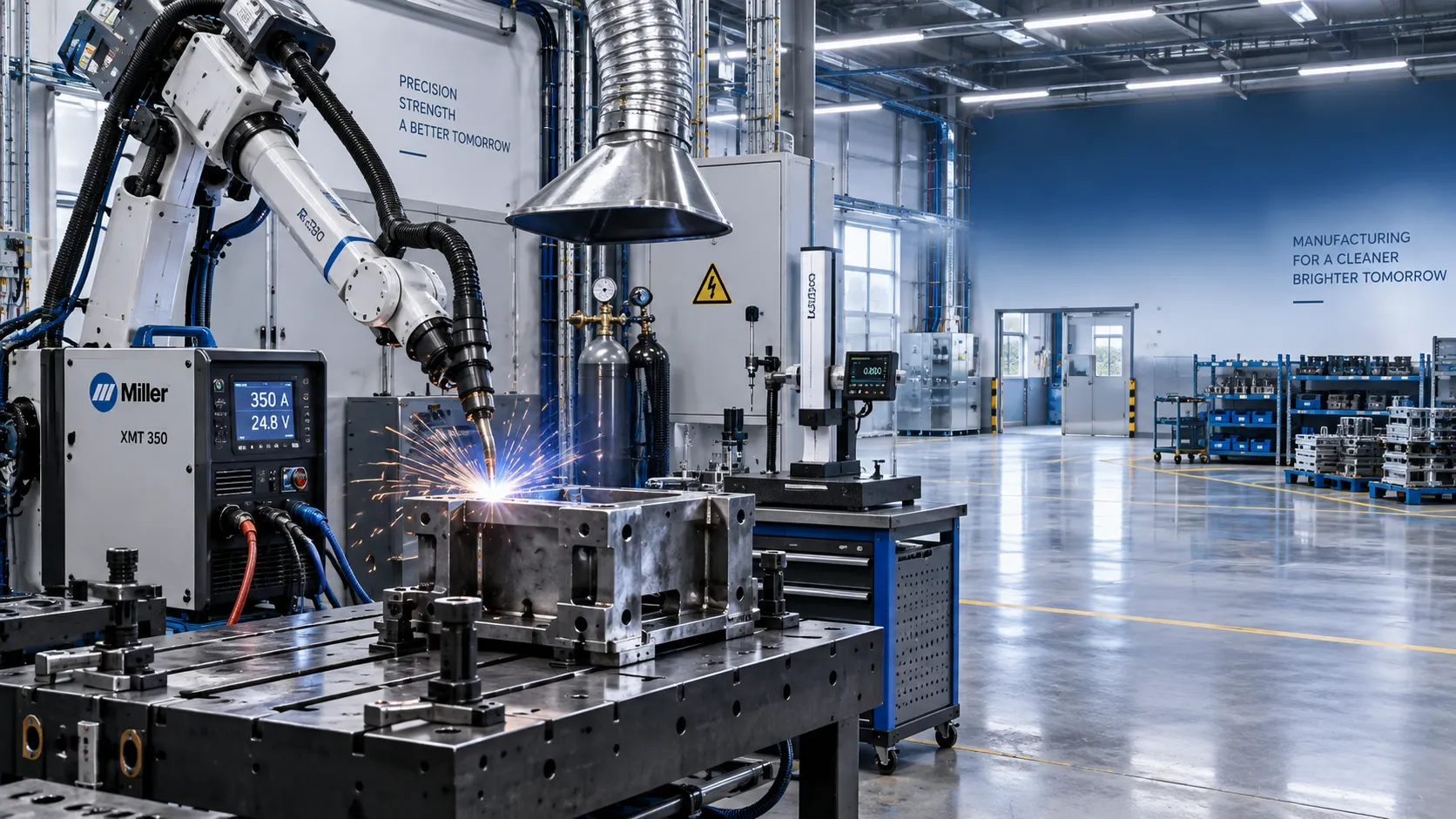
Industrial Equipment Application Guidance: Match Machines to Operating Conditions
Application guidance industrial equipment: match capacity, duty cycle, materials, site conditions, safety, and lifecycle cost to improve reliable output. Read the guide.
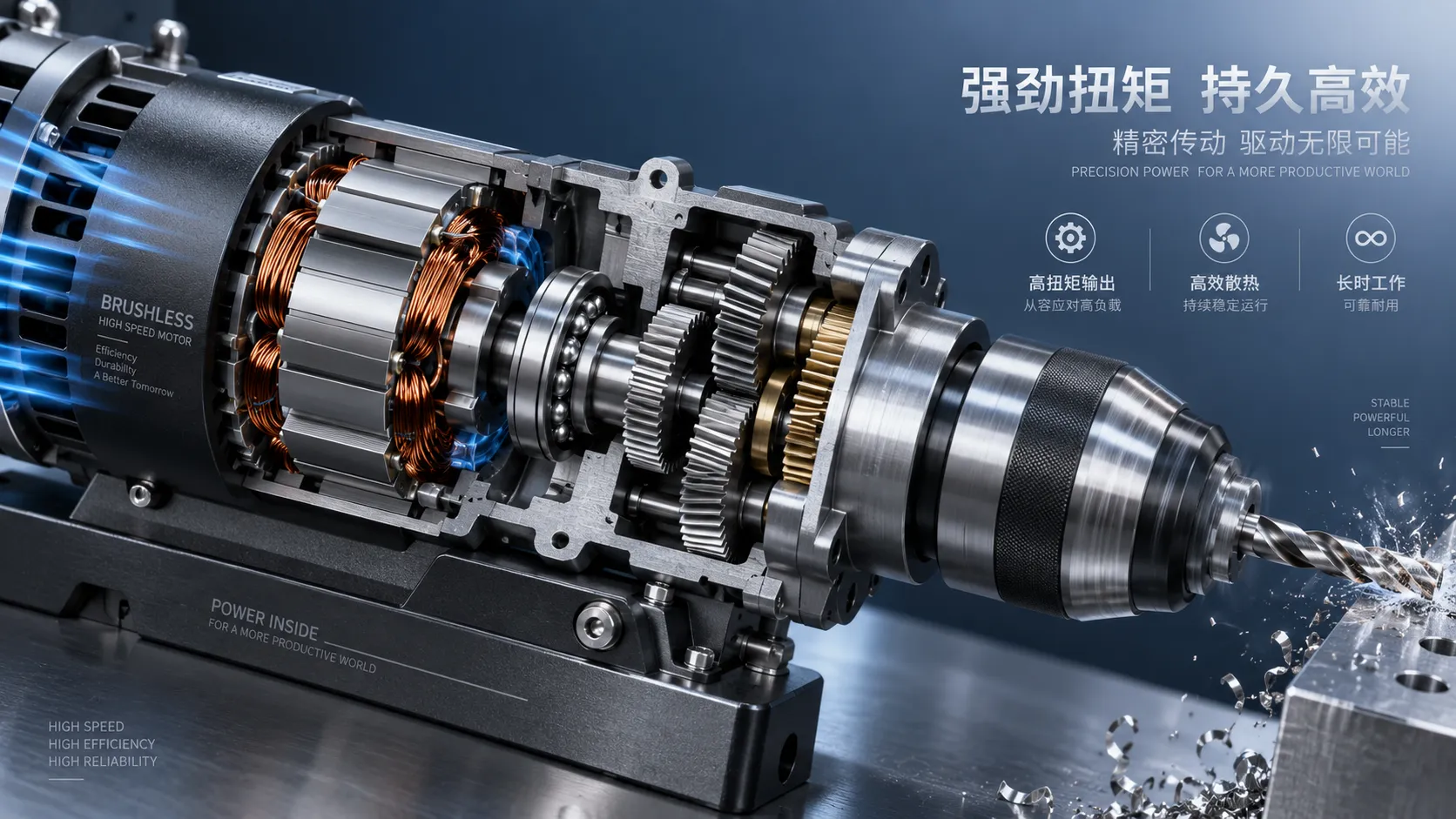
Selecting High-Speed Brushless Tool Motors for Torque, Heat, and Duty Cycle
High speed brushless tool motors: learn how to balance torque, heat, gearing, and duty cycle for reliable industrial tool performance and longer service life.
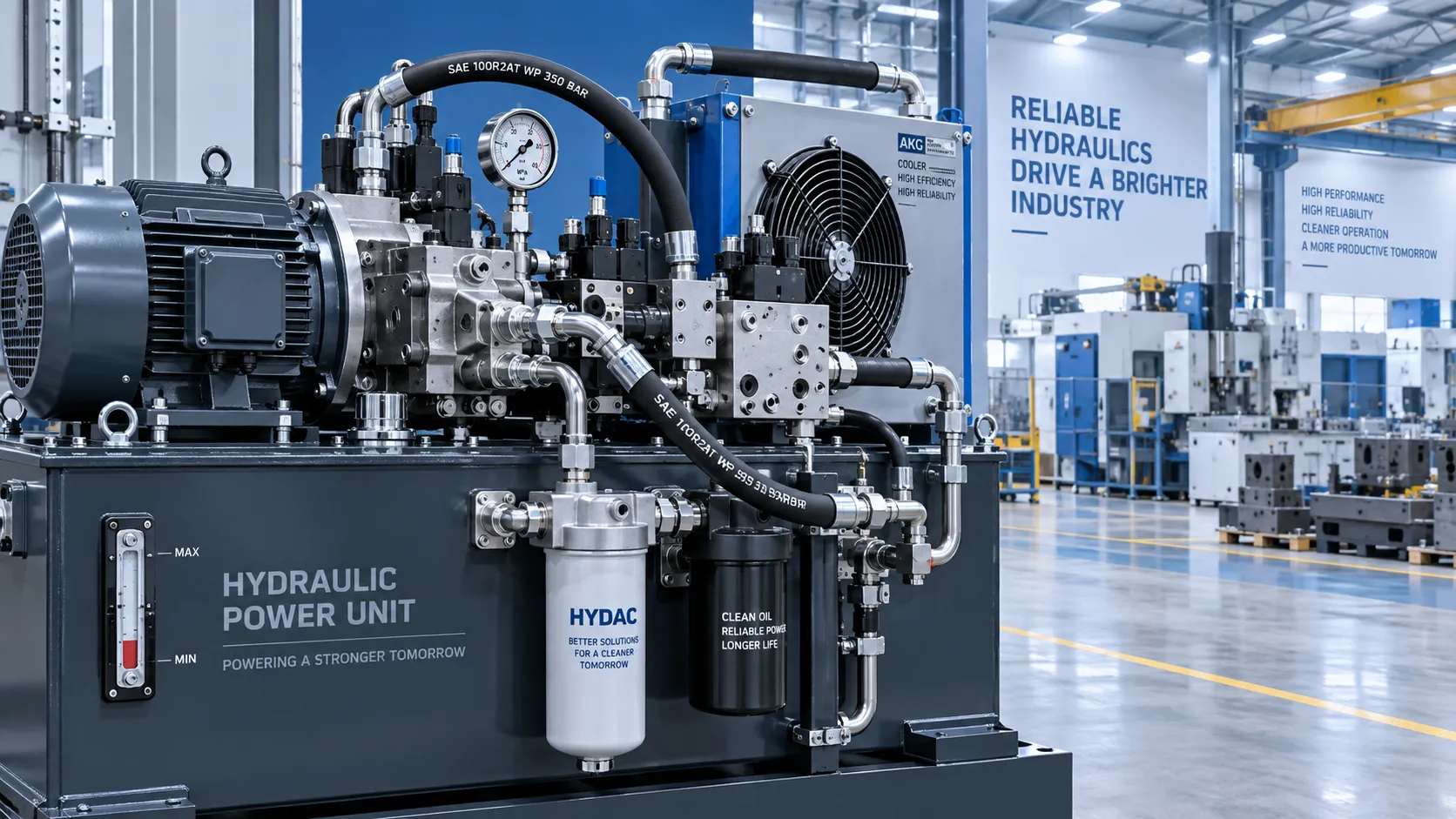
What Determines Industrial Hydraulic System Price for Heavy-Duty Equipment?
Industrial hydraulic system price depends on duty cycle, pressure, components, cooling, and integration. Compare quotes intelligently to secure reliable heavy-duty performance.

Welding Fume Extraction PPE: When Respirators Are Not Enough for Shop Safety
Welding fume extraction PPE: learn why respirators alone fall short and how source capture, ventilation, and layered controls improve shop safety.

How to Select Optical Metrology Solutions for Tight-Tolerance Manufacturing
Optical industrial metrology solutions for tight-tolerance manufacturing: evaluate accuracy, surface compatibility, workflow, and traceability to select with confidence.
Related News
- 00
0000-00
How to Select Battery Assembly Tools for Torque Control and High-Volume Production - 00
0000-00
How Battery, Torque, and Duty Cycle Affect Cordless Power Tool Efficiency - 00
0000-00
How to Size High-Torque Tool Motors for Continuous-Duty Assembly Lines - 00
0000-00
How to Choose 24V Brushless Tool Motors for Torque, Runtime, and Duty Cycle? - 00
0000-00
Automotive Repair Tools List: What Every Workshop Needs for Daily Service Jobs
Electro-Mech Tool Designer
Weekly Insights
Stay ahead with our curated technology reports delivered every Monday.