
Data-Driven Intelligence Is Changing Tool Demand Forecasts





In global manufacturing, data-driven intelligence is reshaping how enterprises predict tool demand, respond to supply volatility, and align product strategies with real market signals. For decision-makers, this shift means moving beyond instinct toward sharper forecasting across welding, precision measurement, and industrial assembly—turning fragmented market changes into actionable insight and competitive advantage.
Why Are Tool Demand Forecasts Becoming Harder to Trust?
Many industrial firms still rely on historical sales, distributor sentiment, and quarterly purchasing habits to estimate future demand. That approach worked when supply chains were slower, product portfolios were simpler, and compliance rules changed less often.
Today, however, demand for torque tools, handheld welding systems, measuring instruments, hydraulic equipment, and assembly solutions moves with raw material pricing, labor constraints, export controls, maintenance cycles, and technology upgrades. Forecasting errors now create both inventory waste and revenue loss.
For enterprise decision-makers, the real problem is not a lack of data. It is a lack of usable intelligence. Data-driven intelligence converts scattered signals into a practical demand model that supports procurement timing, SKU prioritization, safety planning, and channel strategy.
- A sudden rise in copper or alloy pricing can alter the profit structure of welding equipment and precision tool categories.
- Changes in export standards may shift regional demand from one specification range to another.
- The adoption of brushless motors, IoT torque control, and handheld laser welding safety protocols can rapidly change replacement demand and buyer expectations.
What decision-makers often miss
Forecast mistakes usually come from treating all tool categories the same. Industrial assembly tools, metal joining systems, and metrology devices follow different buying triggers. A maintenance-driven caliper purchase behaves differently from a project-driven hydraulic tool order or a compliance-driven welding equipment upgrade.
What Does Data-Driven Intelligence Mean in Industrial Tool Planning?
In this market, data-driven intelligence means more than dashboard reporting. It is the disciplined use of sector news, technical trend analysis, regional demand indicators, and application-level buying behavior to support more accurate forecasting.
GPTWM approaches this from the last mile of manufacturing, where purchasing decisions meet real production constraints. Its Strategic Intelligence Center tracks market movements that directly affect tool demand, including raw material fluctuations, export restrictions, safety adoption trends, and structural needs in construction, automotive, and aerospace maintenance.
Core inputs that improve forecast quality
- Sector news that reveals supply-side disruption before it appears in lead time reports.
- Technology trend tracking, such as rising interest in intelligent torque control or ergonomic lightweight tooling.
- Commercial demand analysis by industry segment, where replacement cycles and project intensity differ sharply.
- Standards awareness, especially when safety or performance expectations affect product acceptance.
When these inputs are stitched together, businesses gain more than a forecast. They gain a decision framework for inventory risk, sourcing timing, market entry, and margin control.
Which Market Signals Matter Most for Welding, Metrology, and Assembly Tools?
Not every data point deserves equal weight. For decision-makers, the challenge is filtering noise from operationally meaningful signals. The table below highlights the signals that most often influence demand shifts across core industrial tool categories.
A data-driven intelligence model becomes valuable when it ranks these signals by business impact. That prevents executives from overreacting to short-term noise while missing structural demand changes.
How Does Forecasting Differ by Application Scenario?
Enterprises often lose forecasting accuracy because they aggregate demand across unlike applications. A better method is scenario-based planning. Tool demand in heavy construction maintenance, automotive assembly, and aerospace repair follows different rhythms, risk thresholds, and certification expectations.
Construction and infrastructure maintenance
Demand is usually linked to project starts, contractor liquidity, and service response windows. Hydraulic tools, durable measuring devices, and high-uptime welding equipment matter most. Forecasting should account for seasonality and site-level replacement urgency.
Automotive production and component assembly
This environment values repeatability, takt-time efficiency, and traceable torque performance. Data-driven intelligence helps separate standard replenishment from technology upgrades, especially when brushless tools or connected torque systems begin to replace older lines.
Aerospace maintenance and precision inspection
Here, accuracy, documentation, and compliance risk dominate the buying decision. Forecasts should weigh calibration cycles, inspection frequency, and replacement tolerance more heavily than price alone. Precision metrology demand may rise even when broader tool demand remains flat.
For companies serving multiple sectors, GPTWM’s commercial insights are useful because they reveal structural differences rather than general market averages. That leads to more realistic stocking decisions and stronger pricing discipline.
Traditional Forecasting vs Data-Driven Intelligence: What Changes in Practice?
The strongest case for data-driven intelligence appears when executives compare decision quality, not just software features. The table below outlines the operational difference between traditional forecasting and a more intelligence-led model.
This comparison matters because forecasting is not an isolated planning exercise. It influences supplier negotiation, channel confidence, marketing spend, and service capability. Better intelligence leads to better allocation decisions across the whole tool business.
What Should Decision-Makers Evaluate Before Adjusting Procurement Plans?
A forecast only becomes useful when it changes action. Before increasing or reducing purchases, enterprise leaders should test assumptions against commercial reality, technical fit, and compliance exposure.
A practical procurement checklist
- Separate replacement demand from growth demand. A stable reorder pattern may hide a future shift toward upgraded tool types.
- Review safety and standards implications. New adoption in laser welding or connected assembly can require additional accessories, documentation, or training support.
- Check specification sensitivity. Precision measuring tools often face tighter acceptance thresholds than general-purpose power tools.
- Model lead time risk by component type. Electronics, sensors, and control modules may create different delays from metal housings or standard mechanical parts.
- Consider channel readiness. Distributors may accept a new intelligent tool category only if after-sales explanation and application guidance are available.
Data-driven intelligence supports this process by adding market context to technical selection. Instead of asking only what to buy, decision-makers can ask when to buy, in what mix, for which region, and with what risk buffer.
How Do Standards and Compliance Affect Demand Forecast Accuracy?
Forecasting mistakes often begin when companies treat compliance as a downstream issue. In reality, standards and certification expectations can reshape demand well before an order is placed. This is especially true in welding safety, metrology traceability, and industrial assembly quality control.
Specific requirements vary by market and application, but decision-makers should monitor whether a product category is influenced by operator safety practices, calibration expectations, product labeling rules, or traceability requirements. These factors can slow adoption, accelerate replacement, or shift preference toward a more documented solution.
- For metrology tools, calibration discipline and measurement traceability affect confidence in recurring demand.
- For welding solutions, workplace safety expectations may determine whether a technology category scales smoothly.
- For assembly tools, digital torque recording and process traceability can turn a conventional tool market into a smart tooling market.
GPTWM’s intelligence value is especially clear here. By linking sector news with trend interpretation, it helps decision-makers identify whether a demand spike is commercially durable or likely to face compliance friction.
What Are the Most Common Forecasting Mistakes?
Mistake 1: Assuming all growth is organic demand
A temporary supply shortage at competitors can inflate orders without indicating lasting demand. Data-driven intelligence helps distinguish channel stockpiling from true end-use consumption.
Mistake 2: Ignoring ergonomic and lightweighting trends
Industrial buyers increasingly weigh operator fatigue, portability, and usability. If your forecast ignores this shift, legacy models may be overstocked while newer formats move faster than expected.
Mistake 3: Treating smart features as optional extras
In some assembly environments, IoT-enabled torque control is no longer a premium add-on. It is becoming a quality and traceability requirement. That changes forecast assumptions for both tools and connected support components.
Mistake 4: Relying on annual planning cycles alone
In volatile sectors, yearly budgets are too static. Forecasts should be reviewed against quarterly technical and commercial signals. That does not mean constant disruption. It means structured adjustment.
FAQ: What Do Buyers and Executives Usually Ask?
How can data-driven intelligence improve procurement decisions without overcomplicating the process?
Start with the categories that carry the highest inventory value, compliance risk, or lead time sensitivity. For many industrial firms, that means welding systems, precision measuring instruments, and intelligent assembly tools. Use intelligence to review those categories first, then expand.
Which scenarios benefit most from improved demand forecasting?
The biggest gains appear where specification errors are costly, delivery windows are tight, and application risk is high. Aerospace maintenance, automotive assembly, export-oriented distribution, and project-driven industrial service teams usually benefit early.
What should be prioritized when budgets are limited?
Prioritize intelligence around categories with the greatest downside from wrong timing. That may include high-value metrology tools, smart torque systems, or welding technologies affected by safety adoption and accessory requirements.
How often should forecasts be updated?
There is no single rule, but many decision-makers benefit from a quarterly strategic review with monthly checks on volatile categories. The right rhythm depends on supply exposure, project intensity, and how quickly standards or technology expectations are changing.
Why the Future of Tool Demand Belongs to Intelligence-Led Companies
The next stage of industrial competition will not be won by carrying the largest inventory or reacting fastest after disruption. It will be won by reading demand earlier and more accurately. Data-driven intelligence gives enterprises a better view of when craftsmanship, technology adoption, and market structure intersect.
For leaders in industrial assembly, metal joining, and precision metrology, the advantage is strategic. Better forecasts reduce dead stock, protect delivery commitments, improve supplier negotiations, and support stronger brand positioning in professional channels.
Why Choose GPTWM for Smarter Forecasting and Market Decisions?
GPTWM is built for decision-makers who need more than headlines. Its Strategic Intelligence Center connects sector news, evolutionary trends, and commercial insights across the last mile of manufacturing. That makes it especially relevant for companies operating in welding, industrial assembly, hydraulic tools, and precision measurement markets.
If your team is evaluating product mix changes, regional demand shifts, intelligent tool adoption, or compliance-sensitive purchasing plans, GPTWM can support more confident decisions with focused industry intelligence.
- Consult on demand signal interpretation for welding, metrology, and assembly categories.
- Discuss product selection priorities based on application scenario and market direction.
- Review delivery cycle risk, specification planning, and replacement versus upgrade demand.
- Assess certification-related considerations, safety adoption barriers, and export-market requirements.
- Explore customized intelligence support for quotation planning, distributor strategy, and sample evaluation preparation.
When tool demand becomes harder to read, better data alone is not enough. The real edge comes from intelligence that connects precision tools with market reality. That is where GPTWM helps enterprises turn uncertainty into action.
- industrial assembly
- metal joining
- precision metrology
- handheld laser welding
- brushless motors
- IoT torque control
- hydraulic equipment
- precision tools
- sector news
- raw material fluctuations
- export standard restrictions
- evolutionary trends
- commercial insights
- aerospace maintenance
- craftsmanship
- data-driven intelligence
- welding equipment
- torque tools
- laser welding
Related News
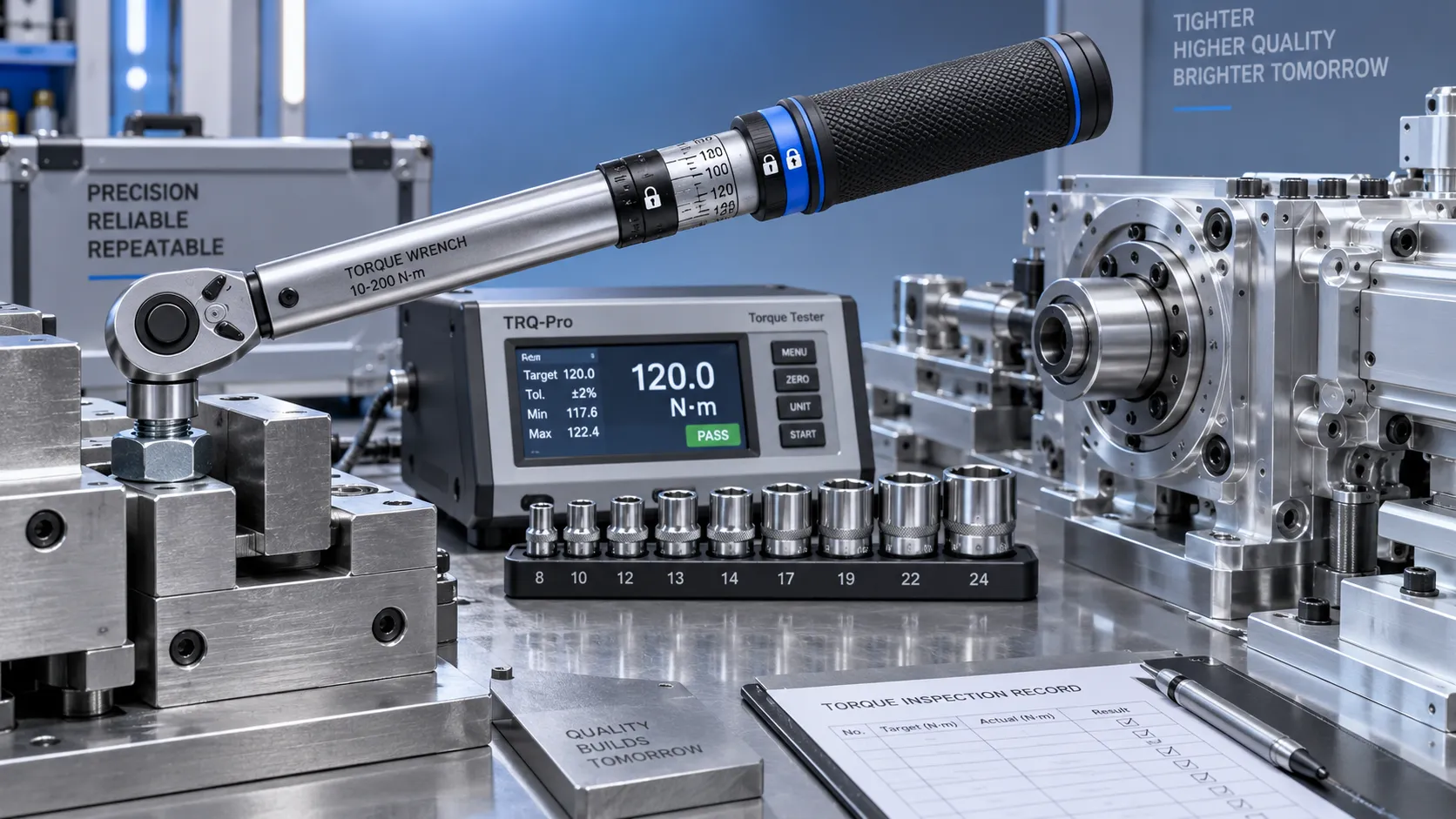
Selecting Adjustable Torque Tools for Repeatable Fastener Assembly
Adjustable torque tools: learn how to match range, accuracy, control methods, calibration, and ergonomics for repeatable, reliable fastener assembly.

How to Select Aerospace Inspection Tools for Aircraft Maintenance Tasks
Aerospace maintenance inspection tools: learn how to select reliable, traceable equipment for aircraft access, accuracy, calibration, and compliant maintenance decisions.

How to Select Wire Bonding Tools for Fine-Pitch Semiconductor Packaging
Explore semiconductor manufacturing tools for wire bonding and learn how to select precision solutions for fine-pitch packaging, reliable loops, accuracy, and yield.
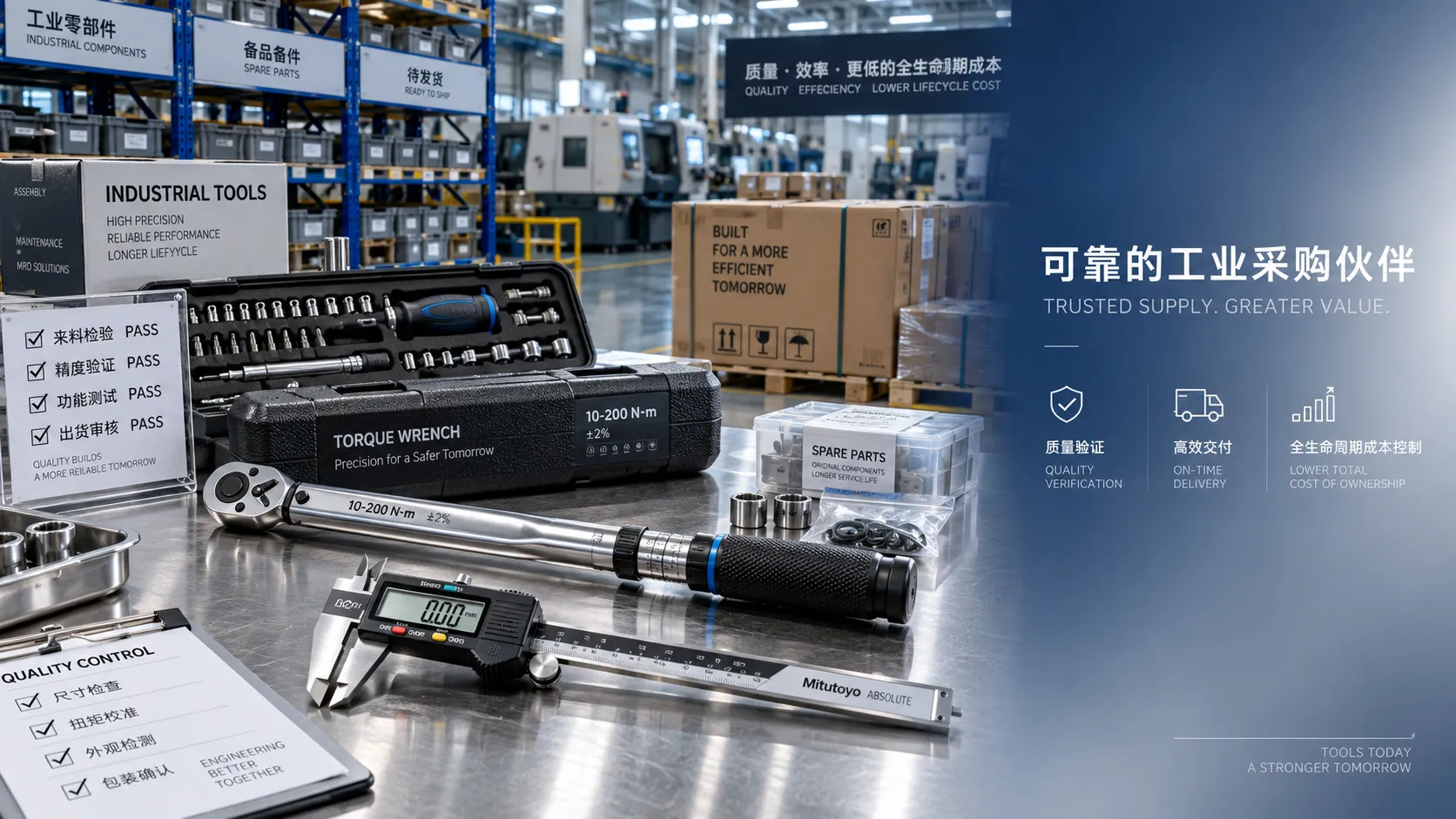
How to Compare Industrial Tool Suppliers for Quality, Lead Time, and Total Cost
Industrial tool selection supplier comparison made simple: evaluate quality, lead times, total cost, service, and supply resilience for confident sourcing decisions.

Industrial Equipment Application Guidance: Match Machines to Operating Conditions
Application guidance industrial equipment: match capacity, duty cycle, materials, site conditions, safety, and lifecycle cost to improve reliable output. Read the guide.

Selecting High-Speed Brushless Tool Motors for Torque, Heat, and Duty Cycle
High speed brushless tool motors: learn how to balance torque, heat, gearing, and duty cycle for reliable industrial tool performance and longer service life.

What Determines Industrial Hydraulic System Price for Heavy-Duty Equipment?
Industrial hydraulic system price depends on duty cycle, pressure, components, cooling, and integration. Compare quotes intelligently to secure reliable heavy-duty performance.
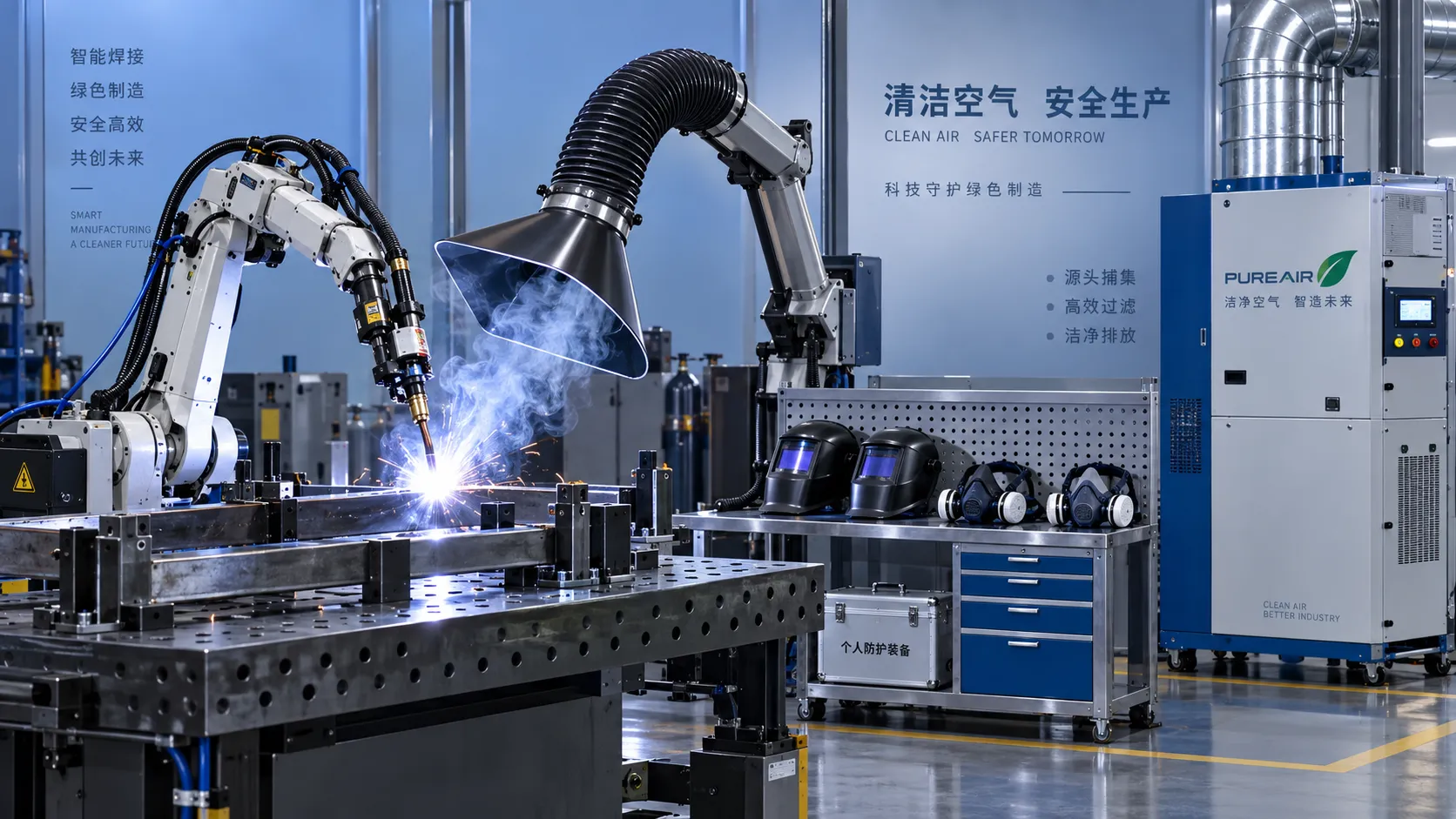
Welding Fume Extraction PPE: When Respirators Are Not Enough for Shop Safety
Welding fume extraction PPE: learn why respirators alone fall short and how source capture, ventilation, and layered controls improve shop safety.

How to Select Optical Metrology Solutions for Tight-Tolerance Manufacturing
Optical industrial metrology solutions for tight-tolerance manufacturing: evaluate accuracy, surface compatibility, workflow, and traceability to select with confidence.
Related News
- 00
0000-00
How Middle East Manufacturers Can Improve Production Efficiency Under Heat and Labor Constraints - 00
0000-00
Why Are Specification-Oriented Articles Gaining Traction in Europe’s B2B Markets? - 00
0000-00
Industrial Solutions in Latin America: Key Growth Sectors and Market Entry Risks - 00
0000-00
What Is Driving Manufacturing Efficiency in Europe’s Industrial Sectors? - 00
0000-00
Industrial Market Trends in 2025: What Buyers Should Watch Across Supply and Demand
Dr. Alistair Vaughn
Weekly Insights
Stay ahead with our curated technology reports delivered every Monday.