
Why Aerospace Tools Need Tighter Tolerance Control





In aerospace manufacturing and maintenance, even microscopic deviations can trigger expensive failures, safety exposure, and audit problems. That is why aerospace tools need tighter tolerance control than ordinary industrial equipment.
From structural fastening to turbine inspection, aerospace tools directly influence fit, torque accuracy, alignment, and traceability. When tolerances drift, the result is not only scrap. It can also mean delayed certification, rework, and reduced service reliability.
Across the broader industrial landscape, precision expectations are rising. Yet aerospace remains the clearest example of why tool accuracy, calibration discipline, and process control must move together rather than operate separately.
Tolerance control is becoming a strategic issue, not just a technical detail
The shift is visible in both production and maintenance environments. Aerospace programs now use lighter alloys, composite structures, miniature fasteners, and more digitally tracked assembly steps.
These changes increase sensitivity to tiny measurement errors. A small mismatch in aerospace tools can distort hole quality, affect torque delivery, or create inconsistent joint performance.
At the same time, quality systems have become more data-driven. Regulators and prime contractors expect auditable calibration records, repeatable results, and clearer links between tool performance and process capability.
This means tolerance control is no longer confined to metrology labs. It now shapes procurement decisions, maintenance planning, operator training, and digital quality integration.
Why aerospace tools face tighter limits than standard industrial equipment
The answer begins with consequence severity. In many industries, moderate deviation may reduce efficiency. In aerospace, the same deviation can affect airworthiness, fatigue life, or in-service safety margins.
Tolerance control for aerospace tools is driven by several connected forces:
- Critical joints often carry dynamic loads, vibration, pressure, and thermal cycling.
- Materials such as titanium and composites demand controlled force and precision contact.
- Assembly access is often limited, increasing reliance on exact tool geometry.
- Inspection results must support documentation, traceability, and compliance evidence.
- Rework costs are unusually high once systems are closed, painted, or certified.
In short, aerospace tools operate where performance windows are narrow and penalties for variation are severe. That is why tighter tolerance control becomes a practical necessity, not an engineering preference.
Key drivers behind the tighter tolerance requirement
The hidden cost of loose tolerances in aerospace tools
Loose tolerances rarely fail in dramatic ways at first. More often, they create small inconsistencies that accumulate across drilling, fastening, welding, gauging, and final inspection.
A torque tool that reads slightly high may overstress a fastener. A gauge with minor wear may accept a borderline feature. A misaligned fixture can shift a hole pattern enough to force rework.
Each issue seems isolated. Together, they weaken process capability and reduce confidence in product conformity. That makes aerospace tools a frontline control point for both quality and schedule protection.
Where tolerance drift causes the most disruption
- Fastener installation, where clamp load consistency matters.
- Hole preparation, where diameter and roundness affect structural integrity.
- Composite work, where excessive force can damage layers invisibly.
- Engine and hydraulic maintenance, where sealing surfaces require exact fit.
- Dimensional inspection, where false acceptance creates downstream risk.
How tighter tolerance control affects different business functions
The impact of aerospace tools extends beyond the workshop. Precision control influences planning, supplier qualification, maintenance cycles, and data governance across the industrial chain.
For production, tighter control supports repeatability and first-pass yield. For maintenance operations, it improves confidence during disassembly, replacement, and reassembly of critical systems.
For quality operations, aerospace tools with stable tolerances reduce ambiguity in inspection records. That improves root-cause analysis and helps separate operator variation from actual tool-related drift.
For commercial and supply functions, tighter tolerance expectations reshape sourcing criteria. Price alone becomes less useful than lifecycle reliability, calibration support, and documentation quality.
Practical effects by operational area
What deserves closer attention now
As aerospace tools become more integrated with digital manufacturing, the real question is not whether tighter tolerance control matters. The question is where loss of precision is most likely to start.
- Calibration frequency should reflect actual risk, not only fixed calendar intervals.
- Tool wear data should be linked to material type, task intensity, and environment.
- Measurement uncertainty should be reviewed alongside design tolerance stacks.
- Digital torque and inspection records should feed nonconformance analysis.
- Aerospace tools should be evaluated for repeatability, not just nominal accuracy.
- Storage, transport, and handling controls should match the tool sensitivity level.
These priorities align with broader industrial modernization. Precision no longer lives in a single instrument. It depends on the entire operating context surrounding aerospace tools.
A useful response is to build a tolerance-risk map
A practical next step is to rank aerospace tools by consequence, frequency, and drift sensitivity. This reveals which tools need tighter monitoring and which ones can follow routine control plans.
The method does not need to be complex. It should simply connect tool performance with product risk, inspection dependence, and operational exposure.
- List critical aerospace tools used in assembly, inspection, and maintenance.
- Identify the tolerance-sensitive features each tool can influence.
- Measure current drift patterns through calibration and usage history.
- Set response rules for recalibration, repair, replacement, or process review.
- Integrate findings into digital quality records and training updates.
This approach supports stronger decisions without slowing operations unnecessarily. It also helps justify investment in higher-grade aerospace tools where the return is clearest.
The direction is clear: precision control will define competitive resilience
Aerospace production is moving toward lighter designs, smarter documentation, and lower tolerance for quality escapes. In that environment, aerospace tools sit at the center of execution risk.
Tighter tolerance control protects assembly integrity, inspection reliability, and compliance readiness. It also reduces the hidden cost of variation that often appears later as delay, rework, or field exposure.
For any industrial organization tracking future capability, the lesson is straightforward. Review the tolerance performance of aerospace tools, map the highest-risk points, and strengthen calibration, traceability, and usage discipline now.
That action creates a stronger foundation for safer operations, cleaner audits, and more dependable manufacturing results in one of the world’s most demanding precision environments.
Related News
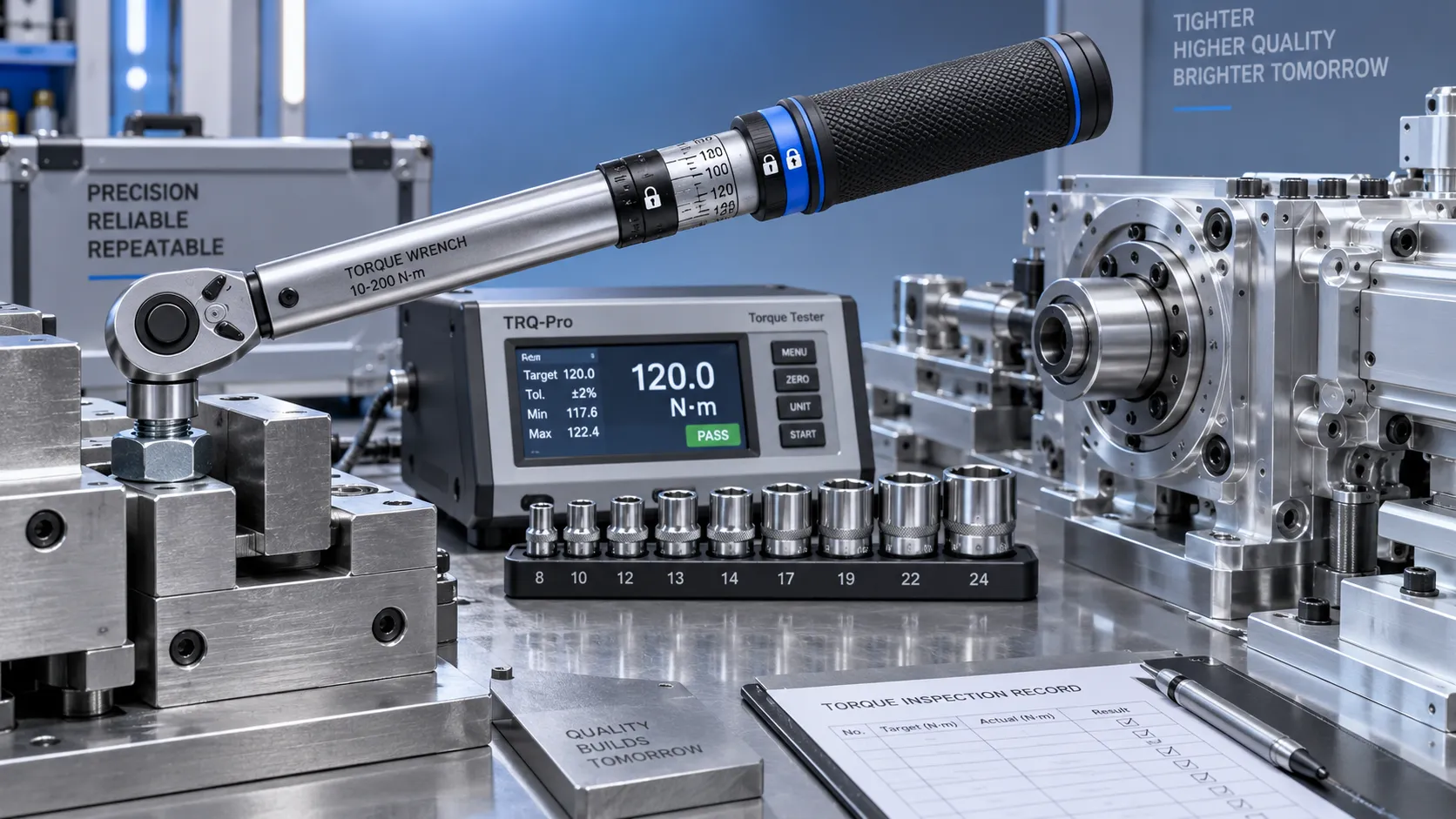
Selecting Adjustable Torque Tools for Repeatable Fastener Assembly
Adjustable torque tools: learn how to match range, accuracy, control methods, calibration, and ergonomics for repeatable, reliable fastener assembly.

How to Select Aerospace Inspection Tools for Aircraft Maintenance Tasks
Aerospace maintenance inspection tools: learn how to select reliable, traceable equipment for aircraft access, accuracy, calibration, and compliant maintenance decisions.

How to Select Wire Bonding Tools for Fine-Pitch Semiconductor Packaging
Explore semiconductor manufacturing tools for wire bonding and learn how to select precision solutions for fine-pitch packaging, reliable loops, accuracy, and yield.
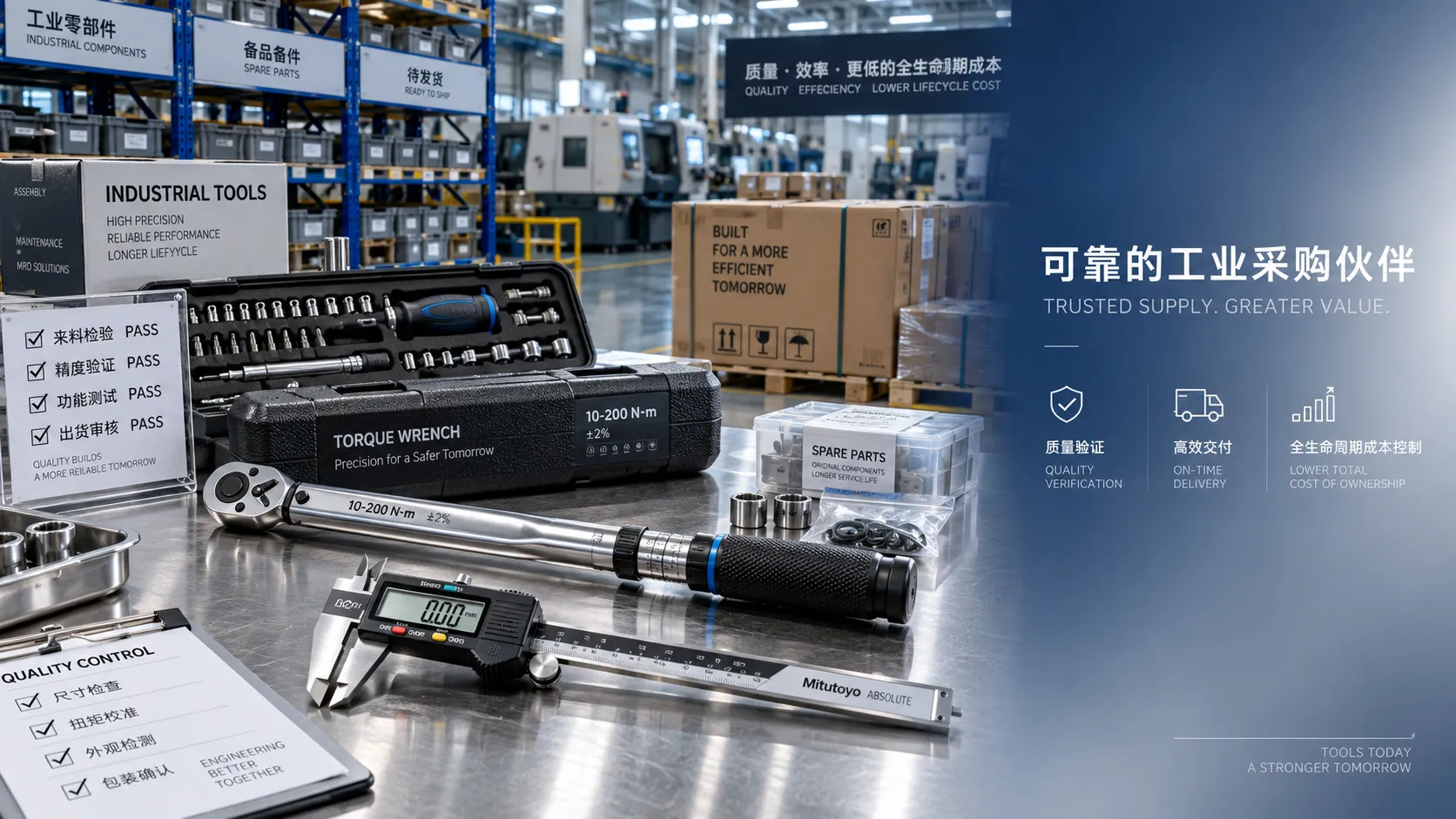
How to Compare Industrial Tool Suppliers for Quality, Lead Time, and Total Cost
Industrial tool selection supplier comparison made simple: evaluate quality, lead times, total cost, service, and supply resilience for confident sourcing decisions.
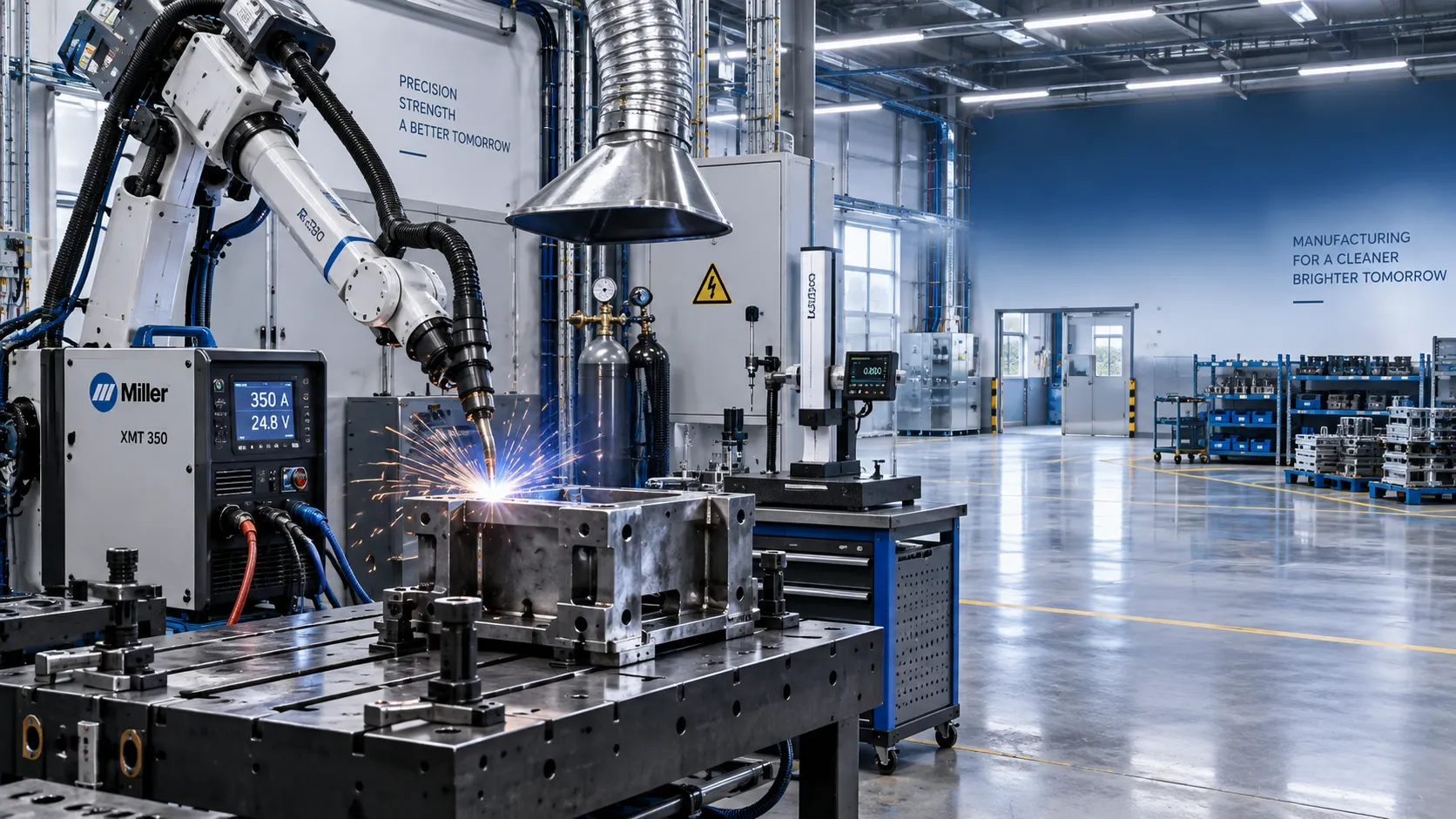
Industrial Equipment Application Guidance: Match Machines to Operating Conditions
Application guidance industrial equipment: match capacity, duty cycle, materials, site conditions, safety, and lifecycle cost to improve reliable output. Read the guide.
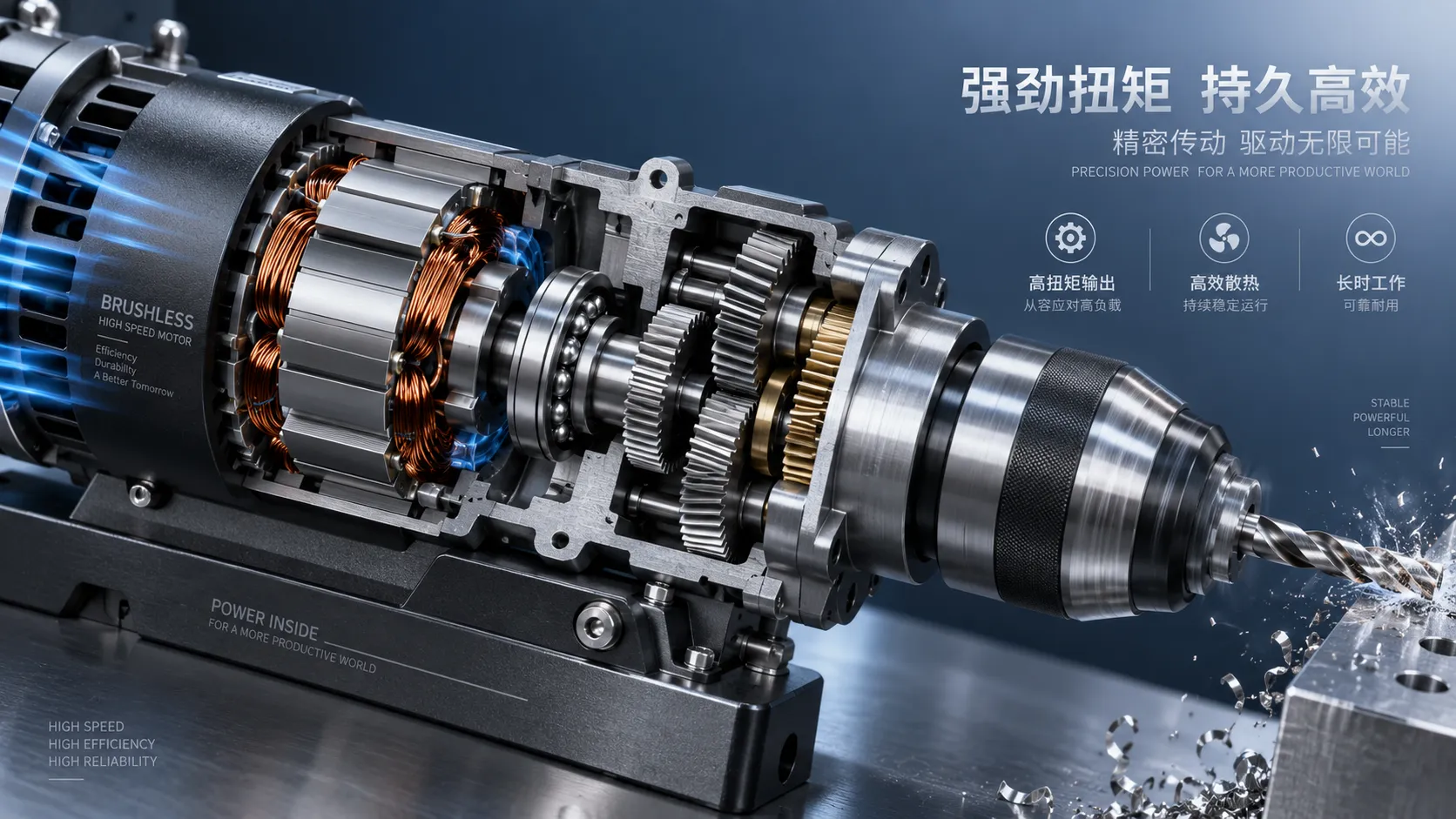
Selecting High-Speed Brushless Tool Motors for Torque, Heat, and Duty Cycle
High speed brushless tool motors: learn how to balance torque, heat, gearing, and duty cycle for reliable industrial tool performance and longer service life.
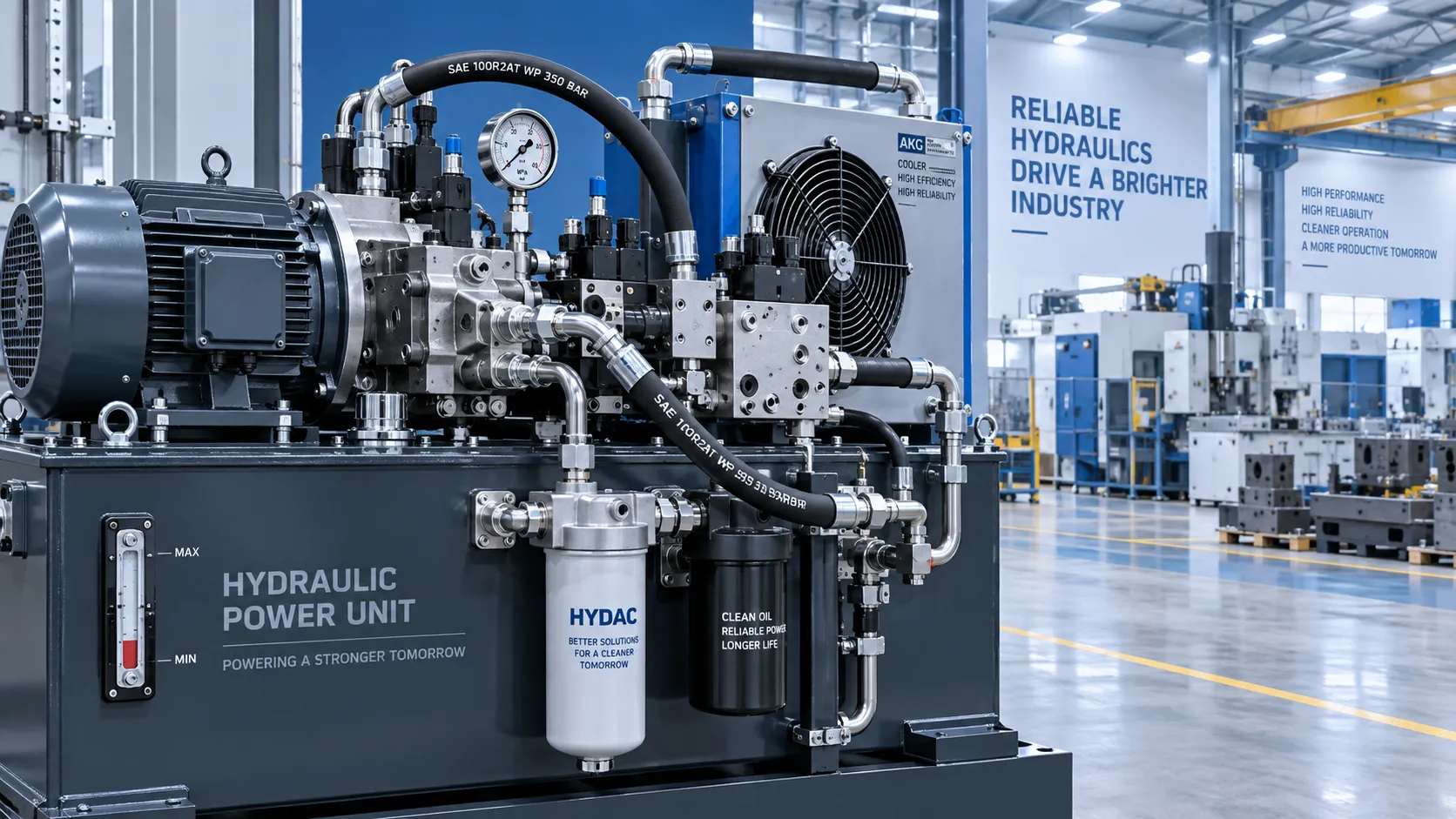
What Determines Industrial Hydraulic System Price for Heavy-Duty Equipment?
Industrial hydraulic system price depends on duty cycle, pressure, components, cooling, and integration. Compare quotes intelligently to secure reliable heavy-duty performance.
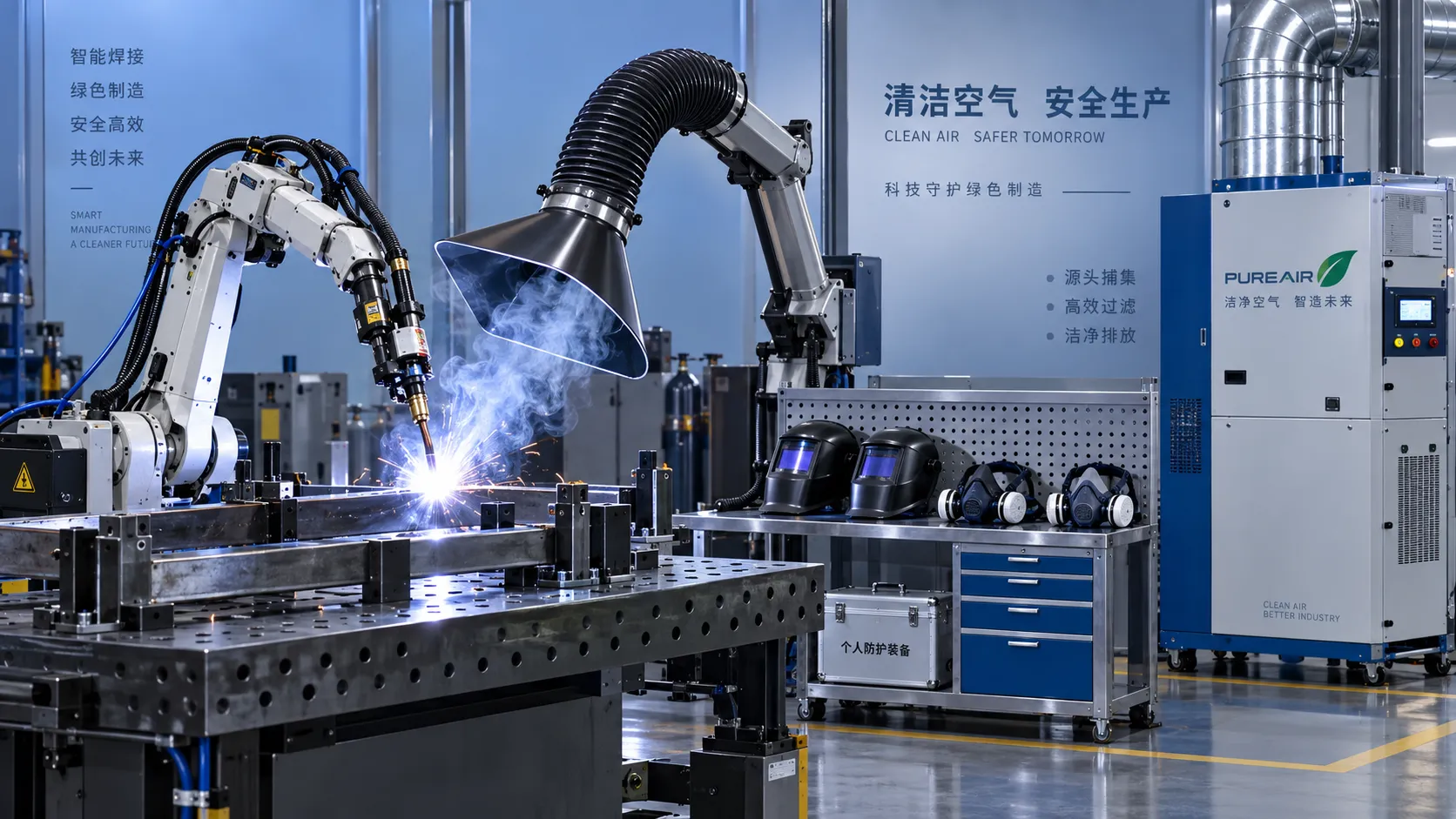
Welding Fume Extraction PPE: When Respirators Are Not Enough for Shop Safety
Welding fume extraction PPE: learn why respirators alone fall short and how source capture, ventilation, and layered controls improve shop safety.

How to Select Optical Metrology Solutions for Tight-Tolerance Manufacturing
Optical industrial metrology solutions for tight-tolerance manufacturing: evaluate accuracy, surface compatibility, workflow, and traceability to select with confidence.
Related News
- 00
0000-00
Planning Access, Material Flow, and Clearance Around a 3200mm Sliding Saw - 00
0000-00
How to Select Vernier Precision Calipers for Tight-Tolerance Machining Inspection - 00
0000-00
How to Choose Metalworking Tools for Sheet Metal by Thickness and Forming Tasks - 00
0000-00
Metrology Technology Europe: Which Systems Improve Inspection Accuracy on the Line? - 00
0000-00
How to Choose Precision Measuring Instruments in North America for Tighter Tolerance Work
Metrology Fellow
Weekly Insights
Stay ahead with our curated technology reports delivered every Monday.